Antarctica highlights
56 highlights shown
Highlights
Region
Destination
-
Show all

Adelie Penguin
Wildlife
These gallant-fighting, deep-diving namesakes of the French-claimed Antarctic Adélie Land are among the four penguin species on mainland Antarctica

Antarctic Fur Seal
Wildlife
Once hunted nearly into extinction, these pointy-eared polar swimmers are the comeback queens and kings of the Antarctic

Antarctic Petrel
Wildlife
These feathered fish-eaters are among the planet's most southerly nesting birds, the "petrel" of their name deriving from Saint Peter for their seeming ability to walk on water

Antarctic Shag
Wildlife
The only Antarctic bird to keep a year-round nest as long as the ice holds off, these neighbor-robbing homebodies are a welcome sight for sailors in search of land

Arctic Tern
Wildlife
Among the most nomadic birds on the planet, these sun-loving tourists summer twice a year during their ambitious routes

Atlantic Yellow-Nosed Albatross
Wildlife
These so-called "foolish gulls" aren't so very foolish, capable of gliding for miles without a single flap of their wings

Black-Crowned Night Heron
Wildlife
The warmth of their nesting instinct belies the darkness of their name, though that doesn't keep these night hunters from feeding during hours competition is at a low

Black-browed Albatross
Wildlife
So efficient in the air that their in-flight heart rate barely rises above resting, these sub-Antarctic birds pack a stomach full of oil they can spit at would-be attackers

Blackish Cinclodes
Wildlife
Small and unassuming, these diminuitive birds are inquisitive, daring and a common sight on the Falkland Islands

Blue Petrel
Wildlife
Spending all but the breeding season out to sea, these sole claimants of the genus Halobaena dash across the water to gain speed before liftoff

Blue Whale
Wildlife
The largest-known creatures the Earth has ever produced have lifespans comparable to ours, though not hearts: Theirs can outweigh most vehicles

Chinstrap Penguin
Wildlife
Though armed with the "stonebreaker" nickname and a quarrelsome reputation, these gentoo relatives are fading from the Antarctic – probably due to climate change

Cobb’s Wren
Wildlife
Named after the farmer and bird writer Arthur Cobb, these native Falkland birds have such a small region and population that they are prone to inbreeding

Commerson’s Dolphin
Wildlife
Named after the French naturalist who discovered them, these cetaceans are among the smallest to populate the Antarctic seas

Crabeater Seal
Wildlife
They may be Earth's most abundant seal, but their teeth are far from typical and are perhaps the most precisely designed eating tool of any living carnivore

Crested Duck
Wildlife
These non-migratory mallards are highly territorial, the males' red and orange eyes brightening when breeding time has arrived

Dark-faced Ground Tyrant
Wildlife
Nicknamed “news bird” for its habit of hopping close to other birds as if to relay news, the dark-faced ground tyrant is part of the largest family of birds in the Americas

Emperor Penguin
Wildlife
The largest, deepest-diving, and least interested in nests of all the penguins, these aptly named Aptenodytes are among the most coveted wildlife attractions in the Antarctic

Falkland Steamer Duck
Wildlife
One of only two bird species native to the Falklands, the flightless Falkland steamer duck gets its name from the steamer-like way it flaps its legs and wings while swimming

Fin Whale
Wildlife
Akin to their blue whale relatives both in size and the low frequency of their song, these "razorbacks" have asymmetrically colored faces thought to help them while hunting

Flying Fish
Wildlife
Encounter these wonders of the ocean as they soar above the white-tipped waves below

Fulmar
Wildlife
The Norse used to call them "foul ghouls" for their pungent-smelling stomach oil, but this evolutionary trait is both a defensive tactice and mid-flight energy source

Gentoo Penguin
Wildlife
These hygienic divers are the only penguin species whose population is currently increasing along the Antarctic Peninsula

Giant Petrel
Wildlife
These Greek-dubbed "long swimmers" are the only members of the Procellariidae family with legs strong enough to walk about on land

Green Turtle
Wildlife
A remnant from the days of the dinosaurs, these cold-blooded herbivores cannot retract into their shells like many other turtle species

Grey-headed Albatross
Wildlife
These "gold-mouthed" mollymawks live at sea but spend most of their lives in the air, protecting their title as world's fastest horizontal flier

Hourglass Dolphin
Wildlife
We most often see these easily identifiable dolphins along the Drake Passage, though they may also appear in both Antarctica and the sub-Antarctic

Humpback Whale
Wildlife
Also known as "great-winged newfoundlanders" for their wing-like flippers, these cetaceans earned their more contemporary name by the way they bow their backs before a dive

Killer Whale
Wildlife
Technically a kind of dolphin, orcas were once thought to appear as whales in the summer and wolves in the winter

King Penguin
Wildlife
Second in size only to the emperor penguin, these colorful divers look so different than their own chicks that they were once thought to be a different species
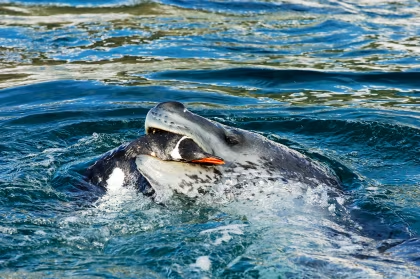
Leopard Seal
Wildlife
These "slender-clawed water workers" spend much of their lives submerged, though it's known they are the only member of their family to consume other seals
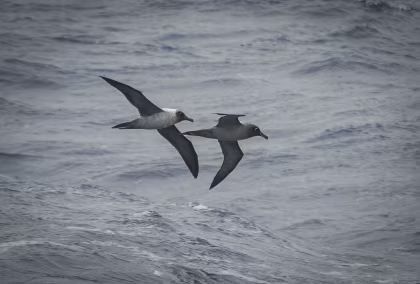
Light-mantled Albatross
Wildlife
Though these black-billed birds are so efficient at flying that they spend more energy at nest than in the air, they're often less than masterful at landing

Macaroni Penguin
Wildlife
Named for their orange plume feathers, these shallow-nesting hoppers are the largest of the crested penguins

Magellanic Penguin
Wildlife
These timid feather-shedders are named after the famed Portuguese explorer whose crew spotted them in 1520

Magellanic Snipe
Wildlife
Keep an eye out for these adept coastal foragers on a visit to the Falkland Islands

Minke Whale
Wildlife
Though the smallest of the fin whales, these migrating mammals can let out a cry as loud as a plane taking off
