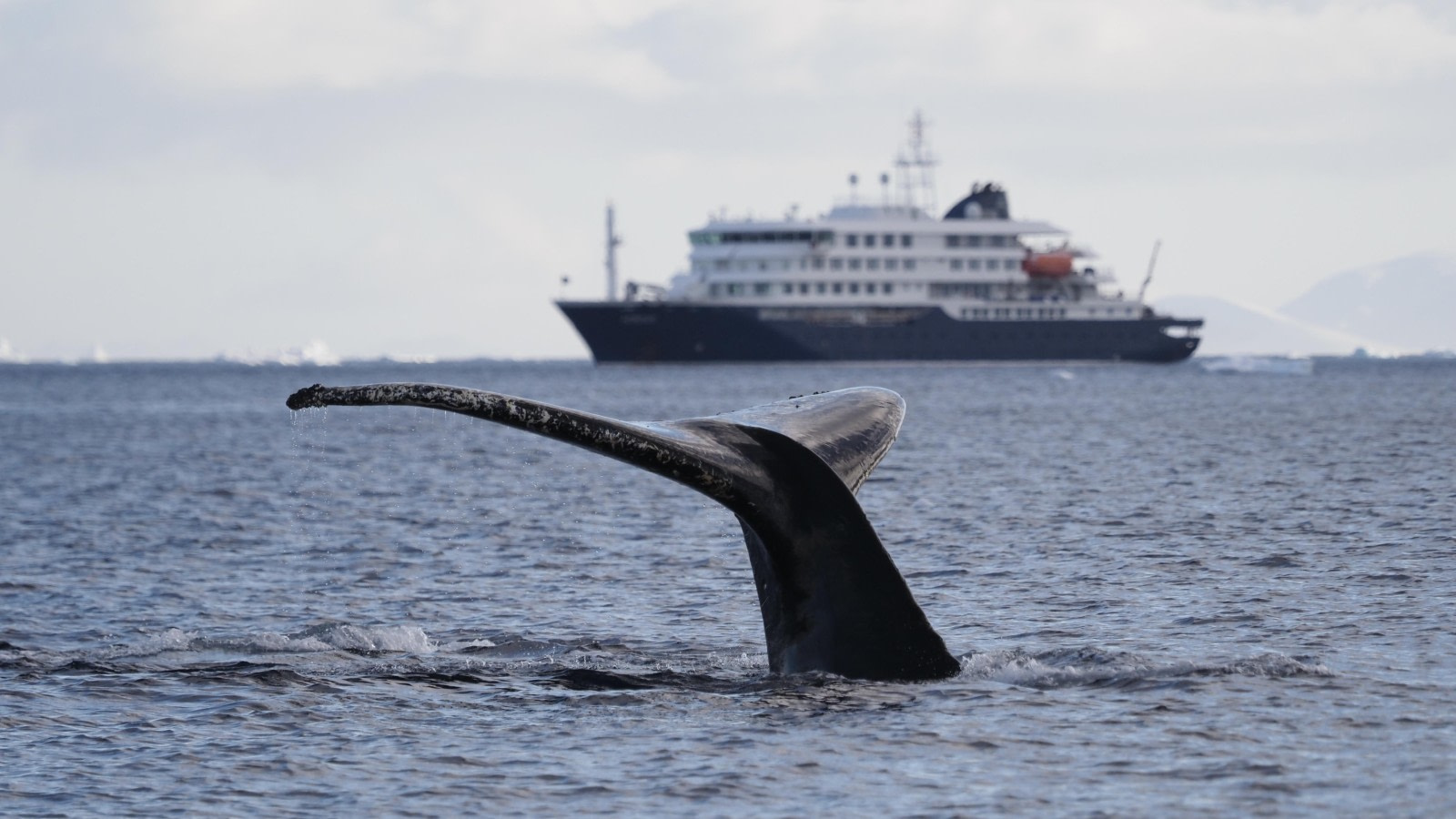
Antarctica is one of the most spectacular locations on Earth. Each month offers something unique, from vibrant wildlife and days full of sunlight to fascinating historical sites and dynamic, unforgettable activities. March signals the closing chapter of our Antarctica cruise season, with our ice-strengthened expedition vessels taking the final guests of the season to the Antarctic Peninsula and across the beautiful southern seas.
In March, the White Continent begins its slow return to silence as winter approaches.
What makes March so special in Antarctica?
March is a quieter, more contemplative time to visit Antarctica. You'll experience an even more tranquil, atmospheric version of this already unique place. Wildlife activity is still vibrant, especially in the water. Sea ice begins to reform, but conditions often allow access to iconic areas of the Antarctic Peninsula, the Polar Circle, and parts of the Weddell Sea. The light in March is softer, with extended periods of twilight and the beautiful hues of sunset and sunrise.
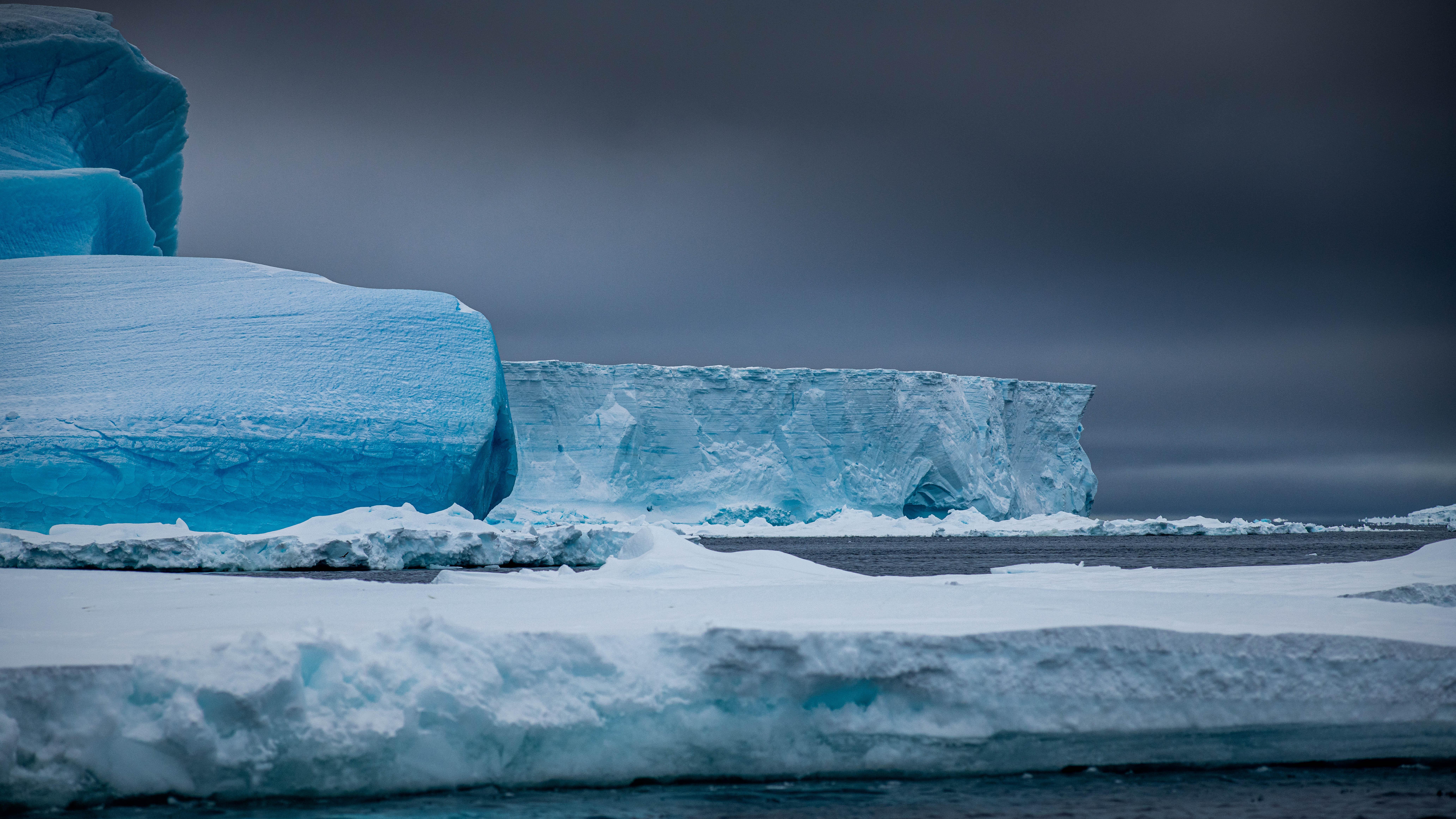
Picture by Alexander Romanovskiy
This is a month for bold, dramatic photos: glowing icebergs under soft golden light, mirror-like waters reflecting glaciated cliffs, and moody skies adding depth everywhere you look. Sea ice begins to return. Winter's grip is slowly approaching. The Antarctic air is crisper, and the sense of solitude is unmatched. Fewer expedition vessels visit Antarctica in March, meaning it feels even more remote, untouched, and far from civilization. Landings are more intimate, and wildlife encounters often feel exclusive - it's just you, your companions, and the wide-open landscapes of the most spectacular place on Earth.
The Oceanwide expedition experience in Antarctica during March
A March expedition cruise to Antarctica is a true polar expedition built around flexibility, an adventurous spirit, and a deep connection to the environment. Our fleet of ice-strengthened motor vessels – m/v Hondius, m/v Ortelius, and m/v Plancius – are ideally suited to exploring remote areas late in the season, when many other operators have already wrapped up their expedition trips.
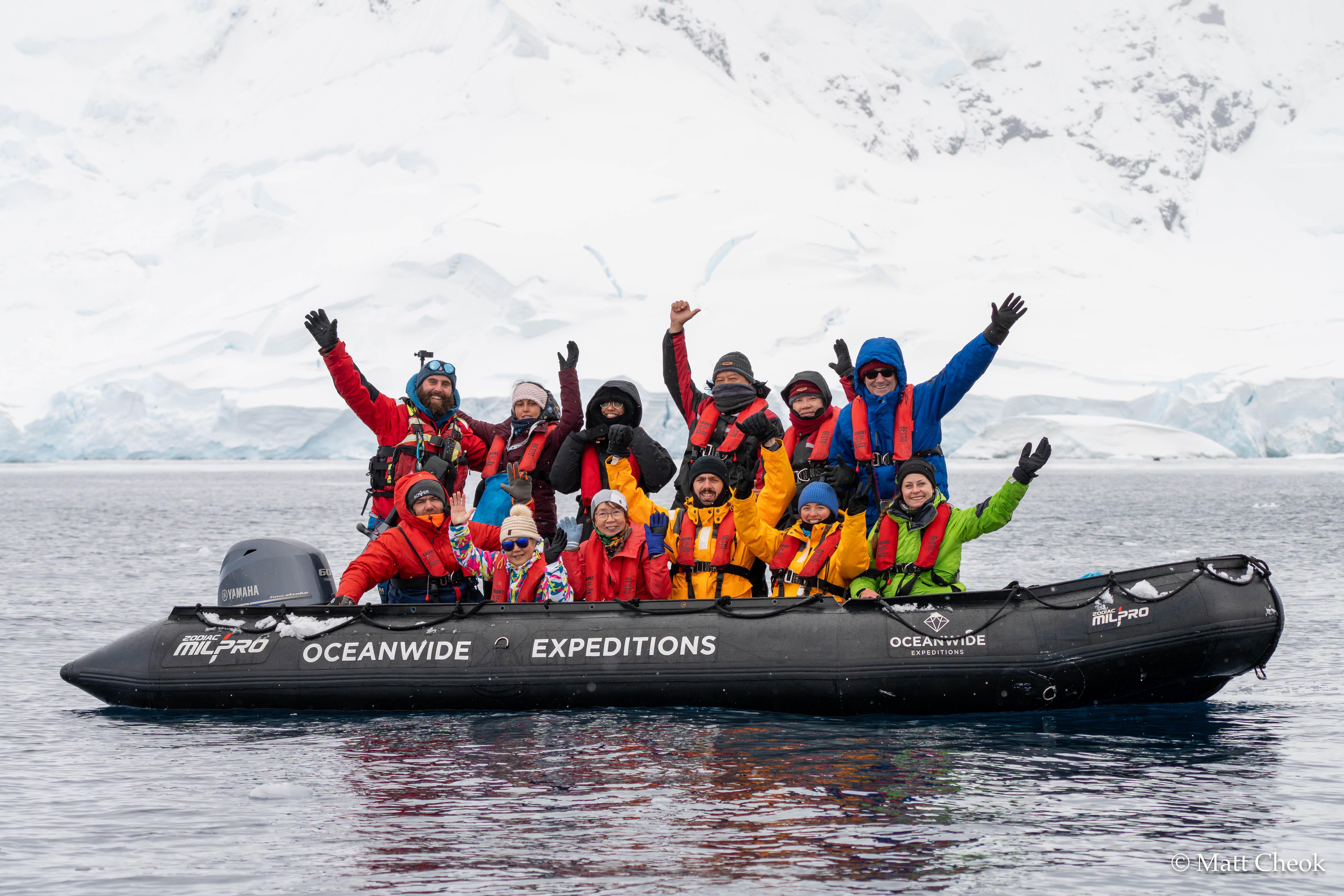
We pride ourselves on our small-size ship approach. Our vessels allow us to adapt to changing ice and weather conditions quickly. With fewer passengers, everyone gets the chance to participate in shore landings and Zodiac excursions. In Antarctica, many landing locations have limitations on the number of people allowed on shore at one time.
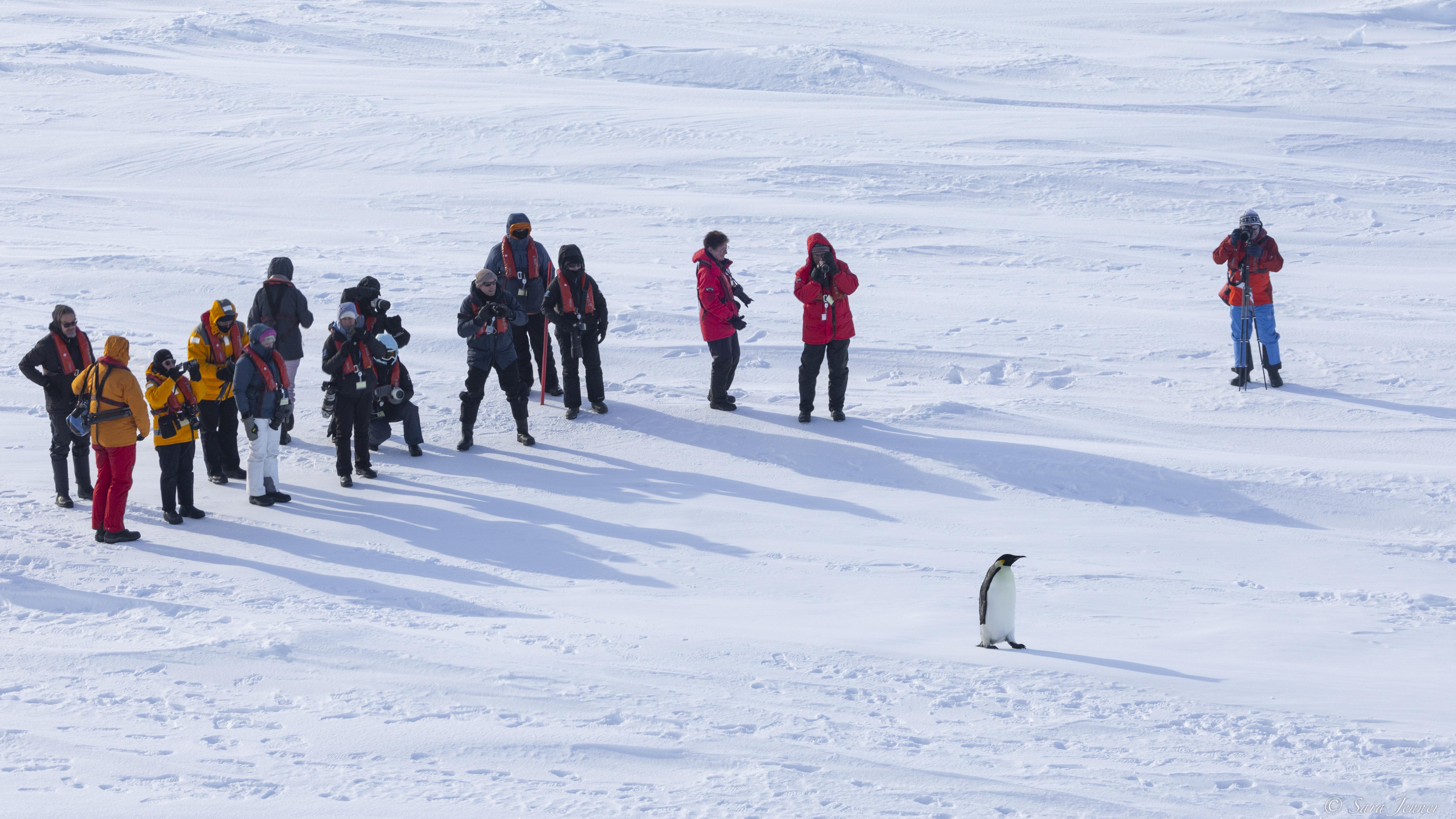
Picture by Sara Jenner
Led by expert guides — from marine biologists and glaciologists to historians and wildlife photographers — our expedition cruises in March focus on authentic discovery and a genuine adventure. They avoid excessive luxuries and highlight what matters. Unforgettable experiences, dynamic activities, and genuine discoveries at the most distant edges of the map.
We offer several different Antarctic expedition cruise itineraries in March, including Antarctica – Polar Circle trips, whale watching trips, and expeditions into the Weddell Sea. Sometimes Basecamp trips are offered. With the changing seasonal weather and ice conditions, trips in March truly have the feel of an authentic expedition, with daily itineraries dependent on ice conditions and wildlife opportunities.
What wildlife can I see in March on an Antarctica expedition cruise?
One of the main wildlife draws in March is whale watching. Indeed, March is a prime month for encountering the giants of the seas. Humpback whales, orcas, fin whales, and minke whales are often spotted in abundance around the Antarctic Peninsula, feeding in the nutrient-rich Antarctic waters in preparation for their northward migrations. With sea ice reduced but starting to reform in many areas , these marine mammals can be spotted more frequently, with family groups surfacing during Zodiac excursions or in sight of the ship.
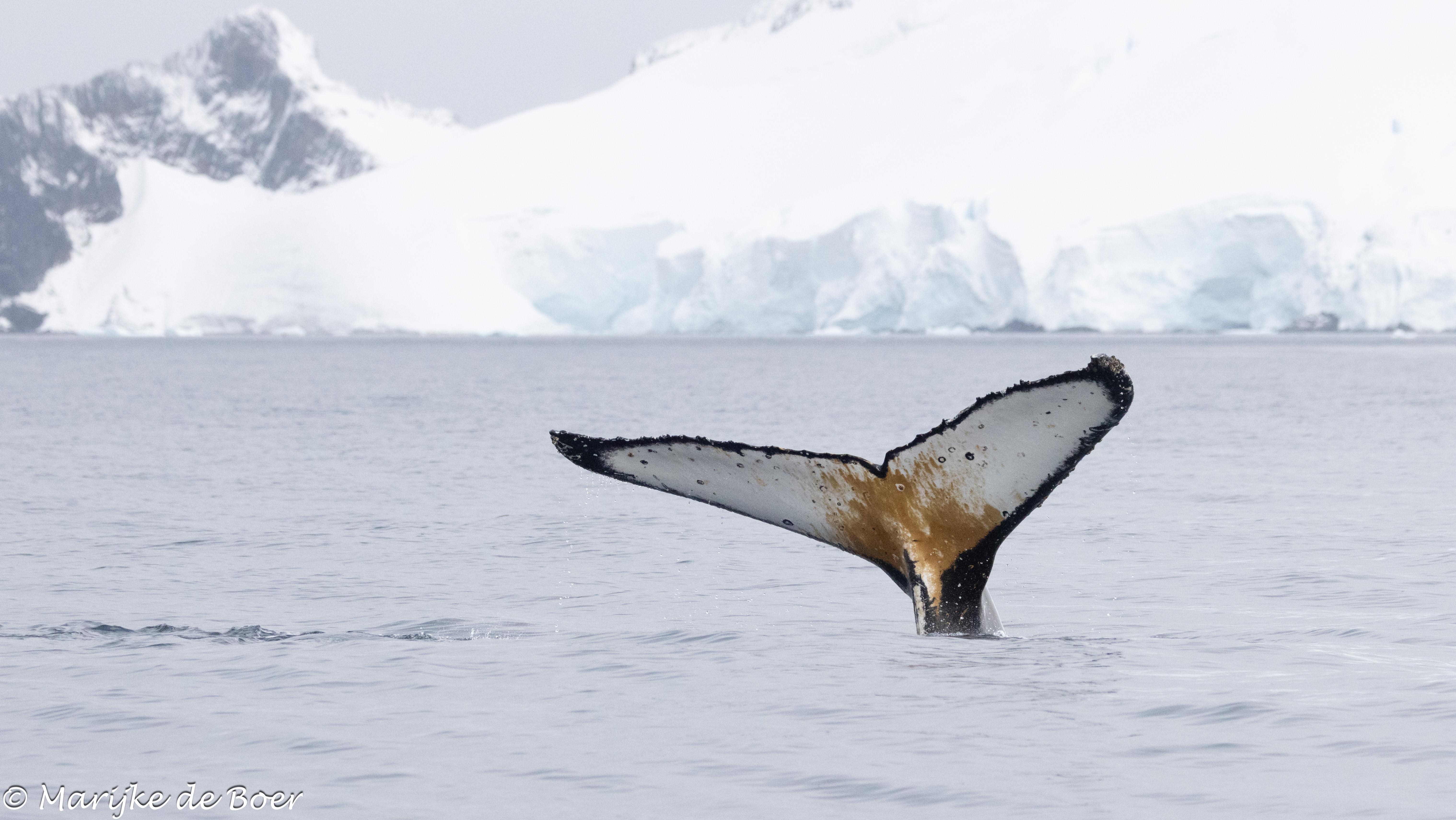
Picture by Marijke de Boer
While most penguin chicks have begun to fledge, colonies remain active, and juvenile gentoo, Adélie, and chinstrap penguins can still be found in March. This season also offers excellent chances to observe leopard seals, particularly near penguin colonies, as they hunt in open waters, hoping to take advantage of the juvenile penguin's lack of experience in the frigid water.
Other seals — including Weddell and crabeater seals will still be present, hauled out on ice or on shorelines. The birdlife begins to thin as migratory species depart, but skuas, petrels, and sheathbills still take to the skies above the Antarctic Peninsula, offering great late-season opportunities for bird watchers.
What to expect in March on an Antarctica expedition cruise
By March, the light begins to shift, with long shadows and rich tones taking over the stark whites and blues of mid-summer. This golden-hour effect lasts longer, making it a favorite time for landscape and wildlife photographers. Darkness also falls in March, giving you the chance to discover the beautiful southern skies, full of constellations rarely seen from the setting of Antarctica.
With fewer vessels in the region, landing sites are often completely empty. This gives you more time to explore in solitude — whether walking among penguins, hiking along ridges and shorelines, or taking in panoramic views without another ship in sight. For many, this sense of having Antarctica "to yourself" is a real highlight of the March experience.
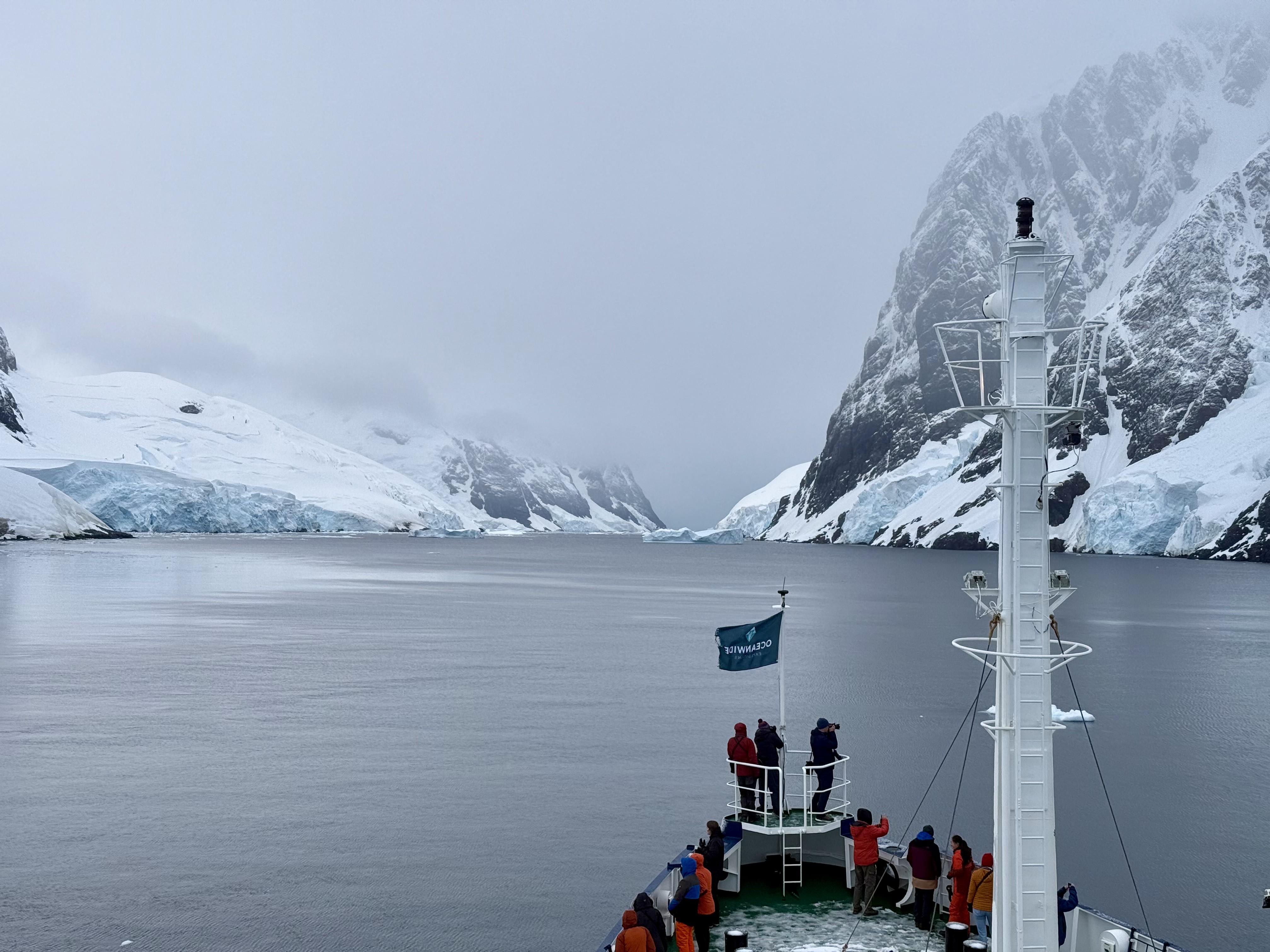
This is a time for true adventure. Weather and sea conditions can change rapidly, and your itinerary might evolve day to day — often leading to even more remarkable surprises, like detours through iceberg mazes or spontaneous whale encounters.
Picture by unknown photographer
Southern Lights - Aurora Australis
Another highlight of a visit to Antarctica in March is the chance to witness the spectacular Southern Lights. Like the more commonly seen Northern Lights, the Southern Lights, or Aurora Australis, form when charged solar particles interact with Earth's atmosphere. This opportunity is only possible on specific late-season trips.
Found in the far south of our planet, the Southern Lights light up the night sky in spectral bands and ripples, turning the sky into a tapestry of red, green, and violet. The Southern Lights are harder to see than the Northern Lights. This is due to the remoteness of Earth's southern regions, with fewer landmasses where the lights can be spotted. Occasionally, the Southern Lights can be seen in the far south of Australia, New Zealand, and parts of South America. The best place to see them, however, is the beautiful world of Antarctica. The best way? On an expedition cruise in March.
What is the weather like in Antarctica in March?
Antarctica cools quickly in March, especially at night. Daytime temperatures along the Antarctic Peninsula typically range between -5°C to 2°C (23°F to 36°F). The wind chill can make it feel colder, especially during Zodiac operations.
You can expect around 12–14 hours of daylight, enough for full days of exploration, but with more dynamic lighting conditions than earlier in the season. Snowfall becomes more likely as the month progresses, and early signs of winter return to the landscape, including frost, thin sea ice, and more frequent cloudy skies.
Despite the change in season, conditions are often stable enough for our exciting range of activities on land and at sea.
Picture by Matt Cheok
What should I pack for an expedition cruise to Antarctica in March?
Layering remains the golden rule in March. You'll need to adapt to shifting temperatures and conditions throughout the day.
Layers are essential to any comfortable trip to Antarctica. When the weather is warmer, you can remove layers easily before re-layering when conditions turn. A warm base layer, such as thermal underwear or insulated mid-layers, is essential. In March, the warmer temperatures of February begin to dip once more. If you're eager to spend time on deck aurora hunting at night, be sure to pack enough warm clothing - nighttime temperatures can become dramatically lower than what you get used to during the day.
You should also wear waterproof outer layers, including a strong jacket and trousers, especially when participating in activities on land or Zodiac. Windproof clothing can help you stay warm and dry in even the most frigid of March conditions and can mitigate wind chill. Be sure to pack gloves and a hat to keep your extremities warm, and insulated socks are useful both while hiking and for staying warm when on deck. Good boots and waterproof gloves are also essential.
Picture by unknown photographer
Don't underestimate the power of the sun in the polar regions. Be sure to bring sunscreen and lip balm, as the dry environment can quickly dry lips. Sunglasses can prevent snow blindness, especially in bright conditions, so these should be considered essential. Lastly, remember to pack your camera and a pair of binoculars! Wildlife encounters can occur at any distance, and on an expedition cruise, the goal is to avoid disturbing wildlife. So, viewing from a distance may sometimes be the best course of action. For whale watching, binoculars are convenient for identifying species by tail flukes and surface behaviors.
Visit Antarctica in March on an expedition cruise
March offers a more peaceful, introspective Antarctica. It's a time of fewer ships, softer light, and heightened marine activity. For wildlife lovers, photographers, and those seeking to experience the White Continent with fewer distractions, March delivers an experience that is grand in scale and full of the spirit of true polar adventure.
From the thrill of whales surfacing near your Zodiac to the quietening falling of snow softly blanketing the world around you, Antarctica offers excitement and insight in equal amounts. March might be when Antarctica begins to close its doors — but it doesn't do so before providing some of the expedition cruise season's most spectacular and personal moments.
Join us at the edges of the map in March and experience the last light of summer in the beautiful south.
Main image by Meike Sjoer