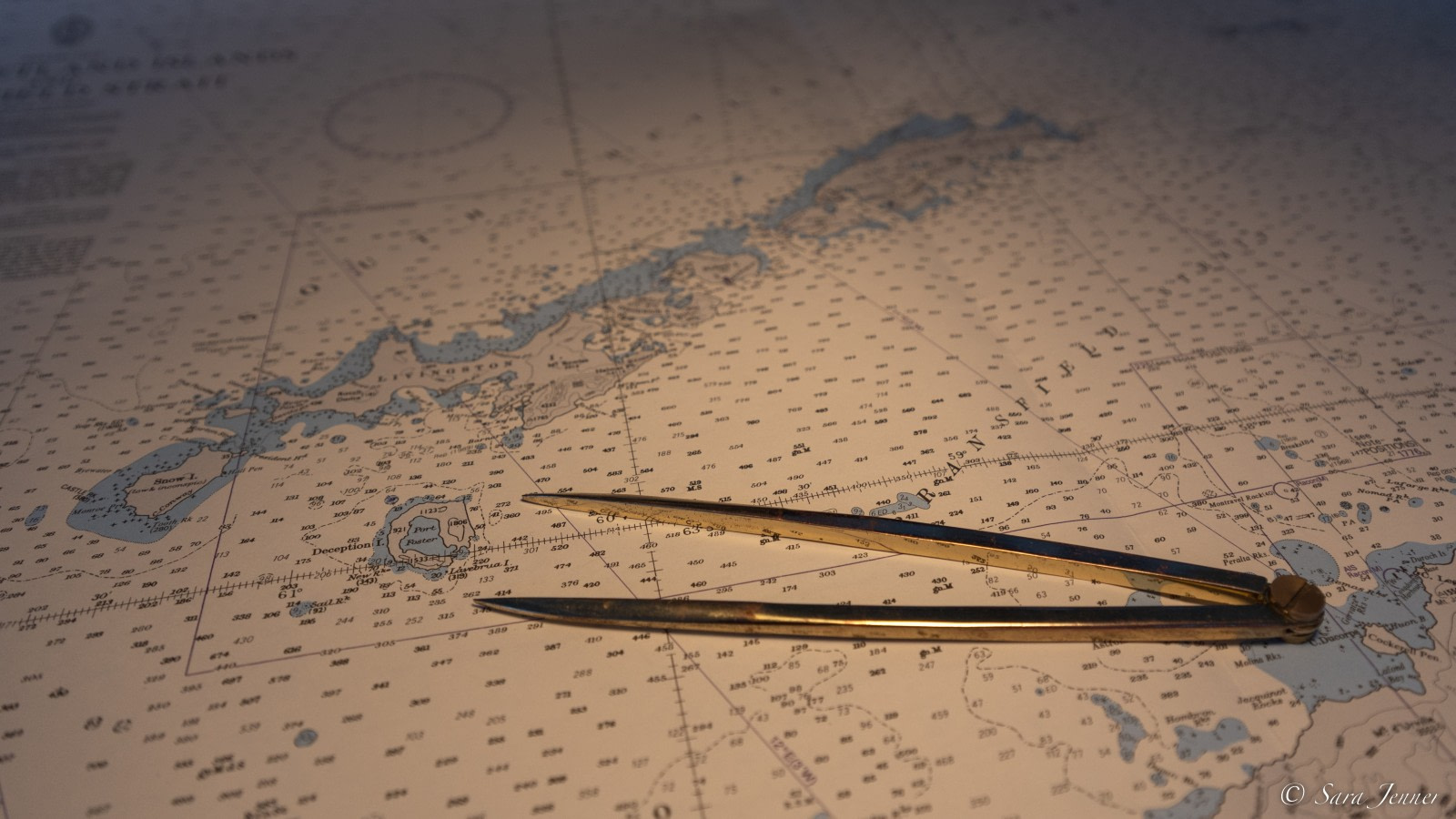
In the 19th century, Antarctica remained undiscovered and undisturbed. It had eluded great explorers for centuries, including Captain James Cook, who, like many before him, had voyaged south in an effort to locate the fabled Terra Australis. In January 1820, aboard the William, Royal Navy officer Edward Bransfield, in the midst of charting and claiming the South Shetland Islands for Great Britain, perhaps fully unaware of their significance, recorded a sighting in his journal: "high mountains, covered with snow". Unbeknownst to him, Bransfield had just become the first to sight the Antarctic Mainland, and possibly the discoverer of Antarctica itself.
Edward Bransfield - Sailor, Ship's Master & Antarctic Explorer
Bransfield was born in Ballinacurra, County Cork, Ireland, around 1785. He was press-ganged into naval service in 1803 at the age of 18. In his early career, whilst serving aboard HMS Ville de Paris, Bransfield shared living quarters with the then 12-year-old William Edward Parry, who would go on to have a significant polar career in the hunt for the Northwest Passage, claiming a knighthood as he did so.
By 1817, Bransfield had moved through the ranks of the Royal Navy, serving on a number of ships, before being appointed master of HMS Andromache. It was during this commission that Bransfield was posted to the Royal Navy's Pacific Squadron in Valparaiso, Chile, where, at the fringes of the known world, he would find himself unexpectedly thrust into the world of polar discovery.
Bransfield Ventures South - Antarctica Unmasked
In 1819, after being blown off course by a fierce storm, the British merchant captain William Smith, aboard the merchant vessel William, sighted land south of Cape Horn. This scattered group of islands would later be identified as the South Shetland Islands. When Smith returned to Valparaíso, his report of new land drew the attention of the British naval authorities. In the previous century, Captain James Cook had voyaged across the Southern Ocean, charting South Georgia and reporting thick, impassable ice. What lay beyond remained a mystery.
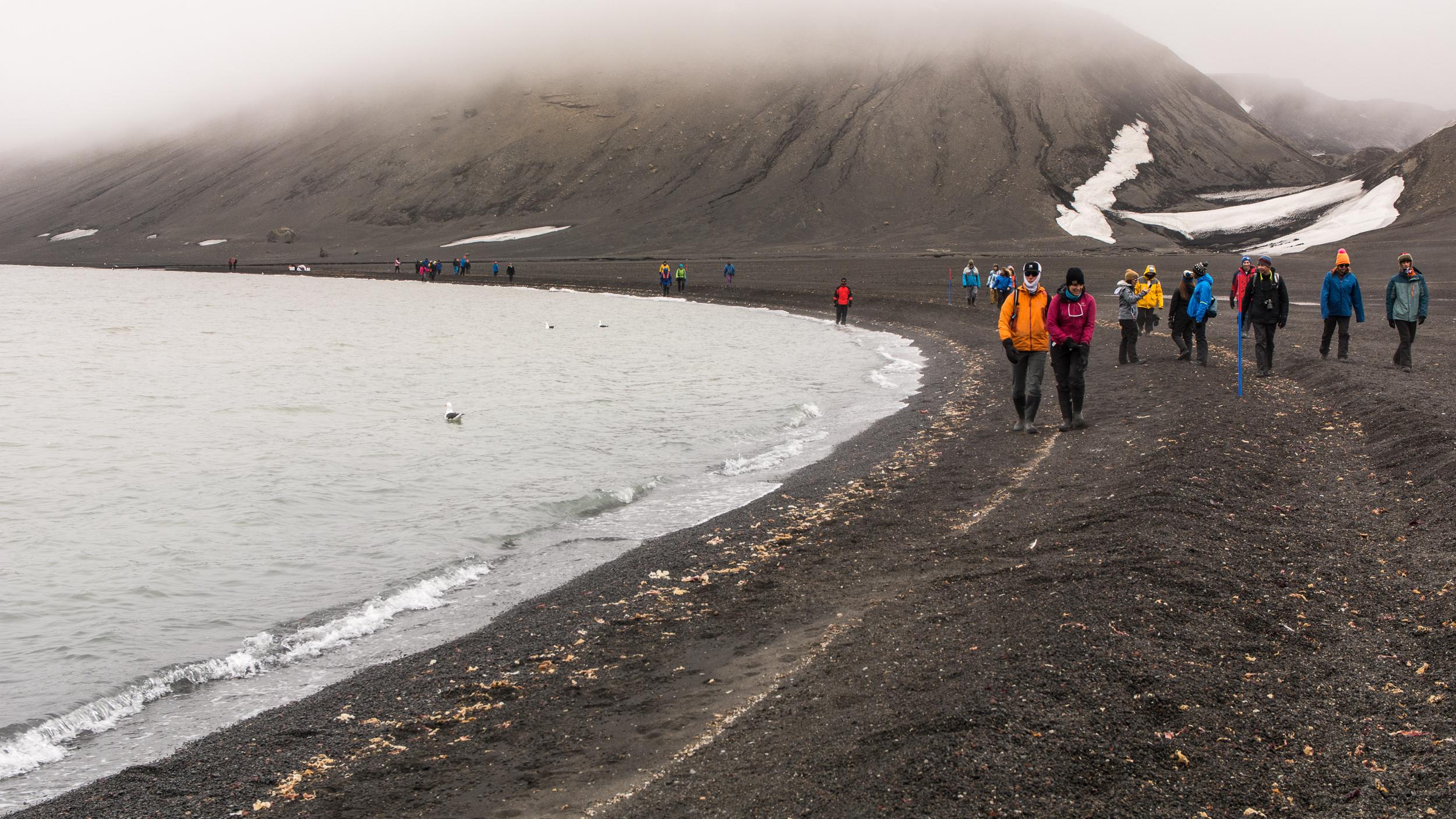
The British Valpairaso naval commander made the decision to investigate Smith's claims, and Bransfield was tasked with delving further into the southern seas and producing accurate charts of the region. William was chartered, with William Smith accompanying his ship south once more as ship's pilot. Over the following weeks, Bransfield conducted surveys of the South Shetland Islands, producing the first detailed charts of the archipelago. He landed on King George Island, taking formal possession in the name of King George III, and then sailed southwest, passing Deception Island without landing or investigating it.
Picture by unknown photographer
On 30 January 1820, Bransfield and the William turned south and headed into what is today known as Bransfield Strait - the body of water that separates the South Shetland Islands from the Antarctic Peninsula. During this transit, he sighted land and recorded high, snow-covered mountains. Today, this part of Antarctica is known as the Trinity Peninsula, and is the northernmost point of the Antarctic mainland.
Curiously, just days earlier, on the other side of the Peninsula, the Russian explorer Fabian von Bellingshausen reported sighting vast ice shelves seemingly extending from a distant shoreline. Today, debate remains over whether Bellingshausen or Bransfield can be credited with discovering Antarctica. The nuance lies in whether solid rock or an ice shelf counts as land proper. What makes Bransfield’s observation stand out is its documentation. He properly recorded the sighting, noted its position, and included it on his charts. By contrast, Bellingshausen's record was more basic, a diary entry rather than an official observation.
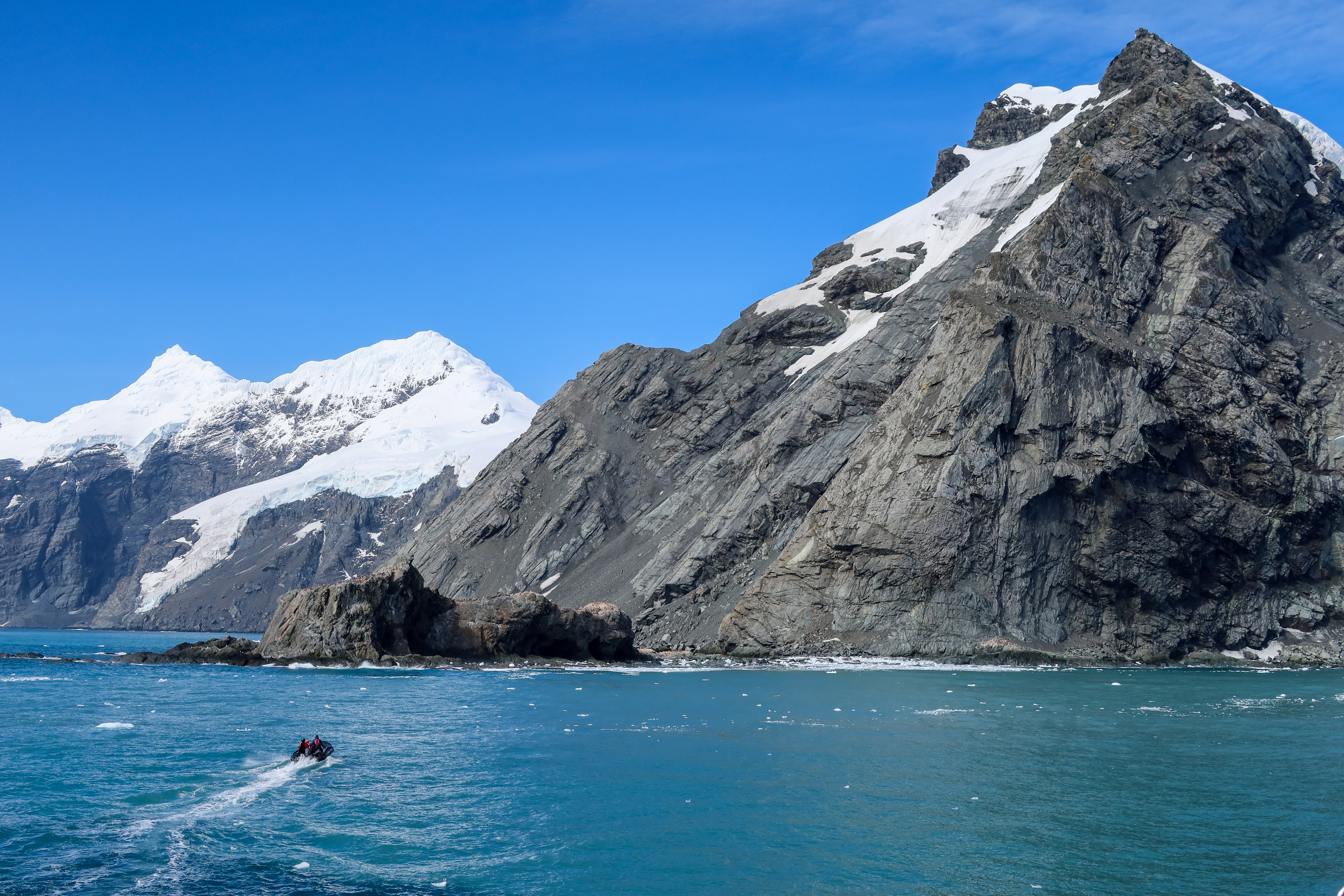
After sighting land, Bransfield continued to chart a portion of the Trinity Peninsula before following the edge of the sea ice, charting and discovering sections of Elephant Island and Clarence Island, claiming them for the British Crown. From here, he returned to Valpairaso, where his charts were handed to the British Admiralty. His personal journal of the expedition was lost; however, several crew accounts of the voyage exist and have been used to confirm Bransfield's claim to have been the first to discover the White Continent.
Picture by Felicity Johnson
An Antarctic Legacy Overshadowed
Much of Bransfield's later life remains a mystery, and for many years his role in Antarctic exploration went largely unnoticed and misunderstood. No accounts were published of his journey, with his discoveries being absorbed into the records of an Admiralty which, at the time, was more preoccupied with the ongoing search for the fabled Northwest Passage in the Canadian Arctic.
His discoveries would, however, serve significant practical purposes, with sealers, whalers, and later scientific expeditions relying on the geographic understanding Bransfield helped establish. The South Shetland Islands and the southern seas were already a rich hunting ground for industry, which would continue to grow throughout the 19th and early 20th centuries. Thankfully, today, seal and whale numbers have recovered, with the once boundless plundering of marine mammals in the Antarctic but a memory of centuries past.
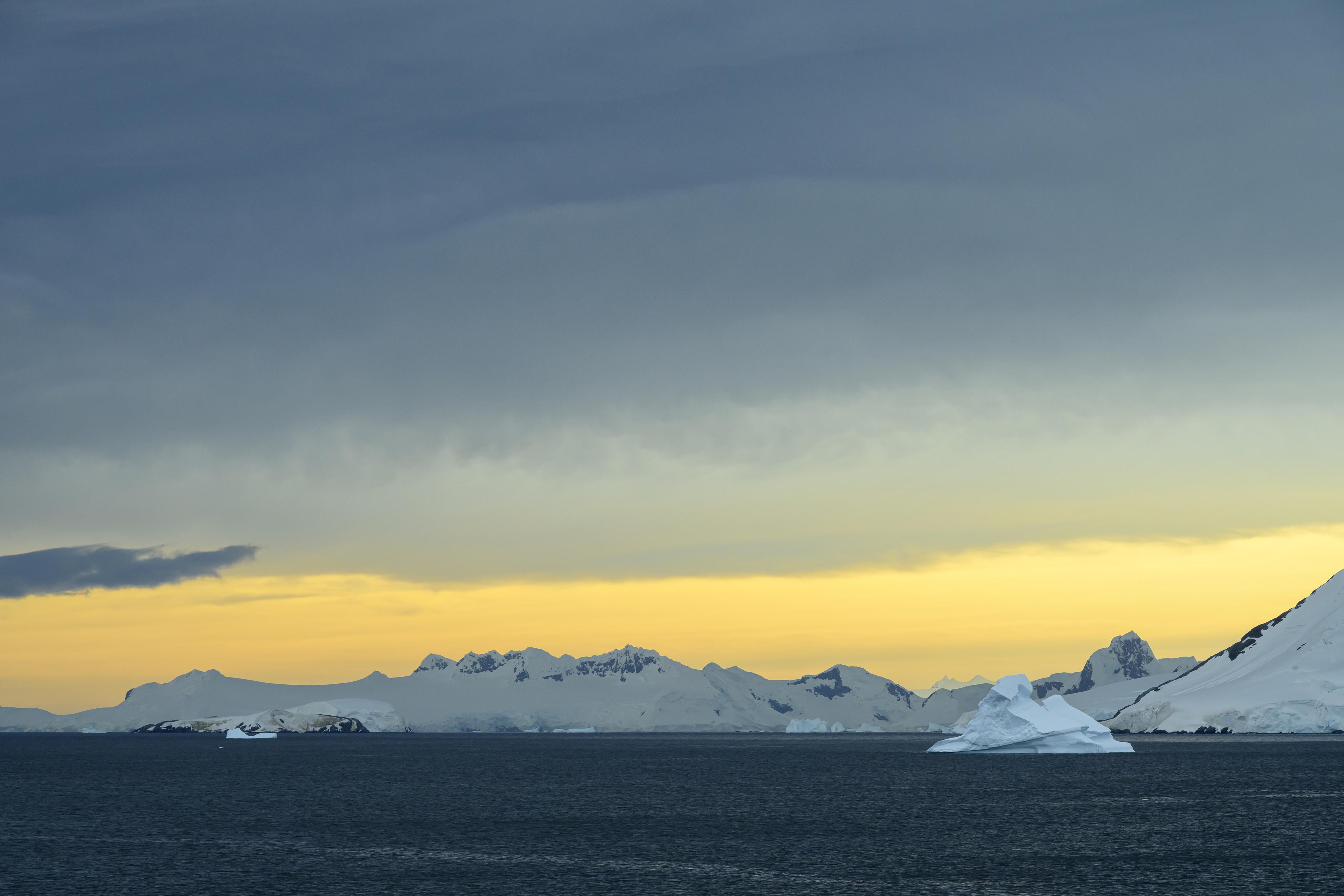
Edward Bransfield never returned to Antarctica. He died in relative obscurity in 1852, long before the continent he helped reveal became a focus of sustained scientific attention or was properly understood. Yet his name is still remembered in several geographical features, most notably the Bransfield Strait, which separates the South Shetland Islands from the Antarctic Peninsula, and which plays a key role in many of our expedition cruises. Mount Bransfield, one of the two he recorded during his charting of the Trinity Peninsula, is also named for him.
Picture by Alessandra Prinzi
When you travel to Antarctica today, Bransfield’s work is part of the foundation beneath each journey. Today's much more accurate modern charts, satellite imagery, and GPS navigation trace their lineage back to early surveyors, like Bransfield, who worked with sextants, chronometers, and trial and error. An expedition cruise to Antarctica and the Antarctic Peninsula is to follow in Edward Bransfield's wake, chasing the spirit of adventure and the scent of the unknown in the air.
You can explore much of the region visited and charted by Edward Bransfield during an expedition cruise to the Antarctic Peninsula. Many of our Antarctic itineraries also explore the South Shetland Islands, including Deception Island, which Bransfield overlooked during his own voyage.
Main image by Sara Jenner