

Title
Around Spitsbergen, In the realm of Polar Bear & Ice
Start – End
Tripcode
PLA09-26
Language
English
Ship
Embarkation / Disembarkation
Longyearbyen - Longyearbyen
Nights / Days
9 nights
Voyage overview
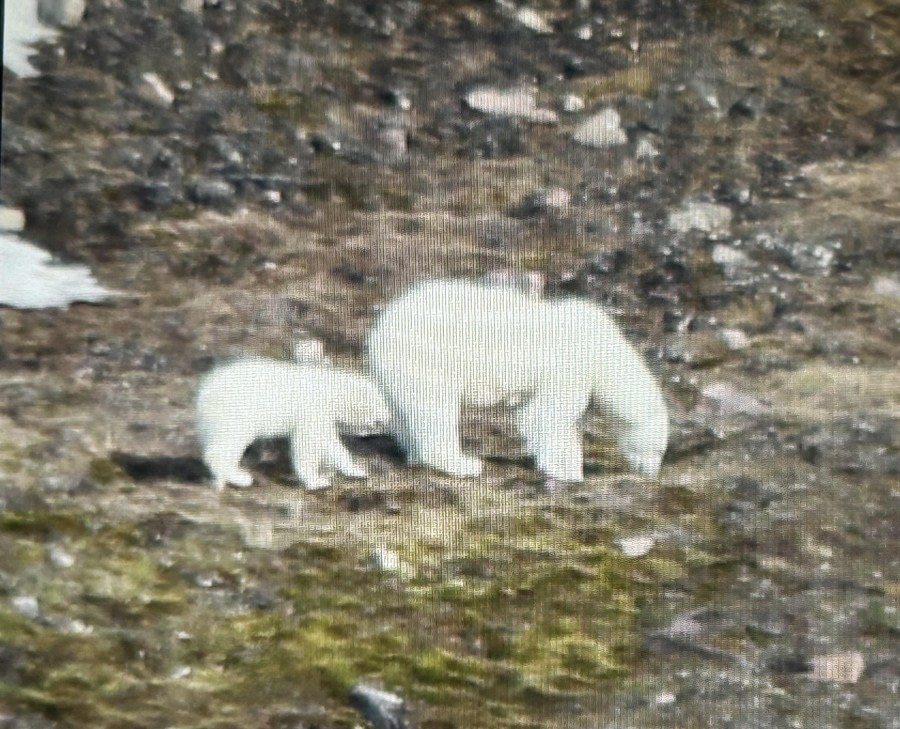
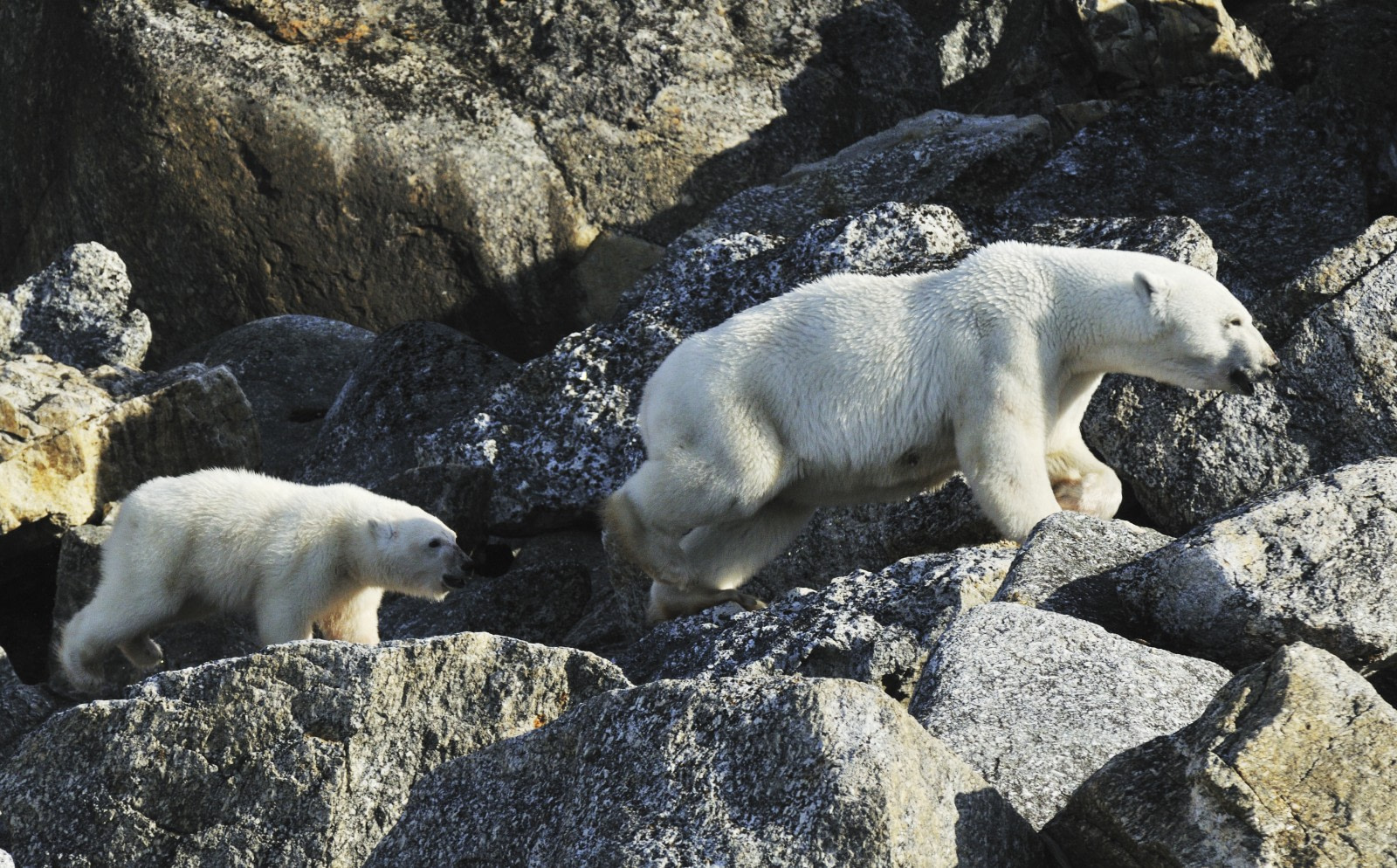
Take a cruise around Spitsbergen and explore the icy waters of the North Atlantic. This special expedition offers you the chance to catch sight of whales, reindeer, Arctic foxes, walruses, seals, and the star attraction, the polar bear.
Day 1: Largest town, biggest island
You touch down in Longyearbyen, the administrative center of Spitsbergen, the largest island of the Svalbard archipelago. Enjoy strolling around this former mining town, whose parish church and Svalbard Museum make for fascinating attractions. Though the countryside appears stark, more than a hundred species of plant have been recorded in it. In the early evening the ship sails out of Isfjorden, where you might spot the first minke whale of your voyage.
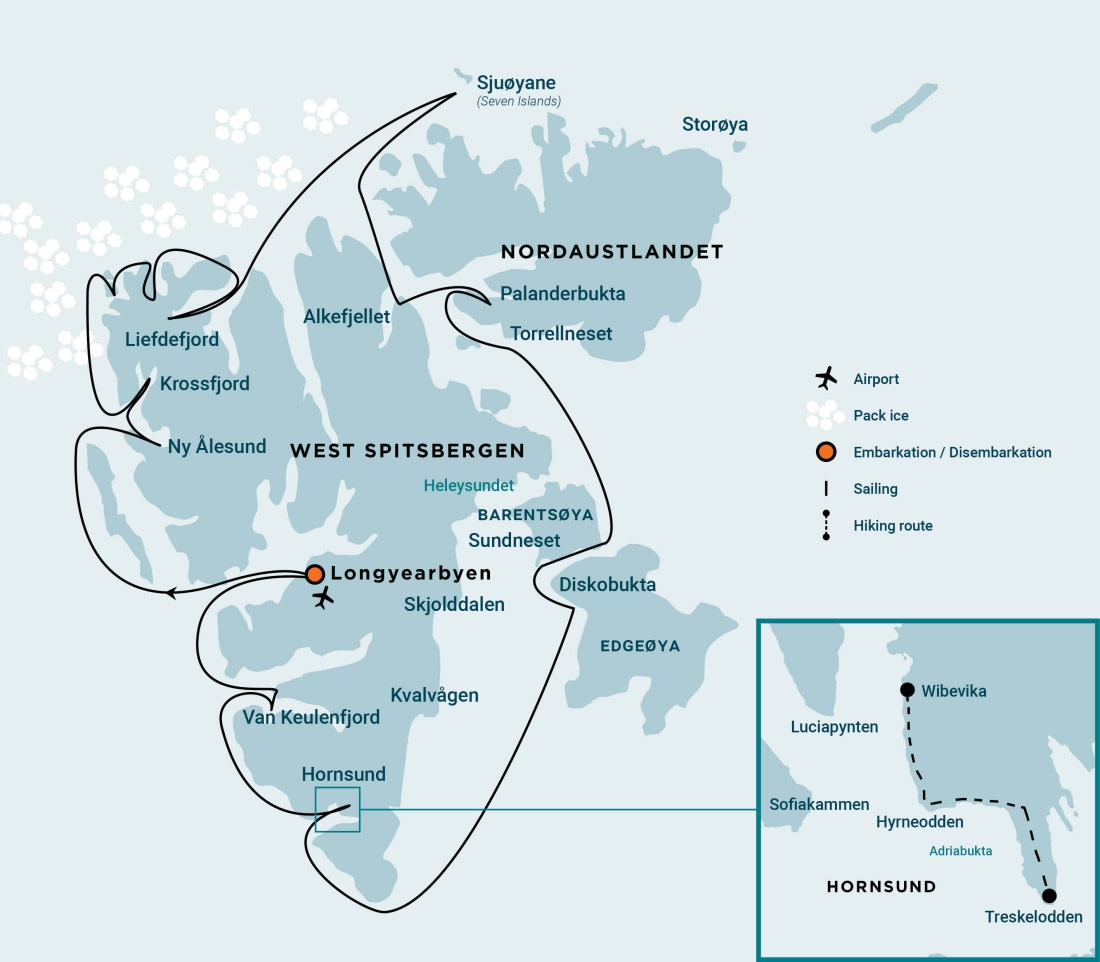
Day 2 - 9: Clockwise circumnavigation of West Spitsbergen
Krossfjorden and Ny Ålesund
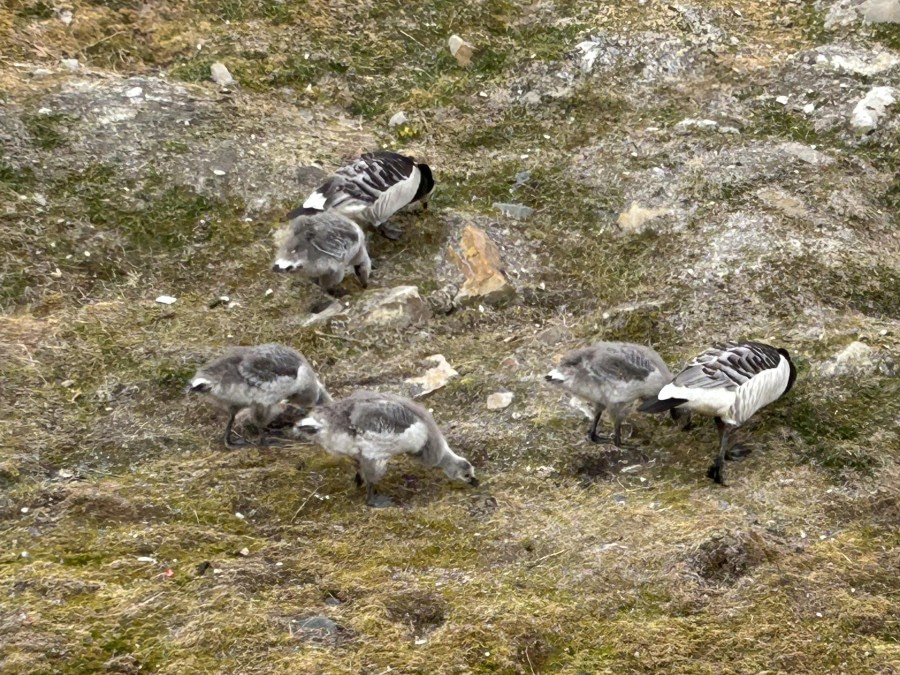
Heading north along the west coast, you may arrive by morning in Krossfjorden with great views on glacier fronts. In the afternoon you sail to Ny Ålesund, the northernmost settlement on Earth. Once a mining village served by the world’s most northerly railway – you can still see its tracks – Ny Ålesund is now a research center. Close to the community is a breeding ground for barnacle geese, pink-footed geese, and Arctic terns. And if you’re interested in the history of Arctic exploration, visit the anchoring mast used by polar explorers Amundsen and Nobile in their airships, Norge (1926) and Italia (1928).
The massive Monaco Glacier
Depending on the weather, you could sail into Liefdefjorden, land at Texas Bar, and cruise within sight of the 5-kilometer-long (3.1 miles) face of the precipitous Monaco Glacier. The waters in front of this glacier are a favorite feeding spot for thousands of kittiwakes, and the base of the ice is a popular polar bear hunting ground. Another possibility is the mouth of Wijdefjorden with at both sides tundra landscape and a the glacier front of Nordbreen. If ice conditions prevent sailing here early in the season, an alternate route along the west coast of Spitsbergen can be implemented.
Stop at the Seven Islands
The northernmost point of your voyage may be north of Nordaustlandet, at Chermsideøya, and Phippsøya in the Seven Islands. Here you reach 80° north, just 870 km (540 miles) from the geographic North Pole. Polar bears inhabit this region, so the ship may park for several hours among the pack ice before wheeling around west again. When the edge of this sea ice is tens of miles north of the Seven Islands (mostly in August), you can spend a second day in this area. Alternatively (mostly in July) you may turn to Sorgfjord, where you have the chance to find a herd of walruses not far from the graves of 17th-century whalers at Eolusneset. A nature walk here can bring you close to families of ptarmigans. The opposite side of the fjord at Heclahamna is also a beautiful area for an excursion.
Highlights of Hinlopen
Today you sail into Hinlopen Strait, home to bearded and ringed seals as well as polar bears. At the entrance there is even the possibility to spot blue whales. As with Liefdefjorden, you can take an alternate west Spitsbergen route if ice prevents entry into Hinlopen. After cruising among the ice floes of Lomfjord in the Zodiacs, you then view the bird cliffs of Alkefjellet with their thousands of Brünnich’s guillemots. On the east side of Hinlopen Strait, you may attempt a landing in Palanderbukta where reindeer, pink-footed geese, and walruses are likely sights. Alternatively, at Torrelneset you can also visit the polar desert of Nordaustlandet, next to the world’s third-largest ice cap. Here you may encounter walruses during a coastline hike over the area’s raised beaches.
Storfjorden's many bounties
The plan is to sail through Freemansundet, the strait between Barentsøya and Edgeøya, with a stop on Barentsøya at Sundneset with the small Würzburgerhytta and lakes with waterfowl. Later in the day we may land at the mouth of the valley Skjolddalen on West Spitsbergen four kilometers from an Ivory Gull colony. A landing at Diskobukta on Edgeøya, near a canyon with a large Kittiwake colony is also an option. Other landings like at Kvalhovden near mighty glacier fronts are also possible.
Land of the Pointed Mountains
You start the day by cruising the side fjords of the Hornsund area of southern Spitsbergen, taking in the spire-like peaks: Hornsundtind rises 1,431 meters (4,695 feet), and Bautaen is a perfect illustration of why early Dutch explorers named this island Spitsbergen, meaning “pointed mountains.” There are 14 sizable glaciers in this area as well as opportunities for spotting seals, beluga whales, and polar bears. We may land in Samarinvaagen and Birgerbukta, where we have great opportunities for a long walk.
Bell Sund's flora, fauna, and haunting history
Today you find yourself in Bell Sund, one of the largest fjord systems in Svalbard. The ocean currents make this area slightly warmer than other areas in the archipelago, which shows in the relatively lush vegetation. Here there are excellent opportunities to enjoy both history and wildlife. A possibility is Ahlstrandhalvøya, at the mouth of Van Keulenfjorden, where piles of beluga skeletons can be found. These remains of 19th-century whale slaughter are a haunting reminder of the consequences of rampant exploitation. Fortunately, belugas were not hunted into extinction, and you have a good chance of coming across a pod. Alternately, while cruising the side fjords of Bellsund, you can explore tundra where reindeer like to feed as well as rock slopes where little auks are breeding, near Vaarsolbukta.
Day 10: There and back again
Every adventure, no matter how grand, must eventually come to an end. You disembark in Longyearbyen, taking home memories that will accompany you wherever your next adventure lies.
Highlights you might experience
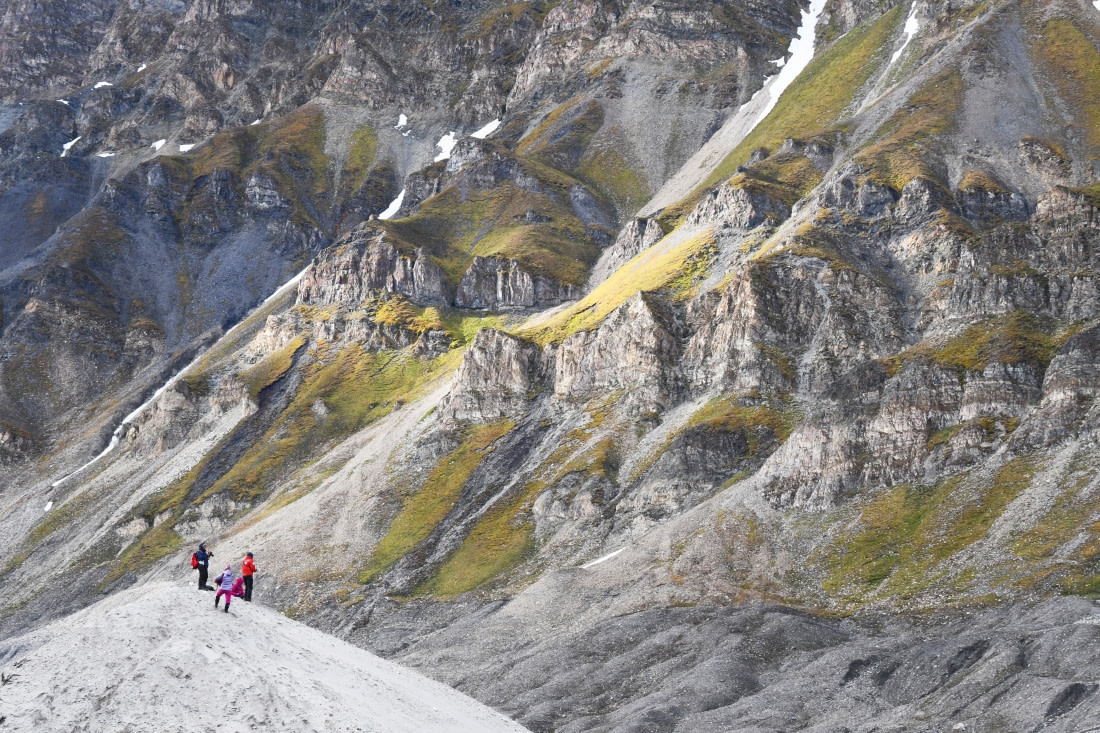
By Zodiac you will explore the polar world, getting up close to icebergs, glaciers, and iconic wildlife
Svalbard’s most famous bird-watching site, Alkefjellet is alive with guillemots, gulls, and kittiwakes
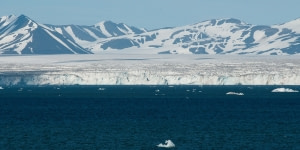
Part of the South Spitsbergen National Park, the Hornsund is a fjord found on the west side of Spitsbergen, on the southern tip of the island.
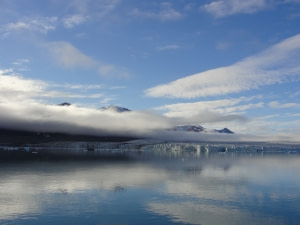
Formerly known as Glacier de Monaco and Liefde Bay-bræ, Monacobreen is a glacier that reaches down into Liefdefjorden in Spitsbergen.
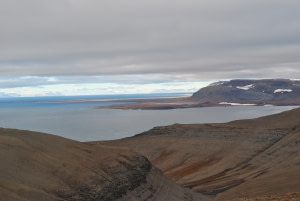
Located close to Disko Bay, this remote settlement holds important historical relevance for the Inuit of Greenland
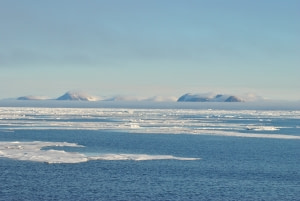
The Seven Islands are part of the Northeast Svalbard Reserve and are full of wildlife and Arctic flora
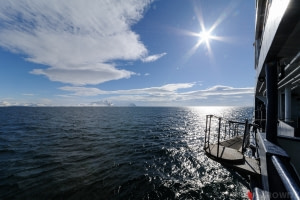
The second longest fjord in Svalbard, Isfjord lies on the west side of the principal island of Spitsbergen
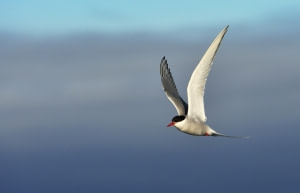
Among the most nomadic birds on the planet, these sun-loving tourists summer twice a year during their ambitious routes
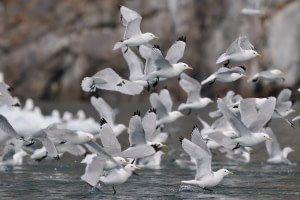
Named for their own bird call, these cliff-nesting "three-toes" are the most abundant gulls on the planet
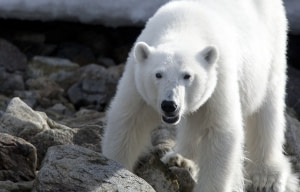
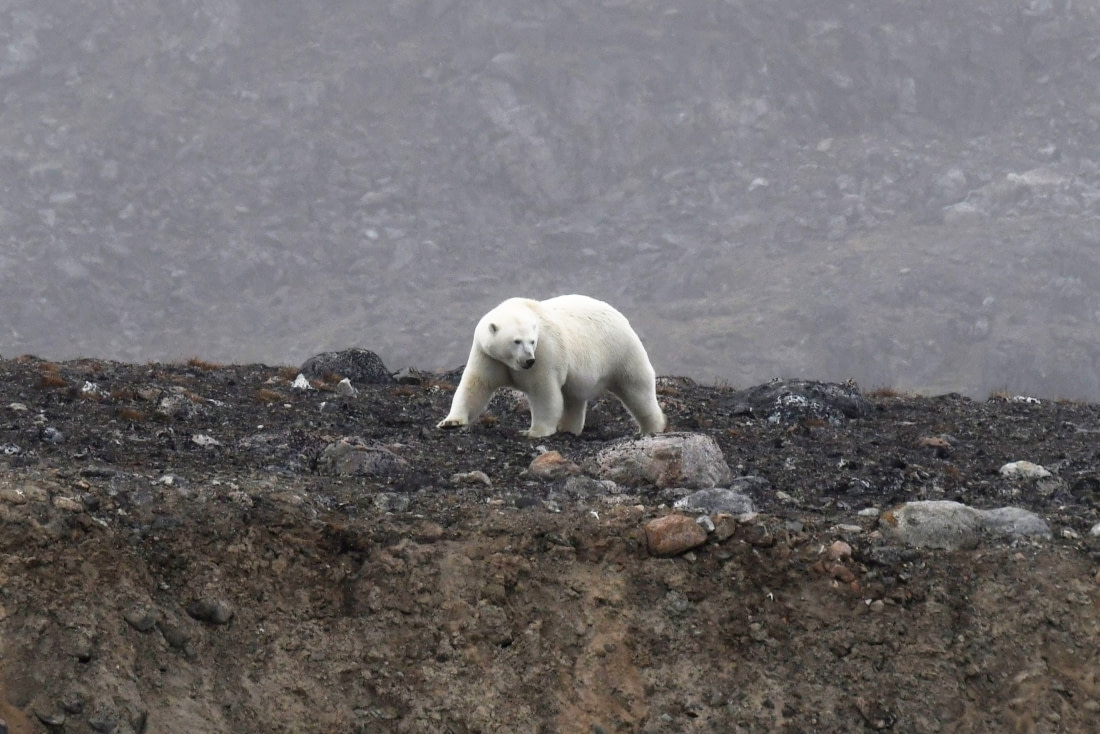
Awe-inspiring icons of the circumpolar north, polar bears are majestic to behold, terrifying to confront, and as essential to the Arctic as ice and snow
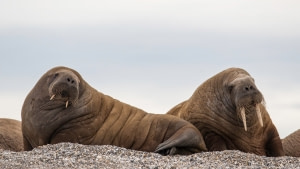
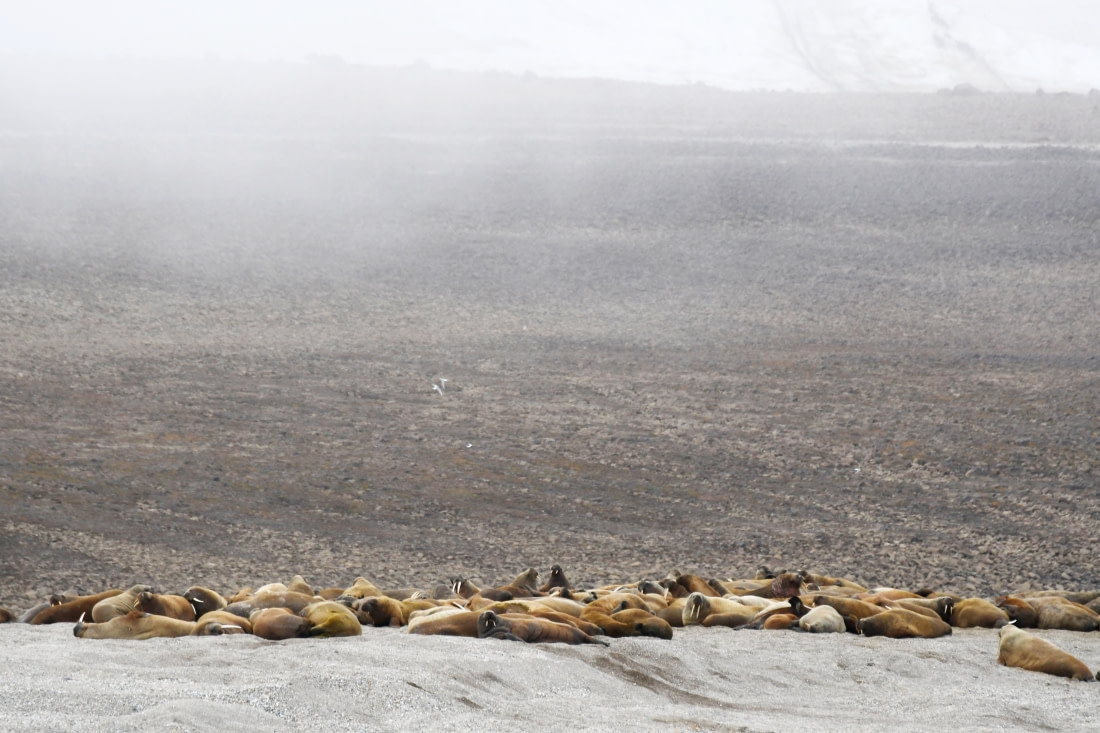
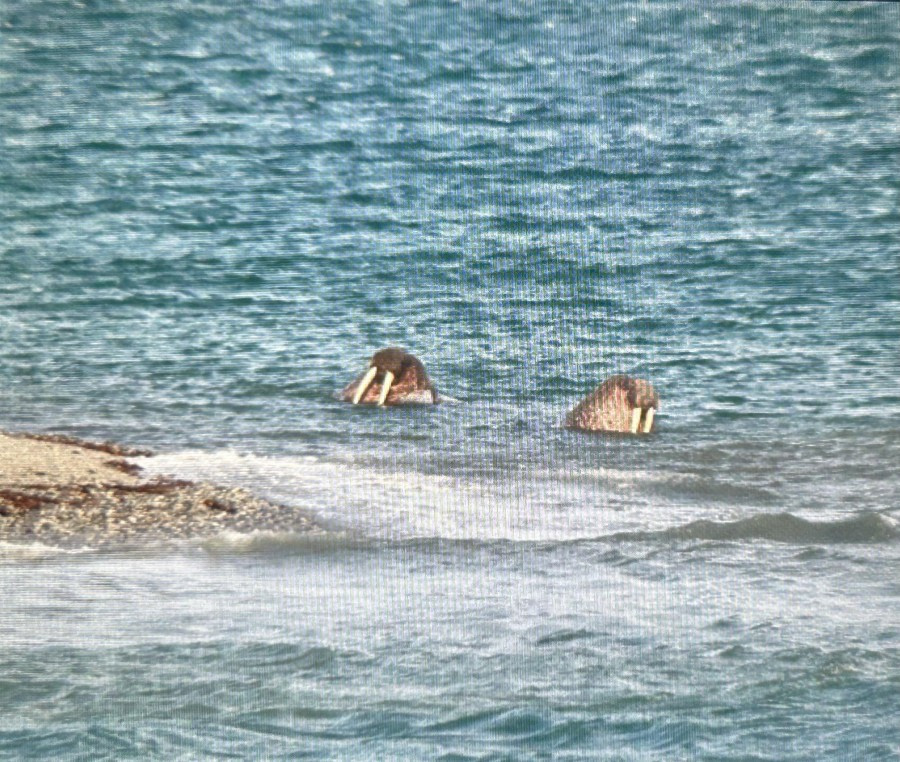
Spending two thirds of their lives in the water, these "tooth-walking sea horses" cuddle their calves in the same fashion as human mothers
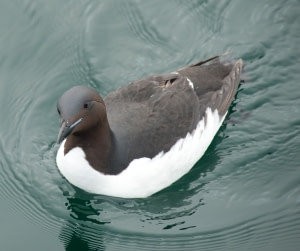
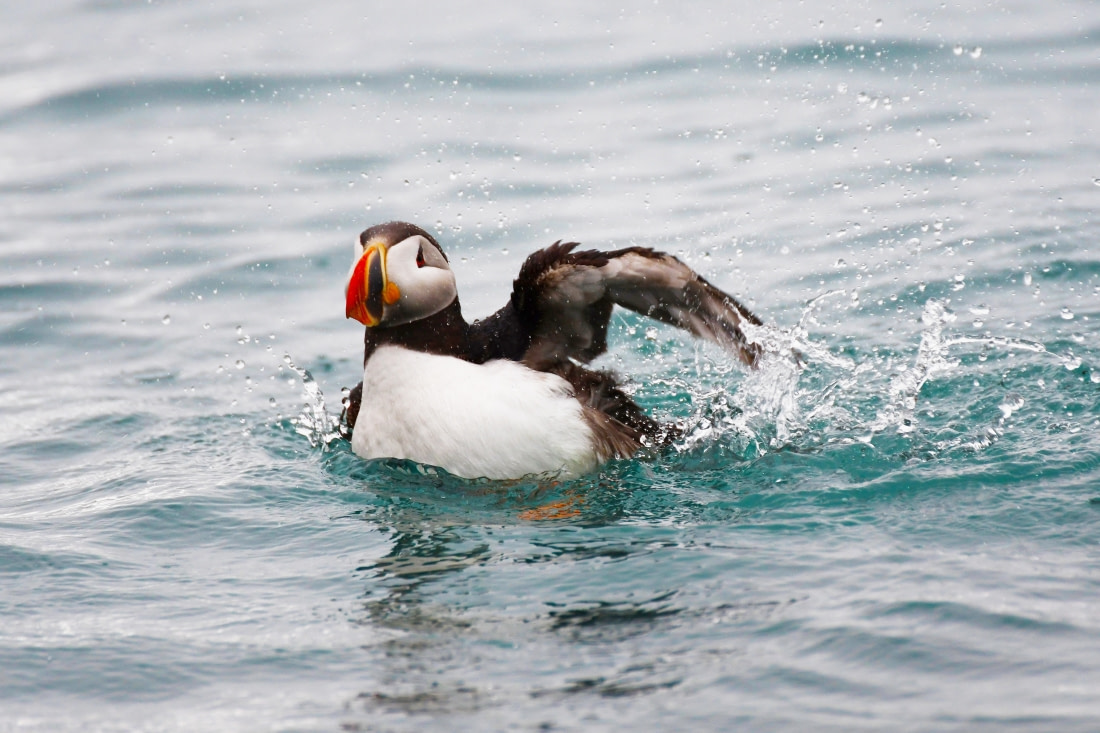
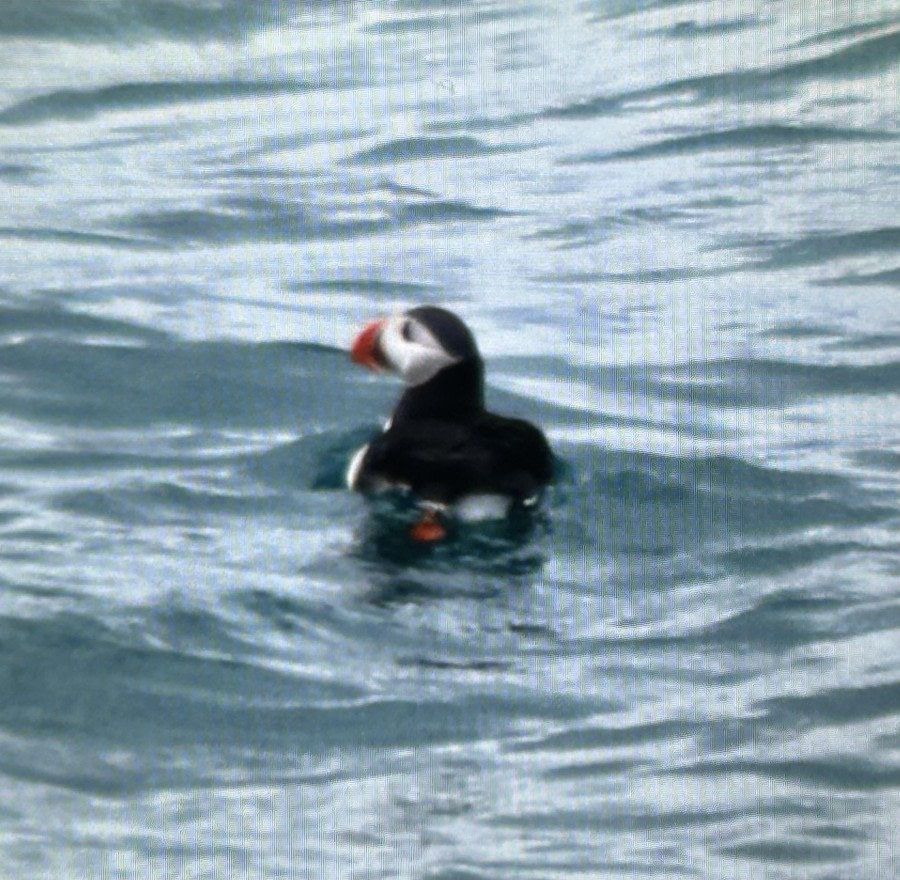
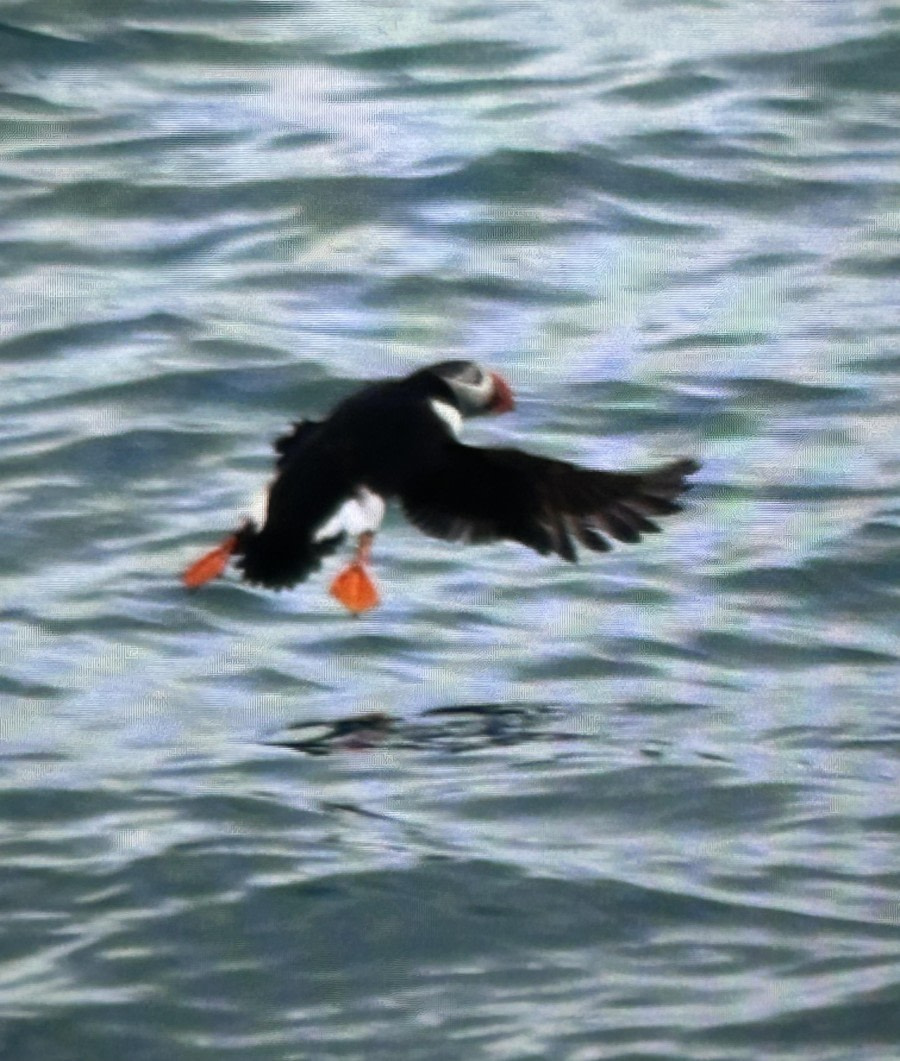
They may expend a great deal of energy in flight, but that hardly concerns these tightly nesting (though largest-living) members of the Alcidae family
What Our Travelers Say
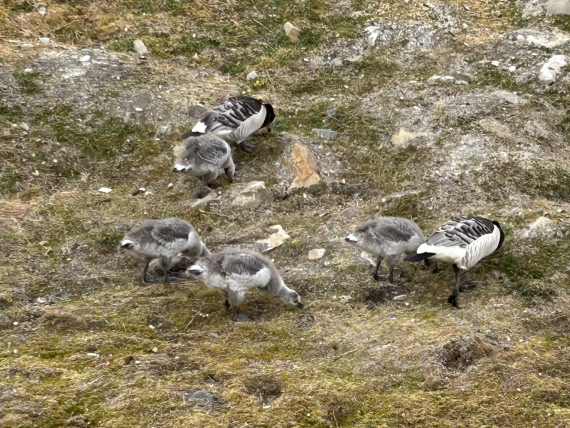


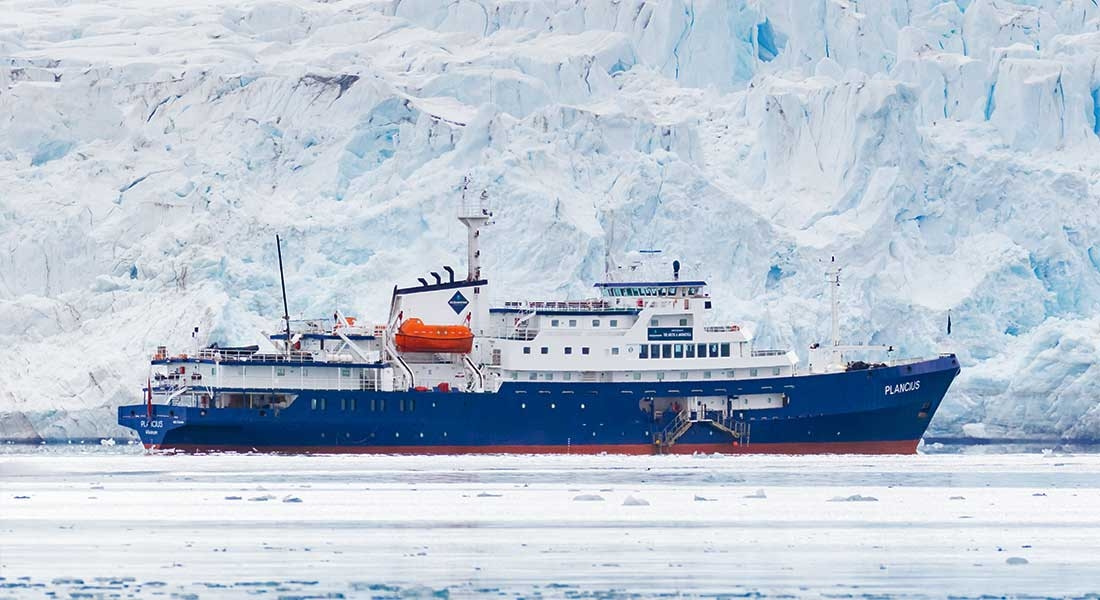
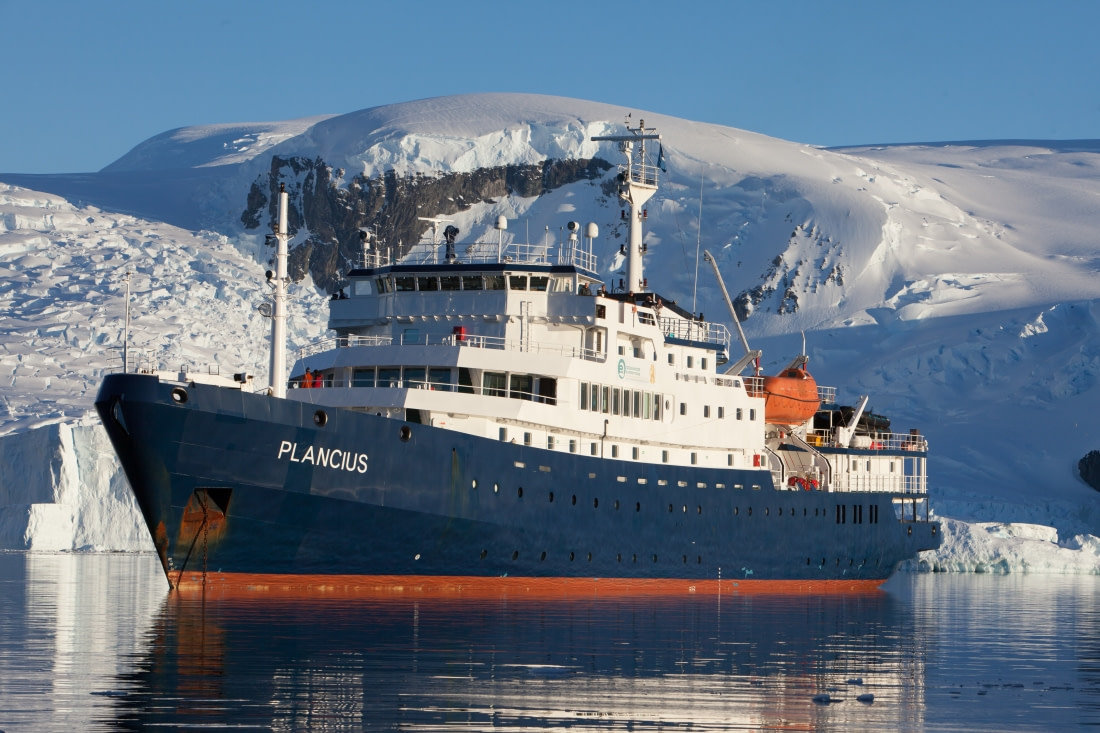
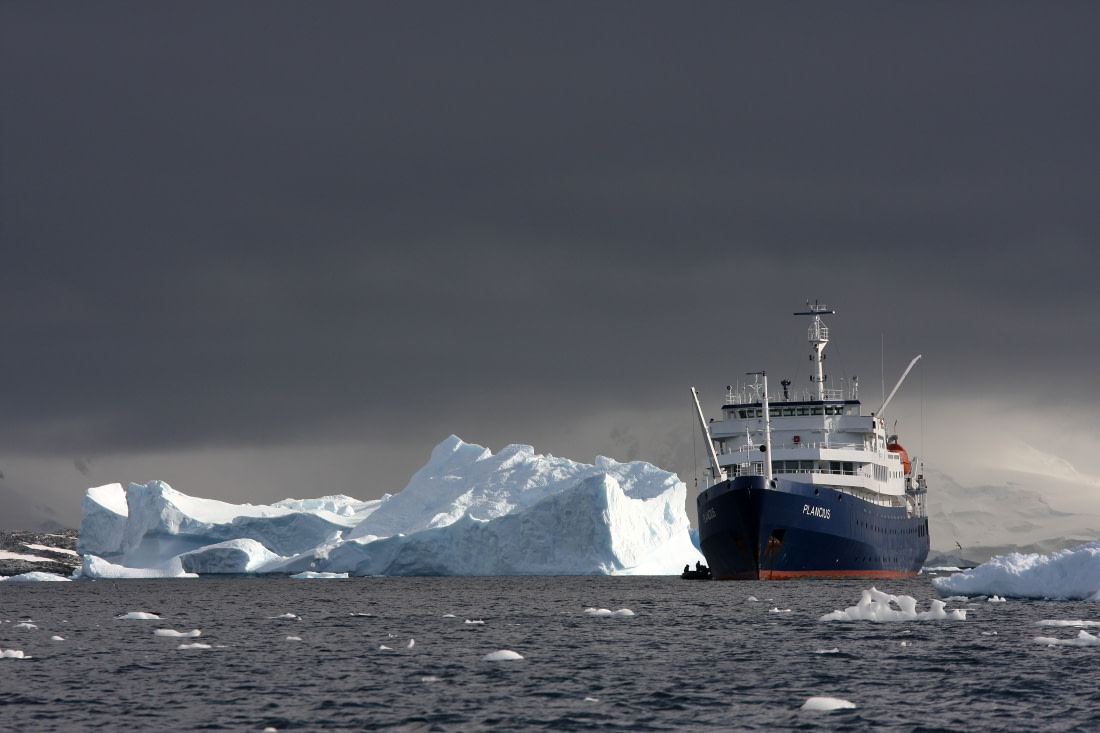
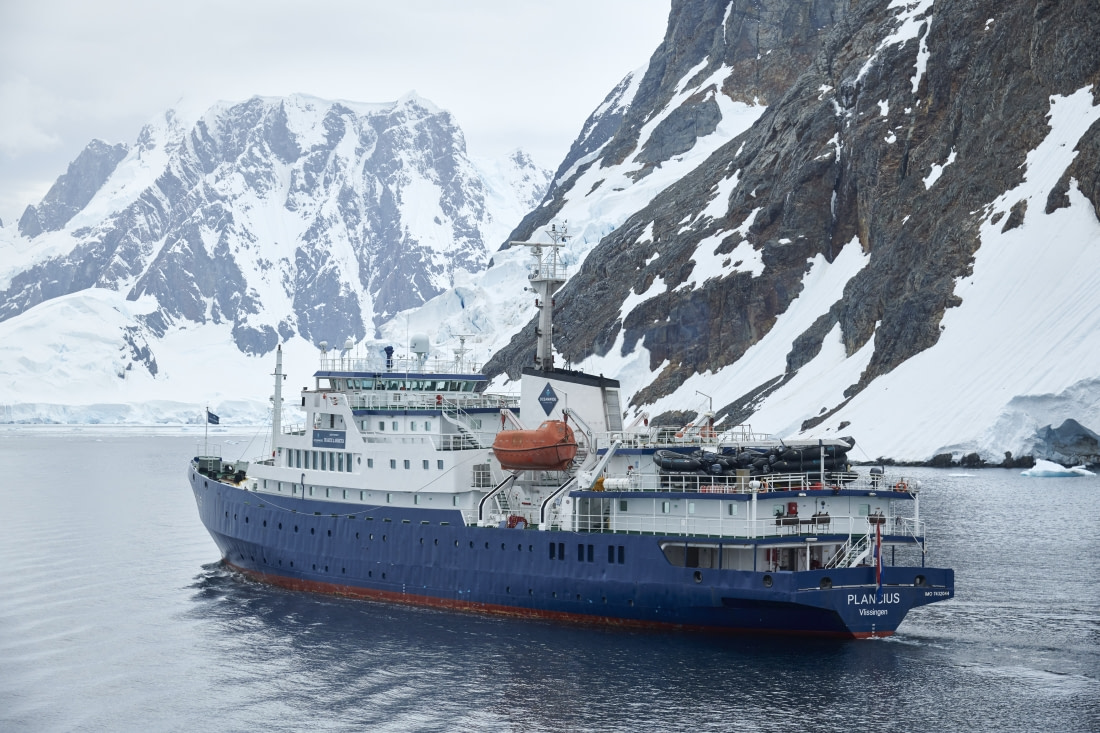
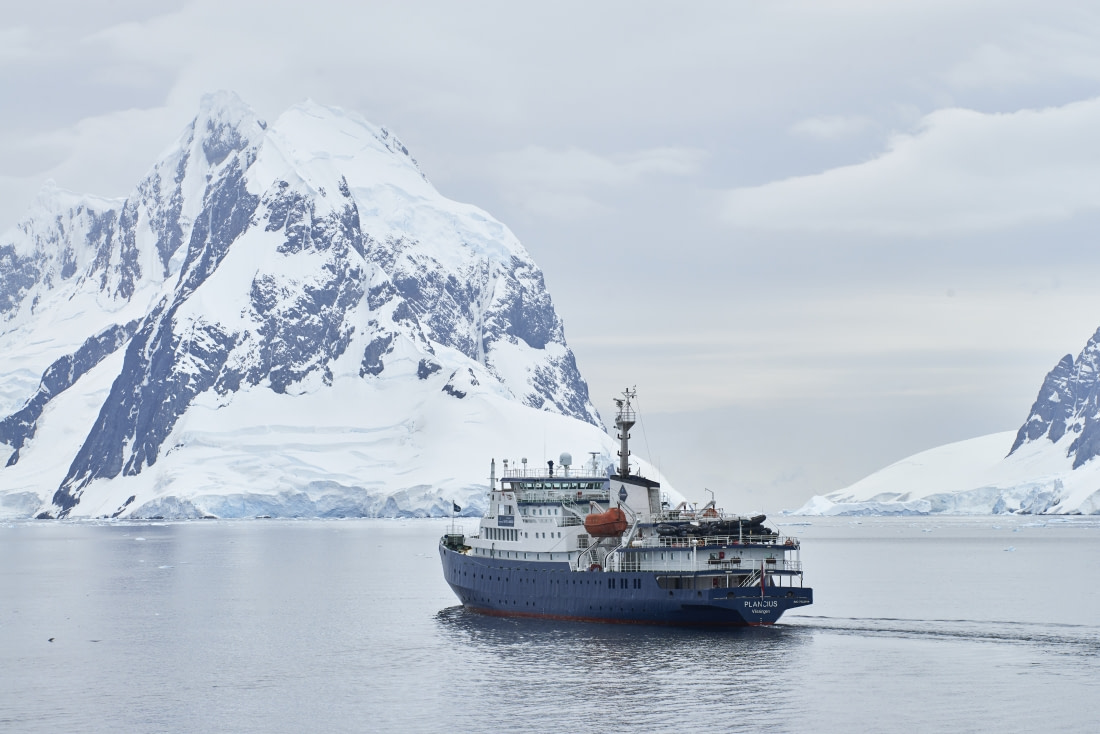
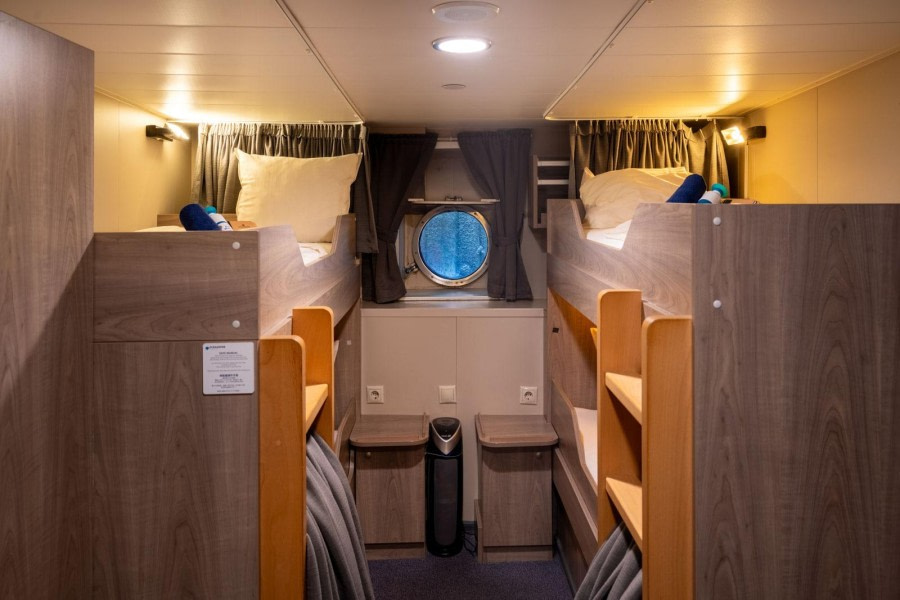
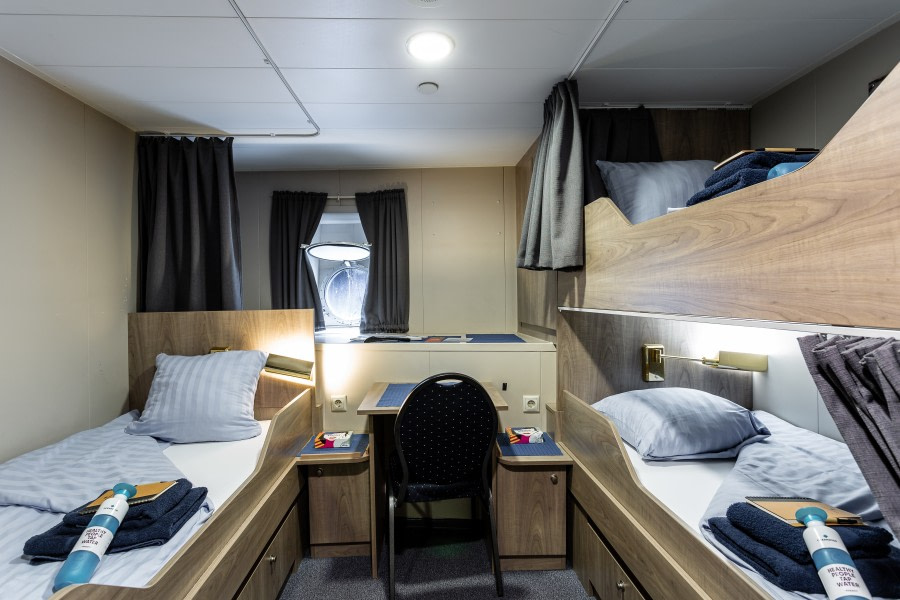
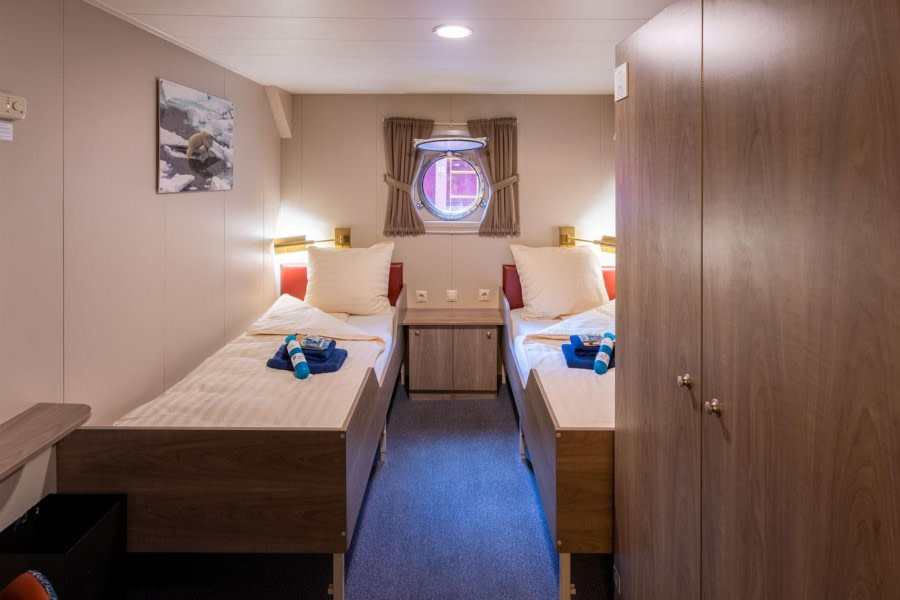
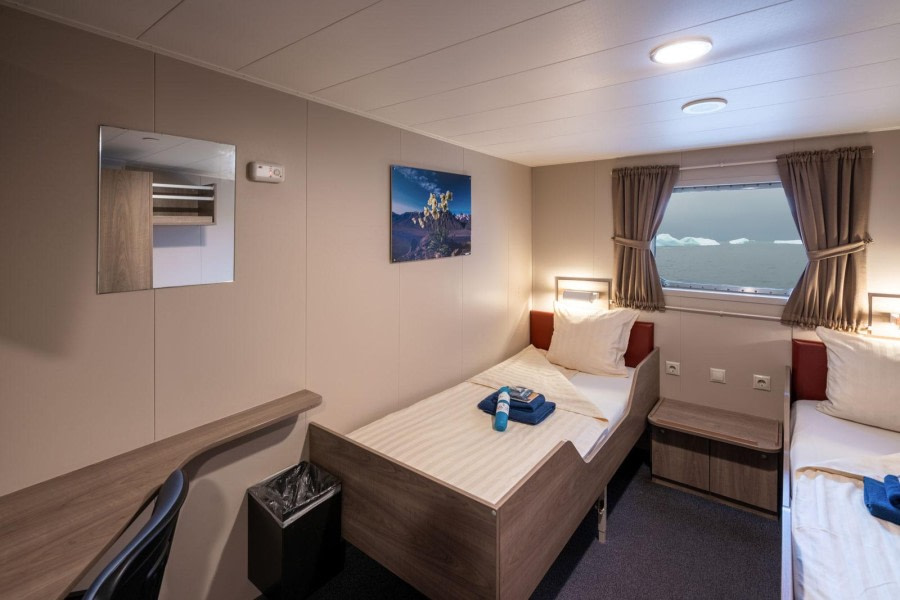
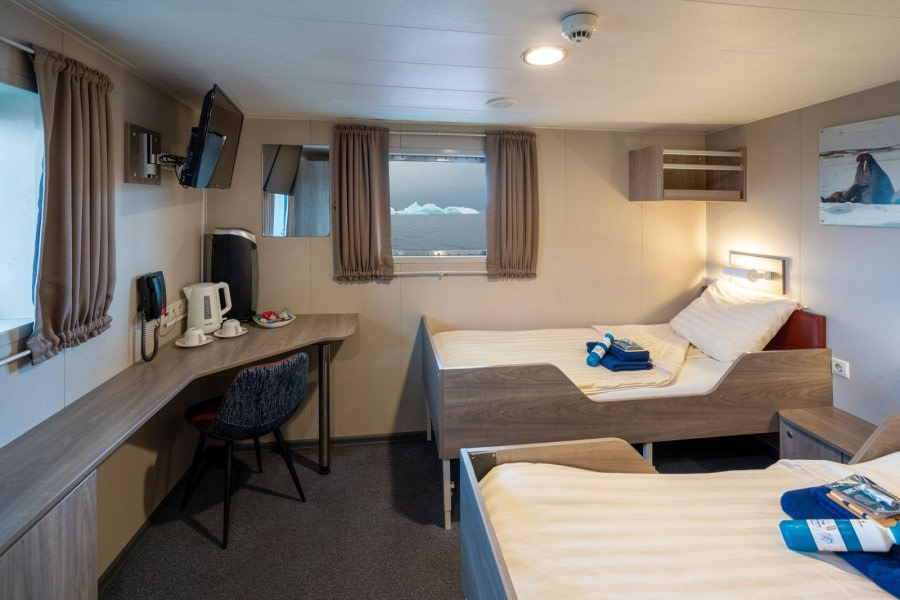
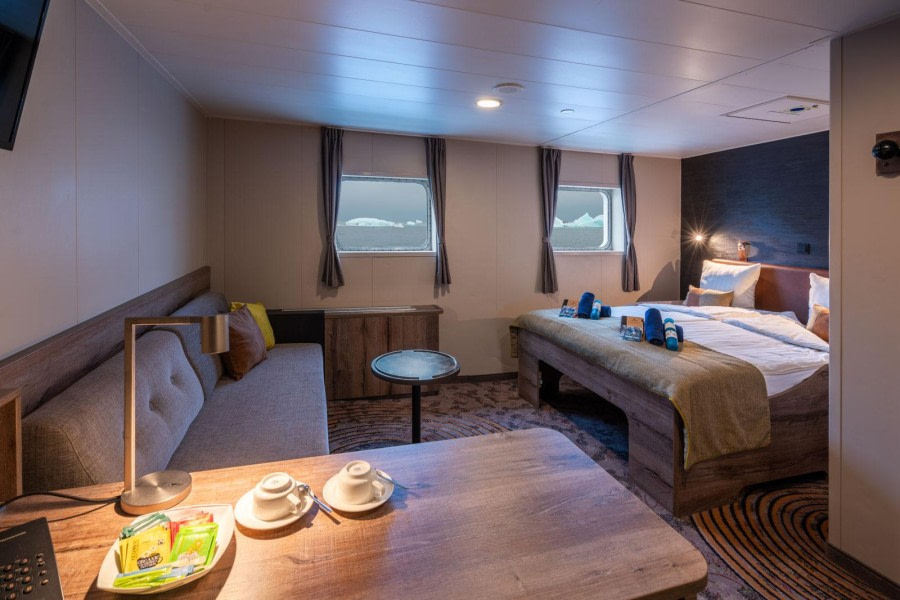
m/v Plancius
Our most longstanding vessel, Plancius is a classic choice for some of our most popular polar voyages.
Full ship info »