

Title
Bellingshausen Sea / Peter I Island + Ellsworth Land - incl. helicopters
Start – End
Tripcode
OTL27-27
Language
English
Ship
Embarkation / Disembarkation
Ushuaia - Ushuaia
Nights / Days
24 nights
Important
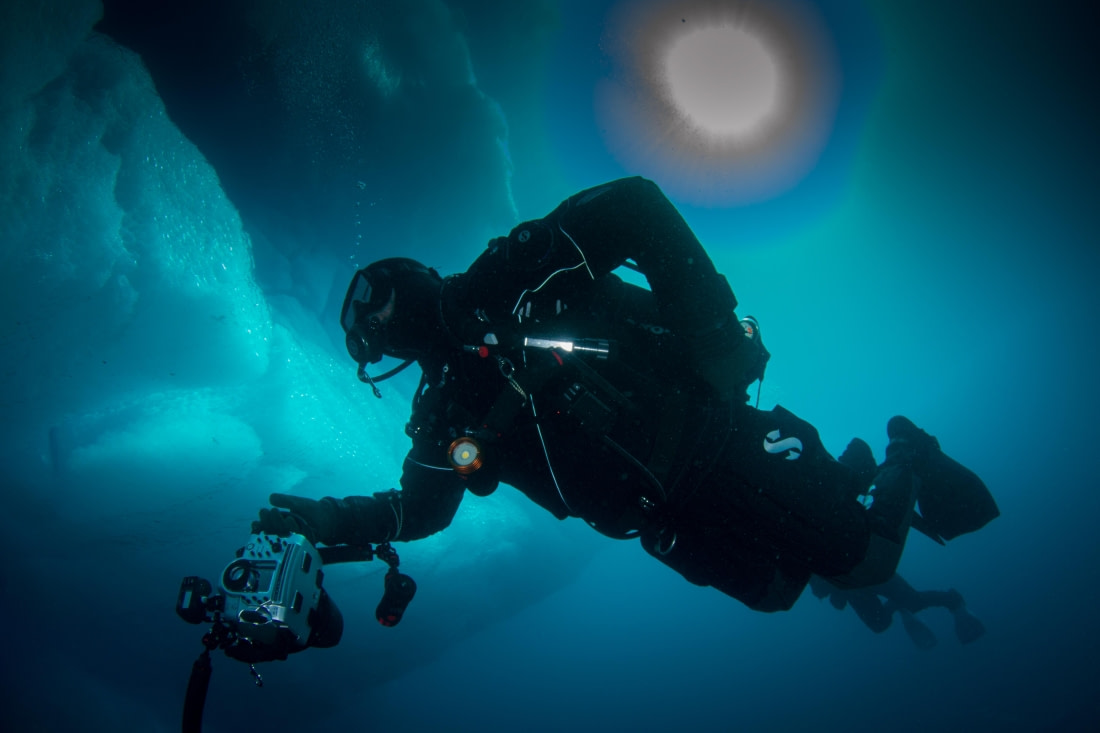
Diving is an optional activity. Experience with cold-water diving and dry-suit dives (at least 30) is a must!
Voyage overview
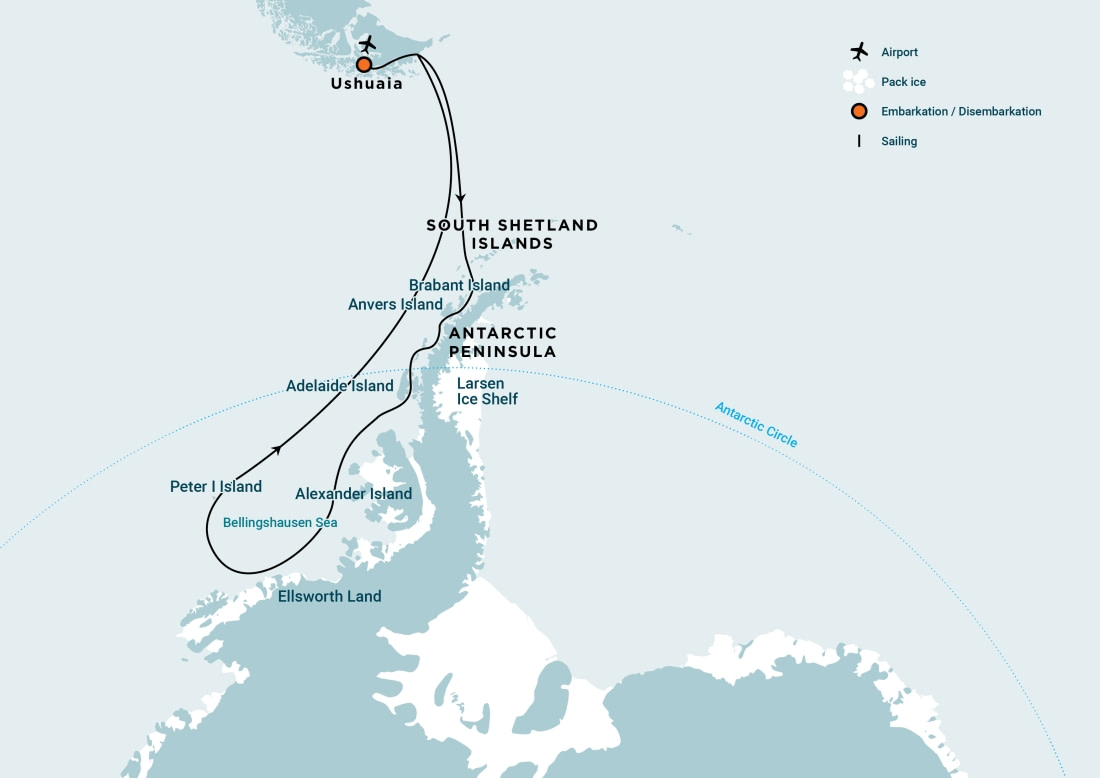
This adventurous expedition offers a unique opportunity to discover very rarely visited places, deep South along the coast of Antarctica to the Bellingshausen Sea, along the coast of Ellsworth Land and even to Peter I Island.
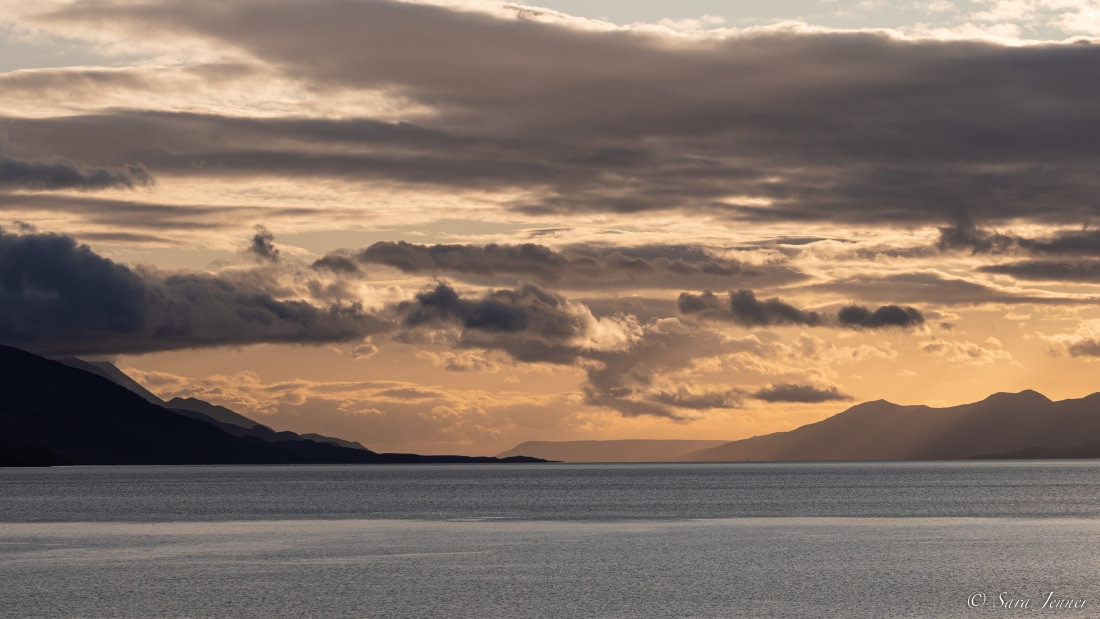
Your voyage begins where the world drops off. Ushuaia, Argentina, reputed to be the southernmost city on the planet, is located on the far southern tip of South America. Starting in the afternoon, you embark from this small resort town on Tierra del Fuego, nicknamed “The End of the World,” and sail the mountain-fringed Beagle Channel for the remainder of the evening.
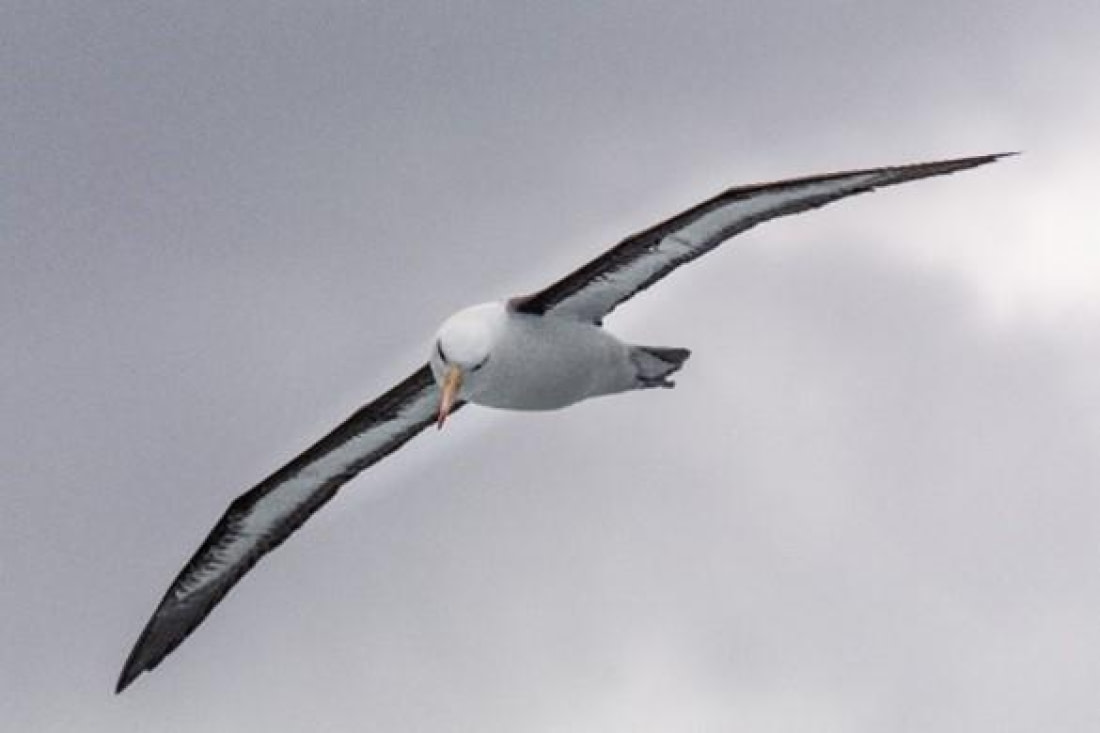
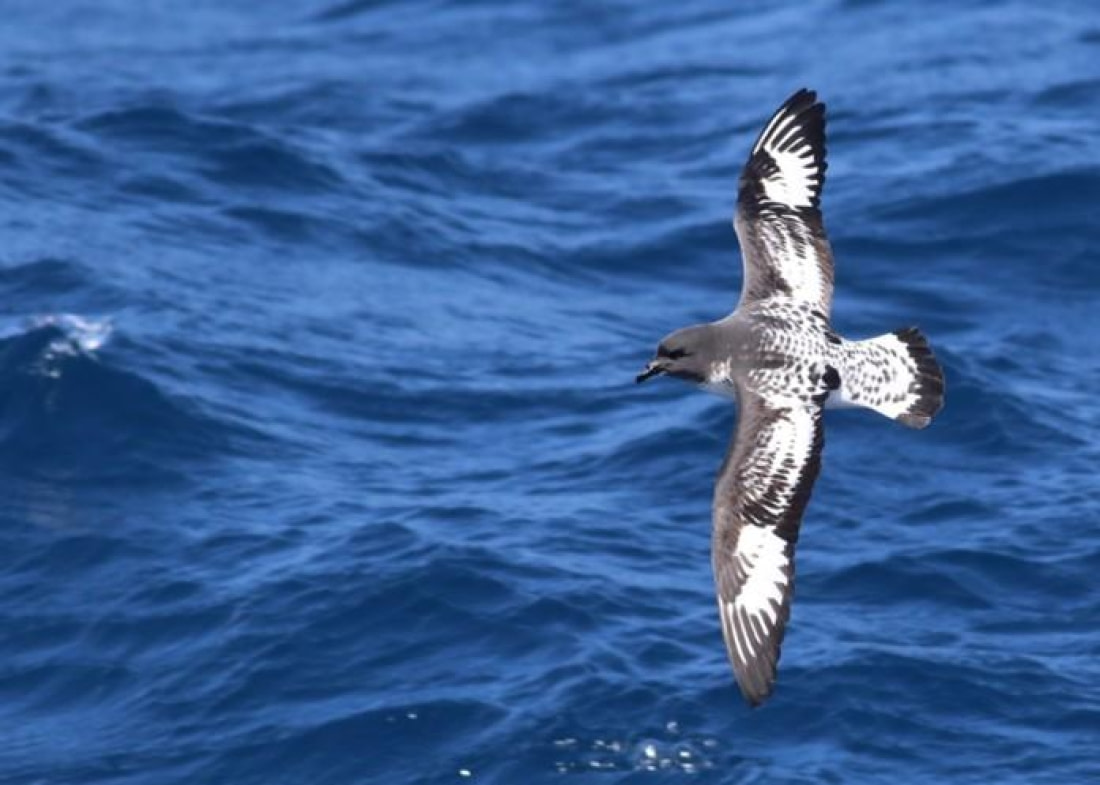
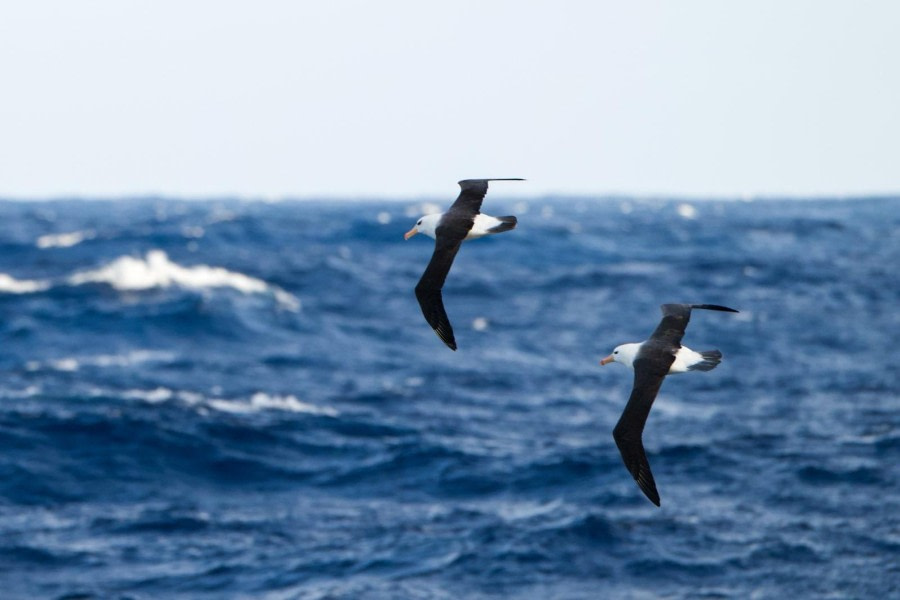
Over the next two days on the Drake Passage, you enjoy some of the same experiences encountered by the great polar explorers who first charted these regions: cool salt breezes, rolling seas, maybe even a fin whale spouting up sea spray. After passing the Antarctic Convergence – Antarctica’s natural boundary, formed when north-flowing cold waters collide with warmer sub-Antarctic seas – you are in the circum-Antarctic upwelling zone. Not only does the marine life change, the avian life changes too. Wandering albatrosses, grey-headed albatrosses, black-browed albatrosses, light-mantled sooty albatrosses, cape pigeons, southern fulmars, Wilson’s storm petrels, blue petrels, and Antarctic petrels are a few of the birds you might see.
Following in the footsteps of the famous Belgian explorer Adrien de Gerlache, we hope to land at Auguste Island, which was also the first landing site of the expedition team aboard Belgica during their 1898 expedition.
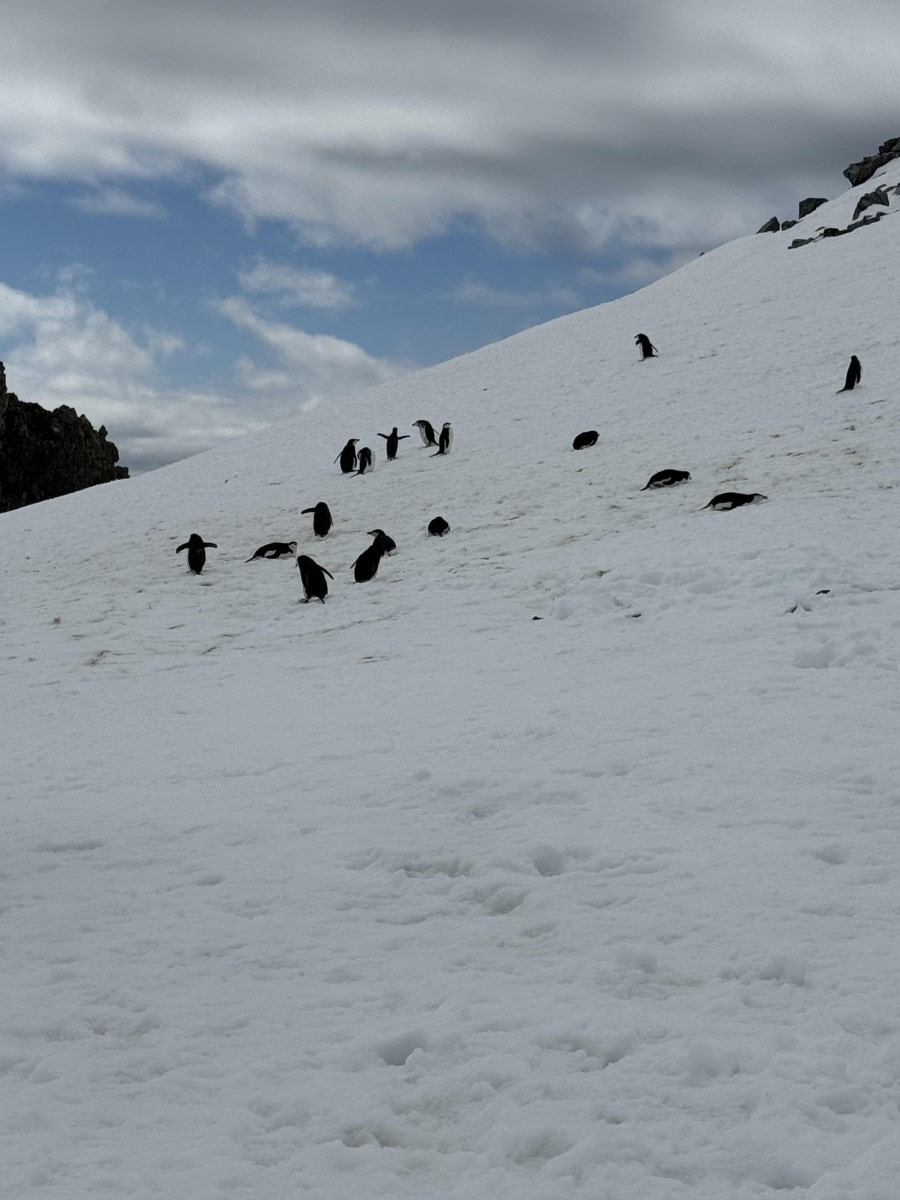
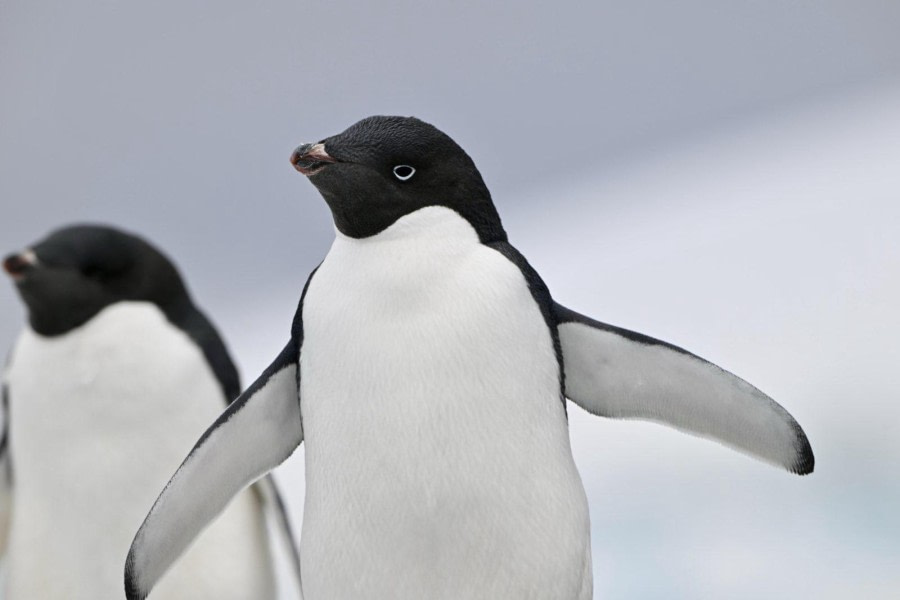
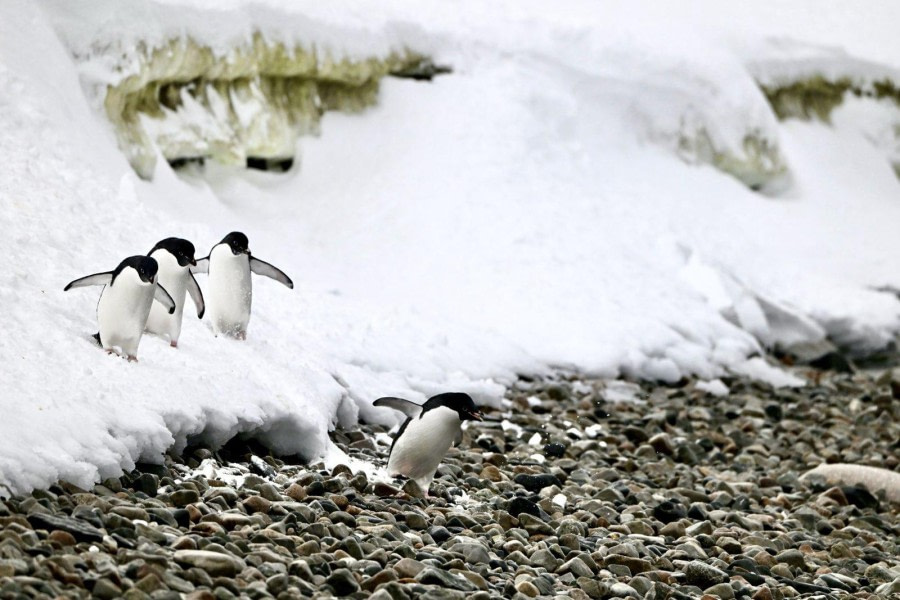
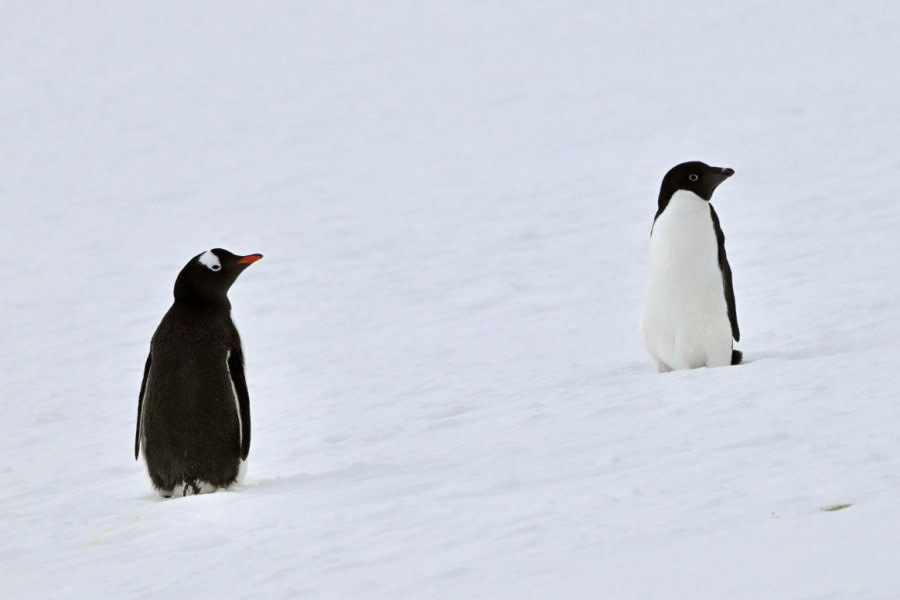
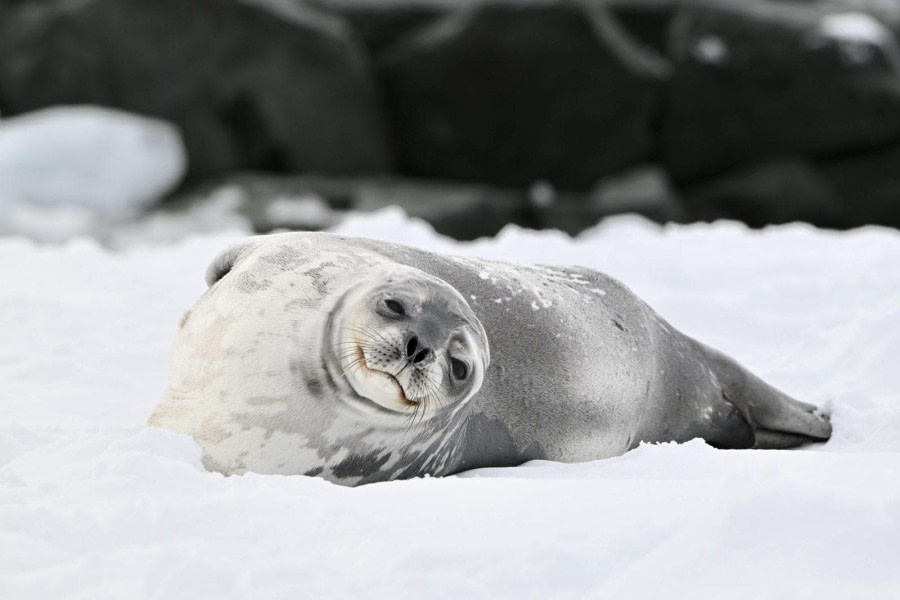
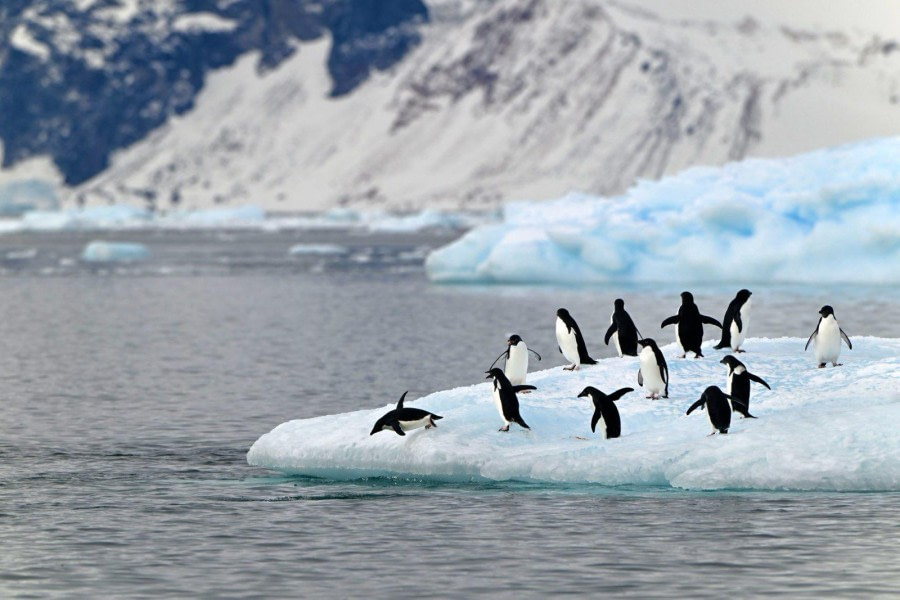
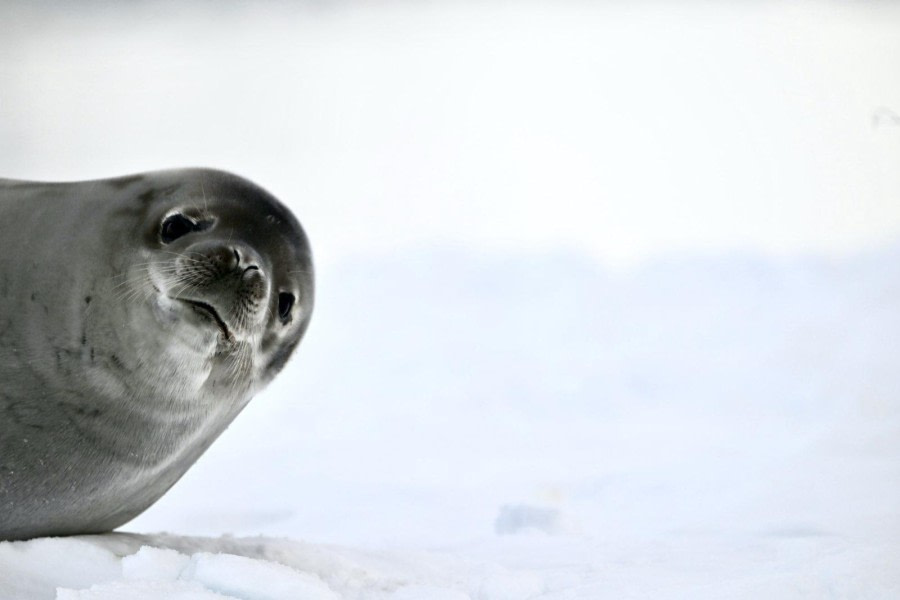
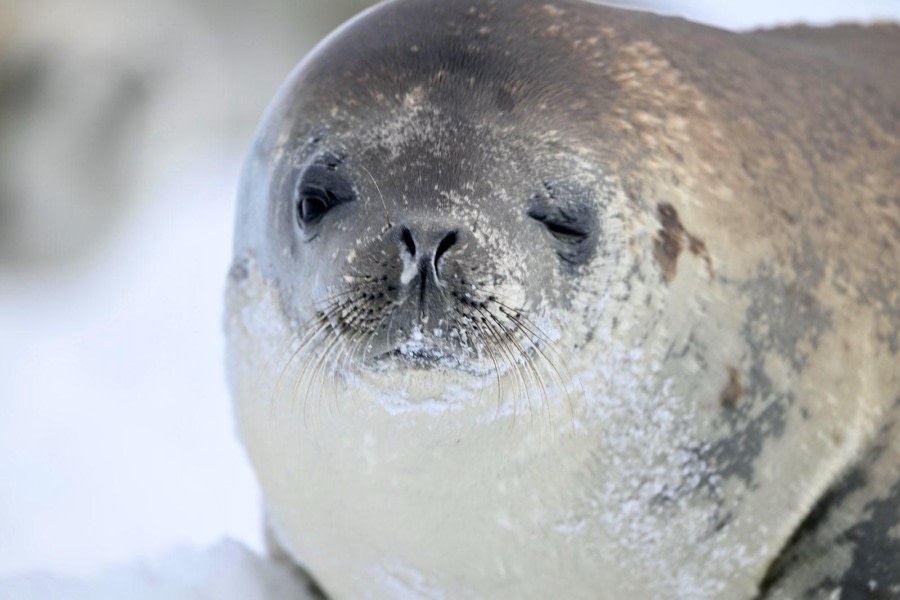
Another possible landing is Hydrurga Rocks, a small group of islets located east of the much larger Two Hummock Island. Hydrurga Rocks offers a chance to spot Adélie and chinstrap penguins, as well as Weddell seals, leopard seals, and southern elephant seals. Occasionally, humpback whales and Antarctic minke whales may also be seen in the surrounding waters.
As we continue exploring the Antarctic Peninsula, heading south, we may visit some of the following locations:
Charlotte Bay – where we hope to make our first continental landing at Portal Point.
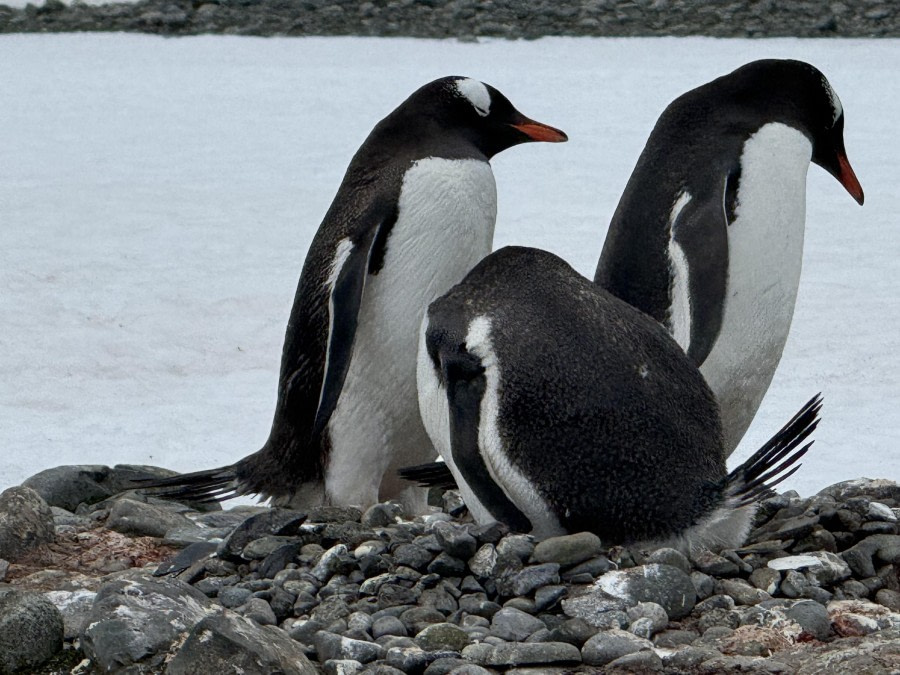
Cuverville Island – A small, precipitous island nestled between the mountains of the Antarctic Peninsula and Rongé Island, Cuverville is home to a large colony of gentoo penguins and breeding pairs of brown skuas.
Danco Island – Activities here may focus on the gentoo penguins nesting on the island, along with the Weddell and crabeater seals that can be found nearby.
We arrive at Flandres Bay, where we hope to land at Renard Island. Renard Island is a steep and rugged island, named after Alphonse Renard, one of the major scientific backers of Adrien de Gerlache’s expedition. It was noted as the final landing site of the expedition vessel Belgica along the west coast of the Antarctic Peninsula.
Crossing the Antarctic Circle, we arrive in the stunning area of Crystal Sound, where we hope to see a range of Antarctic wildlife and witness the sheer scale of the Antarctic landscape, with its vast expanses of ice and towering mountains. If conditions allow, we will land on Detaille Island, a listed historic monument and former research station. The station remains as it was left, offering a rare glimpse into the early days of scientific research in Antarctica, set against breathtaking scenery.
Pourquoi-Pas Island / Horseshoe Island
A visit to one or both of these islands further deepens our appreciation of the pioneering expeditions of the past. Pourquoi-Pas Island, named by the famous explorer and scientist Jean-Baptiste Charcot, is often home to penguins and seals. It offers a hike ashore and the opportunity to see glaciers that shape the island’s topography.
Horseshoe Island is also home to an abandoned research base, where the "Mary Celeste"-like buildings provide an insight into a bygone era of scientific exploration. This was a site of pioneering research and long-distance expeditions using dog teams, and the remains of the kennels can still be seen. This island is a favorite among our staff and guests, offering breathtaking views of the vast landscapes and harsh conditions that once served as home for researchers. The landscape of Horseshoe Island never disappoints.
Stonington Island
A site of significant research activity from the 1930s to the 1970s, Stonington Island was home to both American and British research bases. It features a range of historic buildings and artifacts, telling the story of Antarctic exploration. Once connected to the Antarctic mainland by snow and ice, this sobering site now stands as a powerful reminder of Antarctica’s remoteness and its delicate balance between human history and untamed wilderness. The wildlife, vast natural beauty, and man-made structures combine to make this an unforgettable place, sure to leave a lasting impression.
Red Rock Ridge
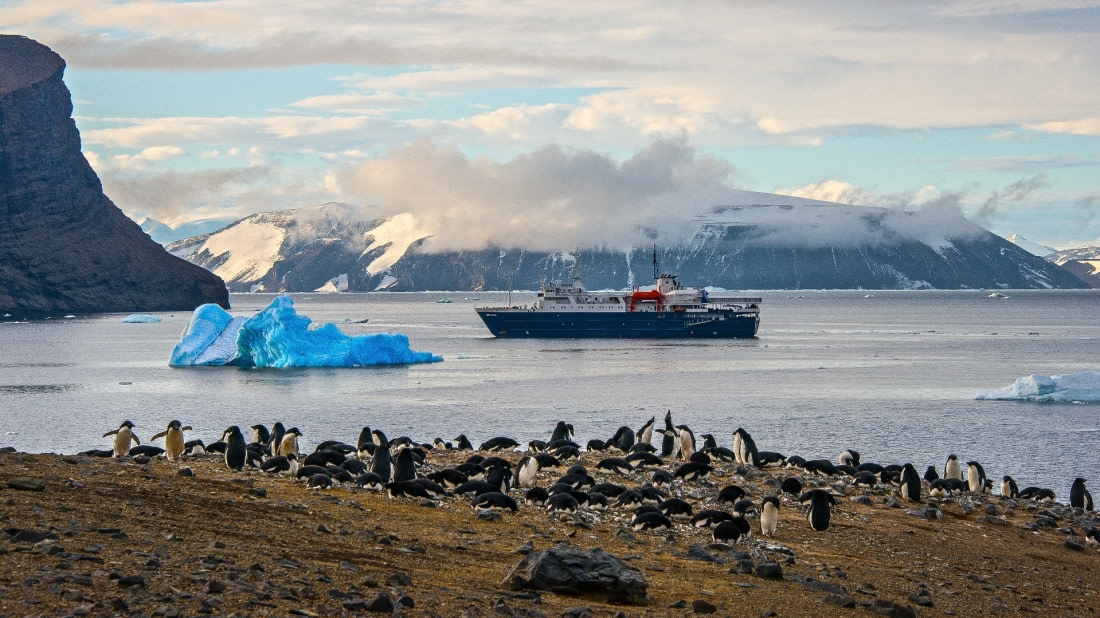
A landing site on the Antarctic mainland, Red Rock Ridge is visible from some distance, with its striking red-hued rocks standing out against the icy backdrop. If conditions are favorable, we will attempt a landing here. Adélie penguins have a breeding colony in the area, and we also hope to see seals and Antarctic shags, which nest nearby.
As the ship heads farther south, we will keep a keen watch for the giants of the sea, as well as some lesser-seen wildlife, such as the elusive Ross seal. We are now entering a region of true exploration, where few have ventured before.
We hope to enter the Ronne Entrance, an area first recorded during the aerial flights of Lincoln Ellsworth and later charted by the British Graham Land Expedition. This remote region is rarely visited, and we will aim to land in one of the world’s most isolated places, using either Zodiacs or helicopters. As ice and weather conditions can vary significantly, our Expedition Leader will determine the best options for activities in this area.
Along Ellsworth Land, we will attempt to find a suitable landing site, either by Zodiac or helicopter. As always, this depends on weather conditions and will be decided by the Expedition Leader.
Known as Peter I Øy in Norwegian, this uninhabited volcanic island lies in the Bellingshausen Sea. It was discovered by Fabian von Bellingshausen in 1821 and named after Peter the Great of Russia. Though the island is claimed by Norway as its own territory, it is rarely visited by passenger vessels due to its remote and exposed nature.
Landing here is challenging, but if weather and ice conditions permit, you may have the extraordinary opportunity to land via helicopter on the glaciated northern part of the island. This is a truly unique chance to set foot on one of the most remote islands in the world.
After our unforgettable time exploring the remote and rarely visited Peter I Island, we set our course northward, leaving Antarctica behind as we sail across the Bellingshausen Sea and into the vast Southern Ocean.
As the ship pushes through the Antarctic waters, our onboard experts will continue to host engaging lectures, covering topics such as the history of Antarctic exploration and marine ecosystems on this delicate environment.
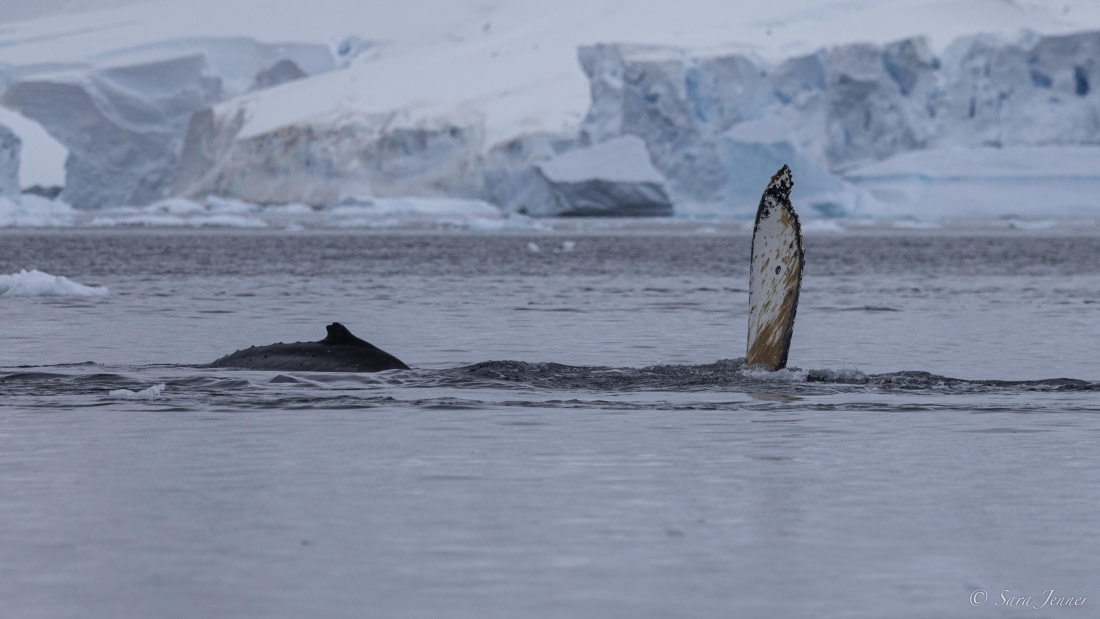
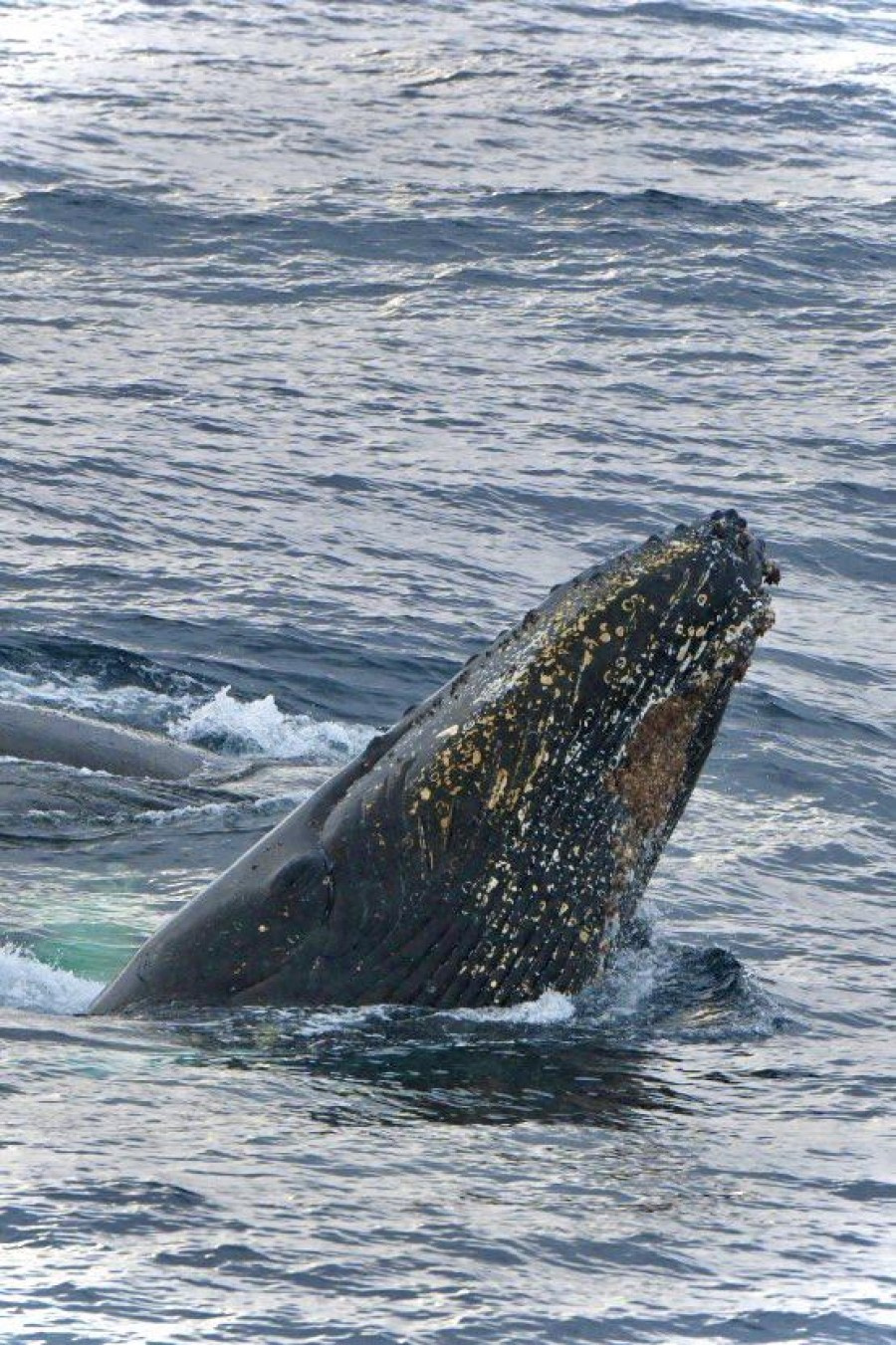
Wildlife remains a constant companion as we sail. Keep an eye out for wandering albatrosses gliding effortlessly above the waves, storm petrels skimming the water’s surface, and occasional sightings of whales—including humpbacks and possibly even blue whales—feasting in these nutrient-rich waters.
The vast Drake Passage stretches before us, marking our final stretch before reaching South America.
Over the following days on the Drake Passage, you enjoy some of the same experiences encountered by the great polar explorers who first charted these regions: cool salt breezes, rolling seas, maybe even a fin whale spouting up sea spray.
After passing the Antarctic Convergence – Antarctica’s natural boundary, formed when north-flowing cold waters collide with warmer sub-Antarctic seas – you are in the circum-Antarctic upwelling zone.
Wandering albatrosses, grey-headed albatrosses, black-browed albatrosses, light-mantled sooty albatrosses, cape pigeons, southern fulmars, Wilson’s storm petrels, blue petrels, and Antarctic petrels are a few of the birds you might see.
Every adventure, no matter how grand, must eventually come to an end. It’s now time to disembark in Ushuaia, reputed to be the southernmost town in the world, and return home with memories that will accompany you wherever your next adventure lies.
PLEASE NOTE:
All itineraries are for guidance only. Programs may vary depending on local ice and weather conditions and in order to take advantage of opportunities to see wildlife. The on-board expedition leader determines the final itinerary. Itineraries may mention places that require permission to land, which must be granted by the relevant national authorities. Such permission is not granted prior to the publishing of these itineraries. Flexibility is paramount for expedition cruises. The average cruising speed of m/v Ortelius is 10.5 knots.
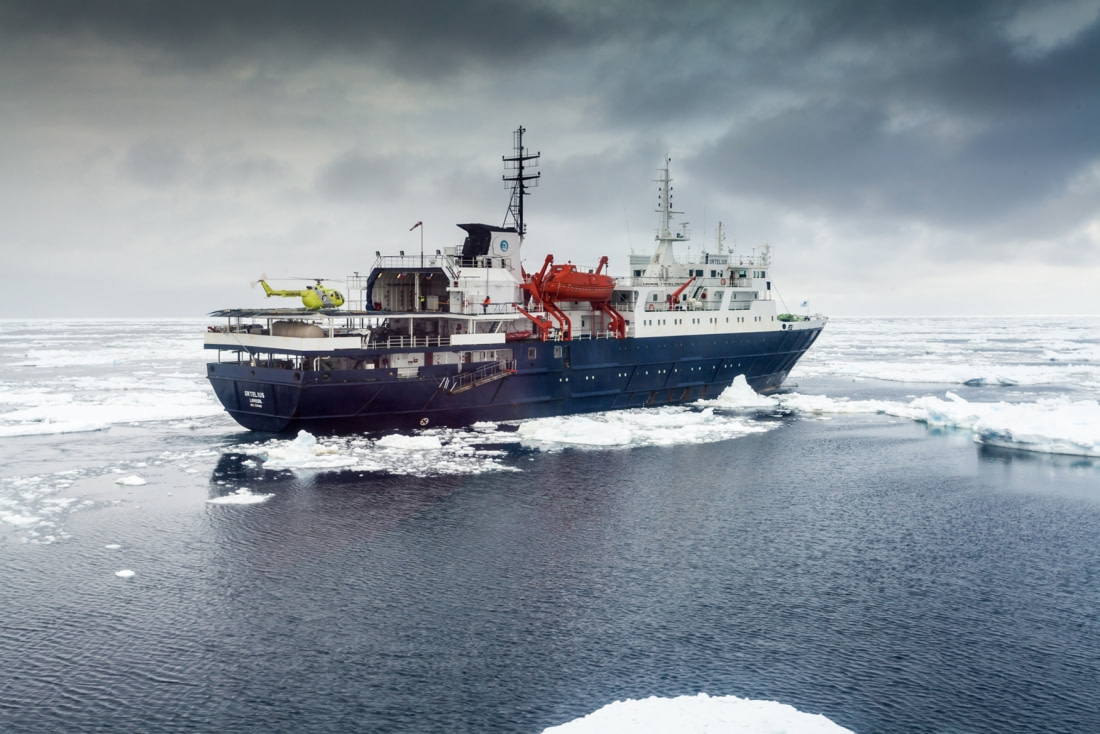
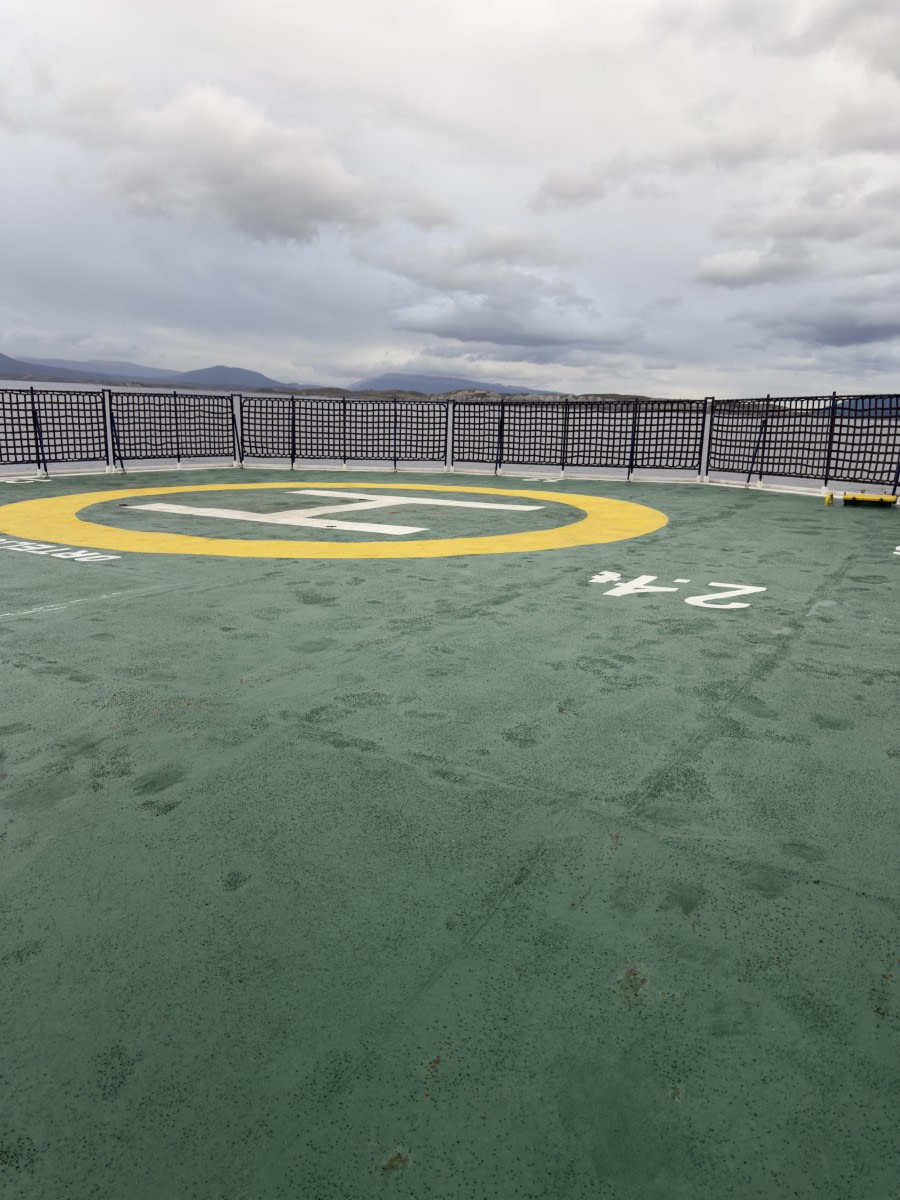
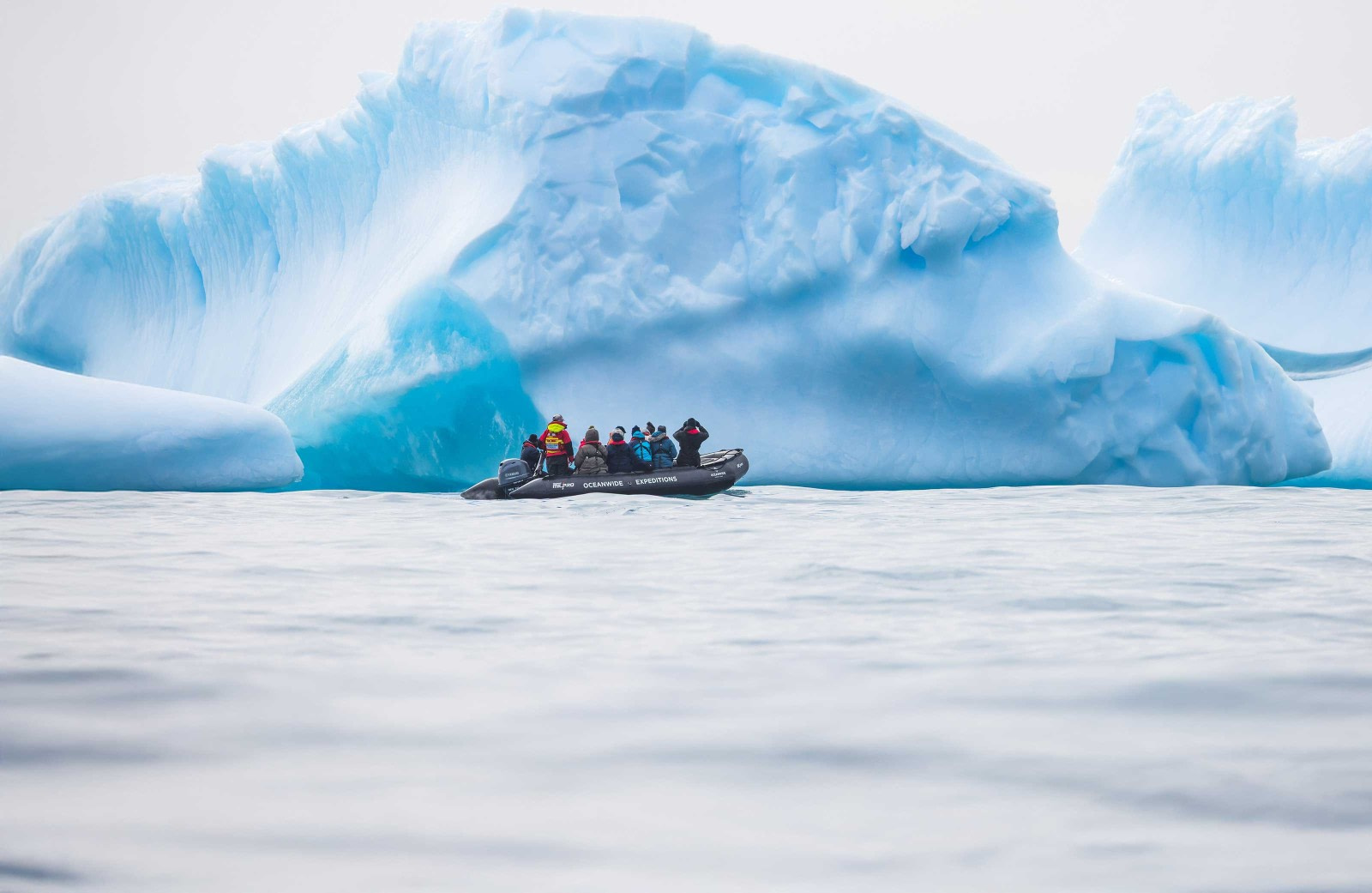
During these voyages, we transfer our passengers to shore using Zodiacs. We also operate our two helicopters in sites where Zodiacs cannot be used. A specific amount of helicopter time cannot be guaranteed in advance. Helicopters provide us a great advantage in reaching certain landing sites that are otherwise almost inaccessible, but this is a true expedition in the world’s most remote area: weather, ice, and other forces of nature dictate the final itinerary. Conditions may change rapidly, impacting helicopter operations. Please understand and accept this. Safety is our greatest concern, and no compromises can be made. The vessel is equipped with two helicopters. If one helicopter is unable to fly for whatever reason, helicopter operations will cease or be cancelled. One helicopter always needs to be supported by a second functioning helicopter. No guarantees can be given, and in no event will claims be accepted.
Highlights you might experience
Visiting the polar regions is a fantastic adventure, but just below the waves waits an extraordinary other world for you to experience and explore.
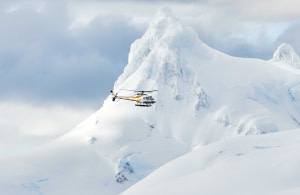
Take flight above the breathtaking Antarctic wilderness, visiting locations inaccessible by any other means
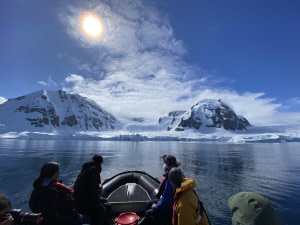
A small island in Antarctica’s Errera Channel, Danco can be a good place to look for gentoo penguins while also offering fine hikes to stunning viewpoints
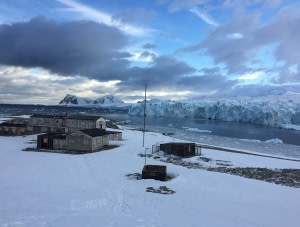
An Antarctic island near western Graham Land that was once connected to Northeast Glacier
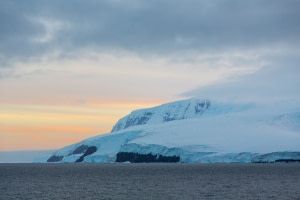
Also known as Peter I Øy, Peter I Island is volcanic, uninhabited, and one of the most remote islands in the world
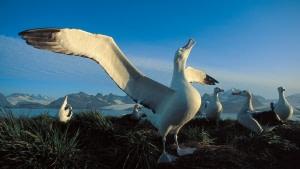
These remarkably efficient gliders, named after the Greek hero Diomedes, have the largest wingspan of any bird on the planet
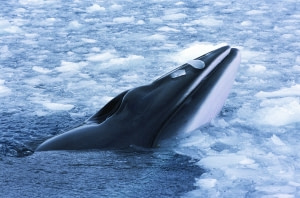
Though the smallest of the fin whales, these migrating mammals can let out a cry as loud as a plane taking off
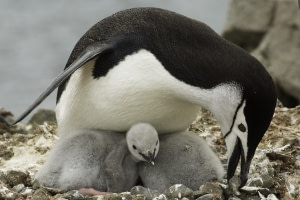
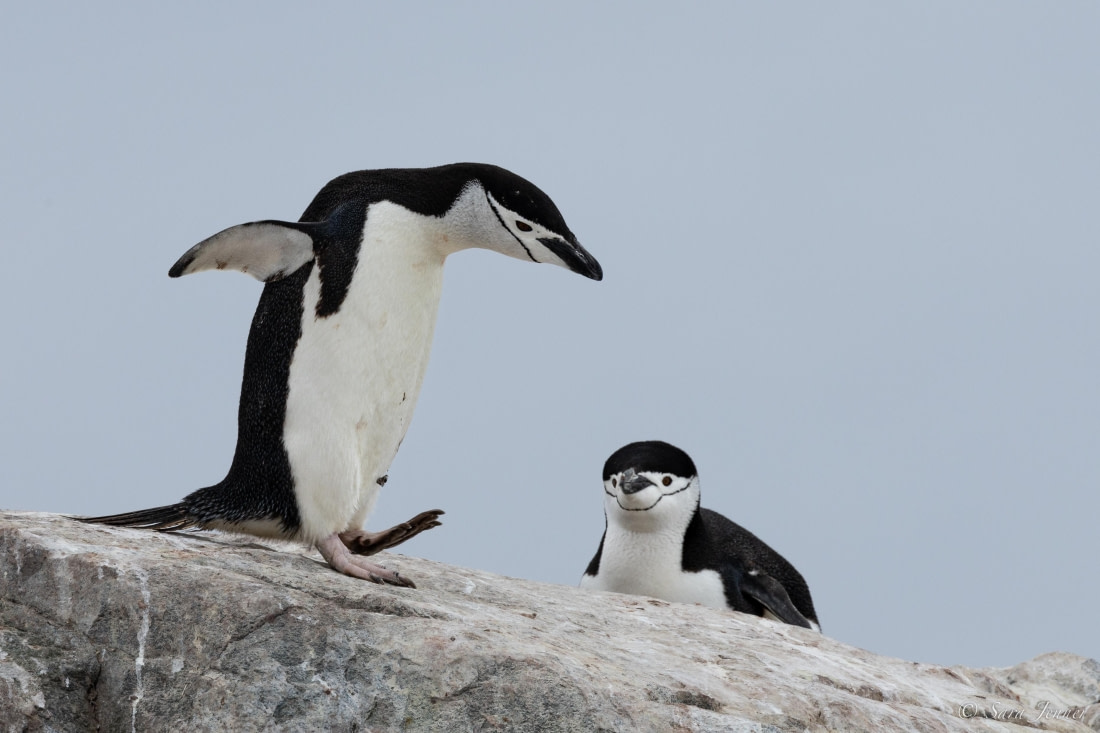
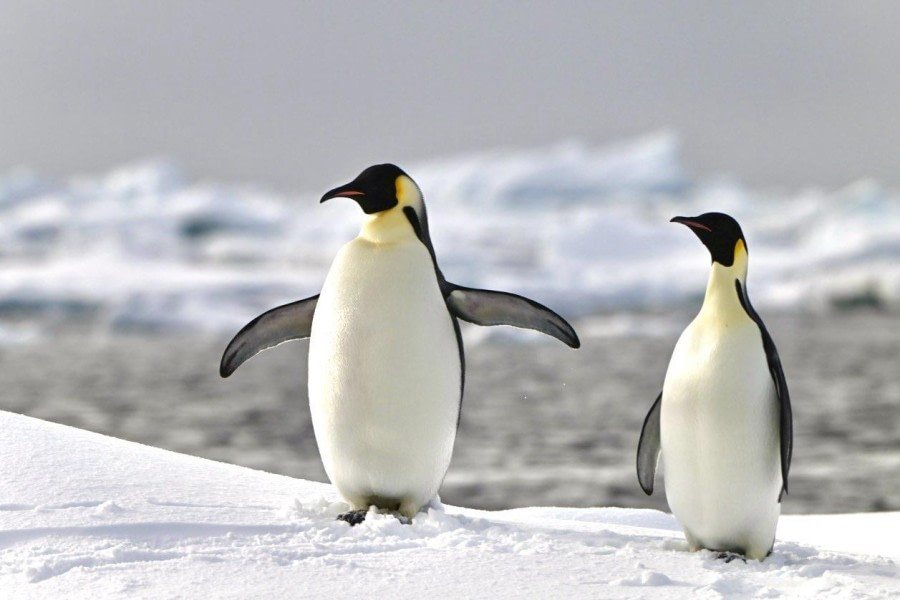
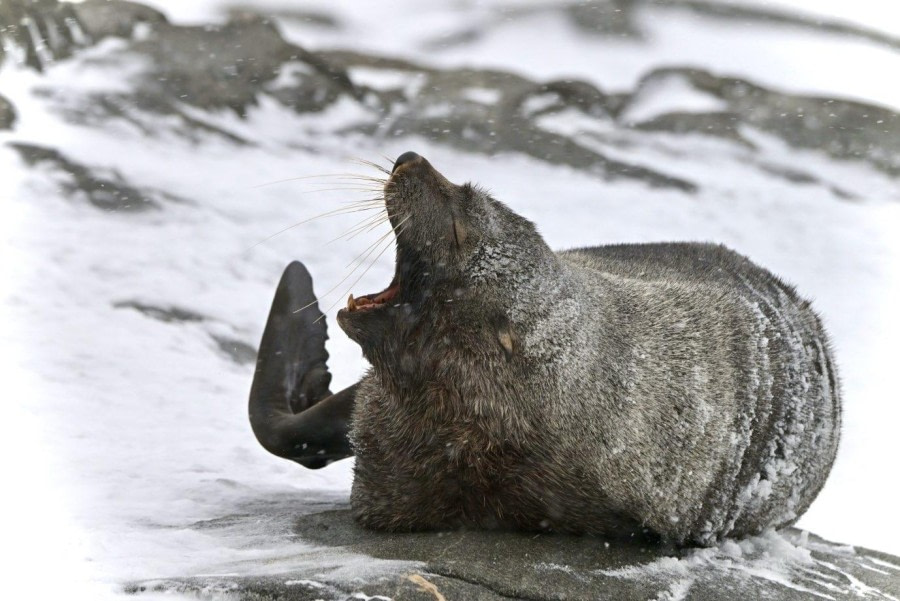
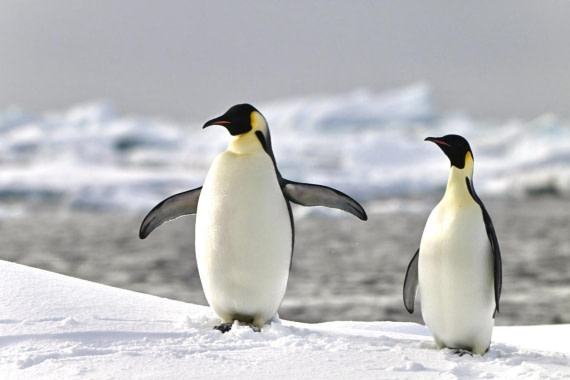
Though armed with the "stonebreaker" nickname and a quarrelsome reputation, these gentoo relatives are fading from the Antarctic – probably due to climate change
What Our Travelers Say
I was so lucky to join the amazing tour for two weeks and it was just a wonderful experience in total! We got such a warm welcome on board from the whole team. We felt very quick kind of home and enjoyed it so much, that it's hard to explain in words. I can just recommend to join a tour of these company! We had a fantastic time outside in the Antartica with such experienced and high knowledged guides, such a joy to listen to them. I made a great choice with Oceanwide and would always go again! We have been blesses with a lot of beautiful wildlife and enjoyed every single moment together! I was sad to leave, but I'll come again! Biggest thanks to the whole team for such a perfect time together! Best wishes for the whole team and always great tours in this special regions of this world! Best, Kathrin
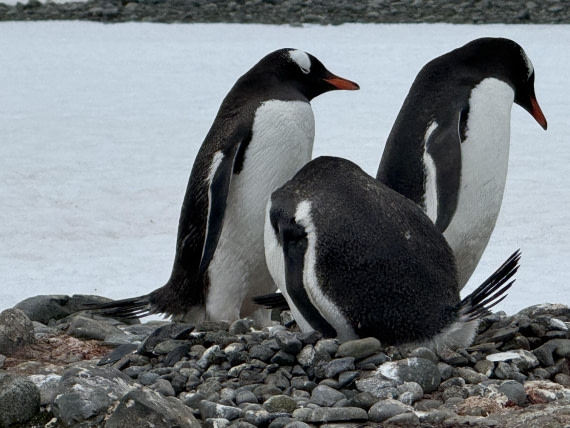




m/v Ortelius
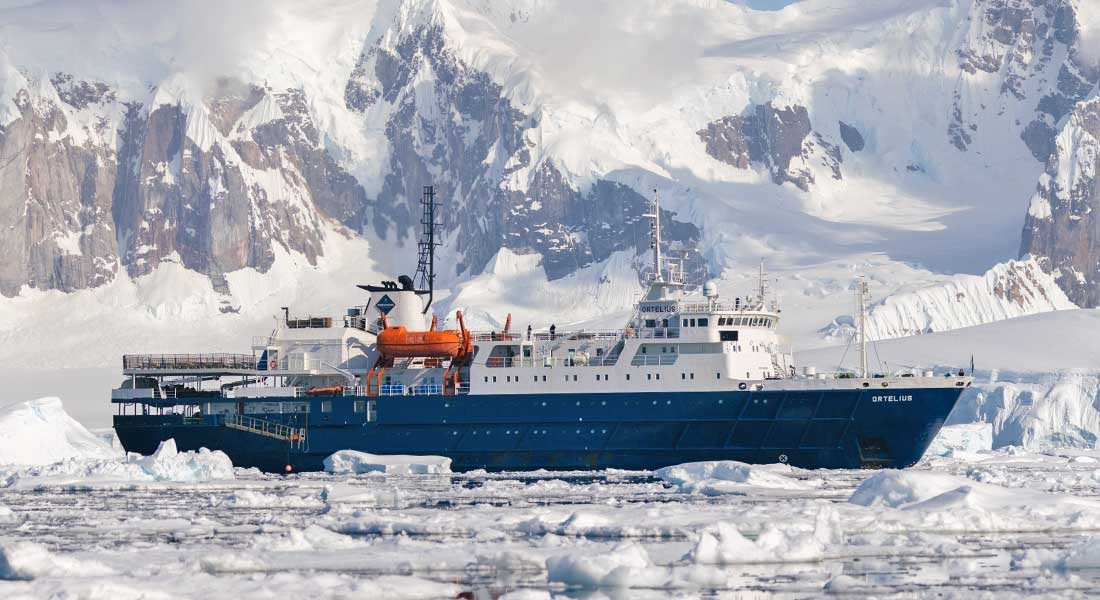
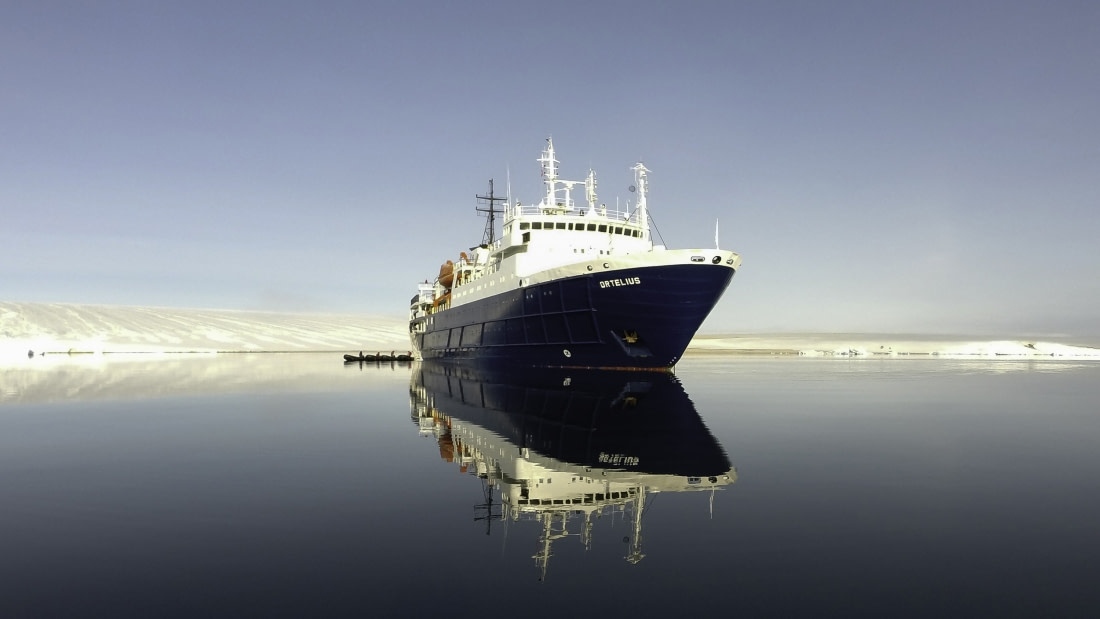
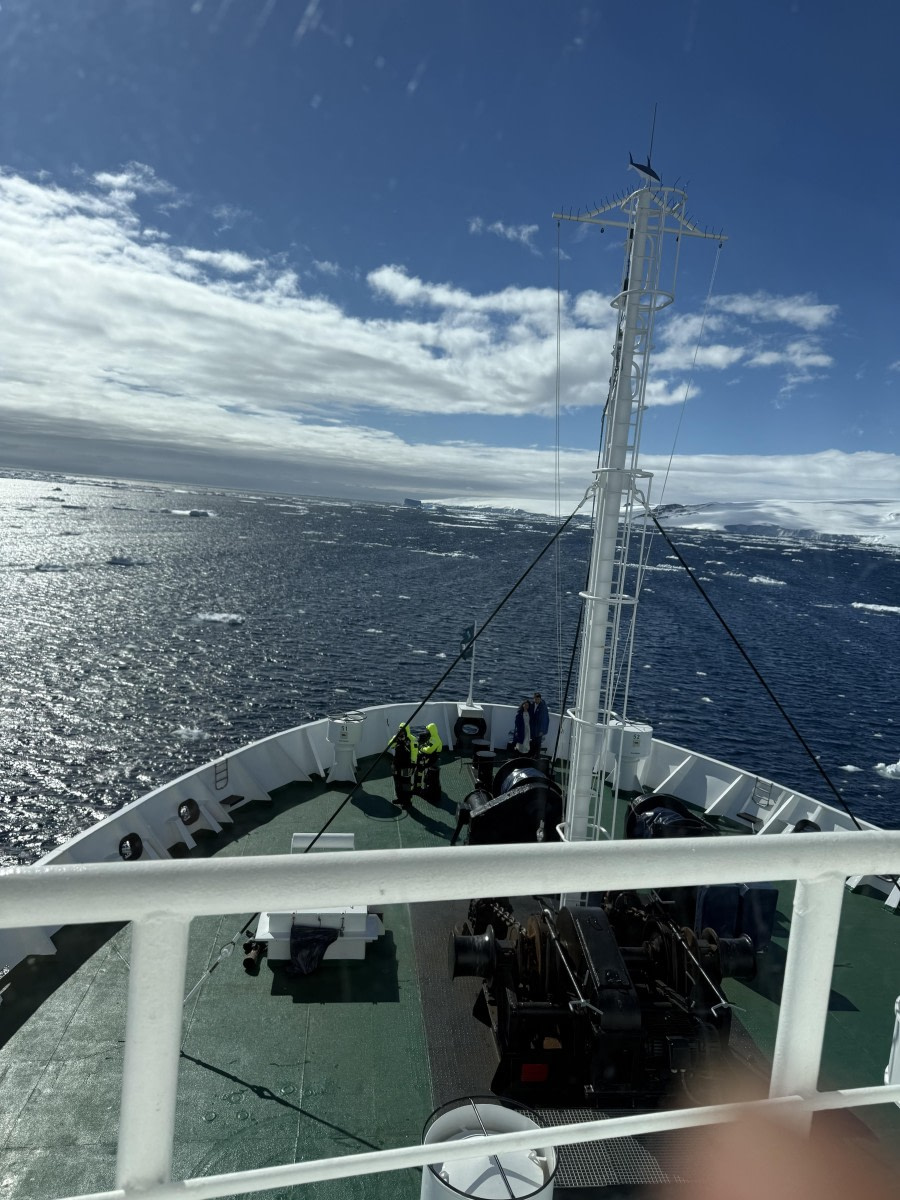
The ice-strengthened Ortelius is thoroughly outfitted for polar exploration and, when necessary, helicopter flights.
Full ship info »


Activities you can participate in
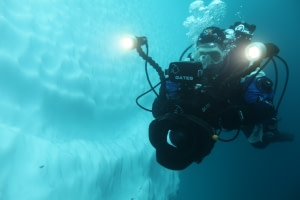
You must be advanced and experienced in dry suit and cold water diving. Diving is subject to local ice and weather conditions. Group size: minimum 8 divers.
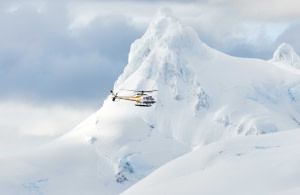
On select Ortelius voyages, we use helicopters to reach areas we cannot visit by vessel.
Cabins & Prices
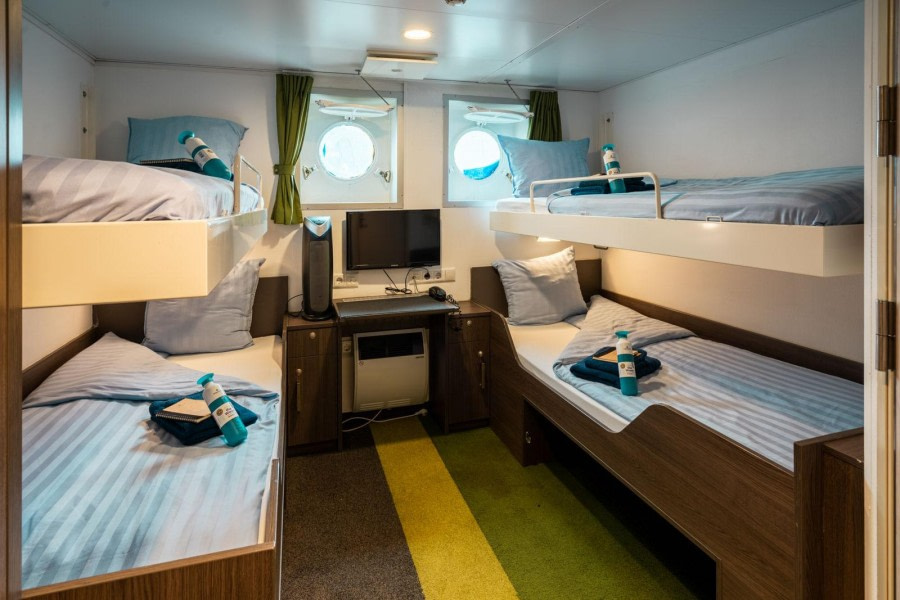
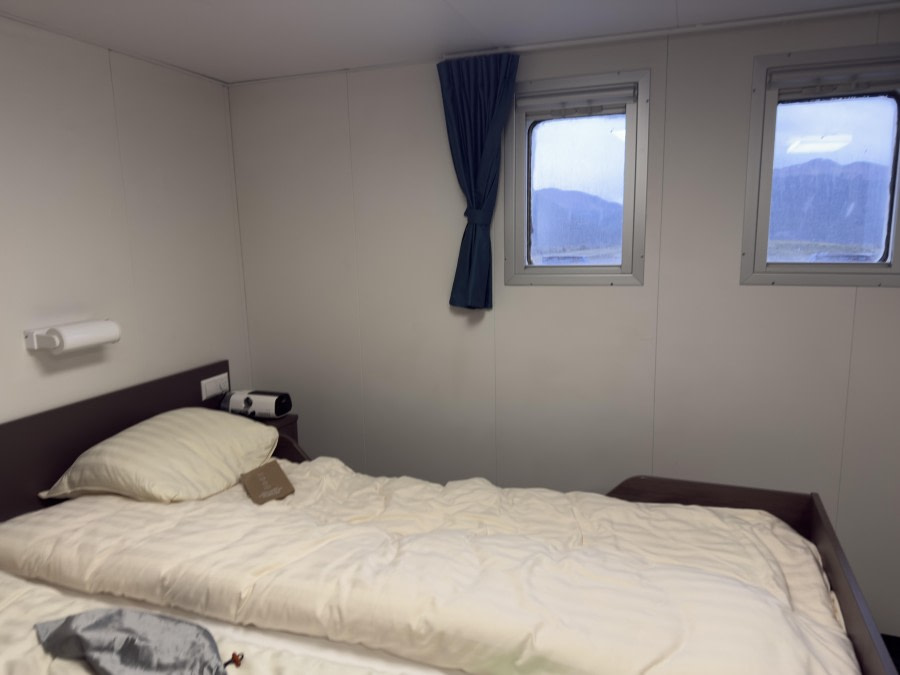
Quadruple Porthole
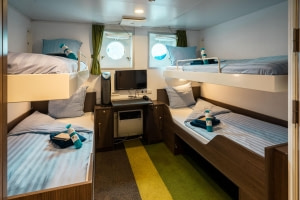


- Cabin size between 12,4 m² and 14,1 m²
- 2 portholes
- 2 upper / lower berths
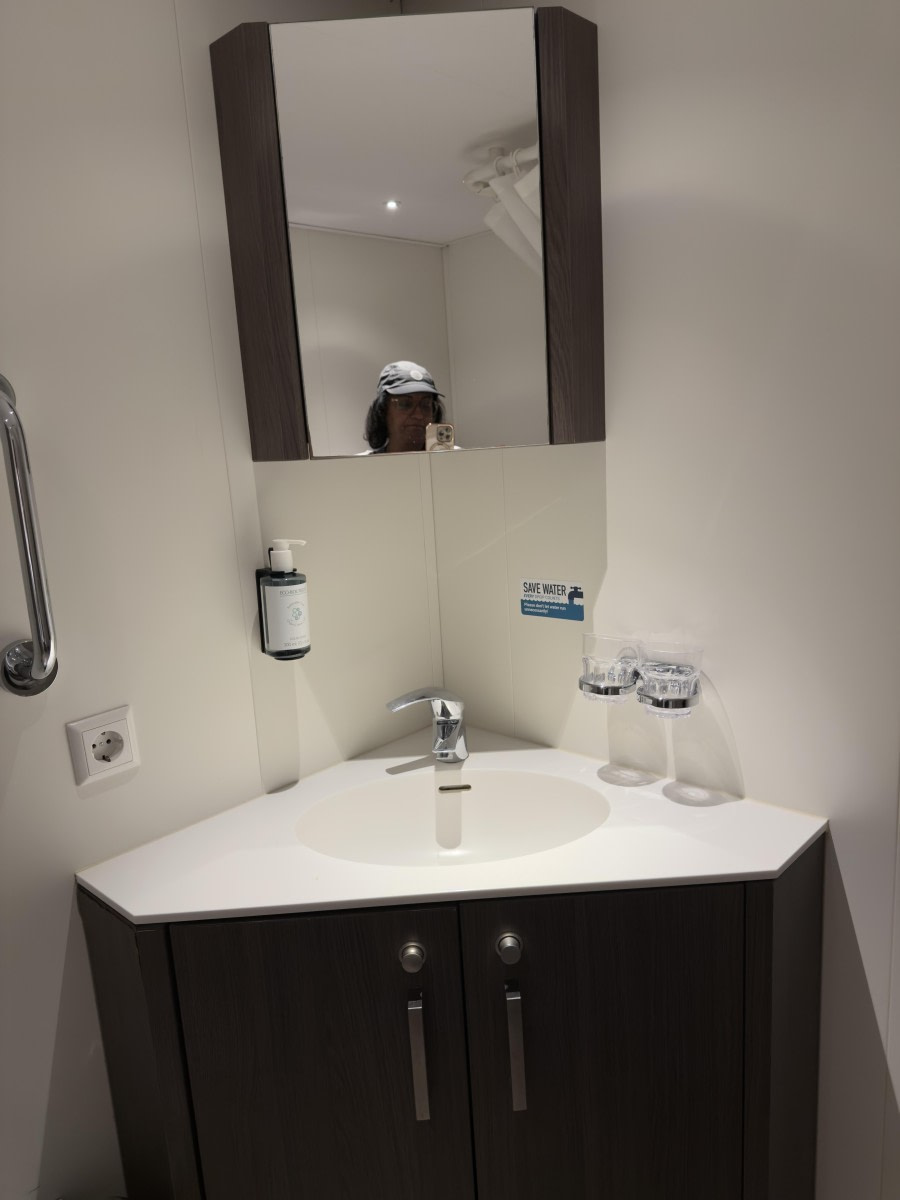
- Private shower & toilet
- Desk & chair
- Flatscreen TV
- Telephone & WiFi (supplemented)
- Hair dryer
- Safe deposit box
- Ample storage space
Complete cabin
78800 USD
Price for the complete cabin, fully occupied.
98400 USD
Sharing berth
19700 USD
Share your cabin with others for the best price.
24600 USD
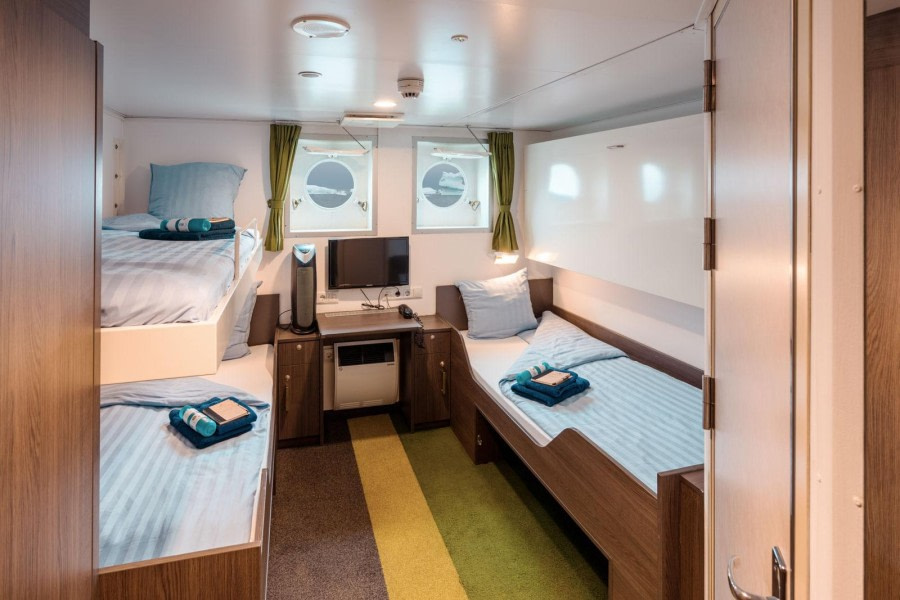
Triple Porthole
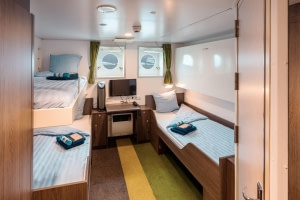

- 2 portholes
- 1 upper / lower berth + 1 single lower berth
- Private shower & toilet
- Desk & chair
- Flatscreen TV
- Telephone & WiFi (supplemented)
- Hair dryer
- Safe deposit box
- Ample storage space
Complete cabin
66225 USD
Price for the complete cabin, fully occupied.
82875 USD
Sharing berth
22075 USD
Share your cabin with others for the best price.
27625 USD
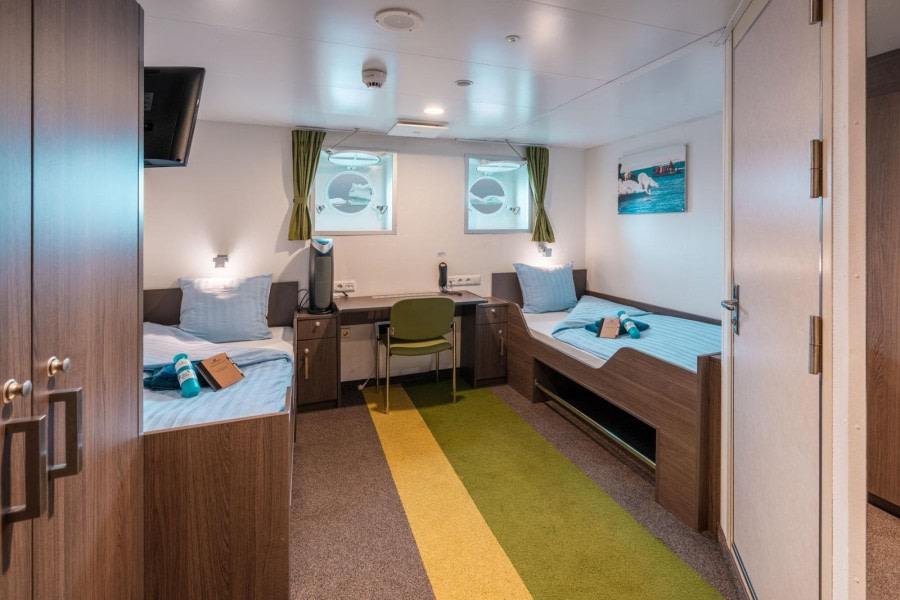
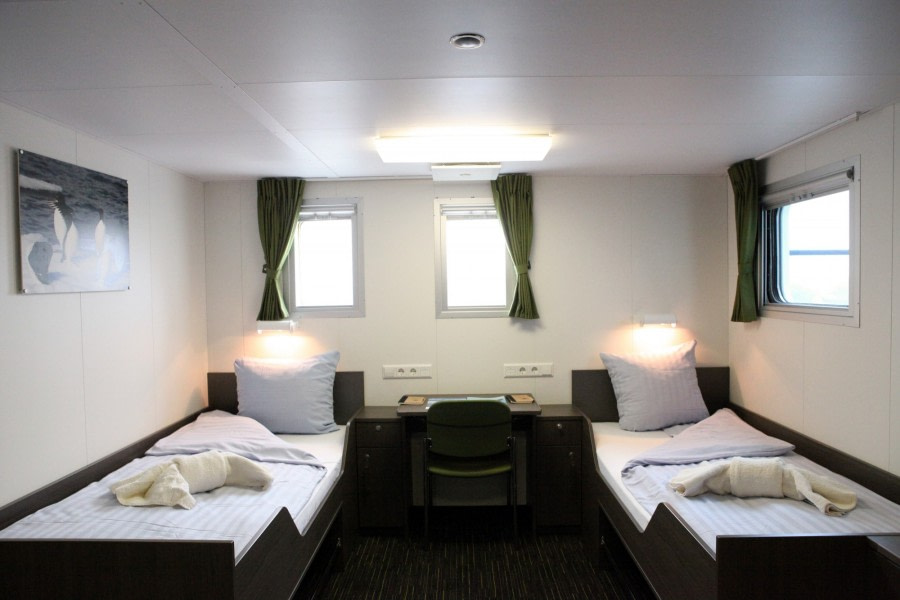
Twin Porthole
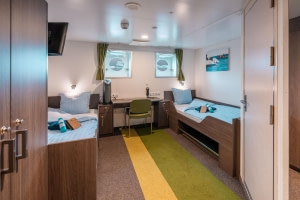
- Cabin size between 11,4 m² and 15,1 m²
- 2 portholes
- 2 lower berths
- Private shower & toilet
- Desk & chair
- Flatscreen TV
- Telephone & WiFi (supplemented)
- Hair dryer
- Safe deposit box
- Ample storage space
Complete cabin
49000 USD
Price for the complete cabin, fully occupied.
61300 USD
Single cabin
41650 USD
Price for the complete cabin occupied by 1 person (1.7x the shared rate).
52105 USD
Sharing berth
24500 USD
Share your cabin with others for the best price.
30650 USD
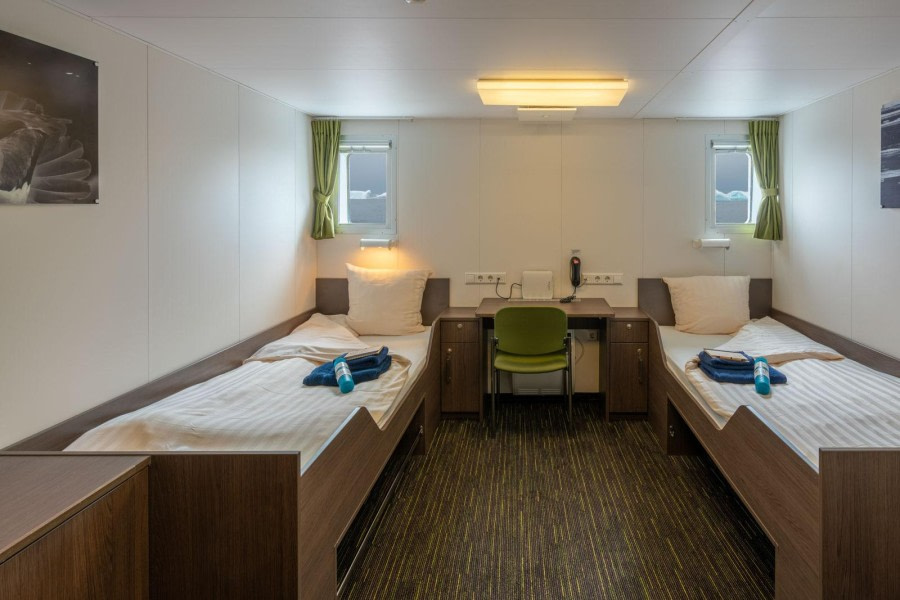
Twin Window
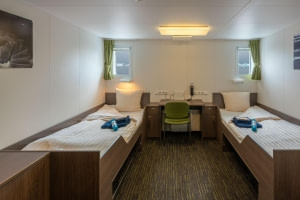

- Cabin size between 17,5 m² and 17,7 m²
- 2 windows
- 2 lower berths
- Private shower & toilet
- Desk & chair
- Flatscreen TV
- Telephone & WiFi (supplemented)
- Hair dryer
- Safe deposit box
- Ample storage space
Complete cabin
51400 USD
Price for the complete cabin, fully occupied.
64300 USD
Single cabin
43690 USD
Price for the complete cabin occupied by 1 person (1.7x the shared rate).
54655 USD
Sharing berth
25700 USD
Share your cabin with others for the best price.
32150 USD
Twin Deluxe
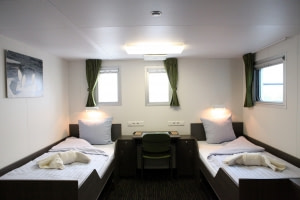
- Cabin size 17,7 m²
- 3 windows
- 2 lower berths
- Private shower & toilet
- Desk & chair
- Small sofa
- Refrigerator
- Coffee & tea maker
- Flatscreen TV
- Telephone & WiFi (supplemented)
- Hair dryer
- Safe deposit box
- Ample storage space
Complete cabin
56000 USD
Price for the complete cabin, fully occupied.
70000 USD
Single cabin
47600 USD
Price for the complete cabin occupied by 1 person (1.7x the shared rate).
59500 USD
Sharing berth
28000 USD
Share your cabin with others for the best price.
35000 USD
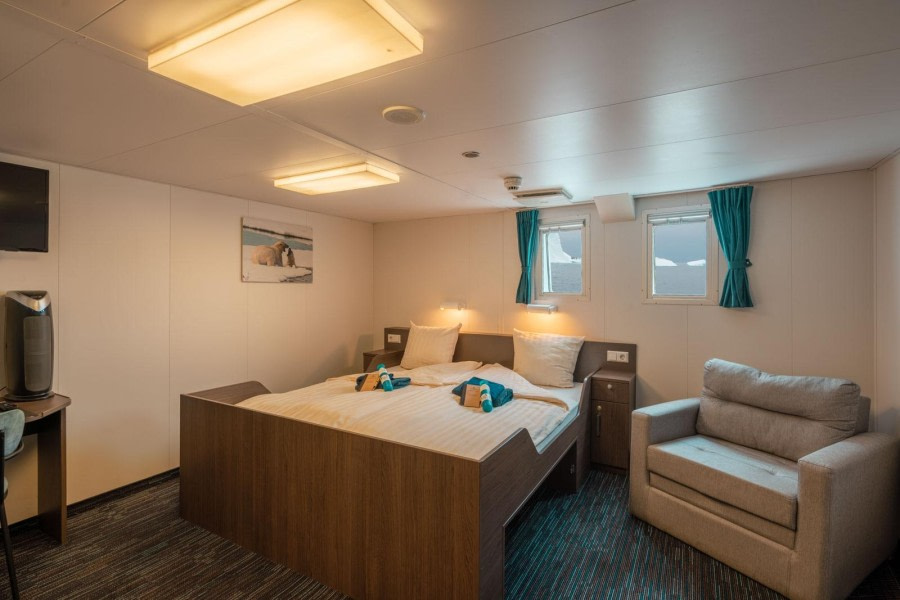
Superior
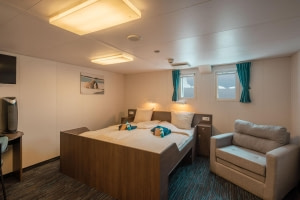

- Cabin size between 18,4 m² en 20,4 m²
- 2 windows (minimum)
- 1 double bed
- 1 single (sofa) bed
- Private shower & toilet
- Desk & chair
- Flatscreen TV
- Telephone & WiFi (supplemented)
- Refrigerator
- Coffee & tea maker
- Hair dryer
- Safe deposit box
- Ample storage space
Complete cabin
58000 USD
Price for the complete cabin, fully occupied.
72500 USD
Single cabin
49300 USD
Price for the complete cabin occupied by 1 person (1.7x the shared rate).
61625 USD