| Date: |
08.12.2025 |
| Position: |
62°39.4’S, 059°22.9‘W |
| Wind: |
VAR2/3 4 |
| Weather: |
Cloudy |
| Air Temperature: |
+1.1 |
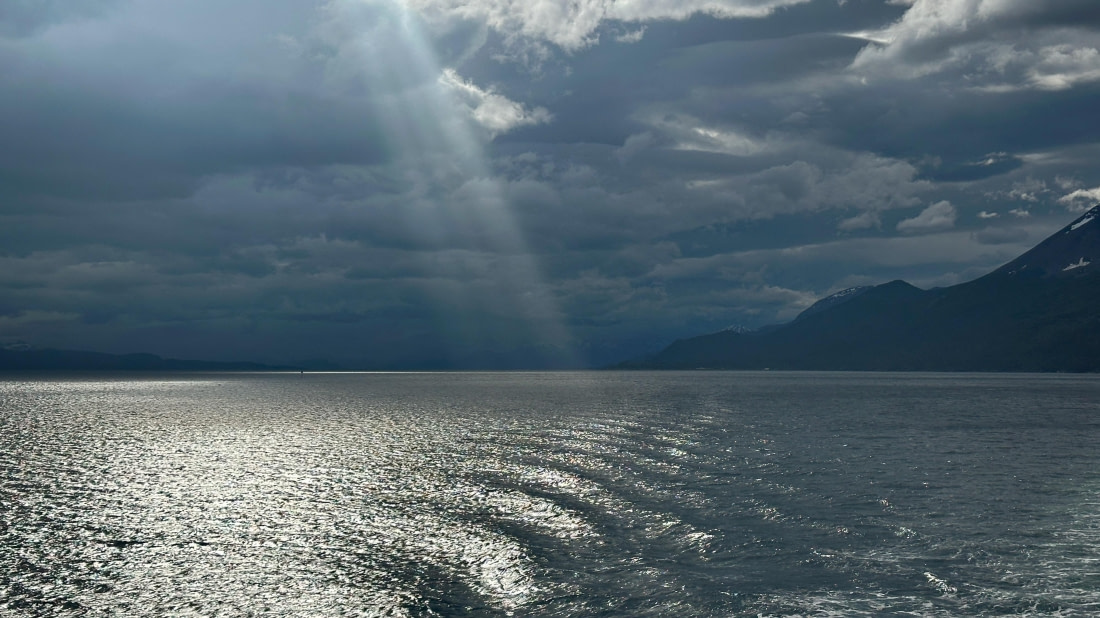
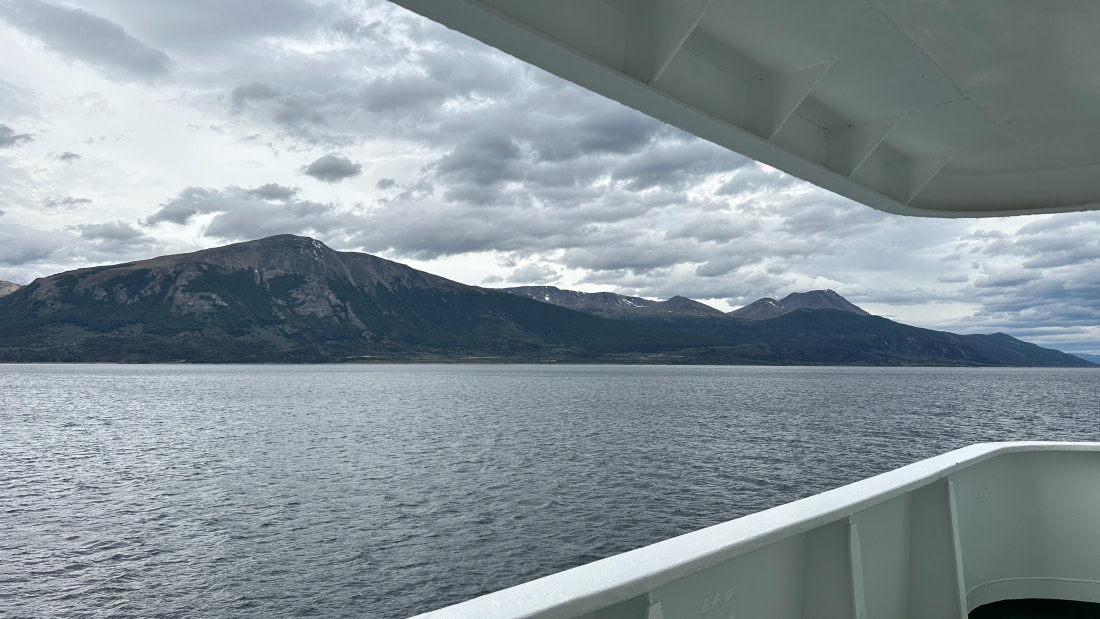
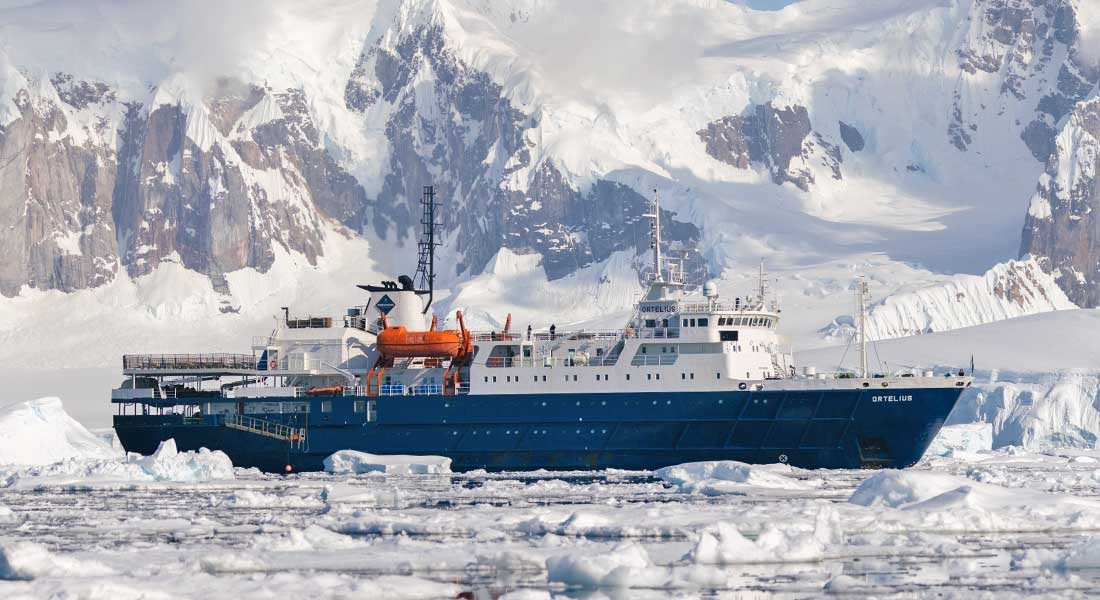
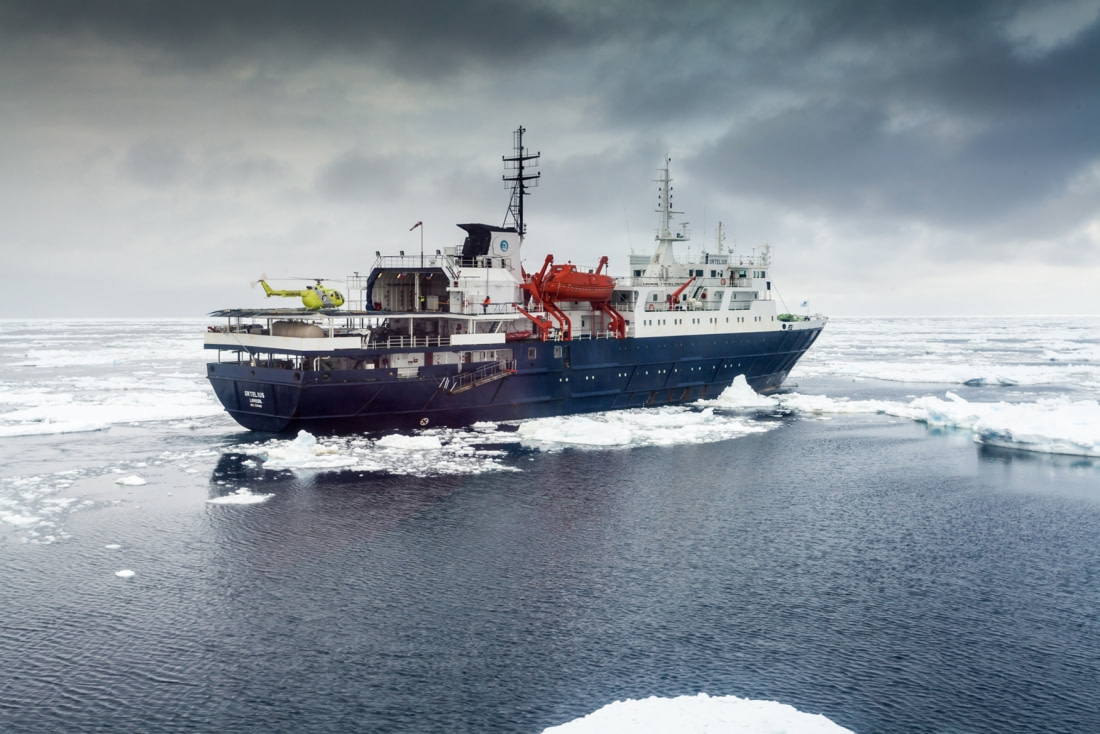
During the night our vessel made a steady crossing of the Bransfield Strait, rolling gently in the long southern swells as we left the Antarctic Sound behind and approached the first islands of the South Shetlands. By dawn, the low cloud that had followed us overnight began to lift, and the morning light revealed the familiar rugged silhouettes of Livingston and Greenwich Islands on the horizon.
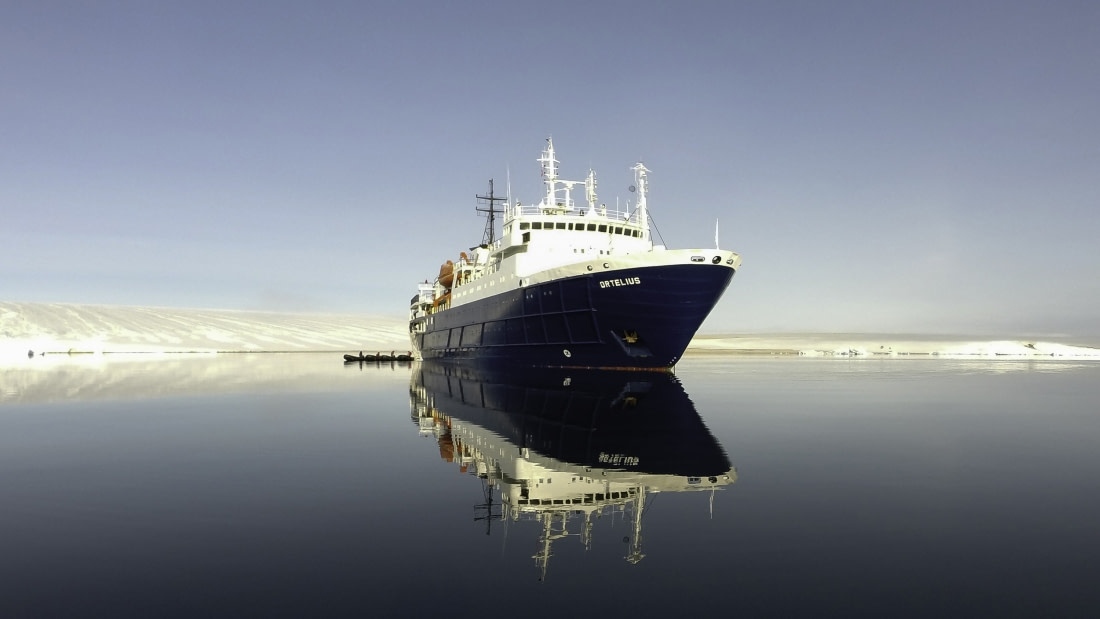
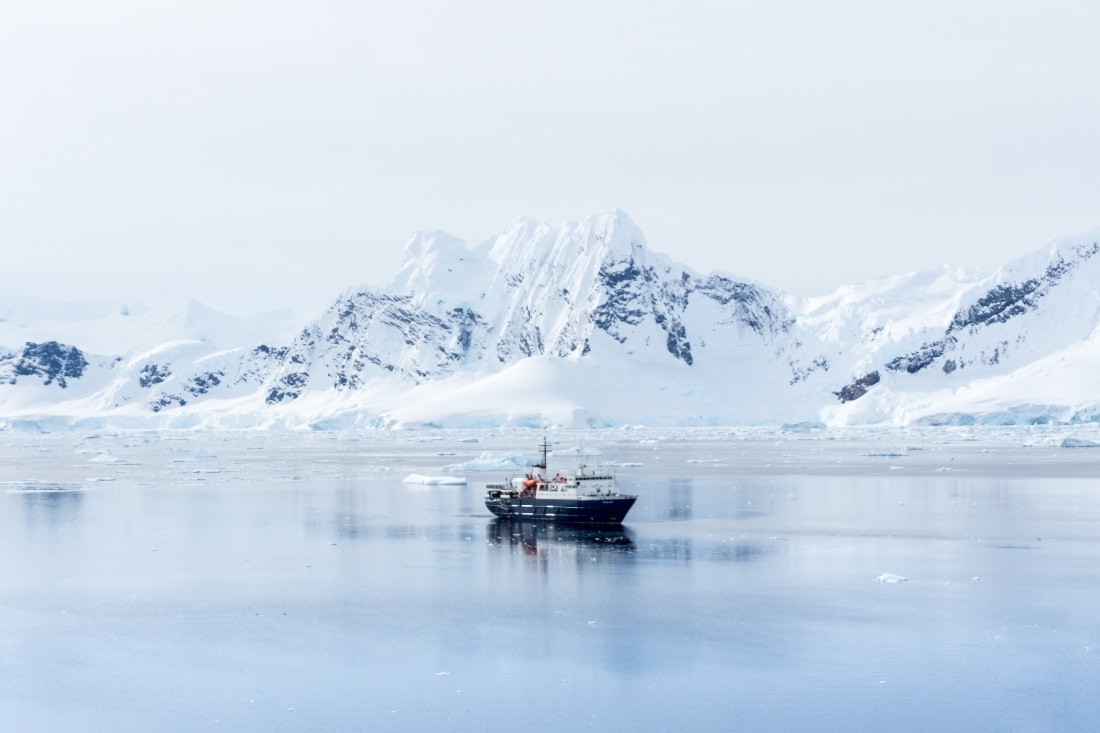
Conditions were good when we arrived in the vicinity of Half Moon Island, a narrow, crescent-shaped piece of land nestled in the shadow of Livingston Island. As breakfast ended, the water around us lay surprisingly smooth, reflecting the muted colours of the sky. It was, as many guests remarked, a rare and beautiful Antarctic morning—bright, crisp, and full of promise.
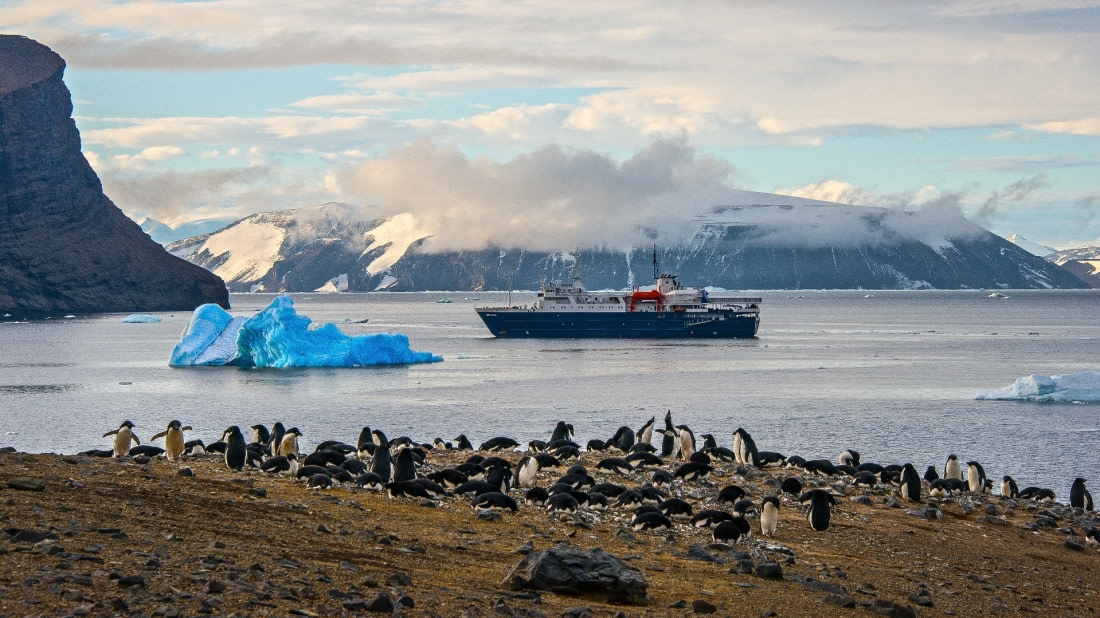
Half Moon Island is best known for its chinstrap penguin colony, and the birds did not disappoint. Their distinctive white faces, sharp black bands beneath the chin, and impossibly expressive movements make chinstraps one of the most charismatic species in the region. As we approached the beach, their calls—part bray, part trumpet—echoed off the stony slopes. The colony was a hub of activity: adults waddled to and from the sea, others busily rearranged pebbles on their nests, and pairs frequently erupted into enthusiastic greeting displays. Many guests lingered long at the colony, watching the birds’ antics. A Weddell seal rested lazily on a snowbank higher up the slope, undisturbed by us passing by and at the beach we found a young Elephant seal hauling out.
Before returning to the ship, however, the morning held one more highlight—and for some, the most memorable moment of the entire voyage: the polar plunge. On the sheltered beach, staff prepared a safe entry point for the volunteers. The water measured just 2°C, cold enough to shock even the most seasoned ocean swimmers. One by one, twenty brave guests stepped forward, each cheered on by a lively audience. Some approached the water slowly, taking a moment to steel their nerves; others charged forward with impressive determination. We headed back to the ship with feelings of exhilaration and relief. It was a fitting finale to a wonderful morning on Half Moon Island.
During lunch the vessel raised anchor and began the short transit to Yankee Harbour, tucked into the south side of Greenwich Island. The harbour is naturally sheltered by a sweeping gravel spit, making it historically one of the region’s most reliable anchorages. Today, however, the weather began to remind us that Antarctica rarely remains gentle for long. As we approached, the wind increased steadily: first 20 knots, then 30, and eventually gusts building up to 44 knots. Conditions remained within safe operational limits, but it was clear that the afternoon landing would require coordination and skill.
Thankfully, our experienced Zodiac drivers were more than equal to the task. Working together with the bridge and expedition staff, they ensured that every transfer from ship to shore was conducted with care. Guests boarded with the assistance of the crew, and the boats moved swiftly through the choppy water, spray occasionally flying over the bows. Despite the wind, the operation ran smoothly, and soon the first groups were stepping onto the beach.
Here we were greeted by a lively gentoo penguin colony. Compared with the morning’s chinstraps, the gentoos presented a slightly more relaxed demeanour—their bright orange bills and distinctive white headbands giving them a gentle, almost curious appearance. Many were tending to nests built neatly from small stones. Others trekked back and forth along penguin highways between the colony and the water’s edge. Their movements were as endearing as ever, sometimes purposeful, sometimes comically hesitant as they navigated uneven stones or paused to assess their surroundings.
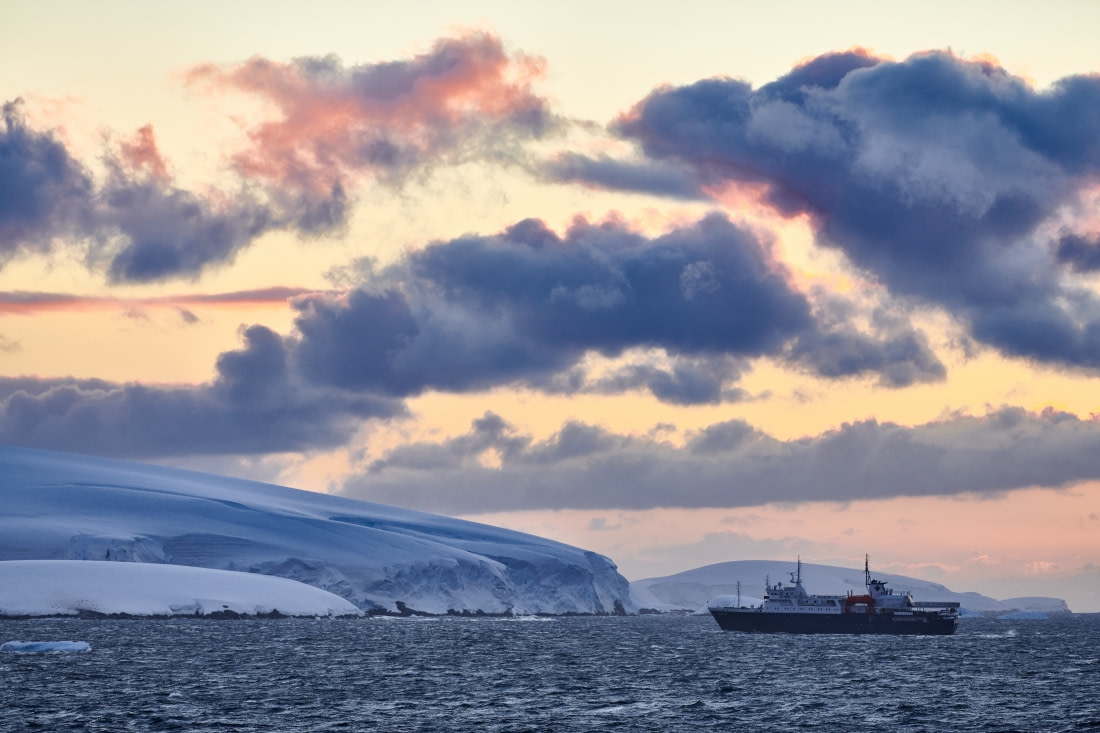
The wind roared across the harbour, but within the natural curve of the spit, guests found plenty of shelter, allowing for comfortable wildlife viewing. Across the water, glacier faces rose steeply, their crevasses and blue shadows highlighted under the afternoon light. Every now and then a gust swept across the bay, briefly filling the air with fine spray, yet the mood remained light and enthusiastic. Guides shared the history of Yankee Harbour’s use by early sealers and pointed out the geological features shaped by centuries of ice movement. Eventually, as the afternoon wore on, it was time to return to the ship. Once all were aboard, we set a course away from the South Shetland Islands, the ship rising and falling gently as we left Yankee Harbour behind.
Dinner was served as we began to reposition northward, and conversation throughout the dining room reflected the fullness of our final day on the Antarctic continent: the serene beauty of Half Moon Island, the thrill of the polar plunge, the rugged winds of Yankee Harbour, and the ever-present sense of discovery that had accompanied every moment. After the meal, many guests gathered in the lounge for a documentary screening about the discovery of Shackleton’s Endurance. The film’s images—ghostly timbers preserved in icy darkness—seemed an appropriate complement to the day’s atmospheric conditions and the long history of exploration in these waters.
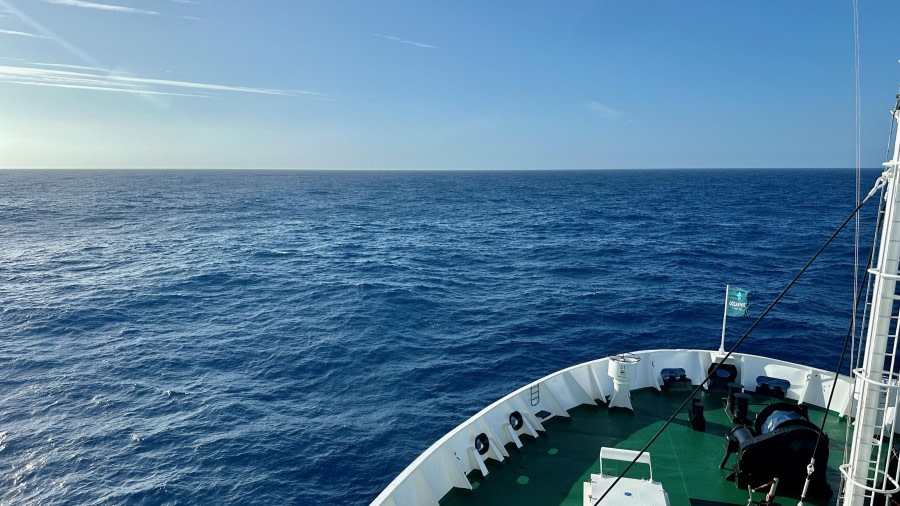
As the documentary ended and guests drifted off toward their cabins, there was a quiet understanding that today had marked the conclusion of our Antarctic landings. The continent had given us a remarkable final day—wildlife, weather, adventure, and reflection all woven together. With the South Shetlands fading behind us and the ship’s bow pointing towards the open ocean, our last day in Antarctica came to a close, leaving each of us with memories that would endure long after the journey home.