PLA03C26, trip log, Arctic Ocean - Aberdeen, Fair Isle, Jan Mayen, Ice edge, Spitsbergen, Birding

by Oceanwide Expeditions

Photo gallery

Logbook

Day 1: embarkation day

embarkation day
Date: 10.06.2026
Position: 51°26.8’N / 003°36.1’E
Wind: NW3
Weather: Good
Air Temperature: +10

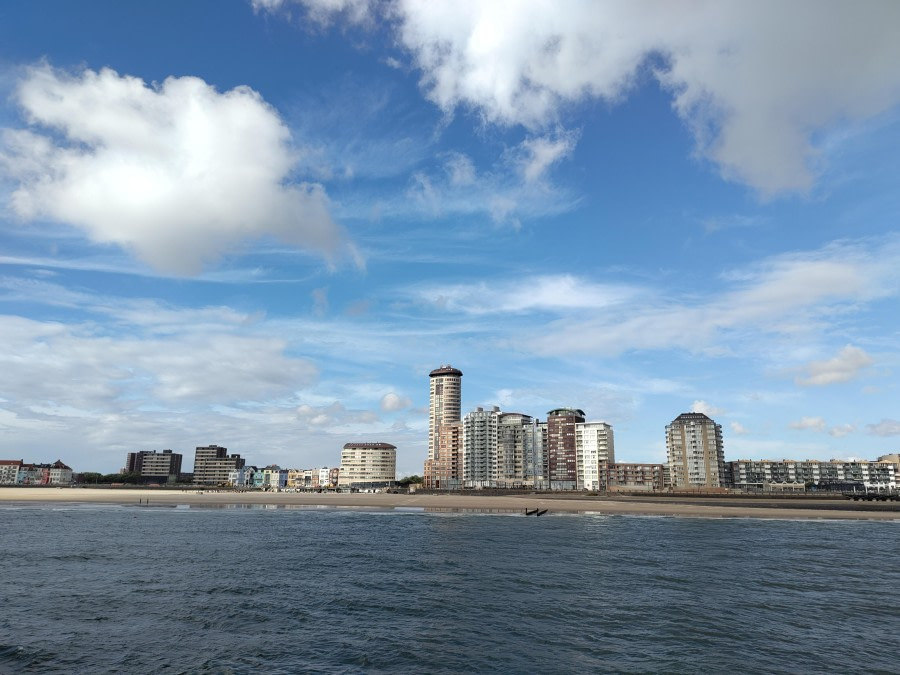
Today is the day! The one we have been waiting for! It is finally embarkation day! We arrived at Vlissingen train station ready to start out adventure. The buses picked us up and took us to the port ready to board the good ship Plancius. Our new home for the next twelve days. The weather was good and the excitement built as were dropped off inside the gates. There was a lot of crane work going on so we had to make the last part of the journey on foot. We checked in with the expedition staff on the dock and dropped our luggage off with them before being escorted to the vessel.

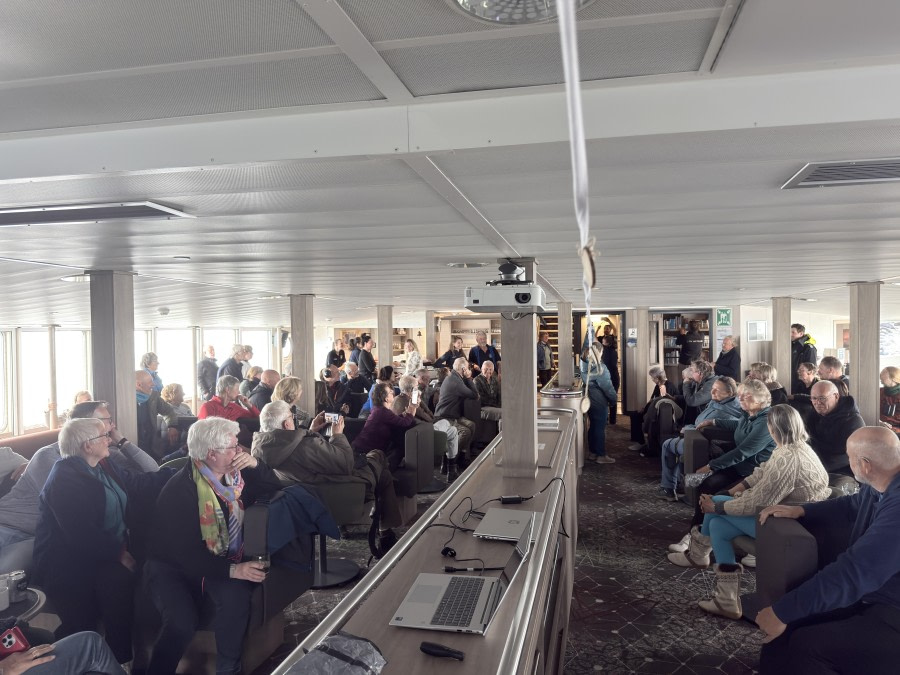
Group by group we were invited onto the ship to check in with reception and be shown our room. Once everyone was confirmed onboard our Expedition Leader Jan called us to the lounge for a meeting. He introduced himself and explained that we need to complete a safety briefing and drill before the ship could leave. The chief officer gave us a quick briefing and then it was time for the drill. When the alarm sounded we grabbed our lifejackets and met back in the lounge before being guided to our lifeboat.

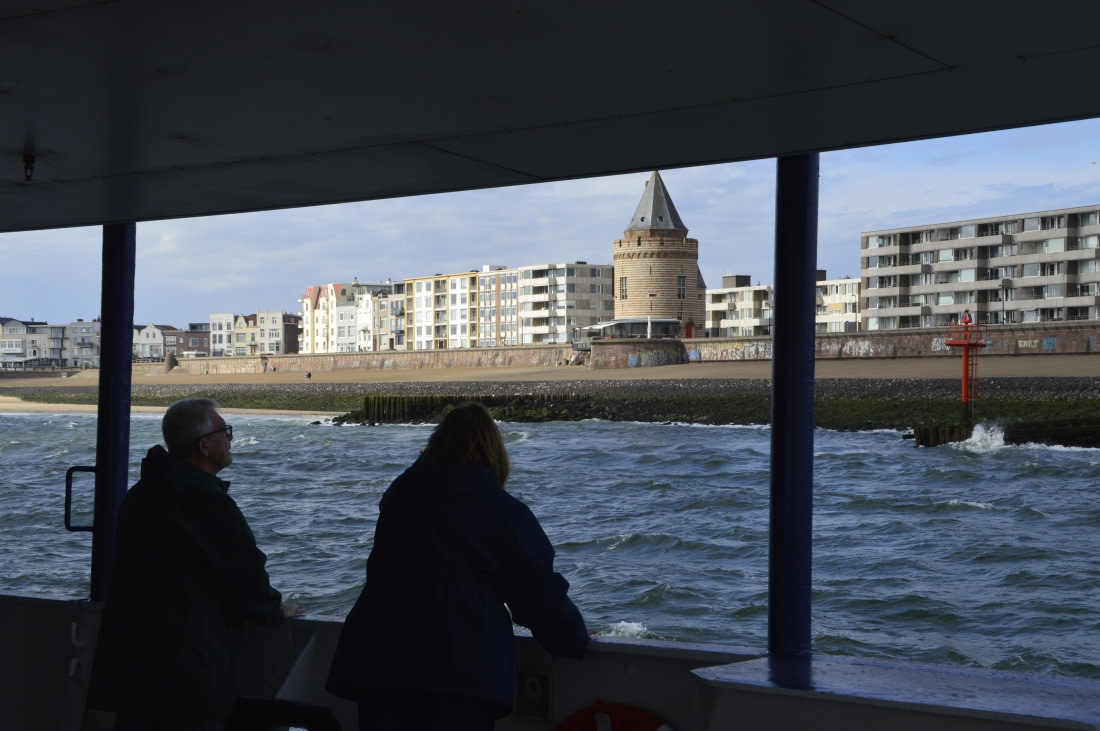
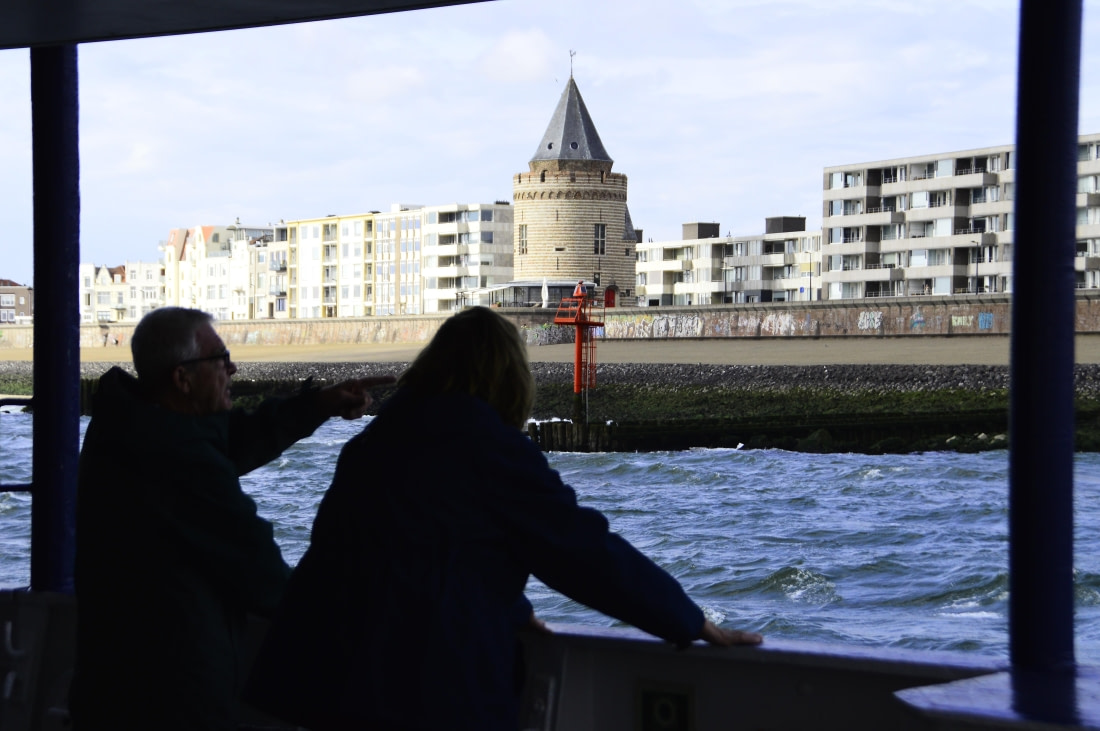
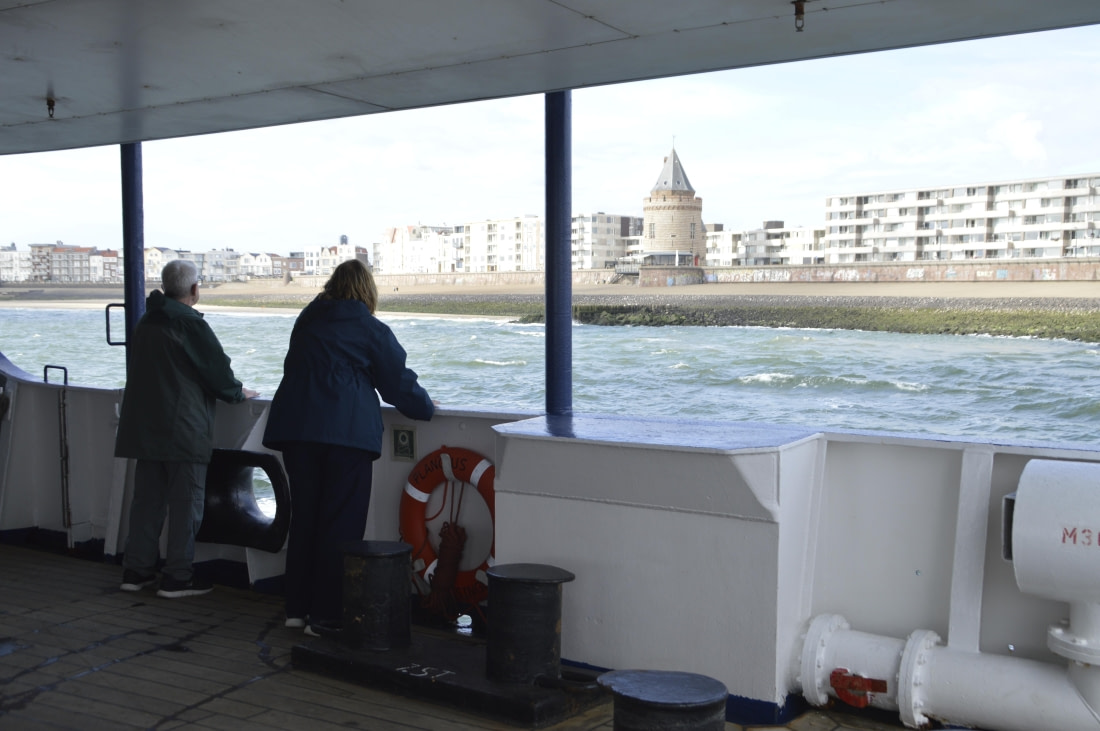
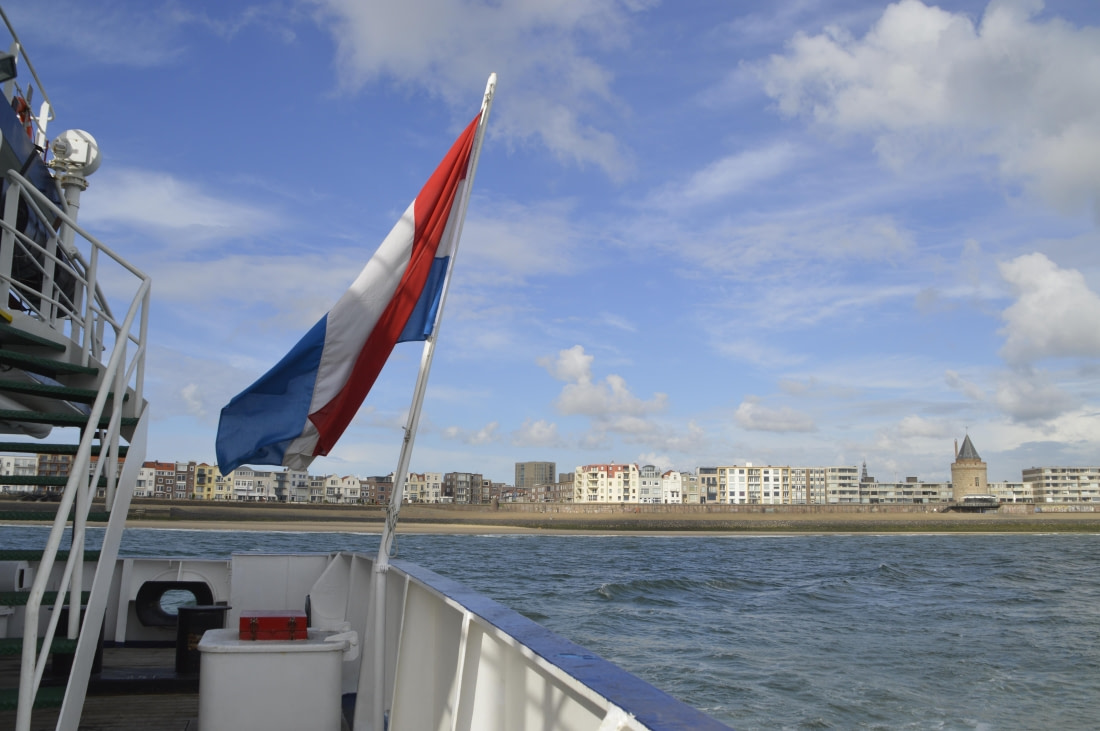
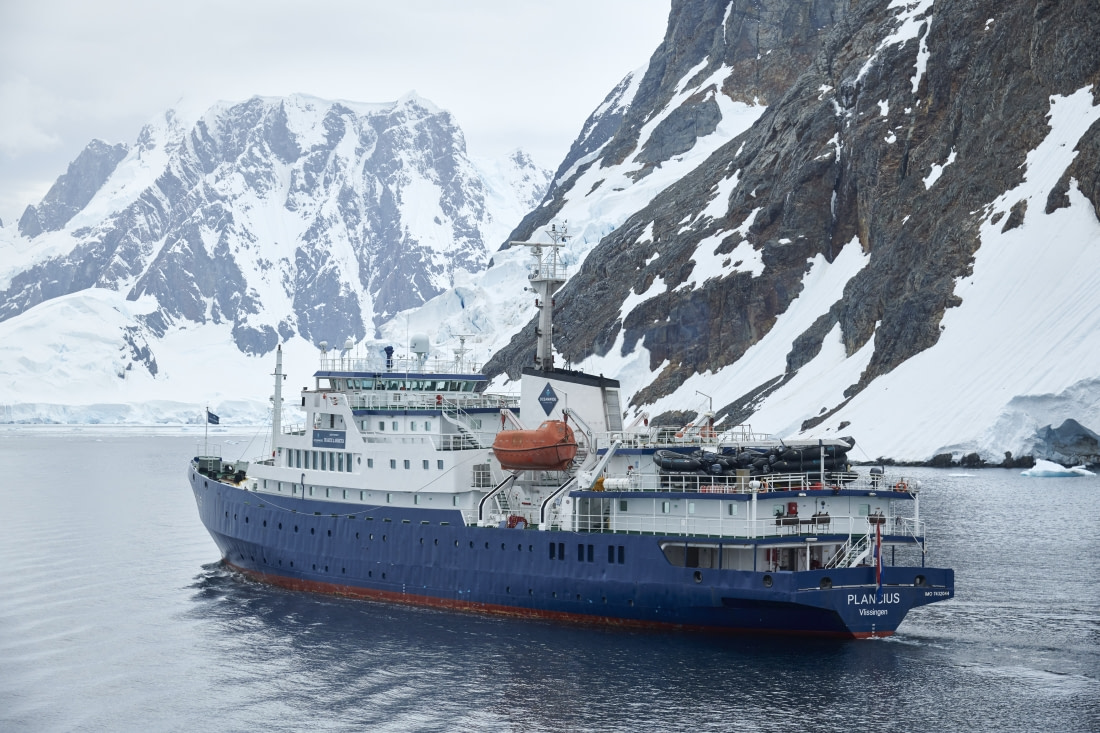
Drill complete we were allowed to enjoy the disembarkation and spent some time on the decks as Plancius sailed passed Vlissingen. Later on we were invited to the lounge again to enjoy Captain’s Welcome. We all had some bubbles and canapes as Captain Matei introduced himself and wished us a pleasant journey. Next the guides introduced themselves with a variety of backgrounds and specialities it appears we have a well rounded group of guides. Finally it was time for dinner and then to bed after a long day of travel. We are excited to see what tomorrow brings!

Day 2: North Sea

North Sea
Date: 11.06.2026
Position: 53°33.4’N / 000°54.4’E
Wind: NNW4
Weather: Overcast
Air Temperature: +12

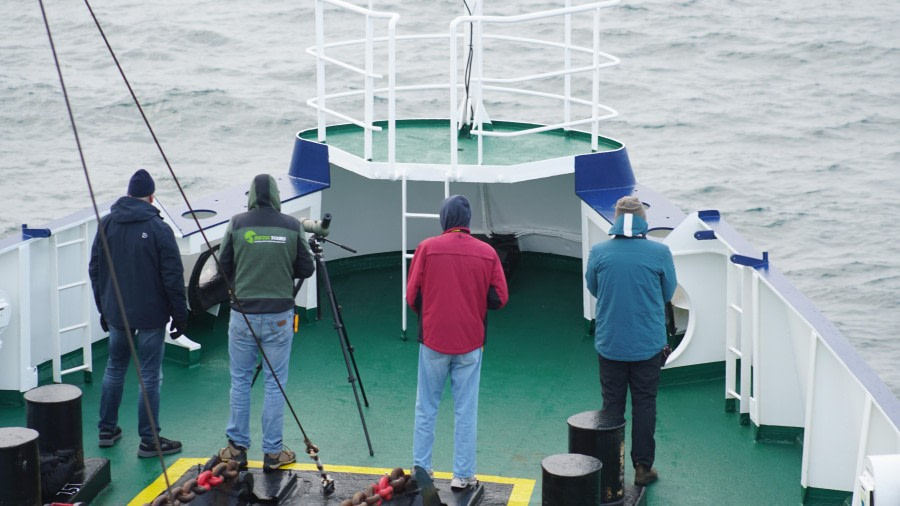
This morning we awoke to the soft voice of Jan sounding through the PA-system, telling us the weather conditions and announcing it is wake up time to those who were still in bed. Some of us were already outside and had spotted the first gannets, guillemots and kittiwakes as we sailed past the Dogger-bank. Even a grey seal was seen before breakfast time.

After breakfast the number of birds diminished, as we left the sand bank to seek shelter in the lee of the English coast. At 10 AM, something else was on, as Jess lectured about cetaceans. She explained the difference between porpoises, dolphins, beaked whales and baleen whales. With the gained knowledge we might be able to recognise these marine mammals, if we see one.

Concentrating on the birds and lectures make you feel hungry, an unpleasant feeling that can easily be cured by our chef Bawa. Meat, fish and vegetarian options accompanied by tasty salads were on the menu. With renewed energy we went outside to spot some more… puffins, razorbills, northern fulmar and even a manx shearwater flew by.

At 2.30 PM, we had to go inside again for the mandatory zodiac briefing. All who’d like to go out with the zodiacs have to attend. This was followed by the handing out of the wellingtons. We were called deck by deck to collect our muckboots.

At 4 PM Daan was on for lecturing. As not everyone is born as a keen birder, Daan explained the characteristics of the different birds. Today we learned so much. :-)

Shortly before dinner there usually is something called a recap, where expedition leader Jan tells us about the plans of the next day and some of the guides give short information about what we have seen or what to expect. After Jan explained about the plans of the next day in Aberdeen and its surroundings, ship’s doctor Sjoerd introduced himself. He works in the Netherlands as a GP, but likes to join one of Oceanwide’s ships at least once a year.

The recap was closed by Tiphanie, who explained more about Aberdeen, the etymology of the name, that it was founded by the Picts, a local tribe who were so powerful that they managed to stop the Romans. She concluded with some recordings of Doric, the dialect locally spoken. And if we were not puzzled yet, tomorrow we probably will be.

The day was not over until after another lovely dinner with another birthday. Then finally our birding guide Daan, collected all the species today seen.

Day 3: Aberdeen, Scotland

Aberdeen, Scotland
Date: 12.06.2026
Position: 57°08.6’N / 001°56.2’E
Wind: SW5
Weather: Partly Cloudy
Air Temperature: +10

Good morning, everybody.

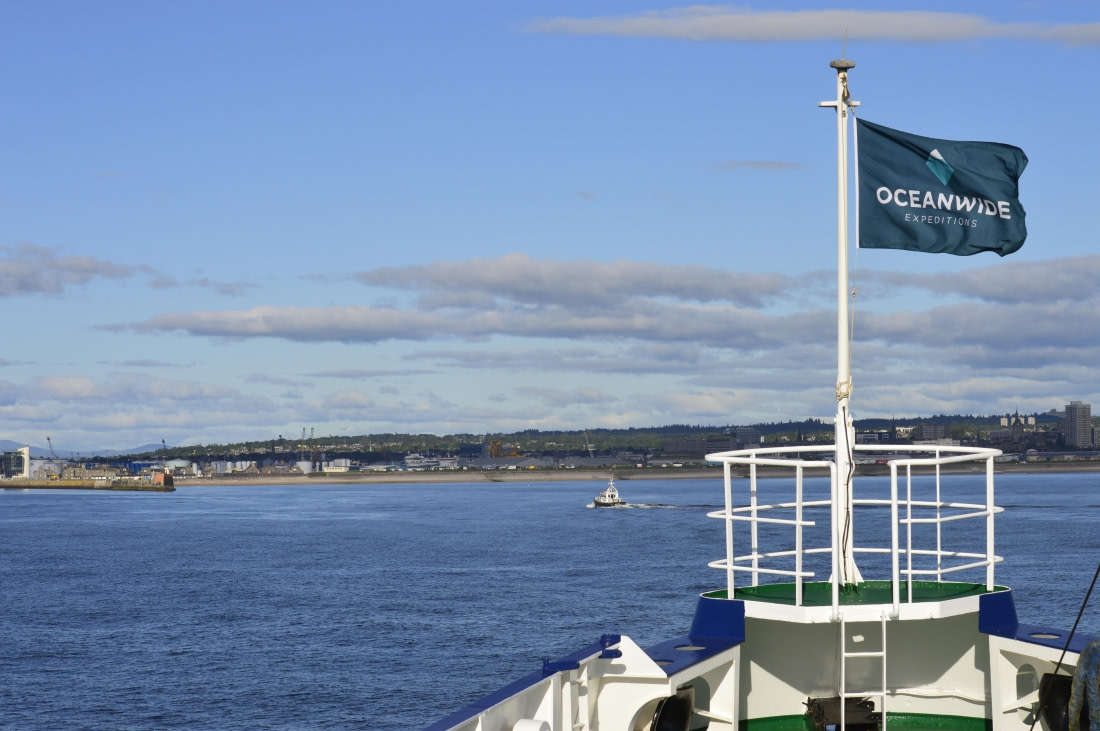
What a beautiful calm start of the day we had. The first birds were already spotted before breakfast by birders standing in the sun. We started entering the port of Aberdeen just before breakfast. Everybody was on deck to look out for the famous bottle nose dolphins. Sadly, they were not in sight but there were many birds and good views of the city. After Jan mentioned the dolphins were not home most people entered the restaurant to have breakfast and prepare their packed lunch.

The morning started out with some paperwork and waiting as everybody had to be cleared by the border control before we could leave the ship. This luckily did happen and we could finally hear the welcome music that we had been waiting for. A lovely and proper Scottish greeting by a girl playing the bagpipes. After the buses had been filled, we made our way to the first stop, the Sands of Forvie Nature Reserve. We took the scenic route through the city where we could see the unique architecture of Aberdeen.

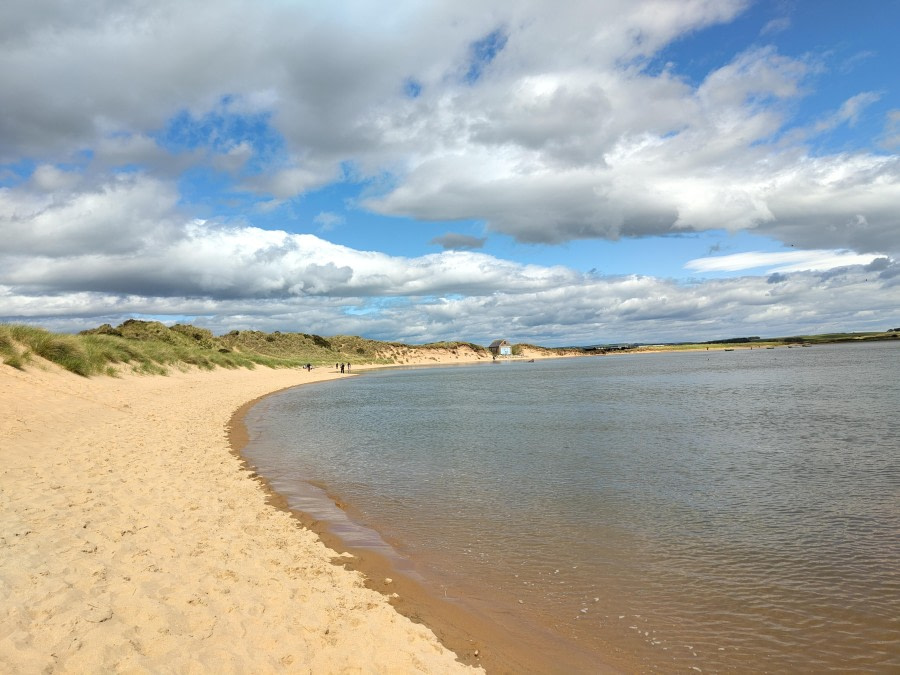
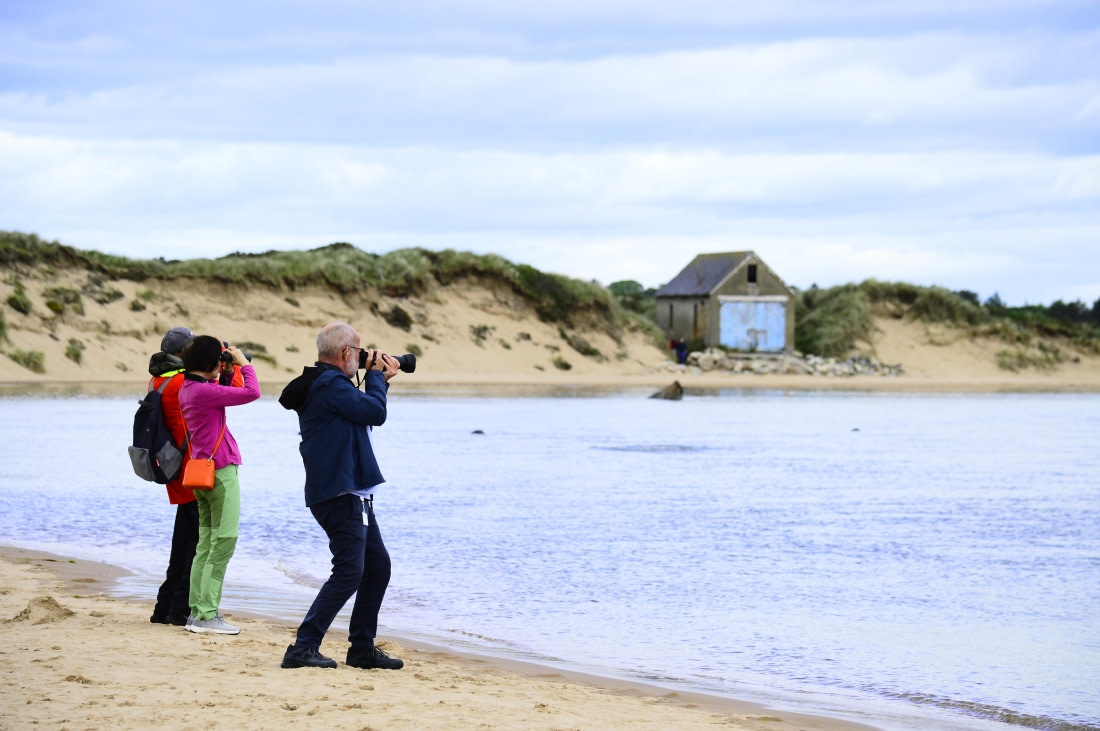
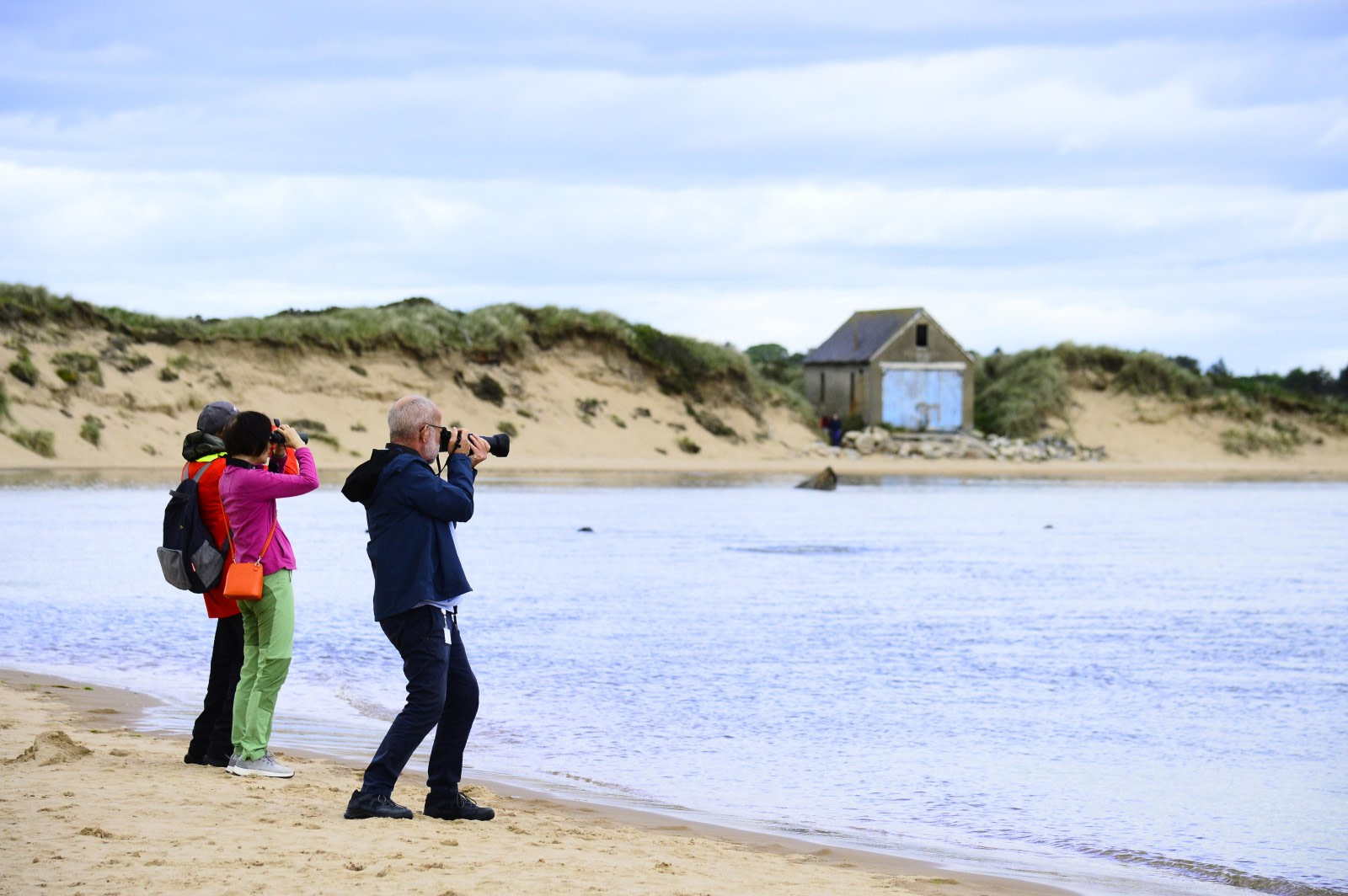
To get to the Sands of Forvie we had to walk a couple of hundred meters before encountering the board walks leading us though the dunes. One of the largest dune system in Scotland which shifts constantly with the wind. The mouth of the river Ythan at the end of the boardwalk is a perfect spot for wildlife watching. We had a lot of space to spread and to find a quiet spot for yourself to start birding or have a seat on the beach. The grey seals were not laying on the beach, but they were drifting one after another into the river. Sometimes coming very close to our beach. On the other side there were a couple of hundred eider ducks resting. Black headed gulls and common terns were flying over looking for food. On the beach ringed plovers and were flying around in flocks. With the sun shining on our heads this morning activity was a very pleasant experience.

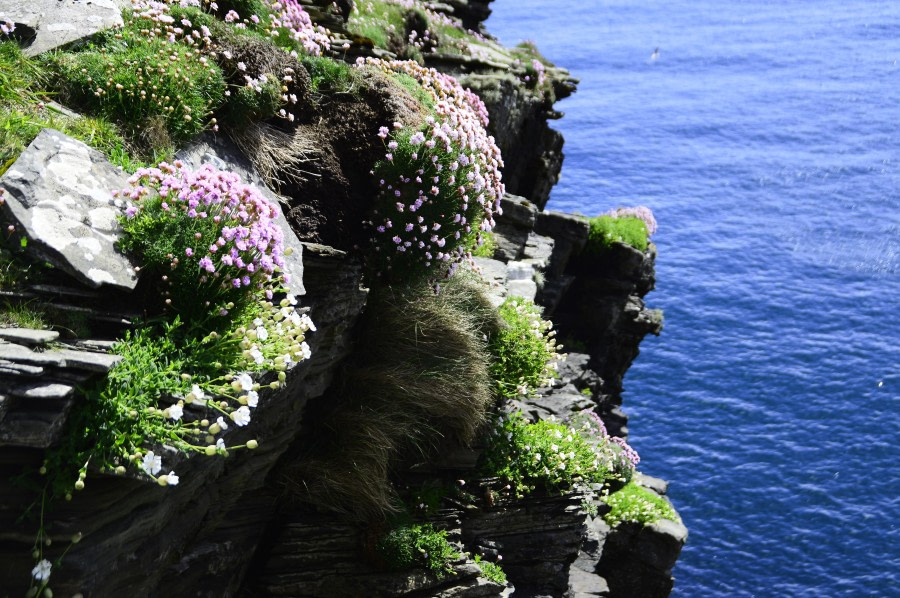
Our afternoon activity took place at the Bullers of Buchan. A coastal area with steep cliffs that are covered in breeding birds. The bus parked very close to the cliffs with only 100 m to walk to the start of the two trails. Walking the left circuit, you got to the actual Bullers of Buchan which is a large hole carved out by the sea with a small connection by a cave. This is called the boiling pot in rough weather. We had great weather however and could hear the kittiwakes clearly over the waves. The walls were filled with northern fulmars, black legged, kittiwakes, common guillemots and their cousins the razorbills. The cormorants had a green glow with the sun hitting their feathers whilst sitting next to their chicks. Walking the right circuit we had the chance to see many different flowers like the northern marsh orchid. One of the most looked for bird was also found here, the Atlantic puffin. It was resting on the high ledges near to the trails just in front of their burrow. They were quite a few sitting around and the longer you looked the more started popping out of their nest. It started dripping for a while but the weather held up, giving us a spectacular afternoon at the Bullers of Buchan.

The drive back to Aberdeen was a bit long but luckily, we had another interesting stop on our way back. The little town called Footdee Village also known as Fittie. A small village designed by John Smith in the 19th century during 1808/09. We had some time to walk around the unique buildings and could stroll by the coastline. The hexagonal light house was an interesting stop which has been an important part of this small fisherman’s village history.

We arrived back on the ship where we could meet our new fellow passengers who were performing their emergency drill. After dinner we headed out into the open sea passing through the port of Aberdeen for a last chance to see the bottlenose dolphins. By our luck, we could see them swimming and jumping around the ship for a short time. A great way to end this exciting day. In the evening we had a last gathering where Jan explained the plans for the next day. Something new to be excited about before going to sleep.

Day 4: Isle of Noss

Isle of Noss
Date: 13.06.2026
Position: 62°20.1’N / 001°47.4’E
Wind: N6
Weather: Overcast
Air Temperature: +9

After our great expedition leader woke us up this morning, we enjoyed breakfast and prepared our pack lunches for the day ahead. Today's adventure took us to the island of Noss, one of Shetland's most celebrated nature reserves.

On arrival, we were warmly welcomed by the staff at the visitor centre, where Jan briefed us on the available hikes, pointed out the areas off-limits to visitors, and let us choose between a few different walking routes, each offering the chance to see a different mix of seabirds.

As we hiked, we spotted puffins, wheatears, Arctic terns, common terns, great skuas, and ringed plovers along the way, and a few sharp-eyed members of the group even picked out dolphins out on the horizon. Noss is most famous, however, for its towering cliffs and the gannets that nest there in their thousands — the island holds the seventh-largest gannet colony in the UK, with over 11,000 breeding pairs calling its cliffs home. The great skuas, known locally as "bonxies," are equally notable, with Noss hosting one of the largest colonies of this globally rare species anywhere in the world. The day was sunny and the sea calm, perfect conditions for taking in the spectacle.

After re-embarking, we cruised along the base of the cliffs, where gannets wheeled overhead and along the rock faces in great numbers. Then, quite suddenly, a pod of Risso's dolphins appeared! They came remarkably close to the ship, giving everyone an unforgettable close-up view to cap off the day.

Risso's dolphins are one of the more distinctive and least understood members of the dolphin family. Unlike sleeker dolphin species, they have a stocky, robust body with a blunt, almost squared-off head and no real beak, topped with a tall, sickle-shaped dorsal fin. Their bodies are typically covered in pale scratches and scarring, picked up over a lifetime of social tussling and squid-hunting, and as they age this scarring becomes so extensive that older individuals often appear almost completely white.

Day 5: At sea to Jan Mayen

At sea to Jan Mayen
Date: 14.06.2026
Position: 66°34.0’N / 005°12.5’E
Wind: N5
Weather: Overcast
Air Temperature: +7

After two very successful days in Aberdeen and the Shetland Islands, it was time to leave Scotland and head North to Jan Mayen.

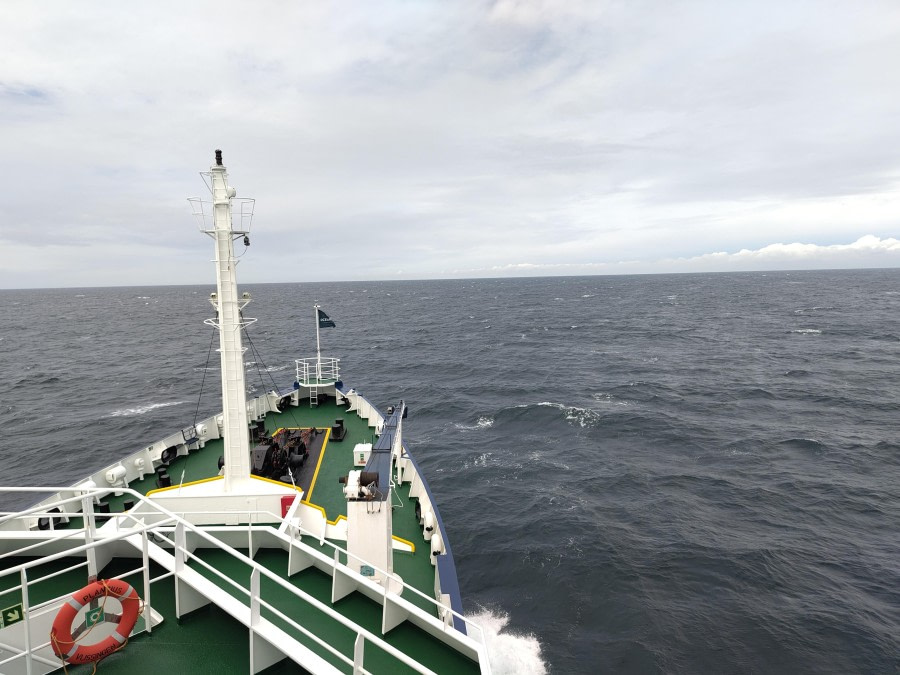
It would take us two days of sailing to reach the remote Island of Jan Mayen. We woke up after quite a bumpy, and for some sleepless, night. The outside decks were closed due to the rough weather. We could still watch for wildlife from the bridge and over breakfast there were many windy weather loving bird species such as fulmars and storm petrels flying by us.

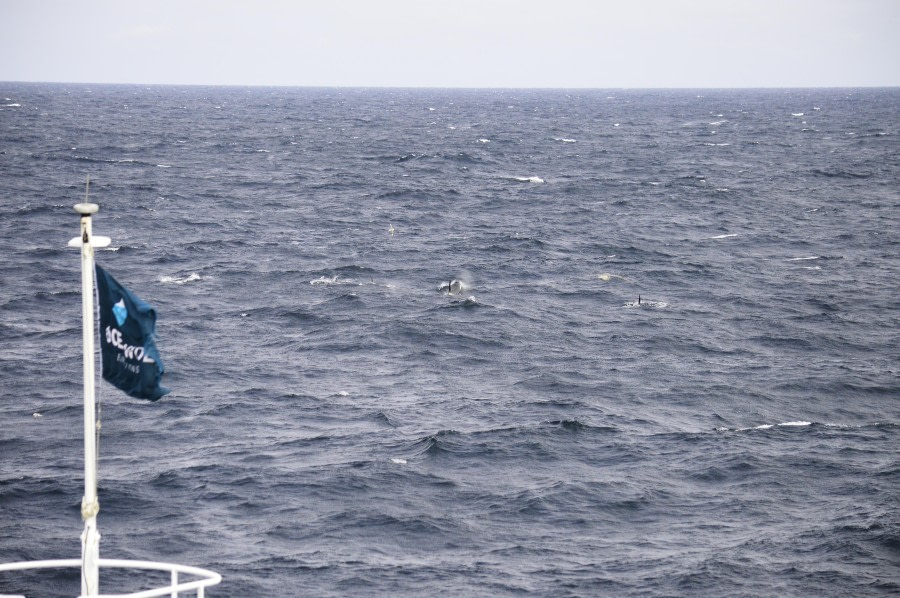
Not long after breakfast the weather started to improve and the sky did brighten up. We could then go outside and it was just in time as we heard a call that there were Pilot whales. Pilot whales are actually very large dolphins that can reach up to seven meters long. We had some nice but short glimpses of the first couple of pods of pilot whales.

Michelle invited us to the lounge to give us a lecture about the history of whaling in Svalbard and the Arctic. However, she was frequently interrupted by more pods of pilot whales. The Captain and the bridge team slowed the ship for us and we watched with amazement as a pod of pilot whales came closer and closer the Plancius until we could hear them breath as they surfaced right next to us. The sea state was still fairly choppy, yet these strong powerful mammals moved effortlessly through the waves at the surface and we could see their faces and their distinctive round heads and dorsal fins.

Later in the afternoon Esther gave us an engaging talk about the Vikings and how they made their way to the Arctic. She made it through the whole talk without being interrupted by whales.

During the evening recap Jan told us the plan for the following sea day. Jess gave us a recap about the dolphin species we had seen on the trip so far, and Chloe enthused us about tardigrades, the little water bears that she had collected the day before in Shetland. We had really enjoyed seeing them in the microscope so it was great to learn a little more about them and their remarkable survival abilities.

Day 6: At sea to Jan Mayen

At sea to Jan Mayen
Date: 15.06.2026
Position: 66°64.0’N / 005°12.5’E
Wind: N5
Weather: Overcast
Air Temperature: +7

We woke up to a relatively calm sea, especially compared to yesterday. There were some white heads on the sea but easy to handle. We had a real nice breakfast before most of us attended Jess’s lecture about seals we came across on our journey followed by seals that we can see on the remainder of our voyage. Last she talked about was the walrus which we hope to see on the ice or approaching Svalbard. Jess told us a remarkable fact that walrus has been seen sucking the brain of a common seal. We were all disgusted and thrilled at the same time.

Towards lunch the very first bottlenose whale was seen jumping out of the water. For many a new species. Not many of us got to see it but hopefully over the next couple of days we might see more.

During lunch a couple of humpback whales were seen. Relatively close to the ship, we saw their humpy back which was great. After lunch the first fin whale of the trip was spotted, swimming next to the ship before leaving the surface with a deep dive. During the day we noticed that we were very far away from any land. Therefore, the number of birds we were seeing was relatively low. We started to move away from the middle European species, and slowly started to loose our gannets, common guillemot and herring gulls. The first high Arctic specialists started to appear, Brünnich’s guillemot, long tailed skua, and little auk.

Chloé gave a lecture on Killer Whales. Amazing to see how they adapt as apex predators to the changing environments in the ocean. The rest of the afternoon was used to prepare for the landing on Jan Mayen. Next Tiph gave a great lecture on the history of Jan Mayen. How it was a place that was intensely hunted by the first Dutch whalers, to the point where it became Norwegian land and is now used as a base.

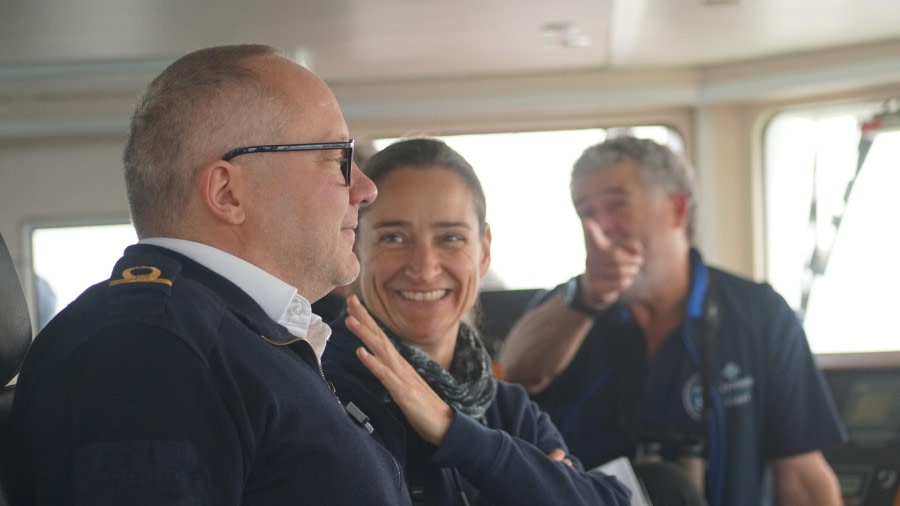
Jan briefed us on the landing. It is a very tricky landing so therefore he used a lot of time to explain safety but also the things we might come across. Jan also told us that there was a significant chance to see whales in the early morning because the island causes upwelling of nutrients from the deep and therefore a lot of food in the area. So most of us decided to have an early night.

Day 7: Jan Mayen

Jan Mayen
Date: 16.06.2026
Position: 70°43.2’N / 007°04.6’E
Wind: WNW4
Weather: Overcast
Air Temperature: +4.3

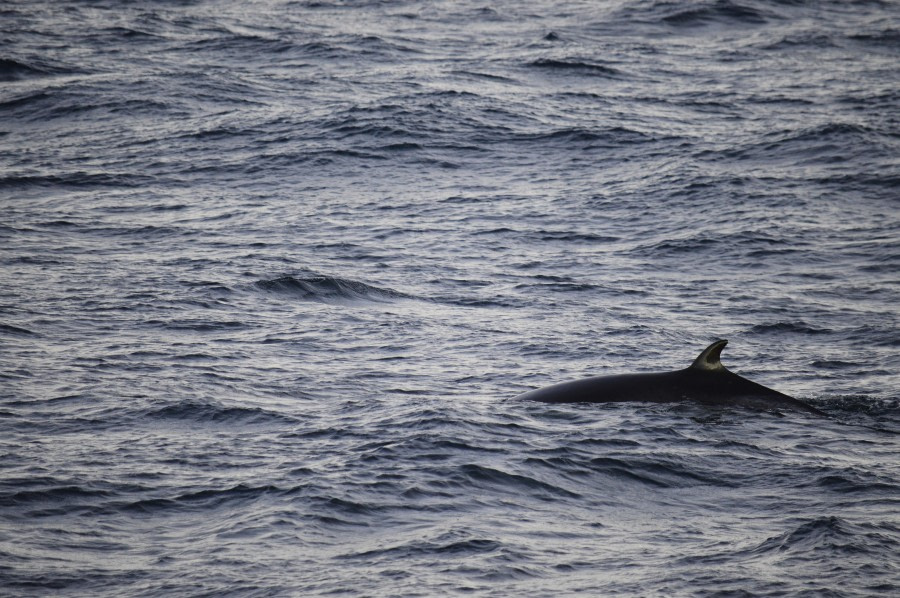
Today many of us woke up very early because Jan had informed us that we would be sailing over a continental shelf which is often good for whale activity. The outside decks were quite busy from around 6am and shortly before 7am we started to see some whales. We could see some humpback whales surfacing very clearly and also some sea whales and minke whales.

The island of Jan Mayen started to come into view and it was wonderful to see lots of whales in an area that was once a whaling hub where many whales were killed for their oil and blubber.

Jan had explained to us how remote and exposed Jan Mayen is and that for the last five years he had not managed to land there due to the wild weather on the shoreline. Today the sea state was remarkably calm, and as we approached our potential landing site excitement grew amongst us as we saw how good the conditions were for landing.

As we got closer to the shore a thick bank of fog rolled down the land and the island completely disappeared from view. This wasn’t too much of a problem because there are no polar bears on Jan Mayen so we could still safely operate even in thick fog. So the expedition team disappeared off into the fog in two zodiacs and we eagerly waited for news of when we could get ready to come ashore. It wasn’t long before we got a call to see that we were good to go and that the station commander of the island was ready to receive us.

As we got closer to the shore in the zodiacs the wonderful cliffs and geology of Jan Mayen started to appear through the fog. It was extremely beautiful and atmospheric. We landed on the beach and Jan introduced us to the station commander and gave us a briefing about which areas we could visit.

Many of us visited the island shop which was a Landover with some T-shirts and hats available to buy. We set off in different directions. Some of us went along the beach to visit the remains of an old trapper hut and whaling artefacts. We roamed on the beach looking at all the old drift wood and whale bones and we could see some waders including ringed plovers and dunlins.

Most people went straight to see the little auks that we knew were nesting in the rocks near the Brielletarnet, a tall tower of rocks that create a distinctive landmark for the island. The little auks were completely charming. We could hear them very clearly making their calls to each other that sound like they are laughing, and at the far end of the path we could see them sitting on the rocks and going in and out of their nests. They are the smallest of the auk family and their main diet is a plankton called copepods. There was a big flurry of excitement down at the auk colony when someone spotted a beluga whale. It was swimming alone very close to the shore, and the lucky few who happened to be at the colony at the time were able to capture some nice photos. Amazingly, we saw the beluga again around an hour later swimming back along the coast in another direction.

A few of us chose to do the longer hike along the dirt road to see a few of the other side of the island. Here we could really appreciate the dramatic barren landscape and see some extremely tough and hardy plant species growing amongst the rocks. Some passengers even spotted a butterfly, a painted lady, a migratory butterfly species that had somehow made its way to the island.

There was a real celebratory atmosphere when we returned to the ship. There was a buzz from both passengers and staff about what we had achieved and the luck we had had. Everyone would have been very happy to end the day there, but nature had other plans for us. There was a call from the bridge to say that a very large baleen whale had been seen as we sailed along the coast. We all went out on deck to discover that we were looking at a blue whale. We really could not believe our luck. The whale came closer and closer to us. We could hear it exhaling as it reached the surface and saw the long roll of its mottled greyish blue back before its little dorsal fin appeared and disappeared. We stayed with the blue whale for a little while, completely in awe of the biggest animal in the world who had come to investigate us and our ship.

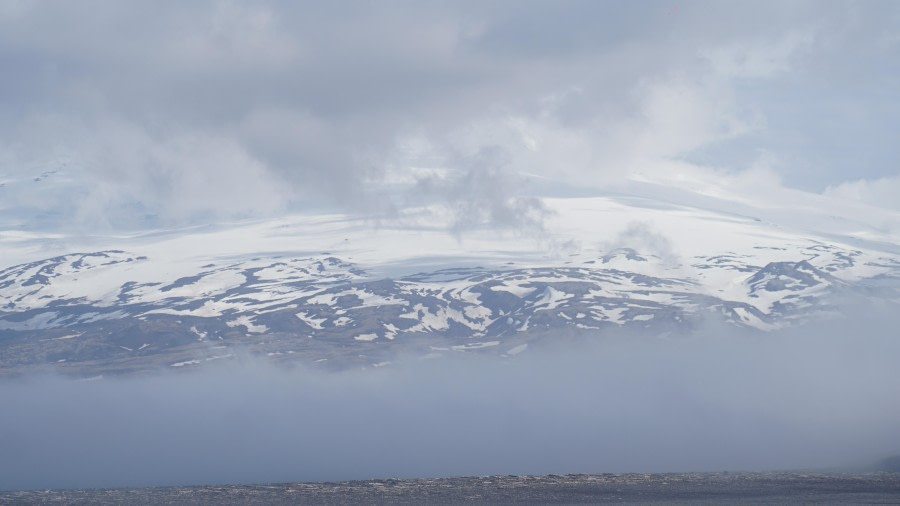
As we sailed away from the whale, we could finally see the very top of the Beerenburg, the famous active volcano of Jan Mayen. We also sailed past a striking glacier called Weyprecht glacier that was tumbling down from the volcano. There was a buzz in the dining room as we ate dinner, many were in disbelief at what we had seen and experienced today.

We gathered in the lounge for an after dinner recap but we were delayed because there were more whales seen outside. The sea was silky and calm and we could see a very large whale in the distance feeding on its side and showing us its pectoral fin and tail flukes. It was another blue whale! And as we watched it we discovered a third blue whale on the other side of the ship. One of the whales even lifted it flukes high in the air before going for a dive, a behaviour you don’t often get to see in blue whales.

Eventually Jan was able to gather us in the lounge and tell us about the plans for tomorrow. Michelle then told us about how Jan Mayen is actually a microcontinent and Esther told us about how we could document our Arctic voyage through different methods of journaling and storytelling. We would certainly have a lot to write about today in our diaries.
Day 8: At Sea to Greenland Pack Ice

At Sea to Greenland Pack Ice
Date: 17.06.2026
Position: 73°45.1’ N, 004°47.3’E
Wind: E4
Weather: Overcast
Air Temperature: -2°C

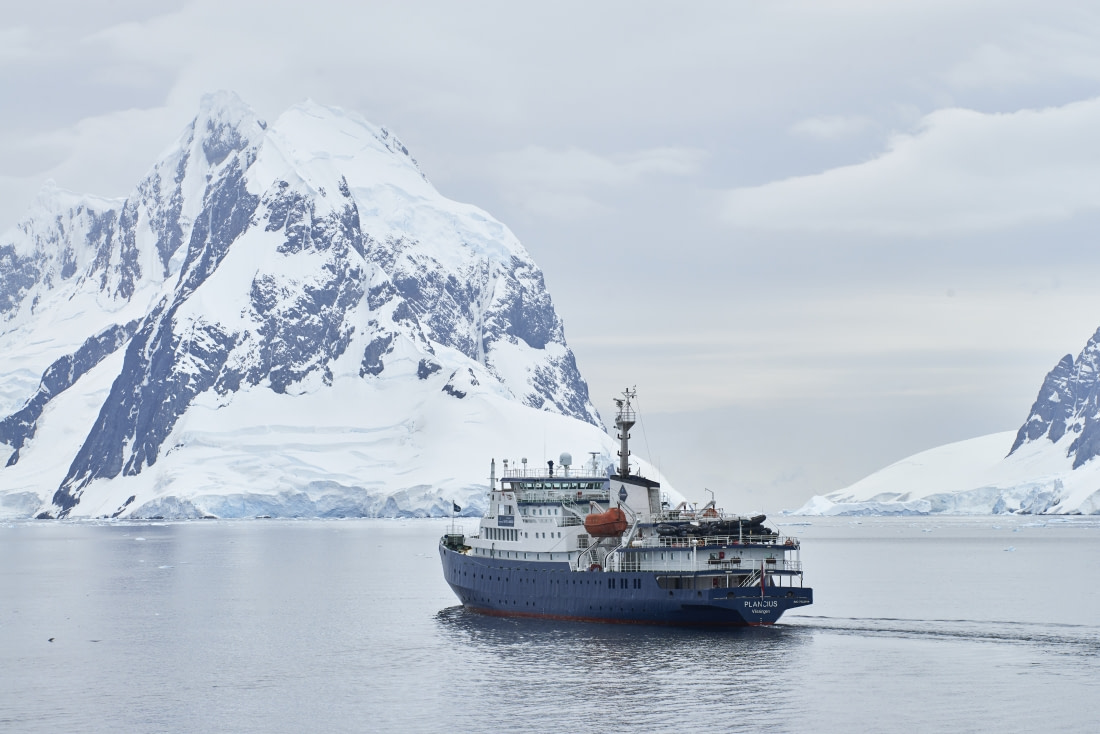
After an incredible day on Jan Mayen, many of us enjoyed a slow morning. Leaving the volcanic island behind, we headed north towards the ice edge off the coast of Greenland. During the day we passed the Vesteris Seamount, a large underwater volcano that rises approximately 3,000m above the ocean floor. Its base sits at a depth of roughly 3,100m and its shallowest summit reaches a minimum depth of 130m. The Vesteris Seamount is teeming with wildlife because it acts as an underwater oasis that disrupts the standard deep-sea currents and creates a solid habitat for many different species. When the deep-sea currents hit the steep, 3,000m high slopes of the underwater volcano, they are forced upwards. This upwelling lifts nutrient-rich water to the surface layers of the ocean, where we experienced an abundance of northern bottlenose whales curiously inspecting the ship. These whales are known to be one of the deepest diving mammals, can reach depths up to 2,339m and can hold their breath for up to 130 minutes. A fully grown individual can reach almost 10m in length. Throughout the day we could observe that they are fast swimmers and they travel in small family groups.
After the many beautiful sightings of northern bottlenose whales some of us were lucky to also spot some orcas in the far distance. The ship did not turn around this time since they were very far away and not in the direction we were sailing.

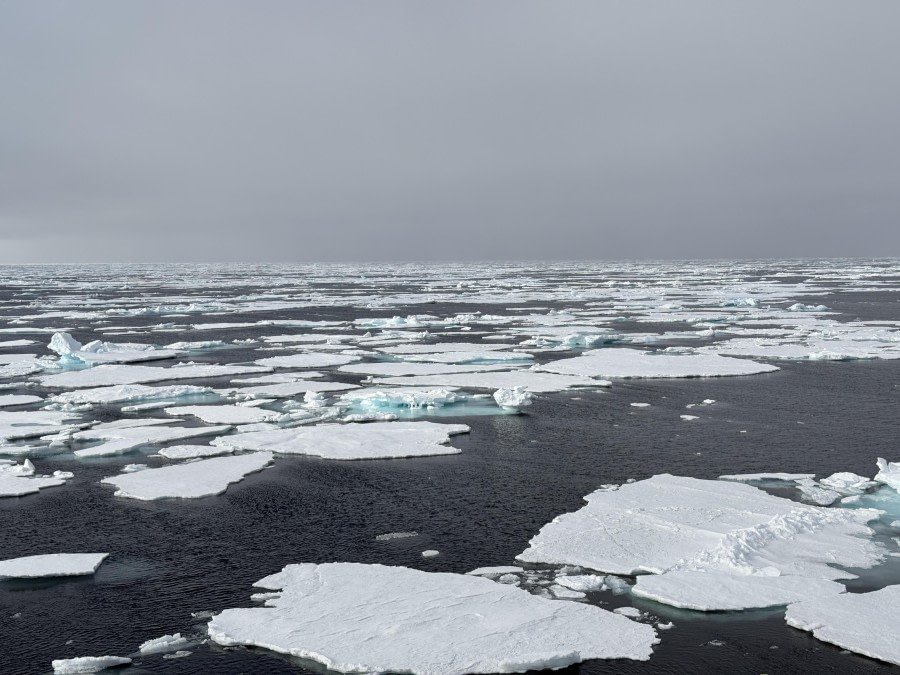
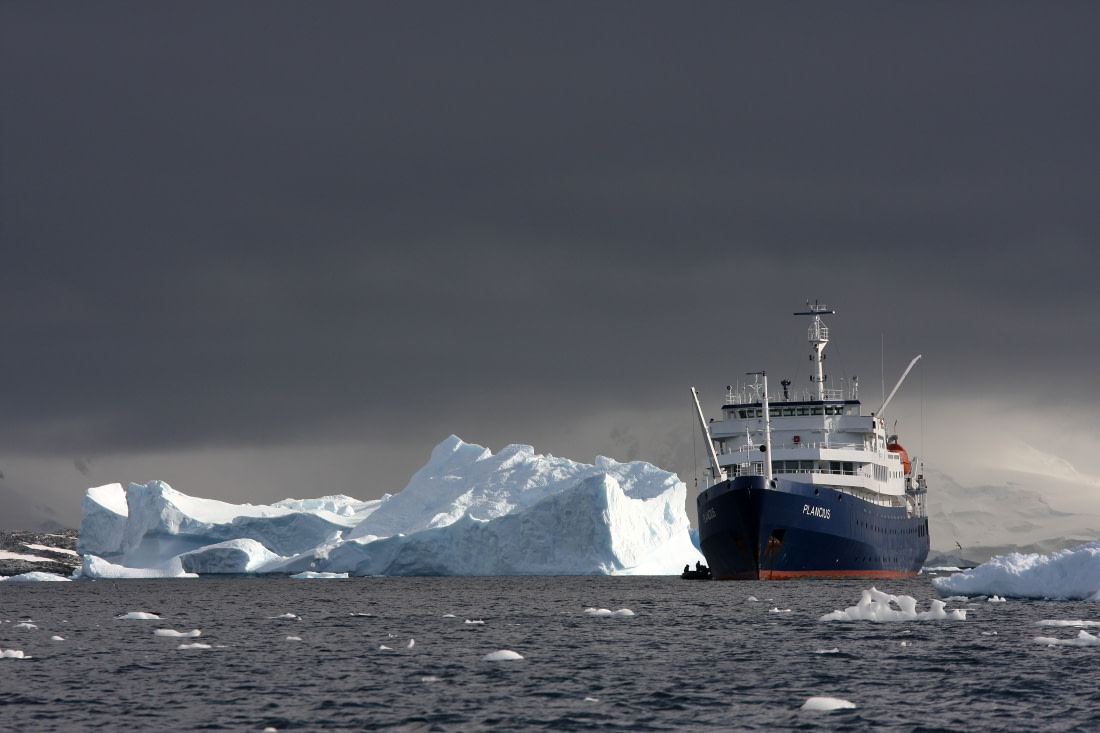
In the late afternoon we spotted the first iceberg on the horizon. Slowly approaching we could feel the air getting colder and water getting calmer. In the evening we finally reached it, the pack ice, a fascinating desert of endless white and blue. More and more people gathered on the outside decks to see the white wonderland.

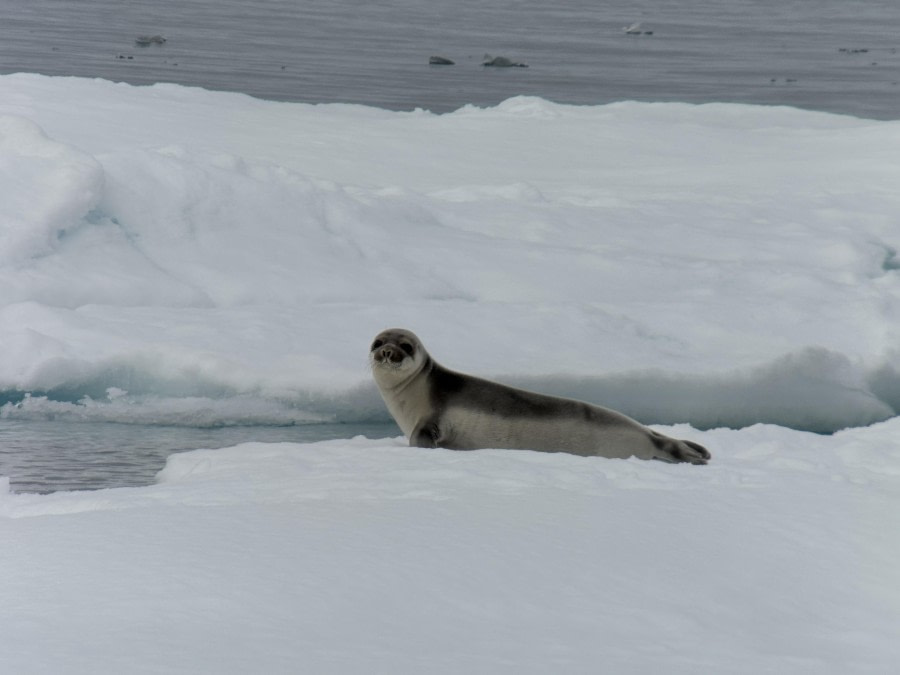
We spotted our first ivory gull which was a new species and a great highlight for many of us! Another unique sighting was the pup of a hooded seal resting on an ice flow. Several groups of harp seals could be seen swimming around the ship.

All in all we enjoyed our day aboard with great sightings and some well deserved rest. We were looking forward to a whole day in the ice.

Day 9: Greenland Pack Ice

Greenland Pack Ice
Date: 18.06.2026
Position: 76°21.2’ N, 005°72.6’E
Wind: NNW4
Weather: Overcast
Air Temperature: -2

This morning we were headed for the pack ice. The first pieces of ice were seen after breakfast however; it took us another hour to get to the actual field of very open ice. Most people were outside looking out for any whale. As we were entering the area with large ice floes, more and more eyes were fixed on the horizon. The occasional seal popped up its head, and the different auks were flying by ship. The ice was too disperse for any polar bear activity, but the Greenland bowhead whale was high on the list during this time. With over 100 eyes looking constantly there was likely no wildlife that we missed passing by the ship. The real highlight of the morning for the birders was seeing the ivory gull. There were many smiles going around and hugs given on the open deck behind the bridge. For many people the extended fields of sea ice reaching the horizon on all sides was the highlight. An incredible experience of a pristine and dynamic nature.

After a quick lunch the eyes were back on deck. With some sunshine coming through and hitting the ice everybody was more keen to enjoy the cold and frigid weather outside. In the afternoon we did leave the ice to make some speed by the edge of the pack ice to look for wildlife. To help with this cold and hard work, the hotel team had organized a hot chocolate with rum on the open deck behind the bridge. Both the chocolate and rum left behind a feeling of comfort looking out over the endless plains of ice. During the afternoon we kept on looking out for wildlife, however most wildlife was out of our sight / reach. Our expedition leader had informed us of the plans during the day that we would stay on the ice until midnight to give us more chances to spot wildlife.

For our dinner we did not sit inside as the galley team had prepared a delicious arctic dinner outside on deck 3 aft. Enjoying a BBQ in the arctic as the real explorers would have done. An extremely cold experience but surely memorably. The view of the giant pieces of ice floes passing whilst eating your food with gloves on will not happen again any time soon. After a wide variety of desserts most people had made their way inside for warmth or on the upper deck for scouting.

During the evening there were still many hopes as we were approaching some yellow/ orange ice fields on the ice map. This meant closer drift ice for polar bears to walk over. Eyes were fixed through the telescopes passing by the horizon for that tiny speck of yellow. However, it was not meant to be to find the large animals this day. Scouters kept outside passed midnight and did all they could to make the sighting happen. The lack of sightings of large wildlife definitely did not lack due to enthusiasm.

Day 10: At Sea to Svalbard

At Sea to Svalbard
Date: 19.06.2026
Position: 77°22.8’ N, 002°14.4’E
Wind: S4
Weather: Overcast
Air Temperature: +1

We left the ice at midnight to sail across the sea to Svalbard. We woke up to a slightly choppy sea. In the morning Jan gave a mandatory briefing on the arctic rules and polar bear safety. Esther followed with a brief introduction to Svalbard, about history, flora, fauna and climate. It was a bit rainy, and wildlife wise, a rather quiet the morning.

In the afternoon Michelle gave a talk on the history and geopolitical status of Svalbard. Right after the talk we approached the continental shelf of Spitsbergen. Over a short period of time the bottom of the ocean rose significant. So there is potential upwelling again and we saw it happening. The first white beaked dolphins of the trip appeared. Followed by fin whales, humpback whales and we rounded off with a magnificent view on two giant blue whales. We again realised how lucky we were. The end of the afternoon Daan gave a talk about climate change. A very important talk on what is happing in the world, especially in the arctic regions.

At around dinnertime we arrived at Forlandet National Park, the long island protection Spitsbergen. We sailed between the island and the ‘mainland’ of Spitsbergen. The first Svalbard reindeer were spotted grazing the tundra. The snow covered peaks and the vast glaciers reflecting a little bit of sunlight radiating through the clouds. Late in the evening when we arrived at St Jonsfjorden we were treated with a perfect dessert of the day. Several belugas in the distance. We positioned the ship in the direction the white whales were traveling. They are normally very skittish but now the ship was already there, the whales past very close to us. Many of us had a fantastic look at them.

Day 11: Gipsvika

Gipsvika
Date: 20.06.2026
Position: 78°24.2’ N, 012°11.9’E
Wind: NW5
Weather: Overcast
Air Temperature: +3.7

We woke up to a fairly blue sky, sunshine and strong winds. Our initial plan was to land at a place called Poolepynten, a sandy spit of land that is known for the walrus that often haul out here. Unfortunately, walrus do not like to relax on land when the wind is too strong so when we arrived at Poolepynten we unfortunately could not see any animals on land. In addition to the lack of walrus, the wind had picked up and blew so strong that a landing was out of question. So while we were enjoying the views of the snowy mountain tops during our breakfast, the expedition team was working on a new plan. Since we spent many days at sea and would love to get some movement, Jan decided to skip the initially planned zodiac cruise in Ymerbukta and sail further into Isfjorden instead. Our next destination was named Gipsvika – which literally means the “gypsum bay”, after the gypsum beds in the surrounding mountains. This area was first used by Russian Pomor hunters and trappers who set up a summer hut here. Later on, in the early 20th Century, the Scottish Spitsbergen Syndicate has left its mark on the landscape. They were looking for coal, the black gold of the North. Coal was found, but the mining efforts of the Scots never turned out to be profitable, so the site was abandoned when the mining company went bankrupt in the 1920s.

We arrived at Gipsvika in the early afternoon after sailing through the scenic Isfjord. Our guides went on land first to set up the landing site for us and scout for polar bears. Even though we would have all loved to see a bear, we surely did not want to encounter one when we were on land as that would have meant that we need to evacuate immediately and abandon the landing.

Once the area had been inspected and deemed safe, we were picked up at the ship and shuttled to shore, where we split into four different groups. One group for a sporty hike, two for the medium walks and one for a leisurely stroll along the beach. The sporty hikers left first walking up into the valley where several reindeer had been spotted. Accompanied by Koen and Esther, we took a closer look at how the landscape had been created by glaciers, the history of this place, and the impact of the permafrost on the soil. During our hike up the southeastern slopes of the bay, we crossed some streams and muddy areas where we could find the tracks of many different bird species, reindeer, arctic foxes, and even paw prints of a polar bear that must have been several weeks old. We also encountered arctic skuas, purple sandpipers, snow buntings, barnacle and pink footed geese, and even a rock ptarmigan. On top of the hill, we all enjoyed 6 minutes of arctic silence, a treat we will try to incorporate more into our daily lives: to just stop for a moment and simply be.

Along the shoreline, king eider ducks were observed in large numbers. The medium and leisurely hike had the chance to stop often, wonder about the hearty little flowers, learn more about the miniature trees we could find here, and gaze at the incredible scenery around us.

After a wonderful afternoon at Gipsvika where we finally got to stretch our legs a bit, we took the zodiacs back to the ship one last time. We freshened up and were then invited for our final dinner in the restaurant, which was extra special for us today. The kitchen and hotel team went above and beyond to create a beautiful last evening for us! After dinner it was time to gather in the lounge again to raise a glass to this wonderful voyage we have been on all together. As a special gift from the expedition team, Koen put together a small movie that summarizes all the amazing things we’ve seen and all the places we have visited in these two weeks in which we travelled from the Netherlands and Scotland via the Shetland Islands to Jan Mayen and all the way to the pack ice, Svalbard, the Arctic. We have been blessed with unforgettable experiences and countless beautiful moments, learned many new things, found new friends… For many of us it is time to say goodbye for now.

Day 12: Disembarkation Day

Disembarkation Day
Date: 21.06.2026
Position: 78°14.5’ N, 015°32.6’E
Wind: S4
Weather: Overcast
Air Temperature: +5

Early this morning, we arrive in Longyearbyen. While we enjoyed a last breakfast on board, our suitcases are taken off the ship. It is a sad moment to disembark from the Plancius, which has been a comfortable and cosy home during this unforgettable journey. We have shared many unique moments, seen a range of rarely sighted wildlife, and made new friends. Loaded with fond memories we now must head home.

Thank you all for travelling with us on this voyage, for your enthusiasm, support, and good company. We very much hope to see you again in the future, wherever that might be!

Total distance sailed on our voyage: 2,165 nm

Northernmost position: 78°32.9’N, 013°09.54’W

On behalf of Oceanwide Expeditions, Captain Matei Mocanu, Expedition Leader Jan Belgers, Hotel Manager Jeroen Barnes and all the crew and staff of M/V Plancius, it has been a pleasure travelling with you.

Details

Tripcode: PLA03C26
Dates: 10 Jun - 21 Jun, 2026
Duration: 11 nights
Ship: m/v Plancius
Embark: Vlissingen
Disembark: Longyearbyen

Have you been on this voyage?

Aboard m/v Plancius

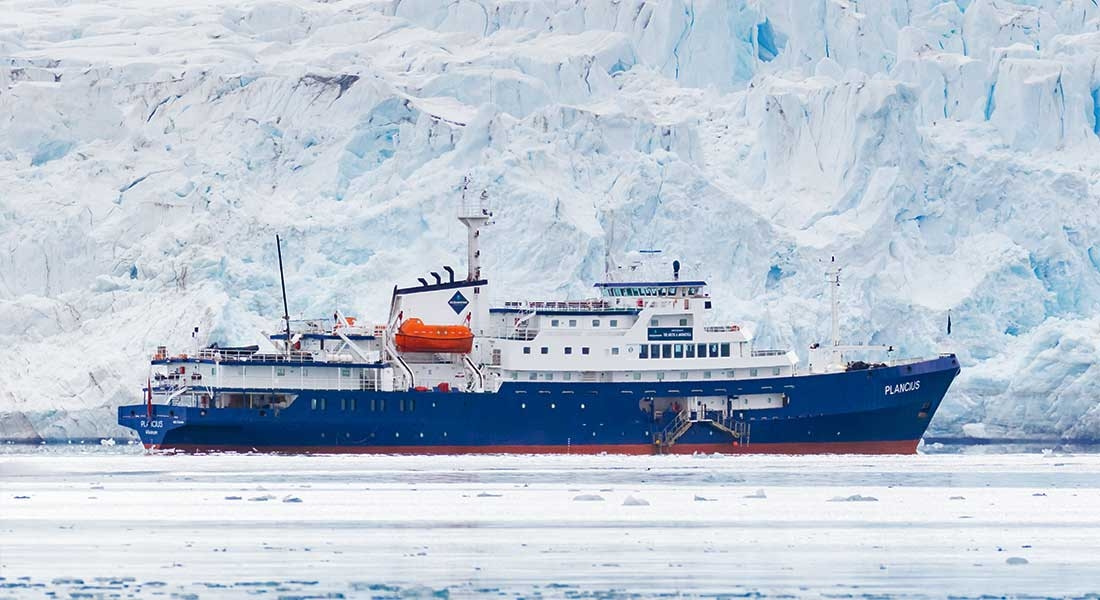
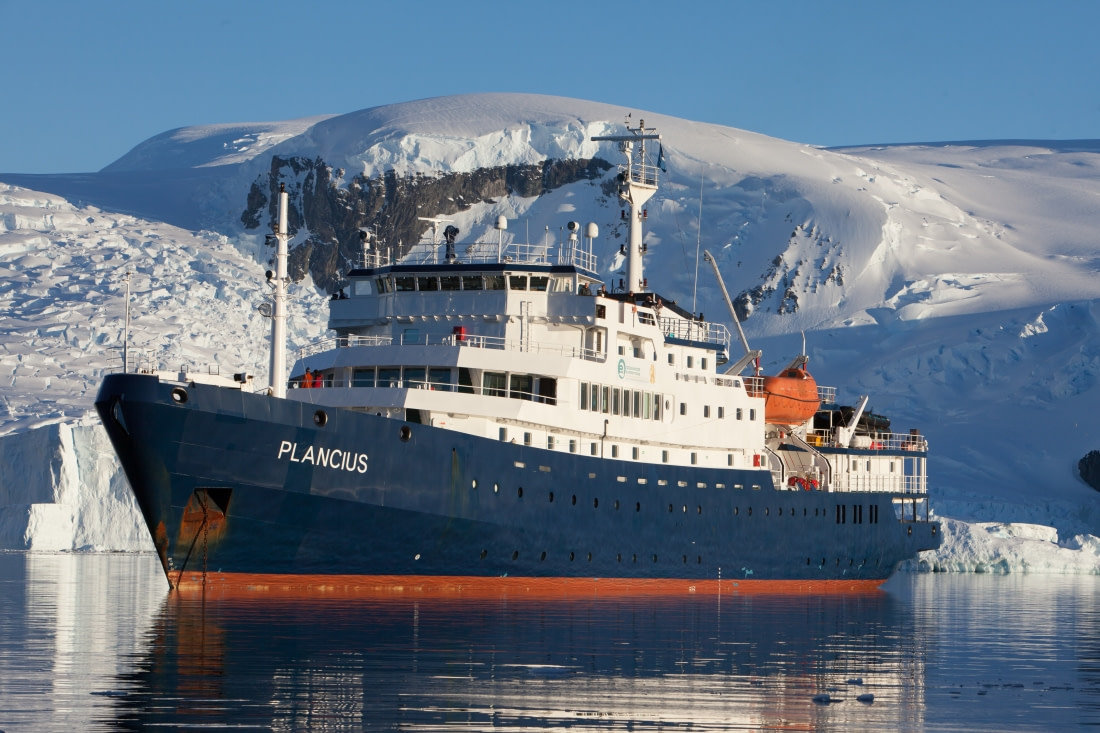
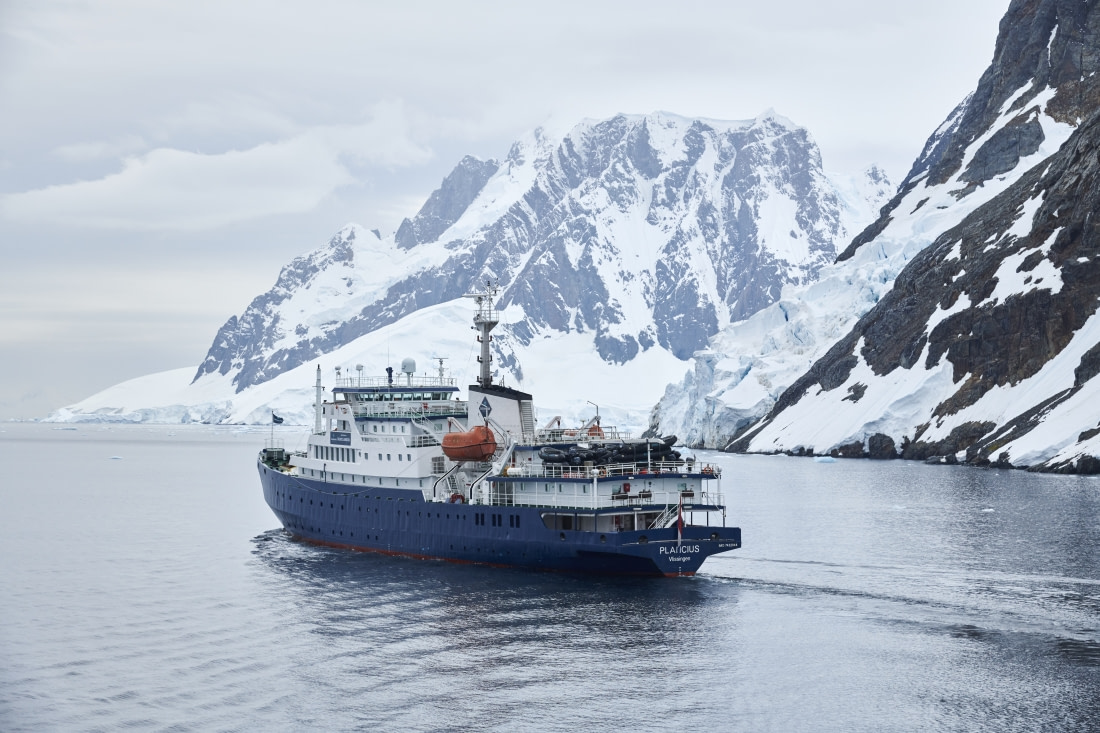
Our most longstanding vessel, Plancius is a classic choice for some of our most popular polar voyages.

More about the m/v Plancius »
Loading