| Datum: |
16.06.2026 |
| Position: |
70°43.2’N / 007°04.6’E |
| Wind: |
WNW4 |
| Wetter: |
Overcast |
| Lufttemperatur: |
+4.3 |
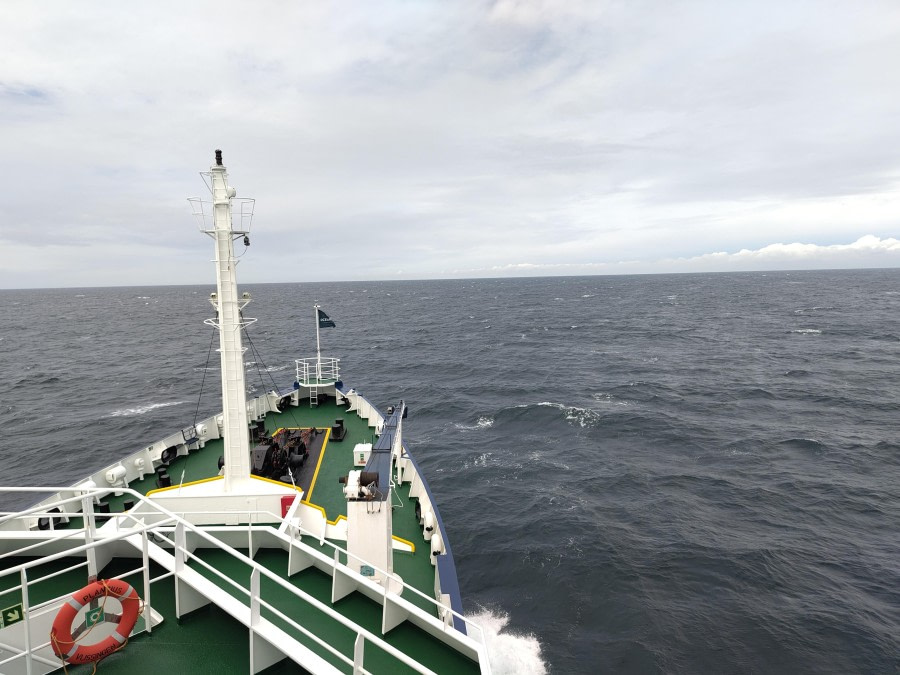
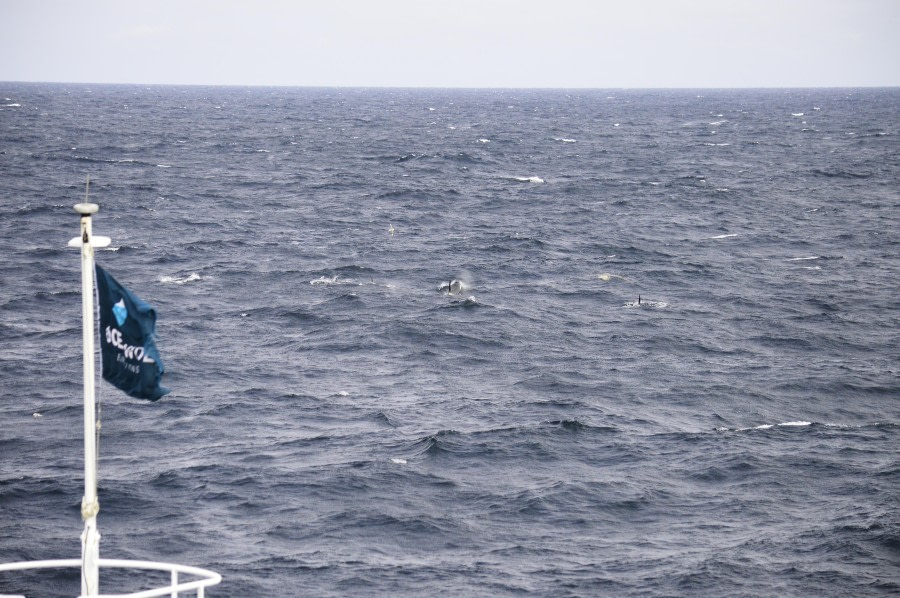
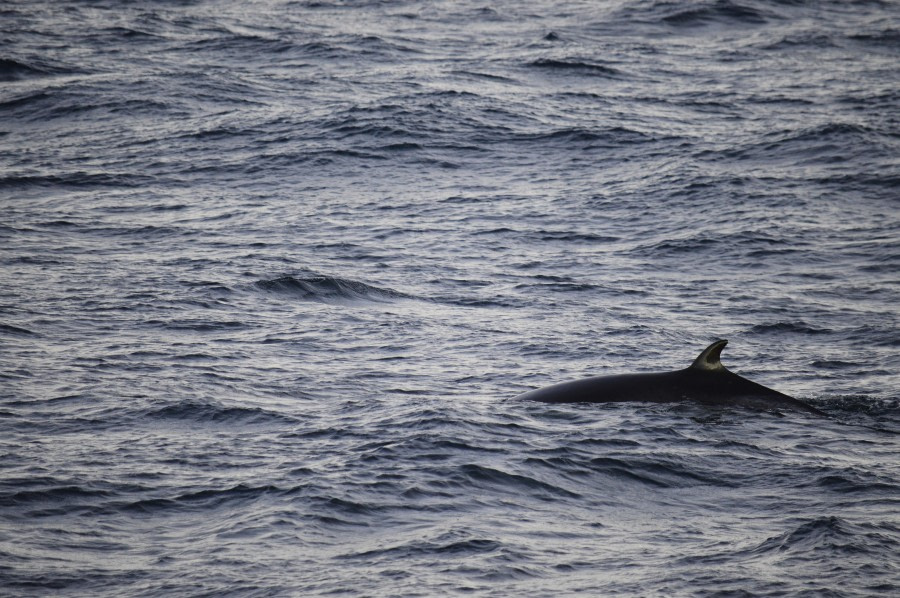
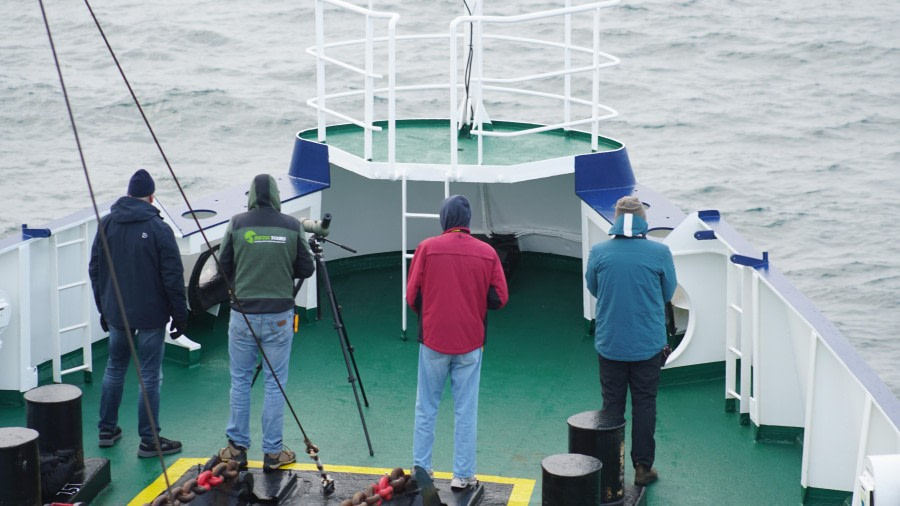
Today many of us woke up very early because Jan had informed us that we would be sailing over a continental shelf which is often good for whale activity. The outside decks were quite busy from around 6am and shortly before 7am we started to see some whales. We could see some humpback whales surfacing very clearly and also some sea whales and minke whales.
The island of Jan Mayen started to come into view and it was wonderful to see lots of whales in an area that was once a whaling hub where many whales were killed for their oil and blubber.
Jan had explained to us how remote and exposed Jan Mayen is and that for the last five years he had not managed to land there due to the wild weather on the shoreline. Today the sea state was remarkably calm, and as we approached our potential landing site excitement grew amongst us as we saw how good the conditions were for landing.
As we got closer to the shore a thick bank of fog rolled down the land and the island completely disappeared from view. This wasn’t too much of a problem because there are no polar bears on Jan Mayen so we could still safely operate even in thick fog. So the expedition team disappeared off into the fog in two zodiacs and we eagerly waited for news of when we could get ready to come ashore. It wasn’t long before we got a call to see that we were good to go and that the station commander of the island was ready to receive us.
As we got closer to the shore in the zodiacs the wonderful cliffs and geology of Jan Mayen started to appear through the fog. It was extremely beautiful and atmospheric. We landed on the beach and Jan introduced us to the station commander and gave us a briefing about which areas we could visit.
Many of us visited the island shop which was a Landover with some T-shirts and hats available to buy. We set off in different directions. Some of us went along the beach to visit the remains of an old trapper hut and whaling artefacts. We roamed on the beach looking at all the old drift wood and whale bones and we could see some waders including ringed plovers and dunlins.
Most people went straight to see the little auks that we knew were nesting in the rocks near the Brielletarnet, a tall tower of rocks that create a distinctive landmark for the island. The little auks were completely charming. We could hear them very clearly making their calls to each other that sound like they are laughing, and at the far end of the path we could see them sitting on the rocks and going in and out of their nests. They are the smallest of the auk family and their main diet is a plankton called copepods. There was a big flurry of excitement down at the auk colony when someone spotted a beluga whale. It was swimming alone very close to the shore, and the lucky few who happened to be at the colony at the time were able to capture some nice photos. Amazingly, we saw the beluga again around an hour later swimming back along the coast in another direction.
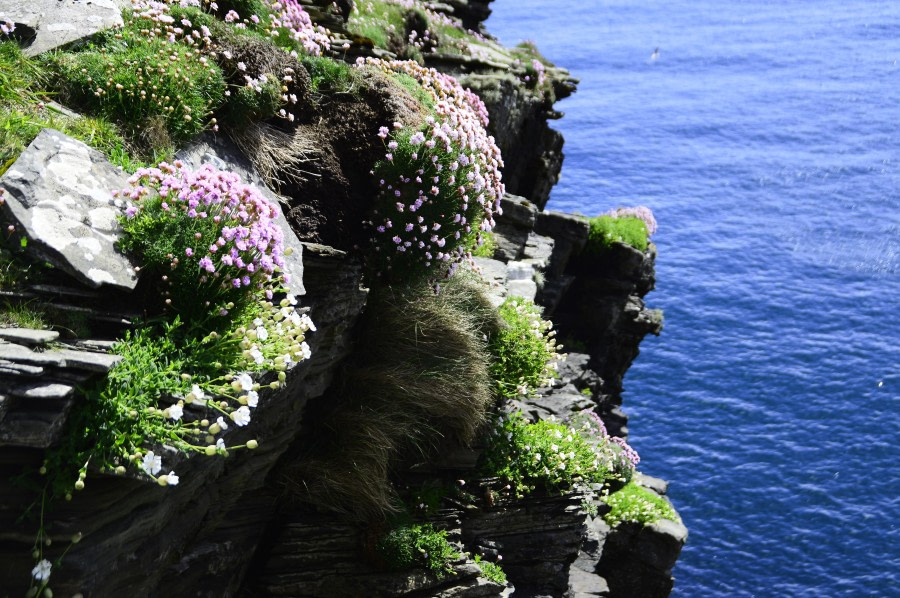
A few of us chose to do the longer hike along the dirt road to see a few of the other side of the island. Here we could really appreciate the dramatic barren landscape and see some extremely tough and hardy plant species growing amongst the rocks. Some passengers even spotted a butterfly, a painted lady, a migratory butterfly species that had somehow made its way to the island.
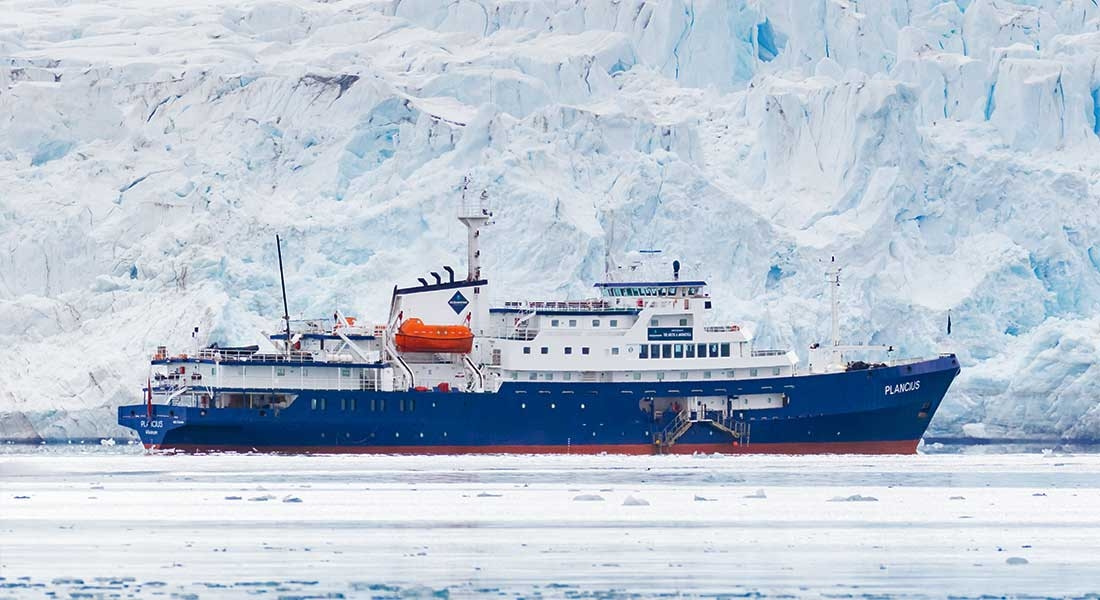
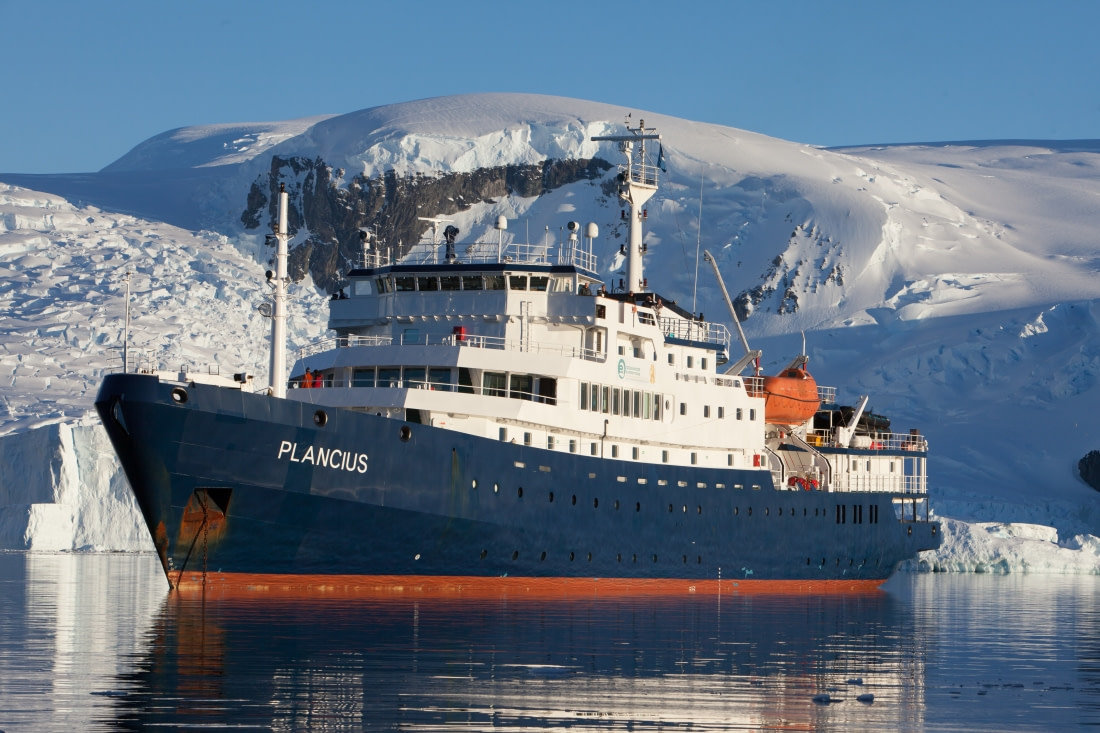
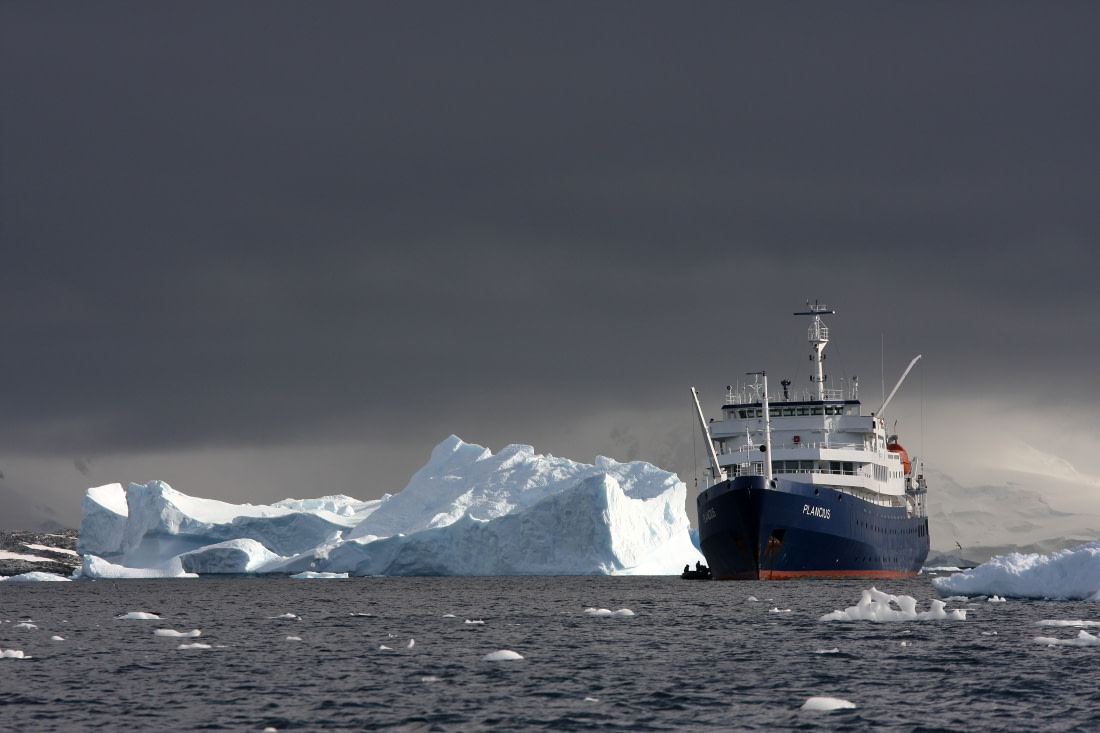
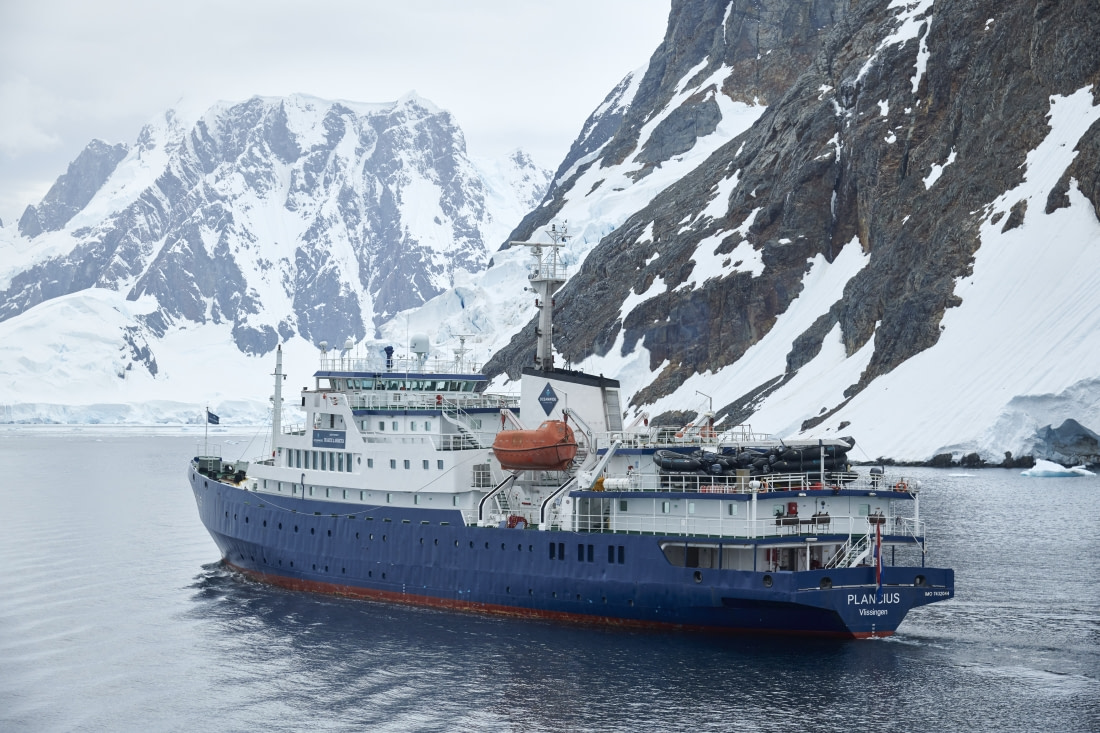
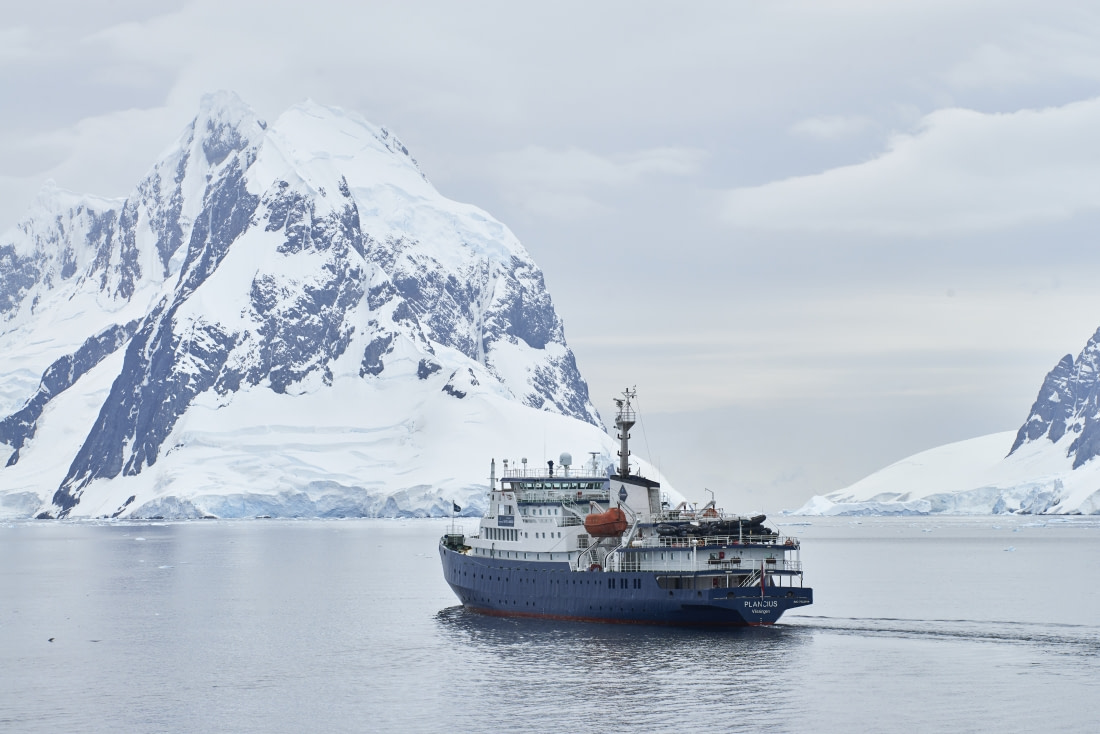
There was a real celebratory atmosphere when we returned to the ship. There was a buzz from both passengers and staff about what we had achieved and the luck we had had. Everyone would have been very happy to end the day there, but nature had other plans for us. There was a call from the bridge to say that a very large baleen whale had been seen as we sailed along the coast. We all went out on deck to discover that we were looking at a blue whale. We really could not believe our luck. The whale came closer and closer to us. We could hear it exhaling as it reached the surface and saw the long roll of its mottled greyish blue back before its little dorsal fin appeared and disappeared. We stayed with the blue whale for a little while, completely in awe of the biggest animal in the world who had come to investigate us and our ship.
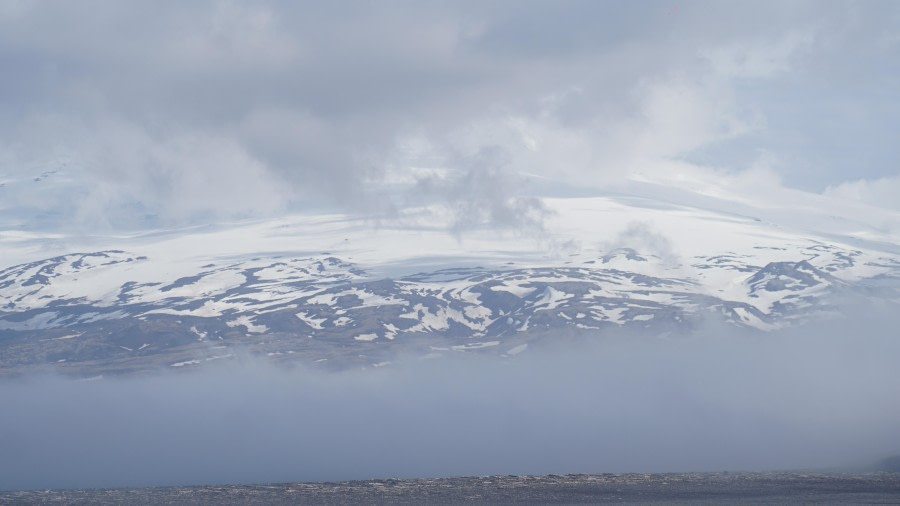
As we sailed away from the whale, we could finally see the very top of the Beerenburg, the famous active volcano of Jan Mayen. We also sailed past a striking glacier called Weyprecht glacier that was tumbling down from the volcano. There was a buzz in the dining room as we ate dinner, many were in disbelief at what we had seen and experienced today.
We gathered in the lounge for an after dinner recap but we were delayed because there were more whales seen outside. The sea was silky and calm and we could see a very large whale in the distance feeding on its side and showing us its pectoral fin and tail flukes. It was another blue whale! And as we watched it we discovered a third blue whale on the other side of the ship. One of the whales even lifted it flukes high in the air before going for a dive, a behaviour you don’t often get to see in blue whales.
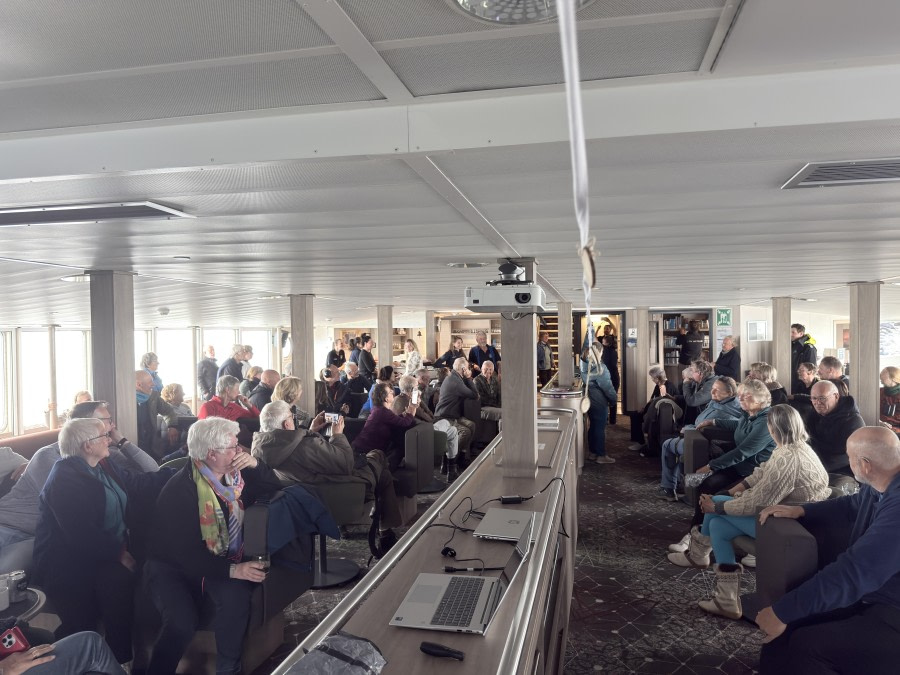
Eventually Jan was able to gather us in the lounge and tell us about the plans for tomorrow. Michelle then told us about how Jan Mayen is actually a microcontinent and Esther told us about how we could document our Arctic voyage through different methods of journaling and storytelling. We would certainly have a lot to write about today in our diaries.