OTL31a26, trip log, Weddell Sea Explorer Basecamp

by Oceanwide Expeditions

Photo gallery

Logbook

Day 1: Embarkation Day, Ushuaia and the Beagle Channel

Embarkation Day, Ushuaia and the Beagle Channel
Date: 17.03.2026
Position: 54°50.9’S; 068°06.4‘W
Wind: Wind: W- 6/7
Weather: Calm
Air Temperature: +5

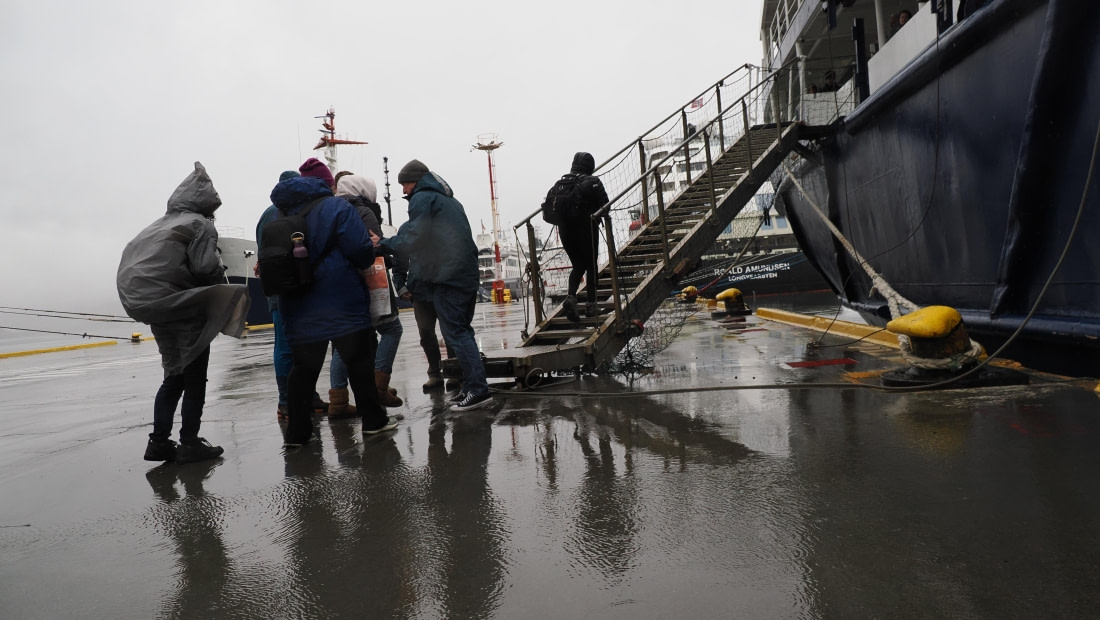
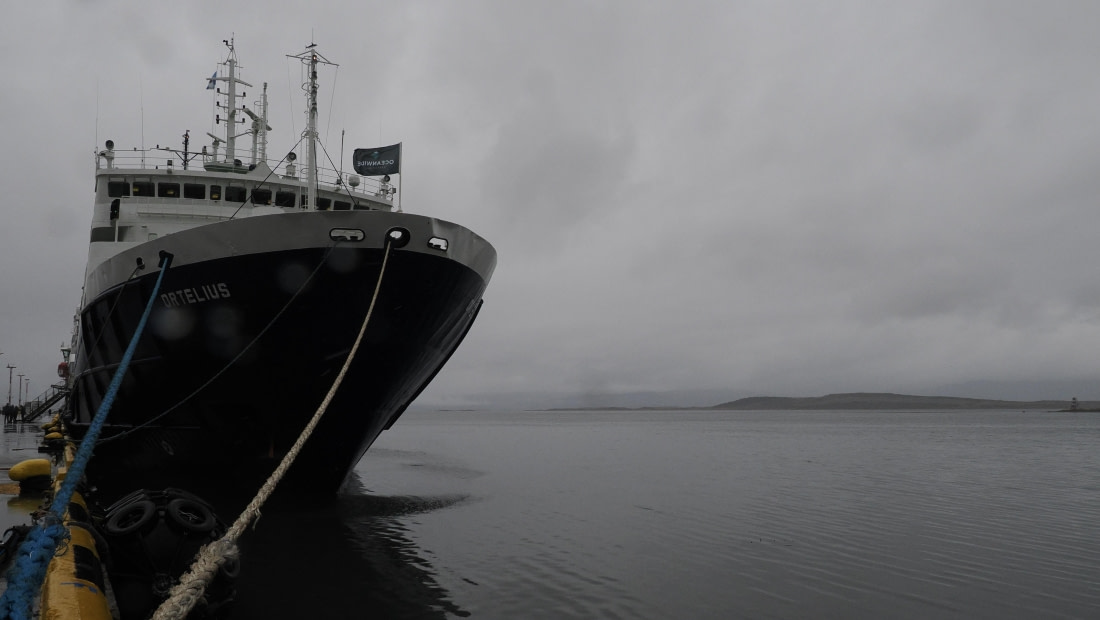
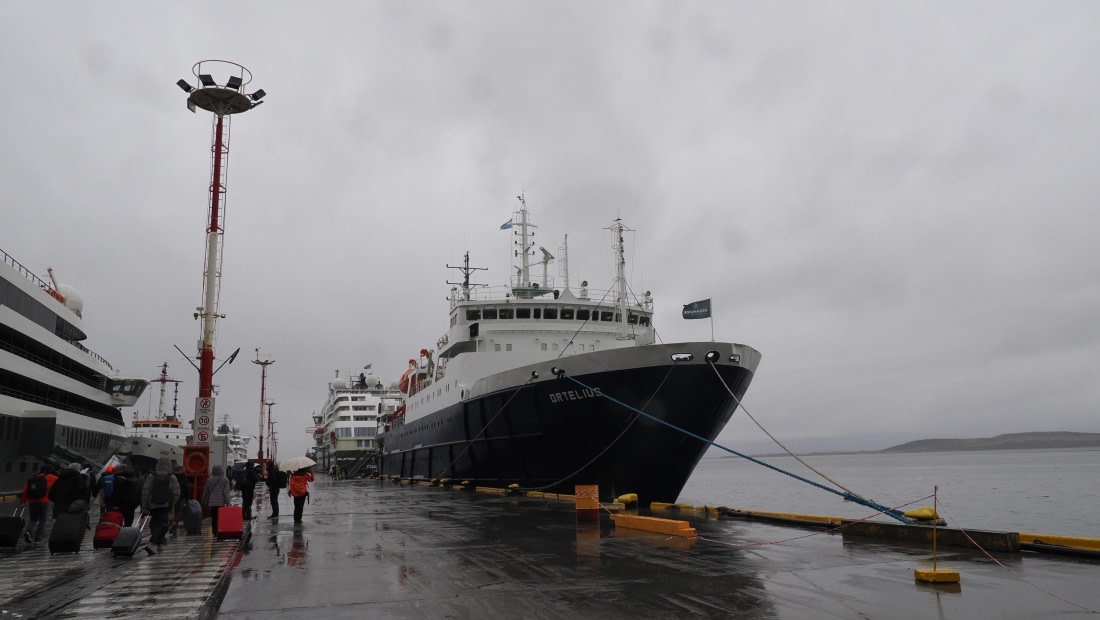
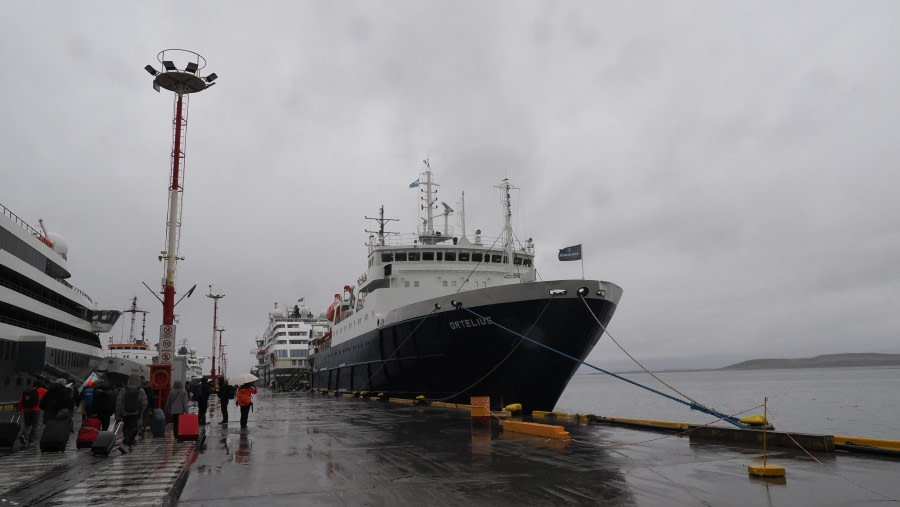
The day of embarkation began under wet conditions in Ushuaia, as the overcast sky showered us with a drizzle of rain, but it didn’t dampen our spirits! We couldn’t be happier to walk on board the cosy dry ship of Ortelius, our new home for the next 14 days where adventure awaited us.

This was not just a cruise, but the beginning of a unique and adventurous experience and for most of us, a once-in-a-lifetime trip.

Once we were all aboard and got our bearings, the ship’s mandatory safety procedures began, which included a short video outlining the ship’s rules and regulations, followed by a safety briefing and drill. This familiarised everyone on board with the emergency procedure and prepared us in case of abandoning ship.

A group of people wearing orange life jackets AI-generated content may be incorrect.Numerous black browed albatrosses and cormorants were flying around us in the Beagle Channel. A few dolphins have been seen also putting on quite the display! This got us so excited for the many more species we would hope to see soon. After the drill, Captain Per then formally welcomed us and introduced our voyage ahead. We were then introduced to the Expedition Team, the people who would be guiding us through this region for the next two weeks. Their backgrounds ranged from working at research stations, marine biology, history, oceanography, geology to photography. We couldn’t wait to learn more about Antarctica from all of them.

The evening continued with a scrumptious dinner in the restaurant, where we had the opportunity to meet one another and share travel stories and the reasons why we decided to venture to this southern land. After dinner, we continued to be prepared for the next days with a presentation about zodiac operations and IAATO regulations. What an exciting time ahead for us!
Day 2: The Drake Passage

The Drake Passage
Date: 18.03.2026
Position: 57°23.6’S; 063°29.6‘W
Wind: SE-4
Weather: Overcast
Air Temperature: +5.5

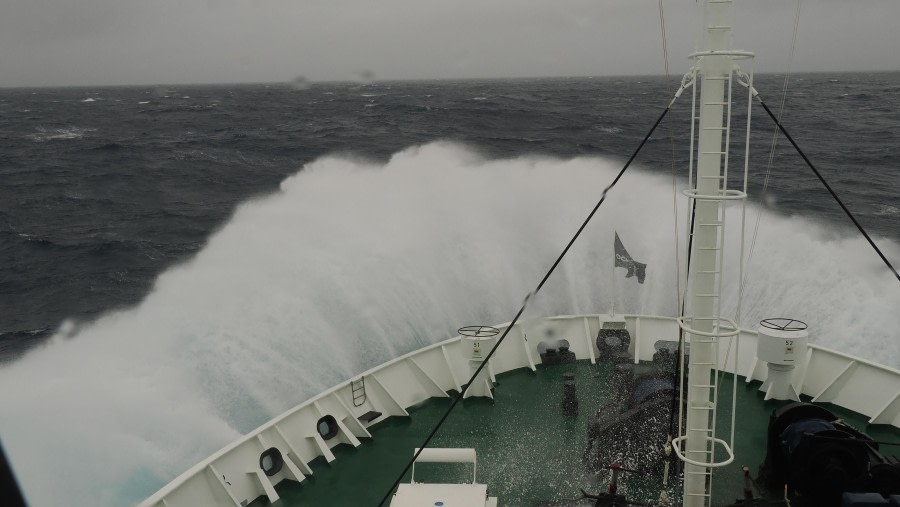
We woke up to our very first official expedition wake-up call from Chris… although some of us would argue the Drake Passage had already been gently (and not so gently) waking us up all night. A bit of classic “Drake shake” kept things interesting - rocking, rolling, and reminding us we were truly on our way south.

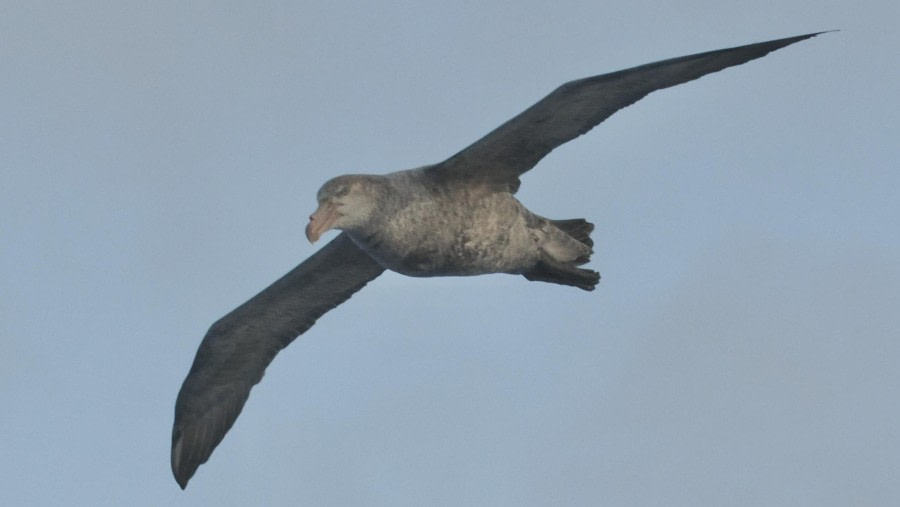
At breakfast, we found ourselves surrounded by a soft, mysterious fog, giving the morning a slightly magical feel… or at least making it harder to tell how big the waves actually were (probably for the best). Out on deck, those who ventured outside were rewarded with the graceful sight of grey-headed albatrosses gliding effortlessly above the waves. Show-offs. The day quickly turned into “briefing central.” Adam gathered our brave kayakers, while Michael and Sid prepared future snorkelers for their chilly adventures. Meanwhile, Andy, Narly, Marco, and Valeria got the hikers ready to stretch their legs (eventually—once land exists again).

In between briefings, the Drake reminded us who’s boss. A few enthusiastic waves crashed against the ship, and let’s just say… some of us decided that the best activity of the day was a strategic lie-down in bed. Expedition-approved.

During the afternoon, we kept things lively onboard. Koen shared his photography wisdom, getting us excited (and slightly overwhelmed) about capturing Antarctica at its best.

At recap, Chris walked us through plans for tomorrow — good news: the Drake is expected to behave a bit better. Promises were made. Hope was restored. Valeria helped us fine-tune our phone settings, so we don’t return home with 3,000 blurry penguin photos, and Andy… well, Andy gave us a full introduction to nautical language, which somehow ended in a dance. We’re still processing that one.

Dinner was delicious, and even better—the ship began to calm down. The Drake, at last, showed us a softer side, rocking us more gently as we headed into the night. We went to bed hopeful, slightly wobbly, and ready for whatever Day 3 would bring. Antarctica is getting closer.

Day 3: Drake Passage

Drake Passage
Date: 19.03.2026
Position: 61° 37.5 0S; 060°03.6‘ W
Wind: SE-3
Weather: Overcast
Air Temperature: +1

This morning we woke up to another day on the infamous Drake Passage. However, after yesterday’s ocean motion, things had calmed down today. And this was clearly confirmed in the restaurant as many more of us had an appetite this morning and sea sickness was slowly on its way out ;).

Today would be a busy day full with a variety of things to do. We started with the collection of our muck boots. These are the rugged, but comfortable rubber boots that we will wear on all our off-ship activities.

After we had found a comfortable pair of boots, it was time for what the guides call a vacuum party in the bar. Visitors to Antarctica need to execute a thorough bio security cleaning to ensure that invasive species are not introduced to this pristine continent. We were required to bring all our outer layers, boots, hats, gloves and backpacks for inspection.

Things went smoothly though, and soon it was time to eat again, lunch was served!

Straight after lunch both the kayakers and snorkelers were invited to the bar to secure a slot for these fantastic activities.

With us approaching the Antarctic continent closer and closer, it was time for Marco to invite us for his Introduction to Antarctica lecture. Marco shared historic information but also talked passionately about the ice and geological variety of the White Continent.

In the meantime, whale blows were spotted and we regularly saw penguins porpoising close to the ship. We were definitely heading in the right direction!

During recap our expedition leader Chris informed us that we were targeting to have our first landings tomorrow. We got really excited and couldn’t wait for the next day to start.

However, first things first; time to have a delicious dinner!

After dinner Chris announced our first iceberg with penguins on it! It was already dark outside, but with the ship’s spotlights we were delighted to see Antarctica’s cute inhabitants on a beautiful iceberg. The perfect closing to an exciting day.

Good night everyone!

Day 4: Penguin Point Seymour Island and Nordenskjold hut Snow Hill Island

Penguin Point Seymour Island and Nordenskjold hut Snow Hill  Island
Date: 20.03.2026
Position: 64º 18.5’ S; 056º 39.3’ W
Wind: SW-3
Weather: Clear
Air Temperature: -3

The first landing of our adventure at Penguin Point on Seymour Island, at the tip of the Antarctic Peninsular. This island is sandwiched between the Admiralty Sound and the wonderfully named Erebus and Terror Gulf.

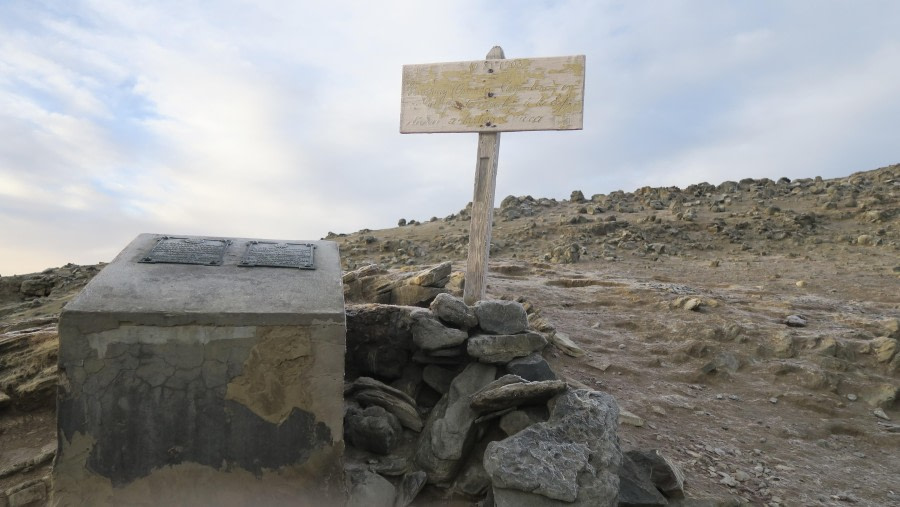
It is also the site of the remarkable rescue on the 8th Nov 1905 by the Argentine corvette the “Uruguay” of the member of the Swedish Nordenskjold expedition.

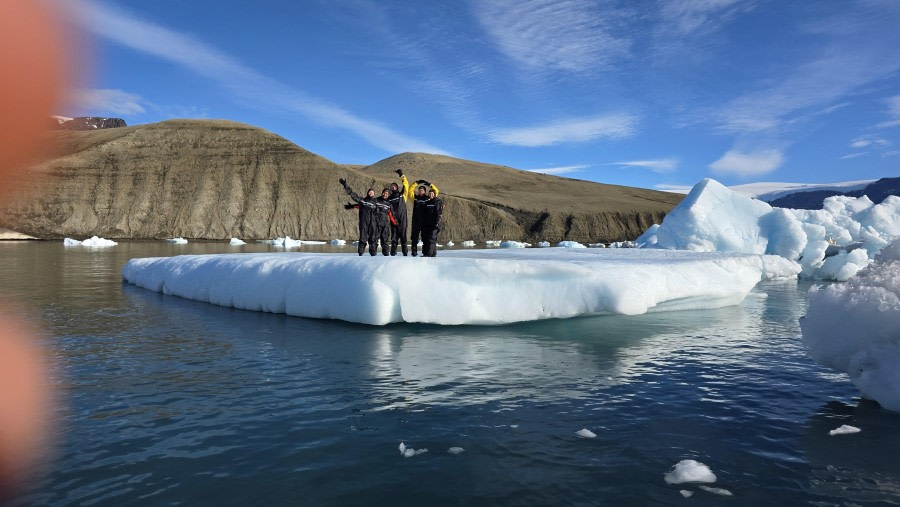
The Kayakers had a wonderful cruise along the eastern side of the island, seeing penguins, a Weddell seal and the seal-like behaviour of the Snorkelers playing around and on a nearby iceberg. The hikers wandered up a delightful moonscape of ridges and valleys into the interior. The “medium” length hikers covered nearly 5km with the “long” doing 7-8km and both groups rising more than 100m vertical above the gulf.

The theme of the day, Otto Nordenskjold’s expedition and rescue continued in the afternoon with a visit to the Swedish hut on Snowhill Island where the main group of 6 of the team wintered over.

The bay was a jumble of small bergs, some sporting basking seals, much to the delight of the kayakers. We were privileged to be able to enter the hut in groups of 5. It has been maintained by the Argentine Government and still has the character and some of the fittings from the time. A short climb to a viewpoint or a long beach offered the opportunity of a freedom walk for those that wanted to stretch their legs.

HIKE:

Morning : Penguin Point, Seymour Island

5km for the long and 4km for the medium, max elevation 95m

Terrain: gently undulating, sandy, small boulders up to 20cm across.

Day 5: James Ross Island

James Ross Island
Date: 21.03.2026
Position: 64º 18.5’ S; 057º 22.4’ W
Wind: NE-3
Weather: Calm
Air Temperature: +5

We woke up to a crisp Antarctic morning at –3°C, greeted by an absolutely magical pink sunrise that painted the ice and sky in soft pastel tones. Days like this reminded us exactly why being part of an expedition was so special.

While most of the ship was still waking up, our expedition team headed out early to scout the perfect landing site. That’s expedition life—flexible, adventurous, and always full of surprises! After exploring the options, they found a truly spectacular spot, and the ship was smoothly repositioned to set us up for an unforgettable morning ashore.

Once landed, we divided into three groups.

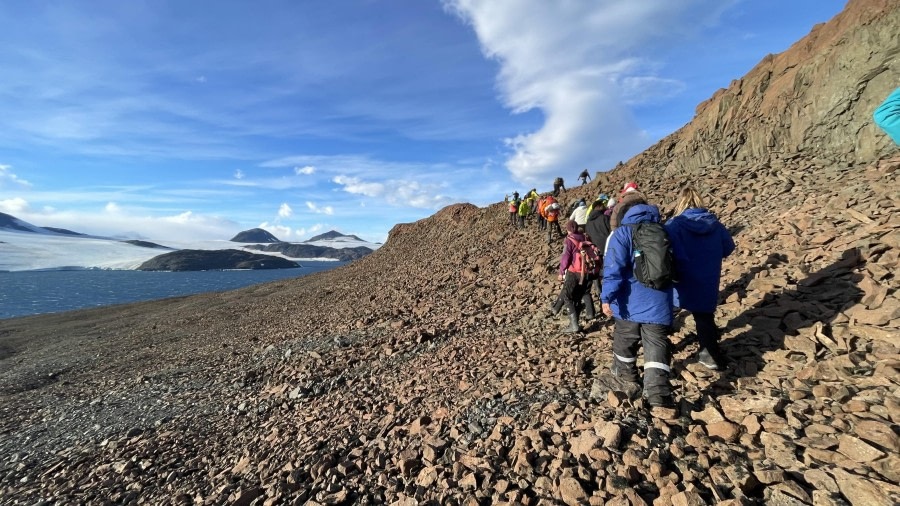
Long hikers were dropped at a separate landing site and set off on a rewarding trek, walking all the way up and eventually reuniting with the rest of the group at the main landing area. Medium hikers enjoyed a gentler route, but one that was just as beautiful and scenic.

Leisure: enjoyed a peaceful zodiac cruising between icebergs and birds.

The weather was on our side, and the views from the top were nothing short of breathtaking—wide-open Antarctic landscapes stretching endlessly in every direction.

Adding to the magic, the tide had dropped more than usual, leaving several growlers (small icebergs) stranded along the beach. This gave us a fantastic opportunity to get up close and capture some truly unique photos.

After all that fresh air and excitement, we returned to the ship for a well-earned lunch, followed by another repositioning as we set our sights on the afternoon adventure.

In the afternoon, we once again split into three groups. The long hikers had an especially memorable experience: partway along the trail, a few boots became firmly stuck in the mud! The hike quickly turned into a full-on boot recovery mission. After plenty of teamwork, determination, and good humour from both guests and guides, the mission was a success. Boots were freed, spirits were high, and laughter echoed across the landscape.

With plenty of smiles, photos, and stories, we made our way back to the ship. It was time for hot showers, followed by our daily recap, where we relived the highlights of an incredible day. The evening wrapped up with dinner, and later we gathered at the bar to share pictures, laughs, and a few games. The atmosphere was warm and joyful — proof that even in the coldest place on Earth, camaraderie and adventure kept us glowing.

We ended the day knowing one thing for sure: tomorrow would be another amazing Antarctic day.

HIKES

Morning : Redshaw Point, Markham Bay, James Ross Island

5,65km for the long and 4km for the medium, max elevation 300m and 175m respectively Terrain: ice landing for the long, beach for the medium. Long hike was a few hundred m of ice covered in a thin skin of snow, surface moraine from gravel and rocks up to 15cm across.

Afternoon : Valley between Redshaw Point and Hamilton Point, Markham Bay, James Ross Island

3.5km for the “long” hike and 4.5km for the medium Terrain: long on lookers left of the valley encountered soft ground with sticky mud which turned to quicksand and forced an early turnaround. Medium on lookers right had soft ground scattered with big boulders.

Day 6: sailing south of James Ross Island

sailing south of James Ross Island
Date: 22.03.2026
Position: 64° 25.6’ S; 057° 41.5‘ W
Wind: E2
Weather: Clear
Air Temperature: +0.6

We awoke to stunning orange hues of dawn in the sky off the east coast of James Ross Island.

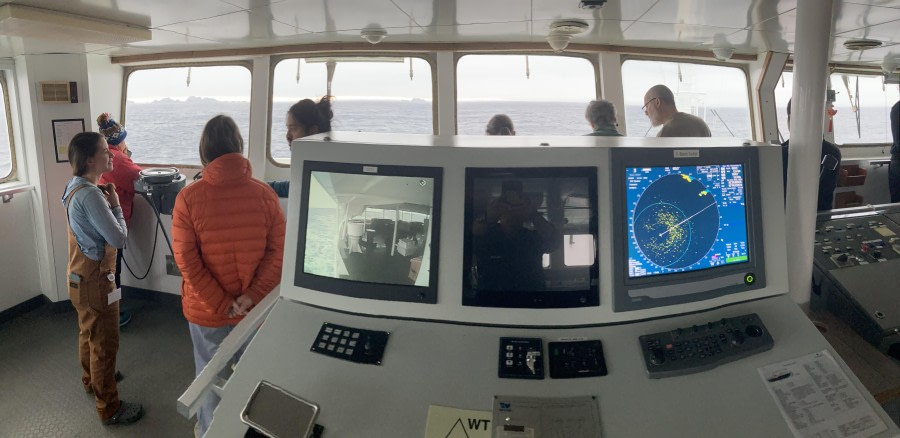
Our intention was to circumnavigate this mass of volcanic rock over the next two days. The first challenge was to pass through Admiralty Sound, a 3 nautical mile wide strip of water between James Ross and Snow Hill Island. This was awash with huge icebergs being swirled around in the multidirectional currents of the sound. The experience of the captain was impressive, together with the calm and focused concentration of the bridge team to thread our way through an ever-changing maze of huge lumps of ice, some bigger than Ortelius herself.

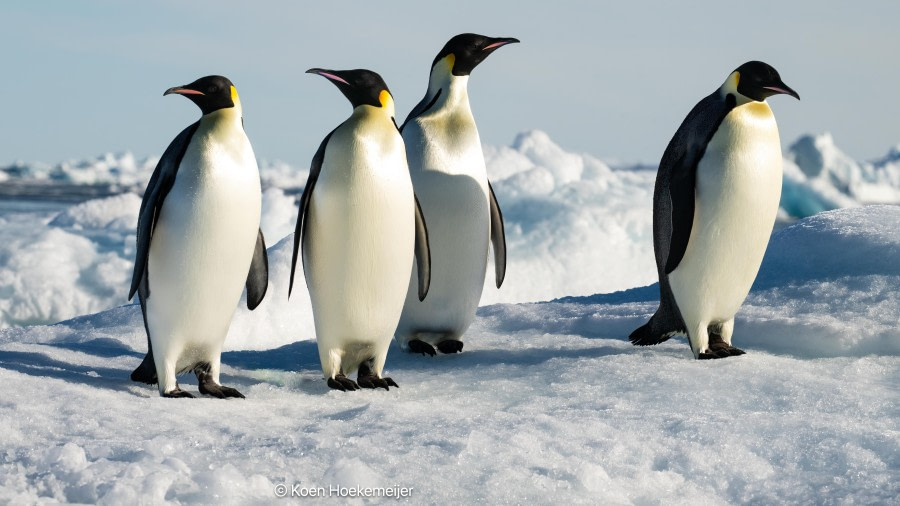
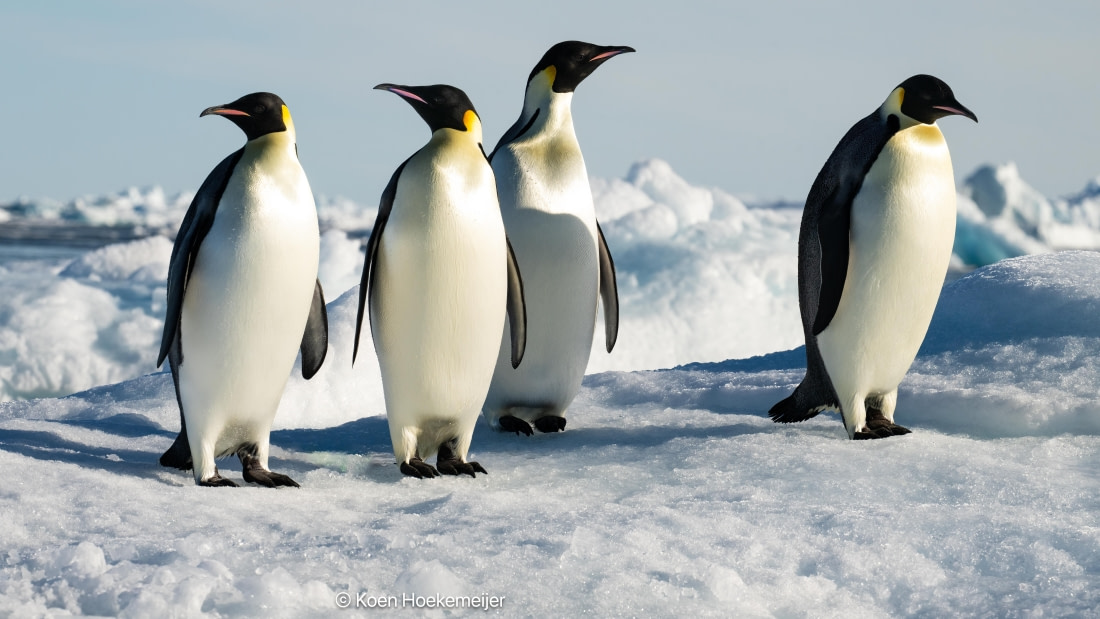
The reward for their hard work came soon after we exited the narrowest part of the sound. When we spotted 2 juvenile emperor penguins on an ice floe. Ortelius managed to manoeuvre to within 200m of these impressive birds, and the excitement of Chris and the expedition team matched our own. We spent an hour watching them before heading further southwest, celebrating our sighting with hot chocolate served on the bow of the ship. One of the guides emerged onto the bow dressed up in a penguin suit, and many selfies were taken.

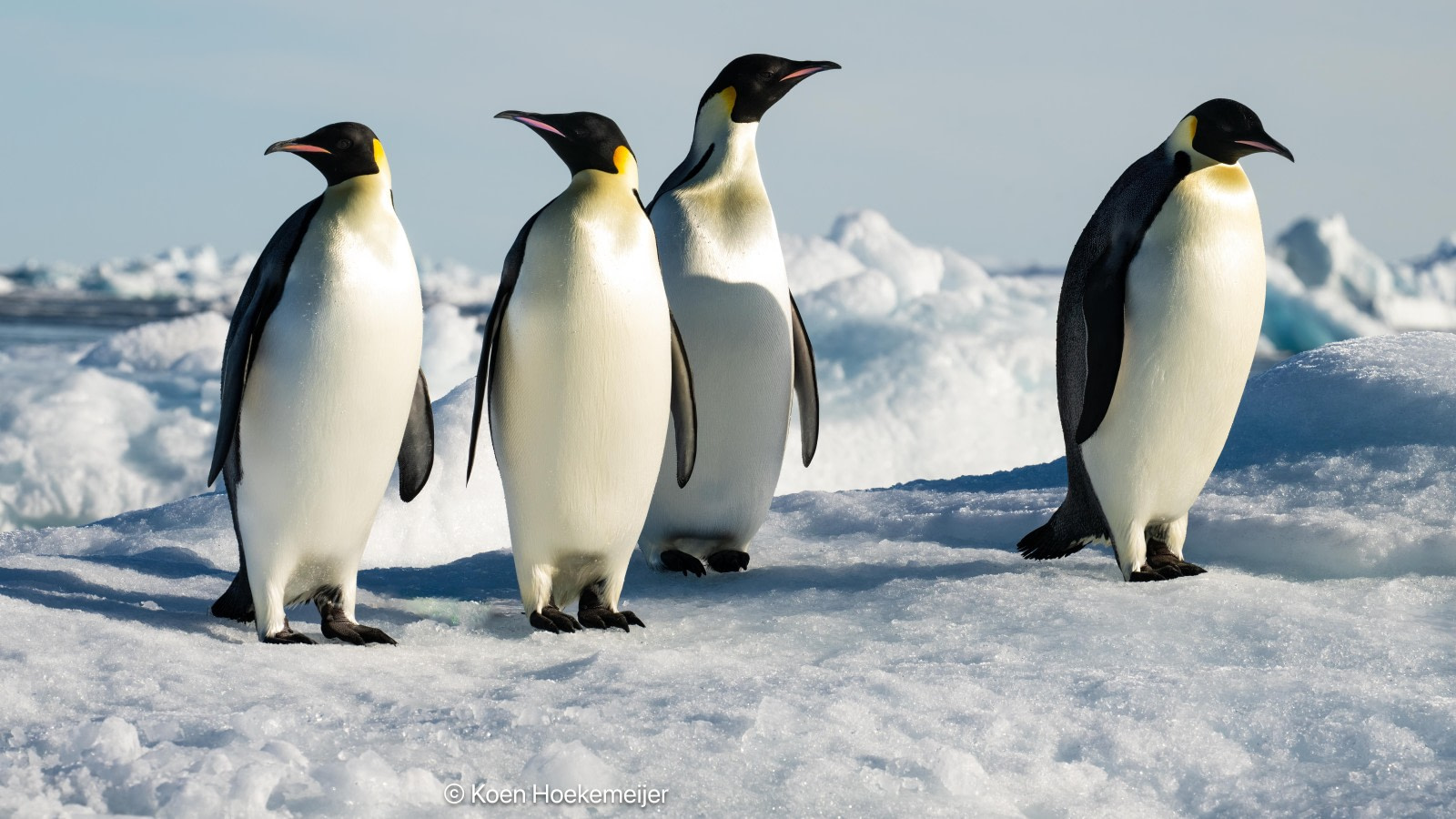
Due south of James Ross at over 64 degrees south, we embarked into zodiacs near the location of iceberg A81, the third largest in the world with an area of over 40 square nautical miles. Cruising through the jumbled chaos of brash ice, bergy bits and growlers, we started to catch glimpses of more wildlife. Crabeater seals and leopard seals were spotted basking on ice floes, and then we got the longed-for radio call: “4 adult emperor penguins spotted”. We gathered around an ice floe to hang out with these iconic symbols of the Antarctic for over an hour. Their colours, the light, their occasional calls made for an unforgettable experience of a lifetime. One of the guides took over 1700 photos, such was his enthusiasm for this magical moment.

That evening, we celebrated once again with a barbecue on the heli deck of Ortelius. Dancing continued well after the sun had set with the same glorious gamut of colour we’d had that morning.

Day 7: Brandy Bay, James Ross Island and Camp Hill.

Brandy Bay, James Ross Island and Camp Hill.
Date: 23.03.2026
Position: 63° 50.7’ S; 057° 59.6‘ W
Wind: NE-2
Weather: Clear Sky
Air Temperature: +5

We were awakened to the promise of a true expedition day as we arrived along the northern coast of James Ross Island. With ice conditions dictating our plans, anticipation was high as we prepared for a flexible day of exploration in this remote and seldom-visited part of Antarctica.

Following breakfast, guests were invited ashore in hiking groups, with long, medium, and leisurely walkers setting out across the rugged terrain. The landscape here felt distinctly different, more open, raw, and geological, with sweeping views across the surrounding ice and sea.

The morning landing offered a rewarding hike inland toward a frozen lake, with one of the most unusual Antarctic sights along the way: mummified seals, preserved by the cold, dry conditions far from the shoreline. Their presence sparked curiosity and conversation, a reminder of how harsh and unforgiving this environment can be.

At the same time, kayakers slipped quietly onto the water, paddling through the stillness beneath towering cliffs and scattered ice. Snorkellers entered the frigid Southern Ocean, experiencing the Antarctic world from below the surface, an entirely different perspective of this wild landscape.

At the end of the landing, those feeling brave took part in the polar plunge, diving into near-freezing waters before quickly retreating back into dry clothes, laughter, and well-earned adrenaline.

After returning to the ship for lunch, we prepared for an afternoon continental landing. Once again, guests split into hiking groups, exploring a new stretch of coastline. The conditions had shifted, with strong wind gusts sweeping across the landscape, adding an extra layer of challenge and energy to the experience.

Despite the wind, the afternoon rewarded us with whale sightings offshore, with blows and distant surfacing visible from both land and zodiacs. The combination of dynamic weather, wildlife encounters, and dramatic scenery made for a powerful Antarctic experience.

HIKES

Morning : Brandy Bay, James Ross Island Long hike to Monolith Lake, 7.5 km return, medium hike 5.5km

Terrain: gentle ascent on gravel to a site of mummified seals.

Afternoon : Camp Hill

4.6 km for the long hike and 3.8km for the medium, max elevation 135m Terrain: Pebble beach, then gravel leading to a short section of soft snow.

Rocky terrain from gravel to rough rocks up to 40cm across.

Viewpoint with a 100m cliff on the headland overlooking the landing beach.

Day 8: Cierva Cove

Cierva Cove
Date: 02.04.2026
Position: 64° 08.85 S; 060° 53.1‘ W
Wind: NE-5
Weather: Overcast

MV Ortelius had made excellent progress overnight, rounding the northeastern tip of the Antarctic Peninsula, exiting the Antarctic Sound, and entering in the early hours of the morning the eastern entrance of the Gerlache Strait. Overnight, fierce gusts had reached 60–65 knots, listing her to starboard; however, by morning, a gentle breeze from the stern was helping our southwestward navigation.

A leisurely morning awaited us, and the forecasted damp weather on the western side of the Peninsula was confirmed by light snow covering the outer decks when we woke up. A calm breakfast was followed by a talk given by Chris about his time working at Scott Base in the Ross Sea. Koen followed shortly afterward with his photography workshop, though he was interrupted several times as whale sightings became more frequent while we approached our afternoon destination: Cierva Cove.

Cierva Cove is a strikingly scenic inlet along the west coast of the Antarctic Peninsula, renowned for its dense concentration of floating icebergs and active glacier fronts that regularly calve into the sea. The cove is also an important site for wildlife observation, with frequent sightings of seals, penguins, seabirds, and marine mammals such as whales navigating its icy waters, making it a popular stop for scientific research and expedition cruises. It takes its name from the Argentine research station Primavera Station (formerly called “Caleta Cierva”), which in turn honors the Spanish engineer and aviation pioneer Juan de la Cierva, best known for inventing the autogyro.

As the bridge carefully steered us into the bay, we approached the snouts of Breguet Glacier and Sikorsky Glacier, two of the many outlet tidewater glaciers that flow from the Antarctic Peninsula Ice Sheet along the western Danco Coast. The impressive seracs and cascading ice walls descending from the upper plateau shimmered in the late morning light, which faintly penetrated the heavy cloud cover.

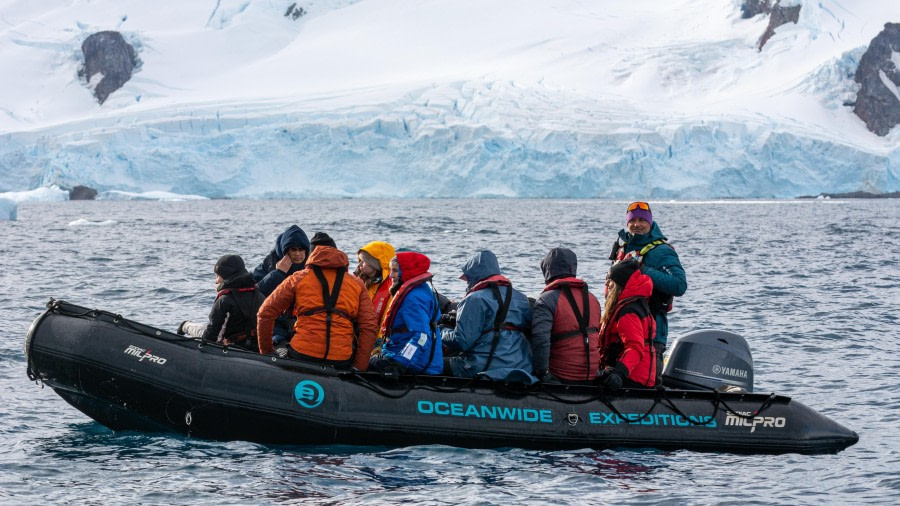
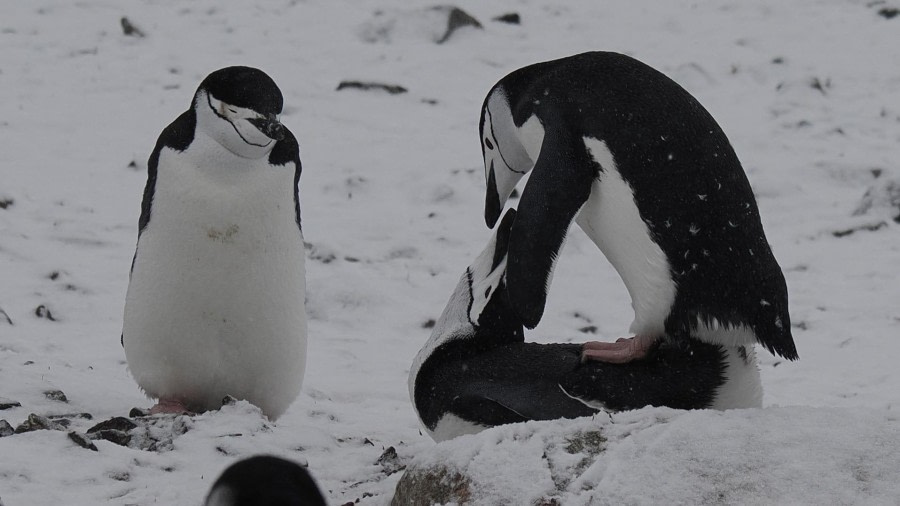
In the early afternoon, the expedition staff were eager to take us out in the zodiacs, as weather conditions had improved. The excursion was magnificent from the start, with multiple encounters with Humpback whales feeding in the area. In addition, hundreds of penguins were porpoising through the rich waters of the bay. As we approached Penguin Island, we observed a new species of brush-tailed penguin—the Chinstrap penguin—sharing part of the island with Blue-eyed shags.

Across toward the mainland, we then approached Primavera Station, where a rookery of Gentoo penguins was located. Watching these fast-swimming seabirds move through the icy waters and return to the rocky shoreline was yet another magical moment of this wonderful trip. The day was eventually wrapped up by a curious young humpback whale, which decided to investigate the ship and the surrounding zodiacs, delighting us with several spy-hopping displays and gentle movements around the gangways and small boats.

Our first day on the western side of the Peninsula had been filled with wildlife and excitement, despite the overcast and damp conditions of the morning—endless surprises during this magical journey around the tip of the Antarctic Peninsula.

Day 9: Wilhelmina Bay and Davis Island

Wilhelmina Bay and Davis Island
Date: 25.03.2026
Position: 64° 34.6’ S; 061° 59.2‘ W
Wind: NE-4
Weather: Fog snow
Air Temperature: + 5 °C

Good morning explorers!

After a wonderful afternoon yesterday at Cierva Cove with lots of penguins and whales, we felt we should try and do the same again today! Our rugged M/V Ortelius had arrived in Wilhelmina Bay and we were already surrounded by countless whales. That looked promising!

Wilhelmina Bay was named after the Dutch Queen at the time, however it wasn’t the Dutch that named this Bay. It was actually Belgian explorer Adrian de Gerlache who named the Bay in honor of the Dutch Queen as an expression of gratitude for the Dutch royal family supporting his expedition.

Wilhelmina Bay is a favorite location for feeding humpback whales and throughout the season large gatherings of these gentle giants can be observed here. Because of this, expedition guides often refer to the bay as Whale-amina Bay ;).

After breakfast we dressed up warmly and headed out on the zodiacs. We didn’t have to search very long as we saw whales in all directions. We observed beautiful icebergs, porpoising penguins and seals, however this morning we were most intrigued with the whales. At the end of the season most whales are well fed and this leaves time for more social behaviour. Some whales approached the zodiacs quite closely whereas others seemed to have some pre-breeding season interactions with each other. We got to see fantastic whale fluking, spy hopping and some very loud breathing. Some of us even felt and smelled their breath which was a unique experience.

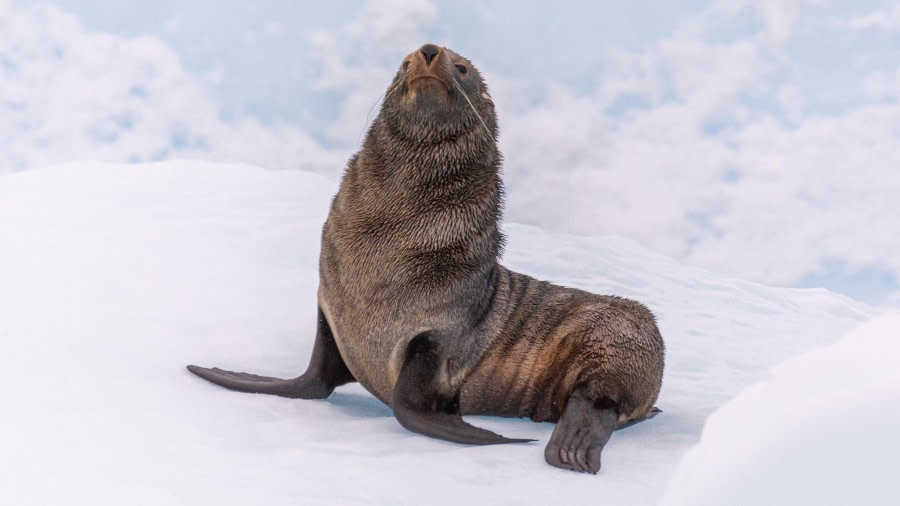
After lunch we went out on the zodiacs again, this time around Davis Island. The weather had changed as it was now snowing and the wind had picked up; proper expedition conditions! We circumnavigated Davis Island and saw penguins, imperial shags and many fur seals who were resting on the rocks and snow.

Because of the snow, many looked very cute with their white faces. When we had almost completed the circumnavigation, we saw a fantastic iceberg. It had a major arch which was quite thin. It looked like an artist had sculpted it and was probably the most beautiful iceberg from this trip.

When we moved slowly towards the ship, multiple whales showed up once again. Despite the cold we spent more quality time with these amazing mammals and they treated us with many fantastic tail flukes and social behaviour.

It had been another incredible day. We experienced true Antarctic winter weather, we had amazing wildlife encounters and we got to be close to many whales.

During recap Koen told us more about why the whales are here during the summer and Marco talked about icebergs. Then it was time for dinner, the restaurant was buzzing from excitement, and it seemed we all had enjoyed this day tremendously.

Good night everyone!

Day 10: Half Moon Island

Half Moon Island
Date: 26.03.2026
Position: 62°35.3 S; 059° 53.8‘ W
Wind: W-2
Weather: Snow
Air Temperature: -1.7

We were awakened at 06:45 as MV Ortelius approached the Half Moon Island, part of the South Shetland Islands and our final planned day of Antarctic landings. The plan for the day was to make two landings; one in the morning at Half Moon Island; followed by an afternoon visit to Yankee Harbour, before beginning our return north.

After breakfast, guests prepared for the morning landing, and by 08:00 we were invited to the gangway to head ashore. Half Moon Island welcomed us with a classic Antarctic scene: snow-covered slopes, a rugged coastline, and a lively colony of Chinstrap penguins scattered across the landscape. Their calls echoed across the island as they moved between nesting sites and the shoreline, while seals rested quietly along the beaches, occasionally lifting their heads as we passed. We even had a sighting of Kevin, the resident yet elusive Macaroni Penguin!

The nearby Argentine Cámara Base added a small but noticeable human presence to the otherwise wild setting, offering a glimpse into ongoing scientific work in the region.

Following a rewarding morning ashore, we returned to the ship for lunch with the expectation of heading out again in the afternoon for our second landing at Yankee Harbour.

However, conditions had begun to deteriorate. Increasing winds and building swell made operations unsafe, and the decision was taken to cancel the afternoon landing.

Instead, Ortelius began her northbound journey earlier than planned, setting course toward Ushuaia to stay ahead of an approaching system in the Drake Passage.

The afternoon took on a more relaxed pace as guests settled in for the crossing. Later in the day, Sid hosted a lecture on life beneath the ice, offering a fascinating look into the hidden ecosystems of Antarctica, from ice-adapted fish to delicate invertebrates that thrive in one of the harshest environments on Earth. It was a fitting reflection on a part of Antarctica that often remains unseen.

As the day progressed, the ship began to feel the first effects of the rising seas, with swells building to around four metres. Movement onboard became more pronounced, and many guests stopped by the doctor to collect seasickness medication in preparation for the Drake Passage crossing ahead.

Today marked a turning point in our voyage, a final landing in Antarctica, followed by the decision to leave early in response to the ever-changing conditions of the Southern Ocean. As Ortelius pushed into building seas, our Antarctic adventure began its transition toward the journey home.

Day 11: Drake passage

Drake passage
Date: 27.03.2026
Position: 59° 18.05’ S; 063° 45.4‘ W
Wind: N-34
Weather: Cloudy
Air Temperature: +5

We woke up to the gentle (and by gentle, we mean enthusiastic) rolling of the Drake Passage. Honestly, it was a bit better than we had expected—though still enough to remind us exactly where we were! A shy sun peeked over the horizon, giving us a soft, moody start to the day.

Breakfast was a lively affair—the restaurant was full, which we took as a very good sign. Strong sea legs (or at least strong determination) all around!

Our morning kicked off with Helene, who introduced us to the fascinating world of wildlife tracking. We learned how scientists follow seabirds using everything from classic ringing techniques to high-tech devices. Even more intriguing was how these birds can act as unexpected “spies,” helping detect illegal fishing vessels out at sea. Who knew seabirds were also part-time detectives?

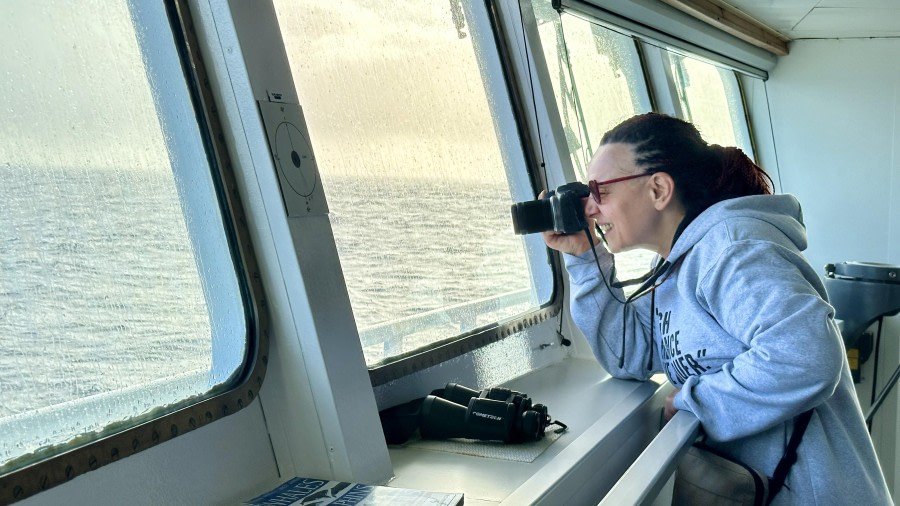
After the lecture, we embraced the Drake in full force. We gathered by the bridge, cameras in hand, laughing as we tried (and mostly failed) to capture the sheer power of waves crashing dramatically against the windows. What an experience—equal parts thrilling and humbling!

Koen then took us into the world of whale watching, sharing some incredible stories from his time guiding, along with jaw-dropping footage. Safe to say, excitement levels for future sightings went through the roof.

By the time lunch rolled around, so did the ship—with a bit more enthusiasm from the Drake. Plates were held a little tighter, and walking became a creative exercise.

In the afternoon, Allan entertained us with the wild and slightly unbelievable story of the Antarctic Snow Cruiser—a massive vehicle designed to conquer Antarctica that, well… didn’t quite go as planned. A bold idea, a challenging reality, and a great reminder that Antarctica always has the final say.

During recap, Chris showed us a storm system we were very lucky to avoid—close enough to be impressive, far enough to be comforting. He also shared a glimpse into life at Scott Base, giving us a taste of what it’s like to live and work on the ice. Andy followed with a deep dive into the winds that shape this wild region, helping us better understand the forces behind our rolling day.

Dinner time arrived, at least for the brave among us, while others opted for a quieter evening. And so we ended the day, still dancing with the Drake, but full of stories, laughter, and anticipation.

Tomorrow: another Drake day—rumour has it, a gentler one. We’ll believe it when we see it!

Day 12: Drake passage

Drake passage
Date: 28.03.2026
Position: 55° 34.45’ S; 066° 34.5‘ W
Wind: NE-6
Weather: Overcast
Air Temperature: +11.1

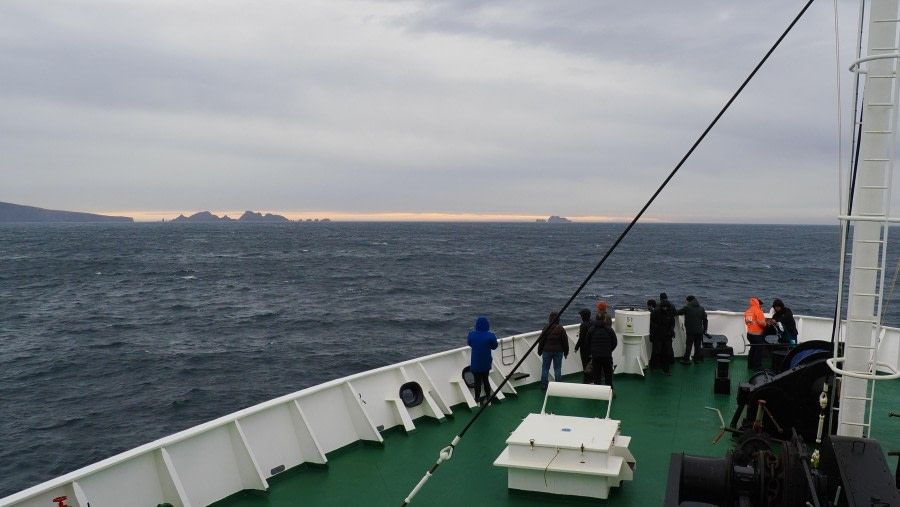
It was a bittersweet feeling as the voyage started to draw to a close as we approached the southern tip of South America. To balance this out, the sea state had calmed down considerably overnight from the 5m of the previous day down to a much more reasonable 2m. So most of us could enjoy our breakfast and move around the ship a little more easily. We were all very excited to see Cape Horn in the middle of the morning off our port beam. A poem, “The Albatross” was read out over the ship’s PA in honour of the many sailors who have died over the centuries rounding the Horn.

We spotted Peale’s dolphins with their distinctive white stripes around the ship and even riding its bow wave as if welcoming us back to what passes for normal life.

Meanwhile, to keep us entertained, we had presentations on oceanography and other Oceanwide voyages and destinations. There’s a world of adventure out there. The highlight presentation of the day was undoubtedly the question-and-answer session with Captain Per, revealing some behind the scenes details about Ortelius as well as recounting some of his experiences from decades as a ship captain all over the world’s oceans.

As we steamed up the Beagle Channel to narrowly avoid a monster storm coming in from the west, the Captain and crew joined us in the bar for a celebratory toast to mark the end of a magnificent and challenging expedition.

Day 13: Disembarkation, Ushuaia

Disembarkation, Ushuaia
Date: 29.03.2026
Position: 55° 42.4’ S; 064° 35.8‘ W
Wind: SW-1
Weather: Overcast
Air Temperature: +5

The final wake-up call was delivered by Chris, oh how we would miss these wake-up calls! Chris instructed us to place our large checked in luggage in the corridors by 07:30 for transport to the pier. Off we went for one last breakfast, a sad morning to say goodbye to all the incredible dining room staff who had looked after us so well these last few weeks! Oh how we would miss the delicious fresh baked bread and pastries! After checking our cabins one more time for left behind items, we were ready to disembark.

Next up were the goodbyes to the hotel team, expedition team and most of all, each other. Strangers at the beginning, some leaving as lifelong friends. To share an experience like this together can create some very special bonds.

Some of us travelled directly to the airport, while others continued their journey into Ushuaia- one of the gateways into Patagonia where many planned to hike and explore for the next coming days. This expedition into the Weddel Sea in Antarctica offered us truly an incredible and adventurous experiences that we will cherish forever. Who knew that one could not only zodiac cruise in Antarctica, but scale up high mountains, kayak through iceberg dotted bays and snorkelled around iceberg?! An adventure we will never forget and so many stories to take home. Until next time!

On behalf of Oceanwide Expeditions, Captain Per Andersson, Expedition Leader Chris Long, Hotel Manager Ingrid van de Loo and all the crew and staff of M/V Ortelius, it was a great pleasure and a privilege travelling with you!

Total distance sailed on our voyage: 1965

nautical miles Most southern point sailed: 64° 39.513’ S; 062° 07.404’ W

Details

Tripcode: OTL31a26
Dates: 17 Mar - 29 Mar, 2026
Duration: 12 nights
Ship: m/v Ortelius
Embark: Ushuaia
Disembark: Ushuaia

Downloads

Have you been on this voyage?

Aboard m/v Ortelius

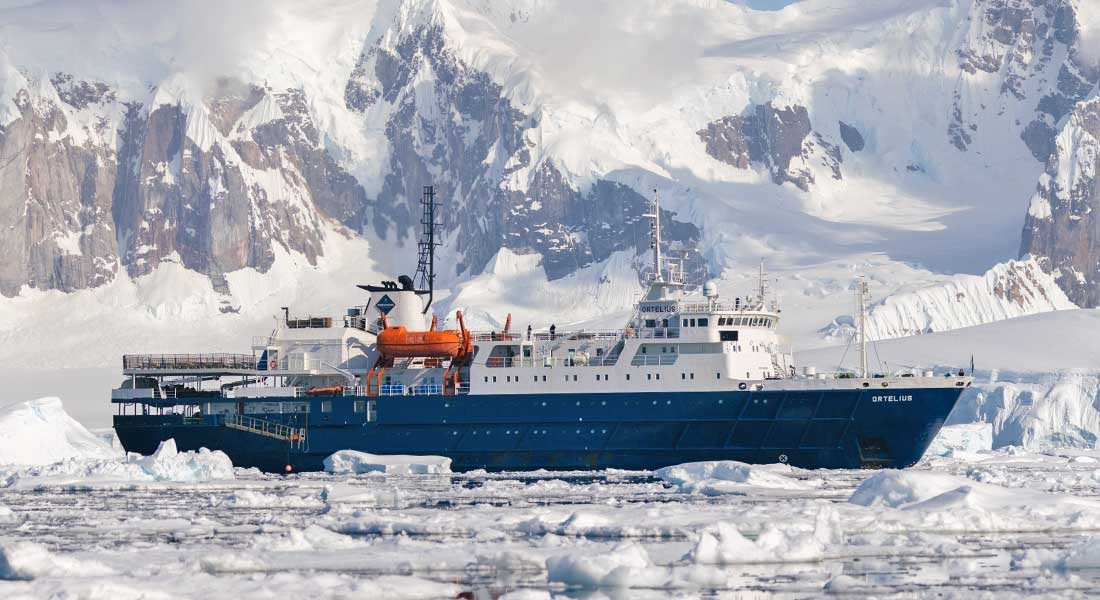
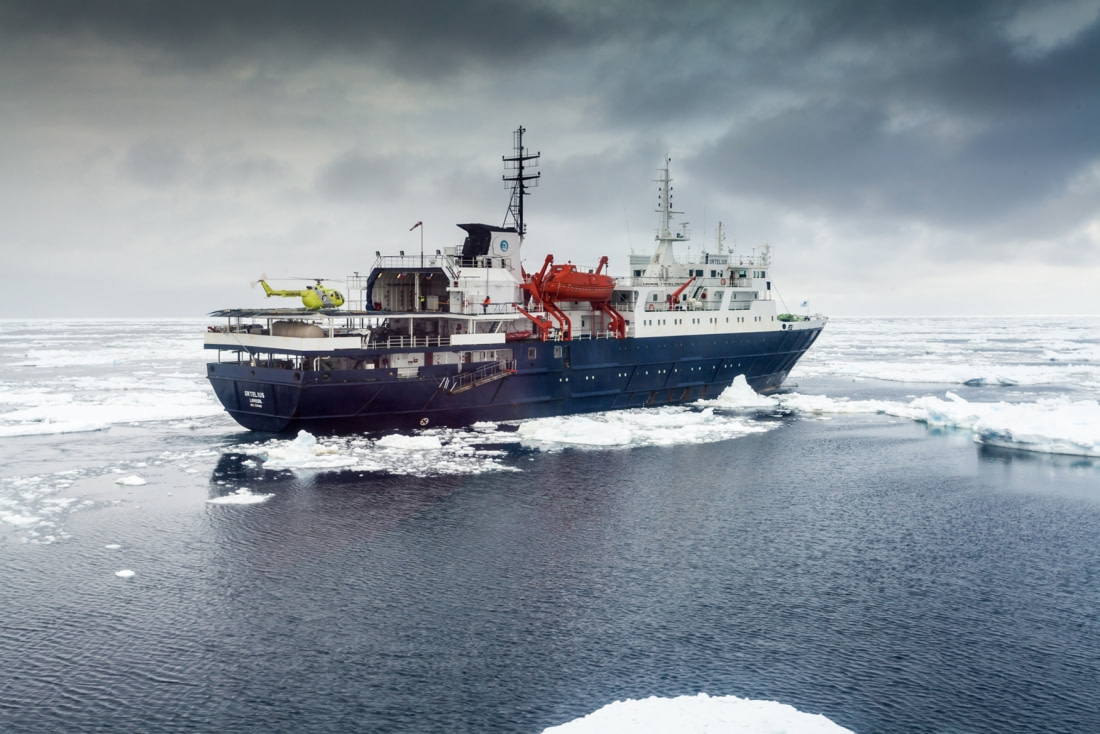
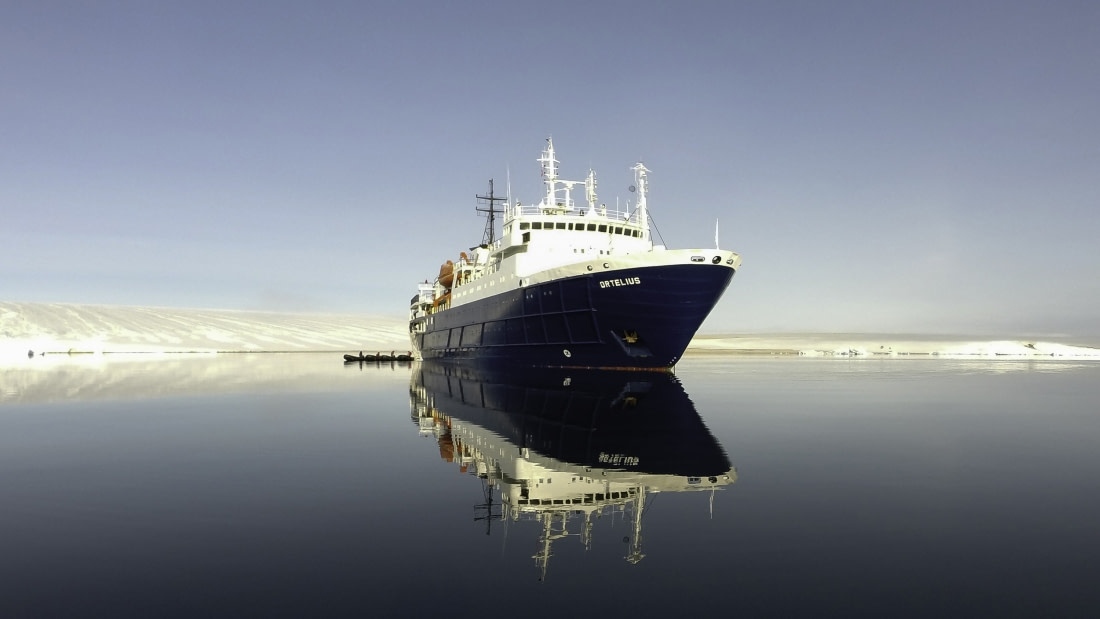
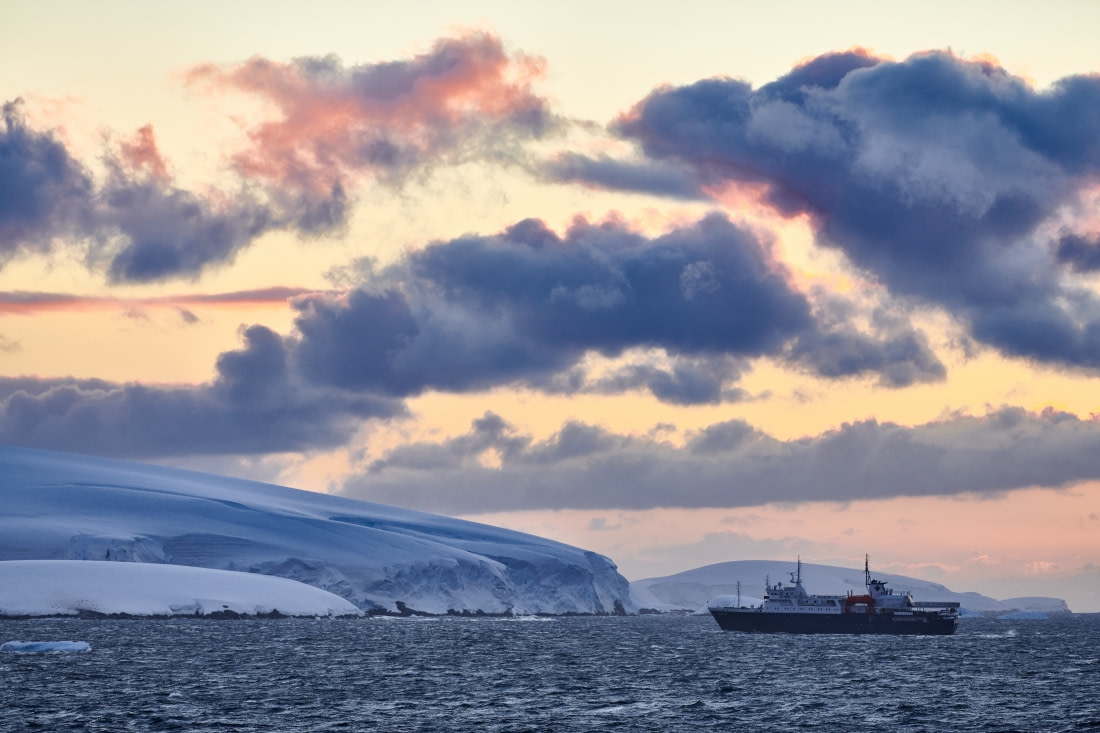
The ice-strengthened Ortelius is thoroughly outfitted for polar exploration and, when necessary, helicopter flights.

More about the m/v Ortelius »
Loading