OTL05-26, trip log, North Spitsbergen Basecamp – Summer Solstice - Free Kayaking, Hiking, Photo Workshop, Diving

by Oceanwide Expeditions

Photo gallery

Logbook

Day 1: Longyearbyen, Embarkation Day

Longyearbyen, Embarkation Day
Date: 19.07.2026
Position: 78°14.8’ N / 015°03.2’ E
Wind: SW-23
Weather: Part. Cloudy
Air Temperature: +3

The day of our departure clouds drifted low over Adventfjorden, at times descending into fog that obscured the landscape and unsettled airport staff, then rising again to reveal the snow-clad peaks across the fjord. While the people of Longyearbyen went about their everyday lives, largely indifferent to the scenery that surrounded them, we lingered in cafés, strolled along the settlement’s pedestrian street, and gazed from hotel windows, gradually acclimating to both the beauty and the harsh realities of the Arctic.

Ortelius was moored at the coal pier — a distant dock you could not even reach on foot, because that is prohibited. Therefore a shuttle was arranged for us, departing from the main pier at 4:00 p.m. — safe, and no need to walk for half an hour.

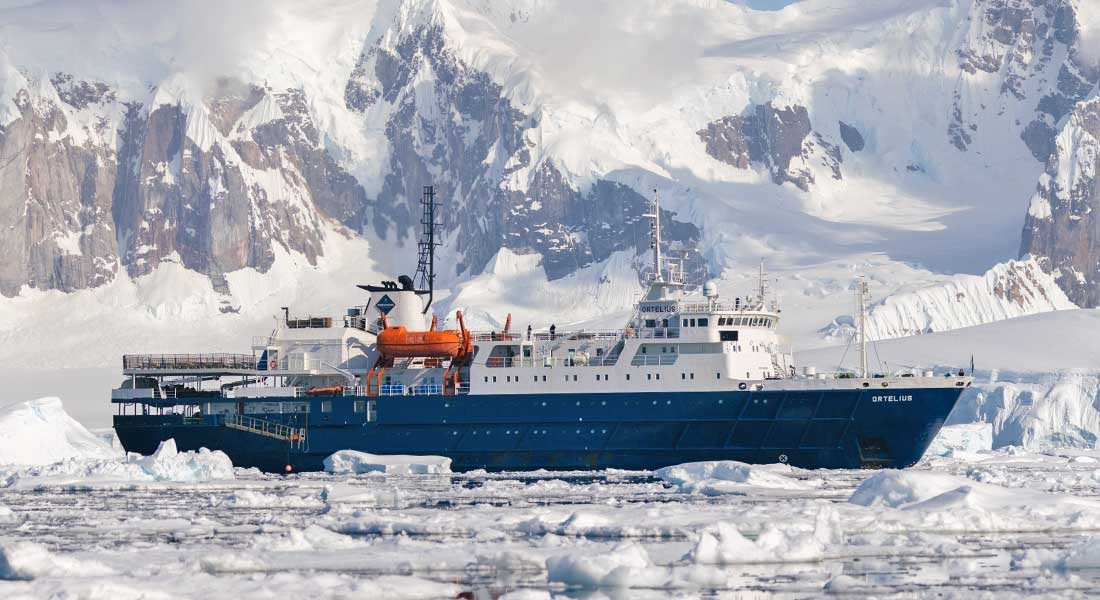
And there she was, our ship! Standing there beautifully at the pier. The crew was busy, members of the expedition team were hauling our luggage back and forth, and the hotel manager and his lovely assistant were gradually collecting our passports.

The process moved very quickly, so within about a quarter of an hour we were all on board.

Once we had all received the keys to our cabins and made sure that all our suitcases were with us as well, the mandatory part began — the safety briefing, followed by the abandon ship drill. We all gathered in the observation lounge on Deck 6, where a video covering all aspects of safe life on board was shown to us, after which Chief Officer Don addressed us.

Then we were told to return to our cabins and, once the signal was given, take our orange life jackets and come back to the observation lounge.

The alarm sounded, and one of the watch officers addressed us over the loudspeakers, instructing us to begin the procedure for abandoning the ship. Needless to say, it was also made clear that all of this was taking place purely for training purposes. We were escorted to the lifeboats and then dismissed.

After putting our life jackets back in their place, we went out onto the open decks to watch the crew busily winding up the mooring lines with the winches. The engine roared, Ortelius gently rocked and slowly began to move away from the pier. Right around the corner on a small spit of sand a couple of walruses were waving us goodbye.

The journey had begun!

After some time we were invited back into the observation lounge, where refreshments and a glass of champagne awaited each of us. Our hotel manager Vova spoke to us, as did our expedition leader Ali Liddle, and, of course, Captain Ernesto Barria himself.

And so, amid the bustle and in a fairly intense rhythm, the first couple of hours of our stay aboard Ortelius passed. At 7:30 p.m. we were invited to dinner, and after dinner we were given our Muck Boots.

Meanwhile, Ortelius had left Isfjorden and set course north!
Day 2: Ny London & Ny Ålesund

Ny London & Ny Ålesund
Date: 20.06.2026
Position: 78°57.4’N / 012°02.1’E
Wind: NE-1
Weather: NE-1
Air Temperature: +5

Our day began with a gentle wake-up call at 7:15 from our expedition leader, Ali, who informed us of the outside temperature, weather conditions and welcomed us to Ny-London. After breakfast, we gathered in the lounge for the mandatory polar bear safety briefing, which highlighted the importance of safety in the Arctic, the guides carrying rifles, and the protocols in place to protect both guests and of course the polar bears.

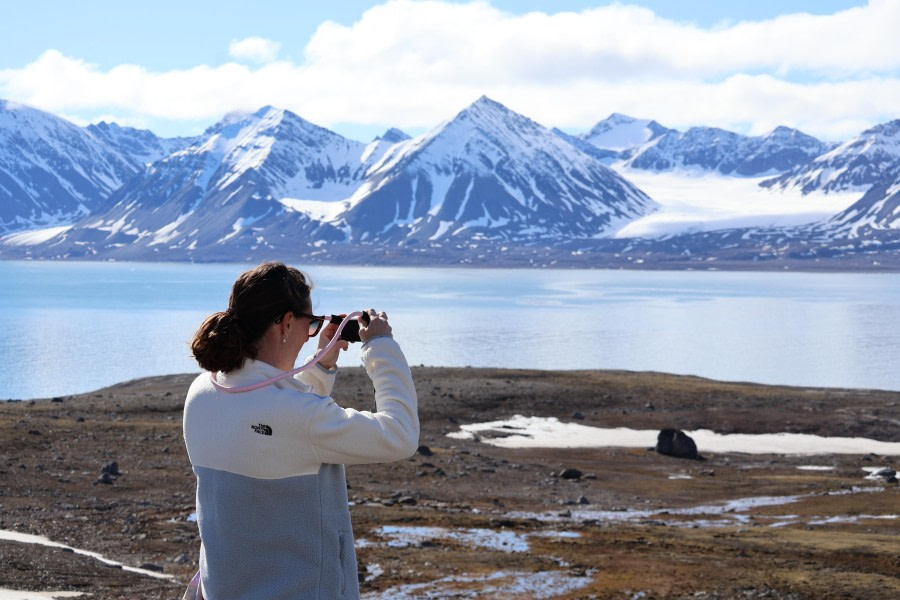
We experienced a little bit of swell at the gangway during our first Zodiac embarkation, but equipped with the knowledge of the sailor's grip, it wasn’t a problem. Once away from the ship the water was calm for the short ride to shore. After landing, we were offered a choice of long, medium, and leisurely hikes, as well as a photography workshop. Divided into groups, we set off with our guides to enjoy the beautiful sights of our first Arctic landing. We discovered the history of Ernest Mansfield’s old marble mining operation, saw flowers beginning to bloom, encountered Svalbard reindeer, and observed a variety of bird species, including the impressive long-tailed skua. With sunshine and blue skies overhead, it felt like the perfect start to our expedition.

Back on board, we enjoyed a delicious buffet lunch while Ortelius repositioned across the bay to Ny-Ålesund, the world’s northernmost settlement. Alongside the quay, we walked ashore to explore the area, with many of us joining William and Gabi for an interesting talk about Amundsen and the airship expeditions. During our visit, some of us were lucky enough to catch a glimpse of our first Arctic fox as it ran across the tundra while being dive-bombed by Arctic terns.

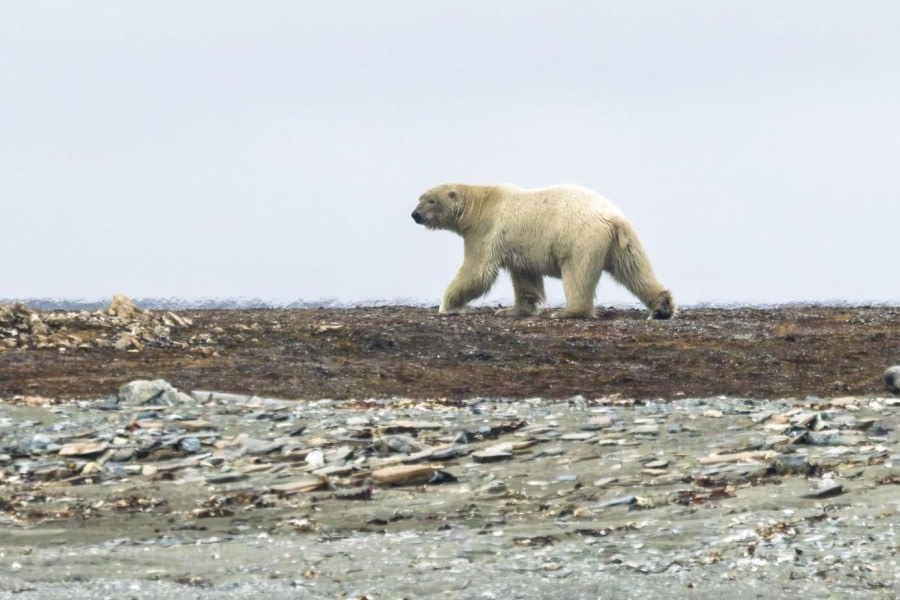
Back on board once more, we were preparing for the evening recap and hearing the plans for the following day when Ali made an announcement over the PA system: a polar bear had been spotted. It was incredible. We quickly added extra layers and headed out onto the outer decks and up to the bridge, watching in awe as our first polar bear came into view. Walking along the edge of a cliff, clear as day, was a large and healthy-looking male.

Although his pace seemed casual, it was impressive to see the distance he covered effortlessly as he followed the hillside before descending towards the water. As if that were not enough, a minke whale was also surfacing ahead of the ship. It was the perfect end to an amazing first day in the Arctic.

Still buzzing with excitement, we gathered in the lounge where Ali recapped the day’s events. There was plenty of applause, and an enthusiastic atmosphere filled the room.

After another excellent buffet dinner, it was a beautiful evening. Many of us relaxed in the bar, reflecting on the magic of the day before heading to bed, ready for our journey north towards the pack ice.


Dive 1

Our first dive of the voyage took place at NY London, serving as both a checkout dive and an opportunity to become familiar with the equipment and conditions of Arctic diving. Divers entered calm polar waters to confirm weighting, buoyancy, and equipment configurations before the expedition’s more adventurous dives. While the primary objective was to ensure everyone was comfortable and prepared for the days ahead, the dive also provided a first glimpse into Svalbard’s underwater world. With confidence established and equipment functioning well, the team surfaced excited for the expedition to begin in earnest.

Day 3: In the pack ice

In the pack ice
Date: 21.06.2026
Position: 80°36.5’N / 011°48.4’E
Wind: WSW-2
Weather: Overcast
Air Temperature: +1

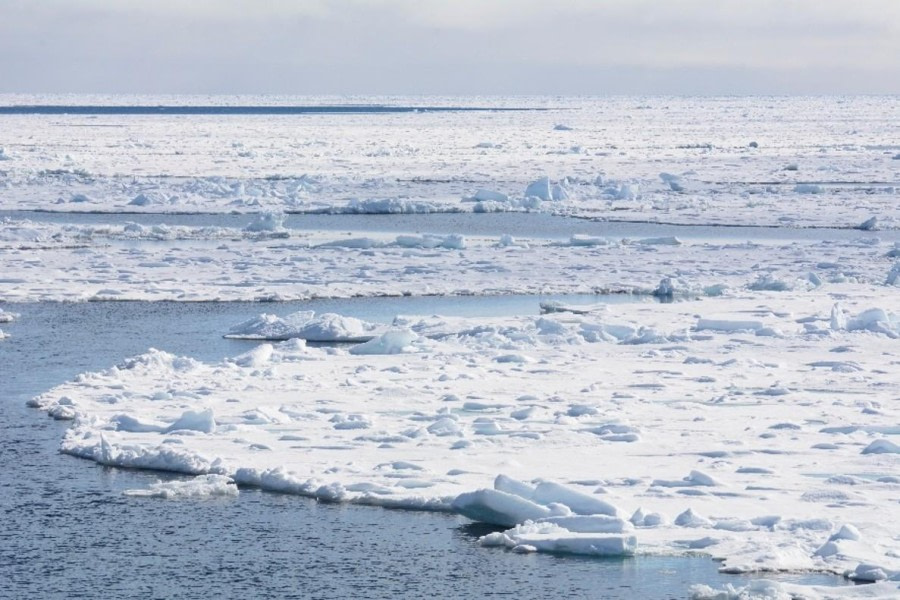
The day began at 07:45 with a cheerful wake-up call from Expedition Leader Ali. His voice echoed through the ship, welcoming everyone to another exciting day in the Arctic. Looking out of the cabin windows, passengers were greeted by a stunning panorama of sea ice stretching across the horizon. The Ortelius was making its way through the frozen waters, searching for wildlife in one of the most remote regions of the planet.

At 08:00, breakfast was served in the dining room on Deck 4. The buffet offered a wide selection of hot and cold dishes, allowing everyone to fuel up for the day ahead. Over coffee and breakfast, passengers exchanged stories from previous days and discussed the possibility of spotting polar bears as the ship continued north through the pack ice.

The morning was spent enjoying the incredible scenery from the outer decks and the bridge. The sea ice created a constantly changing landscape of white floes, blue shadows, and frozen channels. Every movement on the ice attracted attention, as everyone hoped to catch sight of Arctic wildlife. At 11:30, Werner hosted a mobile phone photography workshop in the lounge. Passengers brought their phones and learned useful techniques for capturing the beauty of the polar environment. With endless ice formations and dramatic Arctic light outside, there was no shortage of inspiration for photographers of all levels.

Lunch was served at 12:30 in the dining room. The buffet provided a welcome break and a chance to warm up after spending time on deck. Conversations focused on the remarkable ice conditions and the wildlife everyone hoped to encounter during the afternoon.

At 14:30, Marco gave an informative presentation about sea ice. As the Ortelius continued sailing through the pack ice, passengers learned how sea ice forms, how it changes throughout the seasons, and why it plays such a vital role in the Arctic ecosystem. Looking out the lounge windows while listening to the lecture made the experience even more meaningful, as the very subject being discussed surrounded the ship in every direction.

The search for wildlife continued throughout the afternoon. Guests spent hours scanning the ice with binoculars, watching for seals and, hopefully, polar bears. The atmosphere on board was filled with anticipation as the ship carefully navigated through the frozen landscape.

At 16:30, Emily presented a fascinating lecture on polar bears, the undisputed icons of the Arctic. She explained their behaviour, hunting strategies, adaptations to life on the ice, and the challenges they face in a rapidly changing environment. The presentation gave everyone a deeper appreciation for these magnificent animals and made the prospect of seeing one in the wild even more exciting.

As the day drew to a close, passengers gathered in the lounge at 18:30 for the daily recap and briefing. Members of the expedition team shared the highlights of the day, reviewed wildlife sightings, and outlined plans for the following day. It was also an opportunity to ask questions and reflect on the experiences of the day.

Dinner was served at 19:00 in the dining room on Deck 4. It has to be eaten quickly this time since the staff team had spotted a few whale blows in the distance. We immediately wore our jackets and outer garments and rushed to the outer decks and the bridge to witness the spectacle. Slowly and steadily, our capable bridge team, led by Captain Ernesto, maneuvered the ship closer to inspect the marine mammals.

Soon it appeared we were in the presence of two or perhaps three individuals of Blue Whales and one Fin whale, spouting closer and closer to the bow, stern and starboard side of the ship. The Blue Whale is the largest animal ever known to have lived on Earth, reaching lengths of up to 30 meters (100 feet) and weighing as much as 180 tons. These magnificent marine mammals inhabit oceans around the world and primarily feed on tiny shrimp-like creatures called krill. Despite their enormous size, blue whales are gentle animals and spend most of their time feeding in the open oceans, or like tonight, near the continental shelf located in the northern side of Svalbard.

A memorable event to wrap up this unique day in and around the sea ice.

Day 4: Hamiltonbukta and Buchananhalvoya

Hamiltonbukta and Buchananhalvoya
Date: 22.06.2026
Position: 79°43.0’N / 012°03.9’E
Wind: SW-5
Weather: Clear
Air Temperature: +6

We were woken by our Expedition Leader at 07:15, inviting us out on deck to enjoy the spectacular morning as we arrived in Raudfjord. The sun was shining on the bay as we approached Hamiltonbukta on our starboard side. On the bridge, the Guide team and Bridge team were eagerly looking through their binoculars, scouring the coastline for wildlife and admiring the glassy calm conditions we were so lucky to have.

Once we had finished breakfast, the anchor was down and zodiacs were being dropped ready for us to join the guides and explore the inlet. Nestled between towering mountains and tumbling glaciers with a scattering of islands to play between, it seemed like a beautiful place to explore.

From the zodiacs, we approached the tall cliffs on the south side of the bay. Before reaching them, we came across large rafts of Brunnichs Guillemots in the water, congregating before they disappeared off on a feeding trip. In the water we could see their black upper side and the white lower side in the water. As we heightened our senses, we were met with a strong smell coming from the cliff above us. The persistent noise of the guillemots rang in our ears. Occasionally a slapping of the water was heard where a pair of guillemots fell to the water in a squabble. Through the background ring, we heard snow buntings singing, he furthers north songbird, as they flew from one rock to another.

We continued along the base of the bird cliff, our eyes peeled to investigate anything that moved. A call came over the radio from the zodiac in the lead saying that they had seen an arctic fox. We adjusted our position and looked up at the glacier above. To our amazement, the tiny daring arctic fox was seen running along the crest of the glacier front. With the steep drop to the sea on its left and into a deep crevasse on its right.

The Arctic Fox was in its summer coat, making it easier to spot while it was on the snow. We all helped one another in our zodiacs to spot the fox. As it scurried along the slopes, it was sniffing around following scents that it picked up on and leaving its own too. The kayakers came along to join us and were also delighted to get a close-up view from a different perspective.

After we had our fill of the endearing Arctic Fox, it was time to move further into the bay through the brash ice and towards the glacier front. We could now hear the crackling of the ice as the air was released and the occasional boom from the glacier as cracks formed and small calvings eroded the blue glacier front.

Our zodiac drivers carefully navigated between the shallows as we observed the abundant bird life surrounding us. The wind had picked up slightly making it slightly cooler as the dense cold air descended off the glaciers. It was time to head back to Ortelius for lunch.

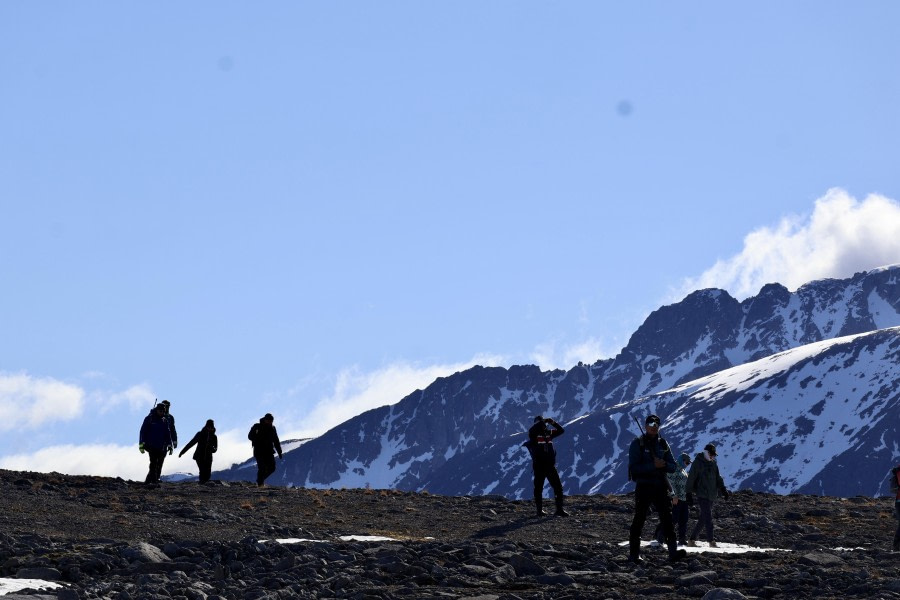
In the afternoon, we enjoyed a delicious lunch to fuel us up for the long afternoon hikes at Buchananhalvoya. This is a large peninsula on the south side of Raudfjord where the terrain lends itself to long walks due to the lack of steep cliffs, which dominate the land to the west. Our guides pointed out the abundance of colourful flowers from purple saxifrage and arctic buttercups to mountain avens and sorrel. The main attraction of this hike, however were the spectacular landscapes we could see all around us, with the sun casting huge shadows of the jagged mountains across the smooth snow-topped glaciers.

The sun, wind and walking sapped our energy, leaving everyone happy and tired as we all retreated to Ortelius. Ali presented the plans for tomorrow before some more information was given about the significance of where we were traveling by Gabi and Beth.


KAYAK - BLUE GROUP

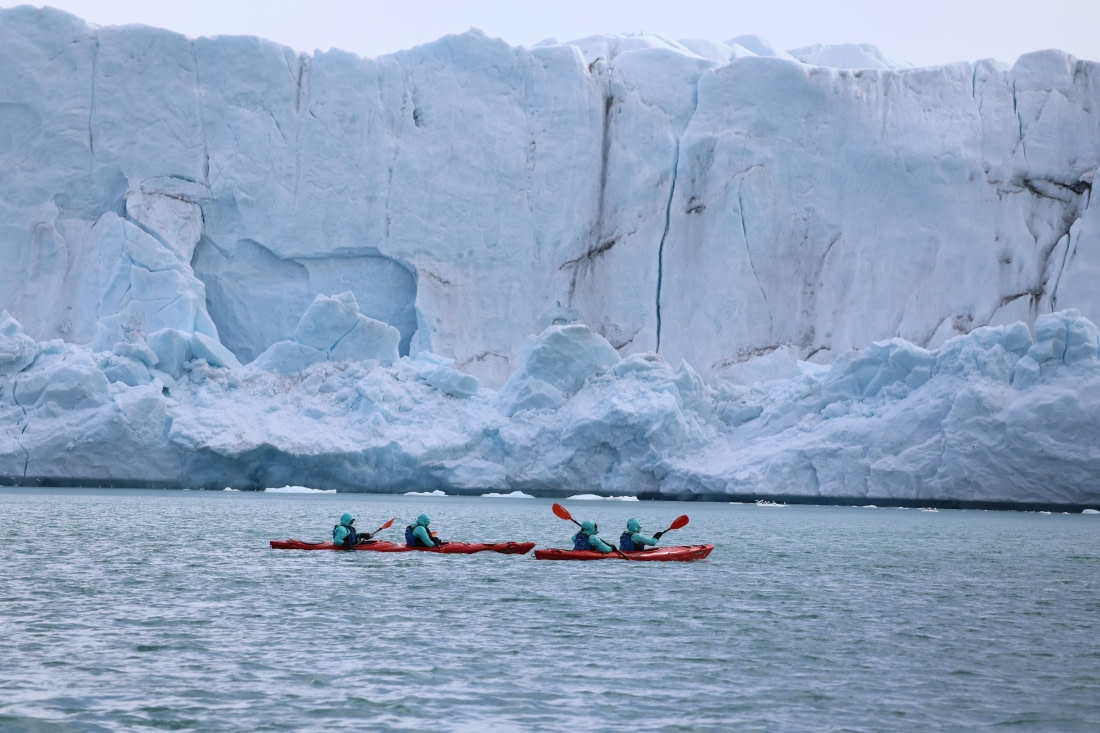
The first group of kayakers enjoyed an outing led by James in calm weather and beautiful sunshine. As we paddled along the rocky coastline, a fox was spotted and everyone eagerly gathered to enjoy the small creature roaming the shoreline in search of prey. After a very entertaining encounter we paddled across the fjord towards a stunning glacier where we were able to play around in brush ice. The gentle popping sound of the ice turned out to be the highlight for many. Kayaking gives a very different perspective and lets us feel really one with the surrounding nature.


KAYAK - GREEN GROUP

A windy afternoon did not discourage any of the kayakers and we went out with James to play around in the soft swells. We found shelter in shallow rocky terrain in front of an epic glacier and enjoyed a very eventful, though not easy, paddle. Birds hovered around and as we got in the groove we ended up paddling all the way back to Ortelius across what seemed as enormous open waters from the tiny kayaks.


Dive 2 – Hamiltonbukta

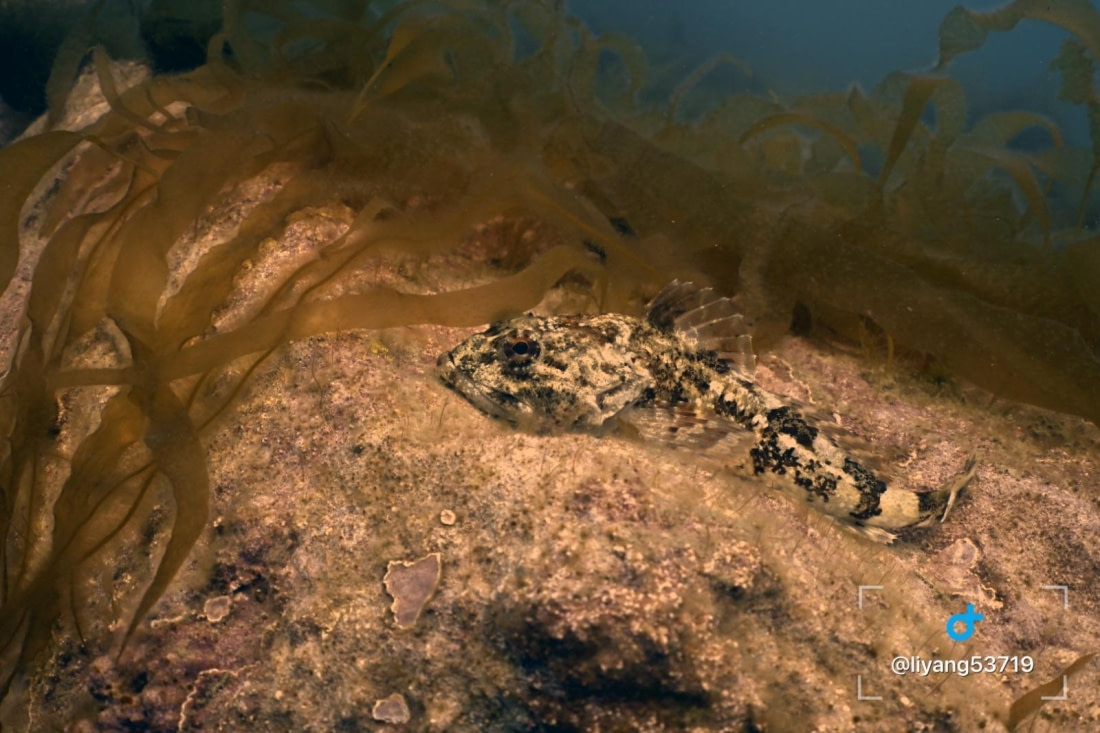
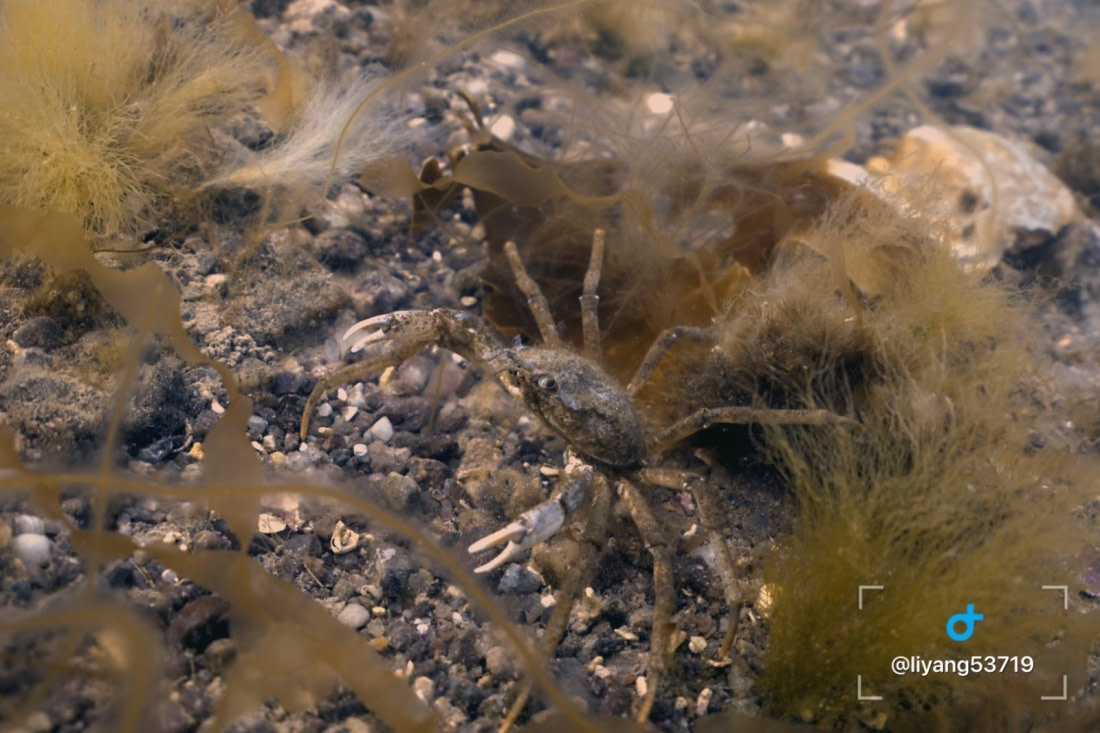
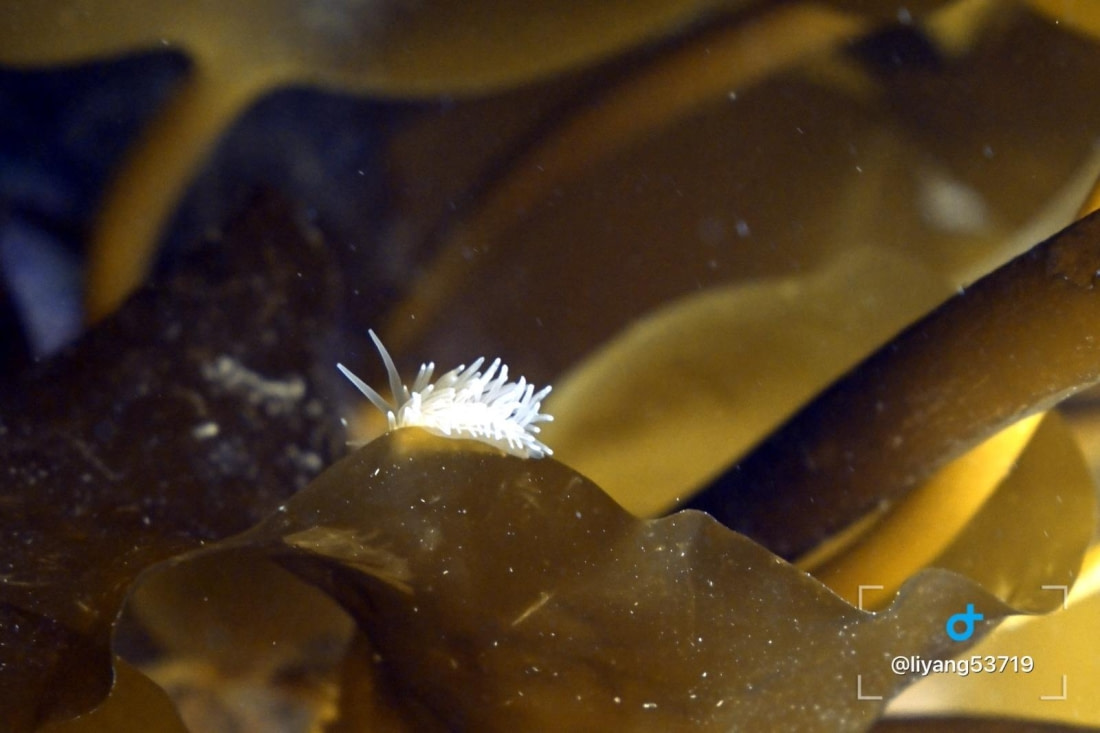
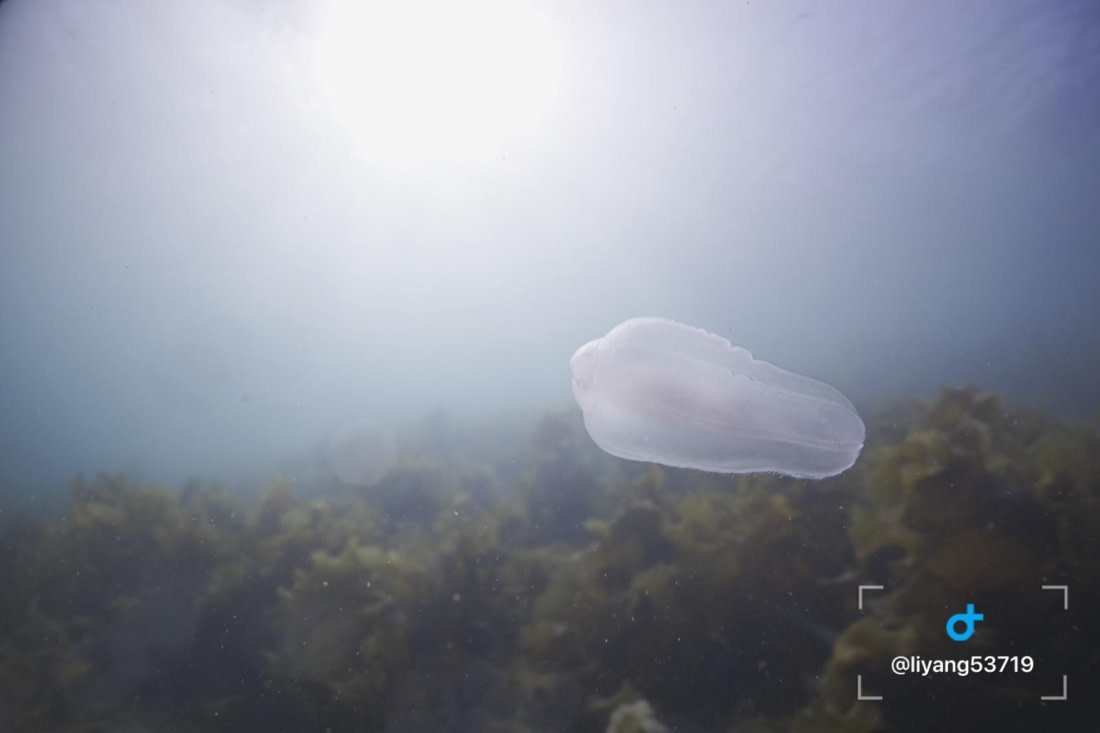
Our first true Arctic dive took place at Hamiltonbukta, positioned beneath the northern end of the towering seabird cliffs. Visibility was exceptional, allowing divers to fully appreciate the rich underwater landscape below. Extensive rows of kelp and algae covered the seabed, creating a habitat bustling with life. Among the kelp and rocky substrate, divers encountered crabs, colourful sea stars, delicate comb jellies, and an Arctic sculpin resting among the rocks. The clear water and abundance of marine life made this one of the most enjoyable dives of the voyage. Following the dive, guests enjoyed a zodiac cruise through the bay, where several Arctic foxes were spotted along the shoreline. Numerous icebergs, recently calved from the nearby glacier, drifted silently through the fjord, completing a memorable Arctic experience above and below the waterline.


Dive 3 – Buchananhalvøya

The afternoon dive took place at Buchananhalvøya. Conditions above the water had changed significantly, with increasing winds sweeping through the area. Beneath the surface, divers found a familiar Arctic ecosystem, with kelp, sea stars, crustaceans, and other invertebrate life present throughout the dive site. However, unlike the crystal-clear conditions experienced earlier in the day, visibility was greatly reduced by glacial meltwater flowing into this side of the fjord. Layers of suspended sediment created a dramatically different atmosphere, reminding divers how quickly Arctic underwater conditions can change. Despite the reduced visibility, the dive provided an excellent example of the influence glaciers have on the surrounding marine environment.

Day 5: Texas Bar & Monacobreen

Texas Bar & Monacobreen
Date: 23.06.2026
Position: 79°36.6’N / 012°43.4’E
Wind: SW-4
Weather: Clear
Air Temperature: +6

The morning sun over Svalbard brought with it the crisp, biting promise of true Arctic exploration. By 08:45, our expedition team had guided us ashore at the legendary Texas Bar, an area famed for housing one of the most remarkably preserved historic trapper huts in the entire archipelago. Stepping onto the rugged coastline, our hiking groups dispersed to explore the undulating lower hills. As we trekked across the tundra, the vastness of the landscape opened up before us, offering breathtaking vantage points where the distant, frozen expanse of Monacobreen could be glimpsed cutting through the mountains.

The morning’s grand finale, however, required a different kind of fortitude. Back at the shoreline, the call went out for the infamous Polar Plunge. With the expedition team providing towels and a healthy dose of encouragement, a brave group of souls stripped down and plunged directly into the icy Arctic waters. It was a brief, freezing, and utterly exhilarating rite of passage that left everyone roaring with laughter and buzzing with adrenaline.

By afternoon, the ship positioned itself deep within the fjord for our main event: a Zodiac cruise along the towering face of Monacobreen. Named after Prince Albert I of Monaco to honor his pioneering oceanographic expeditions at the turn of the 20th century, this glacier is a monstrous wall of ancient, electric-blue ice. Navigating through a dense field of brash ice, we witnessed the raw power of nature firsthand as the glacier calved, sending thunderous cracks echoing across the water and dropping massive blocks of ice into the sea. Above us, hundreds of seabirds swirled and swarmed near the glacier face, feeding in the nutrient-rich waters stirred up by the meltwater.

To crown an unforgettable day, the evening called for a transformation of the ship’s heli-deck on Deck 6. Bundled up against the cold, we gathered under the Arctic sky for a Special Arctic BBQ Dinner. With great food, lively music, and the stunning polar scenery as our backdrop, the deck quickly turned into a dance floor where crew and expeditioners celebrated together long into the midnight sun.


KAYAK - WHITE GROUP

Some would say we went out in winds and waves but we say we went out in fun conditions. As all the hikers disappeared on the horizon we entered a lovely sheltered bay around the corner from Texas bar and paddled among tens of Eider ducks. The competitive spirit of some of our fellow kayakers translated into quite a few races around the shoreline, and as we finished our session. Gabi and James got all of us out to visit the Texas Bar Hut, learn more about its history of it and some of us ditched the wetsuits for bathers… and took a dip with other brave and bold polar plungers.


KAYAK - DIVERS 1

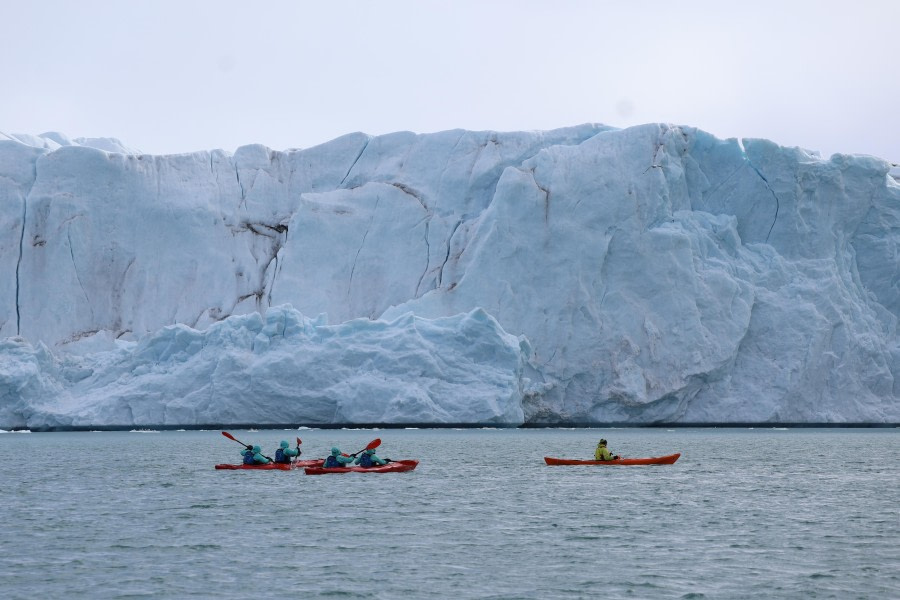
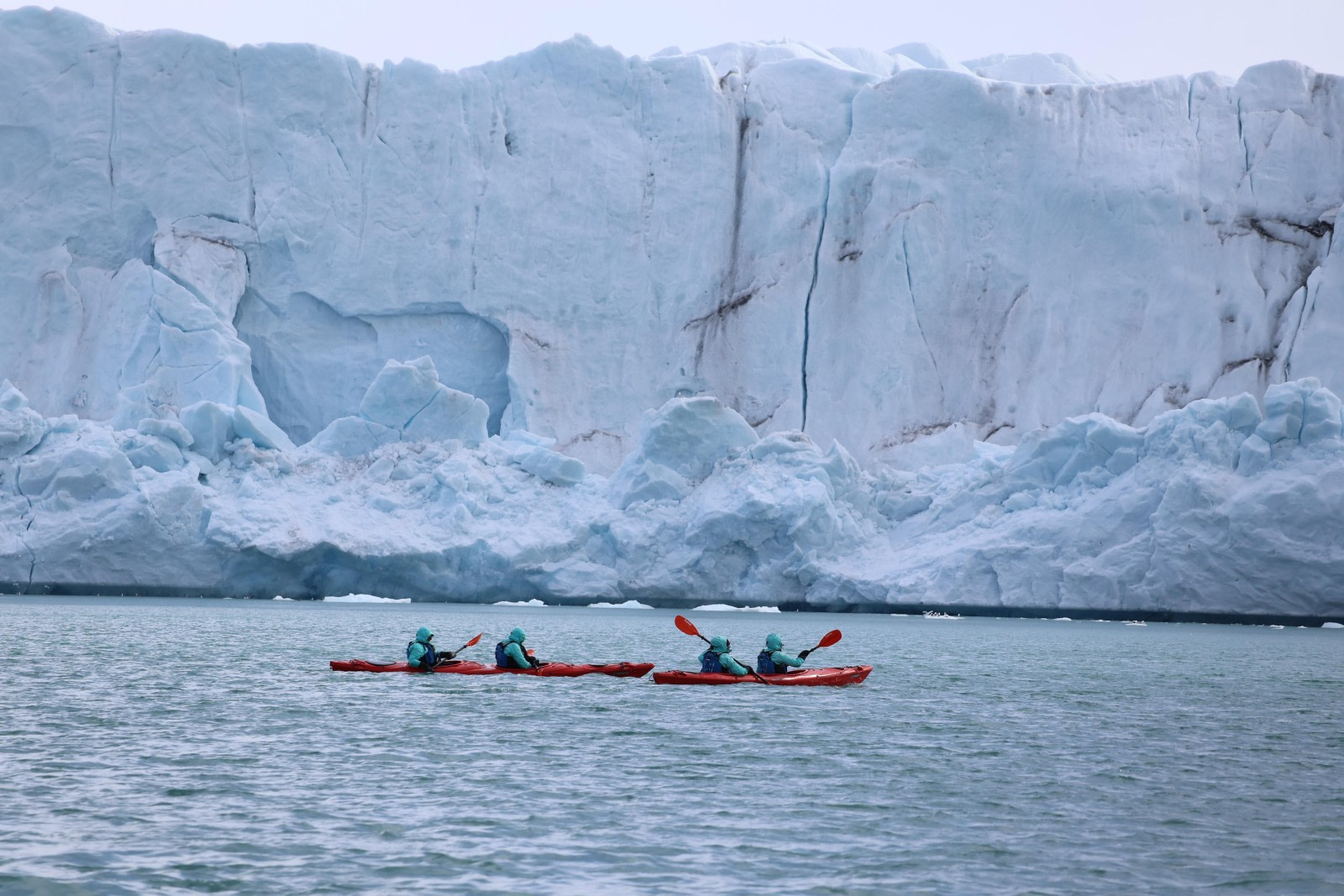
Divers became kayakers for one afternoon and took on a mesmerizing route following the glacier front of Monacobreen. From the perspective of the kayak, the magnitude of the glacier could be appreciated even more. Calvings, brush ice, bergy bits, growlers and hundreds, if not thousands of kittiwakes and terns kept us busy and in awe of what the Arctic is truly about.


Dive 4 – Texas Bar

This morning we dived at Texas Bar, entering the water just southwest of the historic hut and landing site. As divers prepared to descend, the long-hiking group could be seen high above on the surrounding slopes, providing a unique connection between the expedition activities taking place both above and below the water. Visibility was once again good, allowing divers to explore the rocky seabed and kelp-covered terrain. A gentle current flowing toward the southwest added a little movement to the dive and required divers to pay attention to their positioning throughout the exploration. The combination of good visibility, interesting topography, and the iconic setting made Texas Bar another memorable Arctic dive.

Day 6: Signehamna and Fjortende Julibukta

Signehamna and Fjortende Julibukta
Date: 24.06.2026
Position: 79°16.2’N / 011°34.1’E
Wind: S-1
Weather: Overcast
Air Temperature: +7

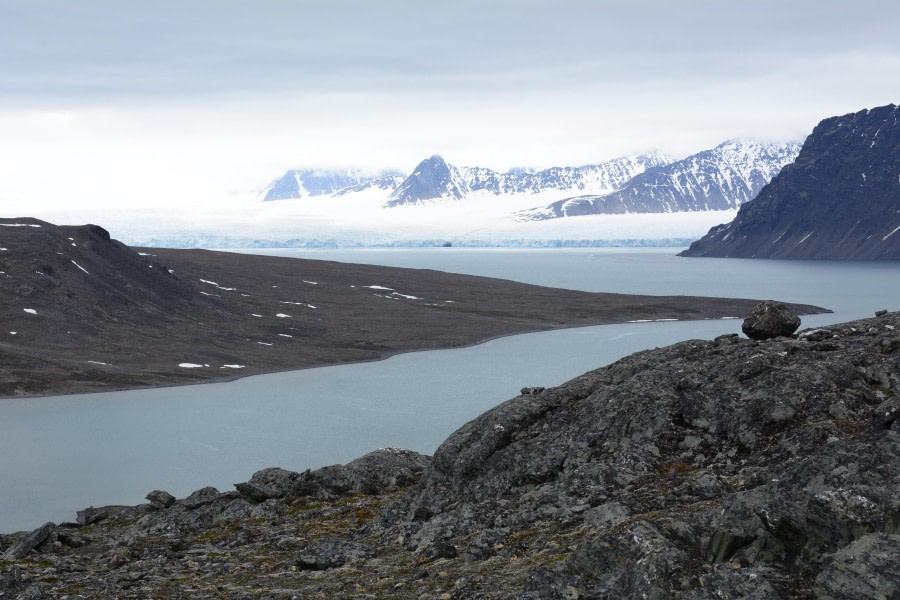
This morning we escaped a vicious storm in northwest Spitsbergen and sought shelter within the Krossfjorden system. Our first landing was at Signehamna, a small, sheltered bay on the western side of Lillehöökfjorden. The morning hikes took us across a stretch of tundra to a partially frozen lake, where delicate needle-shaped ice crystals lined the shore. The lake's remaining ice was crowded with Black-legged Kittiwakes, which suddenly took flight as an Arctic fox trotted across a nearby snowfield. The fox paid little attention to the birds, however, as it was carrying the head of a reindeer toward its den. On the far side of the lake lay the remains of a German weather station from the Second World War, destroyed by Norwegian forces after its discovery. Rusting fragments of the installation still remain scattered across the tundra, a reminder of the Arctic’s strategic importance during the war.

Across the fjord, the immense Lilliehöökbreen could be seen stretching deep into the interior of Spitsbergen. One of the largest glaciers in the region, Lilliehöökbreen forms a vast ice stream fed by numerous tributary glaciers descending from the surrounding mountains. Its broad, sweeping front and heavily crevassed surface testify to the powerful forces that continue to shape the Arctic landscape. Although the glacier has retreated significantly over the past century, exposing new stretches of coastline and seabed, it remains an impressive reminder of the scale of Svalbard’s ice cap. The glacier's brilliant blue crevasses, towering ice cliffs, and floating fragments of ice created a spectacular backdrop for our excursion.

In the afternoon, MV Ortelius repositioned towards the southern entrance of Krossfjorden, finding a little bay in the east where she dropped the anchor. Fjortende Julibukta, or Fourteenth of July Bay, is one of the most scenic locations in Krossfjorden.

Named after France's national day by early explorers, the bay is framed by steep mountains and the striking Fourteenth of July Glacier, which descends directly into the sea. The combination of glacier ice, rugged landscapes, and thriving bird colonies makes the bay a classic example of the beauty and ecological richness of western Spitsbergen.

Wildlife was equally abundant. A bearded seal lounged lazily on a drifting ice floe, seemingly posing for photographs, while a curious harbour seal surfaced repeatedly beside several Zodiacs to inspect its visitors. Nearby, a small bird cliff hosted nesting Brünnich’s guillemots and Atlantic puffins. Puffins are often called the clowns of the seabird world, thanks to their colourful beaks and somewhat comical, fast-beating flight.

Following an extended recap by Claudio on Arctic foxes and a preview of tomorrow's walrus encounters, we gathered once more for dinner, bringing another memorable day in the High Arctic to a close.


KAYAK - RED GROUP

For almost two hours, our little group paddled along the shoreline of Signehamna and even though the landscape was breathtaking, it was the tens of Eider ducklings and multiple Barnacle goslings that stole the show. Getting up close and personal with these lovely chicks as they learn to brave the cold Arctic waters was truly special. Without the murmurs of the engine at moments it did really feel like we are at the world’s end.


KAYAK - YELLOW GROUP

What a paddle! We made the most of the kayaking experience by getting onto them at a distance from wildlife and slowly making our way in a little cluster towards a very charismatic bearded seal hauled out on ice. With no artificial sound in earshot, we could get really close and appreciate the vibrissae, the smart face and really take in the calm and composed nature of the animal. Afterwards, we got into brush ice and felt like polar explorers, powering through all the way to the entrance of the fjord, where Gabi picked us up and took us on a little cruise along the puffin cliffs.


Dive 5

Our fifth dive brought us to Signehamna, where the Arctic reminded us that conditions can change dramatically from one site to the next. Shortly after entering the water, it became clear that visibility was extremely limited, with suspended sediment reducing the underwater world to only a few metres. Rather than push on in challenging conditions, most divers chose to end their dive early.

A handful remained underwater for a little longer, using the opportunity as a valuable low-visibility training dive to practise buoyancy, communication, and navigation. Although the marine life remained hidden behind the murk, the dive highlighted an important aspect of expedition diving: adapting to whatever nature presents. Not every dive is about spectacular scenery, and even challenging conditions provide valuable experience.


Dive 6

The following dive took us to Julibukta, where hopes were high for another Arctic adventure beneath the surface. Unfortunately, visibility again proved disappointing and, after around twenty minutes underwater, the decision was made to abort the dive and return to the surface.

What followed, however, became one of the unexpected highlights of the expedition. Before returning to Ortelius, divers spent time floating amongst the drifting sea ice, carefully making their way from one bergy bit to another. Cameras appeared, laughter echoed across the bay, and everyone took the opportunity to capture photographs surrounded by beautifully sculpted ice. It was a reminder that some of the most memorable moments on an expedition happen above the surface, simply enjoying the extraordinary Arctic environment.

Day 7: Poolepynten and Alkhornet

Poolepynten and Alkhornet
Date: 25.06.2026
Position: 78°17.3’N / 012°27.0’E
Wind: S-4
Weather: Fog
Air Temperature: +6

Early call to start our last day of the expedition, which promised to be a long day full of interesting sightings. At first MV Ortelius made her way to Forlandsundet, the strait that separates Spitsbergen from Prins Karls Forland. Prins Karls Forland is a long, narrow island located off the west coast of Spitsbergen, known for its dramatic mountain landscapes, glaciers, and rich wildlife. The island is part of a protected nature reserve that provides important habitats for seabirds, Arctic foxes, and marine mammals.

One of its most famous sites is Poolepynten, a low-lying headland renowned for its large walrus haul-out, our setup goal for the morning. Called right after breakfast, we split into three small groups, which allowed us to approach the walruses at a close and safe distance. The Walrus is a large Arctic marine mammal easily recognized by its long tusks, whiskered snout, and thick layer of blubber that helps it stay warm in icy waters.

Walruses spend much of their time in shallow coastal areas, where they use their sensitive whiskers to locate clams, mussels, and other prey on the seafloor. They are highly social animals and often gather in large groups, known as haul-outs, on beaches, sea ice, or rocky shores. Their tusks are used for defense, establishing social dominance, and helping them climb onto ice. As an important part of Arctic ecosystems, walruses are closely linked to sea ice habitats and are affected by changes in the polar environment.

However, the original plan had to be changed due to a furry surprise that was walking on land. A younger and curious individual Polar bear, probably a male, was scavenging on the shoreline a few hundred meters away from the Sysselman hut located at the cape. Immediately, our staff members, reacting to the surprise, maintained the position of the zodiacs in the water to observe the bear from a respectful distance. The bear seemed to be uninterested and slowly walked to the opposite direction of the walruses' haul-out site. A quick and surprising encounter with the king of the Arctic, nonetheless magnificent and unique in its way, considering it in the context of the morning operation.

Once the site was secured, we eventually quickly made a split landing to observe a few walruses that were resting on the shore, and later on made our way back to the ship, which got on her way to the next destination.

Then, during lunchtime, Captain Ernesto and the bridge team repositioned the ship towards the entrance of Isfjorden, where we landed at Alkhornet. A striking mountain located on the western coast of Spitsbergen. Rising steeply from the tundra to a height of about 500 meters, it is known for its dramatic cliffs that provide nesting sites for thousands of seabirds during the summer. The area around Alkhornet is also rich in Arctic wildlife, including reindeer and Arctic foxes, making it one of the most popular natural attractions in Svalbard. Its impressive shape and scenic surroundings make it a favorite destination for the majority of the staff on board and soon for us as well.

Guided in small groups, we roamed around the area, in the lush lower tundra dominated by ice-wedges, carpeted by flowers and dotted by Svalbard Reindeers, whilst some of us ventured higher up on the slopes near the cliff face, accompanied by sweeping vistas of Isfjorden and the occasional visit of the Arctic Fox pups. Skirting among the calcareous boulders and winding our way through the slopes, we eventually had to wrap up the landing an hour earlier than planned due to a deterioration in the visibility. Slowly but steadily, the mist came in from the mouth of Isfjorden and for a good half an hour completely hid the ship from our eyes.

Back on board, we started packing our gear, and around 7 pm we gathered at the lounge for the Captain’s cocktail. Cheering and thankful words were spent by Captain Ernesto and Expedition Leader Ali for the success of the trip, which was ending with a perfect Arctic wildlife encounter.


KAYAK - DIVERS 2

What a last session! A small group of divers ventured out on kayaks to discover all the Alkhornet coast has to offer. Guillemots, kittiwakes, Eider ducks, geese, puffins – all around! But today it was the landscape that captivated our hearts. The rugged terrain, the colorful cliffs from the low perspective of the kayaks, the stream coming down the mountain cascading into the sea… what a view! With moody weather and eerie fog coming in and out we experienced a very atmospheric Arctic. Its allure is undeniable.


Dive 7 – Alkhornet (Sagaskjeret)

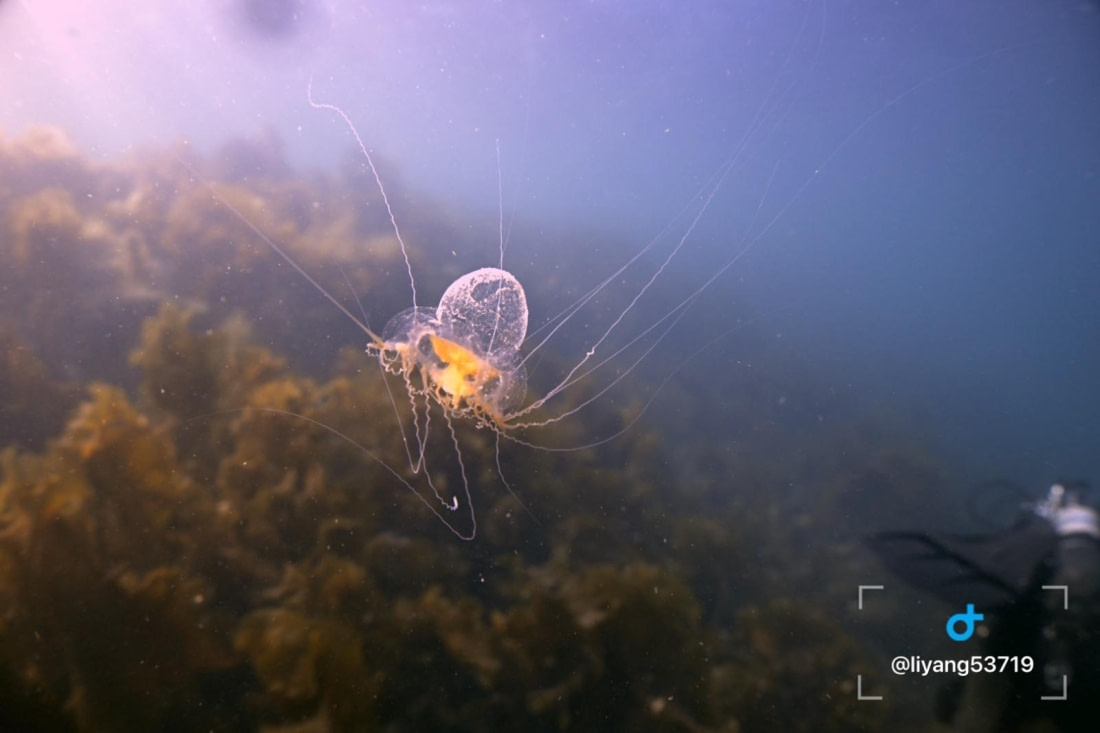
Our final dive of the expedition had Ortelius set up base beneath the towering bird cliffs of Alkhornet, one of western Svalbard's most spectacular landmarks. Entering the water near Sagaskjeret, divers descended through countless jellyfish and delicate comb jellies before reaching a flourishing kelp forest below.

Following the rocky wall, the seabed revealed a colourful Arctic community of anemones, sea urchins, crabs, and numerous other invertebrates thriving on every available surface.

It was a fitting finale to an unforgettable week of Arctic diving. From crystal-clear kelp forests and glacier-fed fjords to drifting icebergs, and abundant marine life, each dive had revealed a different side of Svalbard's underwater world. As we packed away our equipment for the final time, we left with a deeper appreciation of this remarkable High Arctic wilderness and memories that will stay with us long after the expedition had ended.

Day 8: Longyearbyen, Disembarkation Day

Longyearbyen, Disembarkation Day
Date: 26.06.2026
Position: 78°14.7’ N / 015°33.5’ E
Wind: SW-2
Weather: Overcast
Air Temperature: +7

A calm morning with the remaining spring snow sprinkled on the plateau-shaped mountains surrounding Adventfjorden and the small settlement of Longyearbyen, where our journey had begun only less than a week ago. MV Ortelius manoeuvred by Captain Ernesto aided by the rest of the bridge team, expertly docked the ship at the Coal pier. A few of us were enjoying a morning cup of coffee in the bar on Deck 6.

Ali, our expedition leader, woke us at 7:15 a.m. We placed our packed suitcases outside our cabin doors and headed for breakfast, while members of the expedition team collected our luggage and arranged it in neat rows on the pier.

Soon the bus appeared in the distance once again. Slowly pulling up to the gangway, it opened its doors, and we took our seats, saying goodbye to the expedition team. Our unforgettable adventure had come to an end.

Till next time, Ortelius! Until next time, Spitsbergen! This is not goodbye.

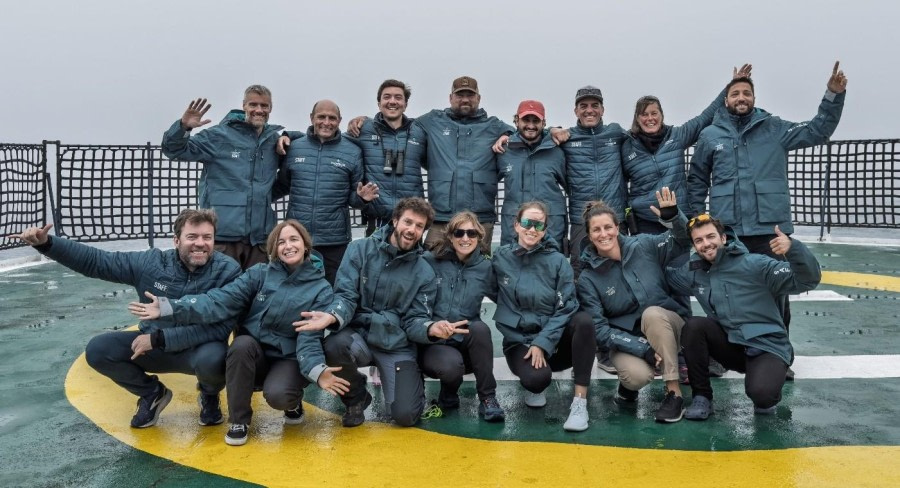
On behalf of Oceanwide Expeditions, Captain Ernesto Barria, Expedition Leader Ali Liddle, Hotel Manager Volodymir Cherdnychenko and all the crew and staff of M/V Ortelius, it has been a pleasure and a privilege travelling with you.


Total distance sailed on our voyage: 785.5 nautical miles

Most northern point sailed: 80°40.3’ N, 012°23.3’ E


Your Oceanwide Expeditions Team

Details

Tripcode: OTL05-26
Dates: 19 Jun - 26 Jun, 2026
Duration: 7 nights
Ship: m/v Ortelius
Embark: Longyearbyen
Disembark: Longyearbyen

Have you been on this voyage?

Aboard m/v Ortelius

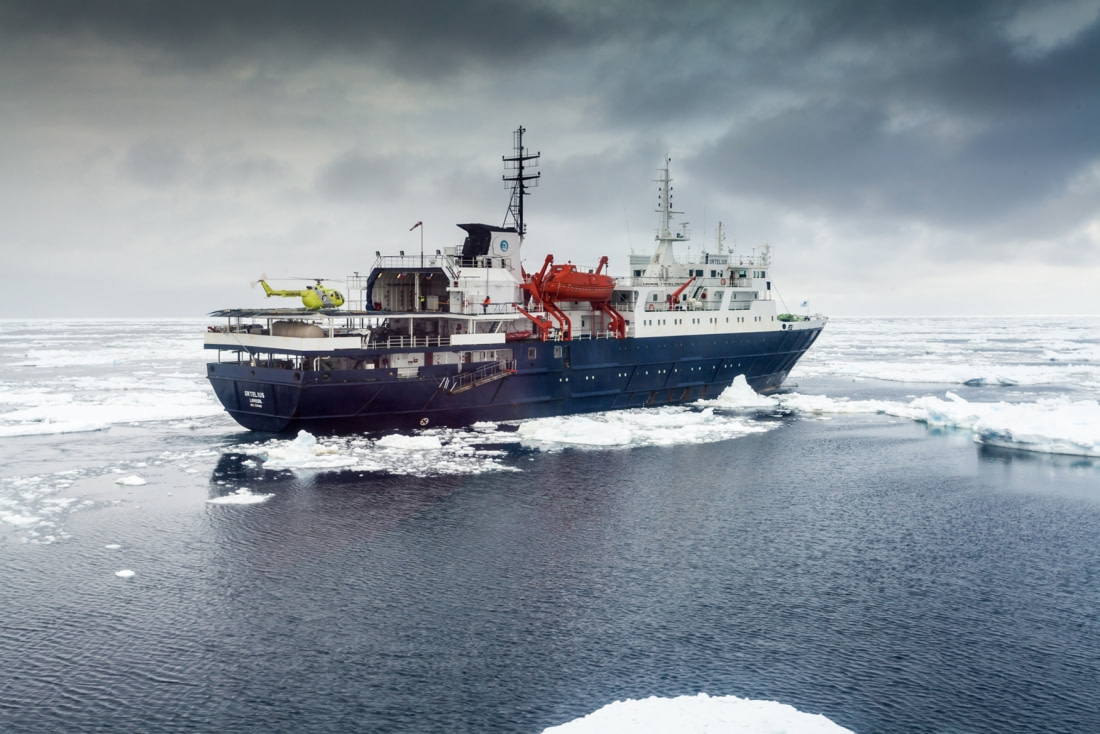
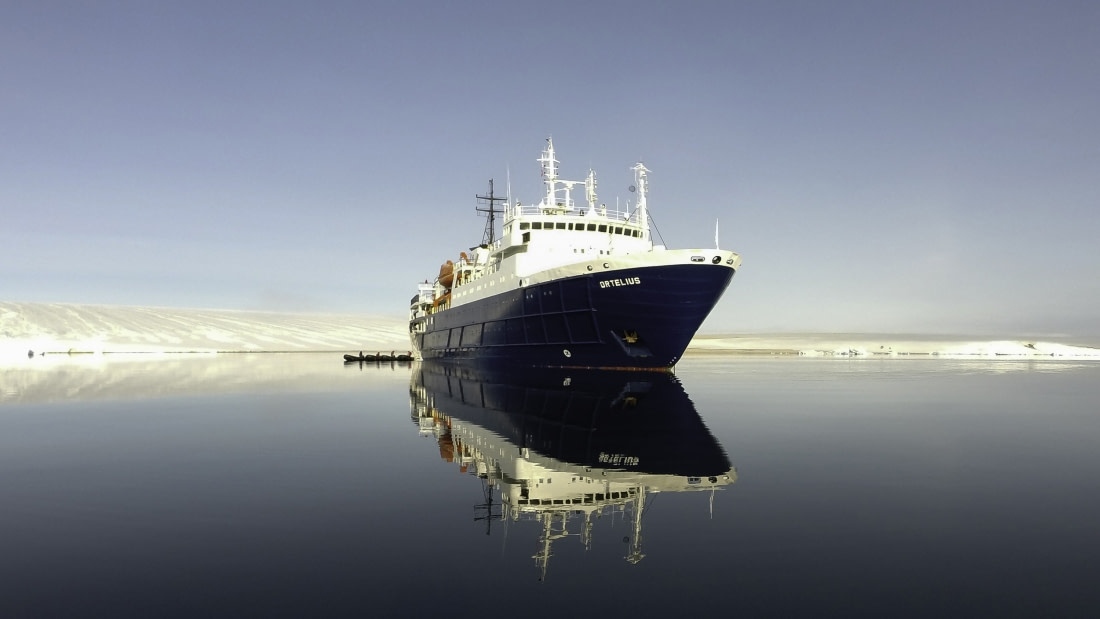
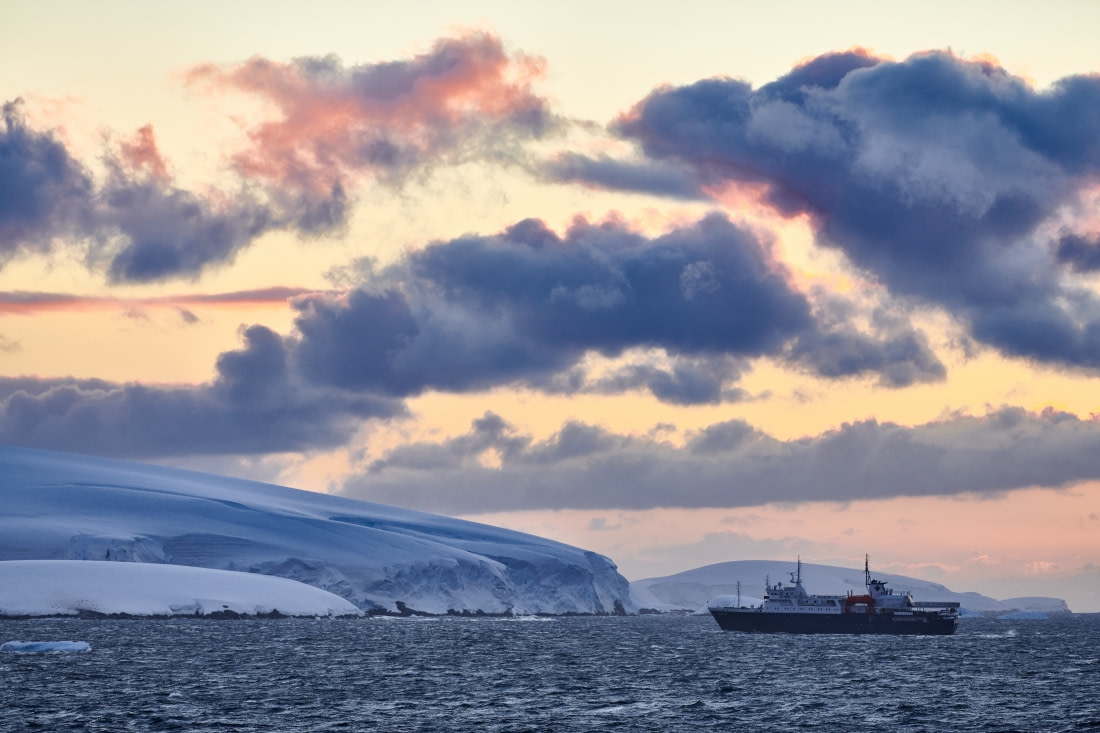
The ice-strengthened Ortelius is thoroughly outfitted for polar exploration and, when necessary, helicopter flights.

More about the m/v Ortelius »
Loading