• Home
  • Triplogs
  • OTL05-25, trip log, North Spitsbergen Basecamp - Free kayaking, Hiking, Photo Workshop, Cleaning the Shores

OTL05-25, trip log, North Spitsbergen Basecamp - Free kayaking, Hiking, Photo Workshop, Cleaning the Shores

by Oceanwide Expeditions

Photo gallery

Logbook

Day 1: Longyearbyen, Embarkation Day.

Longyearbyen, Embarkation Day.
Date: 26.06.2025
Position: 78° 14.5’ N / 014° 57.7’ E
Wind: S-3
Weather: Overcast
Air Temperature: +5

Here comes the day of the beginning of our Arctic adventure aboard Ortelius. Throughout the entire day the sun had shone in Longyearbyen, a perfect setting for our departure. At 4pm we all gathered at Bykaia on pier A to wear our lifejackets and get onto the Zodiac for our first shuttle to the ship.

One by one, we ascended the gangway, greeted by brilliant sunshine and the crisp, revitalizing Arctic air. A wave of excitement buoyed us through those first moments aboard as we wandered the ship, occasionally turning a corner only to find ourselves delightfully lost in its maze-like corridors. Before long, we were warmly welcomed by Adam, our Expedition Leader, and William, the Hotel Manager. As guests began to settle into their cabins, Captain Remmert was introduced and raised his glass in a signature toast to each of us, setting a wonderfully warm and welcoming tone for the voyage ahead.

Once everyone was on board, we assembled for the mandatory safety drill. Donning our lifejackets, we gathered at the muster station before making our way up to the top deck. As MV Ortelius slowly pulled away from the harbour, northern fulmars joined us, effortlessly gliding alongside the ship. The moment of departure had truly arrived, and a shared sense of excitement buzzed in the crisp Arctic air. The sense of departure was real now, and excitement filled the air.

Our first dinner together really set the vibe for the trip; plentiful, tasty, and full of laughter. The dining room was buzzing with chatter as we piled our plates from the buffet. The giant steaks were a hit, quickly becoming the centre of light-hearted jokes about how much weight we might end up gaining by the end of the voyage.

After dinner, we headed to the lecture room for the much-talked-about boot party. We got fitted with our rubber boots, accompanied by music and the smiles of our staff.

Just as we were starting to settle into the rhythm of ship life, excitement struck again. A fin whale—and not long after, a blue whale—was spotted off the bow. We all rushed outside, hearts pounding, and watched in awe as these massive creatures surfaced gracefully in the distance. It was an unforgettable, magical welcome to the adventures ahead.
Day 2: Ny London and Ny Ålesund

Ny London and Ny Ålesund
Date: 27.07.2025
Position: 78° 57.3’ N / 012° 02.2’ E
Wind: NW-3
Weather: Part
Air Temperature: +6

Today was our first expedition day. A day of mandatory briefings and many first sightings of animals. We started the day early with our breakfast at 07:00. This way we could start our briefings nice and early to create time for excursion of the ship. We first had to learn about Zodiac and polar bear safety. We learned that falling in the water is not a good option and that we want to prevent that from happening in many ways. Also, that the flora and fauna on Svalbard is vulnerable and that we must listen to certain rules to keep it as pristine as possible. After everything was explained and hopefully clear for everybody, we were ready to test all that new knowledge in the field.

At 10:30 the expedition team was ready to take guests out on their first zodiac cruise. The ship was anchored near to Ny Londen. A site that is known for a marble mine called Camp Mansfield. At least, an intend to marble mining. The charismatic gentlemen, Ernest Mansfield, had convinced people to invest in this project. Together with the Northern Exploration Company, he started mining marble in 1910. Sadly, it was of a very poor quality and the mine was closed in 1913. Luckily, a bit further from the ruined buildings there is an amazing coastline and scenery around the old mine.

We followed the coastline exploring small marble caves and spotting many different kinds of birds. Some of these were the long-tailed duck, the common eider duck and the glaucous gull. Getting towards the end of our Zodiac cruise we saw a female Reindeer with a young calf near to the coastline and we got a spectacular view of the Conway Glacier. The way back to the ship was fast and smooth as the Zodiacs were gliding over the milky waters inside of the Kongsfjord.

Nobody thought they were ready for lunch after having eaten so much for breakfast but, lunch was certainly welcome again. It was only a short break for lunch as we had an early standby time for our afternoon landing.

During the afternoon we visited the town of Ny Alesund. This is one of the most northern towns in the world and is filled with scientists. As some of the scientists are doing research on distant stars and constellations, we were asked to turn off our Wifi and Bluetooth to not interfere with their research. We entered the town by a jetty where we could land by Zodiac.

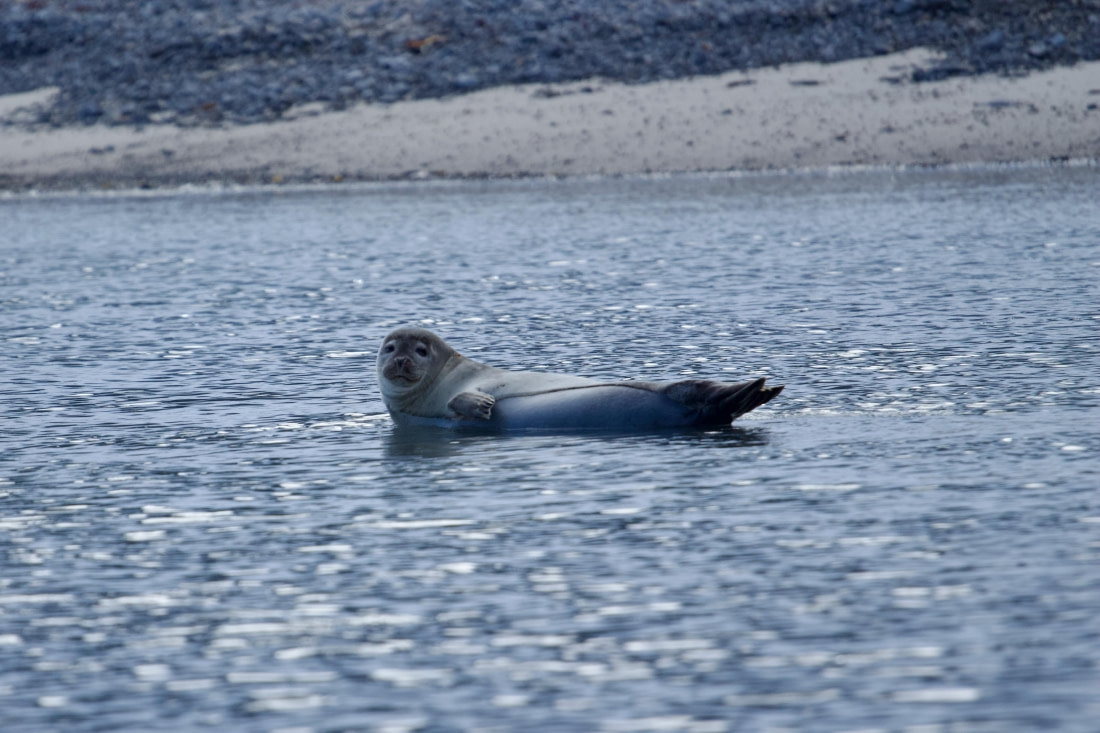
Everybody was allowed to explore the town by themselves. There were multiple attractions to visit like the museum, the post office and a souvenir shop. Nature-wise, you could get near to a lake that was surrounded by many types of birds. Mainly barnacle geese with goslings but a pair of red throated divers also swam around. In the back of town there was a dog kennel from where you could look into a bay that had many harbour seals swimming around. In the middle of the town there was a large statue of Roald Amundsen bust. The famous explorer that tried to get to the North pole from Ny Alesund during the 1920´s. Amundsen together with Nobile were the main heroes in the story told by Gaby and Marcelo later at the mast, a large post to which the airship ¨Norge¨ was connected during both expedition in 1926 and 1928. An interesting story that only gets better when told by enthusiastic and passionate guides.

After this landing we started heading out of Kongsfjorden and got ready for Recap. Here we heard the plans for the next day from Adam. Most importantly, the weather looked good again. Kelly explained to the people in the first and second kayaking groups what was going to happen during the activity. We got to learn a lot from Martin about the Barnacle geese and Marcelo told us a little about the history of Svalbard.

After dinner we got to experience a smooth sea and to enjoy warm sunrays. Those who wanted to know more about photography were invited to join Matt in the lounge to get some tips and tricks. A full first day of activities. We could not wait for the adventures of the next day to start.

Day 3: Ytre Norskøya and Smeerenburg

Ytre Norskøya and Smeerenburg
Date: 28.06.2025
Position: 79° 51.4’ N / 011° 41.6’ E
Wind: NE-3
Weather: Clear
Air Temperature: +6

Another amazing day was waiting for us! Ortelius stopped her engine close to a colourful Ytre Norskøya Island (Outer Norwegian) where a hill was waiting for us to climb it all the way to the top. Green moss, purple and tufted saxifrage were alongside our path. A couple of Arctic foxes gave us the welcome and suddenly disappeared for a while. Adam and the Expedition team secured the perimeter with a quick and efficient scouting.

Ytre Norskøya, located off the northwest coast of Spitsbergen in Svalbard, holds significant historical importance as a key site during the height of Arctic whaling in the 17th century. It served as a Dutch whaling station from around 1614, with the island's high ridge used as a lookout point to spot whales offshore. Remnants of blubber ovens, whalebone, and over 100 graves from that era still remain, offering a poignant glimpse into the harsh and often short lives of early whalers.

Everyone set foot on the island and headed up alongside the ridge to conquer a magnificent vantage point where the views could extent all the way from the western to the eastern coast of Spitsbergen and towards the Arctic ocean to the North. Lots of pictures were made taking advantage of the wonderful weather conditions: calm sea and blue cloudless skies.

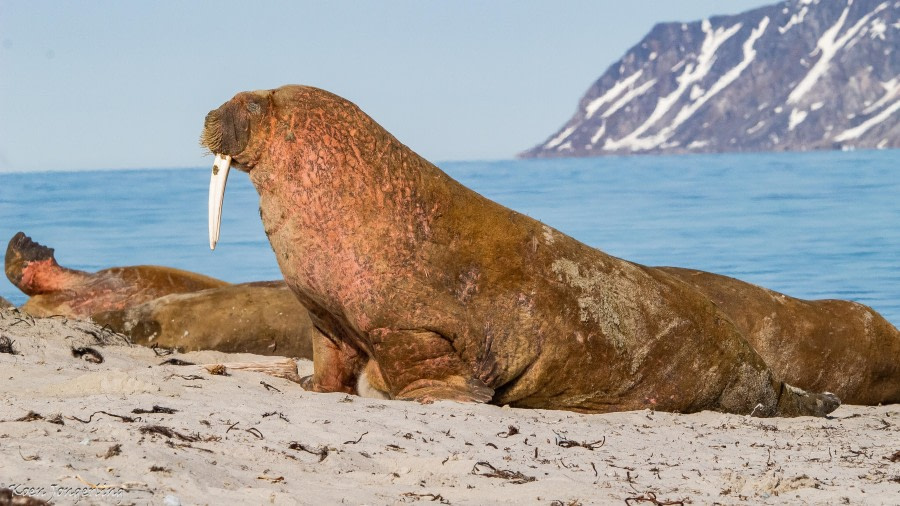
After a short rest and lunch onboard the ship, we were ready for the next experience—visiting the walrus haul-out on a beach in Smeerenburg. They didn’t smell so great, but even so, all of us quietly enjoyed observing these muscular beauties and their impressive tusks from a respectful distance, standing in near-religious silence.

Walruses are truly fascinating creatures. These large marine mammals can weigh over a ton and a half, and their long, curved tusks, used for defense, dominance, and helping them haul out onto ice make them instantly recognizable. Social by nature, walruses often gather in large, noisy groups, but we were lucky enough to witness a more peaceful scene as they rested on the shore. It was a special opportunity to observe them in their natural habitat, a reminder of just how wild and raw the Arctic still is.

Having had enough time for a zodiac cruising, we sailed to the southwest reaching Virgohamna located on the northern shore of Danskøya. We saw the remains of a very old whaler station and also the place from where Salomon Andrée took off with Nils Strindberg and Knut Frænkel onboard the ”Örnen” (“Eagle”), a ballon full of hydrogen in a dramatic failed attempt to fly to the North Pole.

When we were thinking about going back to the ship, an unexpected guest showed up not too far and took us by surprise. Our first polar bear of the trip, presented itself walking ominously alongside the island of Albertøya, climbing a rocky ridge it stood proudly against a dramatic glacial landscape and eventually ended up in the water swimming towards Smeerenburg. Our fellow companions were quickly evacuated from the landing site by the Expedition team and joined the rest of us in the water to observe the king of the Arctic from a safe and respectful distance.

What a conclusion for a perfect day in Svalbard; history, landscape, wildlife, great weather and good memories during our second day of expedition.

Day 4: Drifting Pack Ice in Northern Svalbard

Drifting Pack Ice in Northern Svalbard
Date: 29.06.2025
Position: 81° 36.1’ N / 021° 11.3’ E
Wind: ESE-4
Weather: Clear
Air Temperature: -1

We woke this morning to another gentle wakeup call from Adam, many of us are very taken with his quiet, soothing accent. A quick look outside revealed another stunning day, bright sunshine and a gentle breeze, perfect for our day amongst the sea ice.

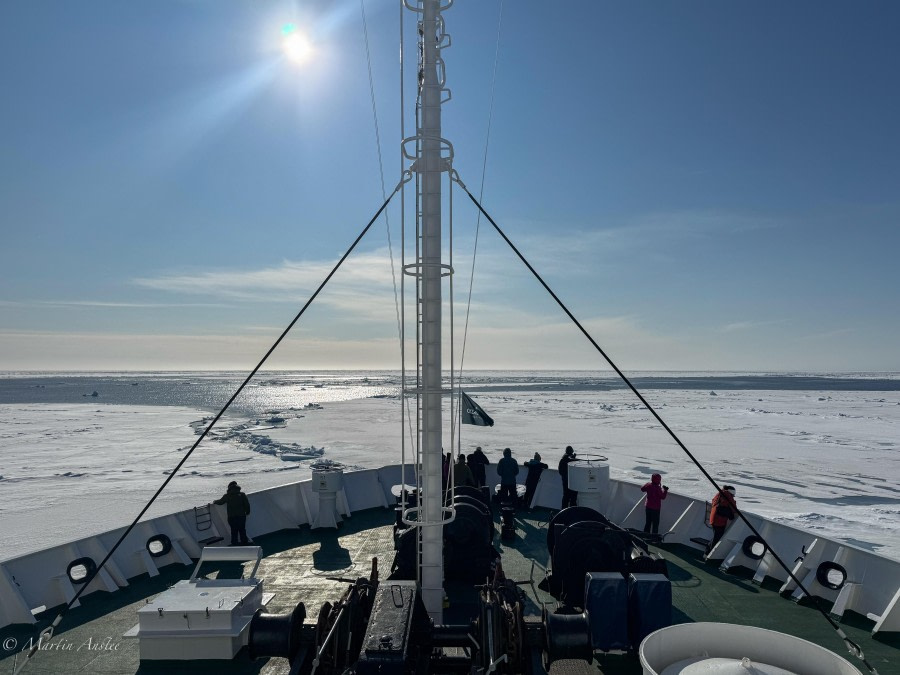
As breakfast was served we got ever closer to the ice edge and as breakfast came to an end we arrived in amongst the ice, perfect timing! Captain Remmert and his very capable bridge team steered us through the ice, the colours and the patterns of the ice floes were extraordinary. The sky was blue with just a hint of a few wispy clouds. The expedition team were either on the bridge or out on deck looking for wildlife, a number of seals were seen, Ringed and Bearded seals were the species noted, the birds were also seen in good numbers: Kittiwakes, Northern fulmar and Brünnichs guillemots were probably the most abundant but a couple of stunning Ivory gulls that were seen over the course of the day received special attention.

At 11am Marco gave a fascinating lecture about sea ice formation including its dynamics in the Arctic basin and the future scenario that might approach at the end of the century. That was followed by another great lunch, today was burger day, the burgers were so good that some people had three!

After lunch and the inevitable nap, for some, it was time to get out on deck again to look for more wildlife. The weather hadn’t changed, it was still sunny but you did have to wear a few layers to stay warm. Matt led a photo workshop for those interested and Kelly gave out kayak equipment for the next morning.

At 3.30 Martin gave an informative presentation about the birds of Svalbard and The Arctic. There are so many interesting birds breeding up here in The Arctic.

That was swiftly followed by hot chocolate on deck 7 behind the bridge and for those that wanted, a little tot of rum to warm them up.

The views of the sea ice in every direction to the horizon from the top deck was very special.

The time for recap soon came around where we were told of the plans for the next day. Another delicious dinner was served and we had a chance to chat with our new friends as we steered away from the ice and started heading back south towards Svalbard.

Day 5: Texas Bar and Monacobreen

Texas Bar and Monacobreen
Date: 30.06.2025
Position: 79° 34.5’ N / 012° 43.5’ E
Wind: E-2
Weather: Clear
Air Temperature: +8

During the night, the MV Ortelius made remarkable progress, and by early morning, she was gliding across Woodfjorden—one of the most breathtaking fjords along the northern coast of Spitsbergen. Calm seas and clear skies greeted us as we navigated into Liefdefjorden, named after the Dutch ship De Liefde ("Love").

Right after breakfast, the staff went ashore to scout the area and ensure it was safe for all of us to land at Texas Bar. We then split into three groups. The first group, led by Koen and Marco, set off at a brisk pace and reached two fantastic vantage points offering sweeping views of the entire fjord, stretching southward to the impressive ice front of Monacobreen.

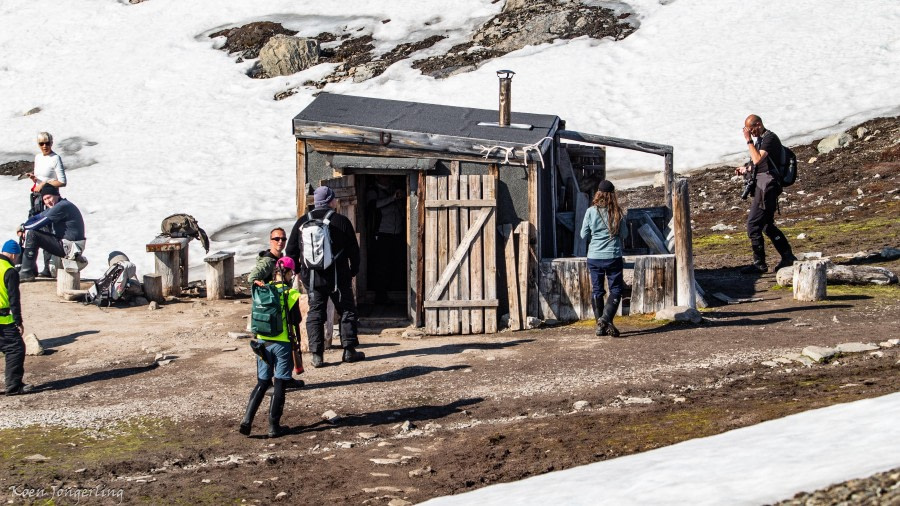
The second group, guided by Matt and Aitana, enjoyed a leisurely hike along the shoreline, discovering scenic lakes fringed with summer blooms like purple saxifrage and mountain avens. Meanwhile, the third group stayed near the landing site, exploring the area around the historic hut built by Hilmar Nøis in 1926.

It was the perfect day for a hike—rich in historical facts, glacial landscapes, and incredible views of this spectacular fjord. At the end of the morning, the activity concluded with enthusiastic participation in the Polar Plunge.

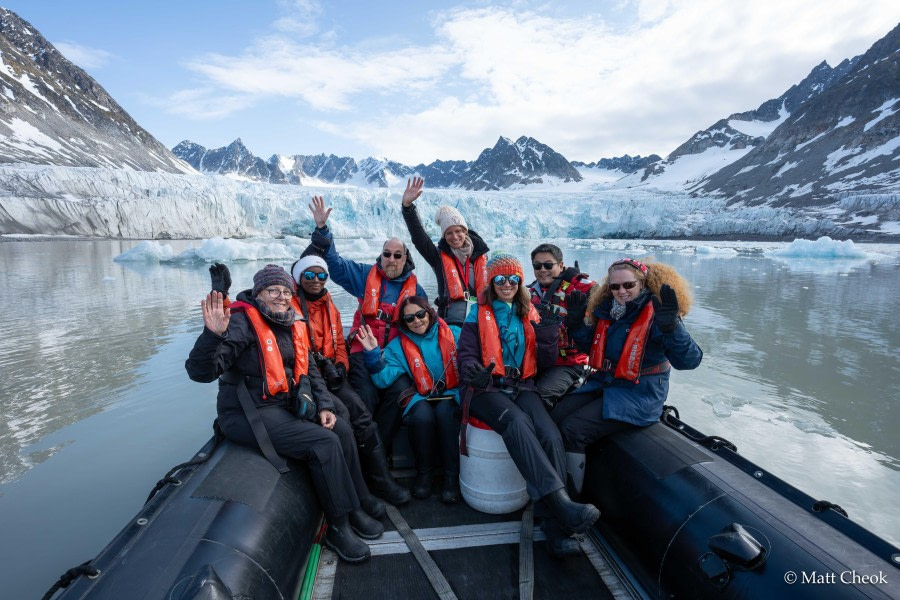
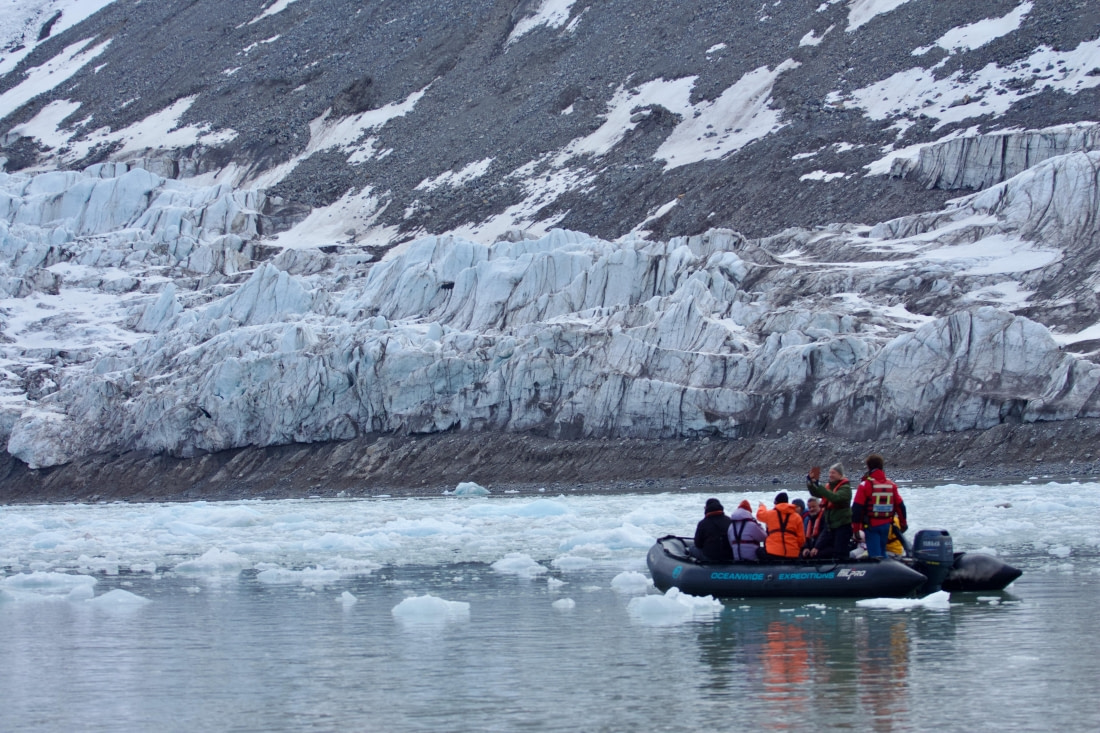
After a quick lunch, we embarked on an incredible three-hour Zodiac cruise between the fronts of Seligerbreen and Monacobreen. These two impressive tidewater glaciers discharge vast volumes of ice into the fjord, and the glacial plumes, formed by subglacial meltwater flowing between the glaciers and the bedrock were clearly visible. These plumes stirred up the water, creating ideal feeding conditions for the hundreds of kittiwakes and Arctic terns that were enjoying a plentiful feast.

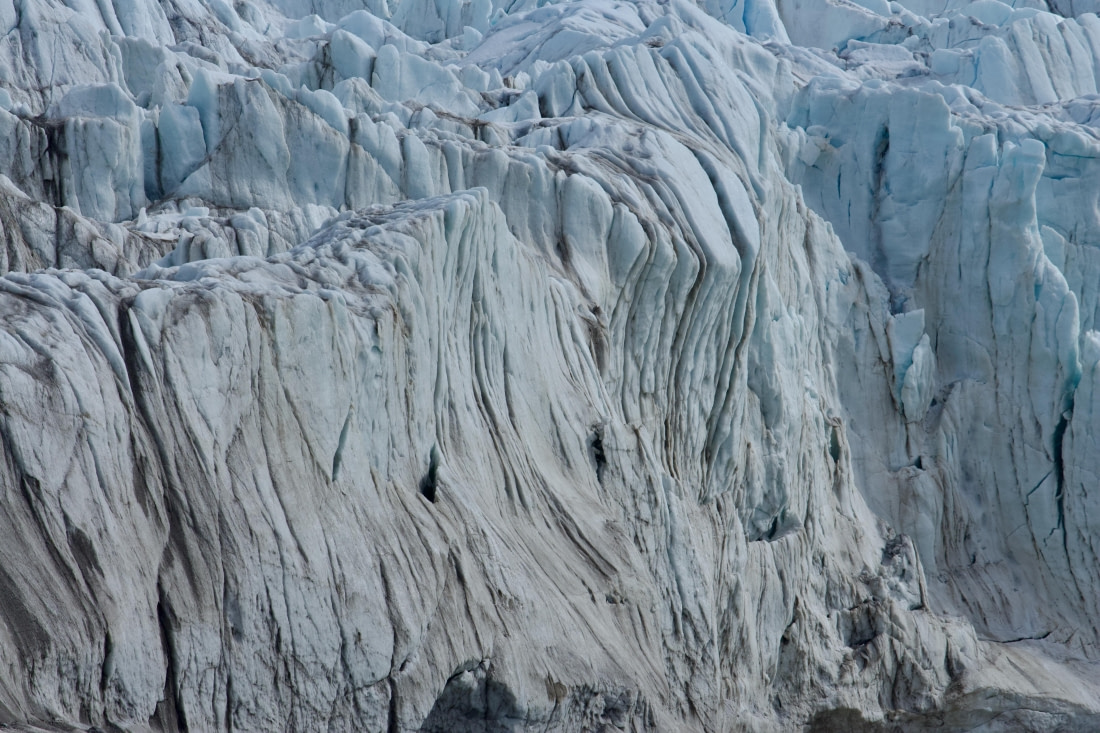
Driven by gravity, glaciers flow as ice deforms and slides over the ground, often helped by meltwater at the base. They gain mass from snowfall and lose it through melting or calving. The balance between these processes determines whether a glacier advances, retreats, or stays the same, making them important indicators of climate change.

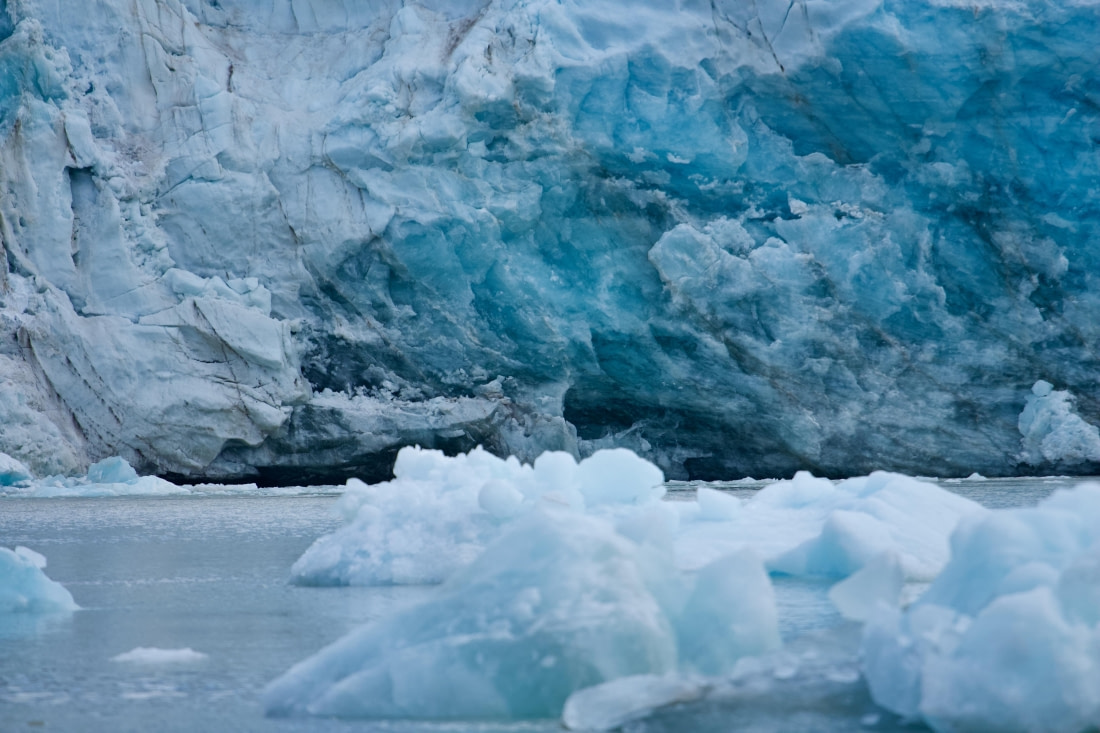
On a sunny day, the glacier front of Monacobreen is a breathtaking sight. Its towering ice cliffs shimmer in shades of blue and white, contrasting sharply with the deep turquoise waters of the fjord. Sunlight highlights the intricate textures of the ice—serrated edges, deep crevasses, and vertical cracks hinting at recent calving events. Occasional rumbles echo across the water as chunks of ice break off and plunge into the sea. That what we could take in during our wonderful afternoon in this place.

Back on the ship it was time for the next day’s plan, with addition from Matt, Marco and Koen about glaciers dynamics and the colourful flora of Svalbard. Another plated dinner in our favourite restaurant and then a couple of Minke whales feeding at the starboard side of the ship. Another great day of our voyage with unforgettable views and memories to bring home with us.

Day 6: Hamburgbukta and Gullybukta

Hamburgbukta and Gullybukta
Date: 01.07.2025
Position: 79° 31.9’ N / 010° 36.9’ E
Wind: NE-3
Weather: Overcast
Air Temperature: +8

This morning, we arrived at Hamburgbukta, a stunning sheltered bay tucked into the rugged Arctic coastline. Hamburgbukta is located on the western coast of Spitsbergen, the largest island in the Svalbard archipelago. Nestled between the capes of Kapp Altmann and Kapp Toscana, Hamburgbukta is known for its rugged Arctic beauty and dramatic landscapes, including steep mountains, glaciers, and a coastline shaped by centuries of ice activity.

The bay has historical significance due to early whaling and trapping activities, and it is now part of the Sør-Spitsbergen National Park, making it a protected area rich in wildlife such as harbour seals and seabirds. Although there was a bit of swell outside the bay, inside the water was calm and inviting, perfect conditions for our activities.

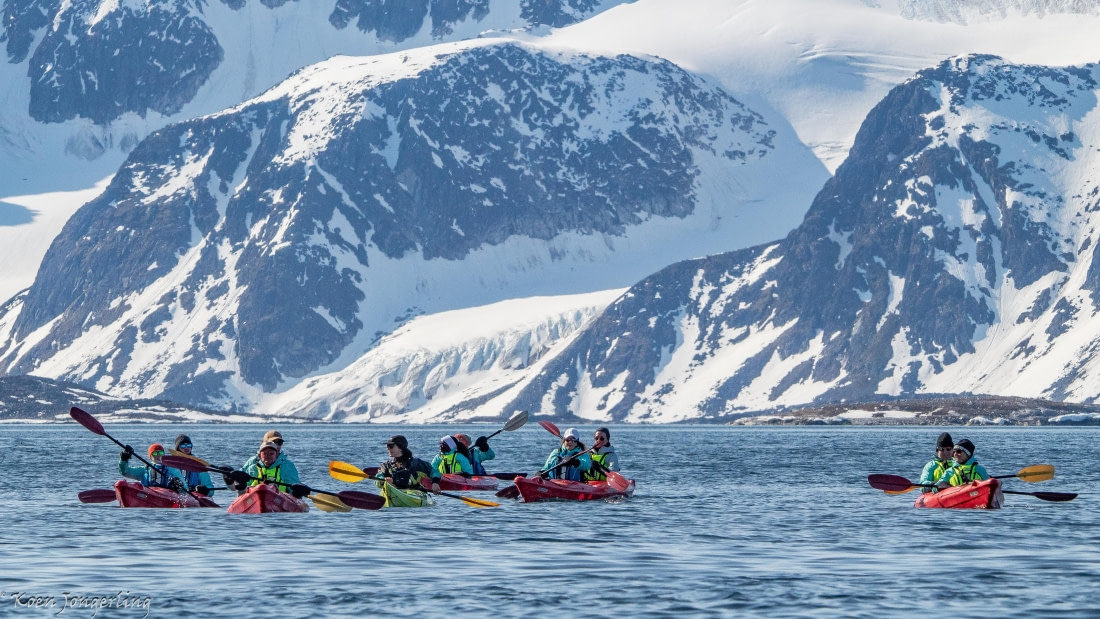
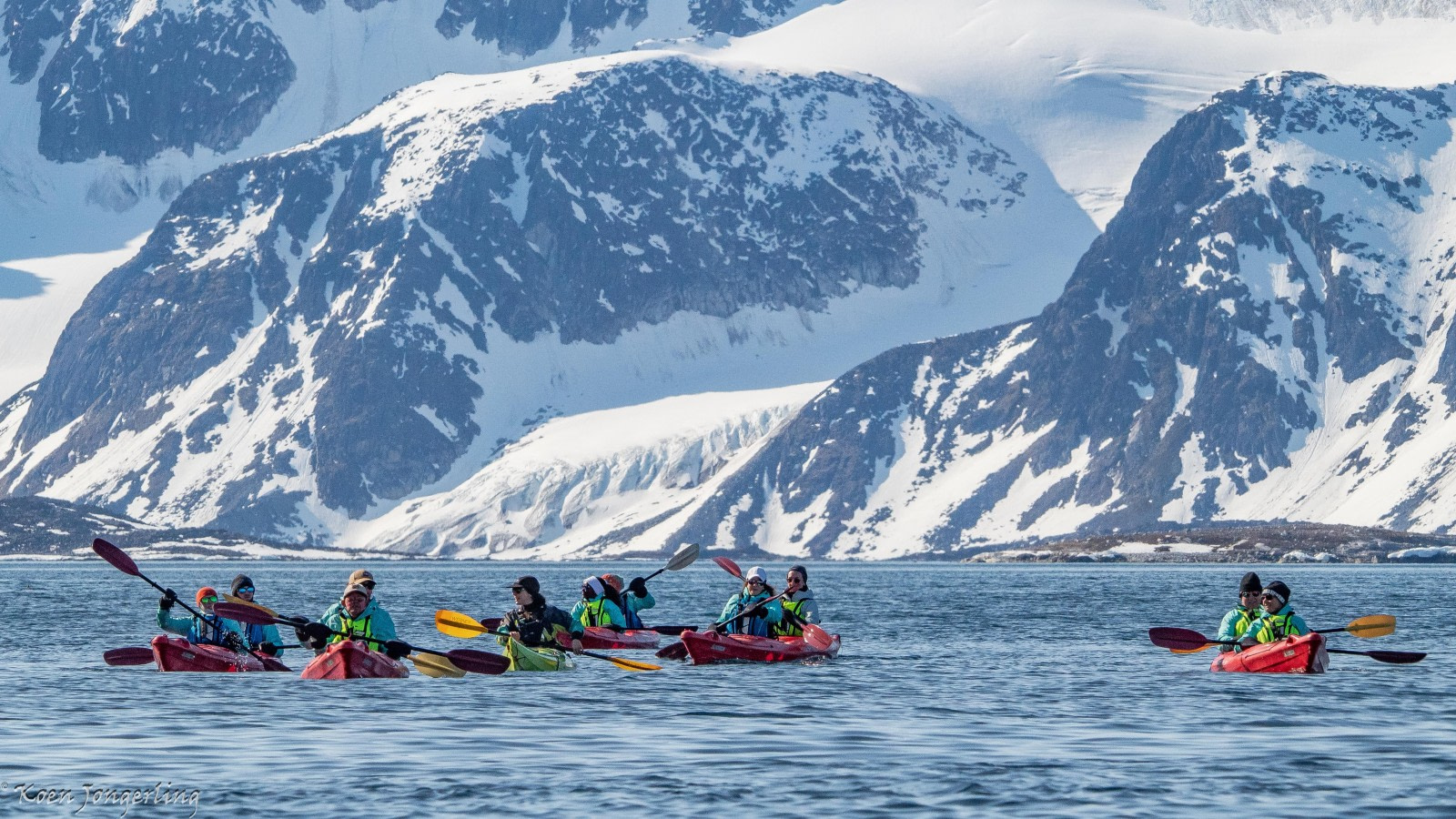
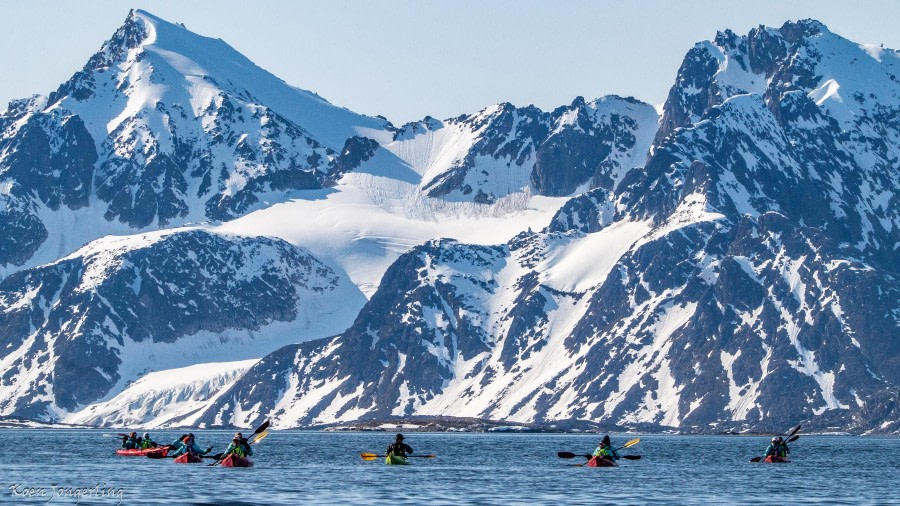
We started the day with a beach clean-up, doing our part to help preserve this remote environment. It’s always sobering to see marine debris even in such wild, seemingly untouched places, but rewarding to know we’re leaving it better than we found it. Meanwhile, the kayakers took to the water, paddling along the sheltered bay under towering cliffs and Arctic silence.

In the afternoon, we explored Magdalenefjorden by Zodiac, a highlight for many. Magdalenefjorden is often considered one of the most breathtaking and iconic fjords in Svalbard, located on the northwest coast of Spitsbergen. Surrounded by steep, jagged mountain peaks and dramatic glacier tongues that descend directly into the sea, the fjord offers a stunning panorama that captures the raw beauty of the Arctic.

Its calm, deep waters reflect the towering cliffs and floating ice, creating a serene yet majestic landscape. Magdalenefjorden is also rich in history—once a key area for 17th-century whalers, remnants of old whaling stations and graves still remain on its shores, particularly at Gravneset.

Cruising along the glacier-carved coastline, we approached Gullybreen, its icy face reflecting in the glassy water. Along the way, we spotted harbour seals resting on ice, a busy colony of little auks fluttering overhead, and a group of majestic walrus hauled out on the beach.

We wrapped up the day with a classic Arctic tradition: the BBQ on deck, surrounded by glaciers and mountain peaks. With good food, music, and plenty of laughter, the evening turned into a celebration, with dancing under the midnight sun and the glaciers as our backdrop.

Another unforgettable day in the Arctic.

Day 7: Ymerbukta and Colesbukta

Ymerbukta and Colesbukta
Date: 02.07.2025
Position: 78° 17.8’ N / 013° 56.5’ E
Wind: E-6
Weather: Overcast
Air Temperature: +8

During the morning of our last day of expedition M/V Ortelius continued travelling south towards the mouth of Isfjorden, the main fjord of Svalbard which cuts the island of Spitsbergen in half and stretches East to West for more than 80km.

The sky was blanketed with thick high clouds and the wind was howling 30-35 knots. We were in the middle of a small cyclonic system which had left the North Atlantic earlier at the beginning of the week and now was determined to move northeast towards the Barents sea.

Due to difficult weather conditions, Expedition Leader Adam decided to go with Plan B. Not a bad choice after all, as we ended up moving to the adjacent fjord, Ymerbukta, and enjoyed a beautiful hike along the perimeter toward the eastern front of Esmarkbreen—an outlet surging glacier with a 3 km-wide and over 30 m-high front. Some of us approached the glacier front to take in the silence, while others ventured up the scree-sloped, morainic terrain, where Svalbard poppies, purple saxifrage, and whitlow grass were in full bloom.

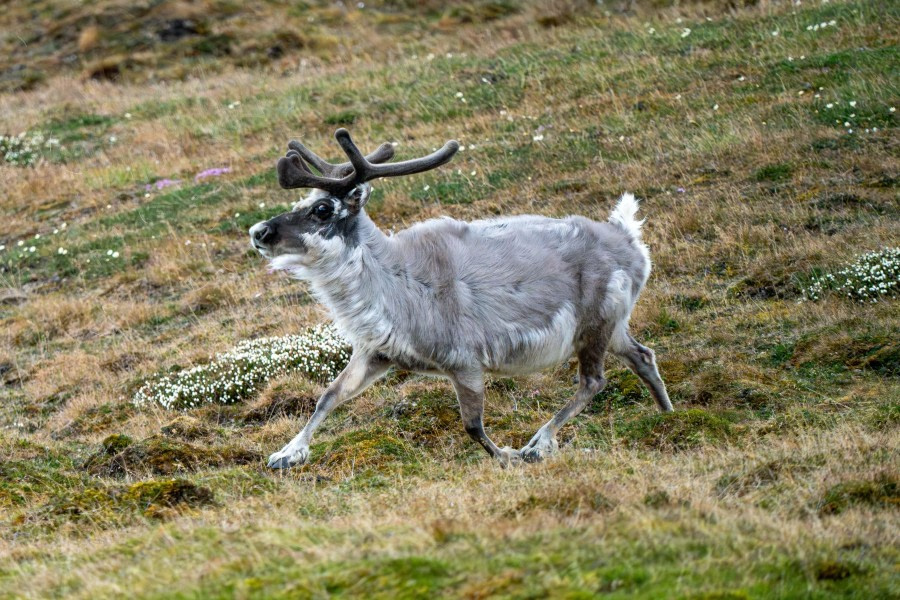
After a few hours, we returned to the ship and crossed Isfjorden to the south, where MV Ortelius positioned herself in the middle of Colesbukta. This sheltered bay, located on the southern shore of Isfjorden, was once the site of a Soviet-era coal mining settlement. Though now abandoned, remnants of the past—rusting infrastructure, derelict buildings, and weathered piers—still dot the shoreline, offering a haunting contrast to the raw beauty of the surrounding landscape. There was a chance for another stroll outside in the tundra, gaining a couple of hundred meters of elevation to enjoy the sweeping views across the bay, or slowly moving towards some nice grazing Svalbard reindeer and observed them grazing, resting or running.

Eventually, the time to wrap up our memories arrived. At 18:30, we all gathered in the bar to toast a wonderful voyage together with Captain Remmert, Adam, and the rest of the staff. A lasting memory to take home was Gabi’s video, which brilliantly and emotionally captured the essence of the journey. It was a voyage of discovery and learning about the Arctic environment and the wilderness of this remote Norwegian archipelago. But most importantly, it was a vacation during which we formed bonds and friendships—with the incredible staff, the dedicated crew, and among ourselves.

Day 8: Longyearbyen, Bykaia

Longyearbyen, Bykaia
Date: 03.07.2025
Position: 78° 13.7’ N / 015° 36.2’ E
Wind: SE-3
Weather: Overcast
Air Temperature: +7

After a restless night with the ship swinging at anchor in Colesbukta, MV Ortelius made her slow approach into Adventfjorden in the early morning hours, gliding gently toward the calm waters of Longyearbyen’s port.

Our final breakfast on board offered both comfort and a quiet sense of closure. We lingered over warm mugs and easy conversation, reluctant to let go of the shared rhythm of life at sea. Then came the familiar call to gather our belongings, walk the well-worn path to the gangway, and say our goodbyes to the crew and staff, who had safely guided us through ice and awe, and to the fellow travellers who, over time, had become something more.

As we stepped onto Bykaia, the main pier of Longyearbyen, a quiet shift settled over us. Some turned toward the town's empty streets, eager to soak in one last adventure before departure. Others, already thinking of home, carried with them the memories of glaciers, sea ice and wildlife of this remote and pristine archipelago of the far North. Most likely the polar bug will bring us back together for another chance of fun and exploration in the near future.

On behalf of Oceanwide Expeditions, Captain Remmert Koster, Expedition Leader Adam Burke, Hotel Manager William Barnes and all the crew and staff of M/V Ortelius, it has been a pleasure and a privilege travelling with you.

Total distance sailed on our voyage: 865 nautical miles.

Northernmost position: 81° 39.5’ N / 021° 20.4’E

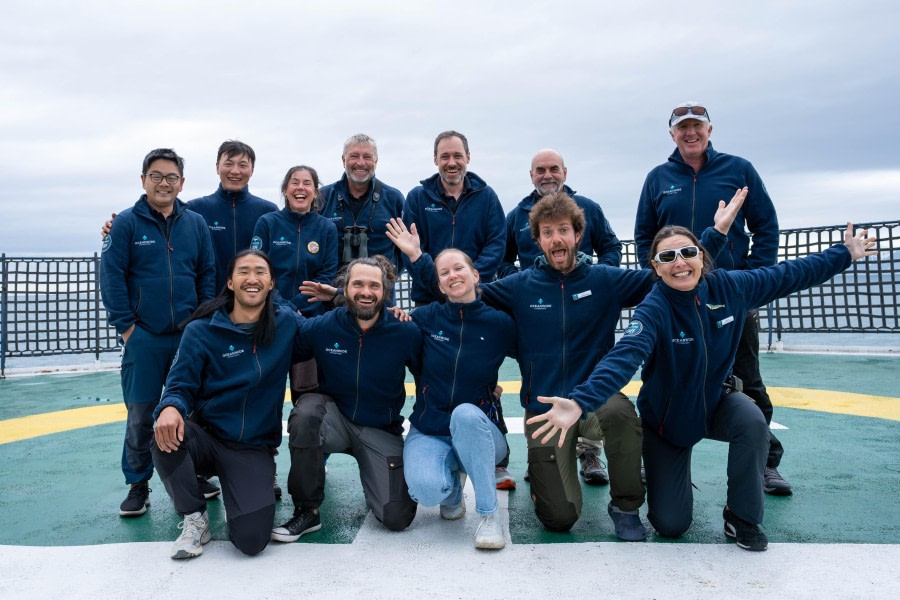
Your Oceanwide Expeditions Team

Details

Tripcode: OTL05-25
Dates: 26 Jun - 3 Jul, 2025
Duration: 7 nights
Ship: m/v Ortelius
Embark: Longyearbyen
Disembark: Longyearbyen

Have you been on this voyage?

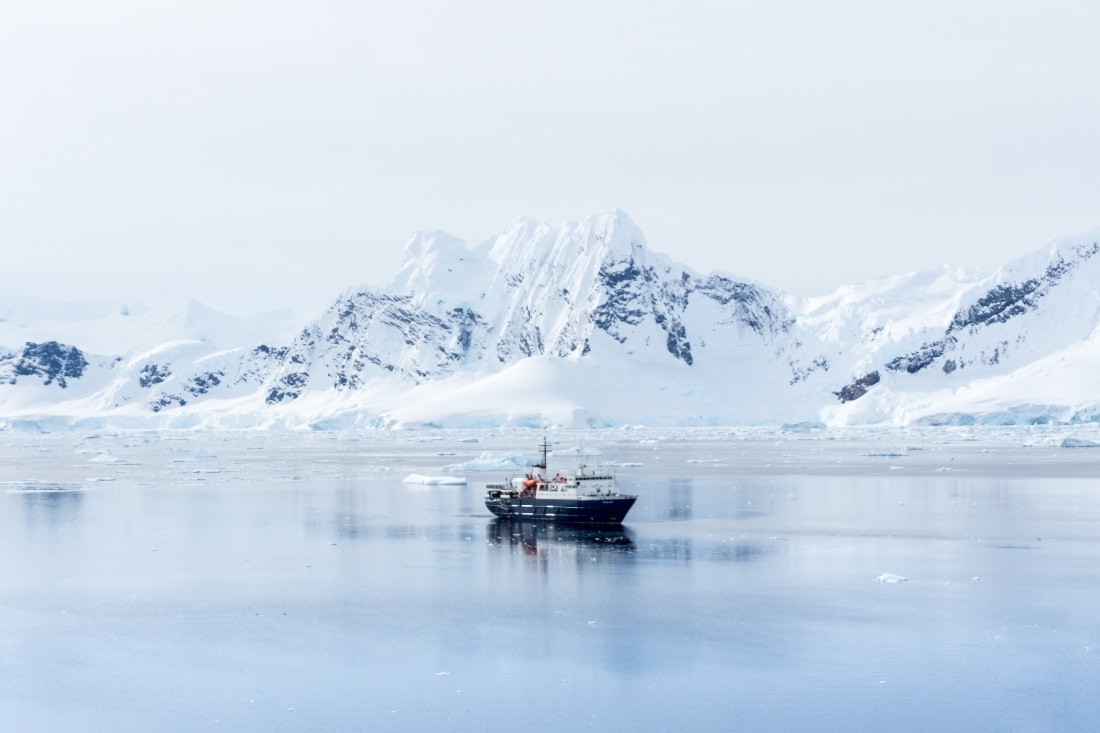
Aboard m/v Ortelius

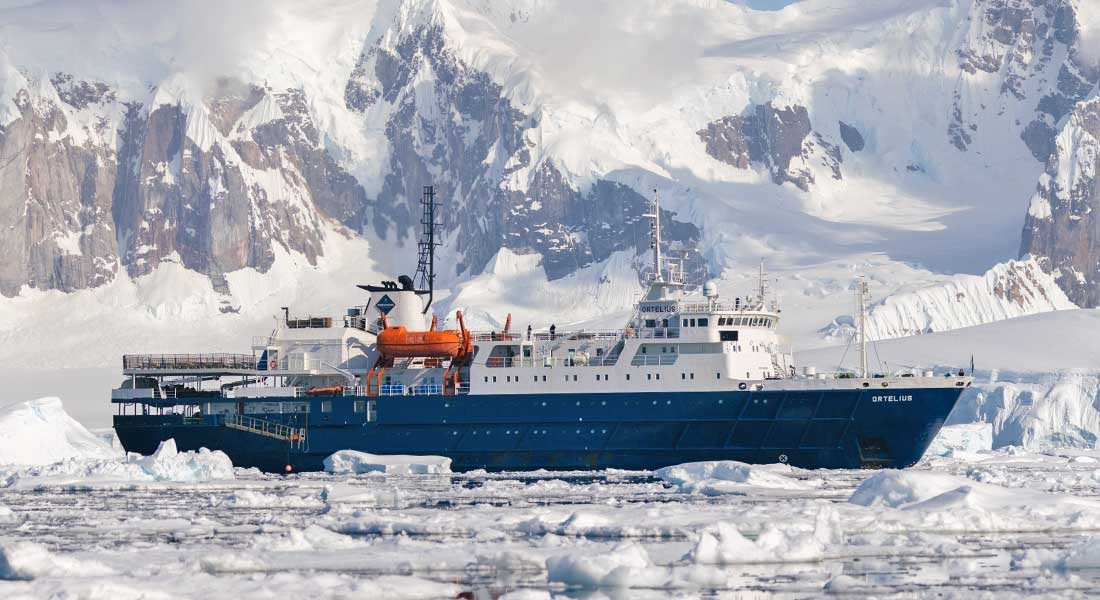
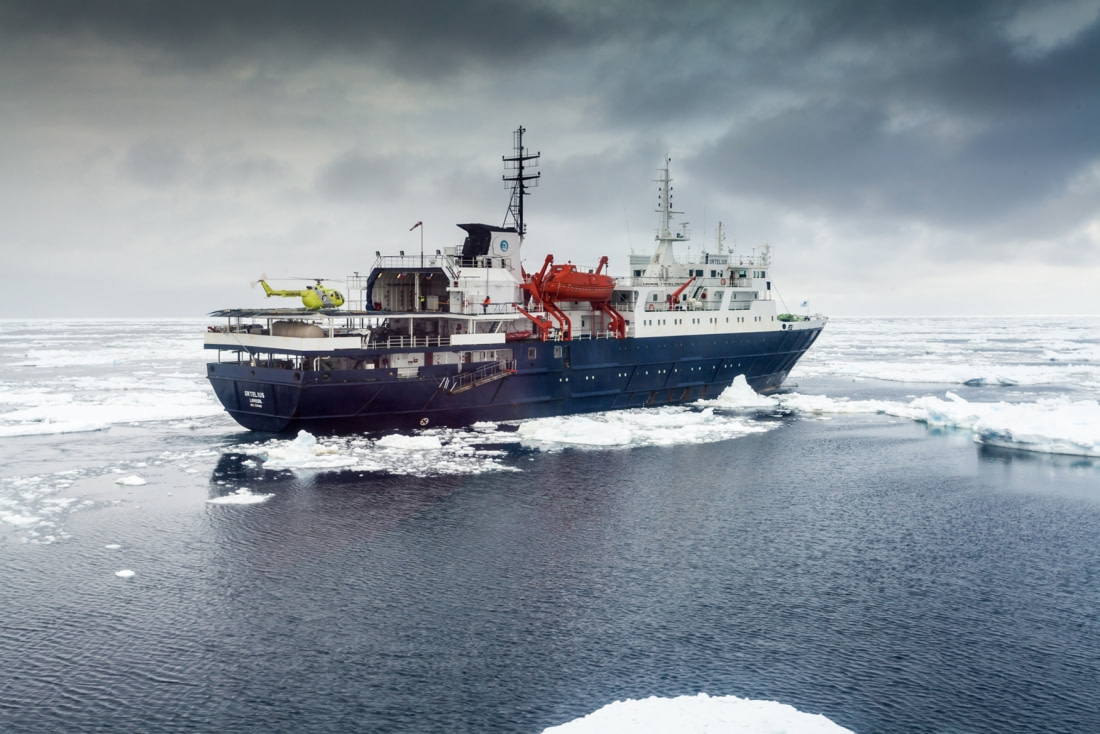
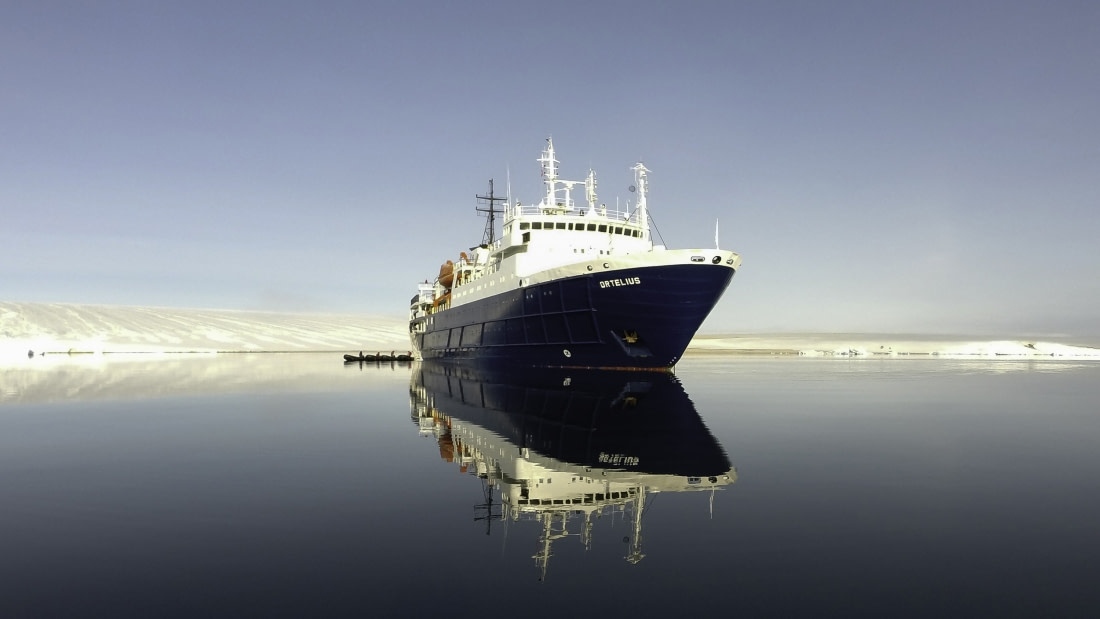
The ice-strengthened Ortelius is thoroughly outfitted for polar exploration and, when necessary, helicopter flights.

More about the m/v Ortelius »
Loading