• Home
  • Triplogs
  • HDS05-25, trip log, Around Spitsbergen, In the realm of polar bear & ice

HDS05-25, trip log, Around Spitsbergen, In the realm of polar bear & ice

by Oceanwide Expeditions

Photo gallery

Logbook

Day 1: Longyearbyen: Setting Sail into the Arctic wilds

Longyearbyen: Setting Sail into the Arctic wilds
Date: 30.06.2025
Position: 78°14.5’ N, 015°32.6’E
Wind: S4
Weather: Partly cloudy
Air Temperature: +6

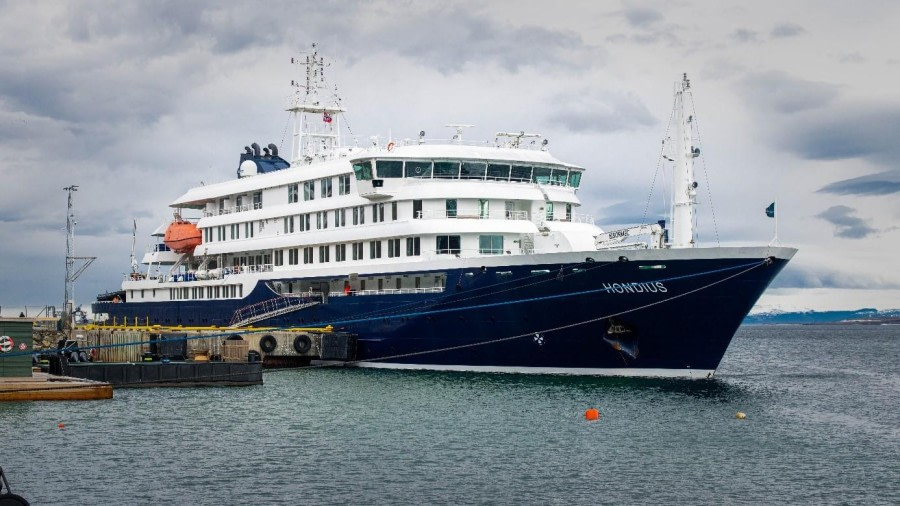
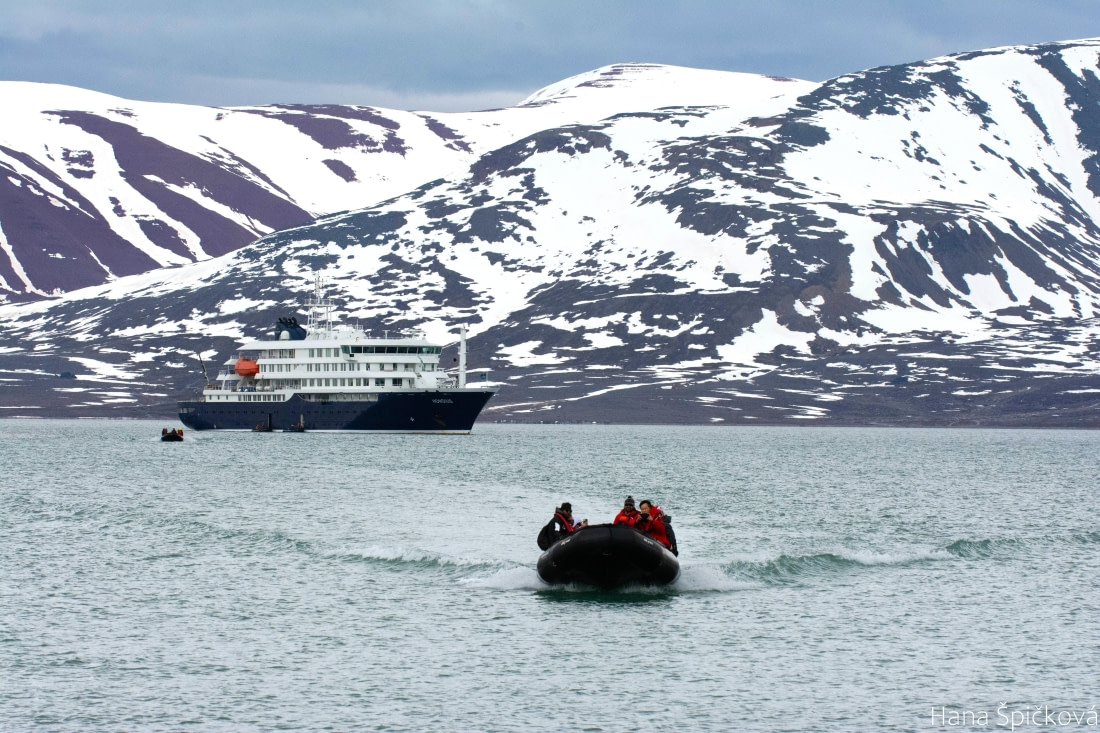
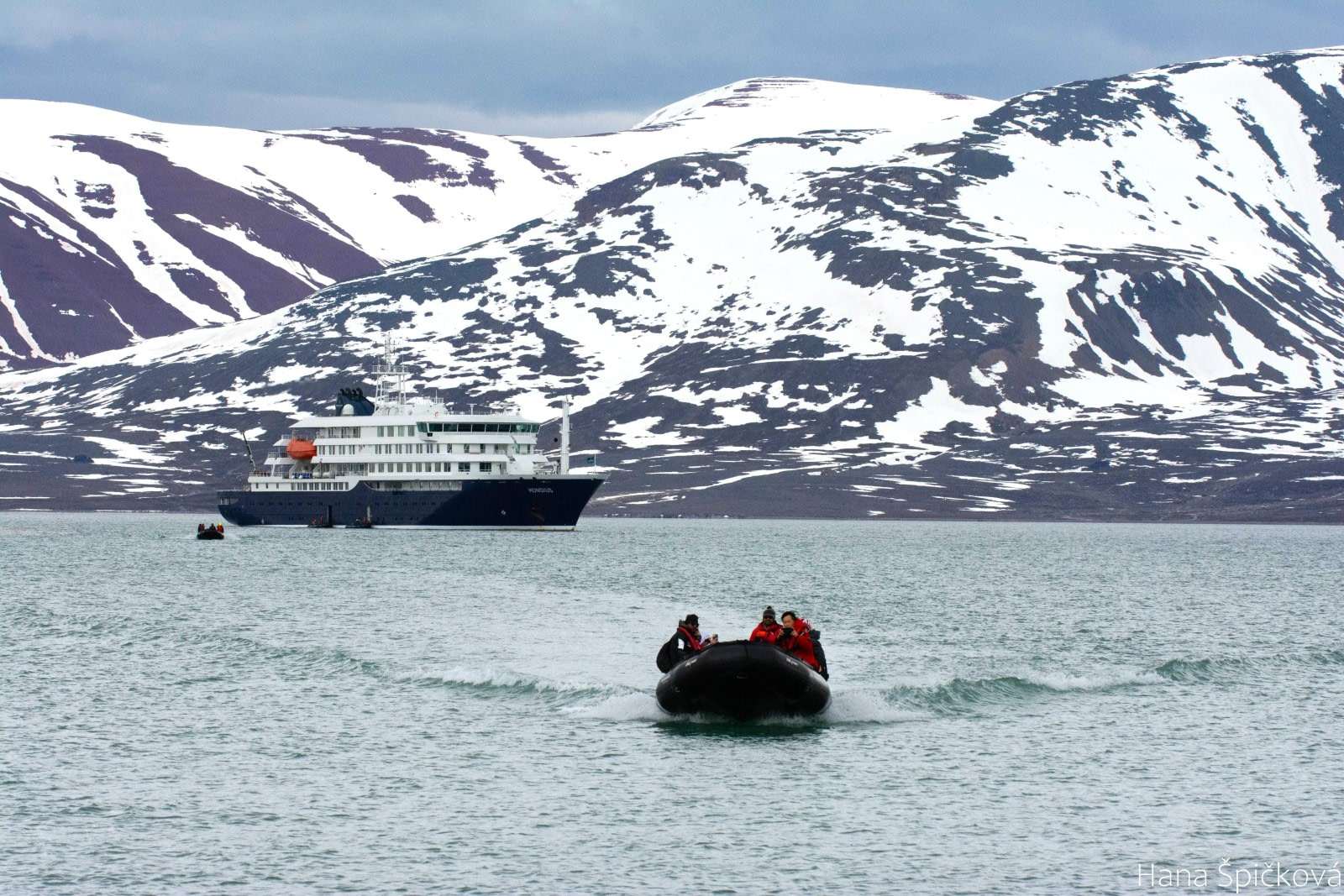
The remote frontier of Longyearbyen stirred with quiet anticipation as many of us arrived on the very day our adventure was set to begin. By afternoon, the stillness of the bay was punctuated by the hum of activity—luggage was whisked from the quay to the Hondius, anchored at the pier of Longyearbyen, waiting like a steel sentinel in the icy waters.

By 4PM, excitement buzzed through the brisk Arctic air. A line of eager guests had gathered, eyes bright with the promise of wilder rides lay ahead.

Once aboard the Hondius, time seemed to slip by unnoticed. Between orientation briefings, safety drills, receiving our Muck boots, welcome cocktails with our charismatic Captain Jan, and a beautifully prepared first dinner, the hours melted away. Yet as we cast off and the vessel carved a path out of Isfjord, the true wonder began to unfold.

Bathed in the soft glow of the Arctic evening, Spitsbergen’s flat-topped mountains stood like ancient fortresses along the fjord. We were finally on our way—northward into the raw heart of the wilderness, where ice met sky and the silence held secrets millions of years old.

Our voyage had truly begun.

Day 2: Lillehookbreen & Ny Alesund

Lillehookbreen & Ny Alesund
Date: 01.07.2025
Position: 78°10.5 ’N, 010°38.5’E
Wind: SSE4
Weather: Overcast
Air Temperature: +8

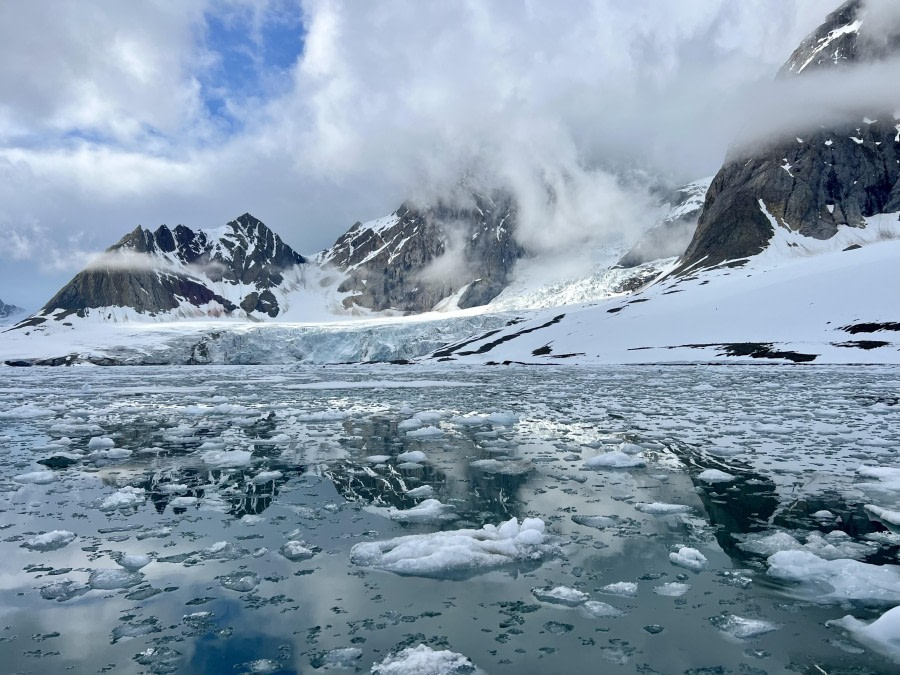
Our day began with a zodiac cruise in the dramatic surroundings of Lilihookbreen. The weather was a bit on the windy side, adding some texture to the water and a brisk bite to the air, but the Arctic landscape around us more than made up for the chill. Towering walls of glacier ice stretched across the end of the fjord, fractured and blue, their surface broken by deep crevasses and sharp ridges.

As we cruised along, our guides shared insights into the powerful forces that shape these icy giants. We talked about how glaciers form high in the mountains and flow slowly downhill, dragging rock and debris with them. This movement carves out valleys, and as the ice flows, it creates crevasses—deep cracks in the surface caused by stress and movement. We also discussed moraines, the piles of rocky material deposited along the glacier's sides and snout, clear signs of the glacier’s slow but relentless journey.

A bearded seal was seen in the distance, calmly floating in the choppy water. Though it kept its distance, its presence added a special touch to the already unforgettable scenery. And because we were lucky, couple of puffins were present too, with their colorful beaks and playful diving. Overhead, other seabirds circled, undisturbed by the wind.

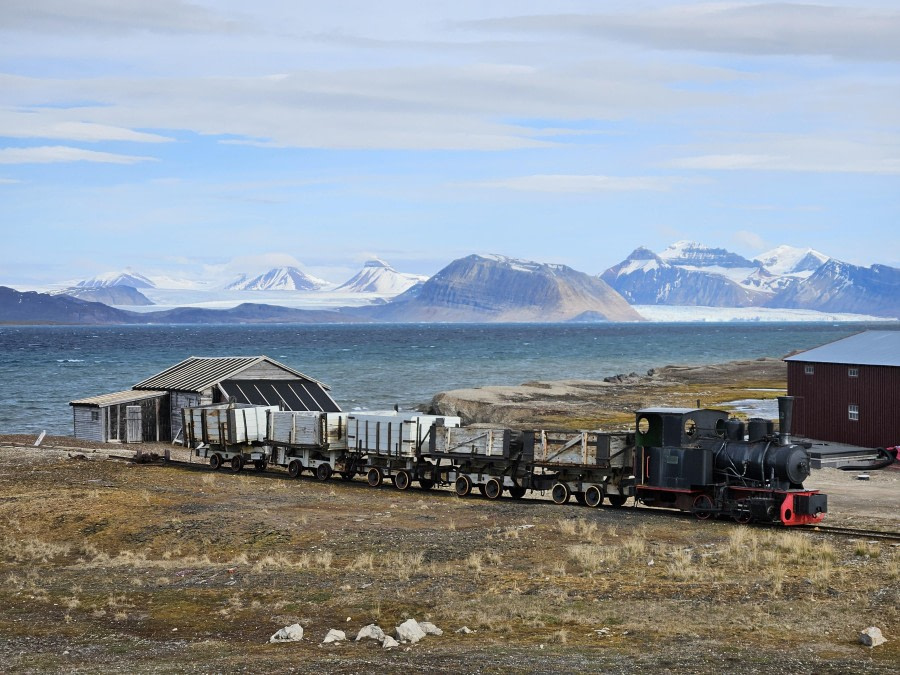
After returning to the ship and warming up, we set out again in the late morning for a landing in Ny-Ålesund, one of the world’s northernmost settlements. Stepping ashore here always feels like stepping into history. We joined the guides for a walk through the quiet town, passing colorful research buildings, the famous red postbox, and the monument to Arctic explorers.

The highlight of the walk was reaching the airship mast—the very tower from which Roald Amundsen and Umberto Nobile launched the airship Norge in 1926, aiming to become the first to fly over the North Pole. Standing beneath the rusted metal tower, surrounded by tundra and silence, we could almost imagine the roar of the engines and the tension of that historic moment nearly a century ago. Our guides shared stories about the expedition and its significance, connecting us to a time when maps of the Arctic still had blank spaces.

We took a moment to soak in the views of Kongsfjorden before heading back to the zodiacs, with Arctic terns darting above and the occasional reindeer grazing nearby. It was a day full of contrasts—icy wilderness in the morning, and Arctic history in the afternoon—and a powerful reminder of the many layers of meaning that lie hidden in these northern latitudes.

Day 3: Monacobreen & Texas Bar

Monacobreen & Texas Bar
Date: 02.07.2025
Position: 79°54.8’N / 010°45.1’E
Wind: E2
Weather: Overcast
Air Temperature: +8

We woke up to breathtaking views of Monacobreen, or Monaco Glacier, named in honor of Prince Albert I of Monaco. He was a great explorer in the early 1900s and a pioneer of oceanography. The glacier was massive and beautiful, and we spent our morning admiring its tall walls while we cruised in zodiacs through brash ice and around deep blue icebergs. We listened to the soft sound of ice bubbles popping in the water. Some of us were lucky and saw a seal trying to climb onto an ice floe. Others spotted nesting eider ducks or even a minke whale!

After a delicious lunch, it was time for more adventure. The weather was perfect, and we didn’t want to waste a minute in this wilderness. We wanted to explore and experience the land of polar bears! We went ashore at a place called Texas Bar – not a real bar, but a historic trapper’s hut built in 1927 by Norwegian hunter and trapper Hilmar Nøis. Our guides first scouted the area for polar bears before anyone landed. Then we could choose between a short, medium, or long hike based on what everyone liked. The landscape and views of the raw nature, massive glaciers, fascinating geology and mountains made of red sandstone, blossoming flowers, a variety of birds and minke whales swimming in the Arctic ocean were unforgettable.

At the end of the day, the brave ones did a polar plunge into the icy water! It was freezing, but some of the tough heroes did a proper swim!

Back on the ship, we were nicely tired and happy. During our recap, Marcel shared the plans for tomorrow, Tom talked about glaciers, and Rose explained the red rocks geology we saw today.

The day was not over yet! After dinner, we sailed towards Moffen Island, just north of 80°. It’s an important haul-out area for walrus and nesting birds.

Another incredible Arctic day!

Day 4: Day in the pack ice

Day in the pack ice
Date: 03.07.2025
Position: 81°21.0’ N, 018°12.4‘E
Wind: SE3
Weather: Partly cloudy
Air Temperature: +3

Today, we woke up ready for a full day in the ice!

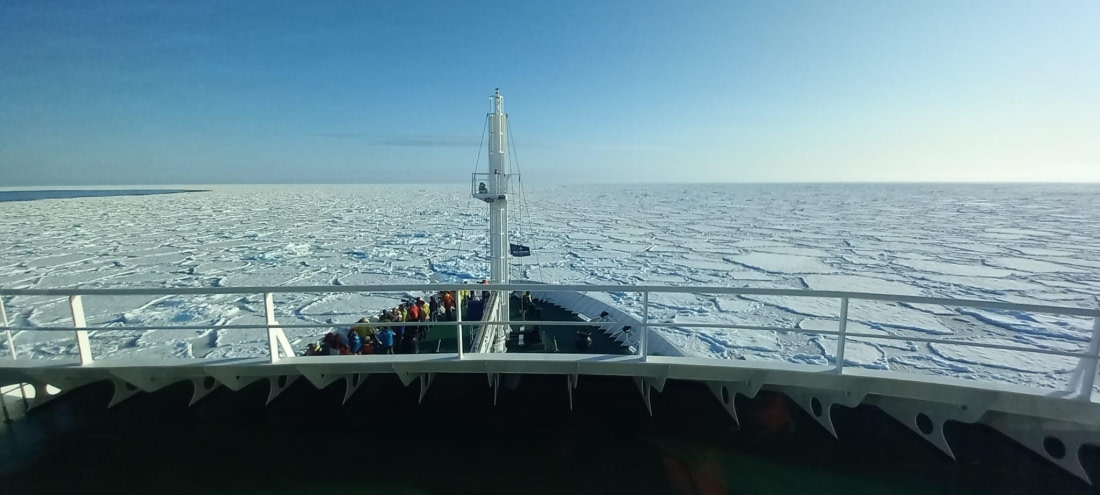
After breakfast, Jerry announced that we needed to head farther north in order to find proper sea ice. By mid-morning, we finally reached the pack ice—just as Charlotte began her lecture on polar bears.

We were at 82° North and 17° East. Everyone, including the guides, gathered on deck and on the bridge with binoculars in hand, scanning the horizon for wildlife… hopefully some polar bears!

For lunch, we took a break. Burgers and ice cream made the perfect combo to refuel for a long day of scouting.

Later, the captain and bridge team decided to steer us out of the pack ice briefly to find more compact, less slushy ice—ideal for spotting wildlife. Along the way, we saw a few seals and were followed closely by many seabirds. It was mesmerizing to watch the ice drifting alongside the ship, carried by the currents. The scenery was stunning—countless shades of blue, from deep navy to bright turquoise surrounding the ice floes.

To keep our spirits high during the bear search, the team surprised us with hot chocolate spiked with rum and topped with cream, served on the bow in the middle of the afternoon. What a treat—and what a view!

Later, Marcel invited us to the lounge to explain the sailing strategy the team had developed to improve our chances of spotting wildlife the next day. It turns out the strategy paid off sooner than expected!

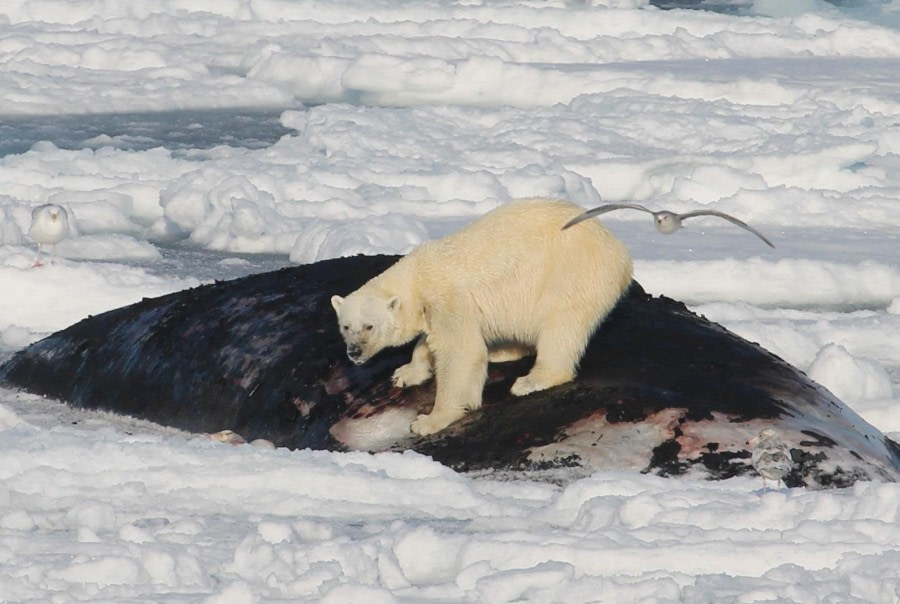
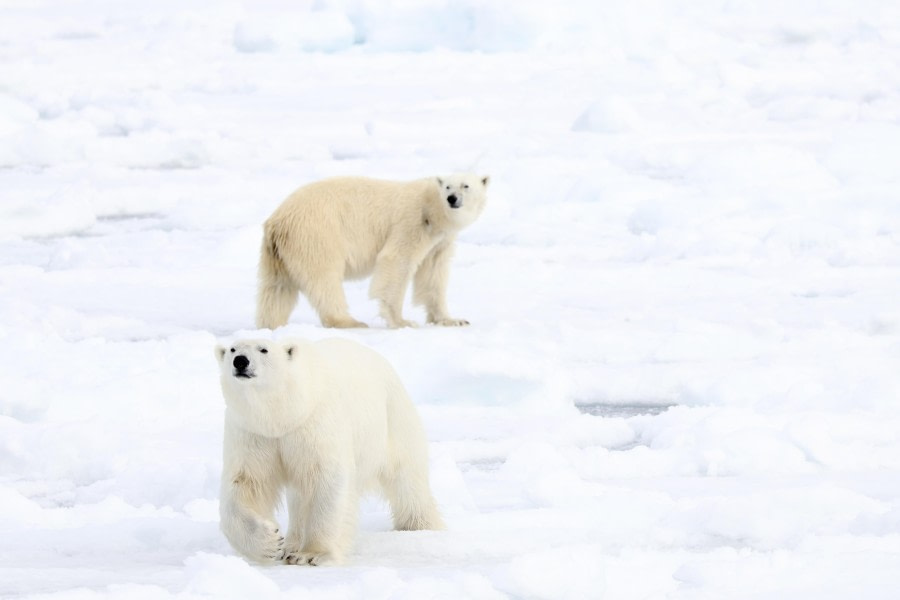
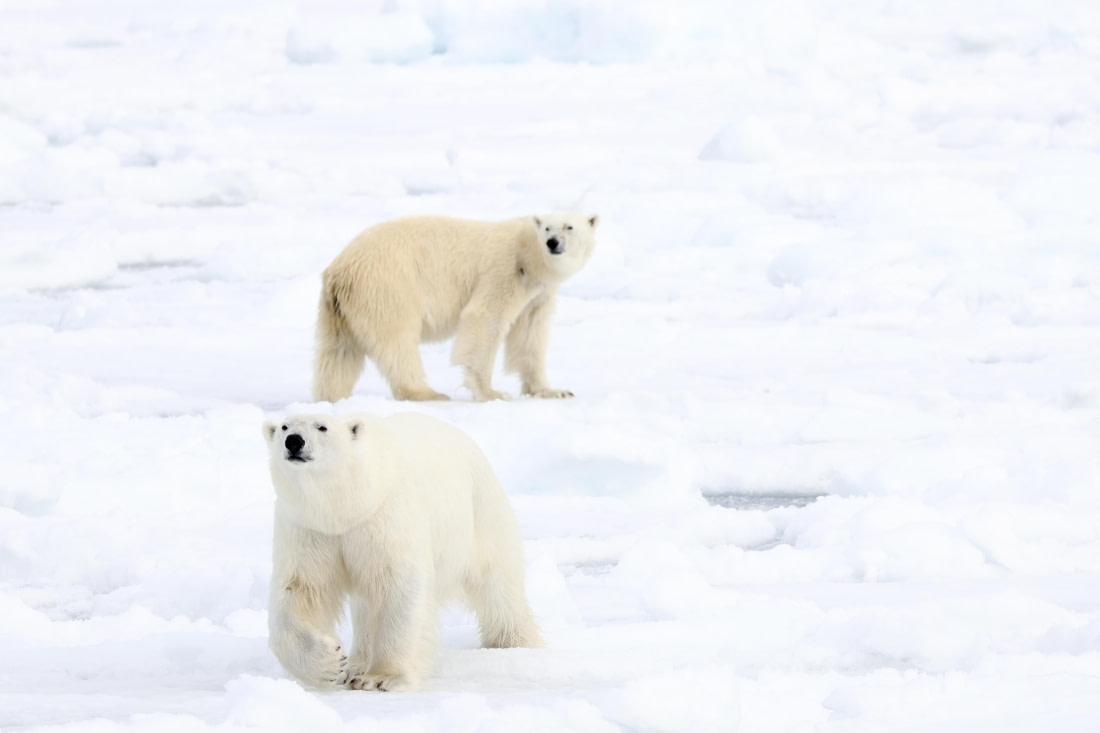
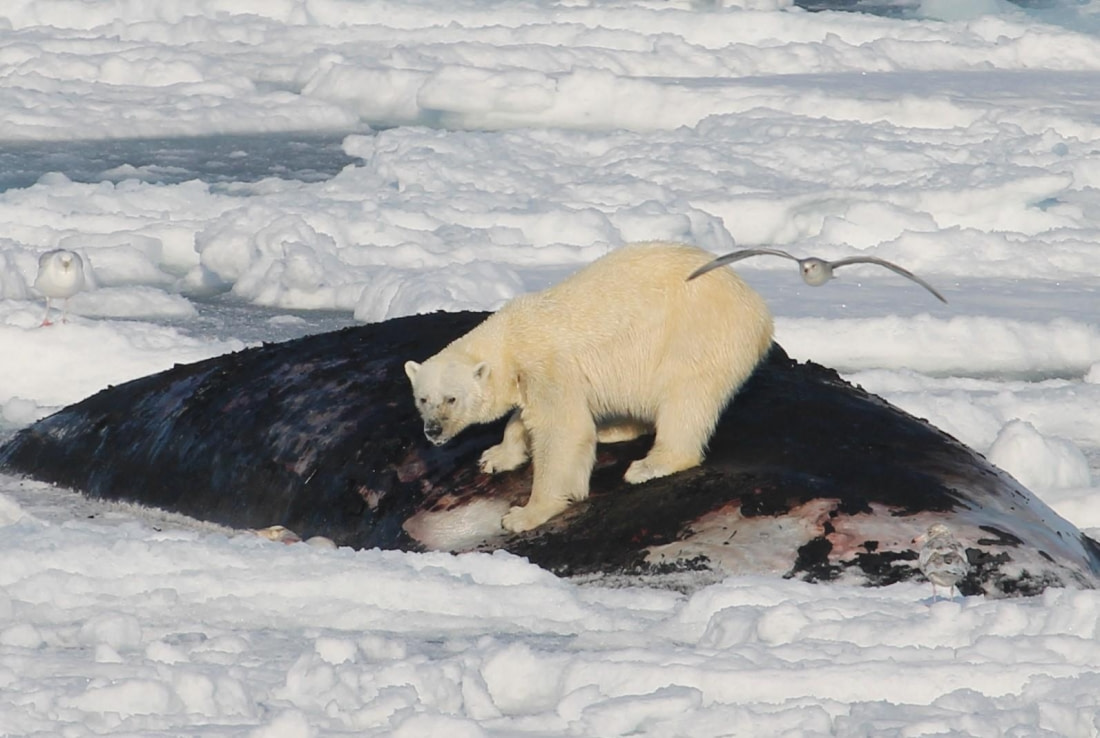
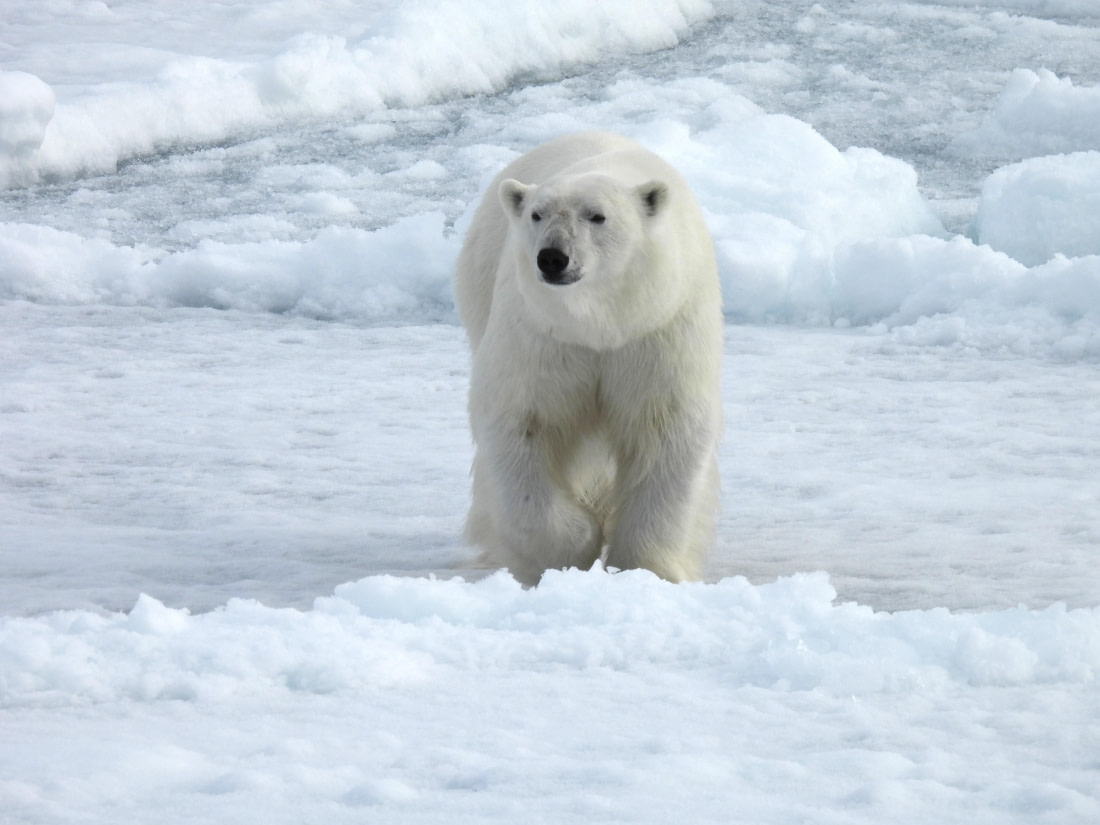
Around 11:30 p.m., we were called out to the decks—something incredible was happening. One of the sailors on the bridge had spotted an unforgettable sight: two polar bears feeding on a sperm whale carcass. No one on the team had ever seen such a rare and dramatic scene. We slowly approached, giving us the chance to quietly observe this majestic moment up close.

We remained near the site all night, watching the bears’ behavior—a once-in-a-lifetime experience.

Day 5: Day in the pack ice

Day in the pack ice
Date: 04.07.2025
Position: 81°54.2’ N, 016°22.1‘E
Wind: SW2
Weather: Partly cloudy
Air Temperature: +1

Late in the evening, or rather deep into the night—since it was already past midnight — Captain Jan and expedition leader Marcel decided not to continue moving but instead to stay put until morning. Who knows, maybe the scent of the whale carcass would attract more polar bears? That was our reasoning, but as it turned out later, it didn’t work.

By morning, the wind had calmed, and the waves had settled. The lifeless whale carcass, just like the night before, was surrounded by ice floes, and nearby, full and content polar bears were dozing. To be fair, it wasn’t easy for the bears to tear off a piece of whale blubber. They had to gnaw through the thick, frost-covered whale skin. No wonder they had so desperately torn at the whale with their teeth and clawed it with their huge sharp claws the night before!

Looking at the whale, we couldn’t help but feel a bit sad. The massive, gigantic creature must have lived a long and fascinating life, full of journeys and adventures — and all for what? To become food for polar bears. One wonders how much more they’ll manage to eat before the carcass sinks to the bottom? And what then, on the ocean floor? There, the whale will continue to be eaten by fish, crabs, and other sea creatures. Eventually, at the place where the giant will rest, a small ecosystem will emerge. For many years to come, the dead whale will give life to other organisms. And that, if you think about it, is not such a bad thing. What awaits us, in turn? The fiery tongues of a crematorium furnace? Darkness and damp soil? Worms and larvae that will consume us? And how long will it take?

After taking one last look at the whale’s scarred carcass and the bears themselves, we moved on. A long journey lay ahead — back to Spitsbergen! Who knows what else we might see along the way?

But nature had its own plans. Deciding that last night’s performance and this morning’s spectacle were quite enough entertainment, it dropped a curtain of thick fog. Hondius, guided only by radar and GPS, made its way blindly through the ice until we reached open water. There, the captain increased speed, and we raced south.

Our guides, making sure we didn’t get bored, entertained us with fascinating lectures. We gathered our strength and looked forward to tomorrow’s adventures.

Day 6: Torellneset & Brasvellbreen

Torellneset & Brasvellbreen
Date: 05.07.2025
Position: 79°23.9’ N, 020°05.6‘E
Wind: SE3
Weather: Clear sky
Air Temperature: 0

As a result, our expedition team implemented Plan B: a Zodiac cruise around the point where a large group of Walrus had hauled out on the shore. What could have been a disappointing change of plans was quickly transformed into a truly magical and atmospheric experience. The fog created an ethereal quality, softening the horizon and adding a mysterious tone to the already dramatic Arctic scenery. Sculpted ice floes drifted silently in the water, their intricate shapes reflecting the muted light. The Walrus, both on land and in the sea, were a sight to behold. Their sheer size and numbers were impressive, and their behavior was equally captivating—they grunted, growled, and shuffled around the beach, clearly aware of our quiet presence nearby. Occasionally, when the wind shifted, their pungent aroma drifted out to us—an authentic part of the Arctic wildlife experience!

No sooner had we returned to the Hondius than the fog returned with increased intensity, quickly enveloping the coastline. The ship set course south through the Hinlopenstretet, navigating carefully through the thickening fog. Visibility was severely limited as we turned east toward Brasvellbreen, one of Svalbard’s most striking glacial fronts. To keep spirits high and minds engaged, the expedition team offered an enriching lecture program during the fog-bound afternoon. Hana delivered a fascinating presentation on icebergs, exploring their formation, movement, and significance in the polar ecosystem. Simultaneously, geology enthusiasts were treated to insights from Rose and Tom, with Rose presenting in Mandarin and Tom in English—underscoring the international nature of the voyage.

Today aboard the MV Hondius was a true demonstration of the unpredictable beauty and drama of the Arctic environment. Our planned landing at Torellneset in the morning had to be reconsidered due to challenging ice conditions and a thick blanket of fog that rolled in and out over the landscape. Safety is always the highest priority, and the conditions did not allow for a secure landing.

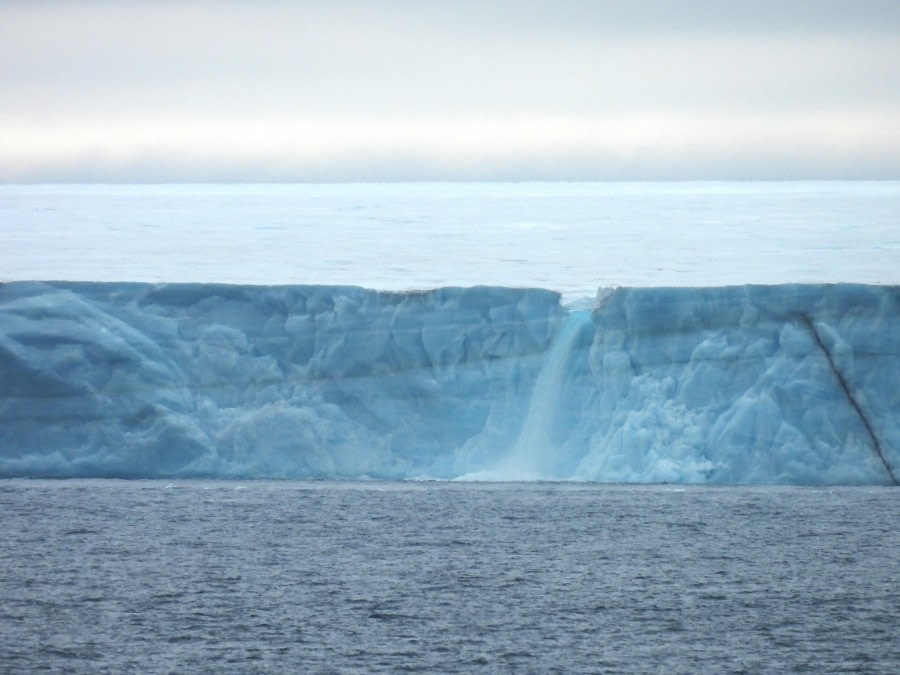
Just as we began to accept that the dense fog might dominate the rest of our day, nature surprised us once more. The curtain of mist began to lift, revealing the breathtaking expanse of Brasvellbreen—the largest glacier face in the northern hemisphere. Its vast blue-white wall glowed in the evening light, a stunning reward for our patience and perseverance. As the glacier slowly came into clearer view, the crew prepared a special evening barbecue on the ship’s back deck. With the fog lifting and the Arctic evening light casting golden hues across the landscape, passengers enjoyed delicious food in the open air. The atmosphere was festive and joyful, with music and some questionable dancing adding a lighthearted end to an extraordinary day.

Day 7: Palanderbukta and Alkefjellet

Palanderbukta and Alkefjellet
Date: 06.07.2025
Position: 79°19.7’ N, 021°02.8‘E
Wind: S4
Weather: Fog
Air Temperature: +2

Today began under a radiant Arctic sun as we gently sailed through the scenic waters of Wahlenbergfjorden, making our way towards Palanderbukta—our first landing site of the day. Nestled on the remote coast of Nordaustlandet, this part of the Svalbard Archipelago lies well within the realm of the high Arctic, where the climate is noticeably harsher than on the milder, Gulf Stream-influenced west coast of Spitsbergen.

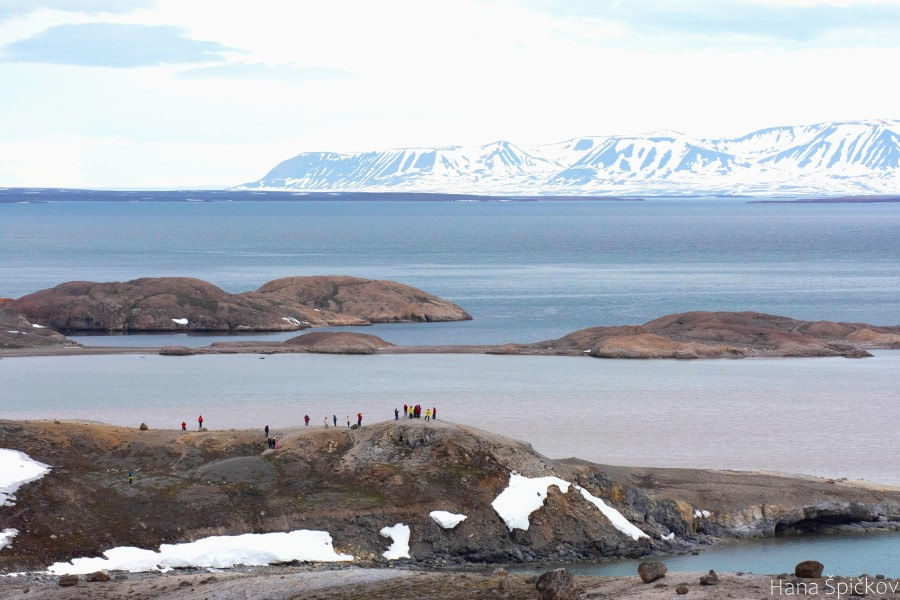
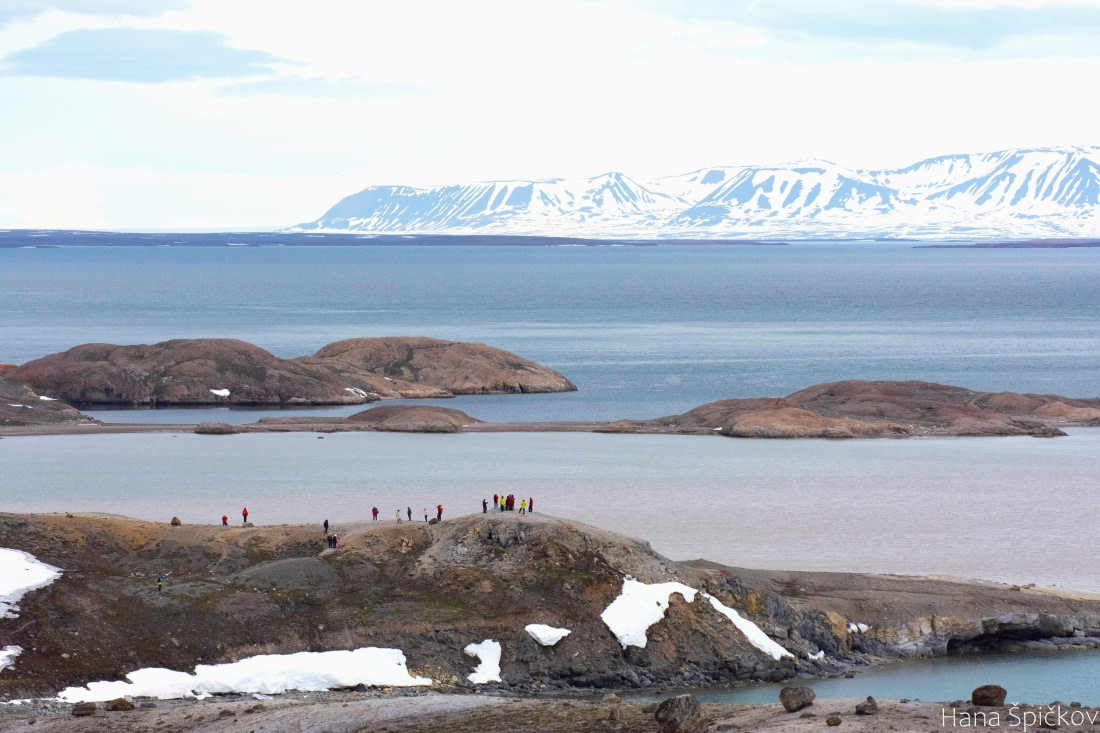
As we stepped ashore and set out on our hikes, the stark difference in environment was immediately apparent. The landscape here was raw and desolate, an almost otherworldly polar desert stretching in all directions. Gone were the lush tundra patches of the west; instead, we were met with a severe and stony terrain, shaped by ice and wind. Yet, even in this seemingly inhospitable setting, life perseveres. Tiny, tenacious Arctic flowers emerged between the rocks, adding bursts of color to the otherwise austere landscape—a quiet but powerful reminder of nature’s resilience.

The morning hike gave us a welcome leg stretch and plenty of time to soak in the solitude and scale of this remote wilderness. After returning to the ship and enjoying a well-earned lunch, we set course for one of Svalbard’s true natural marvels: Alkefjellet.

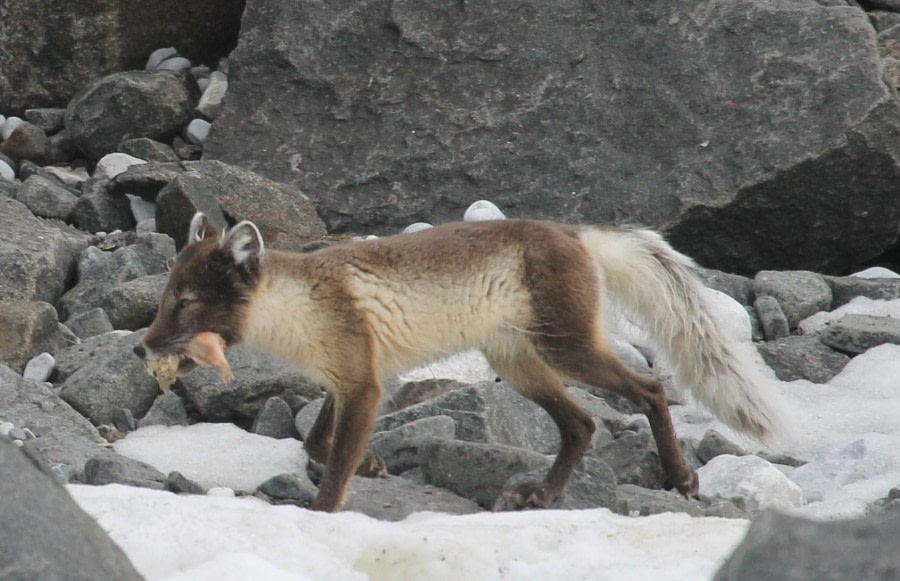
Towering above the sea in dramatic fashion, Alkefjellet is a vast wall of black dolerite cliffs, rising vertically from the water like a fortress. These cliffs are home to an astonishing colony of Brünnich’s Guillemots—around 60,000 breeding pairs nest here during the summer season. As we approached by ship, we were immediately enveloped by the sound and spectacle of thousands upon thousands of birds wheeling, diving, and calling all around us. The cliffs themselves were alive with movement, a dense tapestry of black and white shapes clinging to the narrow ledges. We spent nearly two magical hours slowly cruising beneath the cliffs, taking in the vibrant and chaotic beauty of the colony. Cameras clicked, binoculars scanned, and quiet awe settled over us as we watched nature at its most spectacular. Towards the end of our visit, an unexpected drama unfolded: a clever Arctic fox was spotted deftly making its way along the lower cliff ledges, likely on the hunt for fallen chicks or eggs—an opportunistic predator in a place where survival is always on the edge.

As the evening light softened over the fjord and the seabirds continued their endless aerial ballet, we sailed onward with full hearts and vivid memories of another unforgettable day in the high Arctic.

Day 8: Lectures on board

Lectures on board
Date: 07.07.2025
Position: 79°07.5’ N, 020°57.0‘E
Wind: S2
Weather: Fog
Air Temperature: 0

Today was a full and enriching day, beginning with quiet reflection and ending with anticipation for the adventures to come.

From 8:00 to 9:00 AM, we enjoyed breakfast on the 4th restaurant . With warm and calm, with soft morning light streaming in through the windows. Over coffee and fresh food, conversations flowed gently as we prepared for a day full of discovery.

At 10:00 AM, we attended a personal talk by Sasha, who shared his extraordinary story of working for five years as the only guide in Pyramiden — an abandoned Soviet mining town in the Arctic. His words painted vivid images of life in isolation: the silence of the polar night, the surreal experience of being completely alone, and the moments of human connection when visitors arrived. Despite the harsh conditions, Sasha’s passion for the place and for storytelling was palpable. His quiet strength and resilience left a deep impression on all of us.

From 12:30 to 1:30 PM, we had lunch again on the 4th restaurant . It was a welcome pause to recharge and reflect on the morning session.

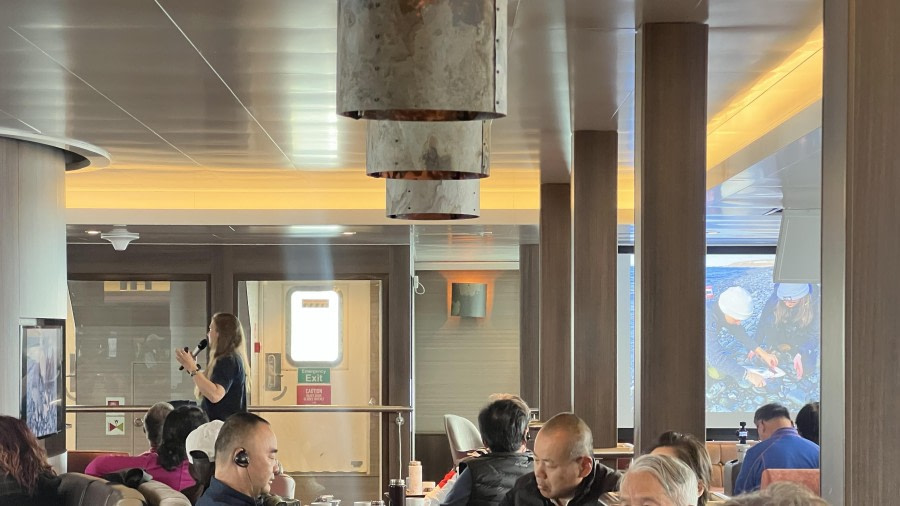
At 2:30 PM, we gathered in the observation lounge for a lecture by Pierre. He introduced us to several species of whales commonly found around Svalbard, including the minke whale, fin whale, blue whale, beluga, bowhead whale, humpback whale, and the elusive narwhal. His presentation was both informative and engaging, accompanied by captivating images and video clips. Everyone thoroughly enjoyed it, gaining a deeper appreciation for these majestic Arctic creatures.

Then at 4:00 PM, Hana gave a talk about her personal experience living in Svalbard for a full year. One of the most memorable parts of her story was how she adapted to three full months without a single sunrise — adjusting sleep schedules, coping with mental challenges, and finding moments of peace in the dark. Her vivid description of witnessing the northern lights for the first time was especially moving. Her honesty and warmth brought a human side to life in the high Arctic, full of quiet endurance and beauty.

At 6:30 PM, the expedition team held a short briefing to go over the plans for tomorrow’s journey.

Dinner followed at 7:00 PM. After the meal, the evening was relaxed — some people shared reflections, others reviewed their notes and photos, while a few simply looked out at the stillness beyond the windows, already dreaming of what tomorrow might bring.

Today we didn’t just hear stories — we were transported into them. Through the voices of those who’ve lived and worked in the far north, Svalbard came to life in new and unforgettable ways.
Day 9: Samarinvagen & Burgerbukta

Samarinvagen & Burgerbukta
Date: 08.07.2025
Position: 76°23.5’ N, 016°50.5‘E
Wind: S2
Weather: Overcast
Air Temperature: +5

This morning, we awoke in the dramatic embrace of Samarinvågen, a striking fjord nestled in southern Bellsund, one of Svalbard’s grand fjord systems. Bellsund stretches roughly 20 km into the western coast of Spitsbergen and branches into beautiful side fjords like Van Keulenfjorden and Recherchefjorden, sculpted over millennia by glacial erosion. Its steep mountains and carved valleys bear silent witness to Svalbard’s geological past.

After breakfast, we geared up and boarded the Zodiacs for a cruise and landing. Mist clung to the peaks, accentuating the ruggedness of the terrain. The towering mountains flanking Samarinvågen framed a glacial amphitheater that held us in awe. While onshore, we admired the contrasting hues of lichen-streaked rocks and ice-blue crevasses of the glacier. Suddenly, excitement rippled through the radios—belugas had been spotted near the fast ice.

And there they were—a pod of beluga whales, ghostly white forms moving gracefully just beyond the ice edge. Known as "canaries of the sea," belugas are highly vocal and social cetaceans. Unlike many whales, their neck vertebrae are not fused, giving them a unique ability to move their heads side to side. Svalbard’s icy waters provide critical summer habitat for these Arctic-adapted mammals, which are well-insulated with thick blubber and highly sensitive to the environmental changes impacting their feeding grounds.

After lunch aboard Hondius, we ventured into Burgerbukta, a side fjord off Hornsund, for another Zodiac cruise. A wall of glacier ice loomed at the head of the bay, fragmented and pressing into the sea. Although the weather had turned—a steady drizzle persisted—the mood was adventurous. We zigzagged through scattered brash ice, weaving between bobbing icebergs and chunks calved from the glacier.

What caught our eyes here were the spectacular red waterfalls tumbling down the cliffs. The rust-red color comes from iron-rich sedimentary rocks, particularly Devonian sandstone, which oxidizes upon contact with air and water, creating the rusty streaks. The stark contrast of crimson cascades against the pale blue glacial ice made for a surreal landscape.

As evening settled, we returned to Hondius, damp but exhilarated. Over the Captain’s Farewell and Sashas slide show we shared stories and laughter, raising our glasses to a voyage filled with Arctic wonders. Our final plated dinner was a fitting end to this unforgettable day—a day of wild encounters, geological marvels, and the quiet power of the polar world.

Day 10: Farewell from the Arctic: Disembarkation in Longyearbyen

Farewell from the Arctic: Disembarkation in Longyearbyen
Date: 09.07.2025
Position: 78°06.2’ N, 013°31.4’E
Wind: S4
Weather: Overcast
Air Temperature: +5

In the soft light of early morning, we arrived in Longyearbyen. As we gathered for one final breakfast on board, there was a quiet sense of reflection in the air. Outside, the crew gently unloaded our suitcases, a silent reminder that our Arctic adventure was drawing to a close.

Disembarking from Hondius was not easy. Over these past days, she has been far more than a ship—she’s been our shelter, our launchpad into the wild, and our floating home. Within her walls we’ve shared laughter, awe, and moments that will stay with us for a lifetime.

Together, we ventured deep into the high latitudes, witnessed landscapes sculpted by ice and time, and encountered wildlife most only dream of—polar bears and walrus and the mesmerizing dance of seabirds in the Arctic skies. Along the way, strangers became companions, and companions became friends.

Now, with hearts full and cameras brimming, we begin the journey home. Though we leave the ice behind, its spirit travels with us—etched into memory, carried in stories, and felt in quiet, unforgettable moments.

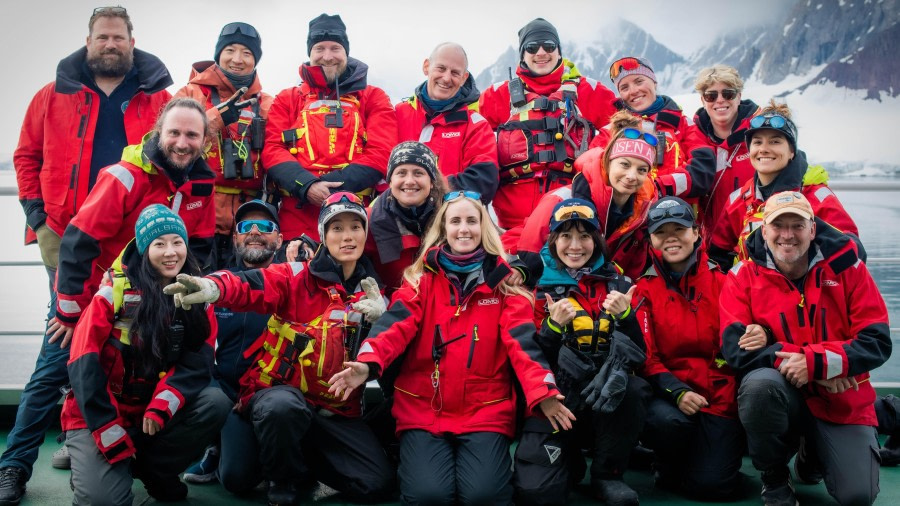
Thank you for joining us on this remarkable voyage. Your curiosity, warmth, and camaraderie made this journey truly special. Wherever your path leads next, we hope it brings you back to these wild places—and perhaps, one day, back to us.

Until we meet again—safe travels, and fair winds.

Details

Tripcode: HDS05-25
Dates: 30 Jun - 9 Jul, 2025
Duration: 9 nights
Ship: m/v Hondius
Embark: Longyearbyen
Disembark: Longyearbyen

Have you been on this voyage?

Aboard m/v Hondius

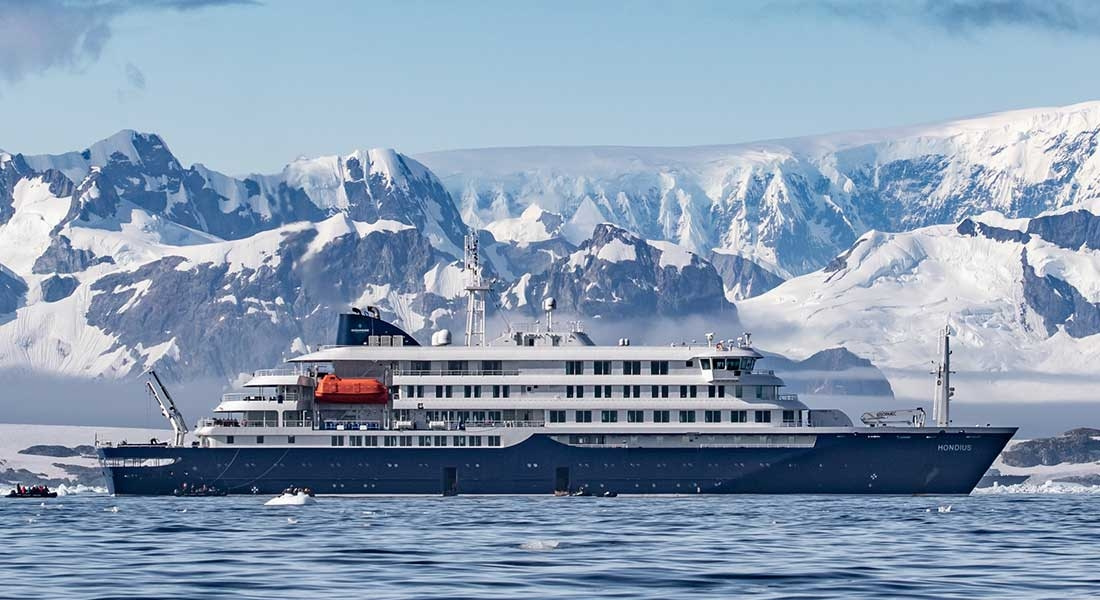
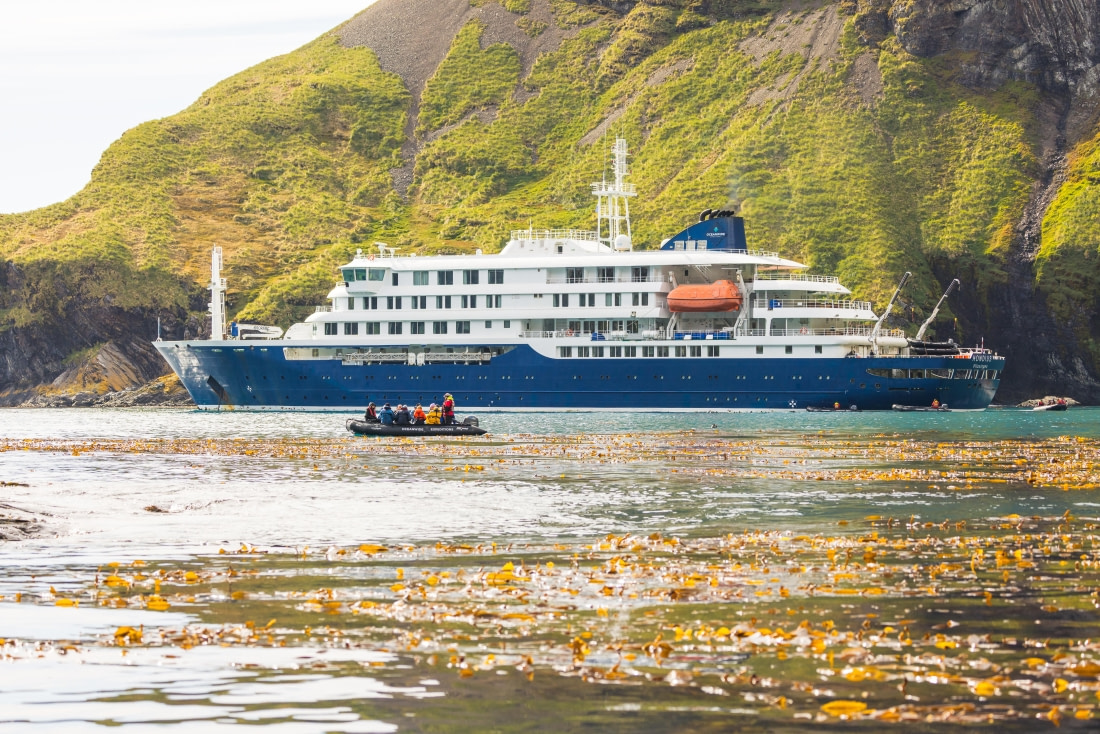
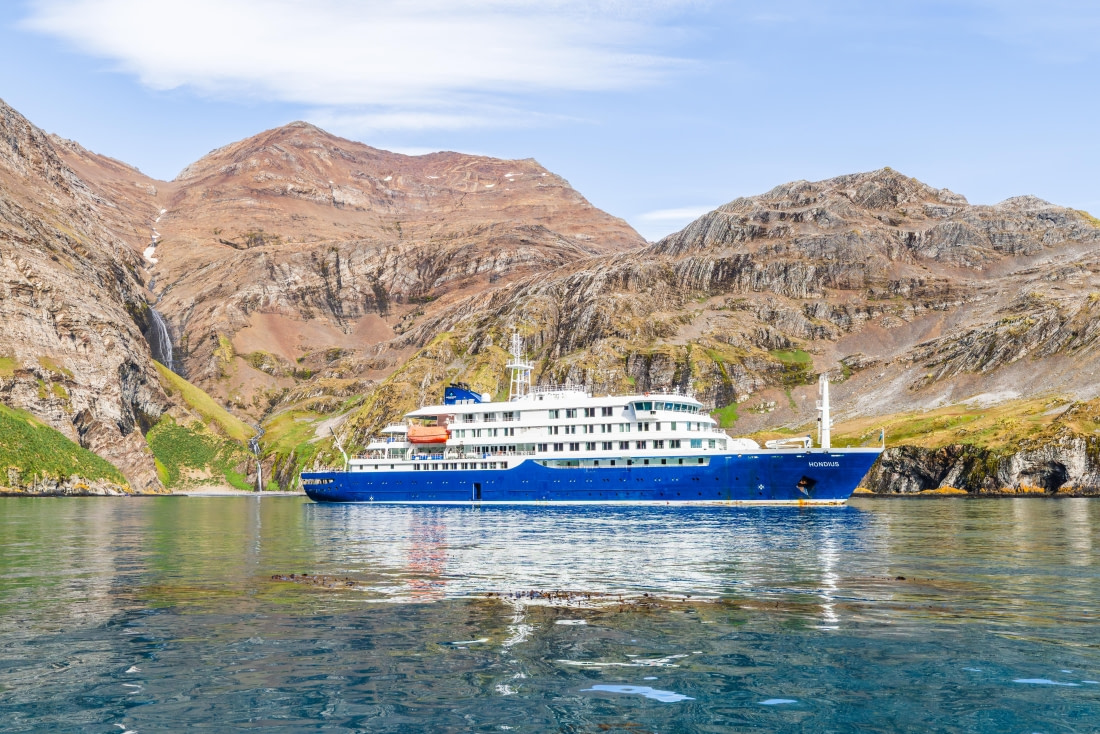
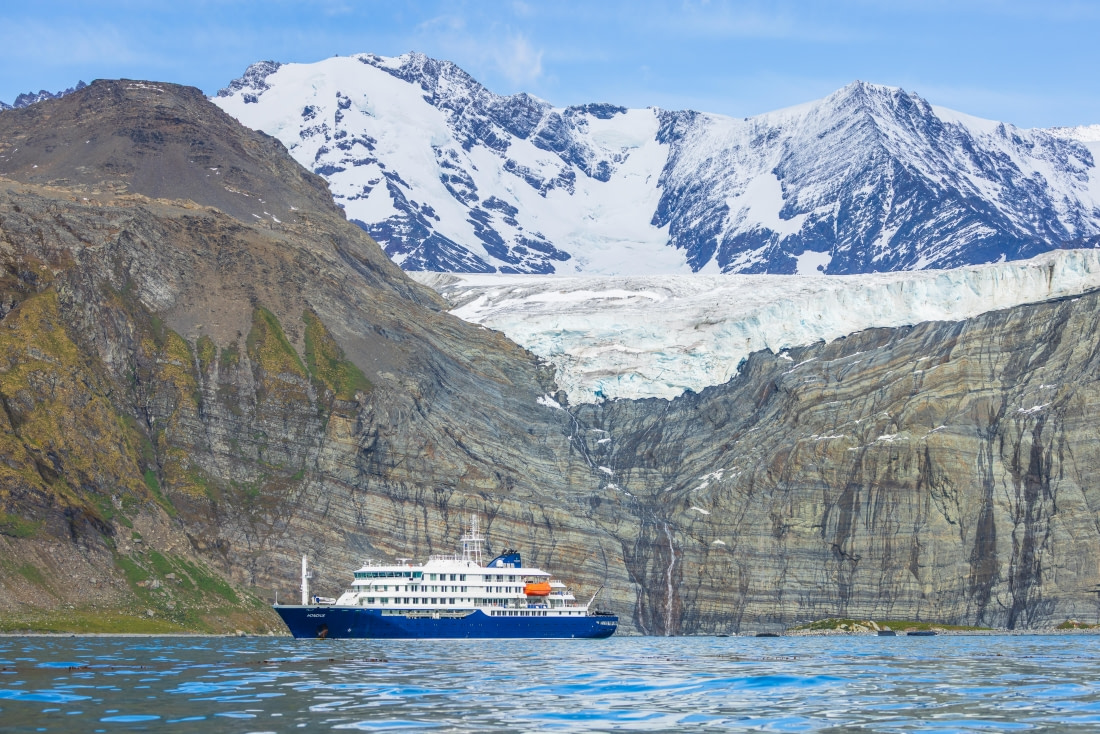
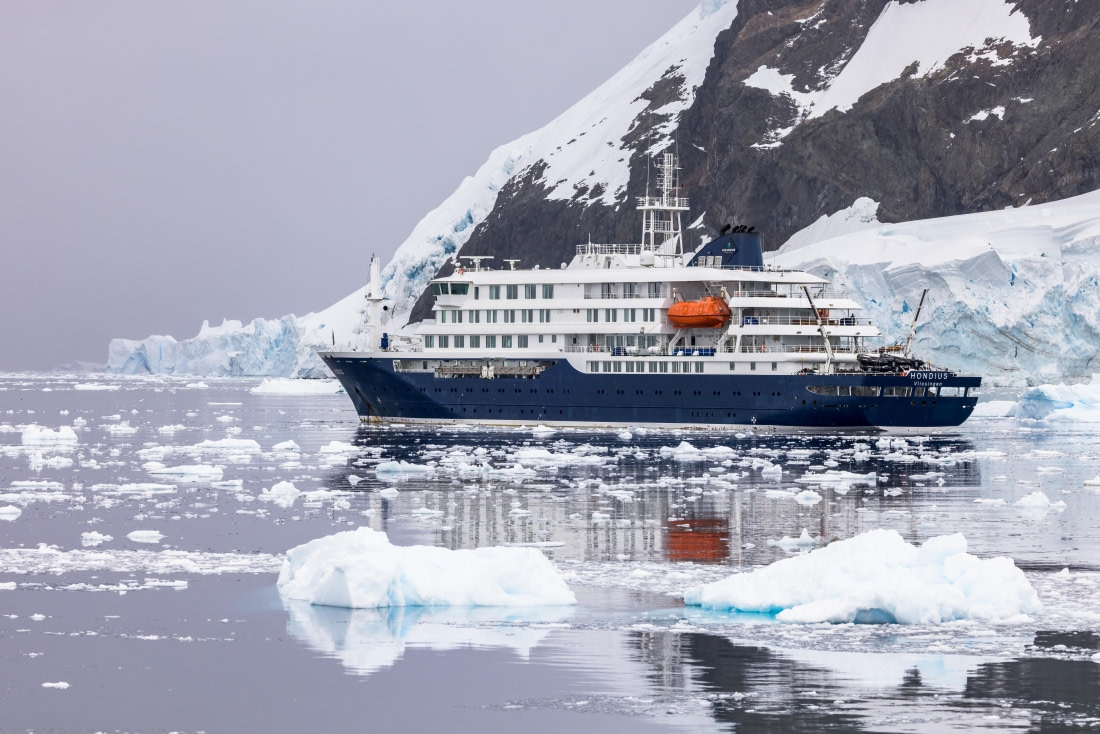
Hondius is the world’s first-registered Polar Class 6 vessel and was built from the ground up for expedition cruising.

More about the m/v Hondius »
Loading