| Date: |
21.06.2024 |
| Position: |
77°00.1’N / 016°09.5’E |
| Wind: |
S2 |
| Weather: |
Partly cloudy |
| Air Temperature: |
+1 |
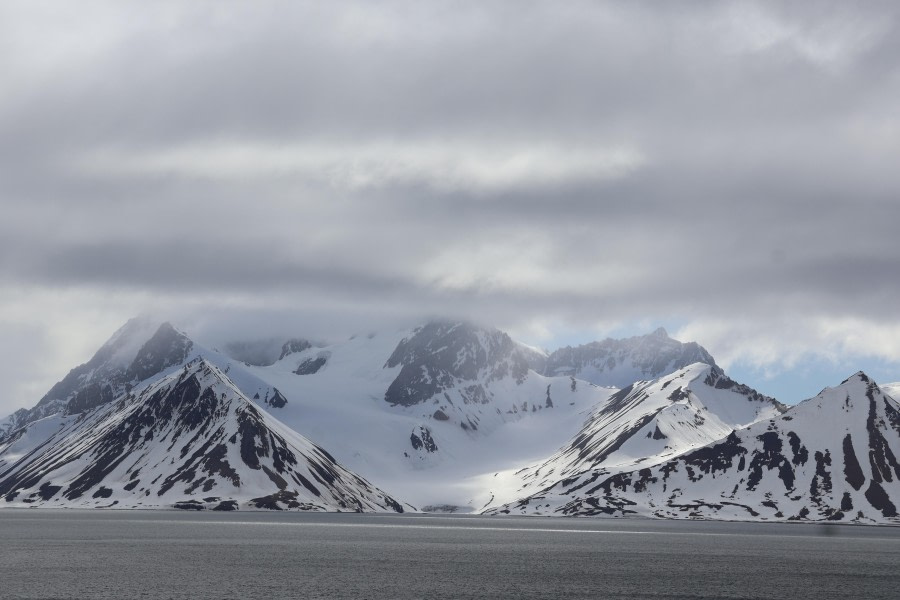
After our first night underway, heading south, we arrived at the entrance of Hornsund early in the morning. The wind was strong, gusting up to 50 knots. The mountains were topped with lenticular clouds and fast ice lined the inner reaches of the fjords. We made our way into the inner most bay of Hornsund called Brepollen. This is a bay surrounding by glaciers from all sides. These glaciers once rumbled down the valleys much further than they do today, even reaching as far as Treskelen in 1900, the site where we went ashore.
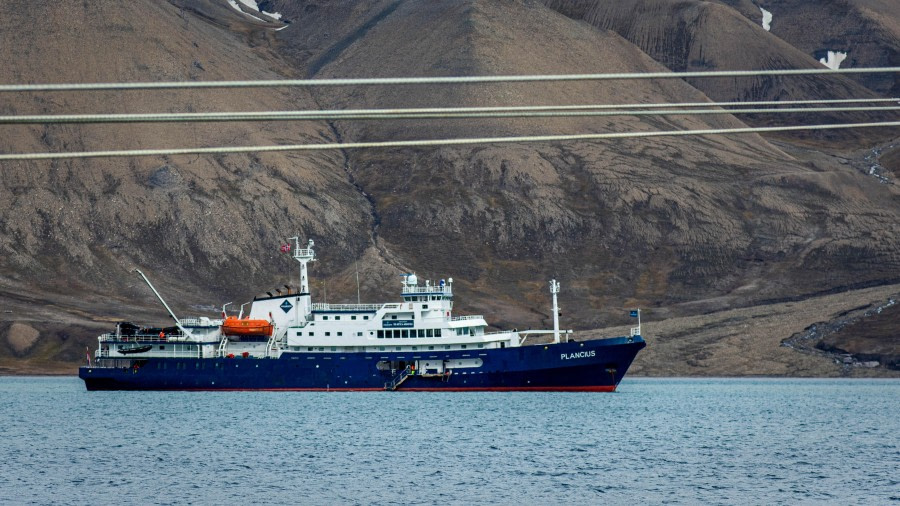
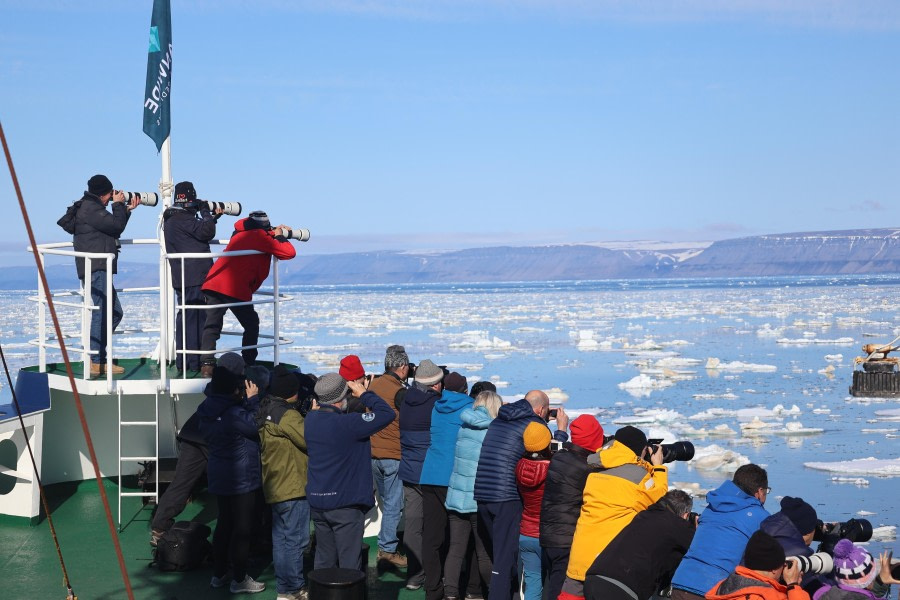
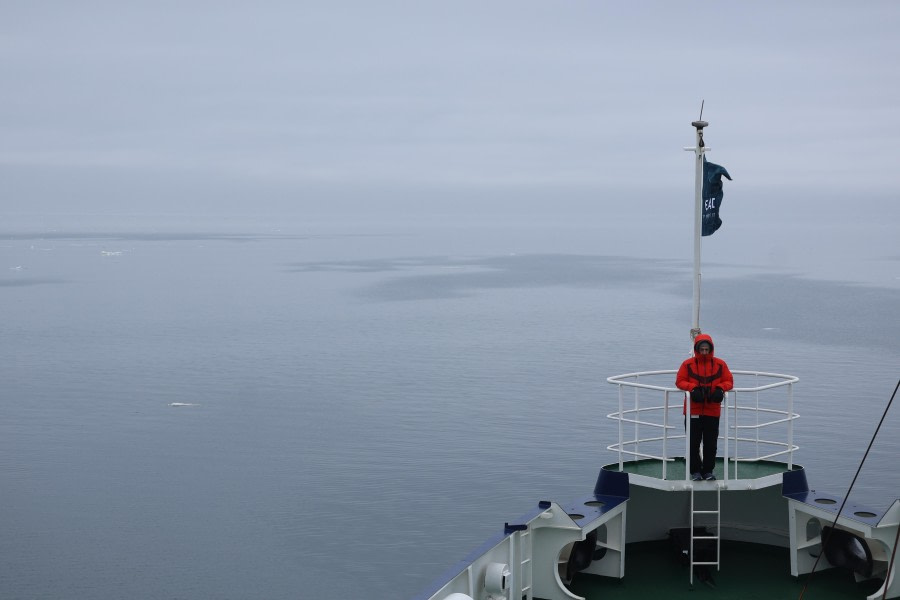
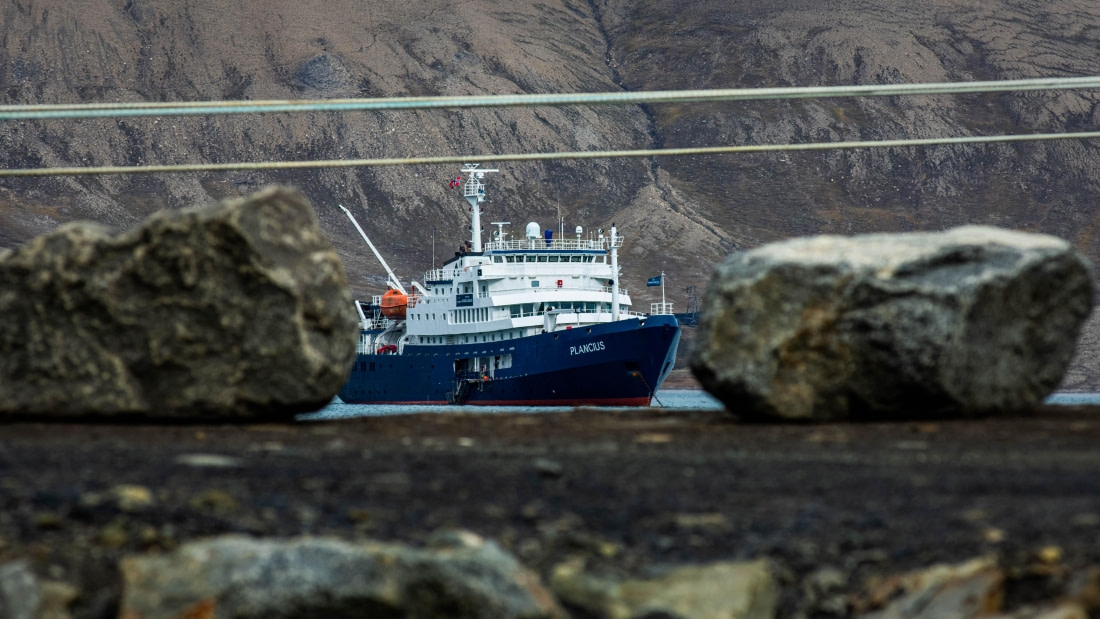
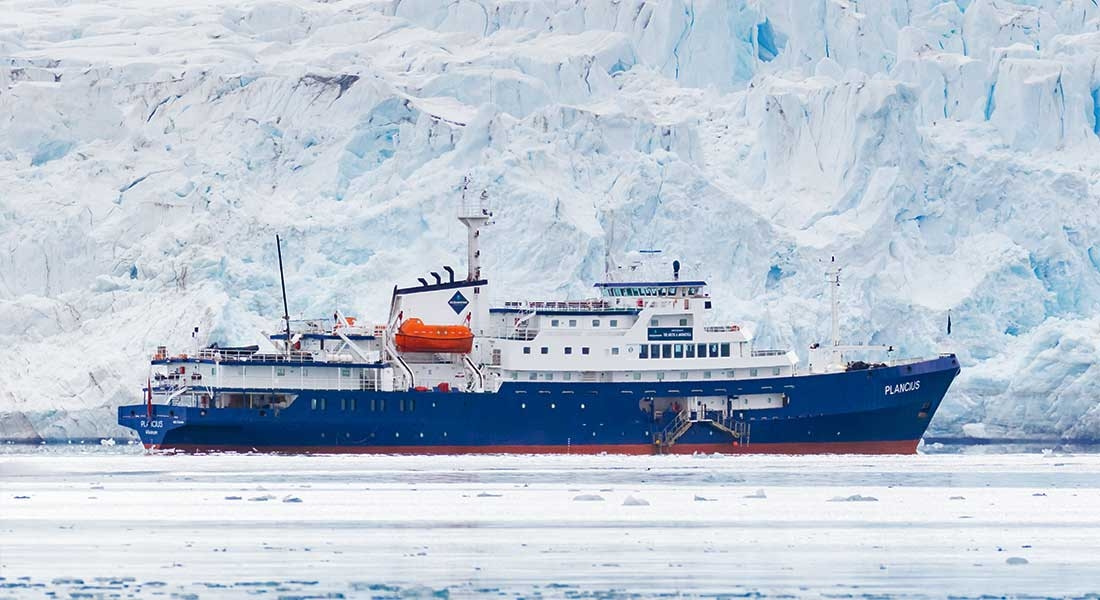
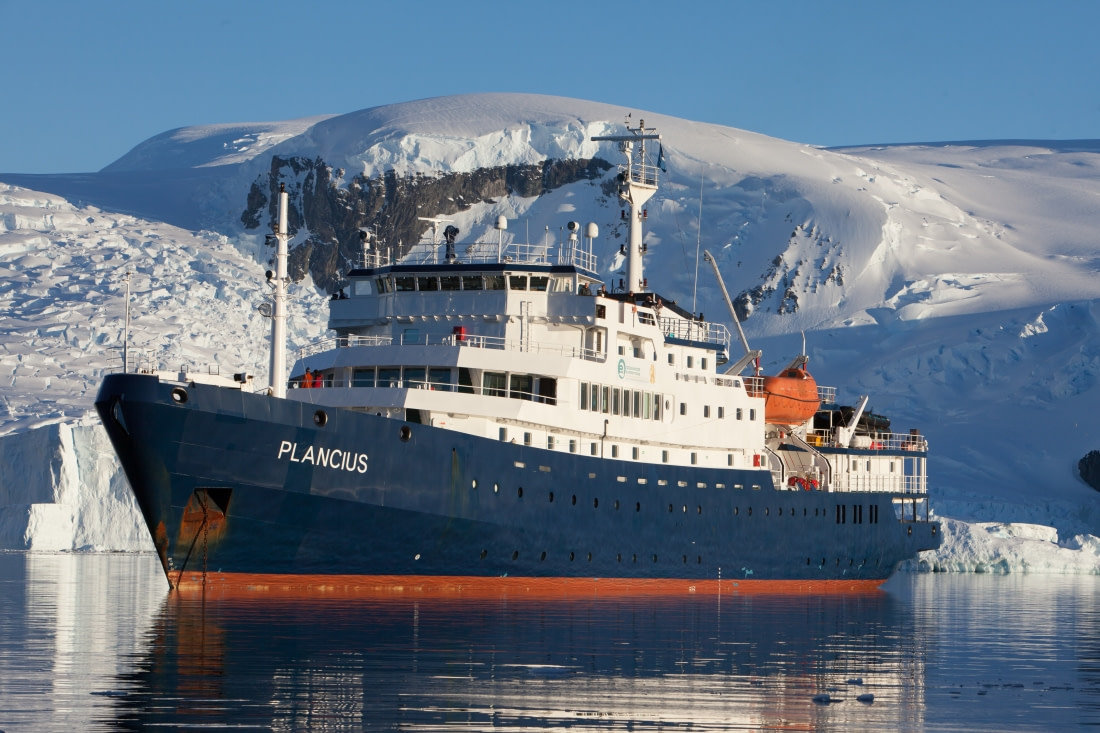
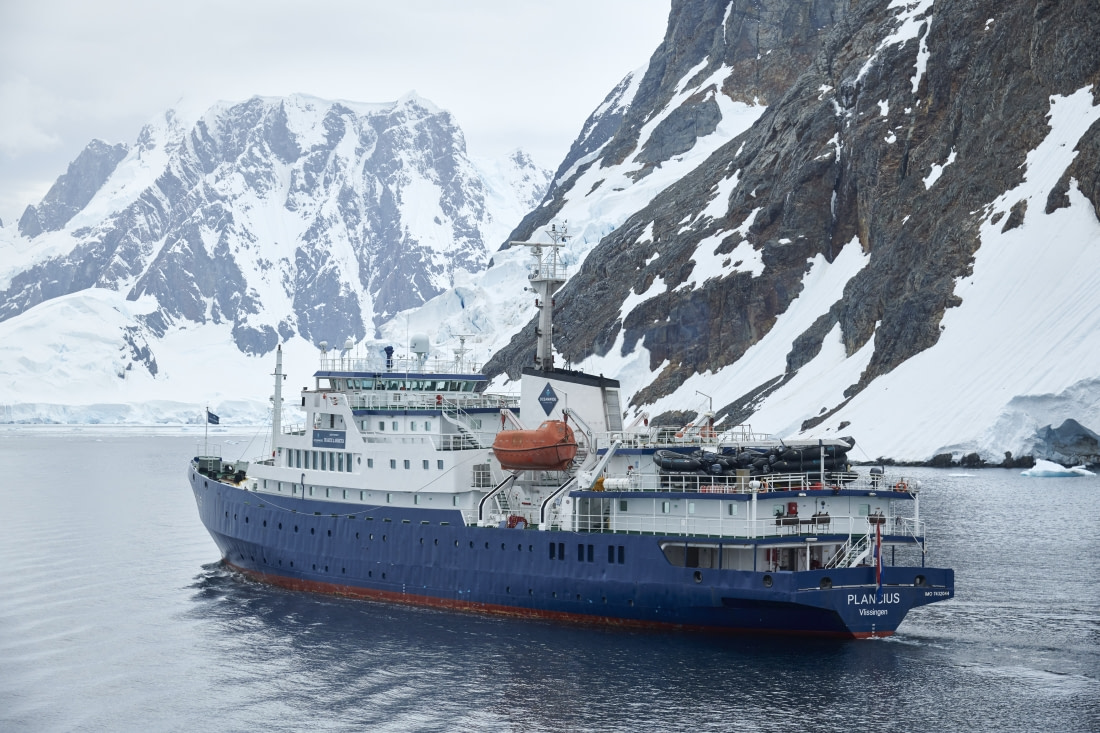
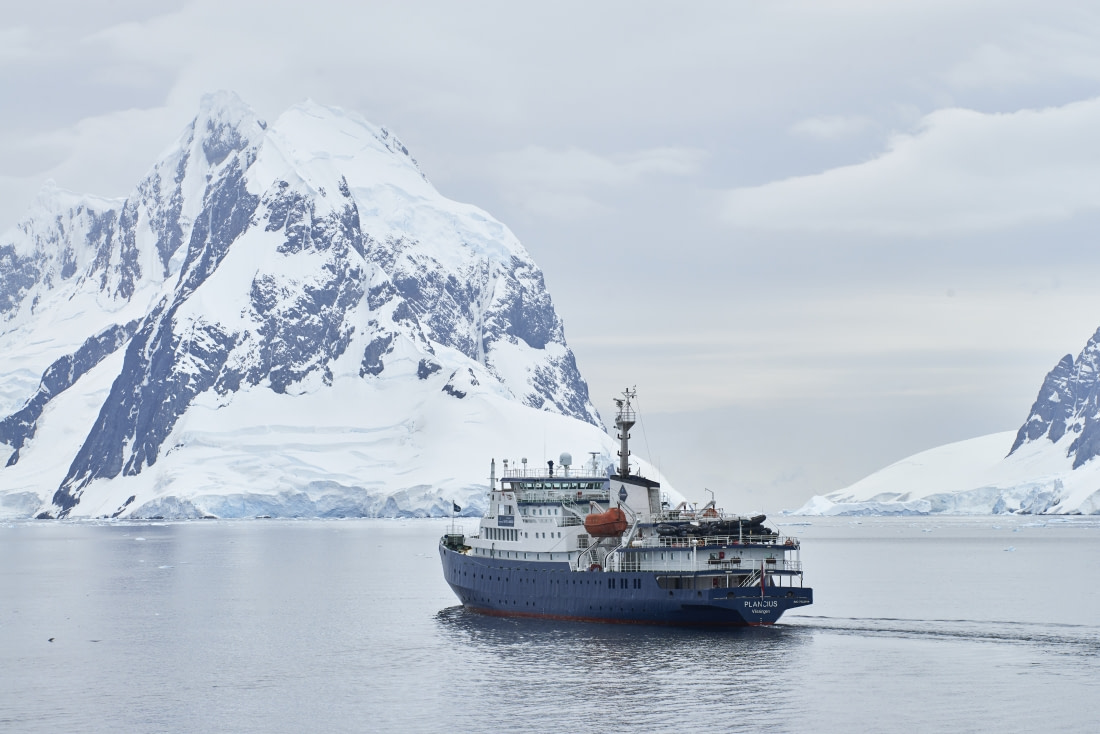
Excited guides and guests wandered the decks off Plancius with their binoculars to hand. The patchy snow at this time of year makes spotting challenging so you must focus if you want to find anything around here. Dark grey seals were spotted on the fast ice, resting next to a convenient hole in the ice.
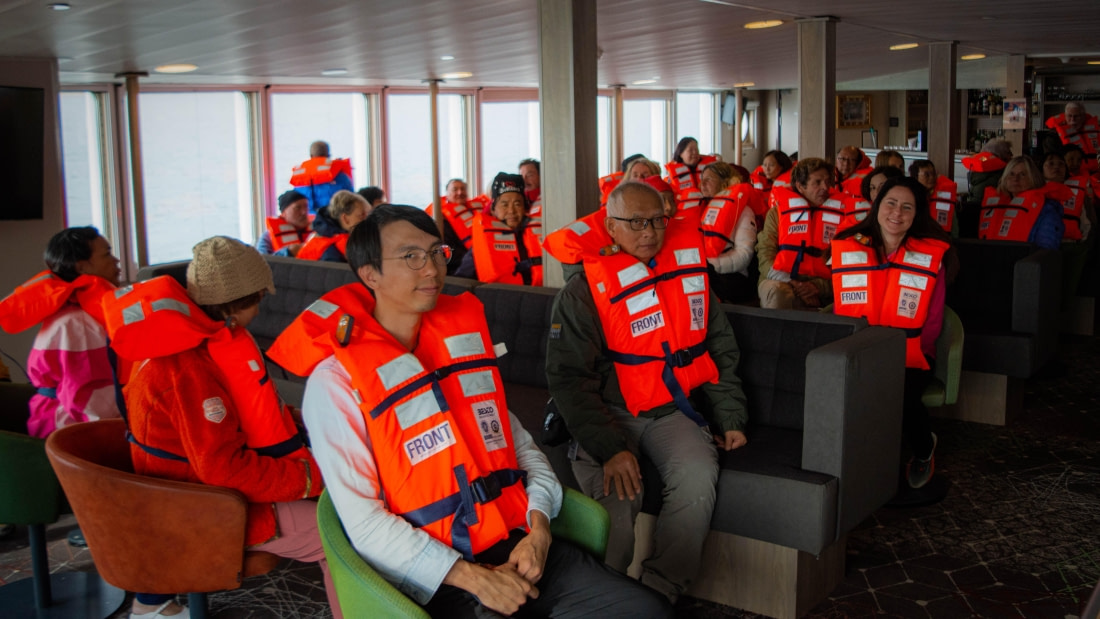
After breakfast, we had our mandatory briefing for how to board and unload zodiacs, a useful lesson particularly when the weather is not so calm. Our expedition leader Phillipp also introduced the plans for the morning’s walks in more detail and polar bear safety.
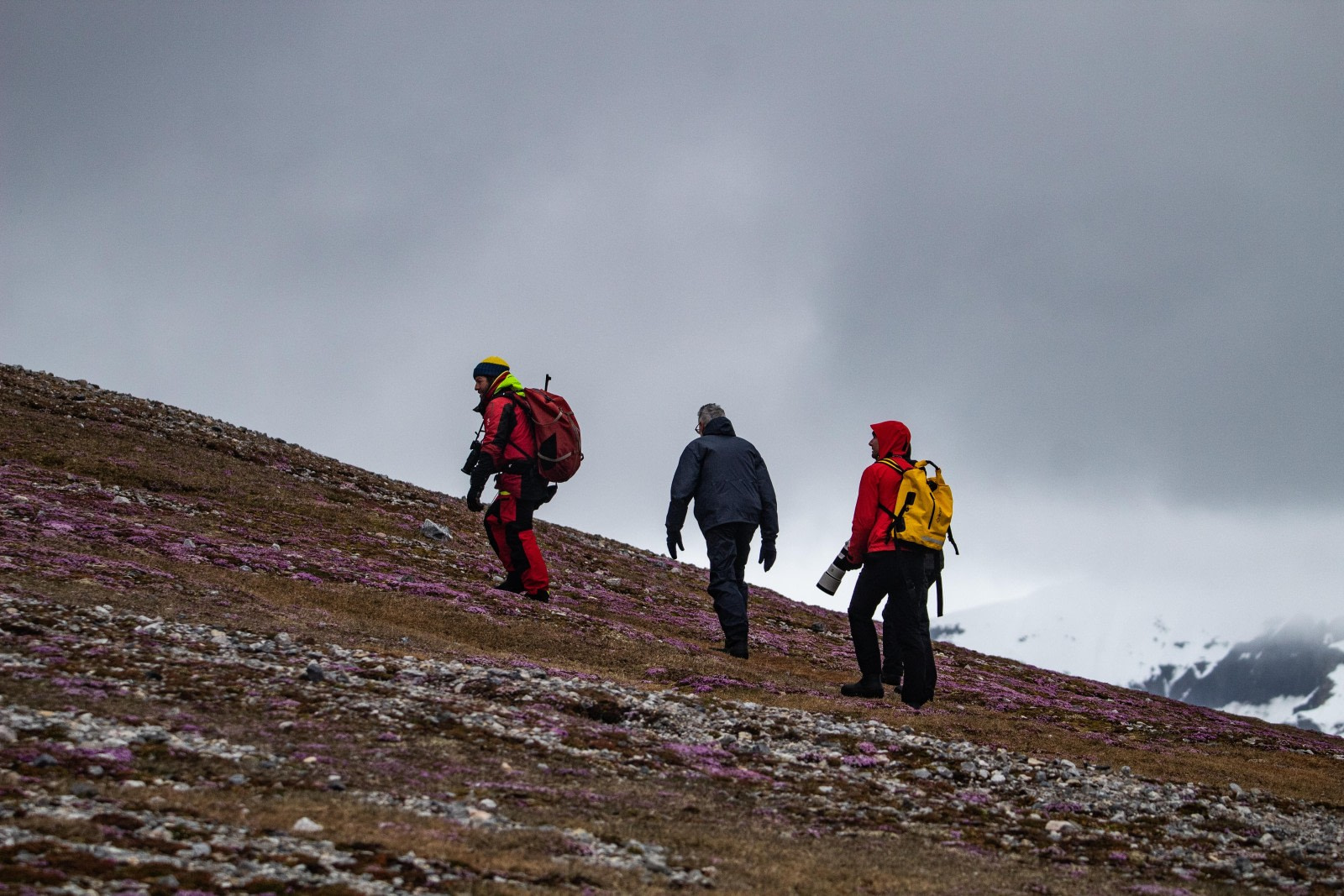
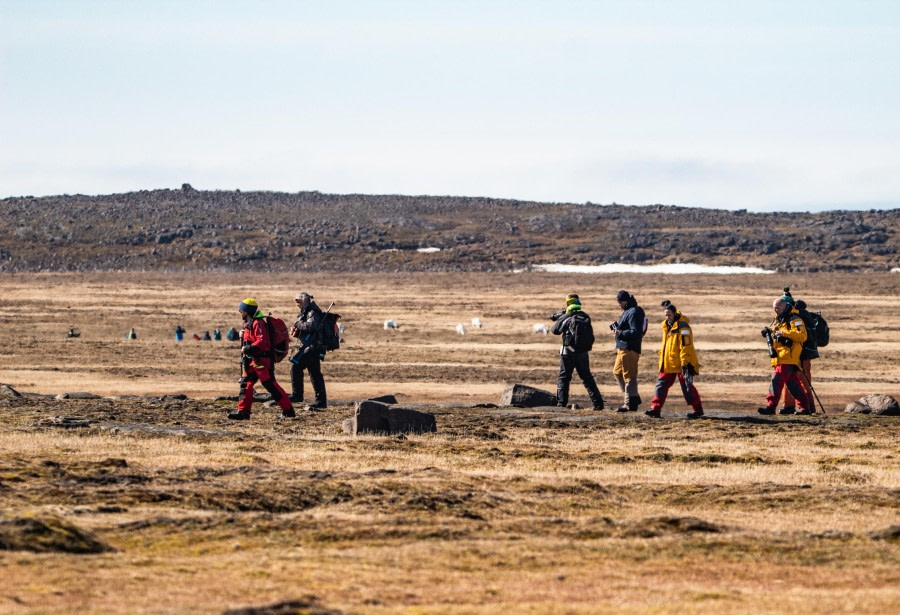
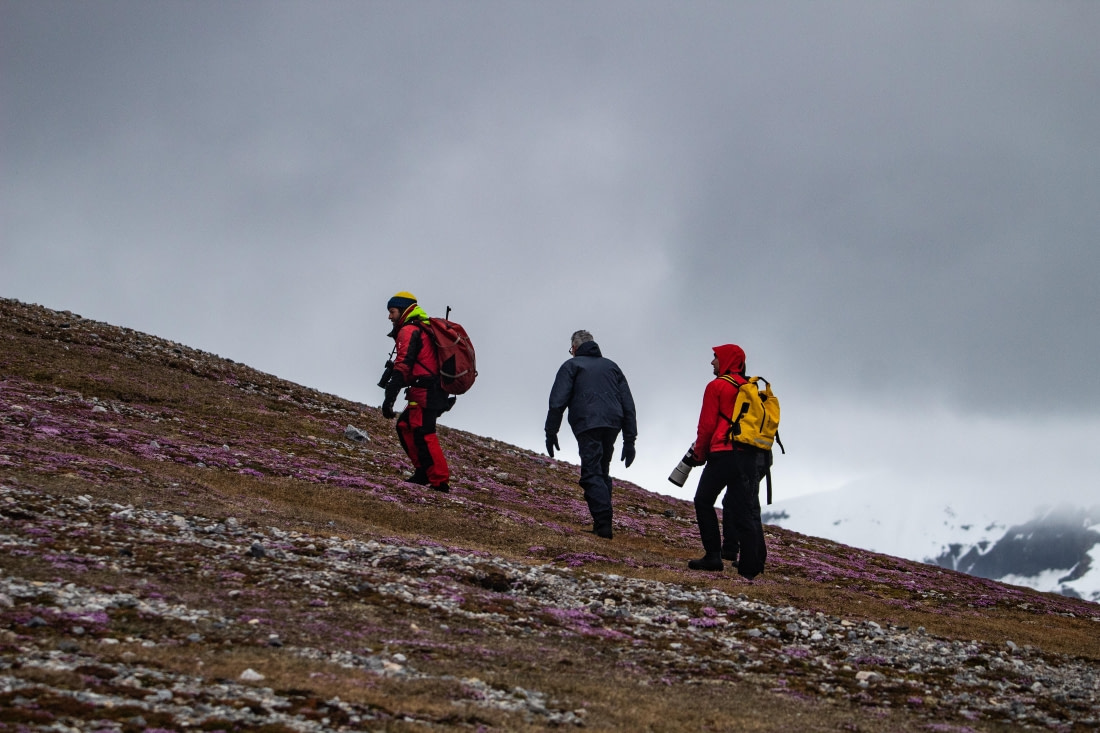
At the landing site, on the western side of Treskelen, we set off exploring the rocky, snow laden peninsula in our groups. We divide into groups so we could go at our own pace, whether that was slow and steady for taking many photos, or a brisk walk to get to the hilltop and see the views to the east. From the high ridge, we could see from above the large areas of Brepollen covered in fast ice. The wind was strong, blowing us backwards as we tried to walk up the loose rock to the ridge. Each step on the snow was a surprise, sometimes a foot would sink in, deeper than your knee, other times the hard ice below would hold your foot near the surface.
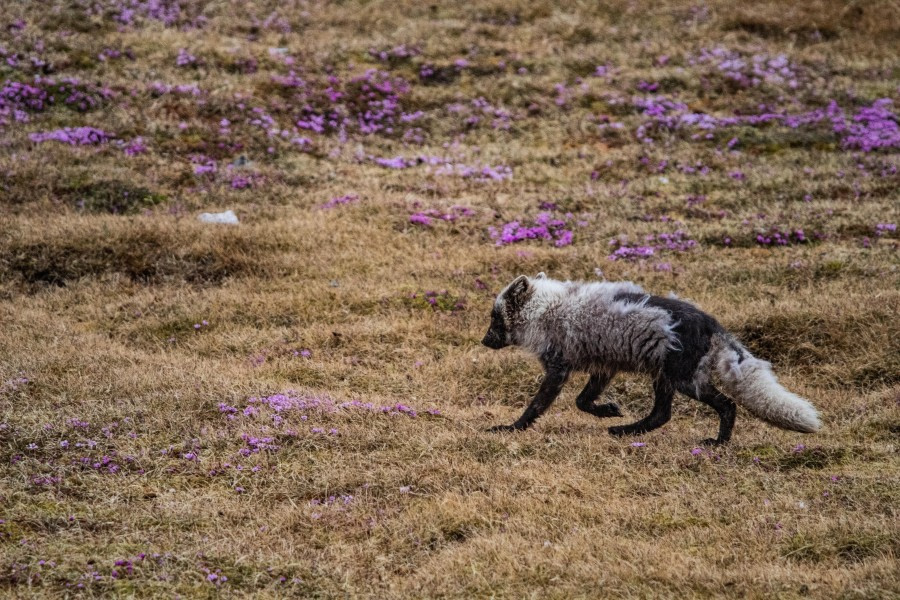
In our groups we observed the flowers and mosses that persevere in this harsh environment, growing into a colourful display during the short burst of summer. Tufted Saxifrage and Purple Saxifrage were amongst the most common seen, which are pioneer species colonising the landscape. The rocks which we walked on were also of interest. They are sedimentary layers that were laid down during a time when the climate and setting were quite different for Svalbard. We began walking on limestone type rocks, representing a time when Svalbard was further south, near the equator. By the time we made it to the top of the ridge, we found ourselves walking on dark coloured rocks called shales. These represent a change in the conditions as Svalbard slowly drifted north due to plate tectonics, reaching a climate where fine muds were deposited in cold shallow seas.
A group also went for a longer walk, taking a packed lunch ashore to allow an extension along the coastline. We had lunch at an old trapper’s hut which is used occasional by private trips visiting Hornsund. Our walk ended near a stony beach where we were shuttled back to Plancius.
The afternoon was spent zodiac cruising for those who did not join the long hike. Burgerbukta is split into two fjords now that the glaciers have retreated beyond the rocky spur. We made our way into the eastern fjord of Burgerbukta where the glacier Mühlbacherbreen forms a calving glacier front.
The fast ice covered a lot for the bay making an area that was impassable to the zodiacs. One kittiewake was attacked by an artcic skua, which was caught on camera by some. Brunnichs guillemots and fulmars were also seen. The impressive landscape was wonderful to see from the water, making us feel small in such a vast setting.
In the evening, Phillipp, Beth and Eduardo gave some talks on the plans from the following day, the geology we had seen today and the importance of this day as the summer solstice: a day that is important for many cultures around the world!