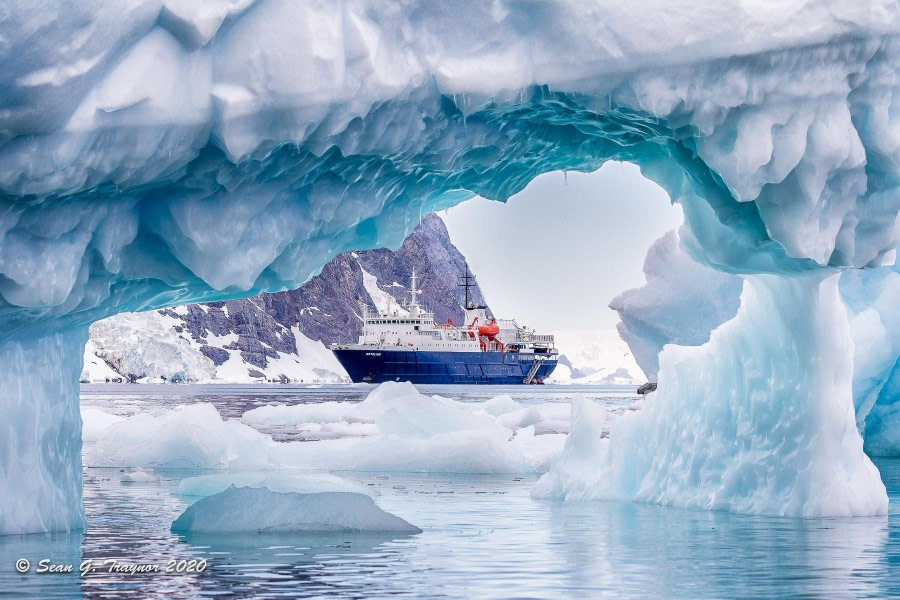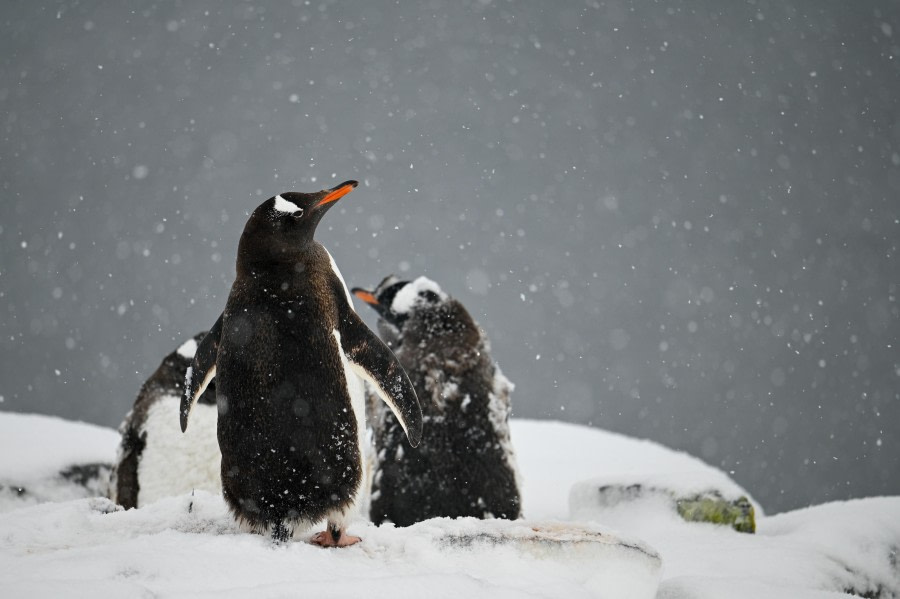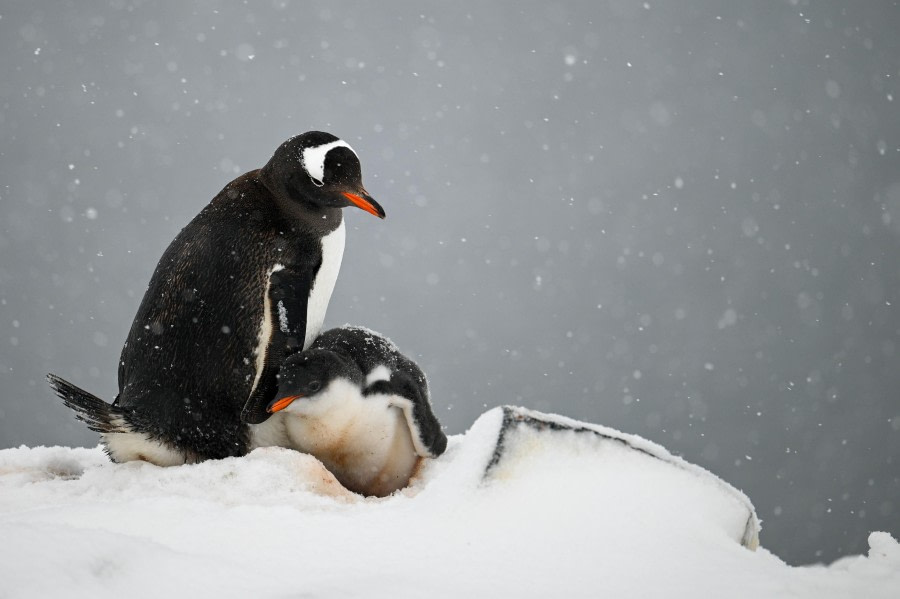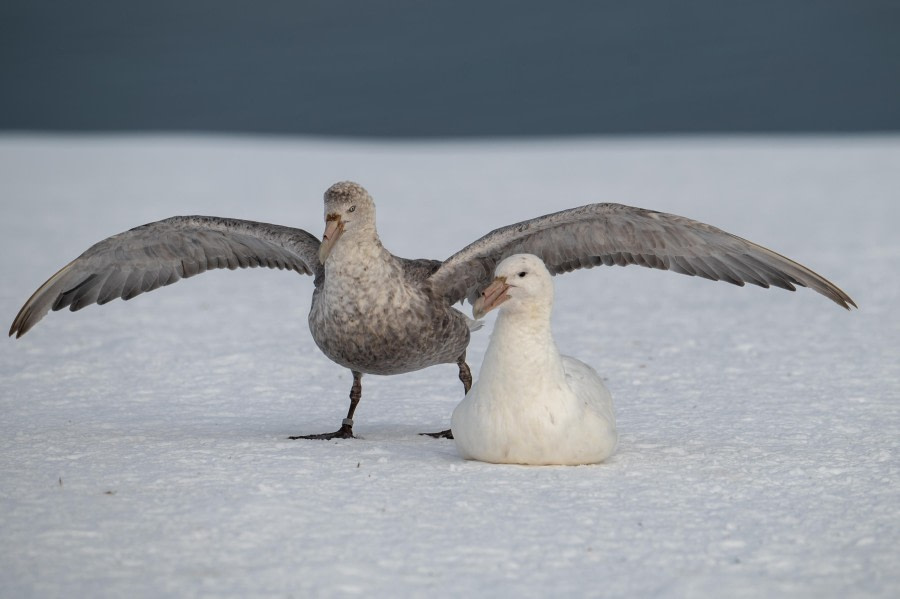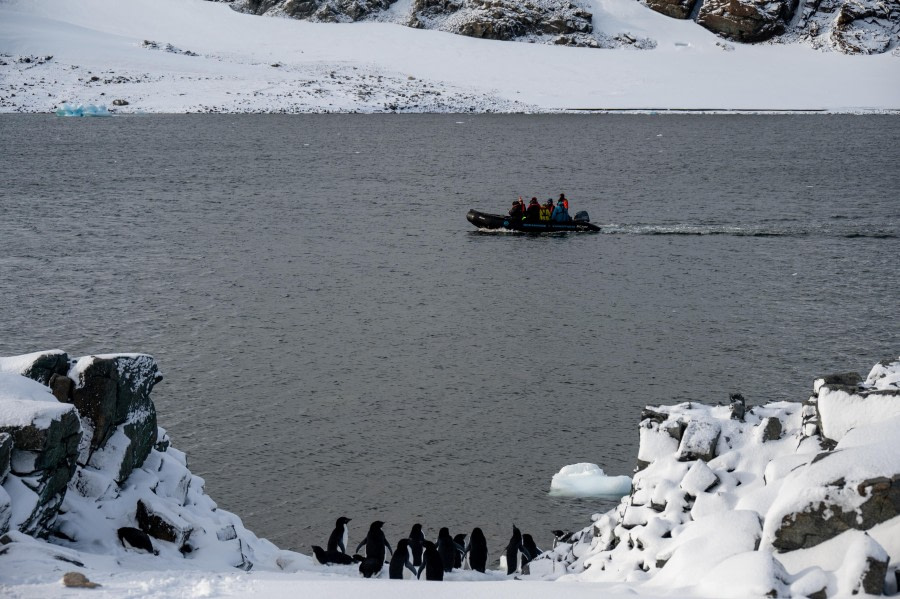
The Ross Sea is a giant bay found south by south-east from New Zealand. Home of at least 10 species of mammal, 6 dozen species of birds, nearly a hundred types of fish, and around 1000 examples of invertebrate species. The Ross Sea is one of the few expanses of salt water that has been left (relatively) free of human impact.
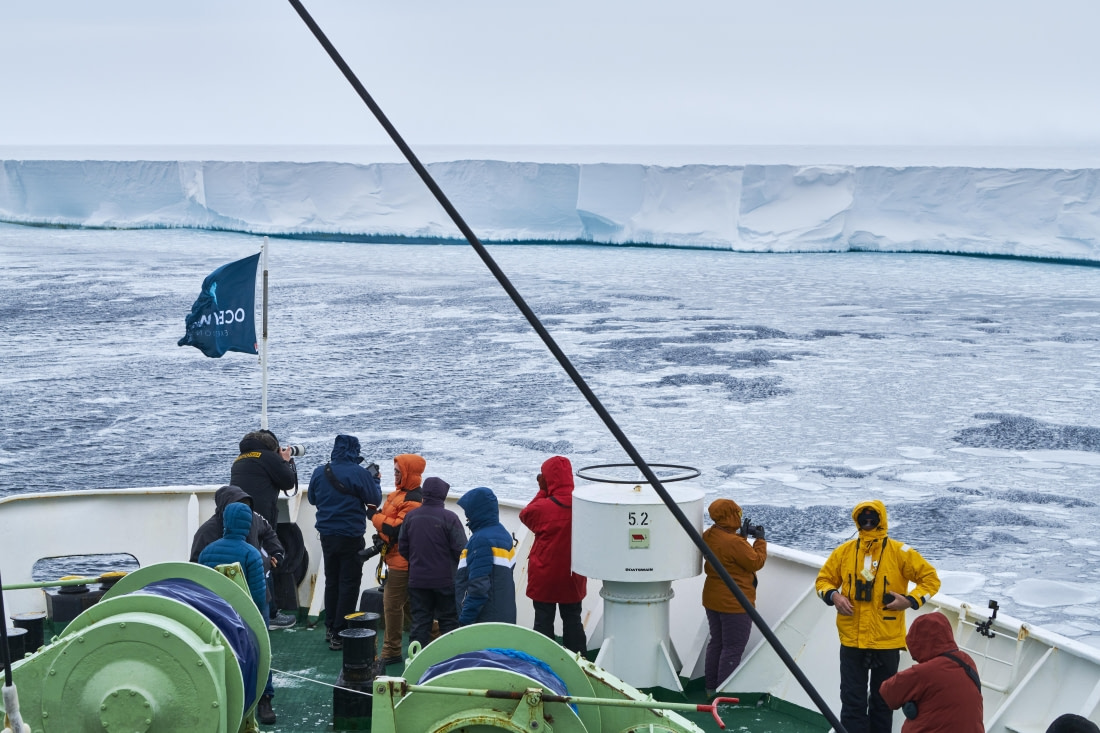
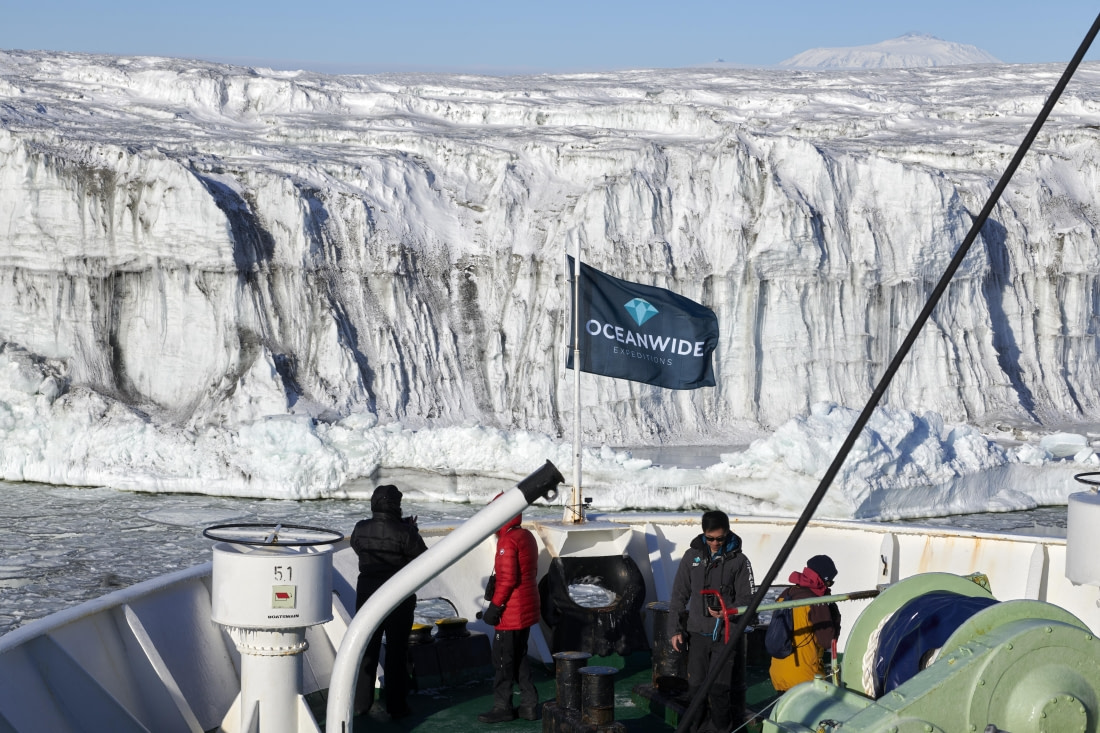
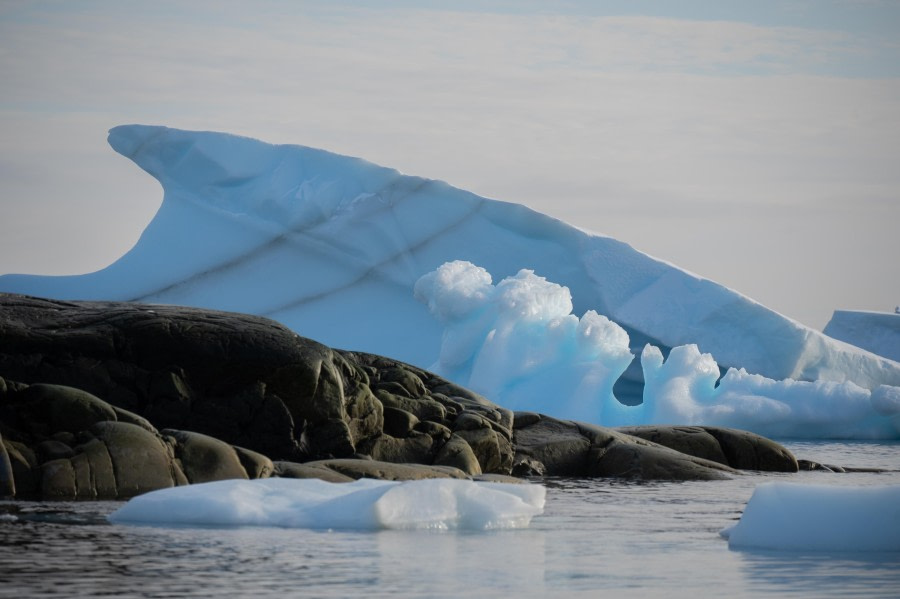
Travellers to the Ross Sea are greeted by a massive geographical wonder – the Ross Ice Shelf. The shelf, roughly the size of France, is in fact part of a massive glacier that runs back onto the continent. The Shelf, referred to as the Ross Barrier by explorers like Shackleton and Scott, runs 700 km long at its northern end and towers 15-50 metres above the water.
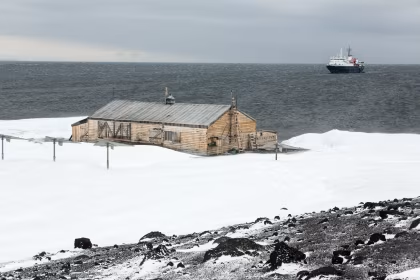
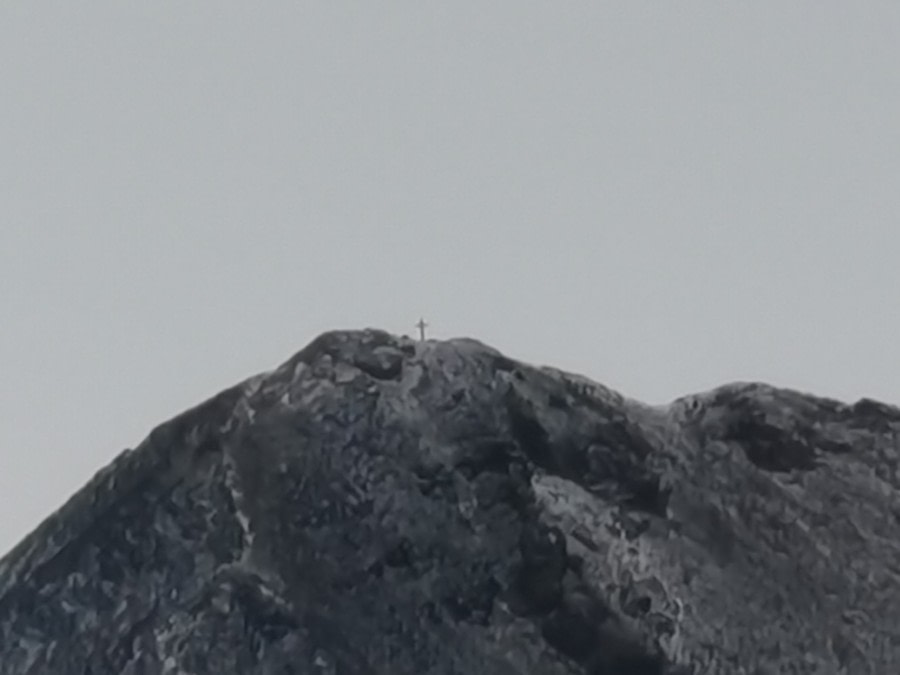
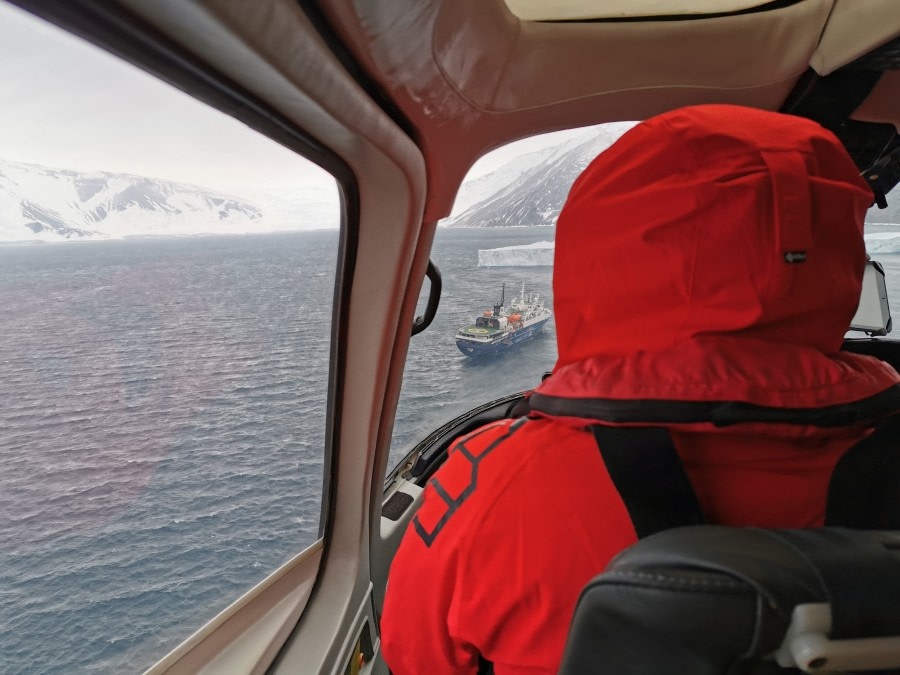
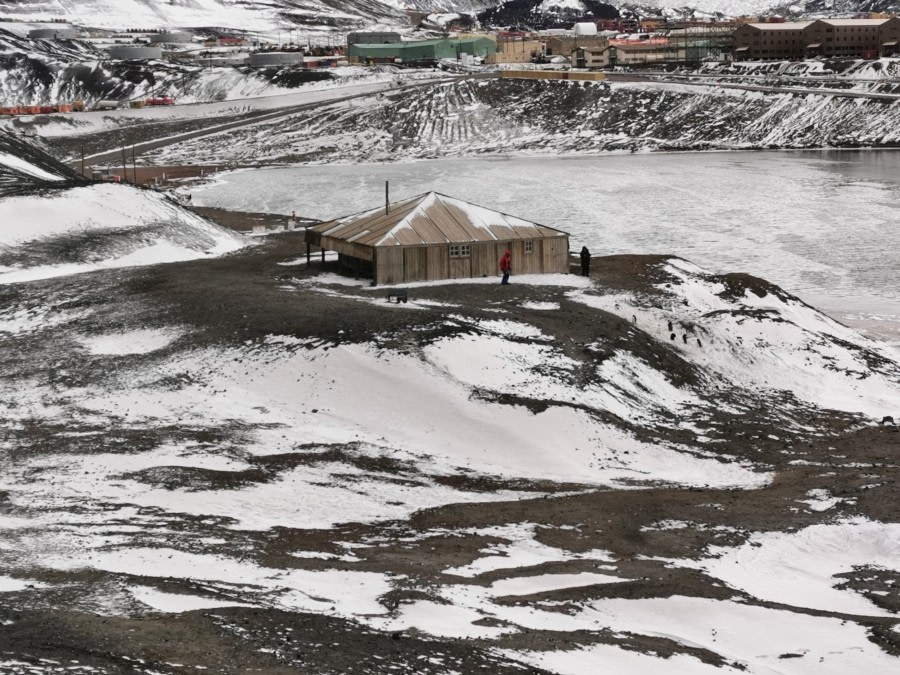
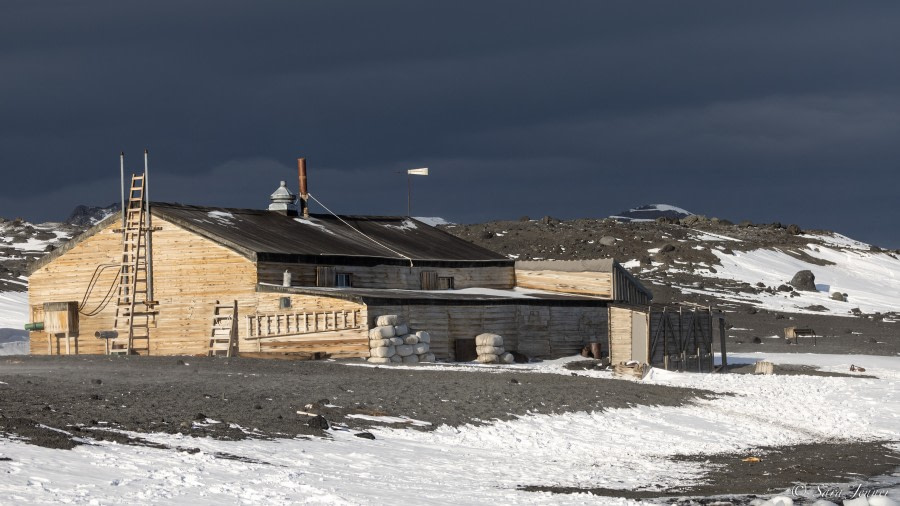
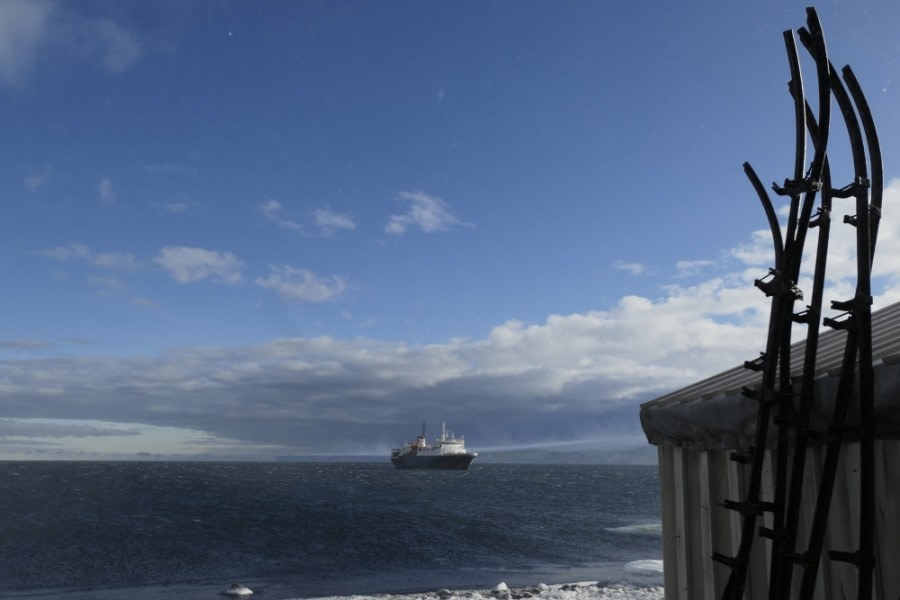
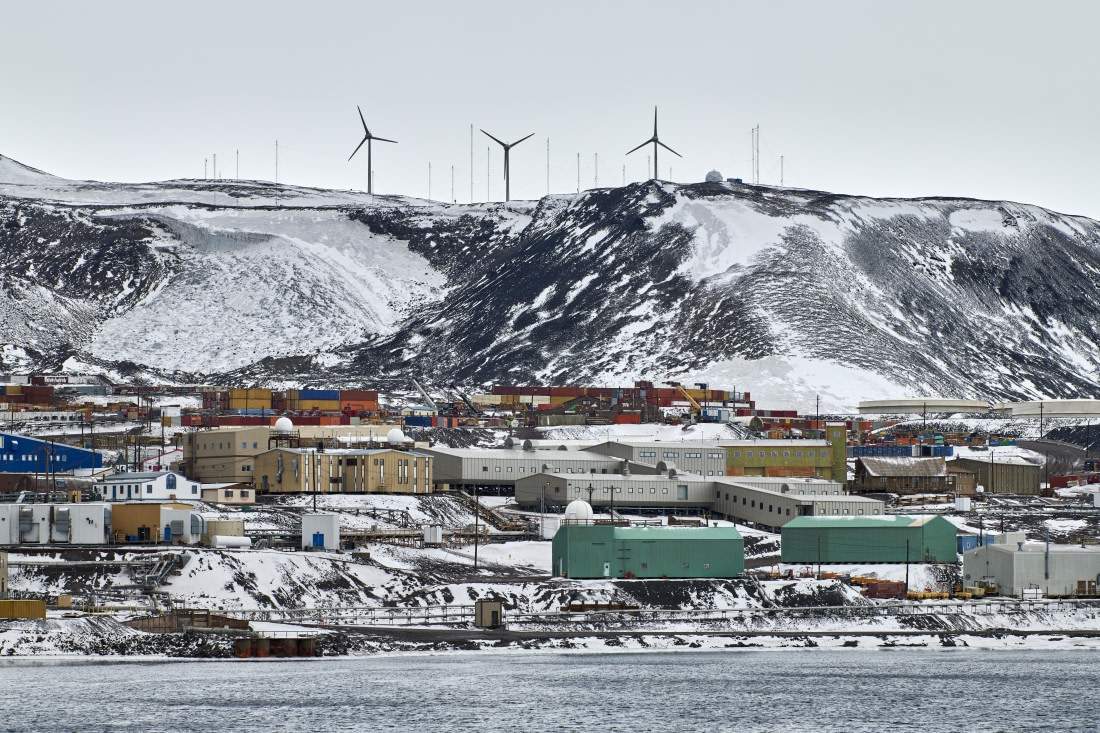
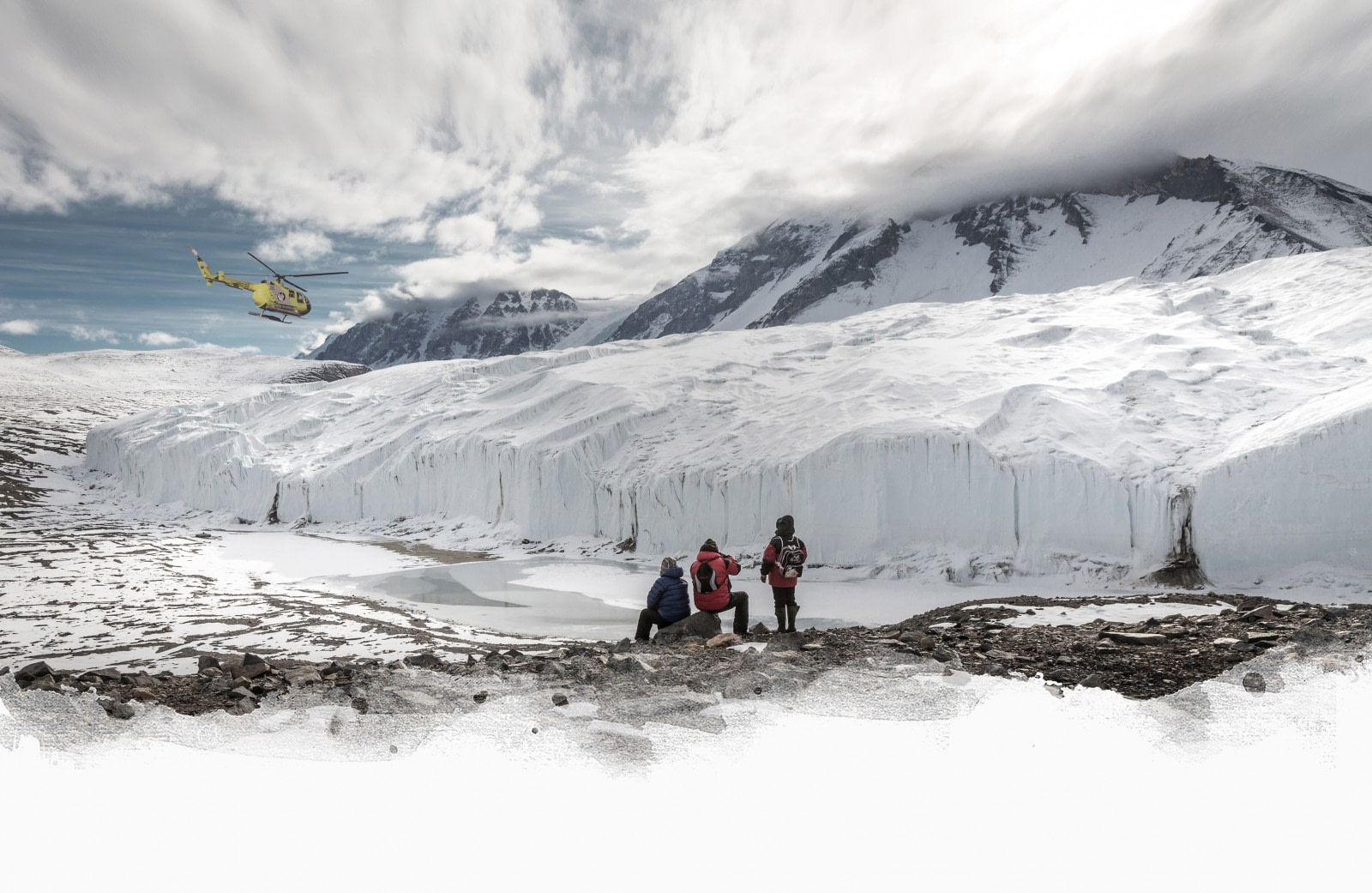
Passengers aboard one of our Ross Sea Journeys will travel along the southern parts of the Antarctic Peninsula, Peter I Island, the Bellingshausen and Amundsen Seas into the Ross Sea. Visiting the Ross Ice-shelf, Dry Valleys, McMurdo Station, Campbell Island and the historic huts of discovery voyagers Scott and Shackleton. Ortelius will be equipped with helicopters. Be prepared for an unforgettable memory.

Derzeit haben wir keine Ross Sea Kreuzfahrten verfügbar.
Video of Ross Sea expedition
Neuester Blog und Kundenbericht
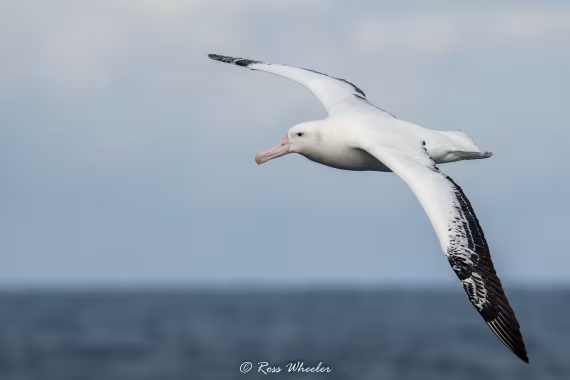
Die acht Albatrosse der Antarktis und der Sub-Antarktis
Egal, ob Sie in die Antarktis, in die Subantarktis oder in eine Kombination aus beidem reisen, in diesem Eintrag finden Sie alle wichtigen Informationen über Albatrosse und darüber, wo diese Vögel am besten zu finden sind.
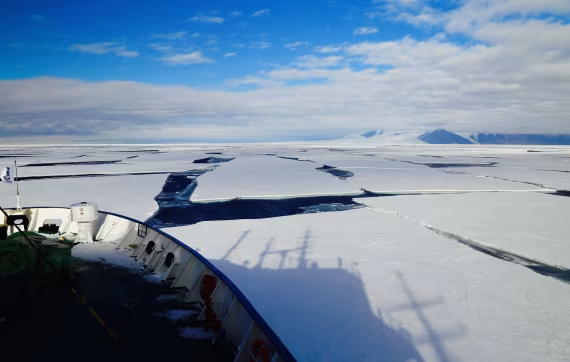
The Most Epic Journey In The World: Ross Sea Antarctica
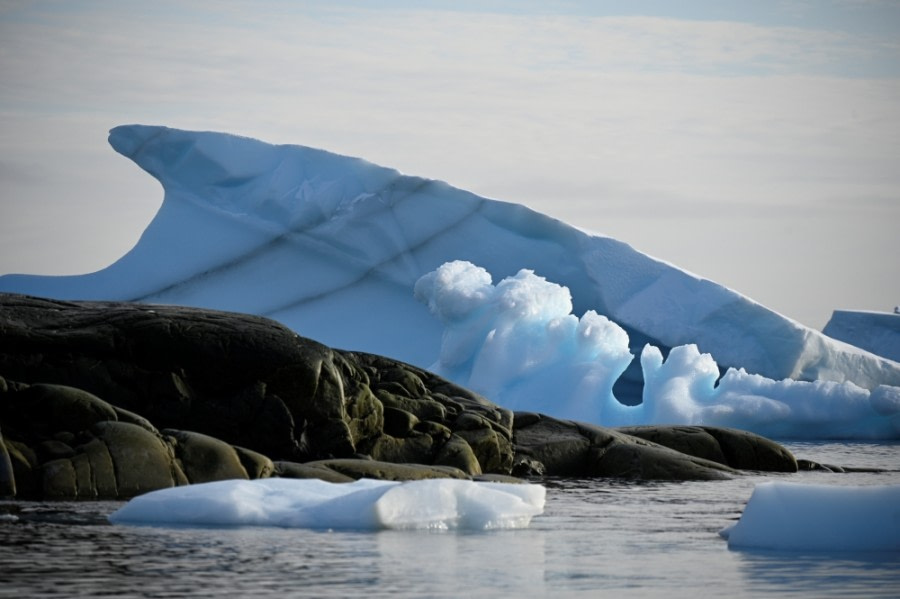
This expedition had everything – jaw dropping landscapes, whales galore, volcanoes, ice, ice and more ice of all kinds, berg, fast, sea, pancake, brash... forever sunsets, heroes, huts and of course, penguins...
Aktuelles Highlight und Tierwelt
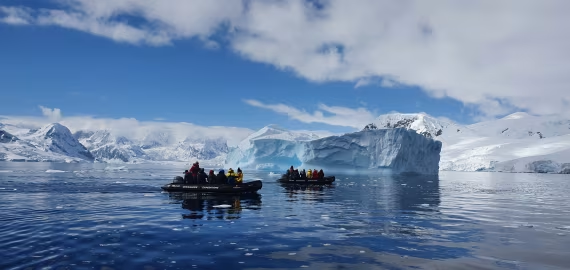
Sehen Sie die Highlights, die Sie erleben können:
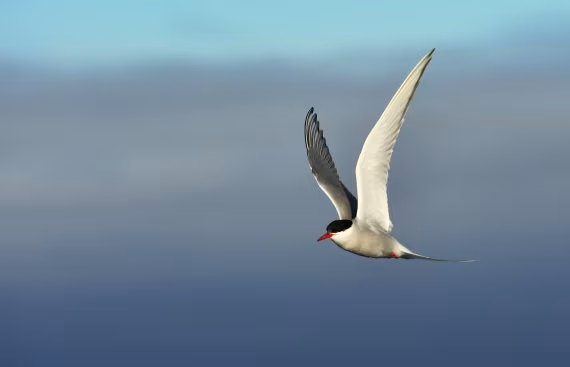
Sehen Sie die Highlights, die Sie erleben können:
Map of the Ross Sea
Ross Sea photo
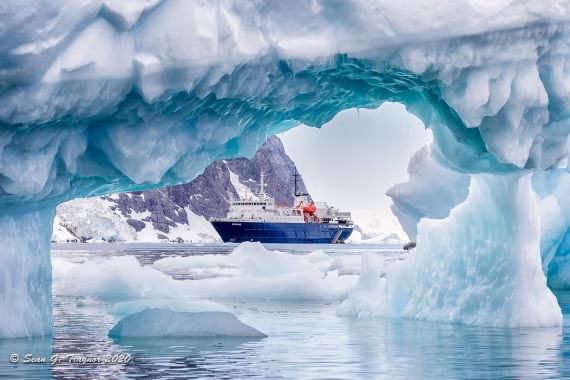
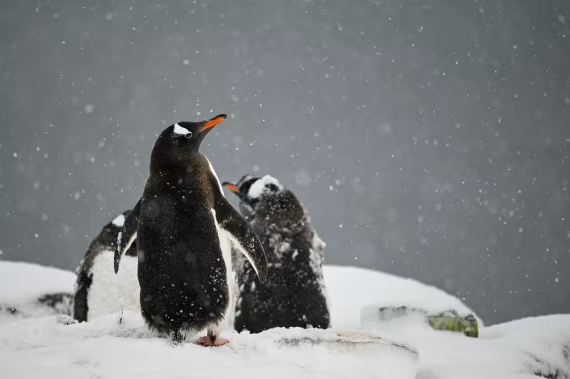
Ross Sea cruise reviews
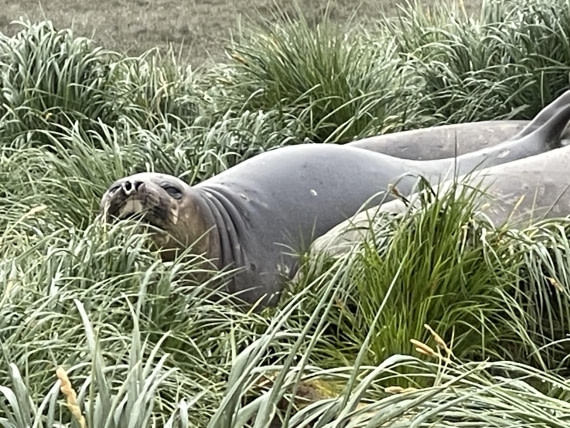


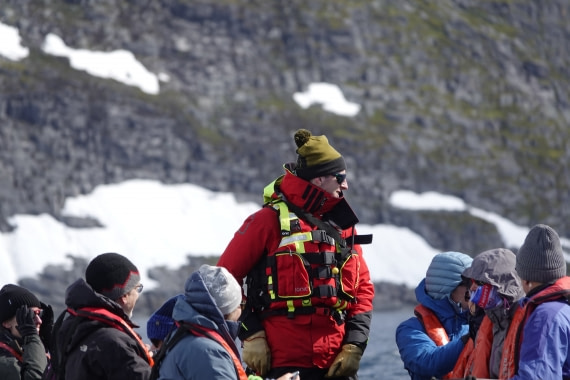


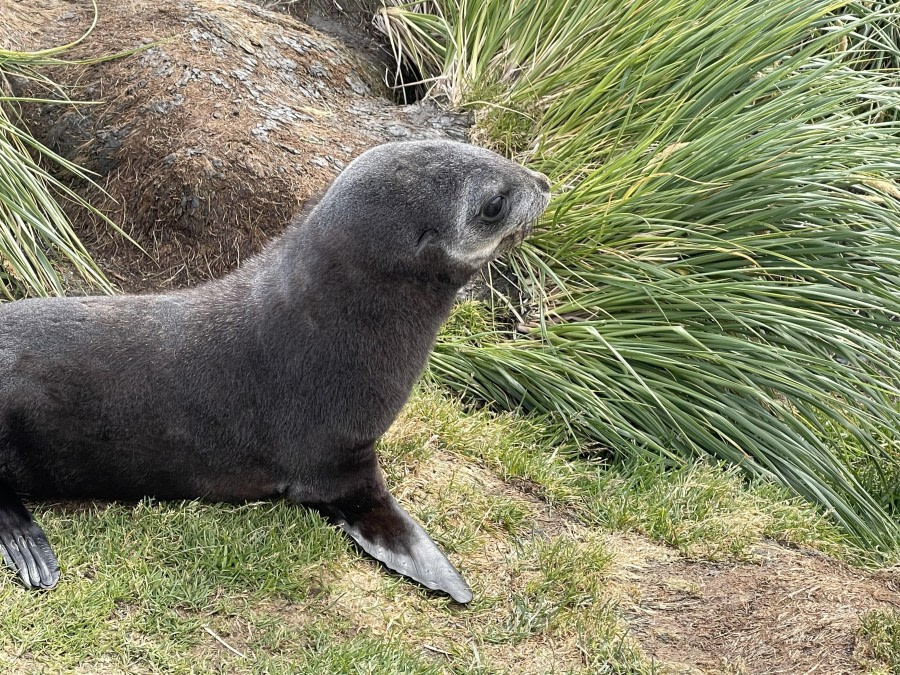
The Gray Seal is cool




Ross Sea FAQ
Wie sieht eine Reise in das Rossmeer aus?
Das Rossmeer in der Antarktis ist eine der entlegensten Regionen der Erde. Aufgrund der schweren Packeis-Decke liegt es für den größten Teil des Jahres abseits der typischen Touristenpfade der Antarktis. Nur die stärksten eisverstärkten Schiffe sind in der Lage, in diese hochantarktische Region vorzudringen.
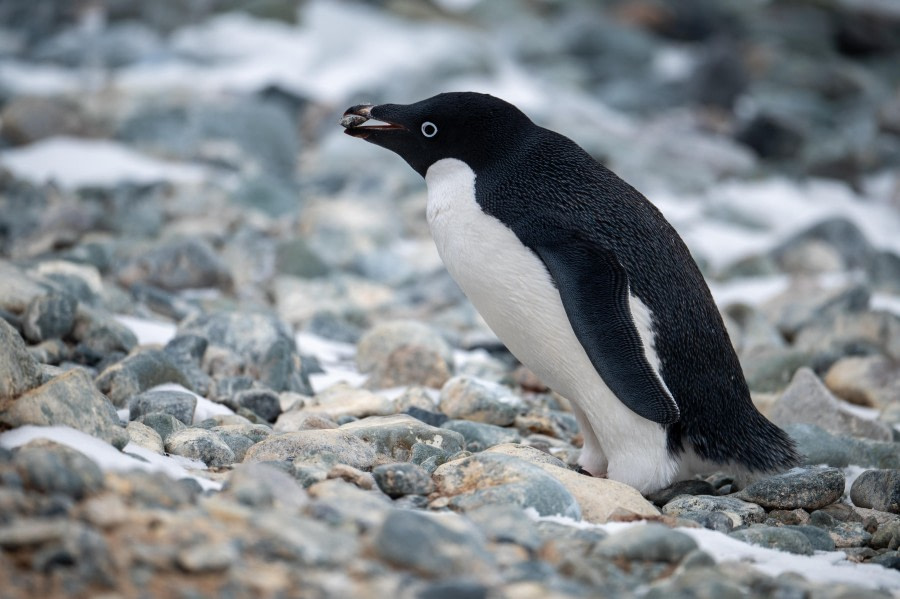
Die Belohnungen liegen auf der Hand: Das Rossmeer besitzt eine reichhaltige Tierwelt, atemberaubende Landschaften und außergewöhnliche Artefakte historischer Antarktis-Expeditionen. Einige der Highlights sind: riesige Kolonien von Kaiser- und Adeliepinguinen, der Vulkan Mount Erebus, das Ross-Schelfeis, die Trockentäler, die McMurdo-Station, Cape Evans (Hütte von Scott) und Cape Royds (Hütte von Shackleton).
Wie ist das Wetter im Rossmeer?
Da das Rossmeer unter dem direkten Einfluss des rauen antarktischen Kontinentalklimas steht, liegen die Sommertemperaturen im Durchschnitt bei niedrigen +1°C. Von Februar bis März, am Ende des Südsommers, können die Temperaturen sogar leicht unter Null fallen. Starke Fallwinde können jederzeit auftreten und Einfluss auf das geplante Programm haben.
Bitte beachten Sie, dass das Packeis im Rossmeer in der frühen Wintersaison entsteht und dort bis zum Spätsommer bleiben kann. Obwohl wir damit rechnen, ins Rossmeer vordringen zu können, kann uns die Natur keine Garantie geben. Das Packeis ist unberechenbar und kann unsere Schiffe davon abhalten, die geplante Reiseroute beizubehalten.
Was sollte ich während eines Rossmeer-Trips an Kleidung tragen?
Da es im Rossmeer kalt werden kann, ist warme Kleidung unerlässlich. Wasserdichte Hosen und Jacken, die vor Wind, Regen und Salznebel auf den Zodiac-Booten schützen, sind ein Muss. Darüber hinaus sind Thermo-Unterwäsche, Fleece-Jacken, warme Handschuhe und eine warme Mütze empfehlenswert. Gummistiefel für die Anlandungen sind ebenfalls erforderlich, befinden sich jedoch bereits an Bord.
Wie komme ich im Rossmeer an Land?
Im Rossmeer gibt es keine Häfen. Daher erfolgen Anlandungen über Zodiac-Boote und Hubschrauber.
Wo befindet sich das Rossmeer und wie groß ist es?
Das Rossmeer liegt zwischen dem Marie-Byrd-Land und Victorialand im südlichen Ozean. Diese tiefe Bucht ist ein Teil der Antarktis und liegt nahe der Amundsen-See. Während einer Expeditionskreuzfahrt ins Rossmeer werden Sie mehrere Inseln und Landmassen sehen. Neuseeland hat Anspruch auf die gesamten dortigen Landmassen erhoben. Allerdings erkennen die meisten der Nicht-Commonwealth-Staaten die Gebietsansprüche Neuseelands im Rossmeer nicht an.
Das Rossmeer ist relativ flach und nimmt einen Bereich von etwa 960.000 Quadratkilometern ein. In vielen Bereichen ist das Rossmeer nicht tiefer als 300 Meter, aber der südwestliche Abschnitt ist teilweise mehr als 900 Meter tief.
Wer hat das Rossmeer entdeckt?
Man kann nicht mit Sicherheit sagen, wer das Rossmeer zum ersten Mal entdeckt und schriftlich verzeichnet hat, aber wir wissen, dass James Clark Ross die ersten beiden bekannten Schiffe kommandierte, die in diese eisigen Gewässer gelangten. Ross' Bemühungen, nach einer Reise durch das Rossmeer zum magnetischen Südpol vorzudringen, waren letztlich nicht von Erfolg gekrönt.
Fotogalerie


About the Ross Sea
Ross Sea weather
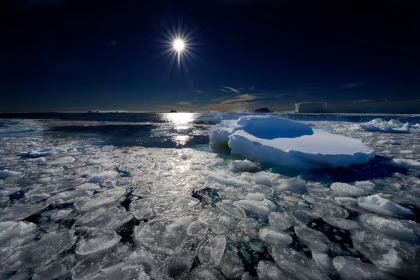
While temperatures during the Antarctic winter months can drop as low as around -50°C, you can expect slightly more comfortable temperatures around -10°C - 0°C during your Ross Sea cruise.
Facts about the Ross Sea
- A colossal squid measuring longer than 10 metres and weighing almost 500 kilograms was found in the Ross Sea in 2007.
- All the islands found within the limits of the Ross Sea have been claimed by New Zealand, although most countries don’t bother to recognise the claims.
- The Ross Ice Shelf is the largest such shelf on Earth. At approximately 472,000 km2 it is roughly the size of Spain. It soars anywhere between 15 and 60 metres high and extends nearly 800 kilometres along the shoreline.
- The Ross Sea is named after Captain James Clark Ross who mapped the area in the 1841.
- Since the Ross Sea is the open waterway closest to the actual South Pole it has become the launching spot of many exploration expeditions that went on to journey inland.
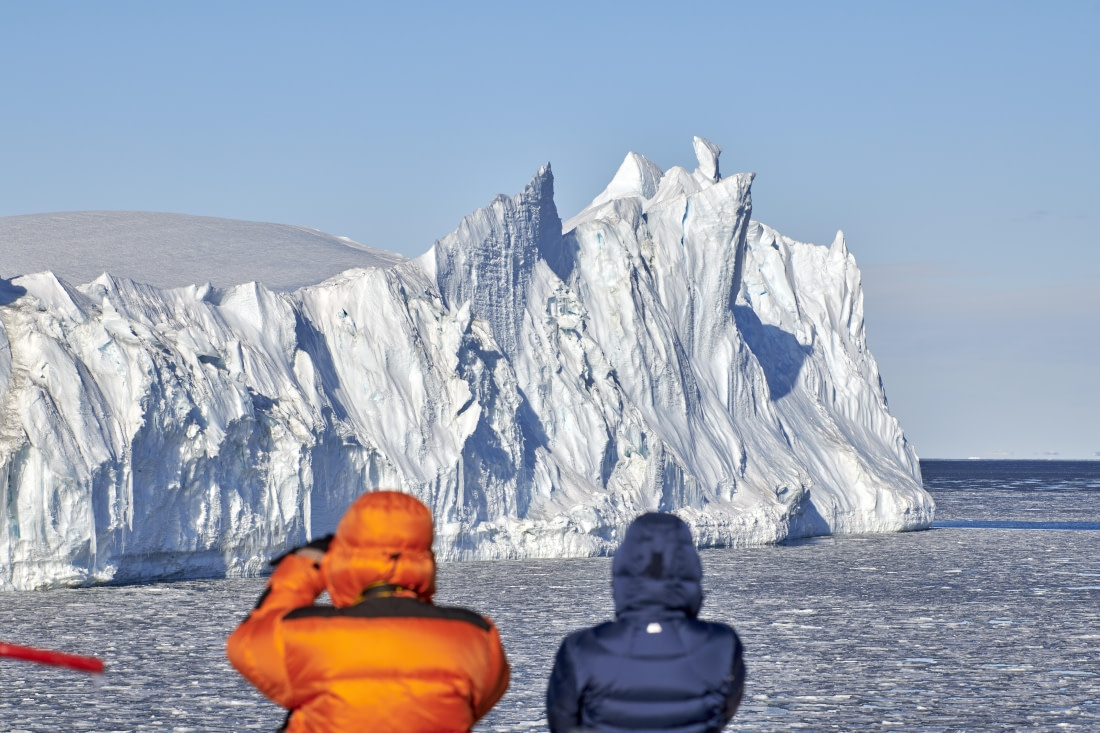
- The Ross Ice Shelf was the mother to what was quite possibly the biggest iceberg ever. The iceberg broke off of the shelf in the year 2000, measuring 295 km at its longest point and 37 km at its widest. Altogether it boasted a surface area of about 11,000 km2.
- Wildlife flourishes despite the harsh cold of the waters. Some of the fish found in the Ross Sea have antifreeze in their veins to keep them from freezing solid.
Travel to the Ross Sea
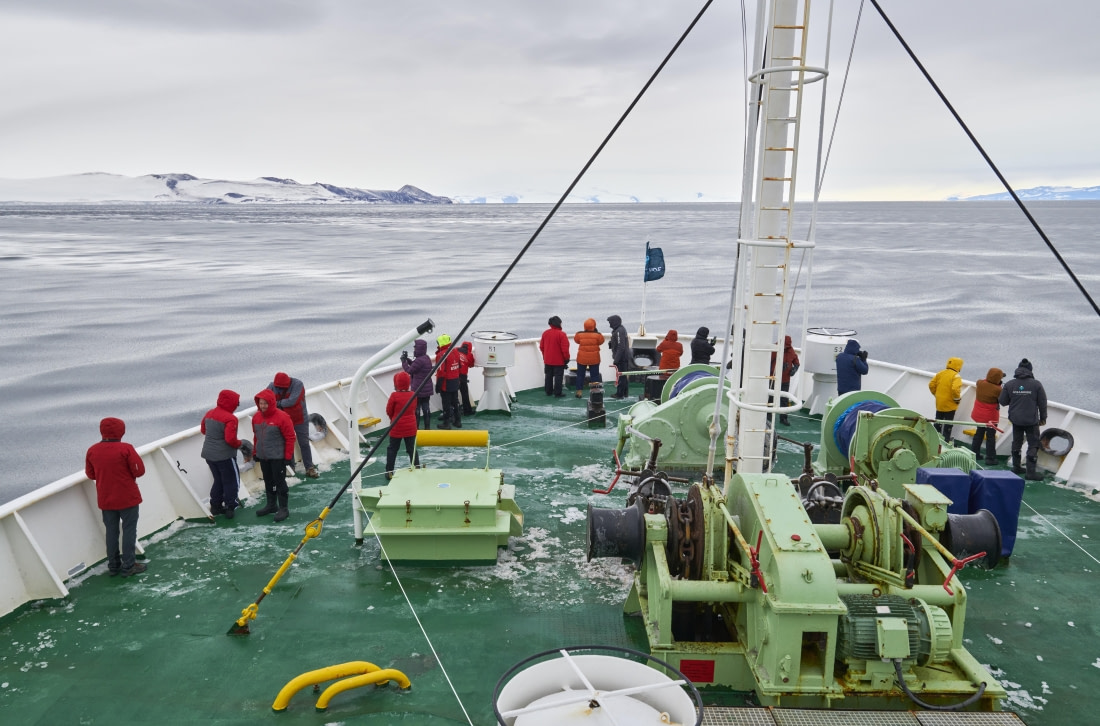
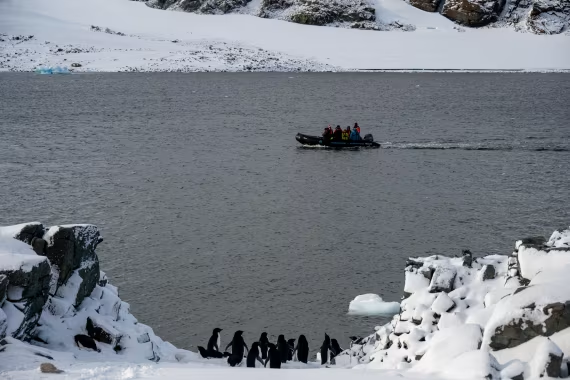
Travel to the Ross Sea and experience one of the most pristine untouched landscapes left in the world. Your Ross Sea expedition will be full of activities that let you take in the rugged and clean beauty of the area – hike the shores of Antarctica, visiti historical sites from the Golden Age of Exploration like the huts of explorers Shackleton and Scott, and enjoy unique helicopter flights to the Dry Valleys and the Ross Ice Shelf.
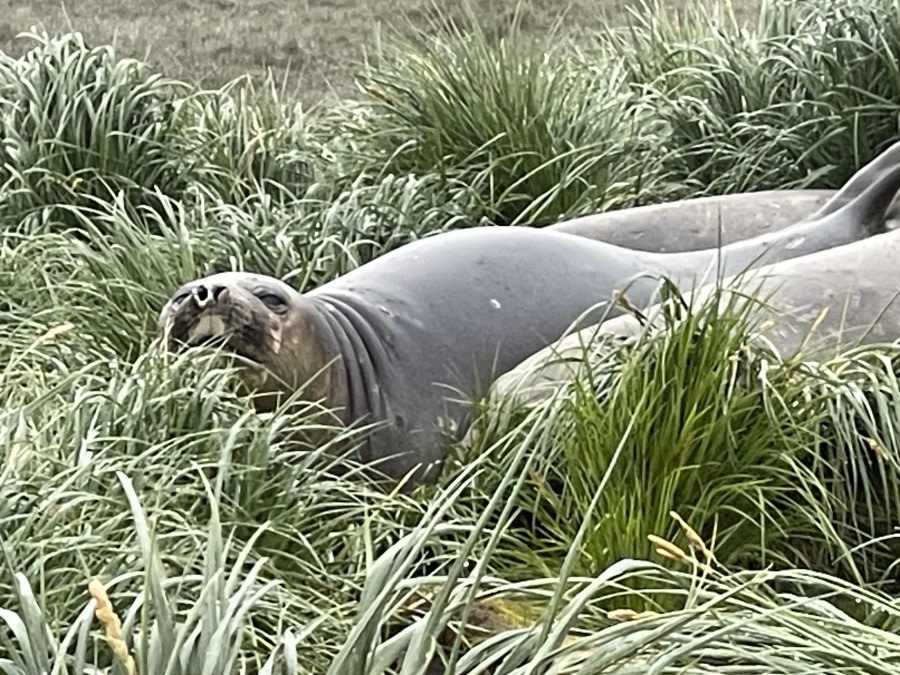
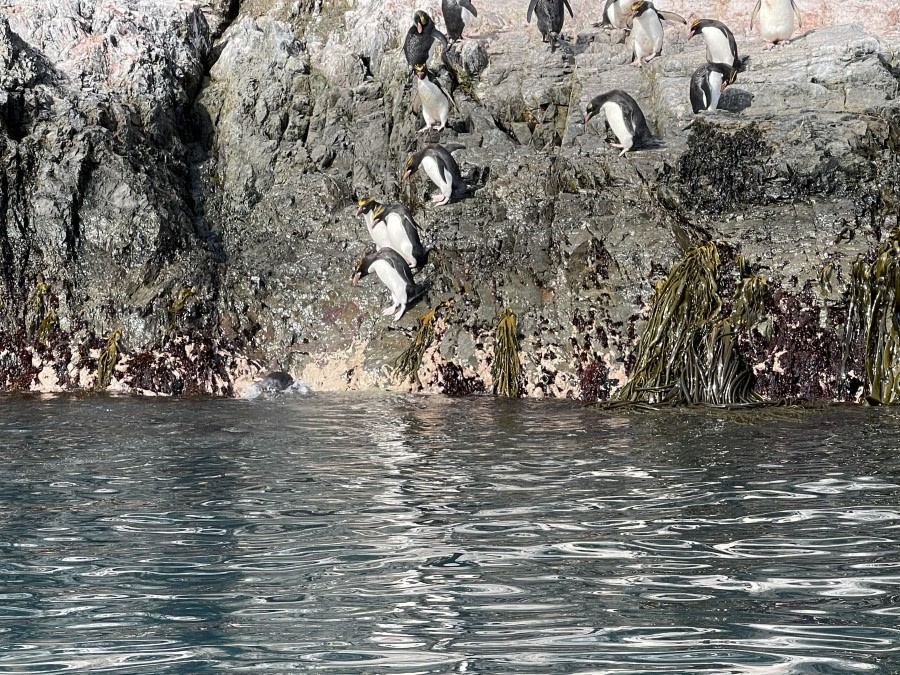
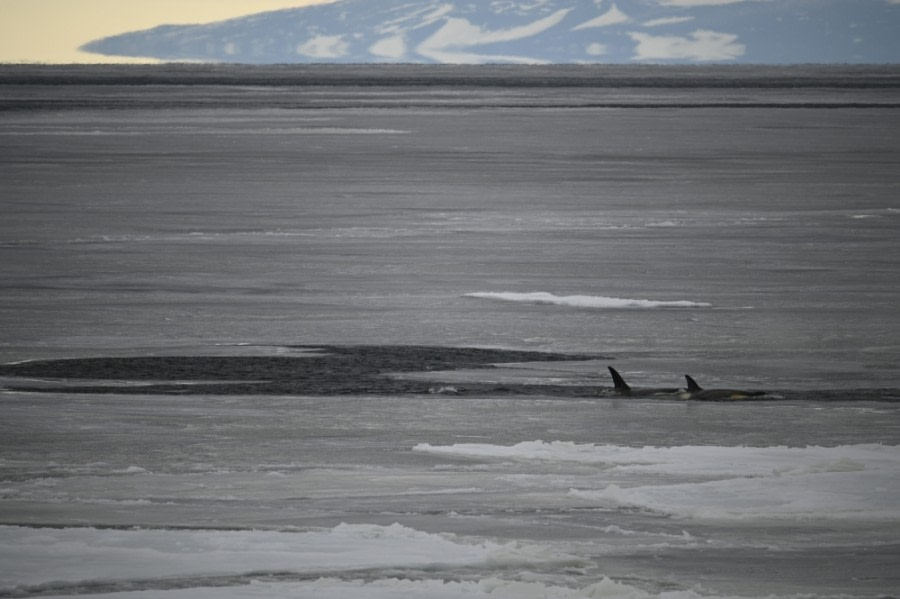
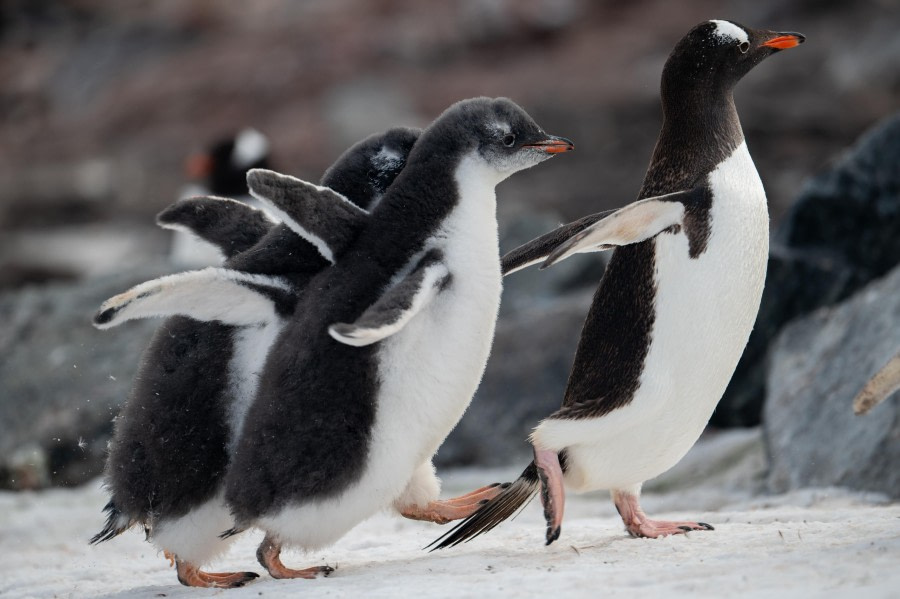
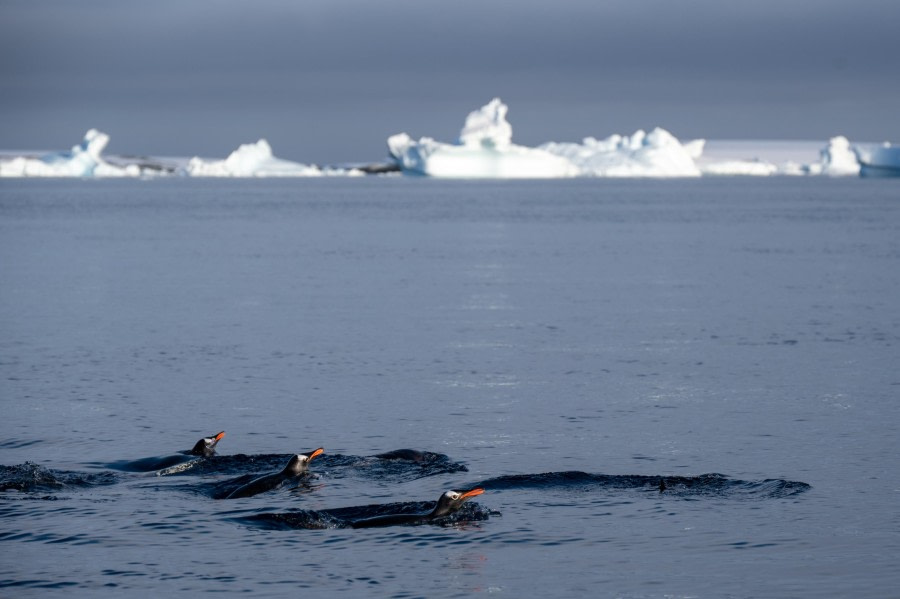
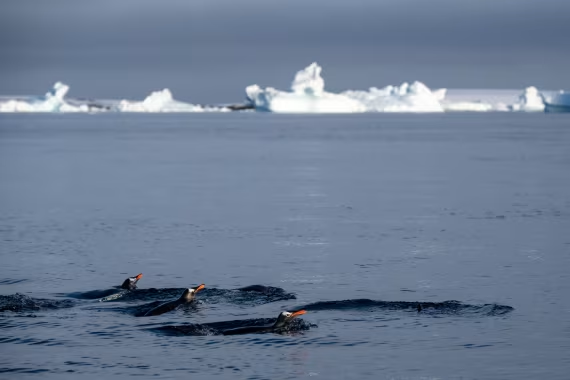
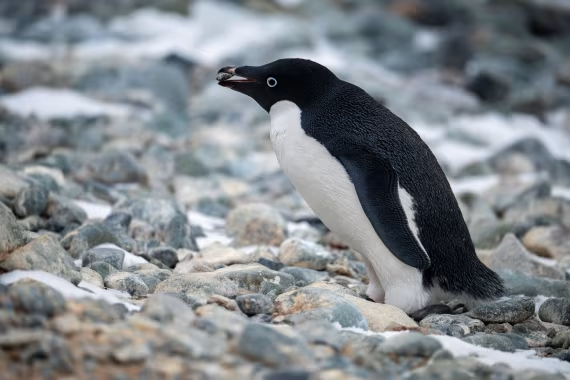
Your Ross Sea trip will also introduce you to a surprising abundance of wildlife. Go bird watching on the lookout for albatrosses and Petrels. Cruise along the shores in a Zodiac and say hello to seals and a variety of whales. Your Ross Sea holiday even lets you take helicopter rides to gain the maximum of everything in this spectacular place.