OTL07-26, trip log, Around Spitsbergen, In the realm of Polar Bear & Ice

by Oceanwide Expeditions

Fotogalerie

Logbuch

Day 1: Longyearbyen, Embarkation Day

Longyearbyen, Embarkation Day
Datum: 03.07.2026
Position: 78°18.4’ N / 015°16.1’ E
Wind: SW-2
Wetter: Overcast
Lufttemperatur: +7.2

Our expedition began today in Longyearbyen, the world's northernmost permanent settlement and the gateway to the High Arctic. While some guests had spent several days exploring the town, others arrived just in time for embarkation. Before boarding, many took the opportunity to wander through the colourful streets, surrounded by dramatic mountains and the calm waters of Isfjorden. Despite its remote location and Arctic climate, Longyearbyen offered a warm and welcoming first impression.

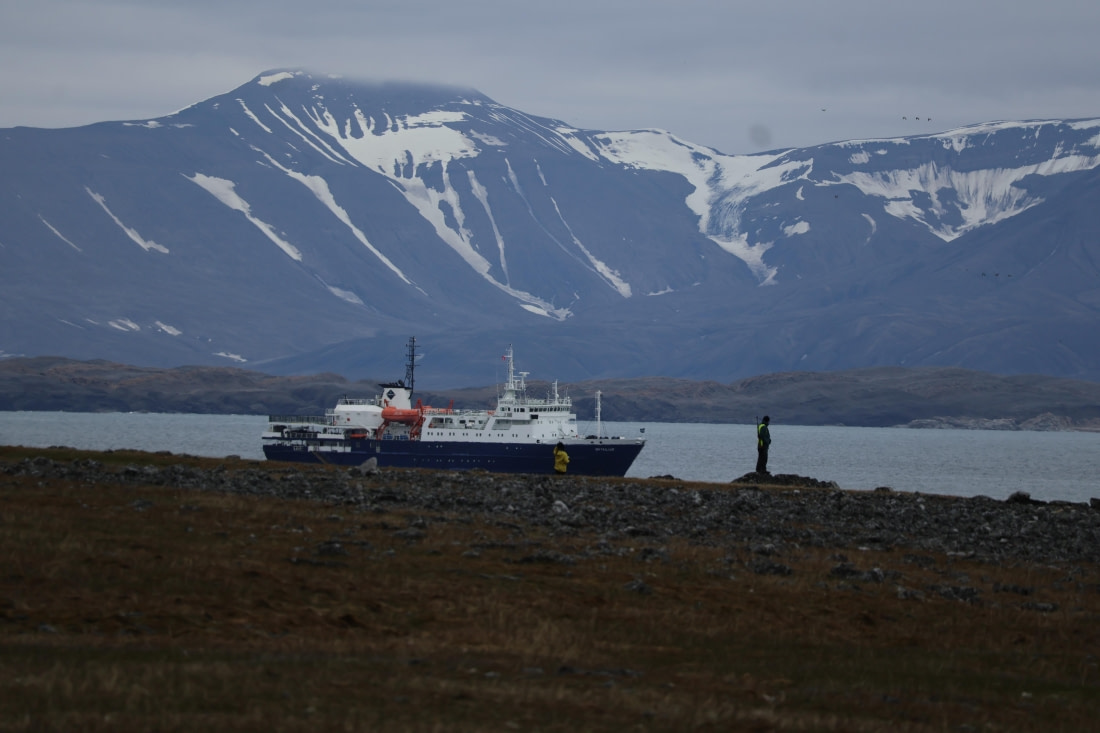
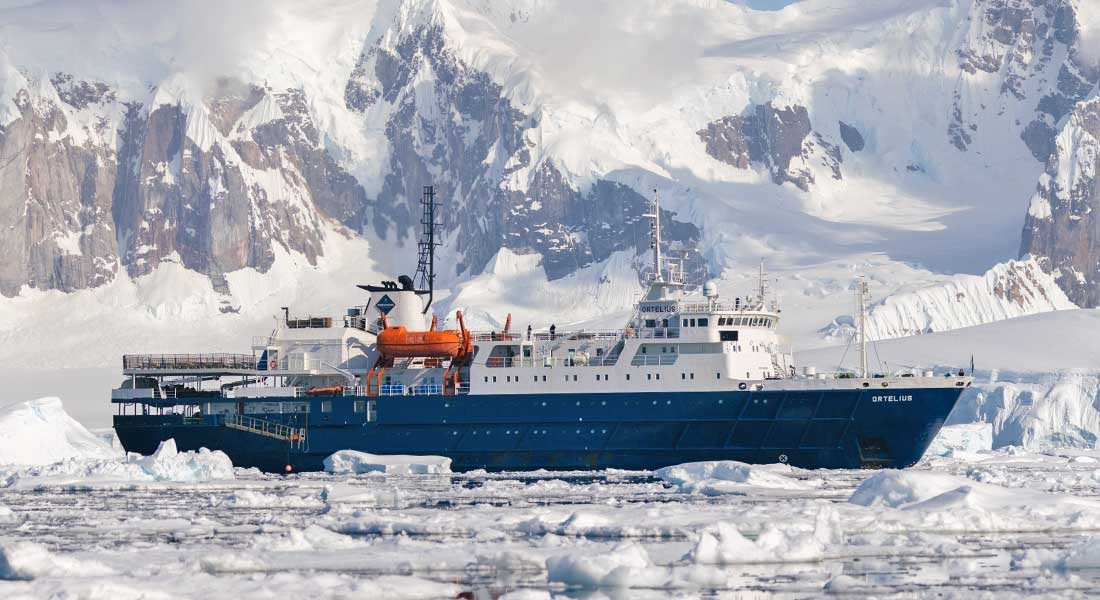
In the afternoon, we boarded MV Ortelius, where the expedition team and hotel staff welcomed everyone on board. After settling into our cabins, guests had time to become familiar with their new home for the voyage as luggage was delivered and the ship prepared for departure.

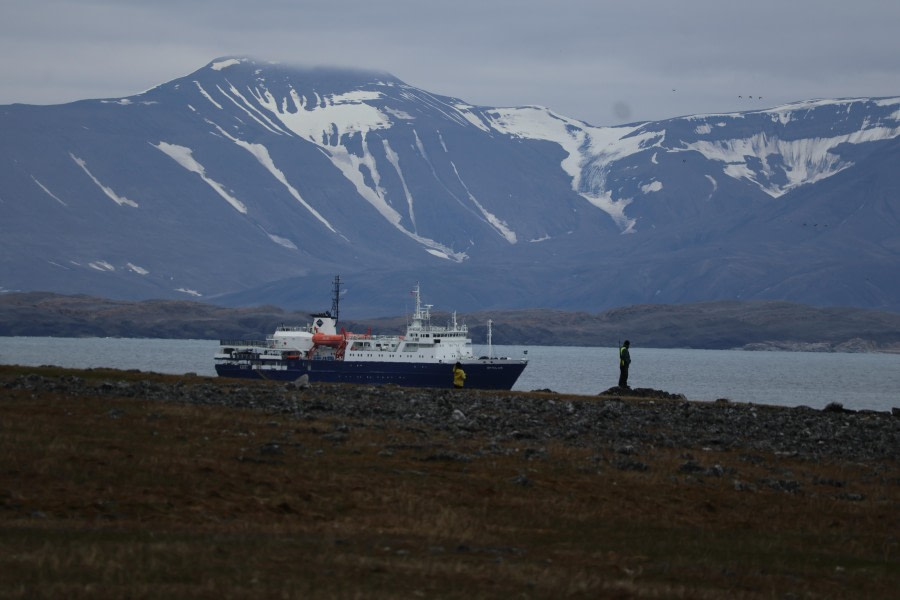
Once all passengers had embarked, everyone gathered in the lounge for the mandatory safety briefing. Following the introduction, we completed the SOLAS muster drill, donning our lifejackets and practising the ship's emergency procedures under the guidance of the crew. With all formalities complete, Ortelius cast off and began her voyage south through Adventfjorden and into Isfjorden.

Expedition Leader Adam officially welcomed everyone to the voyage, introducing the expedition team and expedition philosophy that would guide the coming days. Rather than following a fixed itinerary, our plans would remain flexible, adapting to weather conditions, sea ice, wildlife opportunities and other factors that make every Arctic expedition unique.

Our first dinner on board provided an opportunity for guests to meet one another and begin sharing the excitement of the adventure ahead. The evening concluded with the distribution of our expedition Muck Boots, essential equipment for the many landings to come.

With preparations complete and anticipation growing, guests retired for the night as Ortelius continued her journey into the Arctic, ready for the first full day of exploration ahead.

Day 2: Bamsebu and Vårsolbukta

Bamsebu and Vårsolbukta
Datum: 04.07.2026
Position: 77°33.3’N / 015°04.8’E
Wind: S-2
Wetter: Overcast
Lufttemperatur: +6.3

Our day began with a gentle wake-up call at 07:15 from our Expedition Leader, Adam, and updated us on the day's weather and outside temperature.

After breakfast, we gathered in the lounge for the mandatory AECO and polar bear safety briefing. We learned about the importance of staying safe in the Arctic, the role of our expedition guides carrying rifles for protection, and the strict protocols in place to safeguard both guests and the polar bears that call Svalbard home.

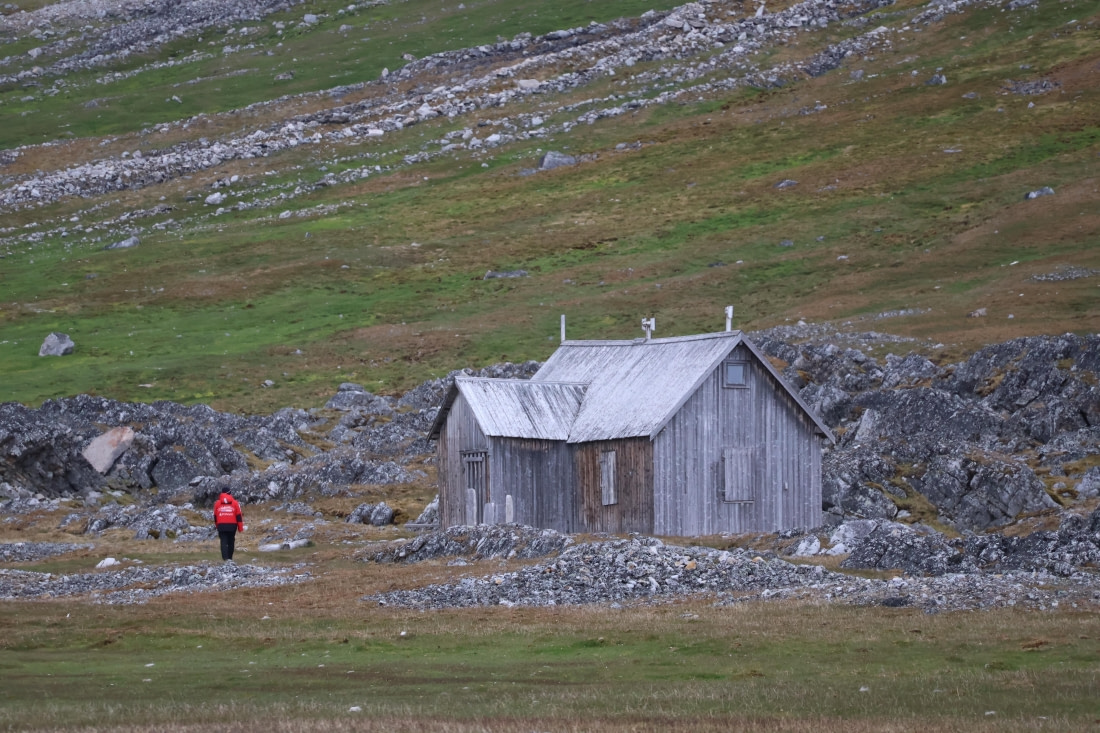
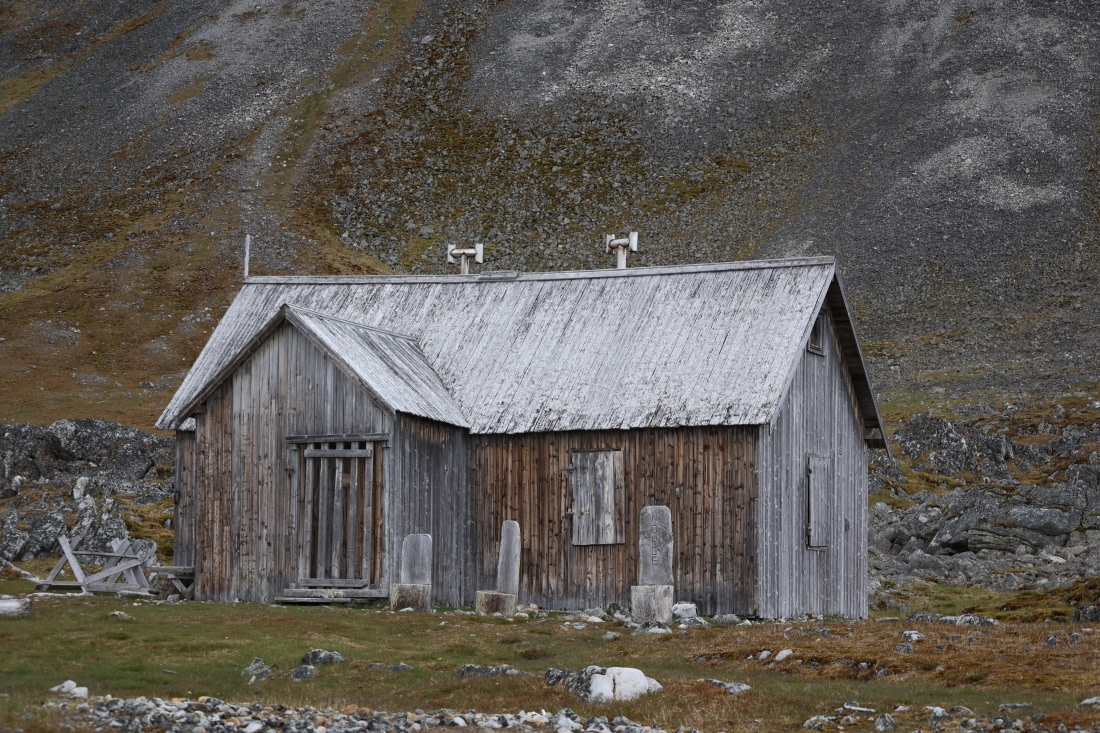
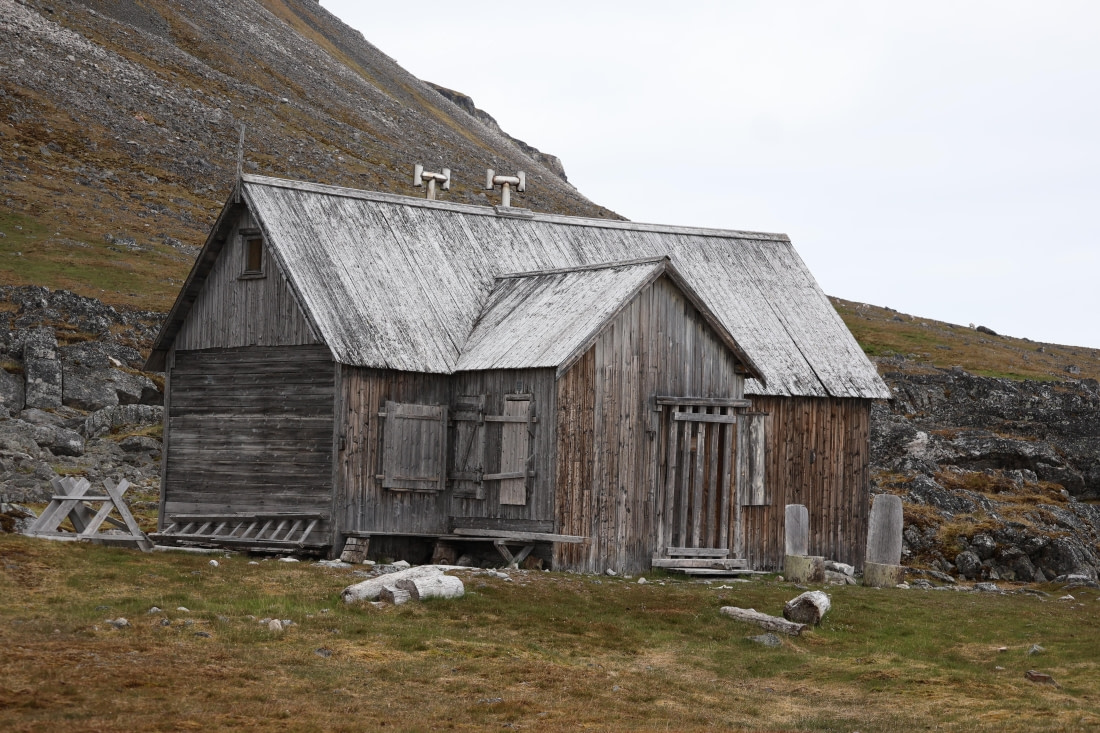
Our first landing of the voyage took us to Bamsebu, a historic beluga hunting station. Around 1930, Ingvald Svendsen established a whaling station in the western part of Ingebrigtsenbukta, with the hut becoming known as Bamsebu. It is estimated that approximately 550 beluga whales were killed here, serving as a poignant reminder of the region's past.

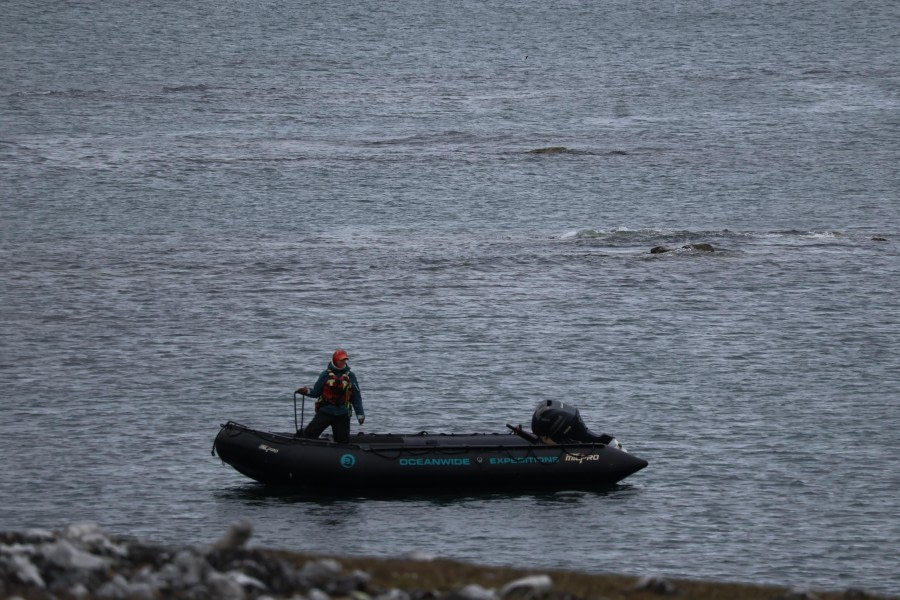
After a short Zodiac shuttle to shore, we were welcomed by the expedition team. We spent some time photographing the historic hut and the skeletal remains scattered nearby before setting off across the tundra. Along the way, we encountered Svalbard reindeer, Arctic foxes, and a wonderful variety of Arctic wildflowers.

Towards the end of our walk, Marco spotted a familiar furry figure in the distance. It was soon confirmed to be a polar bear. Following established safety procedures, the landing was calmly and efficiently evacuated, with everyone returning safely to the zodiacs and back on board. Lunch was a welcome reward after an exciting morning. During the meal, we were treated to another special wildlife encounter as a small group of beluga whales was spotted swimming in the distance from the ship—a fitting surprise after visiting the historic beluga hunting station earlier in the day.

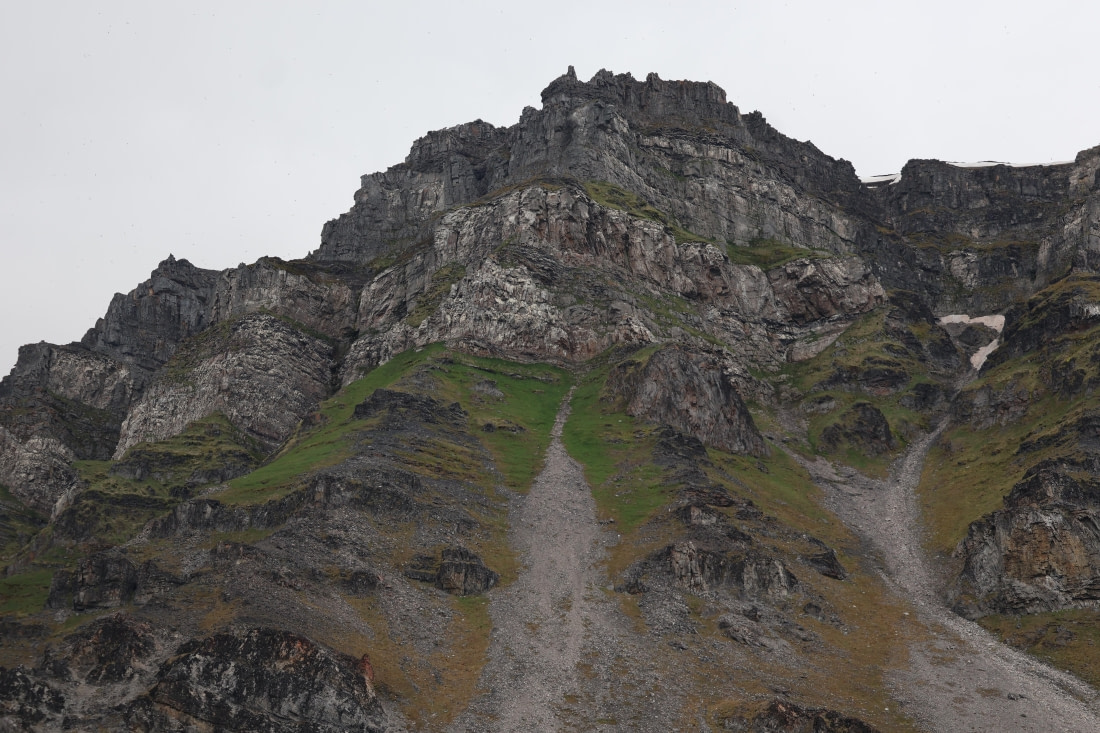
Our afternoon landing brought us to Vårsolbukta, home to one of Svalbard's largest little auk colonies. The lush moss-covered tundra here is richly fertilized by hundreds of thousands of little auks nesting on the steep cliffs above, creating ideal grazing grounds for Svalbard reindeer.

The Svalbard reindeer is the smallest reindeer subspecies, with a short neck, short legs, and a thick coat that helps it survive the region's freezing temperatures. Unlike many other reindeer, Svalbard reindeer do not migrate long distances because food is available throughout their habitat. They feed mainly on mosses, grasses, lichens, and other low-growing plants during the short Arctic summer, storing fat to survive the harsh winter. Due to the absence of large land predators on Svalbard, these reindeer are relatively calm around humans.

This was a perimeter landing, allowing us to freely explore within the safety zone established by the expedition guides while they maintained a vigilant watch for polar bears.

We enjoyed several close encounters with grazing reindeer and admired the vibrant tundra landscape. During our walk, we also saw two of the three historic houses in Vårsolbukta. These buildings are connected to the history of the Northern Exploration Company and were constructed by the British prospector Ernest Mansfield during the early twentieth century.

Back on board, we gathered in the bar for our first daily recap and briefing. Adam outlined the plans for tomorrow's adventures before we rounded off an unforgettable first day with another delicious buffet dinner.

Day 3: Burgerbukta and Treskelen

Burgerbukta and Treskelen
Datum: 05.07.2026
Position: 77°04.5’N / 015°50.8’E
Wind: SW-4
Wetter: Overcast
Lufttemperatur: +7.4

Our second day of operations began with a gentle wake-up call from Expedition Leader Adam, who greeted us with an update on the morning's weather and our plans for another exciting day of exploration in South Spitsbergen.

Following breakfast, we boarded the Zodiacs for a scenic cruise into the breathtaking Burgerbukta. Surrounded by towering mountains and dramatic glaciers, we explored this spectacular fjord from sea level, taking in the silence and grandeur of the Arctic landscape.

One of the highlights of the morning came when a small group of beluga whales appeared nearby. Their distinctive white bodies glided gracefully through the turquoise glacial waters, providing a memorable wildlife encounter. The beluga whale is a fascinating marine mammal that lives in the icy waters of the Arctic Ocean. It is easy to recognize by its bright white color, rounded forehead, and lack of a dorsal fin, which helps it swim under sea ice. Belugas are highly social animals that live in pods and communicate using a variety of clicks, whistles, and chirps, earning them the nickname "the canaries of the sea." They feed on fish, squid, crabs, and other small marine animals.

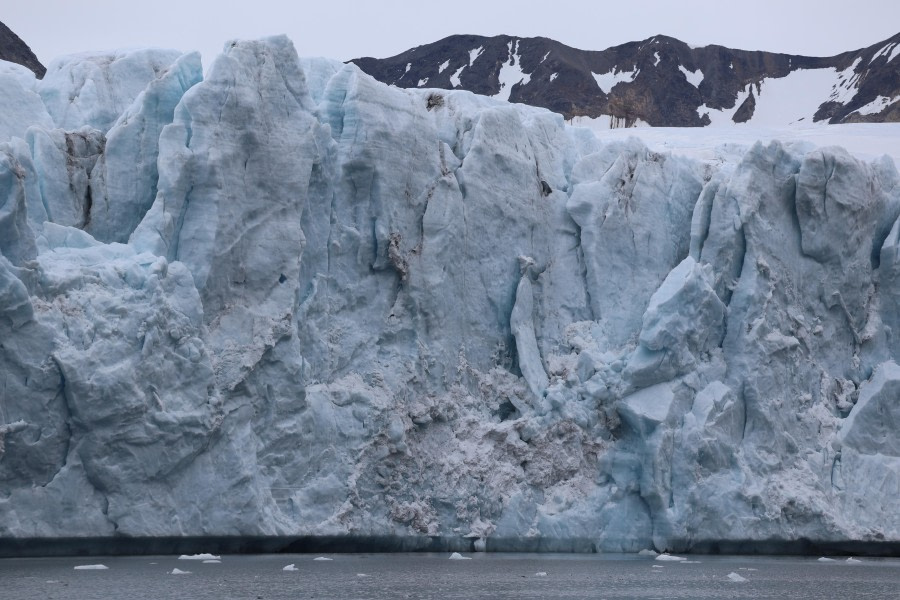
As we continued our cruise, countless waterfalls cascaded down the steep mountainsides, fed by melting snow high above. At the head of the bay, a magnificent glacier dominated the landscape, its towering ice front shimmering in shades of blue and white while small pieces of ice drifted silently across the fjord.

After returning to the ship, we enjoyed a well-earned lunch while reflecting on the incredible scenery and wildlife we had experienced during the morning.

In the afternoon, we landed at Treskelen, where guests could choose from a selection of hikes suited to different activity levels.

The long hiking group set off on an ambitious 8-kilometre trek, traversing varied terrain and enjoying sweeping views of the surrounding mountains, coastline, and glaciers. Along the route, they discovered the rich Arctic flora and experienced the remarkable beauty of this remote wilderness. Meanwhile, the medium and short hiking groups explored the area at a more leisurely pace, taking time to appreciate the vegetation and a few fossils, photograph the striking landscape, and observe the unique Arctic environment. Along the way, fresh polar bear footprints pressed into the muddy ground served as a reminder that we were sharing this wilderness with its most iconic resident.

With everyone safely back on board, we gathered in the lounge for our daily recap and briefing. Adam outlined the plans for tomorrow's adventures, while Marco gave an engaging presentation on the fascinating geology of Svalbard. As recap came to a close, the timing could not have been better—a polar bear was spotted resting peacefully on a rocky shoreline in the distance, providing a fitting finale to another unforgettable day. Another delicious dinner in the restaurant rounded off a day filled with spectacular scenery, fascinating wildlife, and memorable experiences in the High Arctic.

Day 4: Strongbreen and Russebukta

Strongbreen and Russebukta
Datum: 13.07.2026
Position: 77°33.5’N / 017°37.9’E
Wind: SE-2
Wetter: Overcast
Lufttemperatur: +7.5

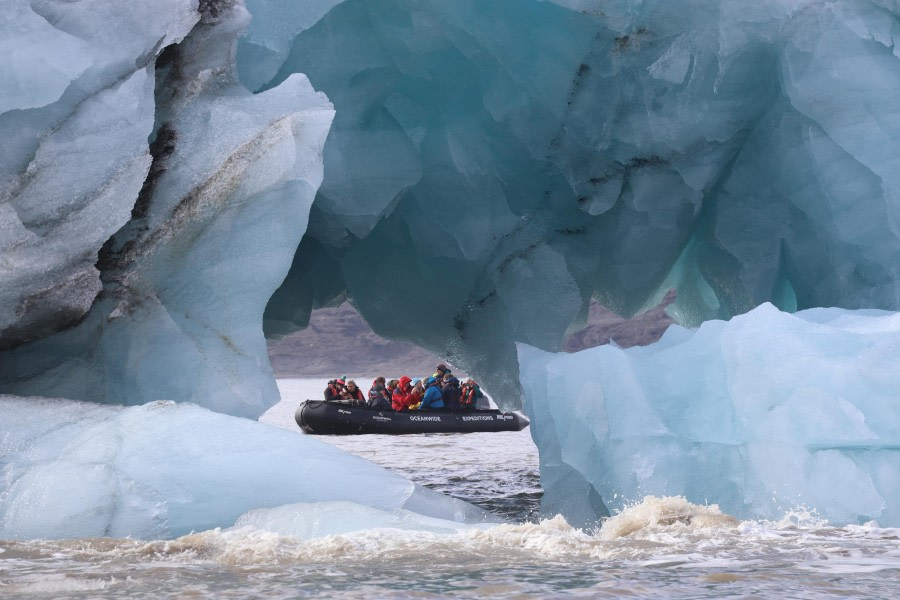
Our day began with an early announcement from the expedition team, informing us that our planned 8:45 AM Plan A landing at Boltodden had to be cancelled due to heavy swell and barrelling waves near the shoreline. Embracing the flexible nature of Arctic exploration, we moved into Kvalvågen and pivoted to Plan B: a spectacular 10:15 AM Zodiac cruise at the magnificent Strongbreen and its adjacent glaciers. For two hours, we navigated the waters surrounding this massive surge glacier—which once extended all the way to the coastline up until 1938—weaving past icebergs that had calved off the ice front to float or ground nearby.

The morning sun caught these crystal-clear ice formations perfectly, refracting a deep, brilliant blue that made the icebergs look like giant sapphires drifting in the sea.

After returning to the ship, we gathered in the dining room at 1:00 PM to enjoy a relaxing buffet lunch. Our afternoon began at 2:30 PM with an enriching mobile photography workshop hosted by Werner, who shared expert tips on capturing the stark beauty of the Arctic using our smartphones. Following the lecture, our ship navigated across Storfjorden while we gathered at 4:00 PM for an impromptu daily recap. During the briefing, the team shared an exciting update: we were arriving at Russebukta for a 5:40 PM Zodiac cruise around a small archipelago.

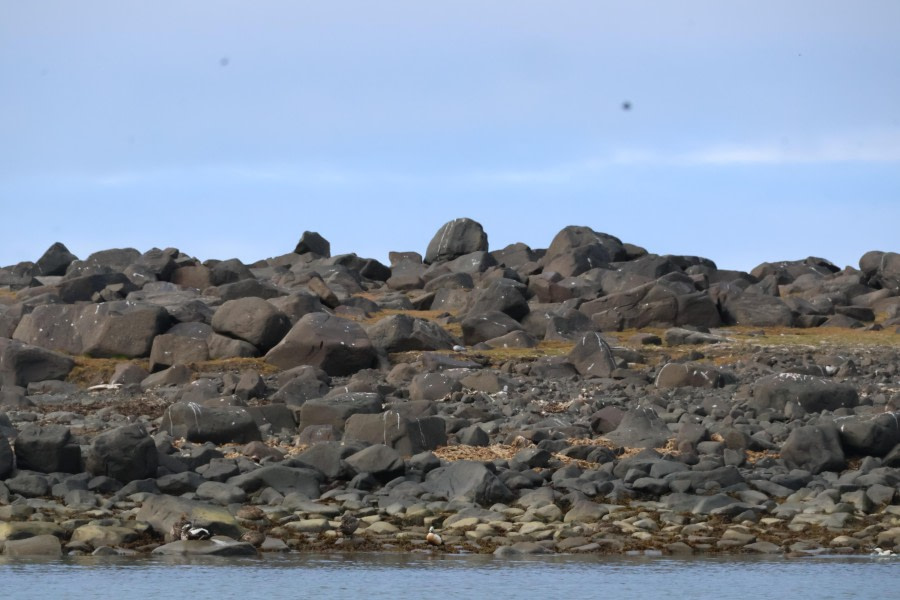
We hopped back into the boats right on time, and the cruise delivered unforgettable wildlife encounters. The excursion started with high energy for the birdwatchers in our group as an array of Arctic seabirds, including Eider ducks, Barnacle geese, and Arctic Terns, filled our view. Midway through the cruise, the excitement grew as we encountered a group of walruses lounging near the shore.

The true highlight came near the end of our journey, when the guides spotted a polar fox. The Arctic fox is a small mammal that lives in the cold Arctic tundra. It has a thick fur coat that changes color with the seasons—white in winter for camouflage in the snow and brown or gray in summer to blend in with rocks and plants. Its furry paws, small ears, and bushy tail help it stay warm in freezing temperatures. Arctic foxes eat fish, insects, and berries, and they will also scavenge food left behind by larger predators. Their excellent hearing and ability to survive harsh conditions make them one of the Arctic's most adaptable animals.

Our Zodiacs gently gathered together, everyone scanning the terrain until all eyes locked onto the adorable little fox. With cameras full of incredible memories, everyone returned safely to the ship as we pulled up the anchor and continued our voyage. At 7:30 PM, we sat down for another delicious buffet dinner, which concluded with a delightful surprise as the galley team brought out a beautifully sweet ice cream cake to cap off a perfect day of Arctic adventure.

Day 5: Kapp Lee and Sundneset

Kapp Lee and Sundneset
Datum: 07.07.2026
Position: 78°05.2’N / 020°45.6’E
Wind: SE-2
Wetter: Overcast
Lufttemperatur: +5

Today brought classic Arctic weather—cloudy skies, a bit of wind, and patches of fog. We launched our morning activities facing some wavy ocean conditions at Kapp Lee, a historical site famous for attracting walruses, which in turn drew trappers here in the past. First came the Pomors (Russian hunters) in the early days, followed later by Norwegian trappers. We also learned about the two smaller huts on site; though they hold no ancient historical value, they were built in 1963 by employees of the Caltex oil company for recreational use. Caltex conducted oil exploration on Edgeøya during that time, but operations ceased permanently when the area was declared a Nature Reserve in 1973.

When we arrived, a hauled-out group of walruses was already there "sunbathing" on the shore, while a few others greeted us from the water—some even swimming closer to our Zodiacs to investigate.

The walrus is a large social marine mammal that lives in the icy waters of the Arctic. It is easy to recognize by its long tusks, thick whiskers, and layers of blubber that keep it warm in freezing temperatures. Walruses use their tusks to help pull themselves onto ice and to defend themselves. They feed mainly on clams, snails, and other shellfish found on the ocean floor.

Though we maintained a respectful 150-meter distance from the walruses on land, their massive bodies were an impressive sight. After spending time with them, we cruised around the back of the island to look for more wildlife and spotted several Common Eiders. Suddenly, a spectacular radio call came through: a guide had spotted a Steller's Eider! This is an incredibly rare species to find in Spitsbergen, as they are typically native to Alaska and Russia. We also encountered numerous Arctic Terns nesting nearby, which naturally meant an Arctic fox wouldn't be far behind. Sure enough, a few lucky guests managed to spot one on the hunt for eggs.

Following a highly successful Zodiac cruise, we returned onboard to warm up and enjoy a hearty lunch in the dining room. After a brief rest, our afternoon began with a landing at Sundneset, where we split into long, medium, and short hiking groups:

The Long Hike team trekked up a hill through a dramatic gorge. From the summit, they enjoyed panoramic views of our landing site and the lake below. Guides Kana and Marco shared insights into the local geology before leading the group back down.

The Medium Hike group headed toward the well-preserved "Würtzburger Hütte." Built in 1959 for a geo-scientific expedition led by German geographer Julius Büdel, the cabin served as a base for geomorphology research until 1967. Afterward, the group continued to the lake to take in the stunning landscape. In a stroke of magic, an Arctic fox trotted right past them—a brief but unforgettable close encounter.

Everyone returned to the ship with wide smiles just in time for our evening recap. Adam outlined tomorrow's plans alongside the expected weather and landing details, followed by an engaging presentation on walruses by Frank.

Eventually the day was wrapped up by a sighting of a Polar Bear discovered by captain Barria. The individual was found climbing up and down the slope of sedimentary rocks on the southern side of Barentsoya. Although from a distance, we could enjoy the amazing walking and climbing capabilities of these unique animal, completely adapted to thrive in the vastness of the Arctic landscape.

Day 6: Torellneset and Alkefjellet

Torellneset and Alkefjellet
Datum: 08.07.2026
Position: 79°24.5’N / 020°29.2’E
Wind: SE-3
Wetter: Cloudy
Lufttemperatur: +3.2

The day began as usual with Adam’s friendly announcement over the PA system, sharing details on our latitude, longitude, and the outside temperature. However, things changed rapidly, reflecting, once again, the true spirit of an expedition travel.

During our breakfast, the scouting team spotted a polar bear near our planned landing site, prompting an immediate switch to "Plan B": we boarded the Zodiacs and headed out onto the water. For a moment, our excitement and energy dipped; the morning fog obscured the mountain peaks, and with them, the bear, which had already wandered far enough away to slip out of sight. It was shaping up to be a disappointing morning.

We continued by cruising West towards Torellneset, the triangular cape squeezed in between the southern end of Vegafonna, one of the four ice caps that cover Nordaustandlet. Nordaustlandet is the second-largest island in the Svalbard archipelago and is located northeast of the main island, Spitsbergen. It is dominated by ice and the polar desert with very little vegetation, but it is home to Arctic wildlife such as polar bears, walruses, reindeer, and Arctic foxes. Because of its harsh climate and untouched landscape, Nordaustlandet is an important area for scientific research and nature conservation.

Our attention caught by a few birds, until a mother walrus and her calf suddenly appeared before us. We were able to witness the fragility of nature and see how life finds a way to thrive in such a hostile environment. Almost in sync with the walrus sighting, the warm air began to clear the mist, and a ray of gentle sunlight pierced the dense clouds, lifting the group's spirits.

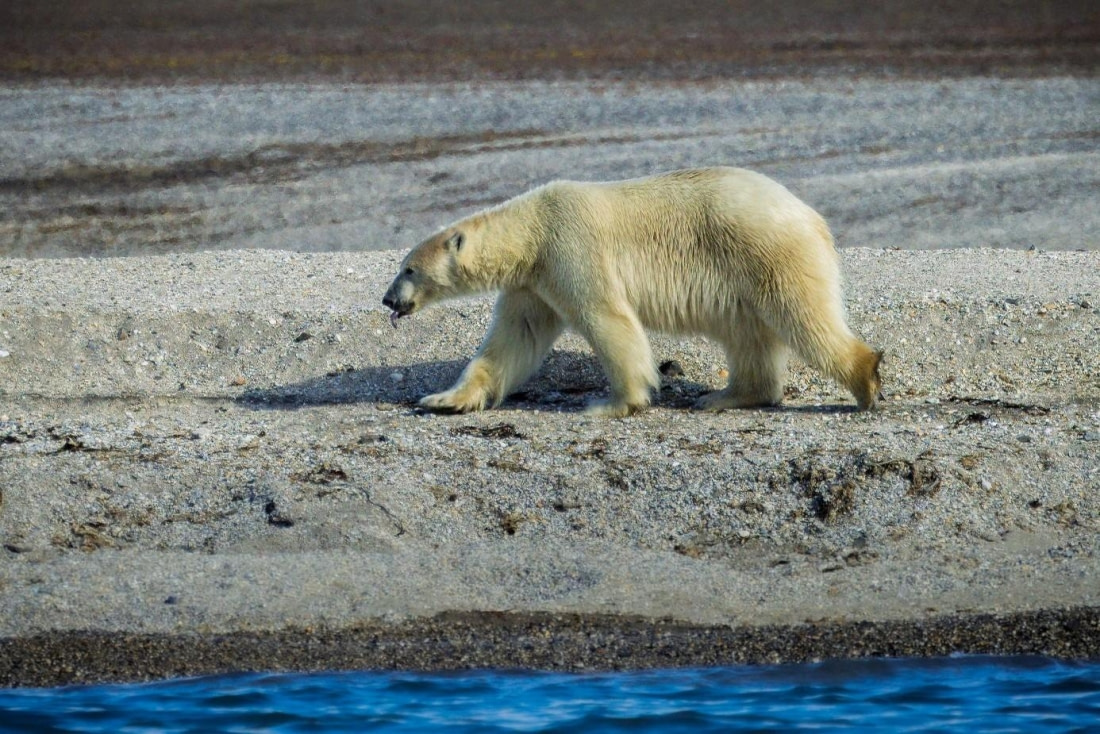
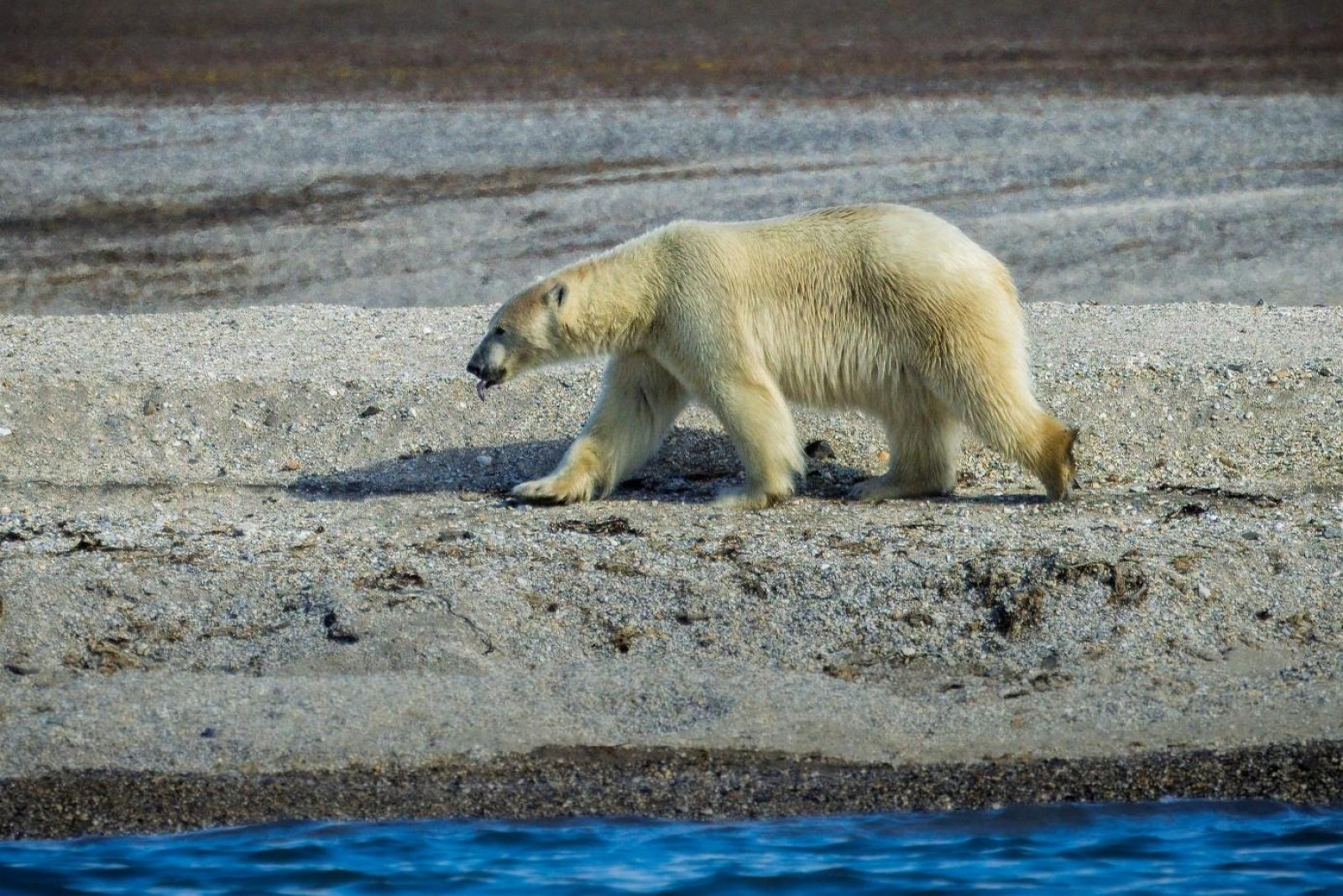
Moments later, with the sun already having worked wonders on our mood, Marco on the radio announced that the bear had been spotted nearby, making its way down the mountain toward the sea. And sure enough, we watched it descend to the coast, swimming in front of the ice cap, and finally emerging from the water to walk a few hundred meters.

Polar bears are powerful Arctic predators that spend much of their time roaming across sea ice in search of food. They mainly hunt seals, using their excellent sense of smell to locate breathing holes or resting seals on the ice. Polar bears can travel many kilometers each day and may swim long distances between ice floes when necessary. Their roaming patterns change with the seasons, following the movement of sea ice where hunting is most successful. These strategies help them find enough food to survive in the harsh Arctic environment.

What a spectacle, what a beautiful animal, so imposing yet so cute. It was a striking, emotional, and deeply moving experience, without a doubt, the best morning we’ve had so far.

After a delicious lunch and a brief rest, we arrived at our afternoon destination: a cliff teeming with birds. You could feel the energy; some guests mentioned having been there before, and bird enthusiasts recognized the site's name. We boarded the Zodiacs, ready for a cruise to spot some birds. It turned out to be so much more than that.

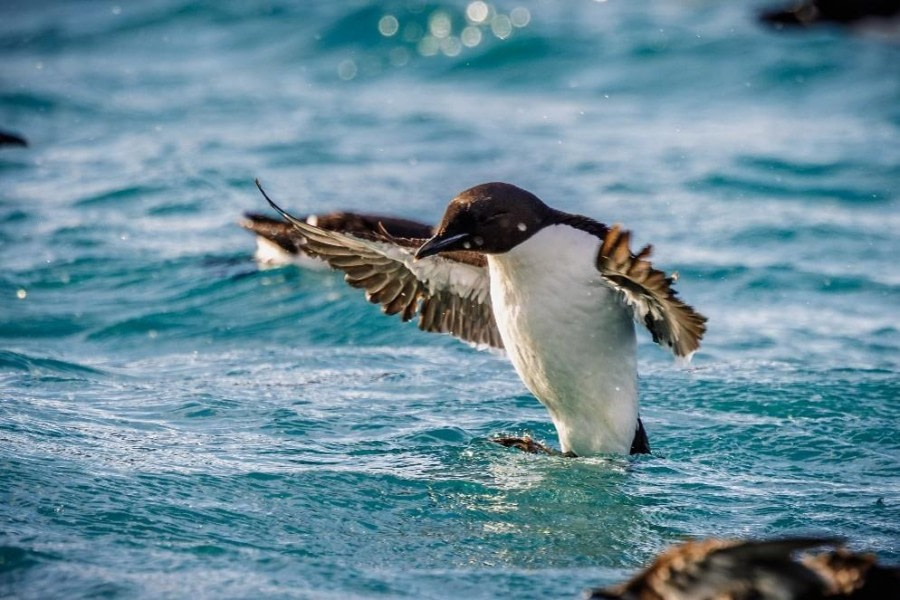
The Brünnich's guillemot is a seabird that lives in the Arctic and breeds on steep coastal cliffs in large colonies. During the breeding season, each pair lays a single egg on a narrow cliff ledge without building a nest. Both parents take turns incubating the egg and caring for the chick. After about three weeks, the young bird jumps from the cliff to the sea, where the male parent continues to protect and feed it. Brünnich's guillemots have black-and-white feathers, a pointed bill, and strong wings that help them dive deep underwater to catch fish and other small marine animals.

A few thousands of them soared above the towering vertical dolerite rock face, while waterfalls cascaded all around, creating a breathtaking and surreal landscape. For over two hours, we navigated along that captivating wall, moving beneath the shifting shade cast by the birds in flight. Almost as a parting gift, another polar fox delighted us with its presence near the end of the tour.

This magical day never stopped delighting us, right after dinner, the bridge and staff team invited us to the outer decks to observe a scattered group of Blue whales spouting at the northern entrance of the Hinlopen strait. The blue whale is the largest animal ever known to have lived on Earth, reaching lengths of up to around 30 meters. It is a marine mammal found in oceans around the world, including cold Arctic and Antarctic waters. Despite its enormous size, the blue whale feeds mainly on tiny shrimp-like animals called krill, which it filters from the water using baleen plates. They migrate between feeding and breeding areas, spending summers in colder waters where food is plentiful and winters in warmer waters to reproduce and care for their young.
Day 7: into the Pack Ice

into the Pack Ice
Datum: 09.07.2026
Position: 80°59.1’N / 016°47.2’E
Wind: S-1
Wetter: Fog
Lufttemperatur: +2.5

Today we woke up surrounded by ice. Some of us woke up early and were able to Ortelius reaching the front of the pack ice. During the night we had sailed towards the North, away from land to an area not often visited, as the ice charts had indicated that there is still a large area of pack ice up here.

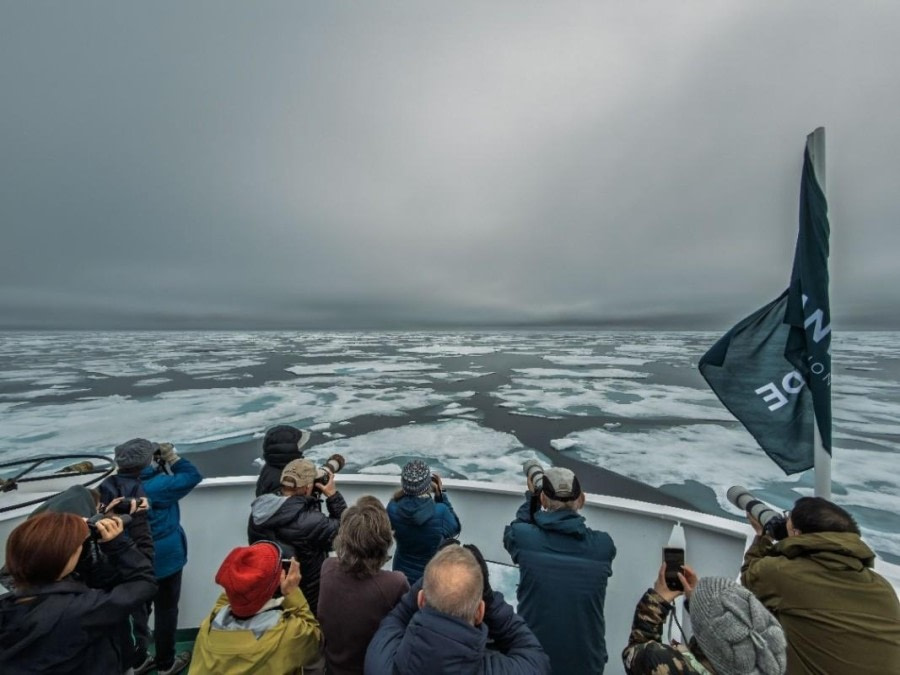
We will be surrounded by ice the entire day - larger and smaller floes of weathered ice. Throughout the morning, the conditions were excellent, visibility until the horizon and all our eyes were on the search for wildlife, especially for the king of the Arctic. Most of the sea ice we observed was single year pack ice - it has formed and will disappear within a season. Some floes have melting ponds on them, intensely blue little pools. Others have lots of holes on them, they are close to disappearing - while they are still thick enough to carry large, bearded seals and Polar bears. We saw many seals - both in the water and on the ice - and lots of fulmars, kitty wakes, and guillemots. This morning even an ivory gull was seen. Who would have said that this white ice landscape would allocate so much wildlife.

At 10:00 Marco gathers us in the lounge for a lecture about sea ice - how it forms, moves, changes, and what on a large scale it means for the oceans and our climate.

After some more scouting we were called for a lunch on Deck 4, what a treat! Chef Hans and his team are really good! After lunch, some of us went for a siesta, and others tried to see through the thick fog that was all around us now, in search for more wildlife.

At 15:00 Gabi give an extraordinary talk about the “Bare necessities”, she takes us on a voyage through our relationship with the Polar bears through different time periods and cultures.

After Gabi’s talk, they surprised as with a delicious hot chocolate, with rum and cream behind the bridge. Before we left the ice we all gather to listen to our daily recap - with plans for tomorrow and Gonzalo gave as a short talk on Hypothermia, definitions, tips, and tips to avoid it. Once more, Vova’s voice on the PA system announced dinner and we all met at the dining room for a wonderful meal.

The day was not over though! As we finished dinner and we started sailing South two Blue whales were spotted at the distance, captain Ernesto and his bridge team made a great job by taking us closer to them, what an encounter! The largest living animal in the world, and we got to see two of them. This trip keeps getting better and better.

This day we reached our further north destination at 80º59.8’N, 016º51.7’E. Throughout the night we are heading South to make our way back to Spitsbergen, the main island of Svalbard, and continue our trip on the West coast.

Day 8: Texas Bar and Monacobreen

Texas Bar and Monacobreen
Datum: 10.07.2026
Position: 79°36.2’N / 012°42.3’E
Wind: SE-2
Wetter: Cloudy
Lufttemperatur: +8.3

We began our day at Texas Bar, on the shores of Liefdefjorden, beneath broad mountain slopes streaked with the last patches of winter snow. In the exceptionally calm conditions, the fjord reflected the surrounding peaks almost perfectly, while the low Arctic tundra appeared surprisingly green and full of life. Tiny flowers bloomed between mosses, grasses and dwarf vegetation, bringing splashes of colour to a landscape that spent most of the year beneath snow and ice.

Our hikers set off on different routes to explore the area. Some of us chose the longer and more demanding hike, gradually climbing towards the high viewpoints above the fjord. Others enjoyed shorter walks closer to the landing site, taking time to examine the flowering tundra and appreciate the remarkable silence of the landscape.

A lucky group spotted a female Svalbard rock ptarmigan accompanied by five chicks. The Svalbard rock ptarmigan is the only permanently resident land bird in the archipelago and is superbly adapted to life in the High Arctic. The female’s mottled brown summer plumage blends almost perfectly with the stones and vegetation, while the tiny chicks rely on similar camouflage to disappear into the tundra.

We also visited the historic Texas Bar hut. Despite its inviting name, it was never a bar, but a trapper’s cabin built in 1927 by the Norwegian trappers Hilmar Nøis and Martin Pettersen Nøis. Cabins such as this one provided essential shelter for hunters who overwintered in remote parts of Svalbard, living through months of darkness, isolation and severe cold. Nearby, we examined an old fox trap and learned how Arctic foxes were traditionally trapped for their valuable winter fur. The simple wooden structure offered a powerful reminder of the difficult and resourceful lives once led along these isolated shores.

After several hours of hiking, exploring and quietly enjoying the landscape, a surprising number of us decided to experience the Arctic in an even more direct way. One by one, we braved the icy water for a polar plunge—guides included! The swim was brief, the reactions were immediate and the sense of achievement afterwards was enormous.

With a hearty lunch in our bellies, we continued into the inner reaches of Liefdefjorden for an afternoon Zodiac cruise at Monacobreen. This immense tidewater glacier flowed from the interior of northern Spitsbergen before meeting the sea. Its towering front rose above the bay in fractured walls, blue crevasses and sculpted pillars of ice.

Almost immediately, the glacier began to announce itself. Deep cracks and thunderous booms echoed between the mountains as pieces of ice broke away from the front. Several smaller collapses teased us before an enormous section finally detached and crashed into the sea before our eyes. The sound rolled across the fjord, followed by a powerful wave that travelled through the bay and lifted our Zodiacs on the suddenly moving water.

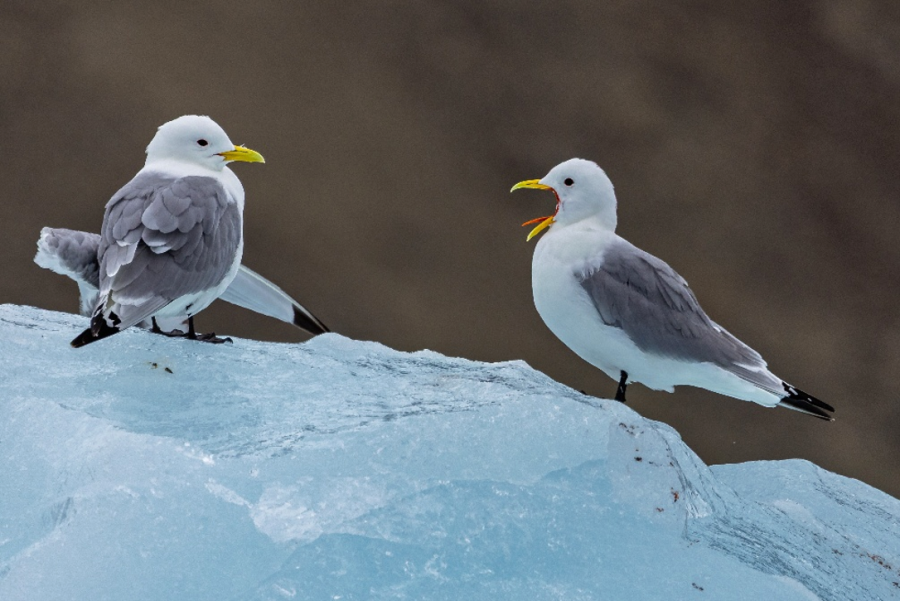
The disturbance also created a feeding opportunity for hundreds of black-legged kittiwakes. The birds rose together in a swirling cloud before dropping back towards the surface, calling excitedly as they searched for prey brought within reach by the turbulent water. In Svalbard, kittiwakes commonly feed on small fish such as polar cod and capelin, as well as amphipods, krill and other small marine invertebrates. Against the immense glacier, their movement filled the bay with sound and life.

The day was not over yet. In the evening, we gathered outside for a special BBQ dinner on deck. Between cups of glühwein, BBQ ribs, corn on the cob and some groovy tunes from the 1990s, we spotted minke whales surfacing around the ship. After the calm beauty of Texas Bar, the explosive power of Monacobreen and an evening of music, food and whales, it was difficult to imagine a better way to end the day.

Day 9: Fjortende Julibukta and Ny Ålesund

Fjortende Julibukta and Ny Ålesund
Datum: 11.07.2026
Position: 78°57.6’N / 011°52.2’E
Wind: SW-4
Wetter: Overcast
Lufttemperatur: +9.2

Our last day of this long adventure around Svalbard archipelago started with MV Ortelius dropping anchor at the western entrance of Fjortende Julibukta, right in front of the homonymous glacier. A scenic bay on the western coast of Spitsbergen, named after the French national holiday, Bastille Day (14 July), by early explorers. The area is best known for its impressive tidewater glacier, dramatic Arctic landscapes, and rich wildlife.

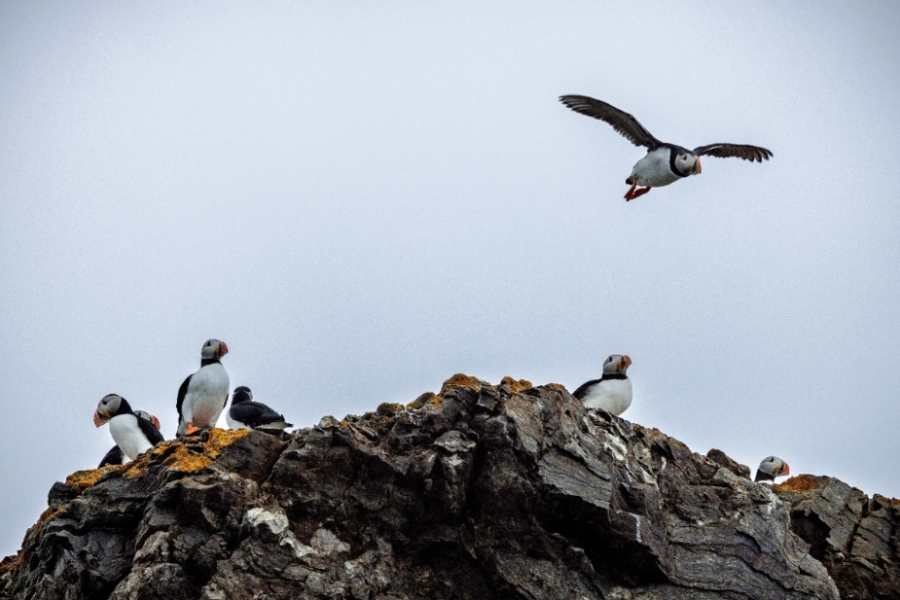
Off we went then, right after breakfast for a ride on our favourite rubber boats. First heading North towards the small cliff of metamorphic rocks that wrap up the northern coast. A bit of swell coming from SW and a few 10-15knots of gusts didn’t make the job of our guides easy. However with great steering capabilities, each of them were able to position the zodiac in a good place for nice pictures of the cliffs and the bird nesting on them. The highlight of the morning was certainly the Atlantic Puffin, which comes to Svalbard in small breeding colonies and in the last few decades have consistently used the Northwestern coast of Spitsbergen island as breeding grounds.

The Atlantic Puffin is a distinctive seabird found across the North Atlantic, where it nests on steep coastal cliffs and offshore islands. Easily recognized by its black-and-white plumage and brightly colored orange, yellow, and blue bill during the breeding season, the puffin is often called the "clown of the sea." It is an excellent swimmer and diver, using its wings to propel itself underwater while hunting small fish such as sand eels and capelin. Puffins spend most of their lives at sea, coming ashore only to breed, where they dig burrows or nest in rocky crevices. Observing them taking off from the ledges above our heads or attempting clumsy landings, was certainly the highlight of our cruise.

After almost an hour at the cliffs, the guides drove East towards the glacier front. 2km by 14km long, Fjortendejulibreen is a tidewater glaciers which flows westwards from the Isachsenfonna ice field, from where Monacobreen developed as well. Plenty of blue bergy bits and white growlers were scattered around the bay, a sign of recent and important calving events. With enough patience and after a quick and wet shower passed, we could observed a few of these events. Eventually the morning was wrapped up by the appearance of a wonderful rainbow on top of our lovely ship MV Ortelius.

Back on board for lunch, the ship moved South towards the little settlement of Ny Ålesund. A simple disembarkation via gangway kept us dry from the sea during the early afternoon. Ny-Ålesund is one of the world's northernmost permanently inhabited settlements. Originally established as a coal mining town in the early 20th century, it is now an international research community dedicated to studying climate change, atmospheric science, glaciology, marine ecosystems, and Arctic ecology. Scientists from many countries work year-round at research stations in Ny-Ålesund, taking advantage of its unique polar environment.

The settlement is also known for its role in the history of Arctic exploration, as it served as the departure point for several famous expeditions to the North Pole. A story that we heard during our guided walks led by Gabi and Kana to the famous mast that a hundred years ago secured the airship Norge and Italia.

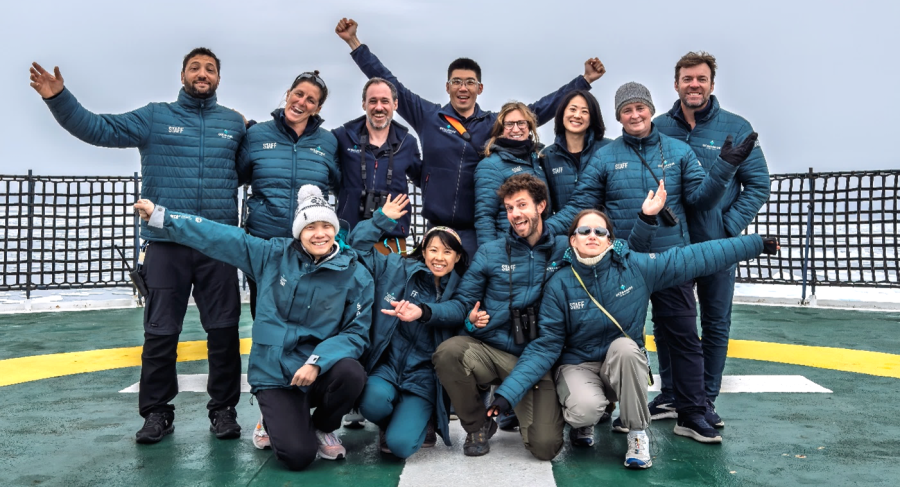
During the course of a rainy afternoon some of us ended with some shopping, a visit of the museum and the postcard delivery, before making our way back to the ship for our final gathering in the lounge to share a glass of Prosecco with captain Barría and Expedition Leader Adam. Word of appreciation were spent to summarize our incredible voyage, filled with beautiful landscapes and unforgettable wildlife encounters. Our memories spirited by the final slideshow that Werner shared with us.

Dinner was served and the whole crew was presented and cheered by Hotel Manager Vova, and eventually one last night at the lounge was shared amongst all of us, whilst MV Ortelius started her voyage back to Isfjorden and our final destination.

Day 10: Longyearbyen, Kulkaia. Disembarkation Day

Longyearbyen, Kulkaia. Disembarkation Day
Datum: 12.07.2026
Position: 78°14.6’ N / 015°33.2’ E
Wind: SE-4
Wetter: Overcast
Lufttemperatur: +7.5

A calm morning and the small settlement of Longyearbyen welcomed MV Orterlius, where our journey had begun only over a week ago. Manoeuvred by Captain Barria, aided by the rest of the bridge team, the ship was moored at the Coal pier, whilst a few of us awaken were enjoying a morning cup of coffee in the Lounge.

Adam, woke us at 7:15 a.m. with the usual calm voice. We placed our packed suitcases outside our cabin doors and headed for breakfast, while members of the expedition team collected our luggage and arranged it in neat rows on the pier.

Soon the bus appeared in the distance once again. Slowly pulling up to the gangway, it opened its doors, and we took our seats, saying goodbye to the expedition team. Our unforgettable adventure had come to an end.

On behalf of Oceanwide Expeditions, Captain Ernesto Barría, Expedition Leader Adam Burke, Hotel Manager Volodymir Cherdnychenko and all the crew and staff of M/V Ortelius, it has been a pleasure and a privilege travelling with you.

Total distance sailed on our voyage: 1435.5 nautical miles

Most northern point sailed: 80°59.8’ N, 016°51.7’ E

Einzelheiten

Reisecode: OTL07-26
Daten: 3 Jul - 12 Jul, 2026
Dauer: 9 Nächte
Schiff: MS Ortelius
Einschiffung: Longyearbyen
Ausschiffung: Longyearbyen

Herunterladen

Waren Sie auf dieser Reise?

An Bord von MS Ortelius

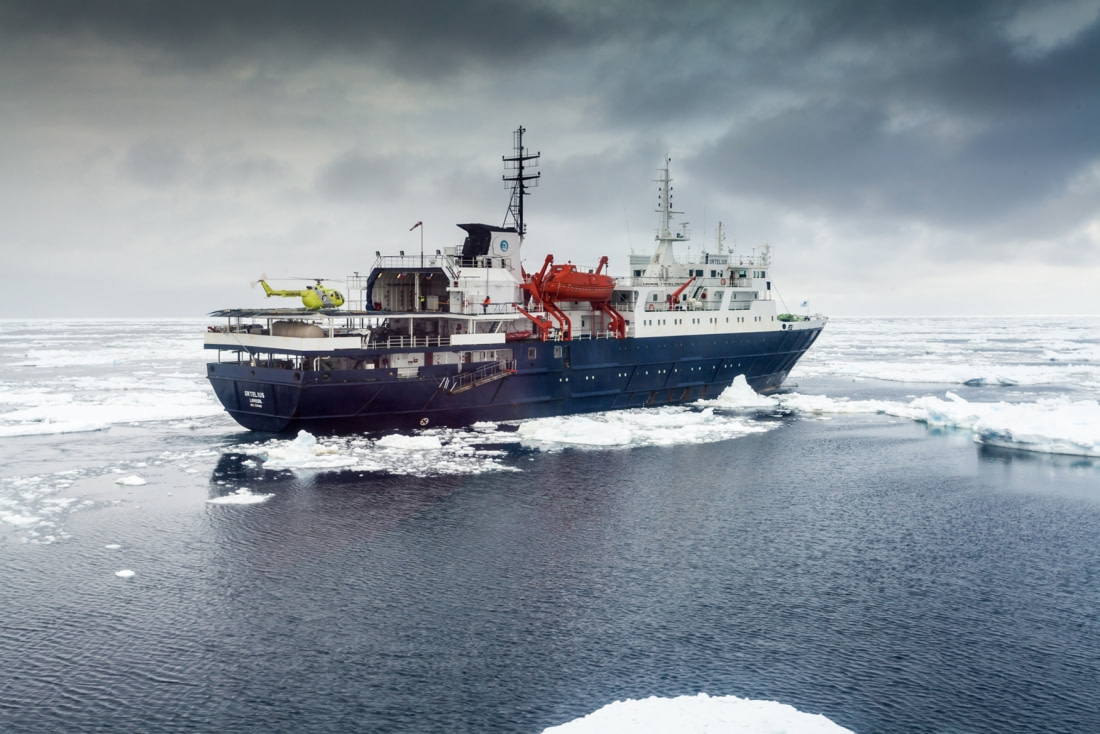
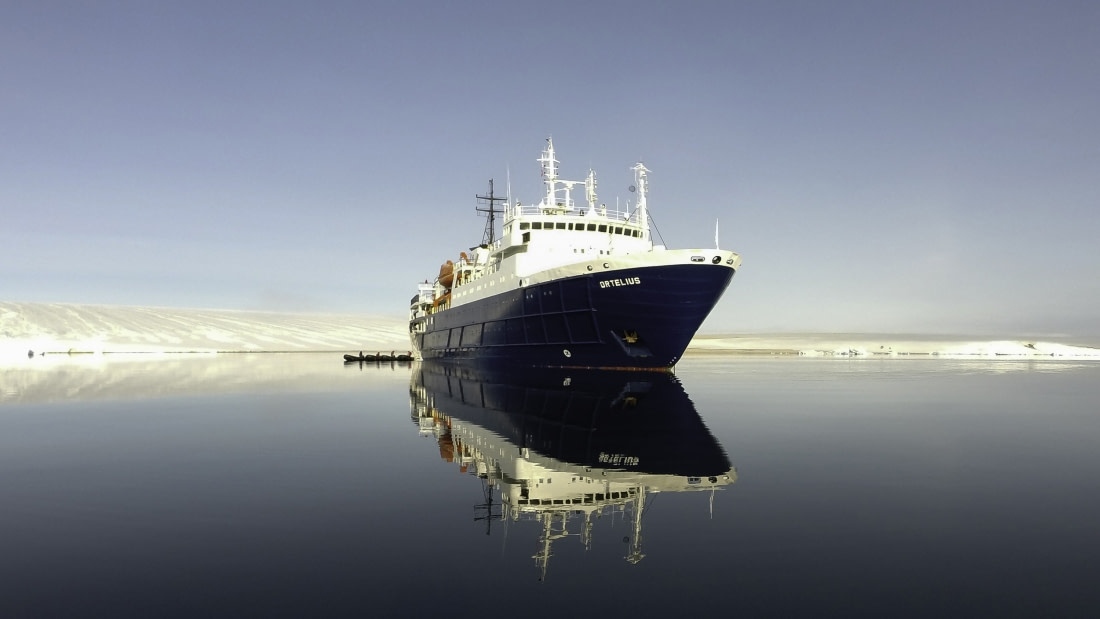
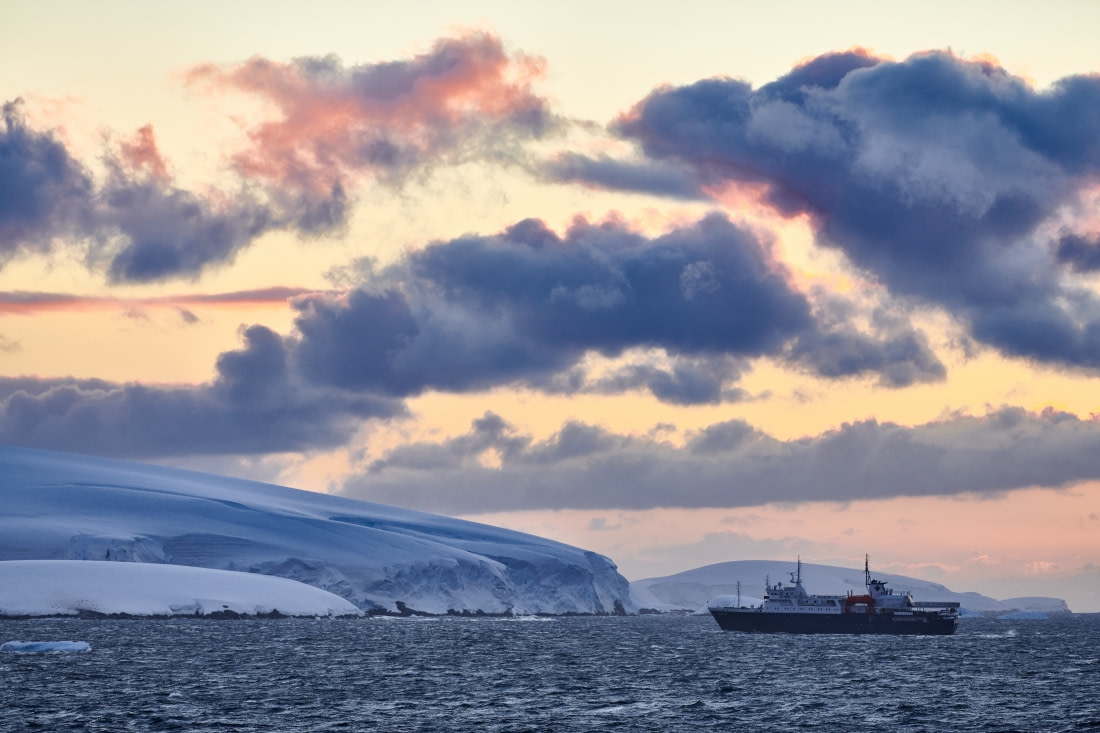
Die eisverstärkte Ortelius ist für die Polarforschung und wenn nötig, für Helikopterflüge bestens ausgerüstet.

Mehr über die MS Ortelius »
Loading