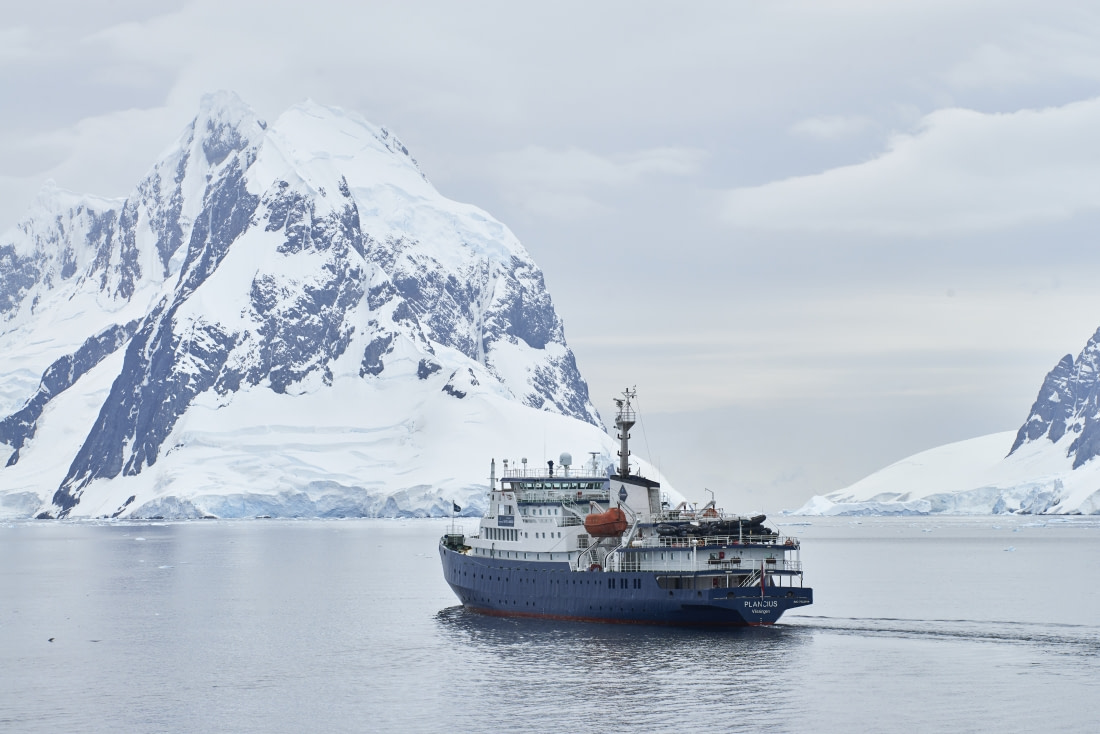
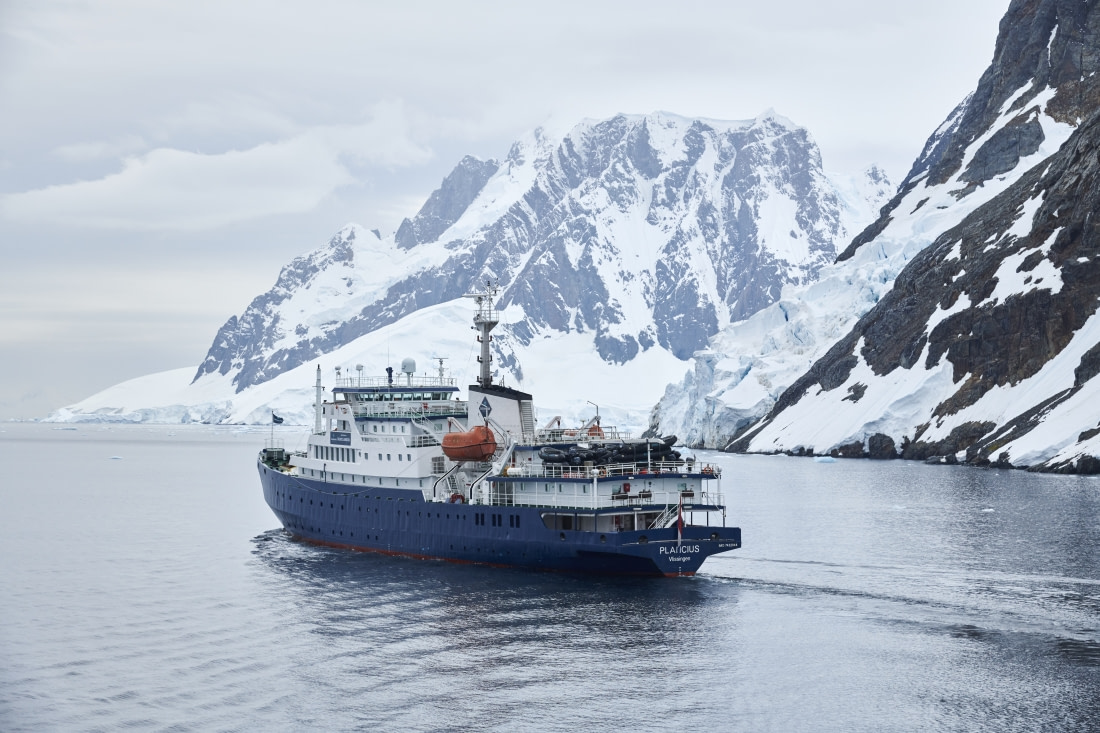
PLA13A26, trip log, South Spitsbergen - Bear Island - Norway

by Oceanwide Expeditions

Fotogalerie

Logbuch

Day 1: Embarkation Day - Longyearbyen

Embarkation Day - Longyearbyen
Datum: 07.09.2026
Position: : 78°13.23.4’N / 015°37.36.2’E
Wind: SE2
Wetter: Partly Cloudy
Lufttemperatur: +8

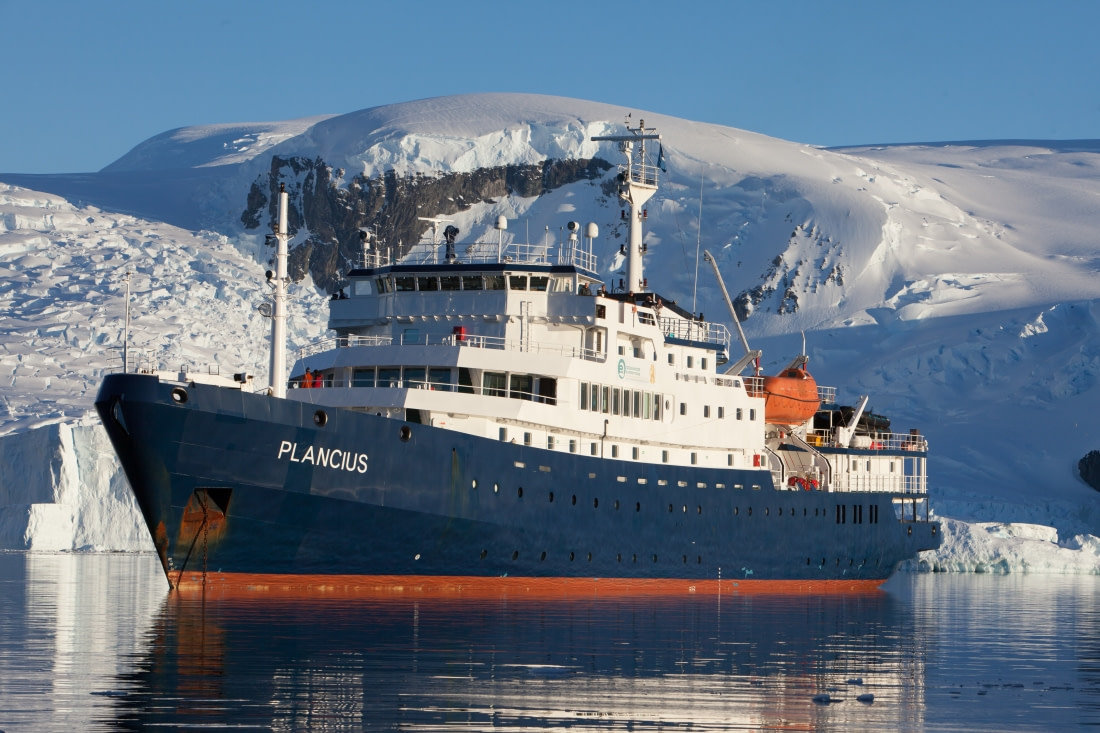
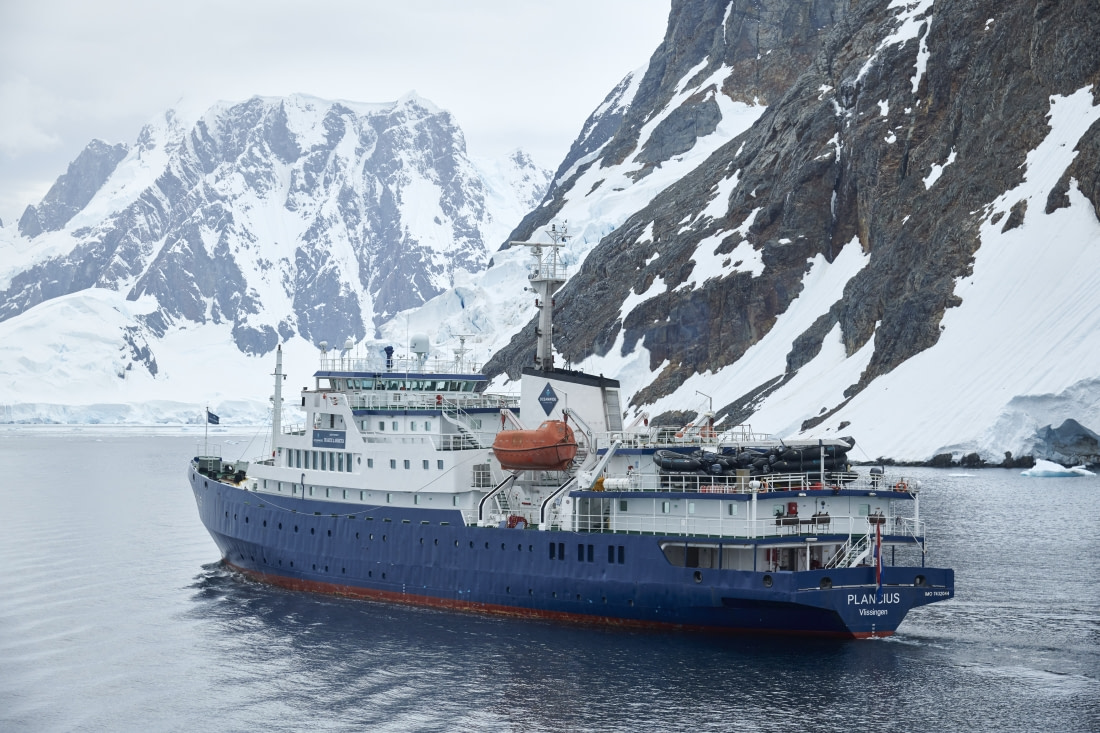
Today is the day for us to embark upon our Arctic adventure! In the late afternoon we arrived at our ship Plancius, our new home for the next 5 days. With the snow covered Hiorthfjellet as backdrop, she was moored at Bykaia, as we climbed the gangway onto the decks. After experiencing the city life of Longyearbyen, we were warm and comfortable aboard. We all checked in and the 22 newcomers were quickly escorted to their cabins and excitedly began to explore the ship and wandering the decks, meeting those 40 people who stayed on after last cruise.

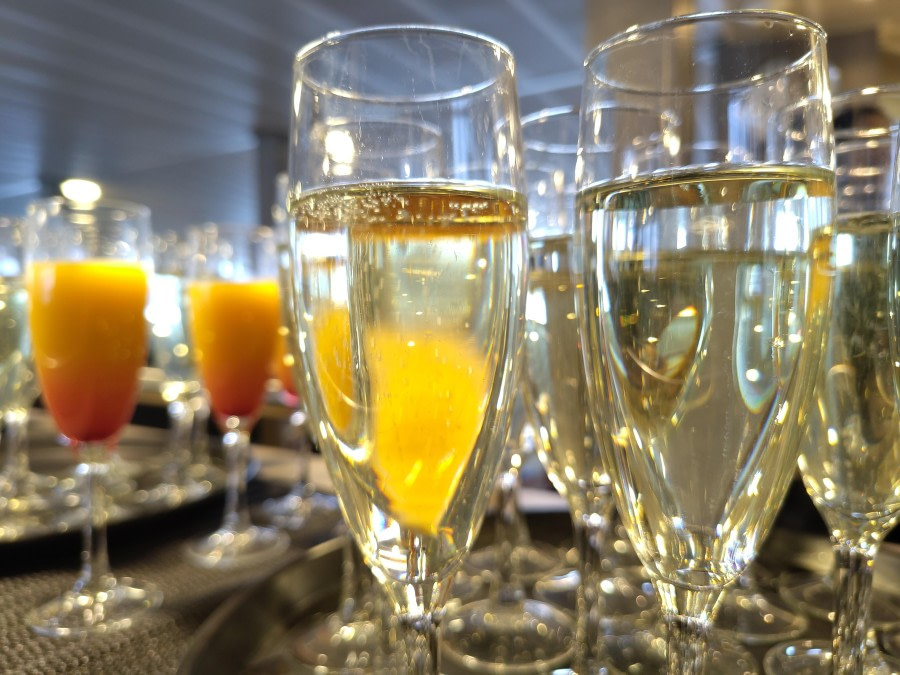
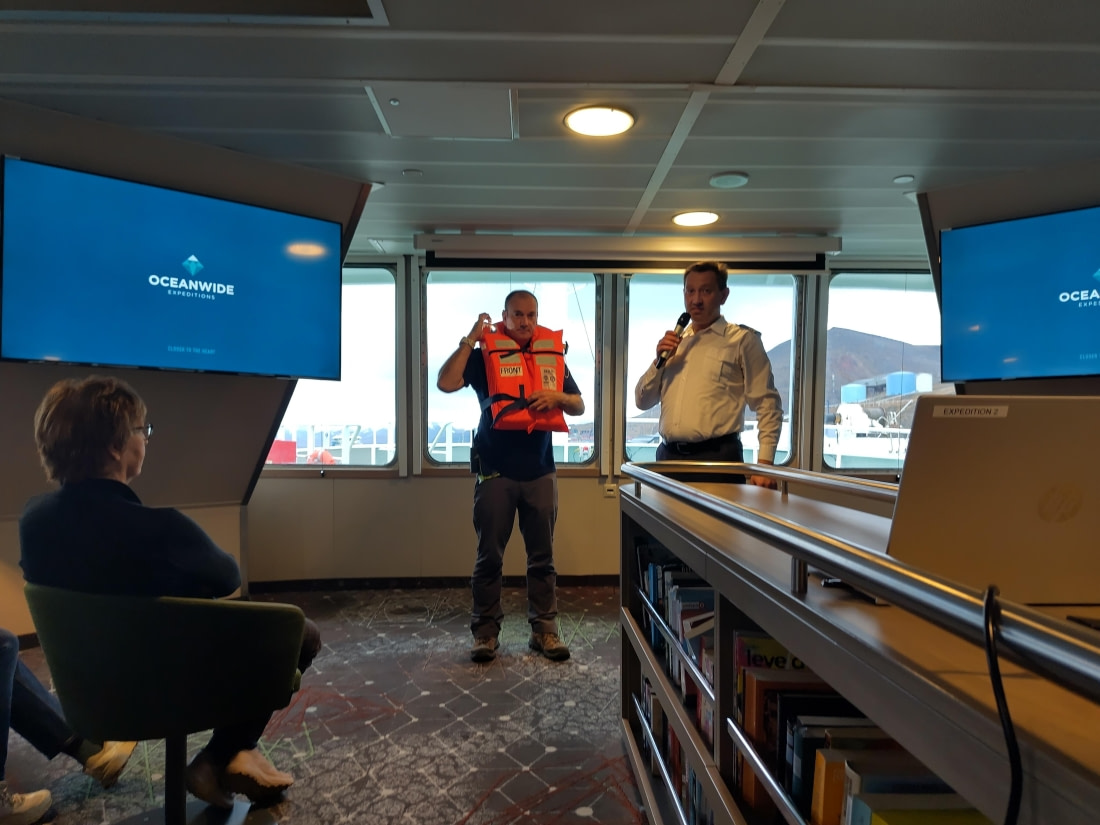
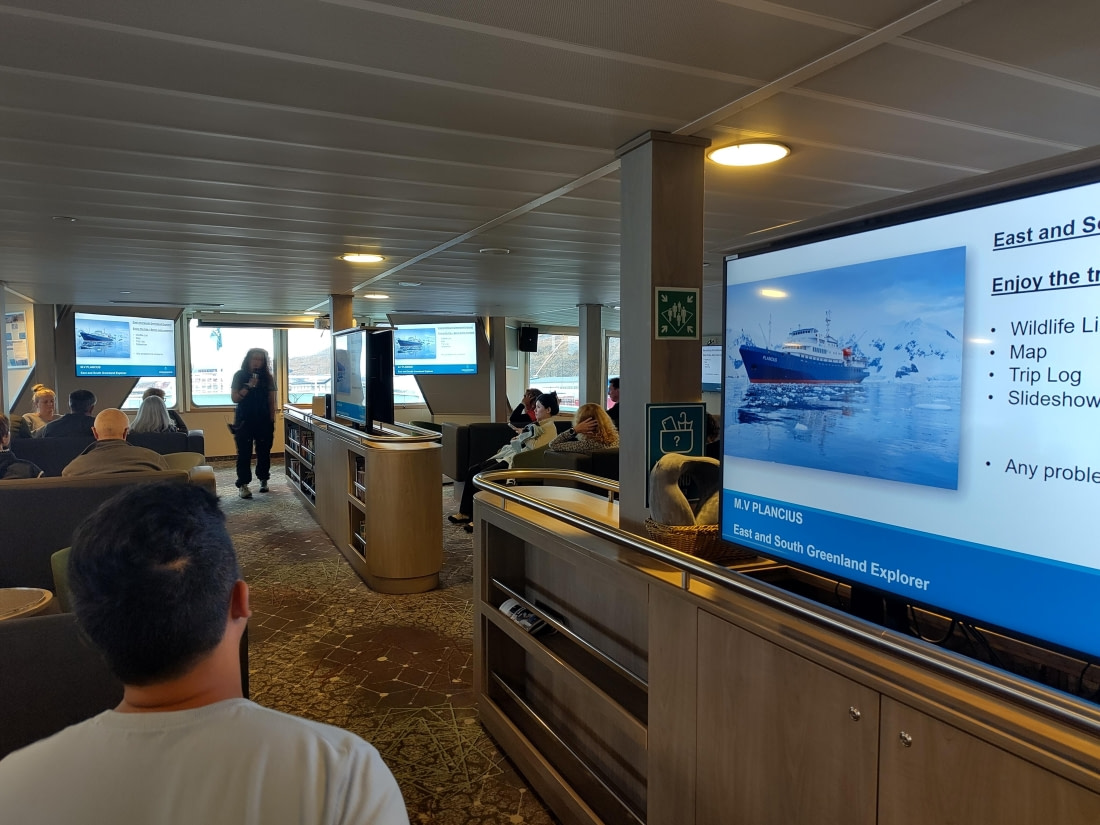
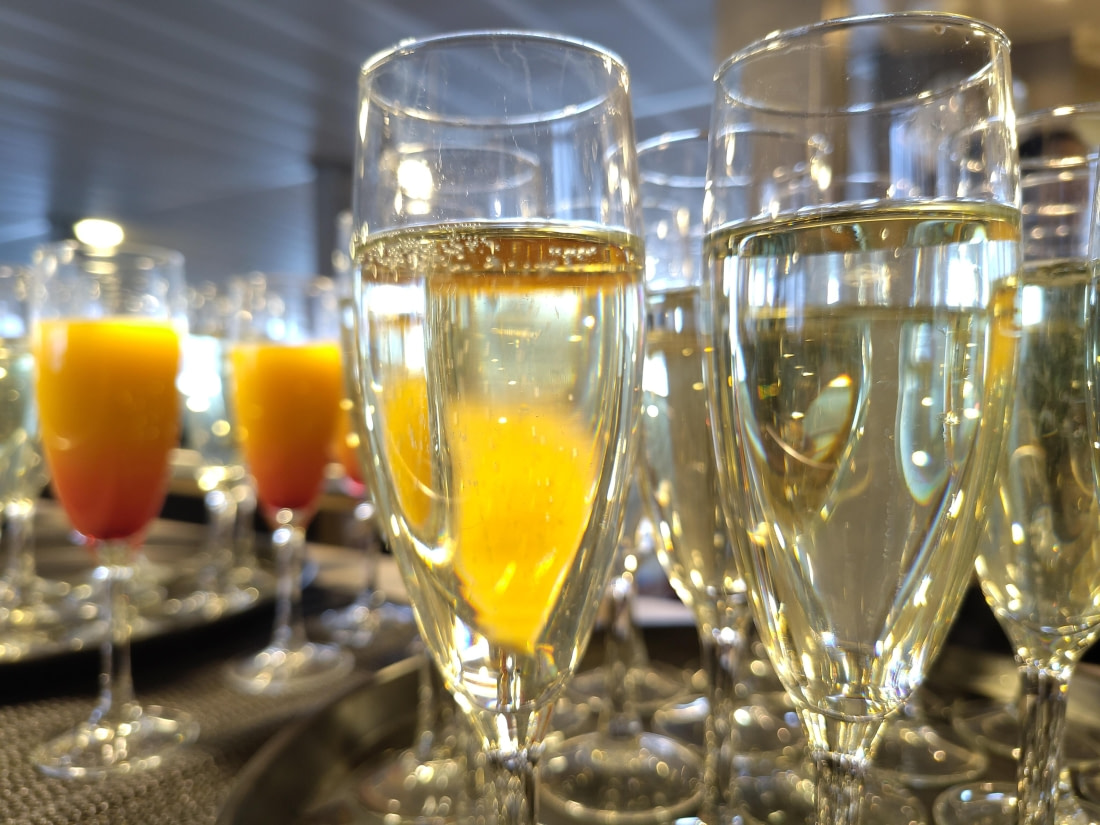
Once we were all aboard, we were invited to the lounge to take part in a mandatory briefing and an abandon ship drill. During the drill we cast off and were on our way out of the harbour. Whilst the crew made sure we left the harbour soundly, our expedition leader, Pippa, invited us back to the lounge for the Captain’s Cocktails, hosted by our captain Christopher Colaris, and the expedition team. We celebrated our expedition with some bubbles and canapes. Our day was not done yet, before dinner the newcomers located the Boot Room and collected their rubber boots. We were another step closer to being able to start our off-ship activities. We all filed down to the restaurant for a delicious buffet and an opportunity to meet some of our fellow travellers. The rest of the evening was spent enjoying our first evening cruising in Isfjorden, before returning to our cabins to prepare for tomorrow’s adventure!

Day 2: Borebukta and Alkehornet

Borebukta and Alkehornet
Datum: 08.09.2026
Position: 78°24.0’N / 014°13.5’E
Wind: NE2
Wetter: Overcast
Lufttemperatur: +7

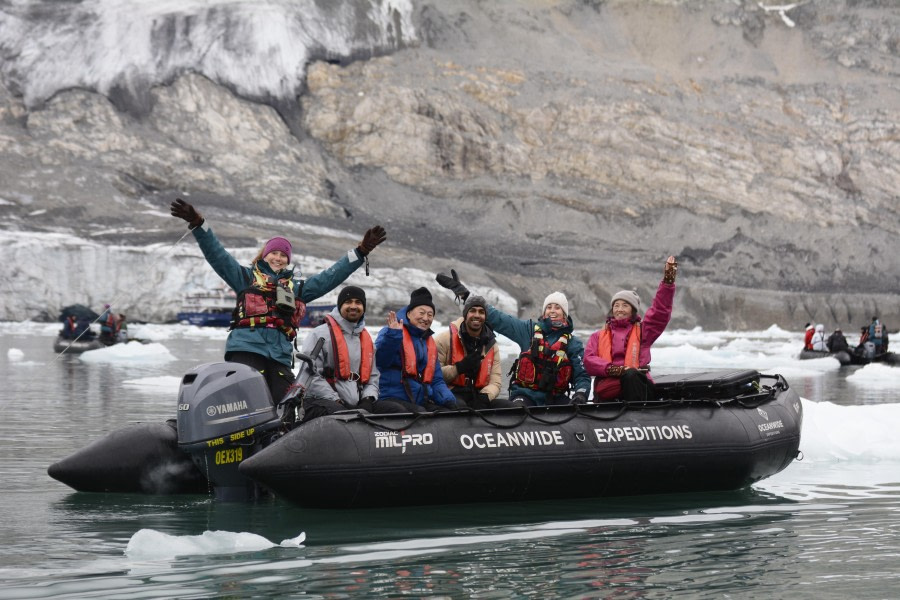
A thin blanket of clouds covered the sky as we approached Borebukta on our first day of activity in Svalbard. MV Plancius dropped anchor a couple of nautical miles southeast of Boreholmen, a former small island of Quaternary debris that has now been completely covered by the advancing glacier snout. After breakfast, we gathered in the Observation Lounge for briefings on Zodiac operations, AECO guidelines, and safety in polar bear territory. Soon after, we lined up at the gangway and boarded the Zodiacs for our morning excursion to Borebreen.

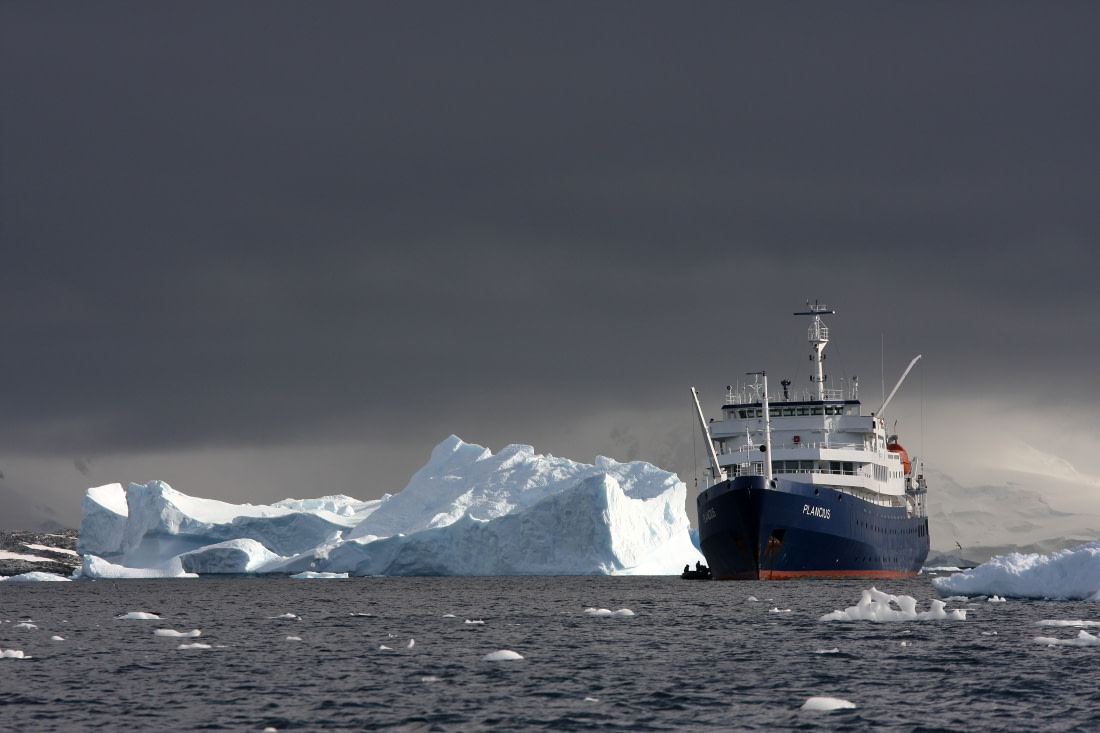
Just before embarkation, Mark spotted a polar bear walking along the glacier moraine on the western side of the glacier front. The bear soon entered the water and swam east across the fjord as we set out. Our expedition guides took us closer to the glacier, weaving between small icebergs while explaining its formation, dynamics, and importance to recent glaciological studies. Borebreen, a tidewater glacier approximately 3.5 km wide and 20 km long, has attracted considerable scientific attention in recent years. It is a surging glacier, a type that accounts for roughly 20–25% of Svalbard’s glaciers. After a long quiescent period, a surge can increase the glacier’s flow speed by five to ten times. Borebreen has advanced almost 2 km since August 2024, completely burying Boreholmen beneath its ice. As we cruised safely along the glacier front, admiring the colours and textures of the ice, the polar bear appeared again—this time on the eastern moraine. From the water, we watched it move effortlessly through the hummocky terrain, covering remarkable distances both in the water and on land. It was an extraordinary start to our visit to southern Spitsbergen.

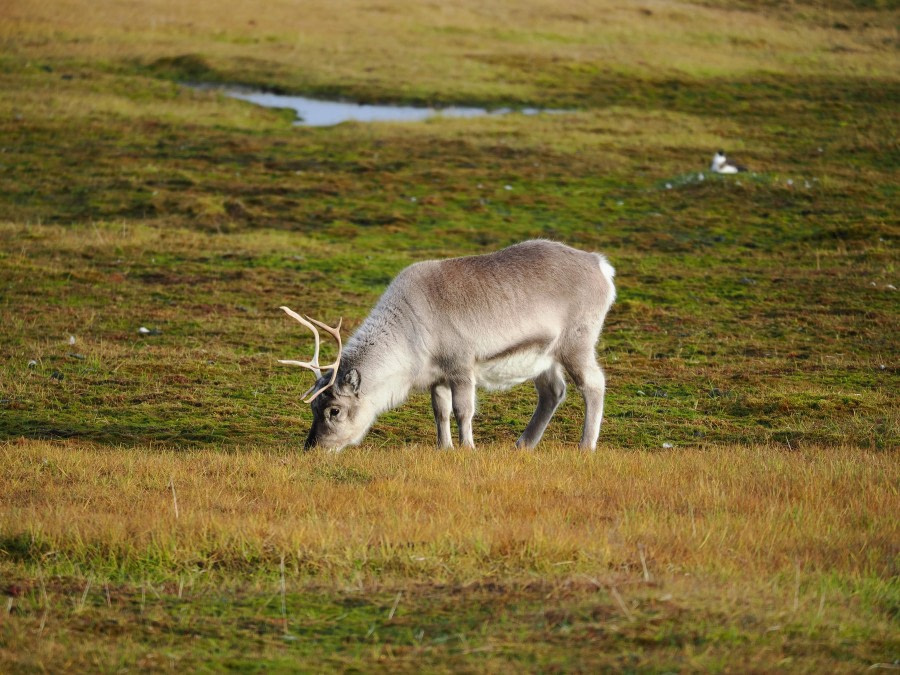
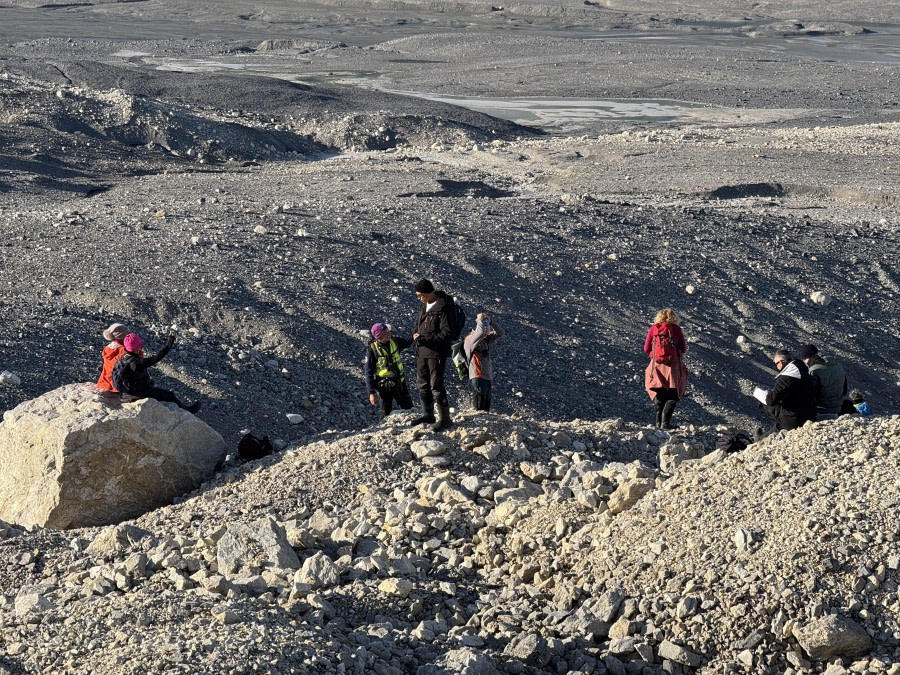
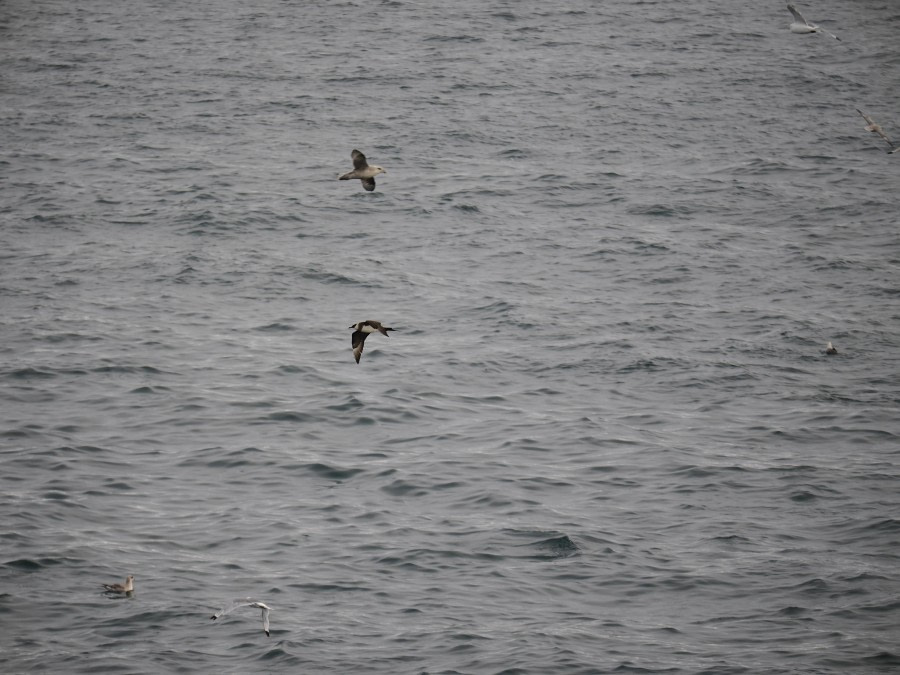
With the bear eventually disappearing from view, we continued exploring the glacier’s surroundings. We cruised through beautiful brash ice, spotting Eider ducks and a curious Ringed Seal, while the glacier reflected and shimmered in the water. Towards the end of the excursion, several large calvings reminded us of the immense power of the Arctic landscape.During the noon transit, lunch was served, followed by another wildlife encounter. Officers spotted a large pod of White-beaked Dolphins, surrounded by a feeding frenzy of Northern Fulmars, Black-legged Kittiwakes, and Arctic Skuas. In the early afternoon, we anchored near Alkhornet and went ashore. Named after the auks (“alk”) and the distinctive horn-shaped mountain, Alkhornet marks the northern entrance to Isfjorden. Divided into three groups, we hiked through the lush tundra along the southern and eastern slopes. Svalbard Reindeer were grazing peacefully across the landscape. We encountered impressive males with well-developed summer antlers, as well as females with young calves. Some animals allowed us to approach surprisingly closely, seemingly unconcerned by our presence.

Later, several Arctic Foxes appeared. An adult in almost-winter fur searched the grassy slopes for food before settling near a boulder field, giving us excellent photographic opportunities. Then a young cub emerged nearby, stealing the show. As the light faded and kittiwakes called overhead, we made our way back to the landing site and returned to the ship for the daily recap and briefing on the following day’s plans.

Day 3: Gashamna and Burgerbukta

Gashamna and Burgerbukta
Datum: 09.09.2026
Position: 76°56.4’N / 015°50.1’E
Wind: W1
Wetter: Overcast
Lufttemperatur: +6

Day 4: Bjørnøya (Bear Island)

Bjørnøya (Bear Island)
Datum: 10.09.2026
Position: 74°30.6’N / 019°00.0’E
Wind: E2
Wetter: Foggy
Lufttemperatur: +6

After two fabulous days in Svalbard, we had started our journey south towards Bjornøya last evening. Bjornøya is the southernmost island of the Svalbard archipelago and we were scheduled to arrive in the morning. When we woke up, we could indeed already see the contours of this small island on the horizon.

The island is located at the limits of the Norwegian and Barents seas, approximately halfway between Spitsbergen and the North Cape. Bear Island was discovered by Dutch explorers Willem Barentsz and Jacob van Heemskerck on 10 June 1596. It was named after a polar bear that was seen swimming nearby.

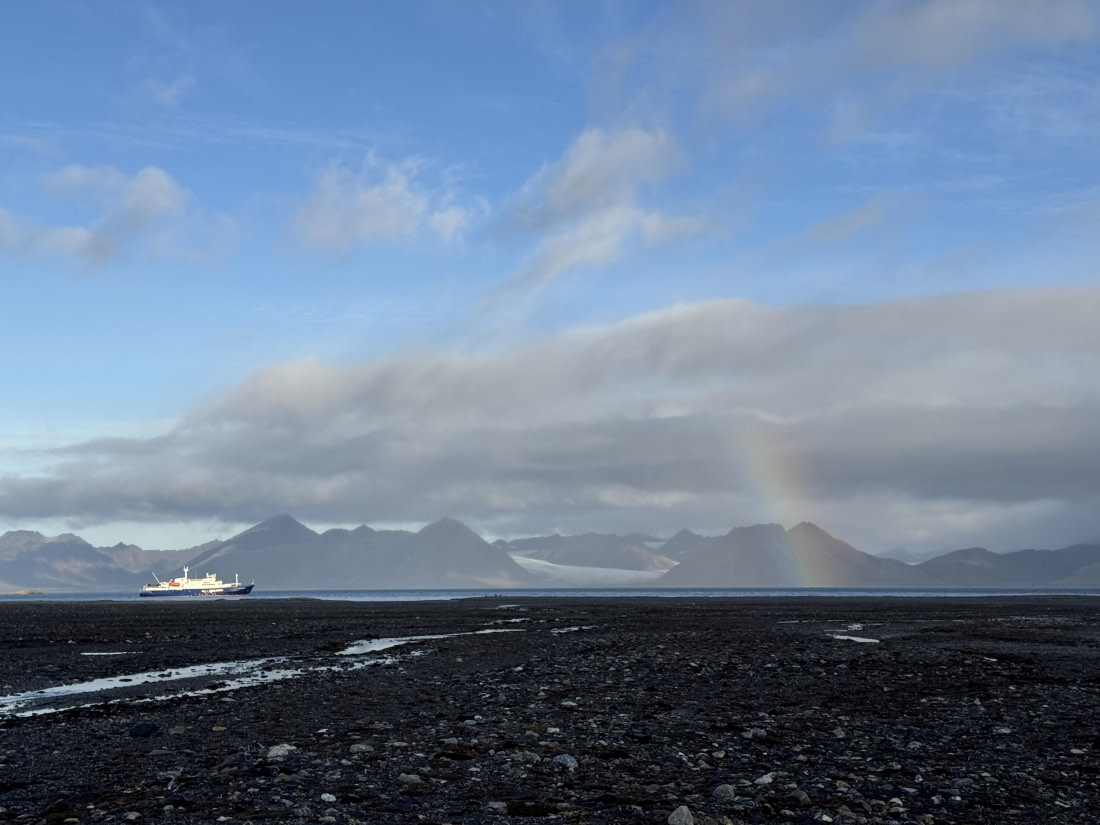
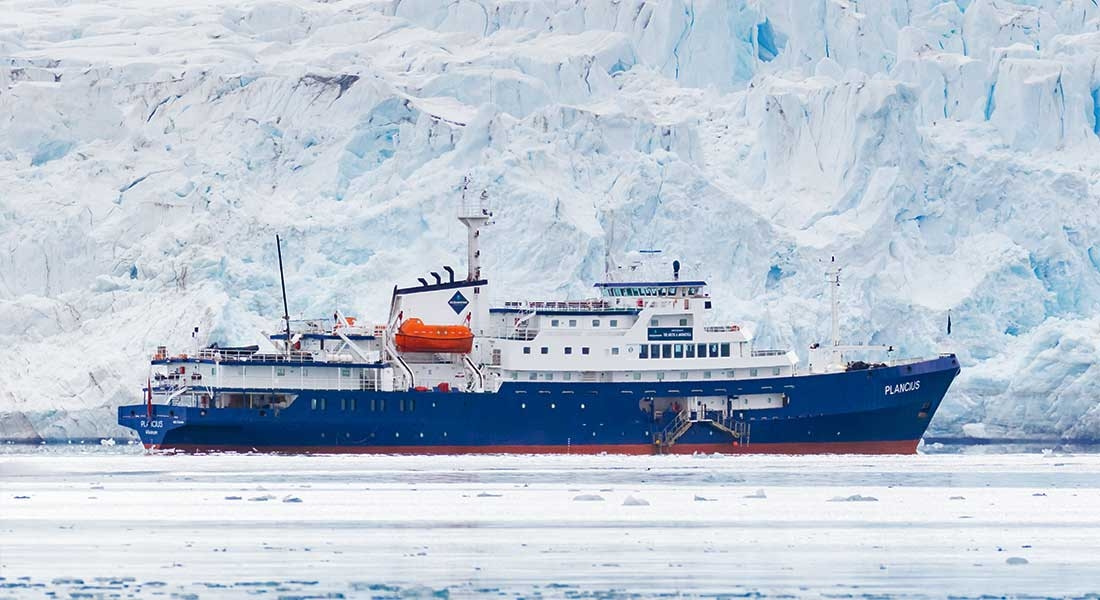
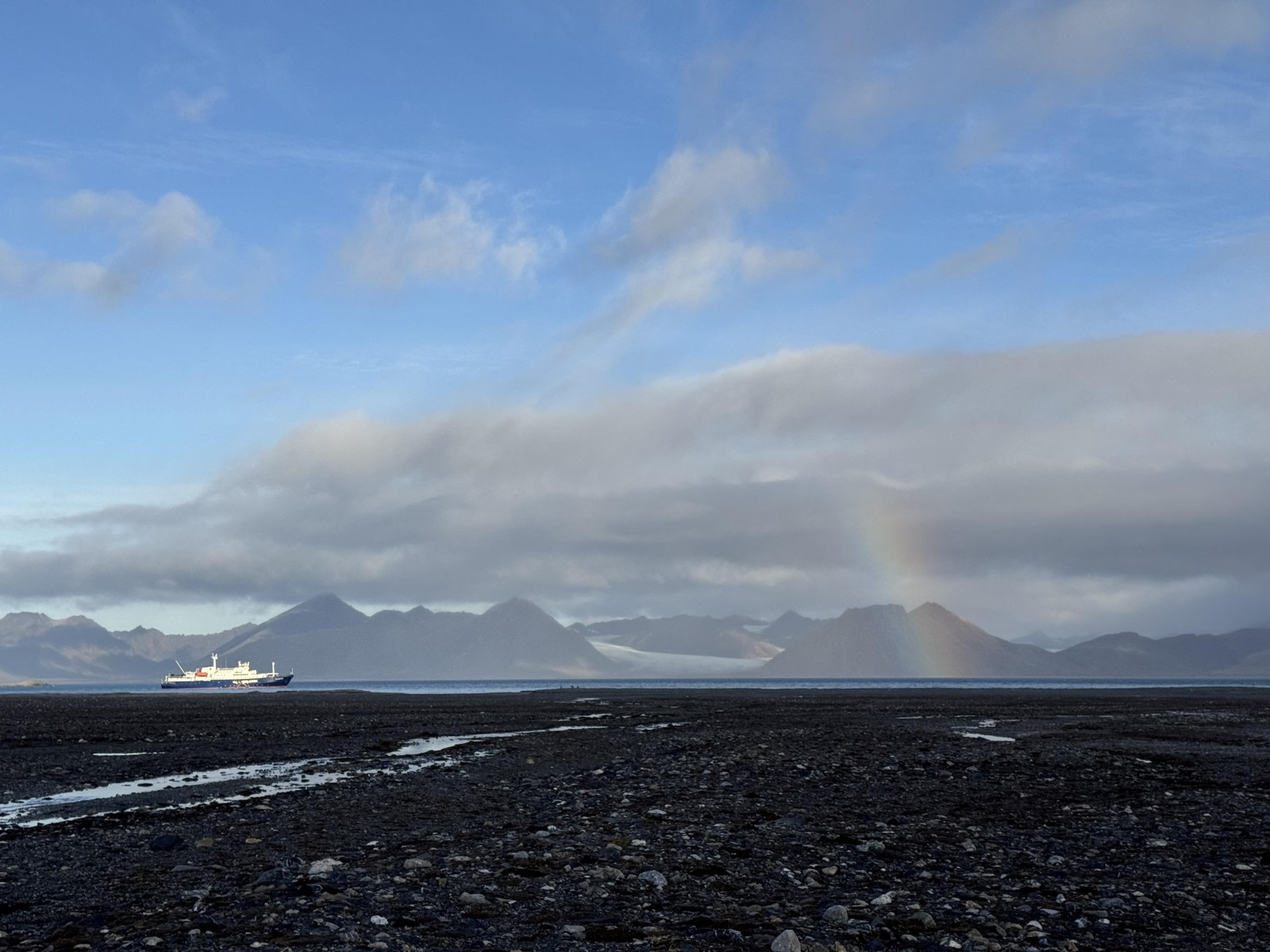
Our plan was to visit the weather station on the north part of the island which is also called Radio Bjornøya. The conditions looked favorable with little wind, and more importantly an acceptable swell. While our beautiful little blue M/V Plancius slowly approached closer, we enjoyed our breakfast in the restaurant.

The expedition team went ashore first to assess conditions and to meet the station commander. They were welcoming us and they would even open up a small souvenir shop. At the landing site conditions were also good, so around 09:10 we boarded our familiar Zodiacs and headed towards the beach.

As the shop wouldn’t be open all morning, we were divided into three groups so we could manage the stream of interested buyers. However, this was the sole purpose of having three groups, today we didn’t have our classical variety of hikes.

The station looked well maintained and despite its remoteness it looked like a cozy and warm place. It had a museum and we could still see remains from earlier times when commercial activities such as coal mining, fishing and whaling. However, these activities were never successful and lasted often less than a year.

Our guides showed us around and took us for a walk along the bird cliffs as well. Bjornøya is home to many breeding sea bird species such as the Northern Gannet, Puffins, various species of Guillemots and Kittiwakes to name just a few. Despite the drizzle we enjoyed our unique visit a lot as not many tourists get to land here.

During lunch we were sailing further south. Bjornøya has some of the most spectacular bird cliffs that in some places are more than 400 meters high. We were keeping our fingers crossed to see what would happen, however the ships cruise itself was already spectacular. Such a rugged coastline while birds flew all around.

Then expedition leader Pippa came onto the intercom. Good news! The team had assessed the conditions to be OK to go and as such they had started preparing for a Zodiac cruise along the impressive cliffs. The Zodiac cruise felt like proper expedition as we faced swell, wind and drizzle. Fantastic!

The first boats set course towards the southernmost tip of the island before turning around and starting the cruise back closely along the spectacular and surreal coastline. Once again conditions needed to be assessed as this coastline offered huge arches, tunnels and caves and the guides were keen on doing some proper exploration ;). Koen took the lead and decided conditions were OK to drive underneath the first arch.

The lush vegetation on the rocks, the turquoise color of the water added to the wonderful and once in a lifetime experience. To make sure that what we did was in fact real, we decided we had to do it again! Then we moved along the coast line while enjoying the steep cliffs and the sounds of the birds that were all around. Not too long after we found ourselves at the entrance of a tunnel that seemed to lead us to paradise ;). Earlier, conditions seemed too challenging to make it through, but now it looked OK. So, what to do other than to enter and see if we could make it to the other side?

Koen voluntarily pioneered and made it through and the experience was incredibly cool. The tunnel was probably more than a hundred meters long and we couldn’t imagine another place on the planet where we could do the same. What an incredible last activity of this fantastic trip. We tried out some other caves and observed a ship wreck that stranded here in 2009. On our way back everybody was smiling, it had been the perfect ending of our adventurous journey. Although our cake was already full with icing, Mother Nature decided to add another layer; Northern Lights! What already had been a fantastic day had just gotten even better.

Good night everyone!
Day 5: At Sea towards Tromso

At Sea towards Tromso
Datum: 11.09.2026
Position: 71°59.3’N / 019°43.6’E
Wind: S3
Wetter: Cloudy
Lufttemperatur: +10

We had our morning breakfast in the dining room at 08:00 as the vessel continued her journey towards Tromsø, Norway. It was a relaxed start to what would become a very memorable final day at sea. At 10:00, we returned our expedition boots to the boot room, with each deck being called individually to avoid congestion. Once all the boots had been collected, the expedition staff set about the impressive task of scrubbing every single pair by hand. Their hard work ensured that all the boots were thoroughly cleaned and ready for the next expedition.

At 11:00, we met Charlotte in the Observation Lounge for an interesting and informative lecture about polar bears. We learned more about these magnificent Arctic animals, their behaviour, habitat, and the challenges they face in the changing polar environment. We had lunch in the dining room at 12:30 before enjoying some time to relax and take in our final hours at sea. At 15:00, we met Sven in the Observation Lounge for his lecture on Northern Norway and Tromsø. He gave us a fascinating insight into the region, its landscapes, history, culture, and its unique connection to the Arctic. The afternoon brought us an unexpected and truly spectacular wildlife encounter.

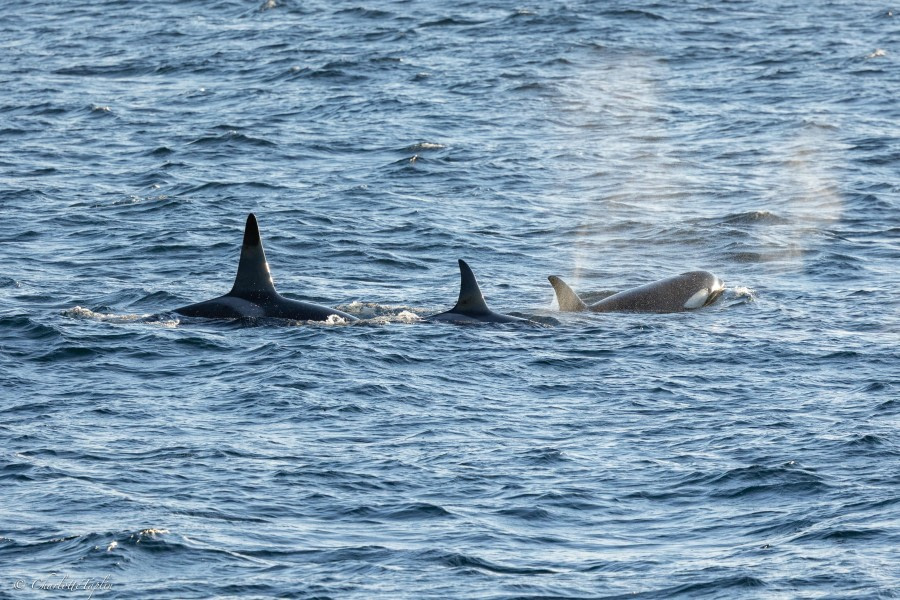
From the bridge, Koen spotted orcas, and it soon became clear that we were in for something very special. Amongst them, we also spotted a blue whale, making the sighting even more extraordinary. We had two large groups of at least ten orcas around the ship, giving us incredible views as they travelled through the water. As the evening progressed, the setting sun created the most beautiful backdrop. Every time the orcas surfaced and blew, their spray caught the sunlight and glowed a stunning reflective orange. It was an unforgettable sight, with the whales, orcas, sea, and sunset all coming together in one spectacular scene. We were very reluctantly dragged inside for our Captain’s Farewell at 18:00, leaving behind one of the most beautiful wildlife encounters of the voyage. We joined the expedition team in the Observation Lounge for a toast with the Captain, celebrating what had been an incredible journey.

The farewell was followed by Marco’s fantastic slideshow, which brought together so many of the highlights and memorable moments from our expedition. It was wonderful to look back on the experiences we had shared, the places we had visited, and the incredible wildlife we had encountered along the way. We finished the day with dinner in the dining room at 19:00. As we reflected on the day, it was hard to believe that our final hours at sea had delivered such an extraordinary finale.

Day 6: Tromso, Disembarkation

Tromso, Disembarkation
Datum: 12.09.2026
Position: 69°64.92’N / 018°95.53’E
Wind: SSE1
Wetter: Partly Cloudy
Lufttemperatur: +8

Today as we sailed into Tromso we all felt a bitter sweet feeling –excitement for getting off the ship in Norway – another beautiful country to explore,but also a pang of sadness for having to leave after such an incredible journey. Even though it was short it was oh so sweet. We were so lucky with everything we saw, even with three operation days we saw so much.

After our last wake-up call from Pippa we had our last delicious breakfast and shortly after at 0830 we disembarked the ship. The staff had already taken our luggage to the dock for us where we would then collect it. The staff said goodbye to all of us and we entered the buses or got in our taxis to head to the airport or to go to the our hotel. What a special time, we will remember this trip forever.

On behalf of Oceanwide Expeditions, Captain Christophe Colaris , Expedition Leader Pippa Low, Hotel Manager Marleen Van Moorsel and all the crew and staff of M/V Plancius, it has been a pleasure travelling with you.

Total Length of the Trip: 672 nautical miles

Northernmost position: 78⁰ 40.143’N; 014⁰ 22.318’ E

Einzelheiten

Reisecode: PLA13A26
Daten: 7 Sep - 12 Sep, 2026
Dauer: 5 Nächte
Schiff: MS Plancius
Einschiffung: Longyearbyen
Ausschiffung: Tromsø

Herunterladen

Waren Sie auf dieser Reise?

An Bord von MS Plancius

Unser ältestes Schiff, die Plancius, ist eine klassische Wahl für einige unserer beliebtesten Polarreisen.

Mehr über die MS Plancius »
Loading