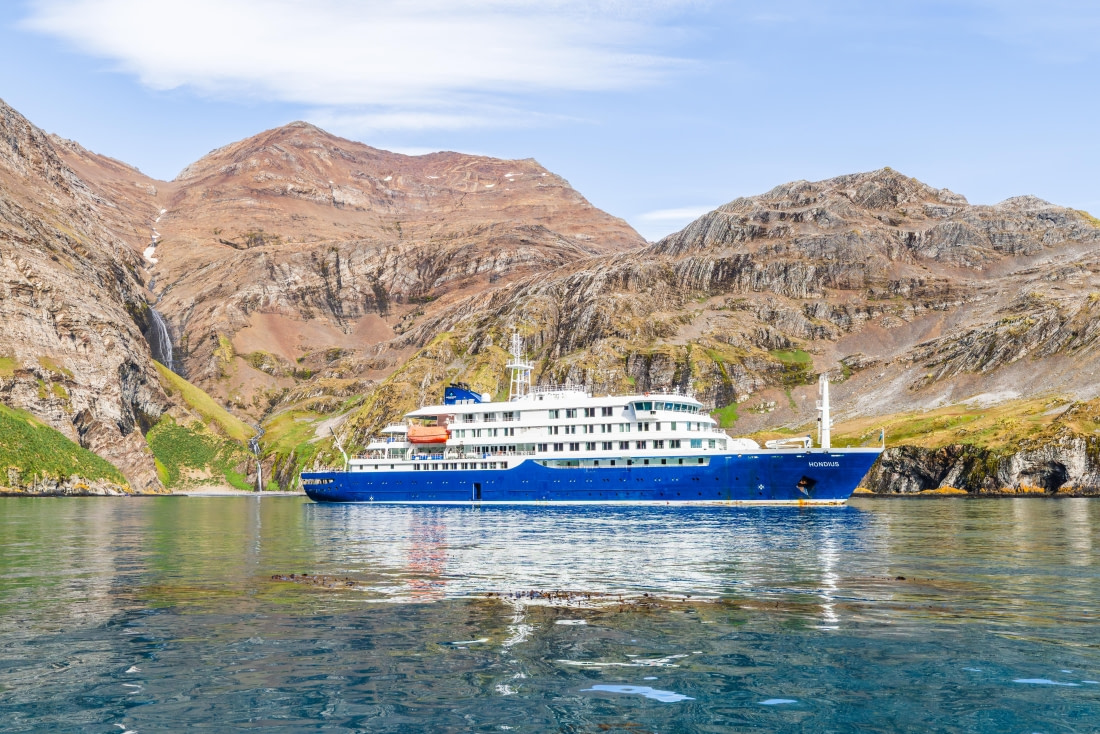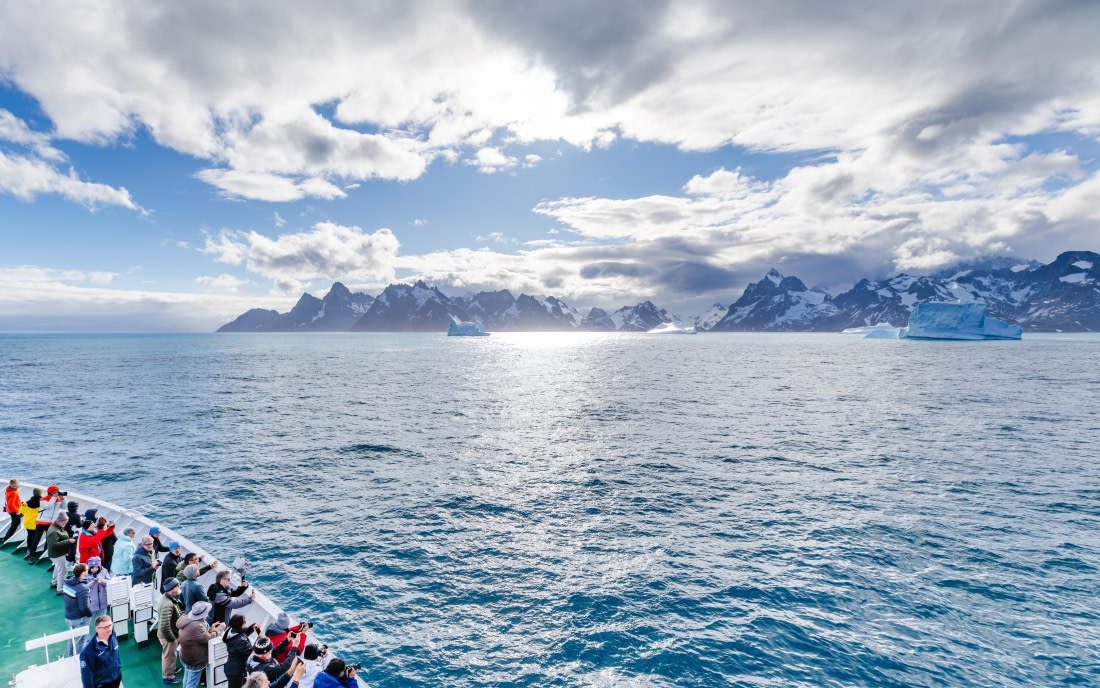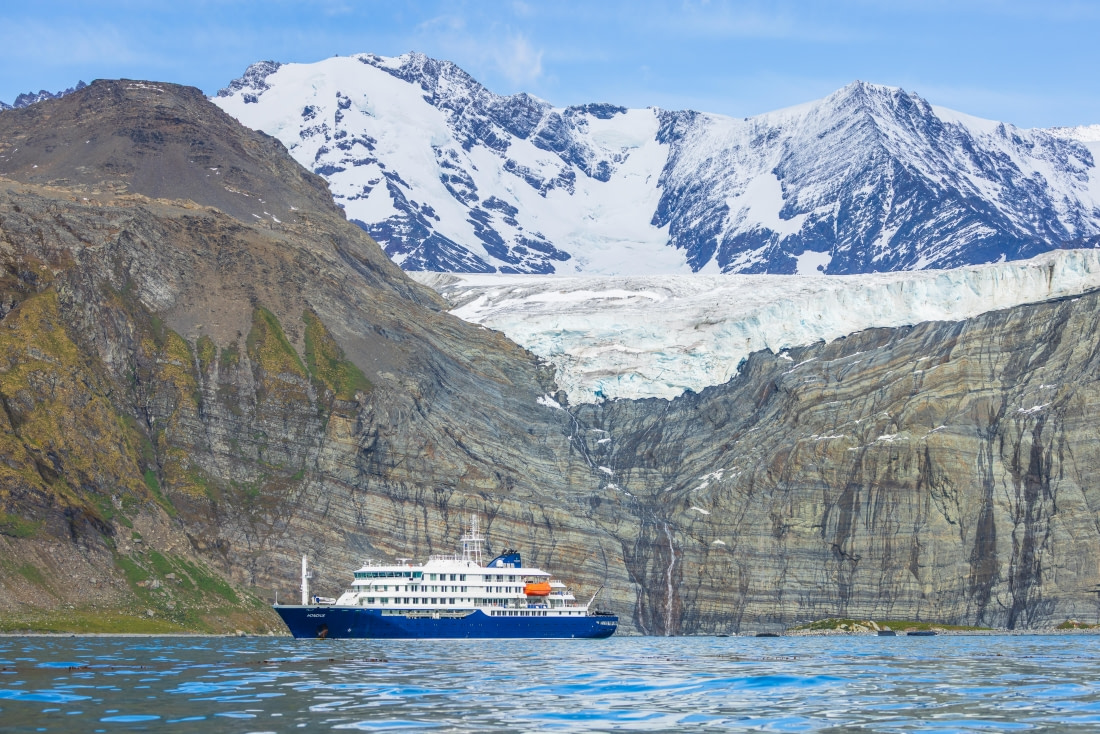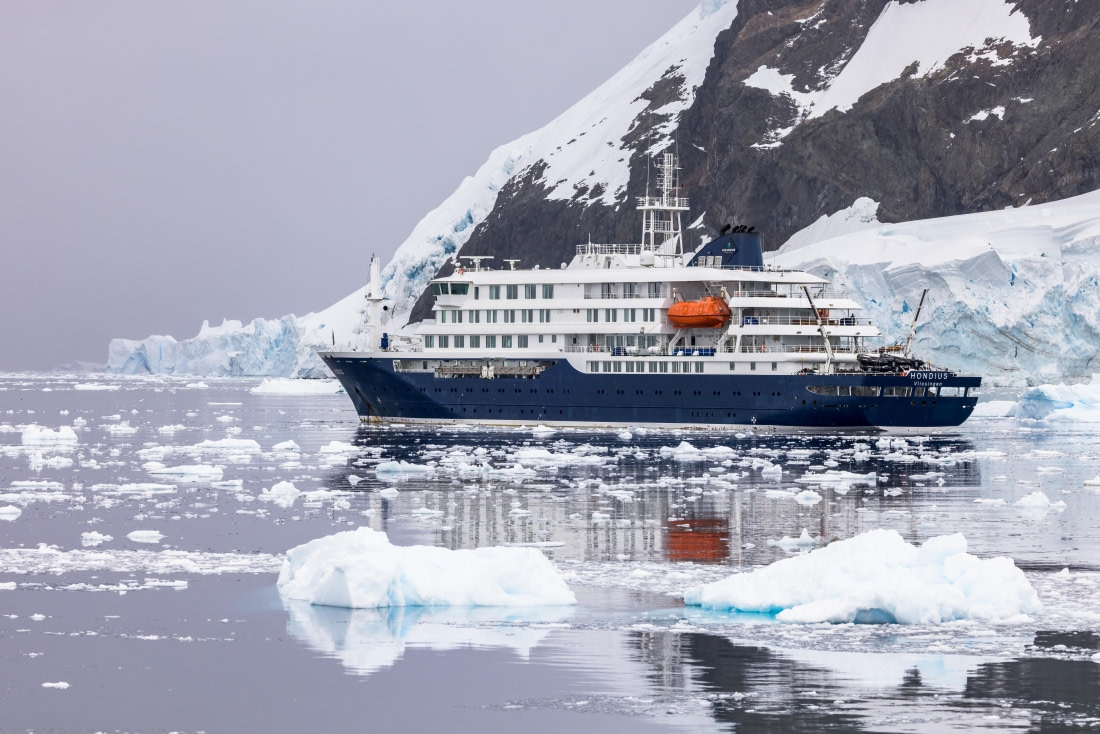
HDS08-26, trip log, Around Spitsbergen, In the realm of Polar Bear & Ice

by Oceanwide Expeditions

Fotogalerie

Logbuch

Day 1: Longyearbyen, Embarkation day

Longyearbyen, Embarkation day
Datum: 15.07.2026
Position: 78°15.3’N / 015°07.2’E
Wind: SW3
Wetter: Overcast
Lufttemperatur: +6

Our Arctic adventure began beneath a blanket of overcast skies, with a brisk breeze rippling the waters of Adventfjorden. Nestled between rugged mountains and the icy fjord, Longyearbyen—the world's northernmost town with a permanent population—served as our gateway to one of the planet's last great wildernesses. Once a bustling coal-mining settlement, it is now a vibrant centre for Arctic science, tourism, and exploration. 

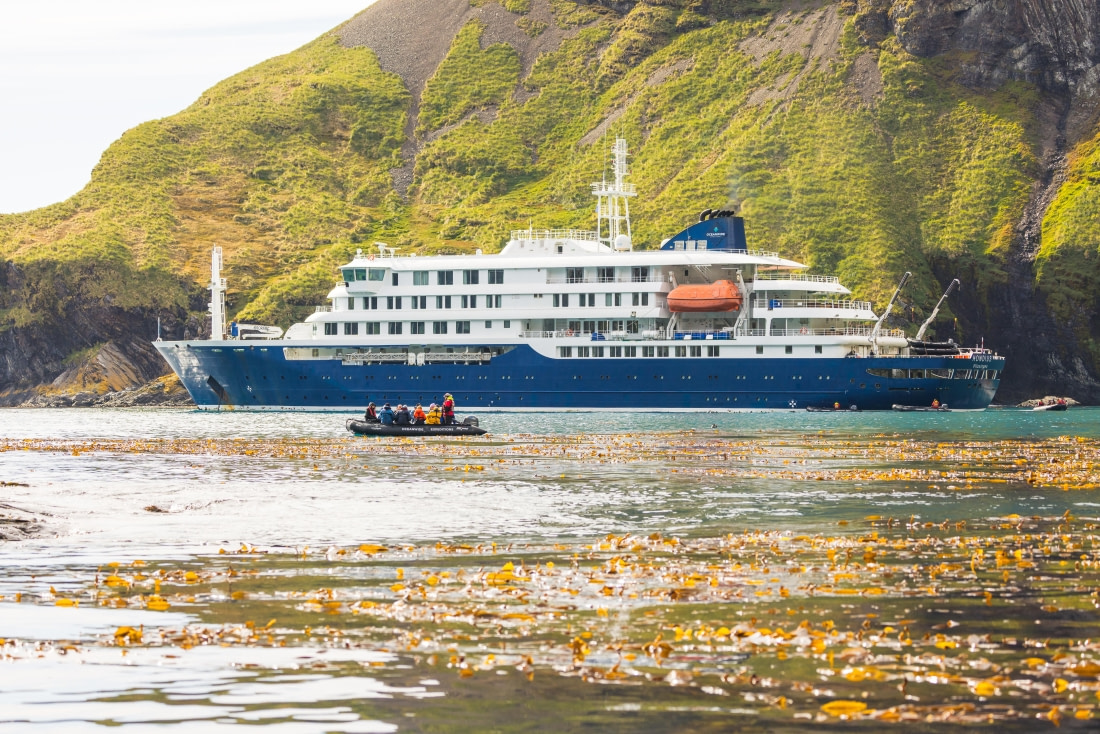
In the afternoon, we arrived and were transferred by Zodiac to MV Hondius, an exciting first taste of expedition life. The short journey across the fjord offered sweeping views of the surrounding mountains and glaciers, setting the tone for the adventure ahead. Once aboard, we settled into our cabins, explored the ship, and became acquainted with our home for the coming days as anticipation steadily grew.

With everyone safely on board, we gathered for the mandatory safety briefing. The bridge and hotel teams guided us through the essential procedures, ensuring we were well prepared before departing. Afterwards, our Expedition Leader introduced the voyage ahead, outlining the itinerary and offering a glimpse of the remarkable landscapes and wildlife awaiting us. The expedition team then introduced themselves, sharing the knowledge, experience, and enthusiasm they would bring to every landing, Zodiac cruise, and lecture throughout our journey.

As the evening progressed, MV Hondius slipped quietly away from Longyearbyen and began her voyage north through Isfjorden. We lined the outer decks despite the cool breeze, watching the colourful buildings of the settlement gradually disappear against the dramatic mountain backdrop. Before long, signs of human habitation gave way to the immense Arctic wilderness—its towering peaks, ancient glaciers, and vast open spaces stretching towards the horizon. With the first miles behind us, the excitement on board was unmistakable. Our High Arctic expedition had truly begun.
Day 2: Lilliehookbreen & Ny Alesund

Lilliehookbreen & Ny Alesund
Datum: 16.07.2026
Position: 79°20.2’N / 011°42.1’E
Wind: W3
Wetter: Overcast
Lufttemperatur: +8

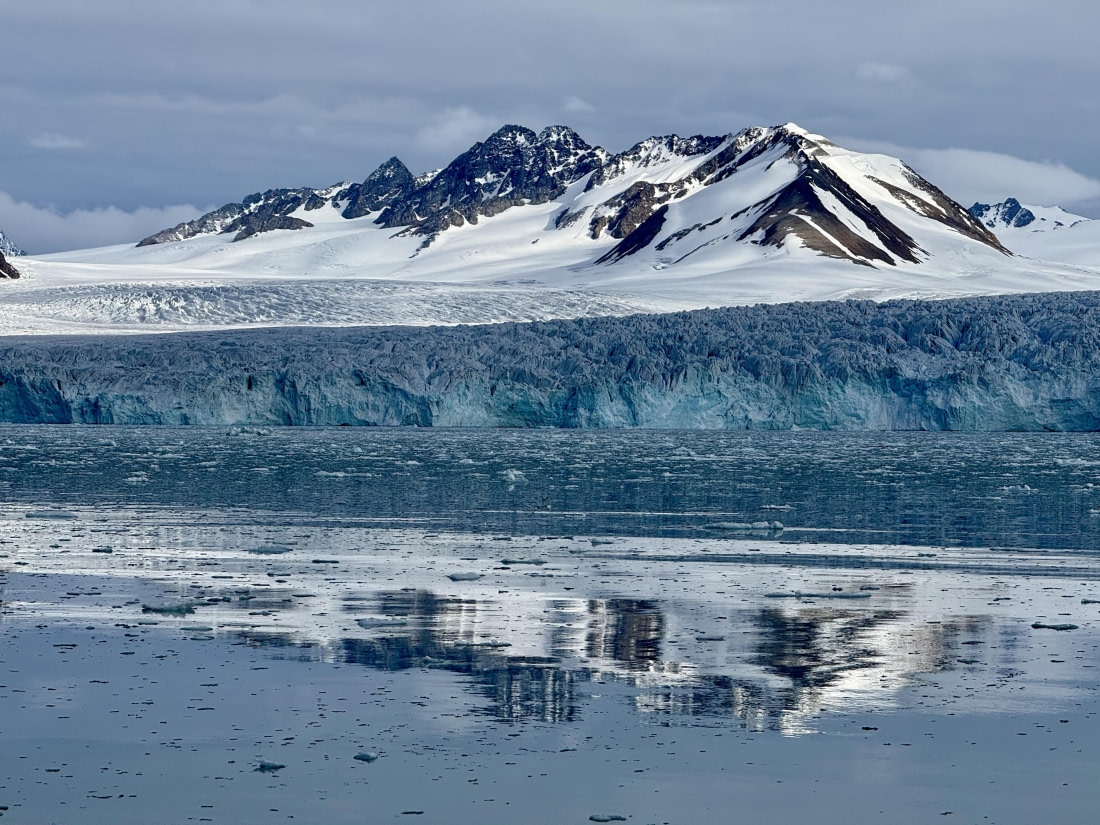
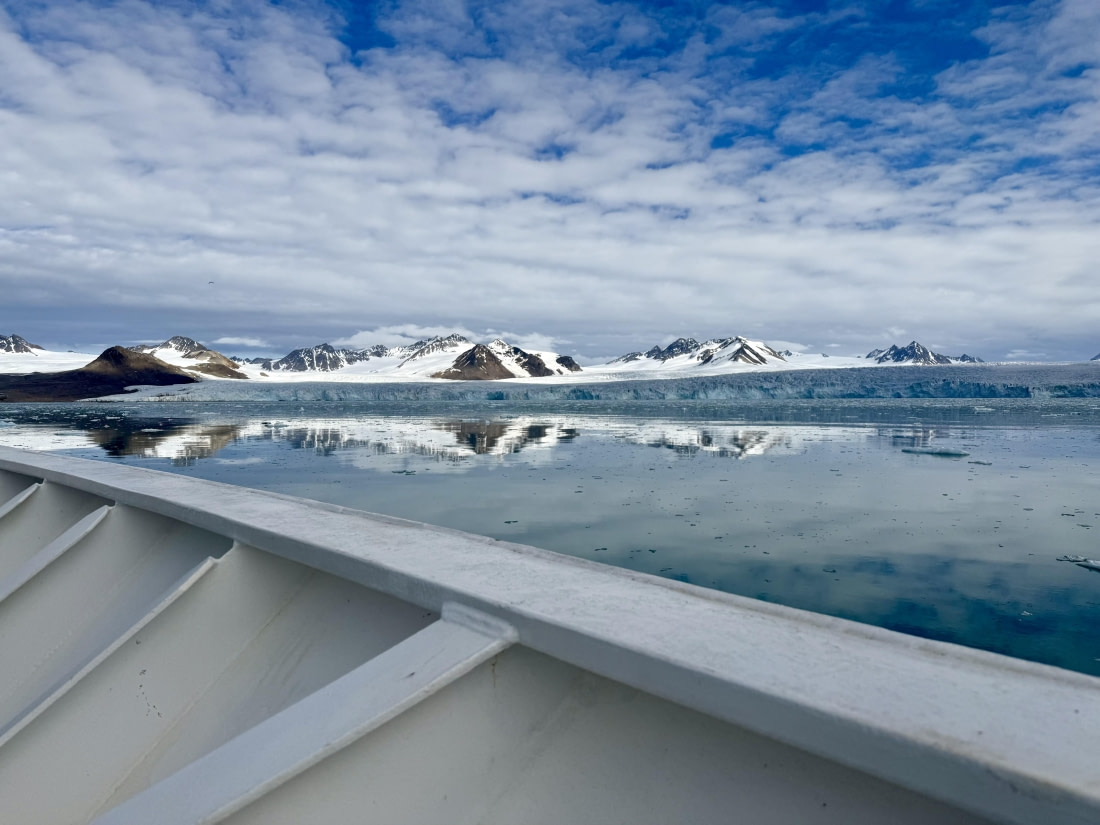
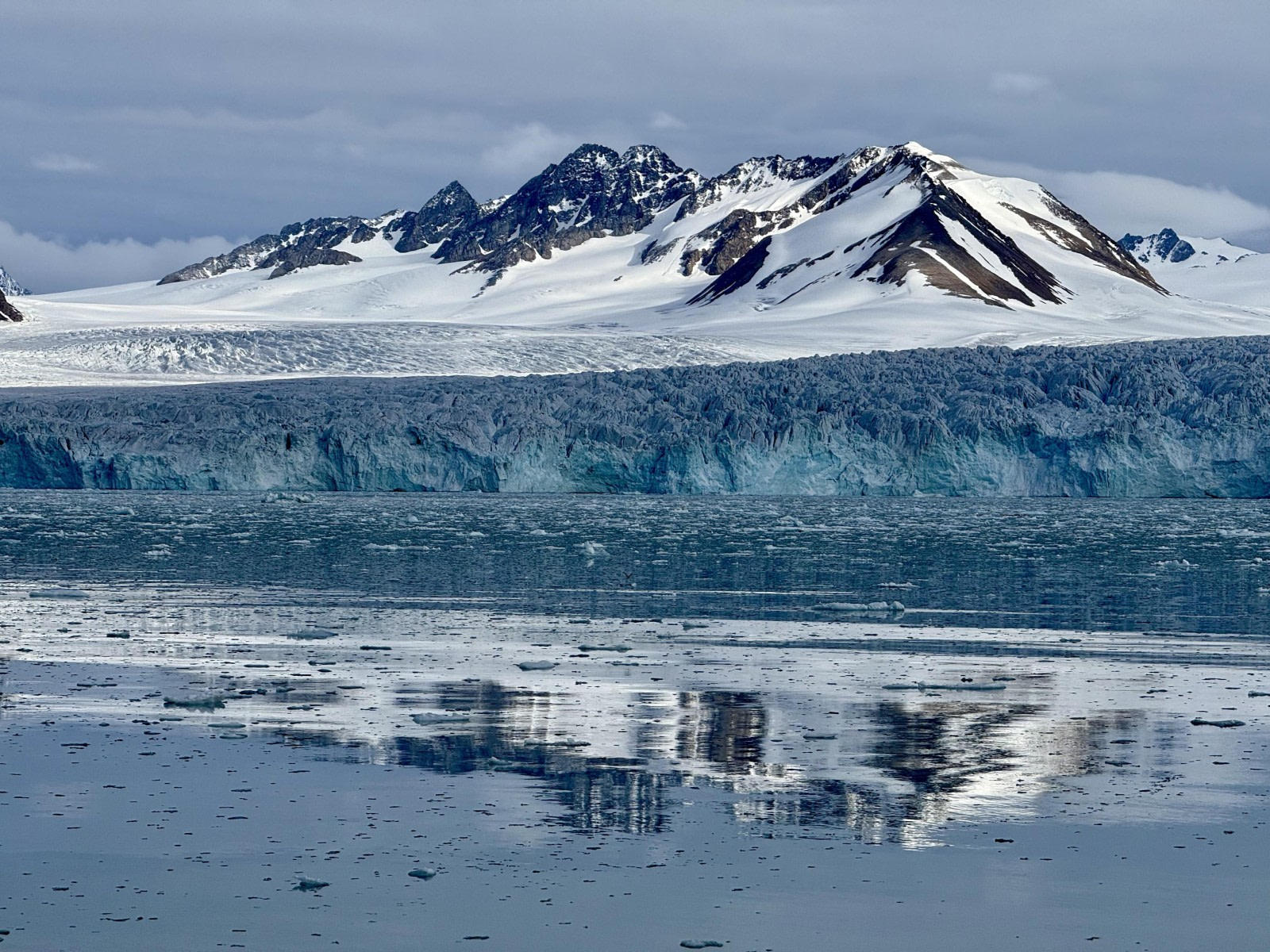
The day began in the early morning with a spectacular sail towards Lilliehöökbreen. Under wonderfully calm conditions, the fjord was like a mirror, reflecting the surrounding mountains and glacier. Ice floes drifted silently past as seals rested nearby, while minke whales surfaced around the ship. The air was filled with the calls of seabirds, making for a truly unforgettable introduction to our first day in the High Arctic.

After enjoying the stunning scenery on deck, we gathered inside for our mandatory AECO and Zodiac briefings. These sessions introduced us to the guidelines that help protect Svalbard's fragile environment and explained how to stay safe during our Zodiac operations throughout the voyage.

Next came an important milestone: collecting our muck boots. From this point onward, they will become our most reliable companions, keeping our feet dry during the many wet landings that lie ahead.

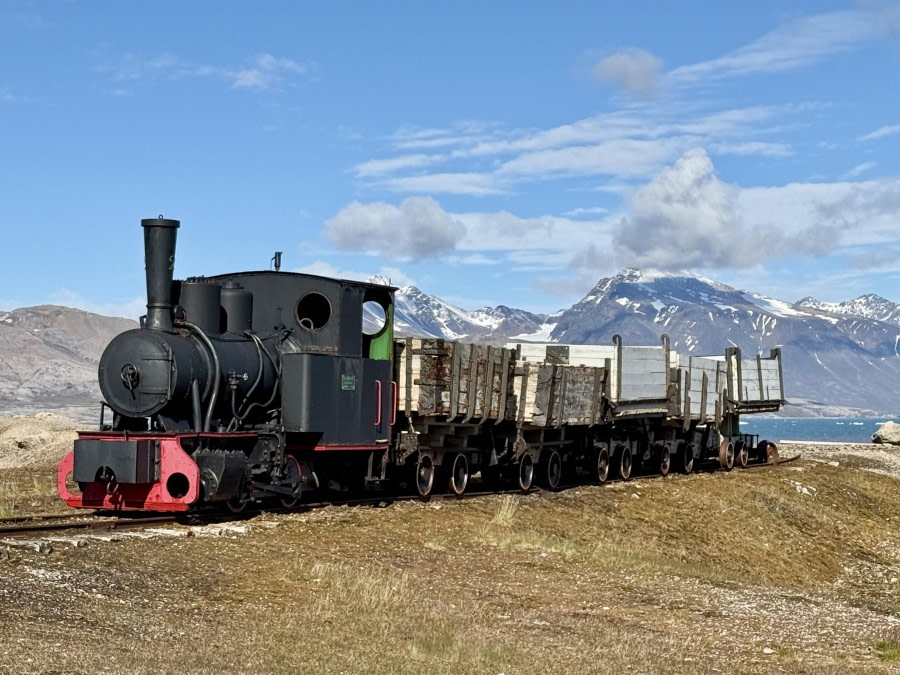
Following lunch on board, we arrived at Ny-Ålesund, the world's northernmost research community. We explored the settlement at a leisurely pace, visiting the shop and the museum before joining a guided historical walk to Amundsen's Mast, from where Roald Amundsen and Umberto Nobile departed aboard the airship Norge on its historic trans-Arctic flight.

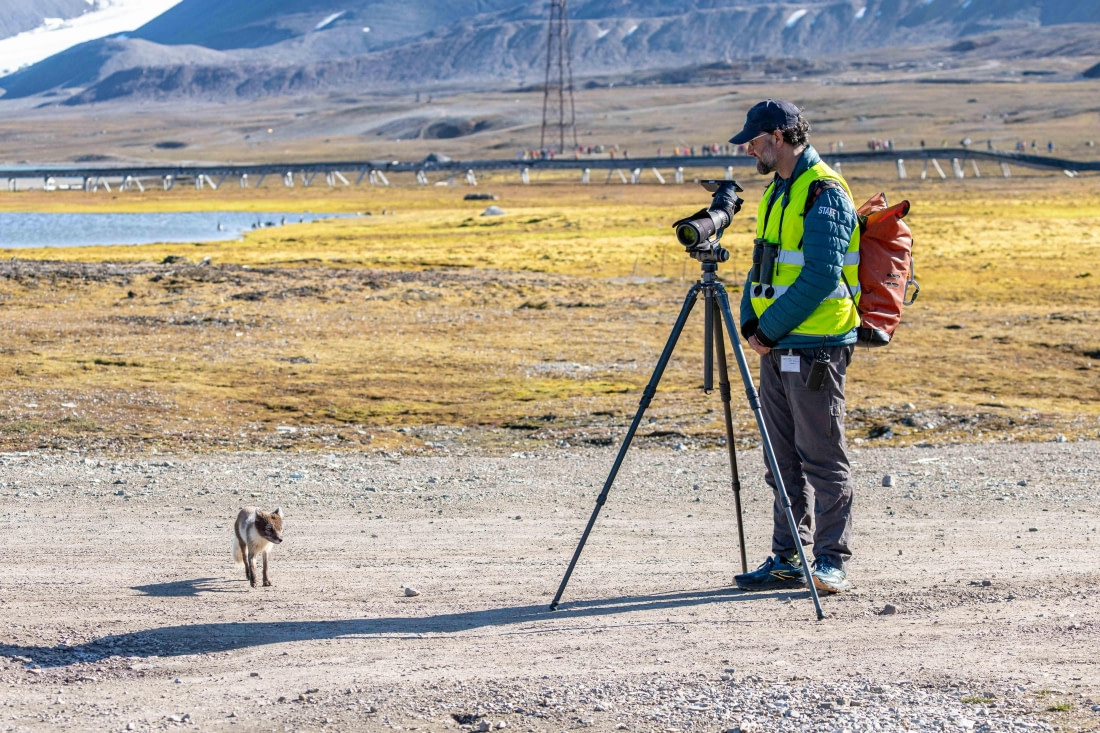
Wildlife accompanied us throughout the day. We spotted geese, Arctic terns, ducks, snow buntings, and even Arctic foxes darting around the tundra in search of food. Every corner of the landscape seemed alive with activity.

Yet the day's greatest highlight was still to come.

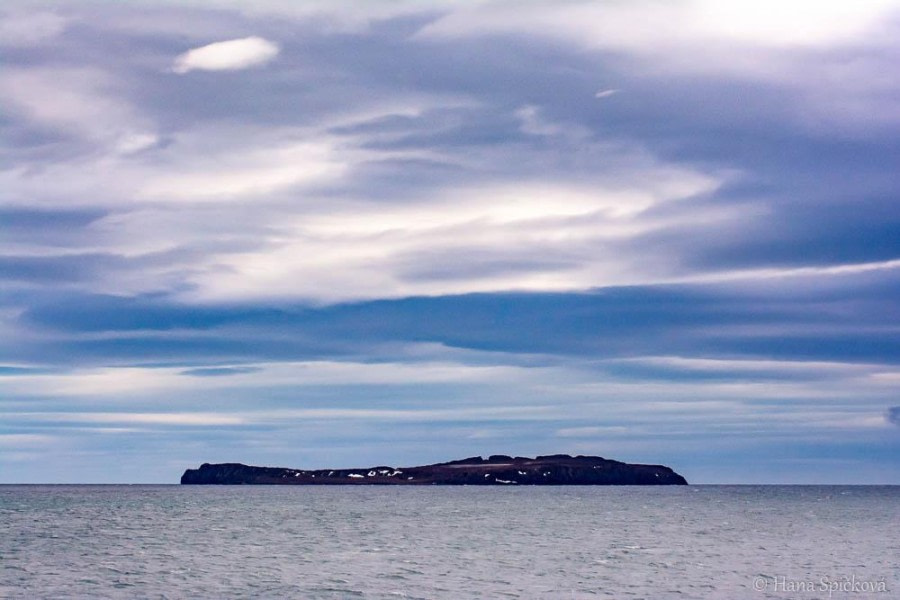
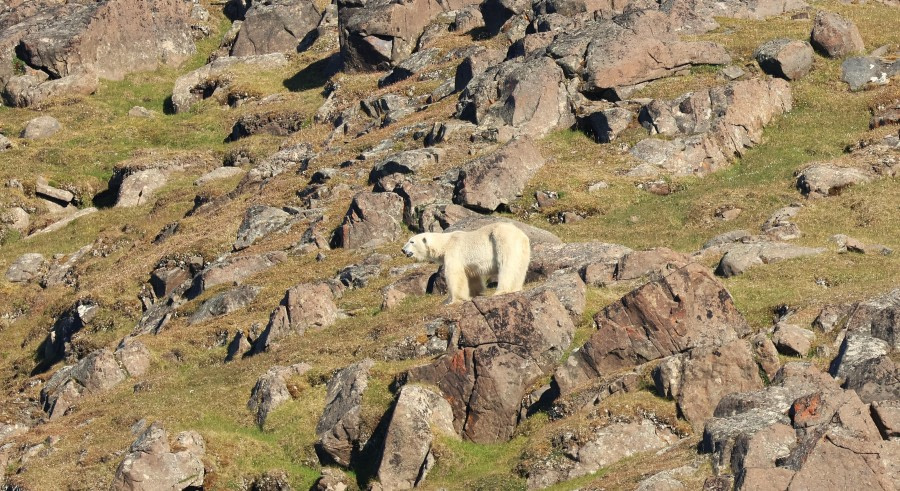
While we were in Ny-Ålesund, the expedition team spotted a polar bear on an island near the settlement. Before long, the bear entered the water and began swimming across the fjord, eventually coming ashore just a few hundred metres from the inhabited area. The community's safety protocols were immediately activated, and the local polar bear safety team quickly positioned themselves at the edge of the designated safe zone to ensure everyone's safety while encouraging the bear to move away.

Witnessing this sequence of events was extraordinary. Seeing a polar bear from land, observing its natural behaviour, and watching the well-coordinated safety procedures unfold offered a remarkable insight into what it means to live and work alongside Arctic wildlife. It was an unforgettable experience, made all the more special by being able to observe it safely and responsibly.

Back on board, we set out to explore the islands where the bear had swum. We were fortunate enough to watch it walking along the shoreline for a while longer before it disappeared behind a glacial moraine. As we cruised through beautiful Kongsfjorden, the wildlife continued to impress, with sightings of both minke whales and humpback whales adding a perfect ending to an already exceptional afternoon.

As the day drew to a close, we gathered in the bar for our daily recap with the expedition team, sharing stories and learning more about the day's discoveries before sitting down to dinner.

With breathtaking scenery, abundant wildlife, fascinating history, and an unforgettable encounter with the King of the Arctic, our first day was truly a day to remember.

Day 3: Texas Bar & Monacobreen

Texas Bar & Monacobreen
Datum: 17.07.2026
Position: 79°36.6’N / 012°43.9’E
Wind: SW3
Wetter: Overcast
Lufttemperatur: +3

Another beautiful Arctic day began aboard Hondius as we sailed into the spectacular Liefdefjorden, one of northern Spitsbergen's most scenic fjords, surrounded by towering mountains and dramatic glaciers.

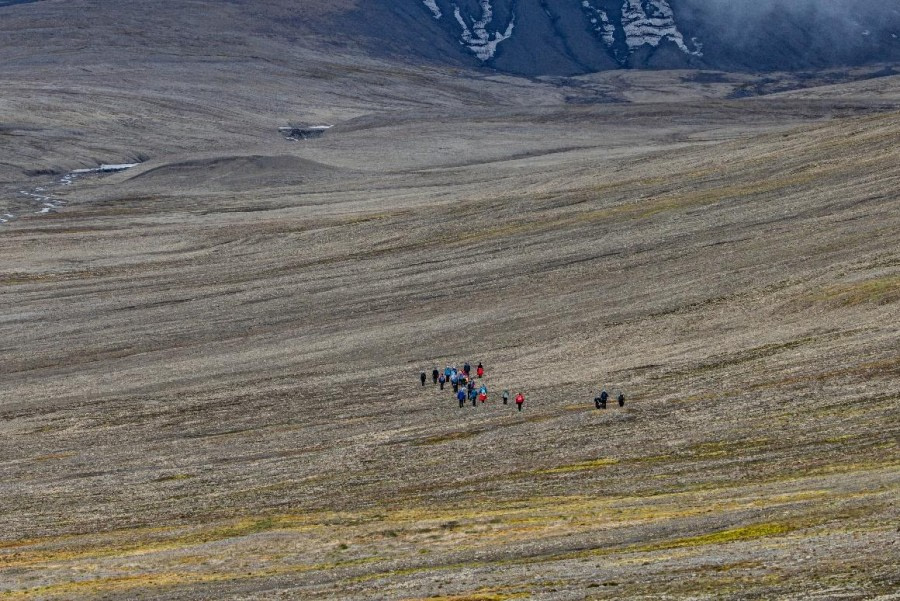
Our morning operation brought us ashore at Texas Bar, where guests could choose between a long, medium, or short hike. Despite its unmistakably American name, Texas Bar has nothing to do with the Lone Star State. The small red trapper's cabin was built in 1927 by Norwegian trapper Hilmar Nøis, who gave it the playful name after hearing stories of Texas from visiting sailors. Today, it remains one of Svalbard's most iconic historic cabins, standing as a reminder of the archipelago's trapping era and the hardy people who once overwintered in these isolated landscapes.

The hiking groups spread out across the tundra, enjoying sweeping views of Liefdefjorden while keeping watch for Arctic wildlife and taking in the remarkable geology and resilient vegetation of the High Arctic. After returning to the landing site, those brave enough embraced the icy waters during the traditional polar plunge—a refreshing and unforgettable Arctic experience that was met with plenty of cheers and laughter.

Back on board, a well-earned lunch awaited as Hondius repositioned for the afternoon adventure.

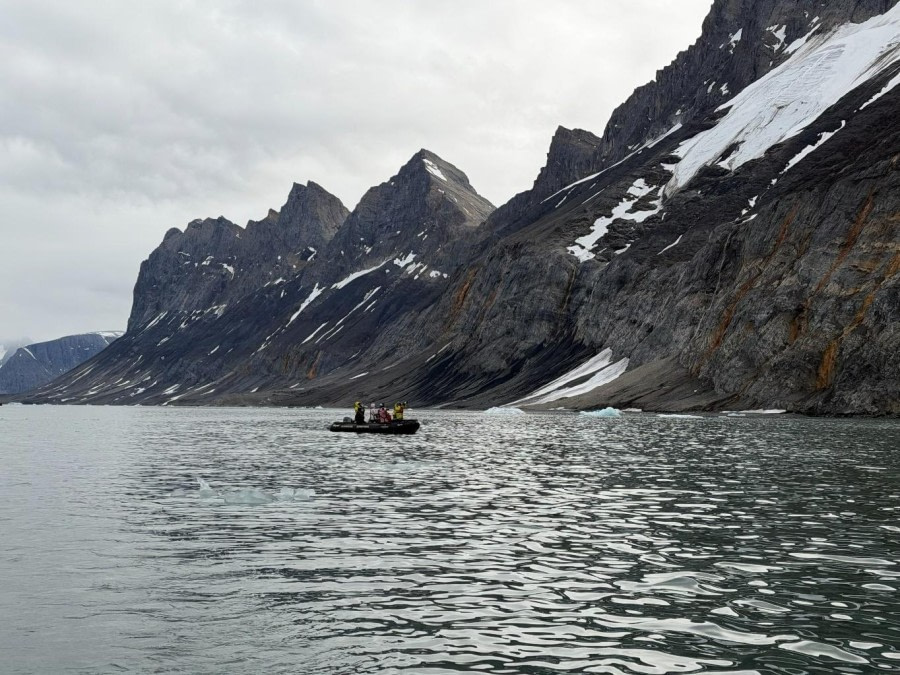
In the afternoon, we explored the magnificent Monacobreen by Zodiac. This impressive tidewater glacier, approximately five kilometres wide, was named in honour of Prince Albert I of Monaco, whose scientific expeditions to Svalbard at the beginning of the 20th century made significant contributions to Arctic research and mapping.

The glacier certainly put on a spectacular show today. Throughout the Zodiac cruise, we witnessed numerous calving events as towering blocks of ice crashed into the fjord, sending waves rippling across the water. The glacier front was alive with seabirds taking advantage of the nutrient-rich waters stirred up by the melting ice. Large numbers of black-legged kittiwakes wheeled overhead, accompanied by glaucous gulls patrolling the ice. A particular highlight was the sighting of the elegant Ivory gull, one of the Arctic's most sought-after birds, perfectly at home among the drifting sea ice and glacier fragments.

Back aboard Hondius, we gathered for the daily recap, where the expedition team reviewed the day's highlights and shared exciting plans for tomorrow. With favourable conditions ahead, our course would take us even farther north in search of the pack ice, opening the door to new wildlife encounters and another day of Arctic exploration.

Day 4: Into the Pack Ice

Into the Pack Ice
Datum: 18.07.2026
Position: 80°42.0’N / 013°07.4’E
Wind: NNE4
Wetter: Overcast
Lufttemperatur: 0

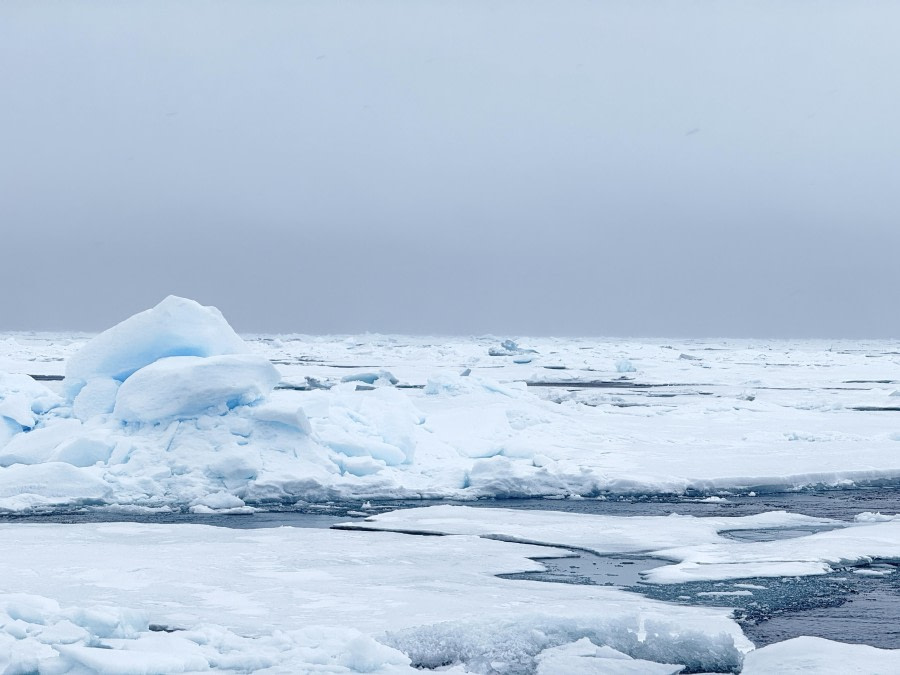
We woke beneath a blanket of overcast skies, the diffused light lending the sea ice a quiet, ethereal beauty. For many on board, it was a truly unforgettable moment—the first time witnessing sea ice stretching across the ocean. It was a scene that seemed almost unreal. Brilliant white ice floes drifted silently across the deep sapphire sea, their surfaces catching the morning light and shimmering like scattered diamonds.

Our first wildlife encounter came early, when several harp seals appeared among the ice. These agile swimmers delighted everyone with their effortless acrobatics, rolling gracefully from their backs to their sides before disappearing beneath the water. Harp seals are often found in groups, making them easier to spot, and they provided a wonderful introduction to the rich life that thrives in these icy waters. Not long afterwards, excitement spread across the decks as another seal was spotted resting on an ice floe. It was soon identified as a hooded seal pup—a remarkable sight, as these elusive animals are rarely encountered. Hauling out peacefully on the ice, the pup gave us an excellent opportunity to admire its striking appearance. Its dark upper body and characteristic hood contrasted beautifully with its bright white underside, separated by a sharp, well-defined line that made the animal instantly recognizable.

As the day progressed, the weather reminded us how quickly conditions can change in the Arctic. The wind strengthened, and a blanket of fog slowly enveloped the ship. Although we could still make out the nearby ice, the sweeping vistas gradually faded into a world of soft greys and muted blues.

During the afternoon, Anne Lou and Rose delivered a fascinating lecture on sea ice, explaining how it forms, its different types, and the vital role it plays in the Arctic ecosystem. Looking out the windows while learning about the ice made the experience even more captivating. Many floes held pools of impossibly bright turquoise meltwater, while others rose into sculpted ridges and shelves glowing in countless shades of blue.

Throughout the day, eager eyes scanned every horizon in hopes of spotting polar bears, whales, or more seals. Despite excellent ice conditions, the fog and wind limited wildlife activity, leaving us wanting just a little more. Fortunately, tomorrow promises another day among the ice, bringing fresh opportunities and renewed anticipation for whatever the Arctic chooses to reveal.

Day 5: Into the Pack Ice

Into the Pack Ice
Datum: 19.07.2026
Position: 80°54.4’N / 013°43.6’E
Wind: NW5
Wetter: Fog
Lufttemperatur: -1

The search began early. By six o'clock the guides were already on the bridge and out on the decks, binoculars up, working the ice for any sign of movement. Mornings like this have a particular quiet to them. The ship eases through the floes, the light is flat and even, and everyone aboard who is awake is scanning the same white expanse for the one shape that does not belong.

Mid-morning we gathered indoors for a lecture on the polar bear, fitting preparation for a day spent looking for exactly that. It set out the biology and the behaviour, the long solitary ranges these animals cover, and how they live out here on the ice that we were currently sailing through.

After lunch the fog began to play its games, rolling in to close the world down to a few hundred metres, then thinning and pulling back to open the ice out again. It was during one of those clearer spells that the call came. Something had been spotted.

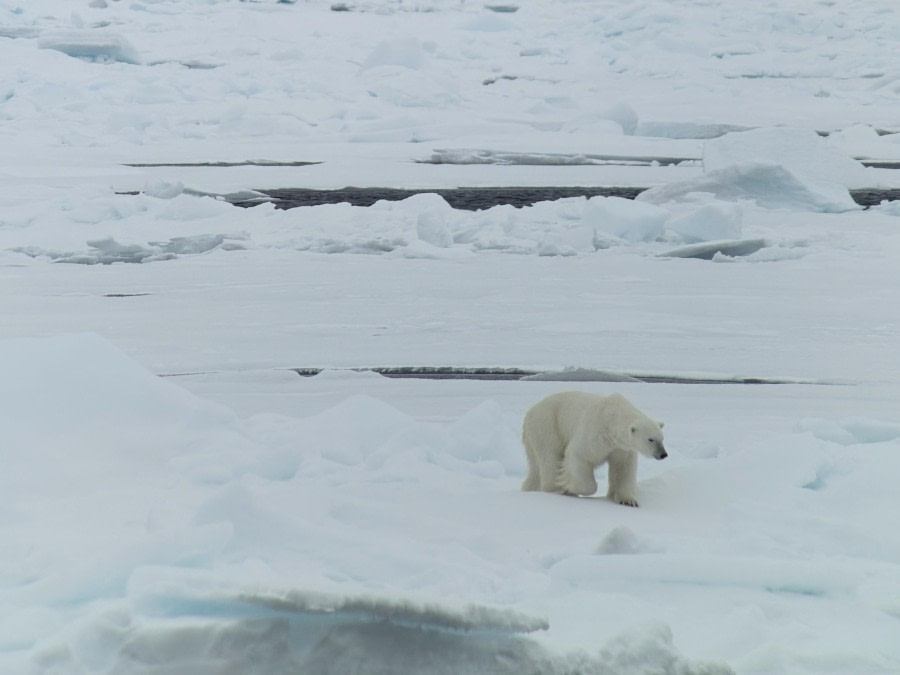
We turned toward it and closed the distance slowly, the ship working west as the bear itself moved west along our starboard side. It takes patience to approach well, giving the animal room and letting it set the terms. When we finally drew level we stopped and simply watched. The bear crossed from port to starboard and back again, unhurried, entirely at home, pausing now and then before it turned and wandered off into the ice and was gone. This is what everyone comes north hoping to see, and the ice had delivered.

With the excitement still fresh, our professional photographers ran a workshop for those keen to make the most of moments like the one we had just had. They talked through technique and composition, how to handle the tricky Arctic light and the challenge of a white animal against white ice, and how to build a photograph rather than simply take one.

Before dinner we came together for recap, one of the richer ones of the voyage. The team covered the birds we had been seeing, after two features of the frozen world beneath and around us. First the brinicle, the so-called finger of death, a descending tendril of super-cold brine that freezes the seawater around it as it sinks and can kill the slow-moving life on the seabed where it lands. Then a broader look at life under the ice, the surprising community that clings to the underside of the floes we had spent all day sailing among.

Dinner followed, and after it the evening turned social. A happy hour brought everyone together in good spirits, and that rolled straight into the night's entertainment: the World Cup final, Argentina against Spain, watched together aboard the ship. Football at the top of the world, in the pack ice, with a bear already logged for the day. Not a bad way to end it.

Day 6: Torellneset & Brasvellbreen

Torellneset & Brasvellbreen
Datum: 20.07.2026
Position: 79°35.8’N / 018°31.6’E
Wind: NW6
Wetter: Overcast
Lufttemperatur: +1

Today was a true expedition day, full of surprises that reminded us how unpredictable the High Arctic can be.

Our first challenge came early in the morning. Strong winds and heavy swell made it unsafe to launch the Zodiacs for our planned visit to Alkefjellet, home to a huge colony of Brünnich's guillemots. Although we could not cruise the cliffs with our zodiacs, the view from the ship was breathtaking. The towering cliffs displayed layers of black dolerite, white limestone, and marble, while guillemots surrounded the ship and floated on the sea.

During the morning, Hana told us about her life on Svalbard, and explained the rhythm of a full year of living in the High Arctic, from the endless daylight of summer to the long polar night of winter.

After reassessing the conditions, it became clear that the wind was still too strong. Soon after the lecture, excitement spread across the decks as we spotted a bear number one of the day. The captain carefully positioned the ship for excellent views as the bear searched for bird eggs among the nesting sites. Once it disappeared behind the rocks, we continued sailing  and Daan gave a fascinating presentation on climate change.

The surprises continued. As we sailed through Hinlopen Strait, we spotted Polar bear number two, followed shortly before lunch by Polar bear number three, although this one remained far away because shallow water prevented a closer approach.

Our afternoon plan was to land at Torellneset, where walruses are usually found resting on the beach. However, nature had different plans. Polar bear number four was walking on our planned landing site, attempting to hunt the walruses and forcing them into the water. The bear eventually lay down on the beach, patiently waiting for another hunting opportunity. With a hungry Polar bear guarding the landing site, there was no possibility of going ashore.

Instead, we continued east toward Nordaustlandet island while Annelou and Rose presented engaging talks about the geology of Svalbard.

The day ended with an unforgettable highlight: the magnificent Bråsvellbreen Glacier. Stretching for nearly 200 km, it forms the longest glacier front in the Northern Hemisphere! Towering walls of ice, cascading meltwater waterfalls, and dramatic glacier calving created an extraordinary spectacle. The captain brought the ship remarkably close, allowing us to hear the sound of massive blocks of ice crashing into the sea. We sailed alongside the glacier throughout dinner, surrounded by endless walls of ice beneath a sky that looked like the most beautiful aquarelle painting.

Day 7: Kap Lee & Negribreen

Kap Lee & Negribreen
Datum: 21.07.2026
Position: 78°04.4’N / 020°47.8’E
Wind: N1
Wetter: Partially Cloudy
Lufttemperatur: +5

“Good morning, good morning, good morning,” a new morning on board our floating home and another wake-up call by our Expedition Leader Marcel. In his voice? Hope… as today we were all looking forward to leaving the ship.

After breakfast, the staff informed us that we had found bear number 7 on the original landing site… Our luck with bears is incredible, although this time the weather is great and the walruses were also there, so we could all embark on a Zodiac cruise around Kapp Lee to get a closer look at the abundant wildlife around. We approached the bay on which the bear was overlooking. It was just there, on top of his kingdom, appreciating the sunshine and fresh air as much as we were. After some time, we drove past the walrus haul-out. A few walruses were in the water, and we could see them swimming around the Zodiacs. Then, as if the morning was not already successful, we drove along the beach and spotted a dozen reindeer walking and grazing up on the hills. There even was a youngster, and some with impressive antlers.

None of us wanted to come back on board, but we had to, as the afternoon programme sounded even more exciting.

After lunch, Hondius dropped anchor, and a few minutes later we all boarded Zodiacs to explore this immense glacier: Negribreen.

Each pair of drivers wandered in a different direction. After what seemed to be an instant, the Zodiac was making its way through the brash ice, pushing small bergs away, and it seemed that we were lost amongst the ginormous icebergs, the glacier, and... ice everywhere. Many of us saw some impressive glacier calvings and birds flying down to feed on the broken ice. The ivory gull was the star of the afternoon, as many of them were flying around us all along the cruise.

As we got back on board, we could all smell what the crew was getting ready for us… the Arctic dinner! After a short recap, we joined the crew and the staff on the back deck and enjoyed a BBQ, surrounded by Negribreen’s ice. There was no time to get chilly as we were called onto the dance floor to show our best moves! Some of us danced for hours, while some of us got a nice rest to be ready for another expedition day tomorrow…

Day 8: Strongbreen & Boltodden

Strongbreen & Boltodden
Datum: 22.07.2026
Position: 77°32.8’ N, 017°42.6’E
Wind: NNW1
Wetter: Fog\Overcast
Lufttemperatur: +6

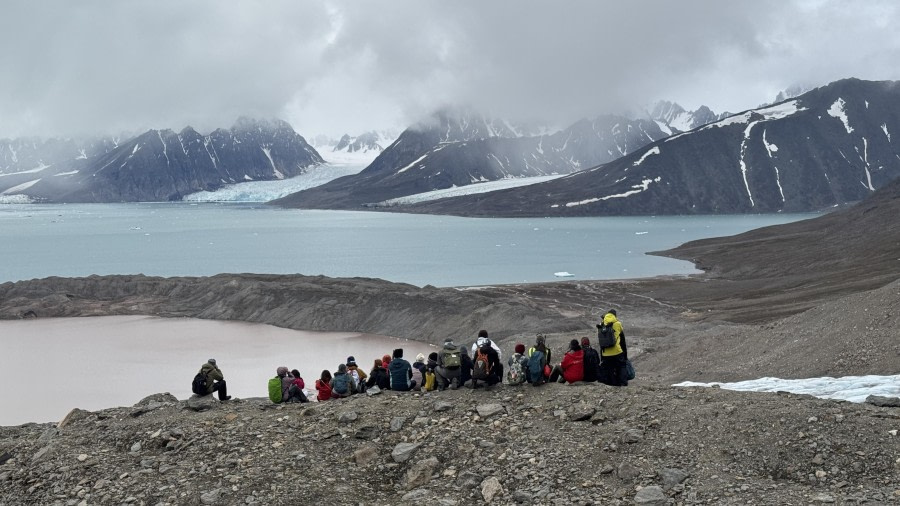
The day began with an unforgettable Zodiac cruise at the impressive front of Strongbreen, a sediment-rich glacier of Eastern Svalbard. Unlike the brilliant blue glacier fronts we had seen elsewhere, Strongbreen carried vast amounts of rock and debris, giving the ice a darker, rugged appearance and clearly illustrating the glacier's ongoing retreat. As the climate warms, glaciers like Strongbreen have been receding rapidly, exposing freshly sculpted landscapes and leaving behind striking moraines that tell the story of a changing Arctic. We cruised quietly among floating ice, listening to the occasional crack of shifting glacier ice while seabirds circled overhead. Then came a delightful surprise. The hotel team met us on the water with a "hot drink boat," serving steaming mugs of apple cider directly from another Zodiac. Wrapped in warm layers and surrounded by towering mountains, drifting ice, and pristine Arctic silence, we savored the unexpected treat—a perfect expedition moment that combined comfort with spectacular scenery.

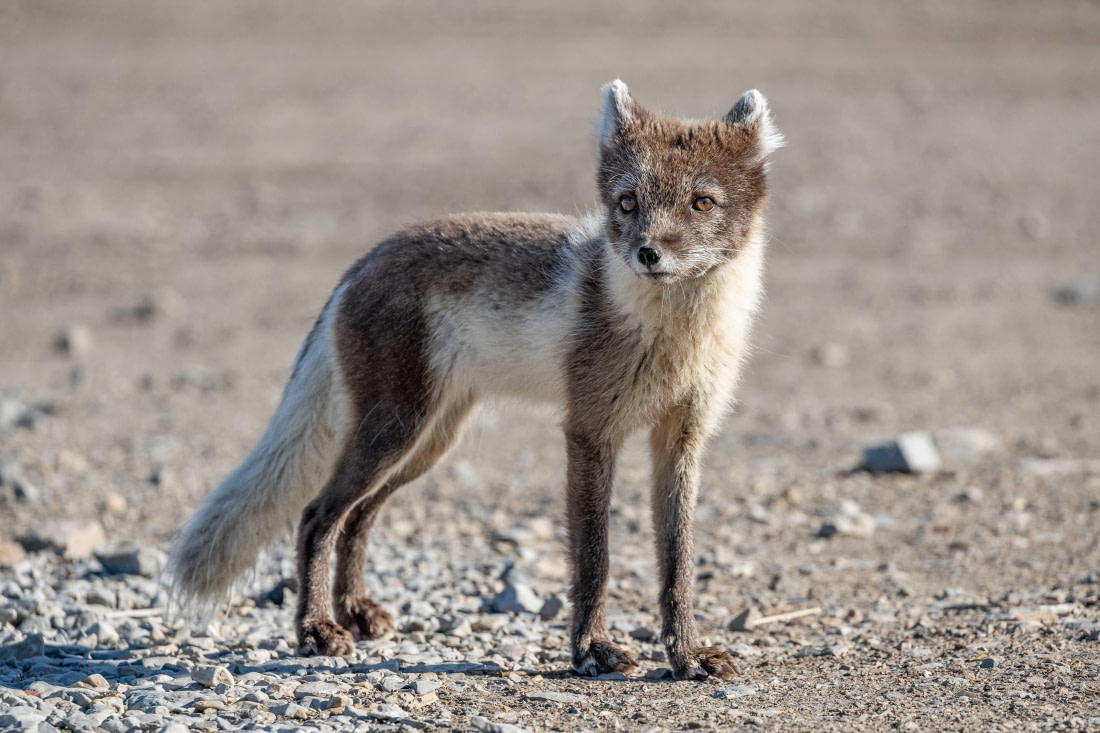
After lunch, we landed at Boltodden for our afternoon hike. This area is famous for its remarkable fossil discoveries, including dinosaur footprints that were left behind around 140 million years ago, when Svalbard had a much warmer climate and lay farther south than it does today. Walking across this ancient landscape, it was astonishing to imagine giant dinosaurs once roaming where glaciers and tundra now dominate. The long hikers set off on an adventurous two-and-a-half-hour trek through the rugged terrain, while the remaining groups enjoyed a gentler walk that soon delivered its own unforgettable reward. A family of playful young Arctic foxes appeared nearby, chasing each other across the tundra and curiously observing us from a safe distance. Their boundless energy and inquisitive nature made for a wonderful wildlife encounter and countless smiling faces.

Back aboard Hondius, after dinner the evening continued with a presentation on future voyages offered by Oceanwide Expeditions. As we looked back on another extraordinary day of glaciers, fossils, wildlife, and shared discoveries, it was easy to understand why the Arctic has such a lasting hold on everyone fortunate enough to explore it.

Day 9: Gåshamna & Burgerbukta

Gåshamna & Burgerbukta
Datum: 23.07.2026
Position: 76°56.7’N / 015°49.7’E
Wind: NNE2
Wetter: Overcast
Lufttemperatur: +7

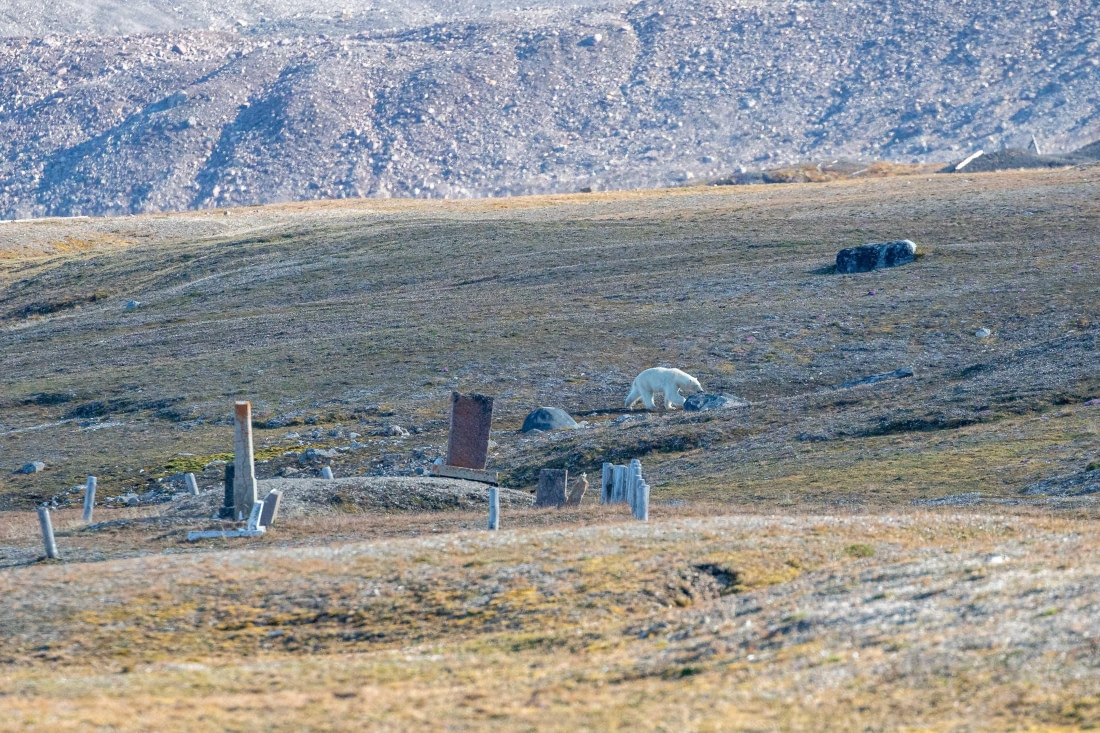
Our day began with a landing in Gåshamna, a sheltered bay on the southern coast of Spitsbergen that has witnessed centuries of Arctic history. As we stepped ashore, we found ourselves walking through a landscape where nature and human heritage intertwined. Once a bustling site for 17th-century whalers and later frequented by Pomor hunters from northern Russia, Gåshamna still bears subtle traces of its past. Scattered remnants of old blubber ovens, weathered graves, and historic hunting stations reminded us that life here had always demanded resilience. Surrounded by colorful tundra vegetation, towering mountains, and the crisp Arctic air, we hiked through this remarkable setting while keeping a respectful watch for wildlife, knowing that polar bears can roam these shores at any time.

After lunch, we set out for our final Zodiac cruise in the breathtaking Burgerbukta, one of the gems of Hornsund. Here, the towering glaciers descended dramatically into the sea, their brilliant blue ice contrasting with the dark cliffs and emerald waters. We drifted among floating ice fragments sculpted into fantastical shapes, surrounded by one of the Arctic's most pristine wildernesses. Along the fjord, charming puffins darted effortlessly through the air, their colorful bills standing out against the rugged landscape. Then came the unforgettable highlight of the afternoon: a group of graceful beluga whales. Their gleaming white bodies emerged from the water as they swam calmly through the bay, offering us a magical farewell from the Arctic and a memory we would treasure for years to come.

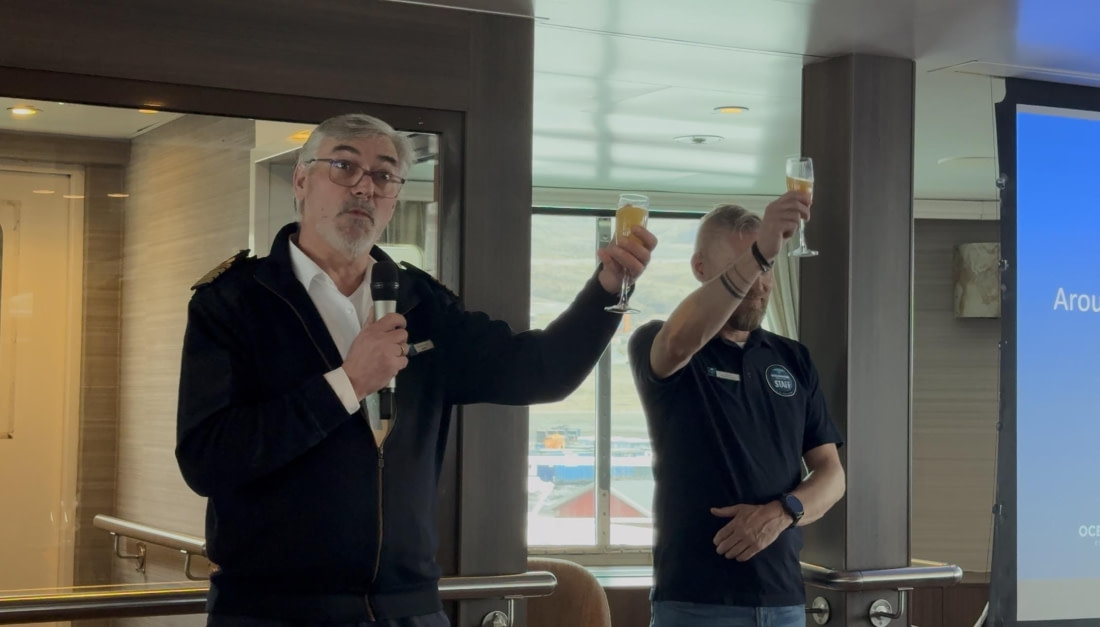
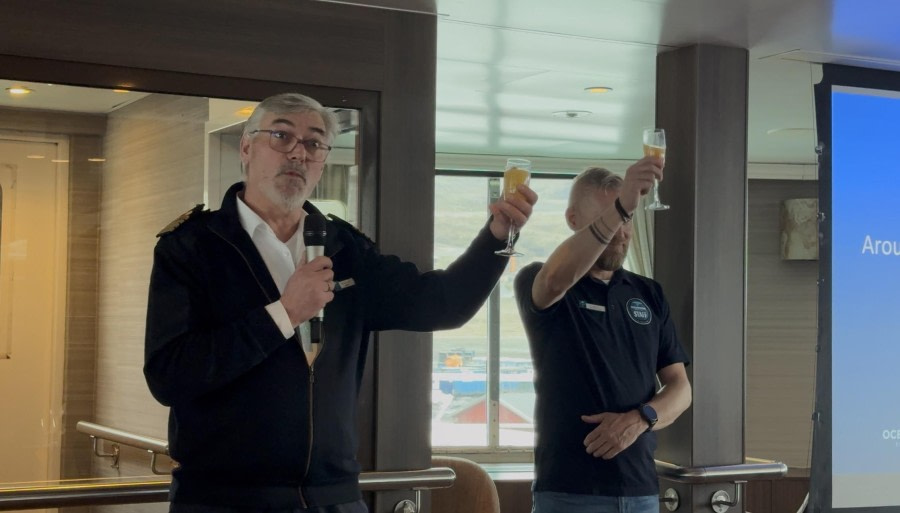
Back on board Hondius, we gathered in the lounge for the Captain's Cocktail, raising our glasses as we reflected on the remarkable voyage we had shared. Stories, laughter, and newfound friendships filled the room as we celebrated days of exploration in one of the world's last great wildernesses. The evening concluded with our final plated dinner, where the hotel team bid us a heartfelt farewell. Their warm service throughout the expedition had made us feel at home in this extraordinary corner of the planet. As we enjoyed one last meal together, we realized that although our journey through Svalbard was drawing to a close, its glaciers, wildlife, and unforgettable moments would remain with us long after we left the Arctic behind.

Day 10: Dismbarkation, Longyearbyen

Dismbarkation, Longyearbyen
Datum: 24.07.2026
Position: 78°15.0’N / 015°11.9’E
Wind: SE1
Wetter: Overcast
Lufttemperatur: +6

After an unforgettable journey through the High Arctic, today marked the end of our adventure aboard M/V Hondius. It was a bittersweet morning as we enjoyed one last hearty breakfast together, sharing stories, favourite moments and plenty of laughs from the past days exploring Svalbard.

Before long, it was time to gather ourselves and prepare to leave the ship that had been our home throughout the voyage. As we stepped ashore in Longyearbyen, there was a real mix of emotions. While everyone was looking forward to the next stage of their travels, it was also hard to say goodbye to the wonderful crew, Expedition Team and new friends who had become our Oceanwide family.

From towering glaciers and dramatic ice-covered landscapes to incredible wildlife encounters and unforgettable Zodiac cruises, we've shared experiences that will stay with us for years to come. Together we've explored one of the most remote and spectacular places on Earth, creating memories that are sure to be retold long after we've returned home.

Although our expedition has come to an end, the memories, photographs and friendships made along the way will remain. We leave Hondius with full hearts, incredible stories to share and a deeper appreciation for the beauty and fragility of the Arctic. Safe travels, and we hope our paths cross again on another adventure.

Einzelheiten

Reisecode: HDS08-26
Daten: 15 Jul - 24 Jul, 2026
Dauer: 9 Nächte
Schiff: MS Hondius
Einschiffung: Longyearbyen
Ausschiffung: Longyearbyen

Herunterladen

Waren Sie auf dieser Reise?

An Bord von MS Hondius

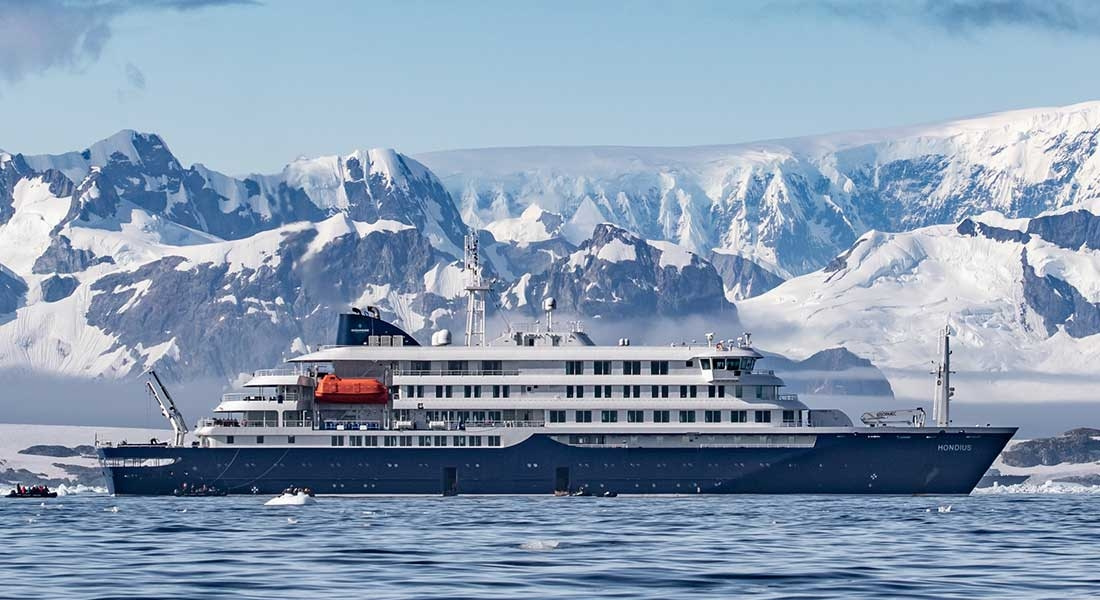
Die Hondius ist das weltweit erste registrierte Schiff der Polar-Klasse 6 und wurde von Grund auf für Expeditionskreuzfahrten gebaut.

Mehr über die MS Hondius »
Loading