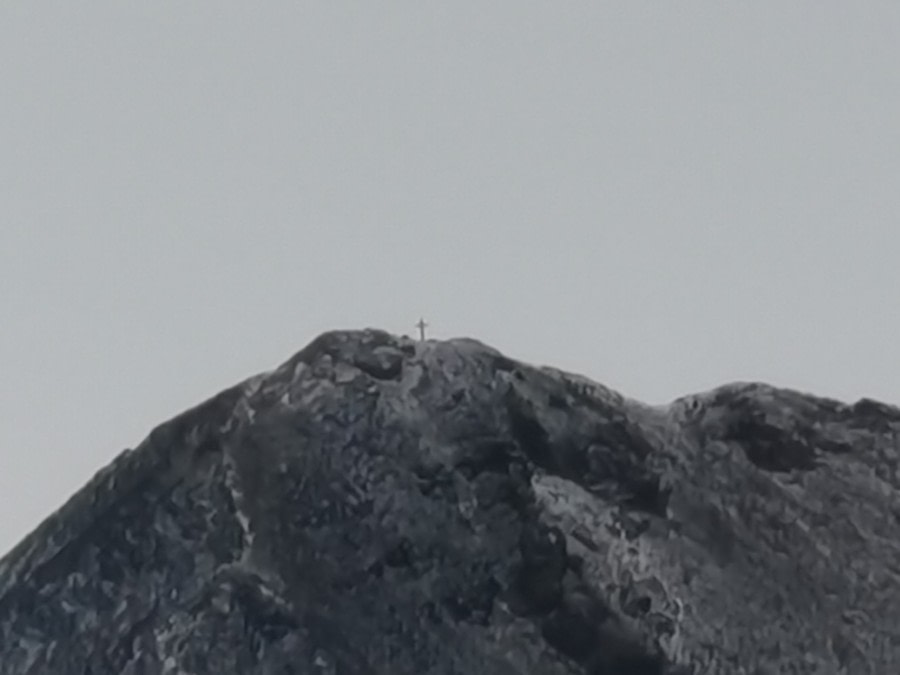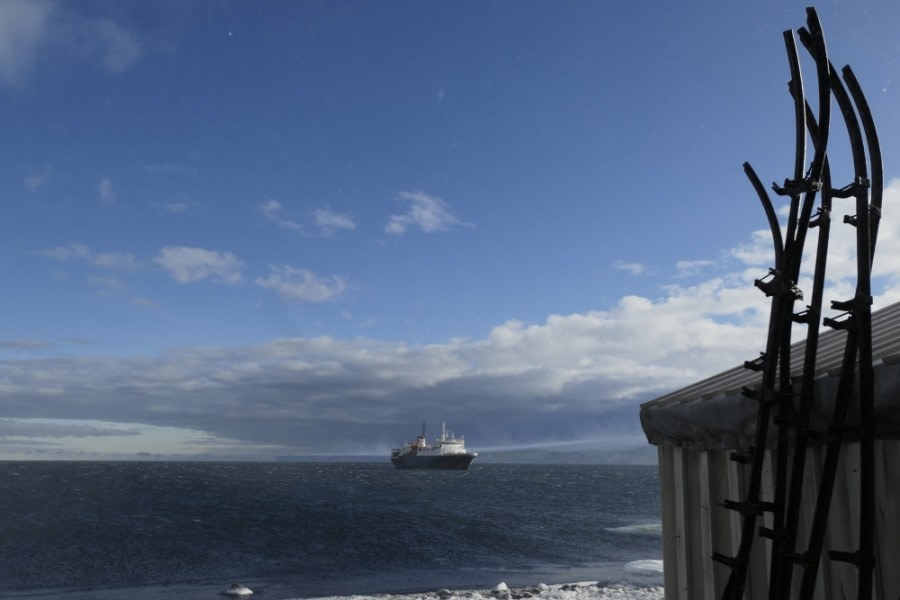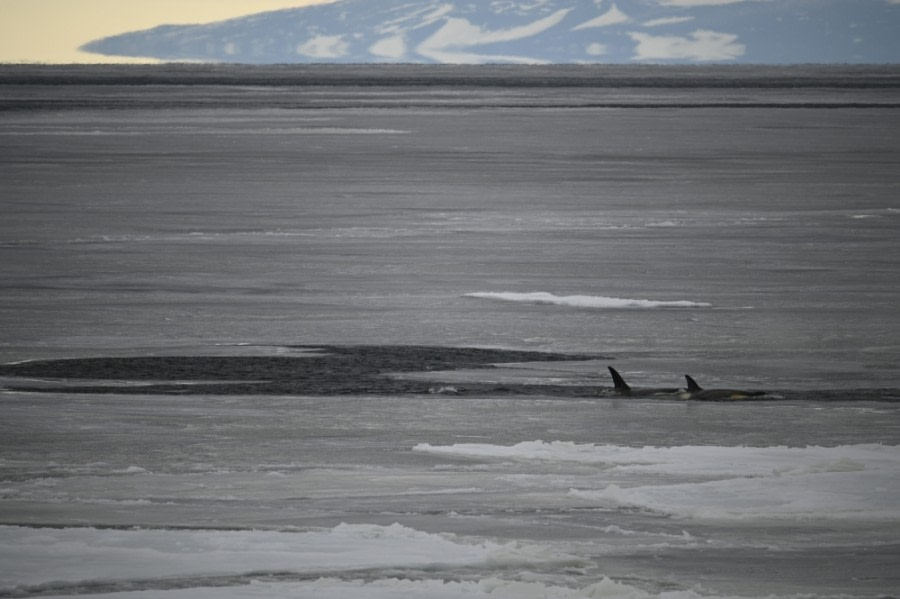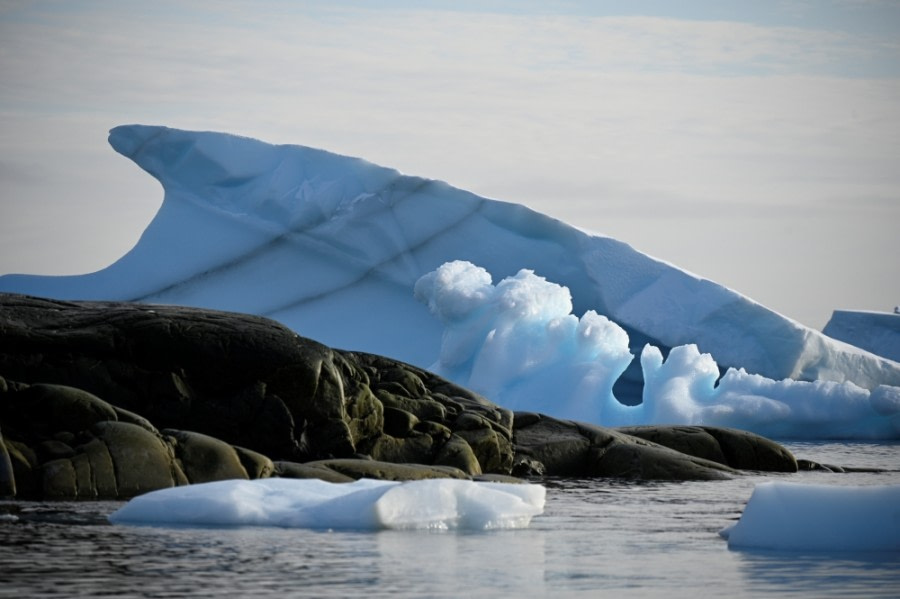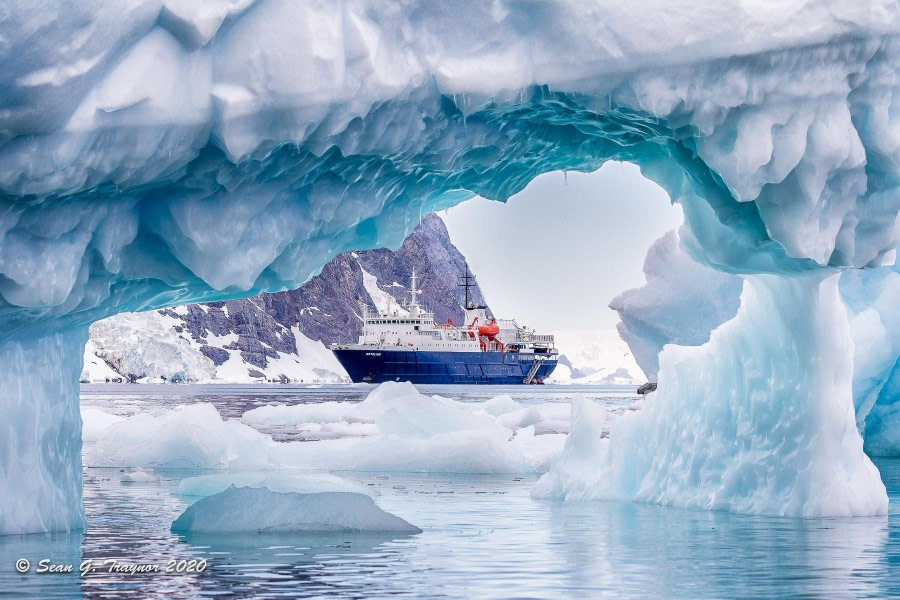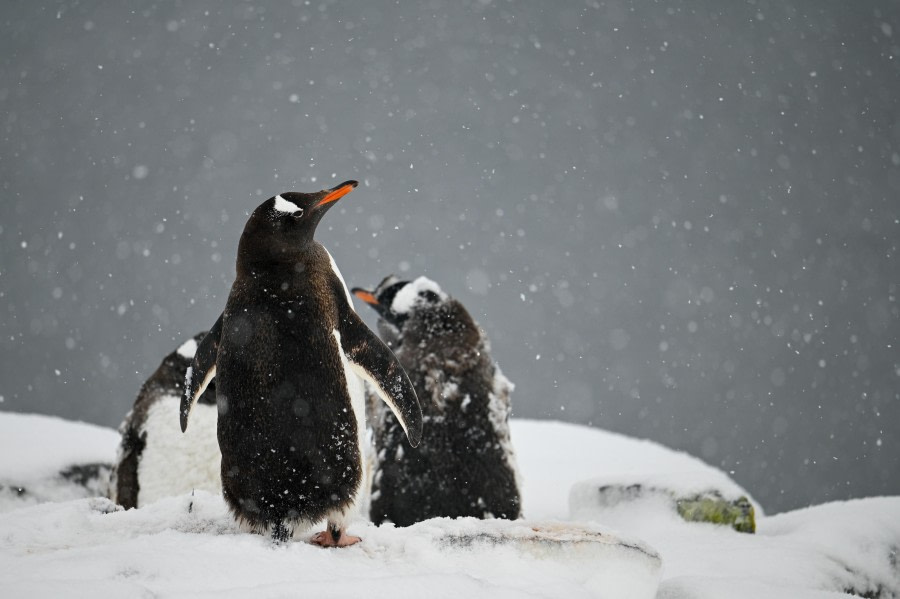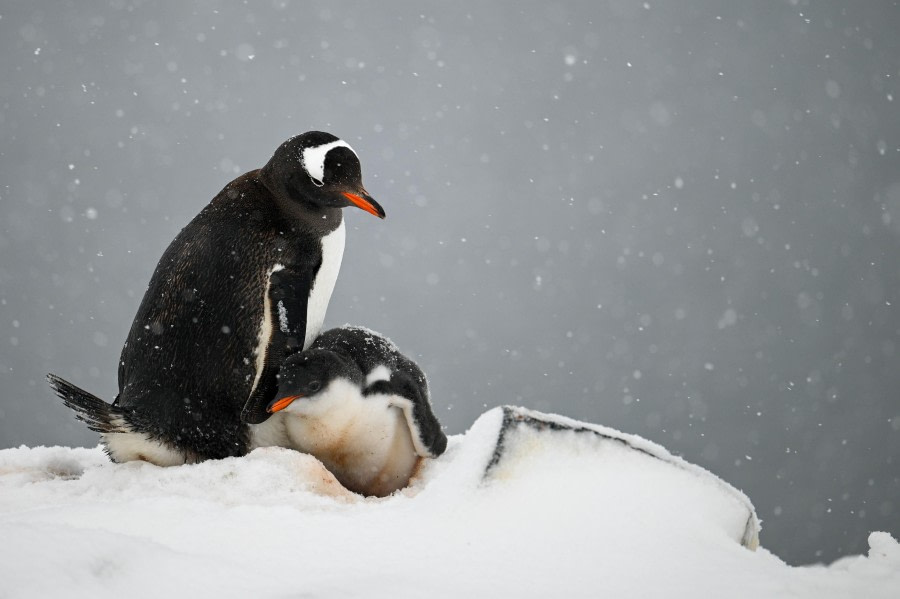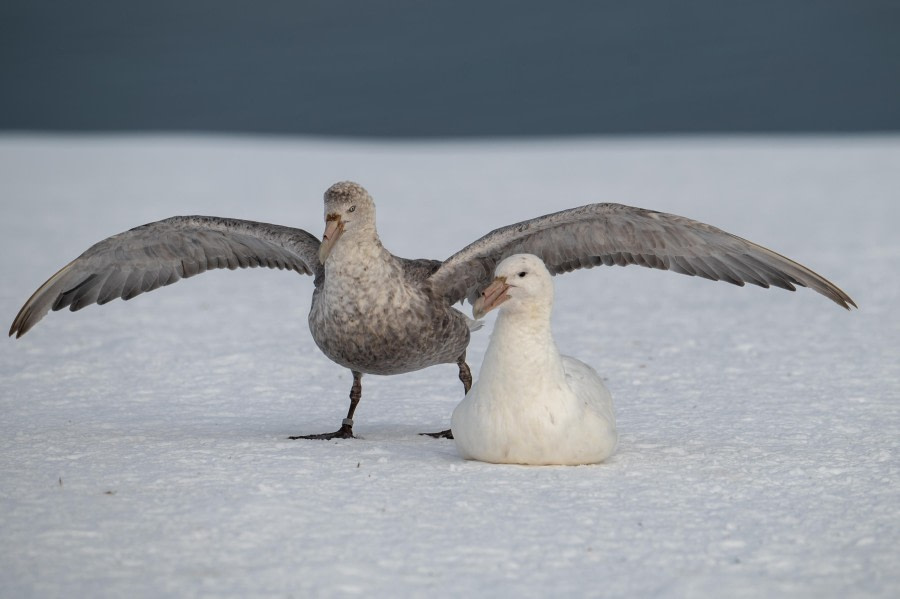
The Ross Sea is a giant bay found south by south-east from New Zealand. Home of at least 10 species of mammal, 6 dozen species of birds, nearly a hundred types of fish, and around 1000 examples of invertebrate species. The Ross Sea is one of the few expanses of salt water that has been left (relatively) free of human impact.
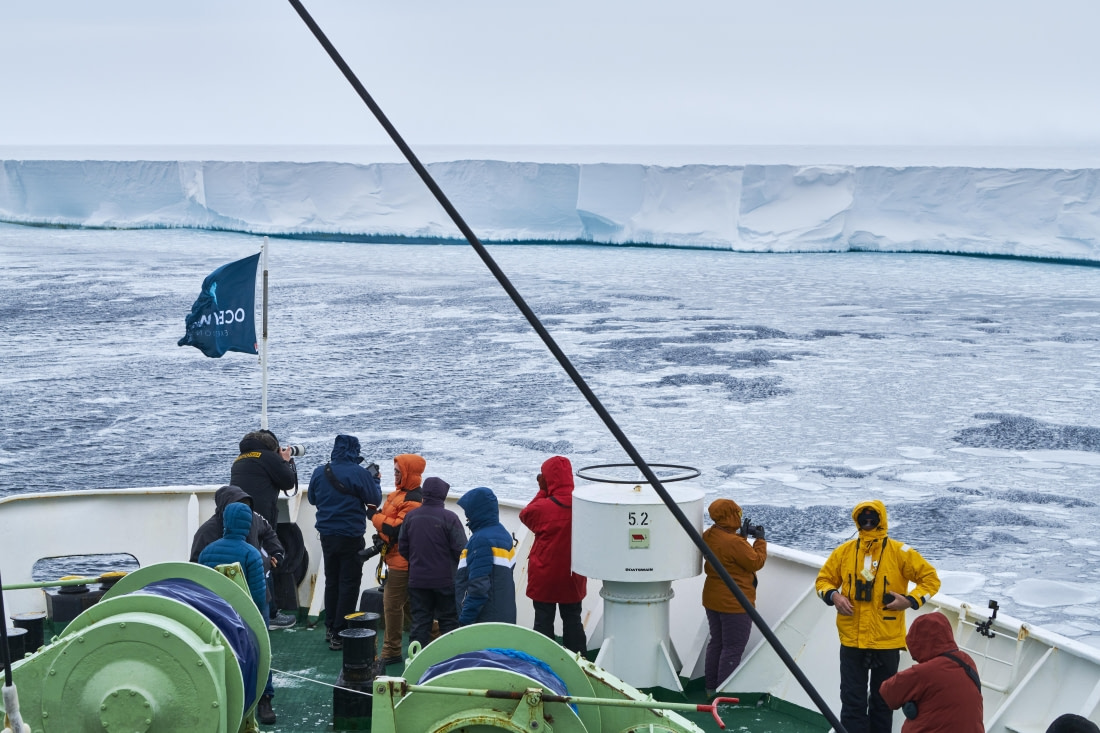
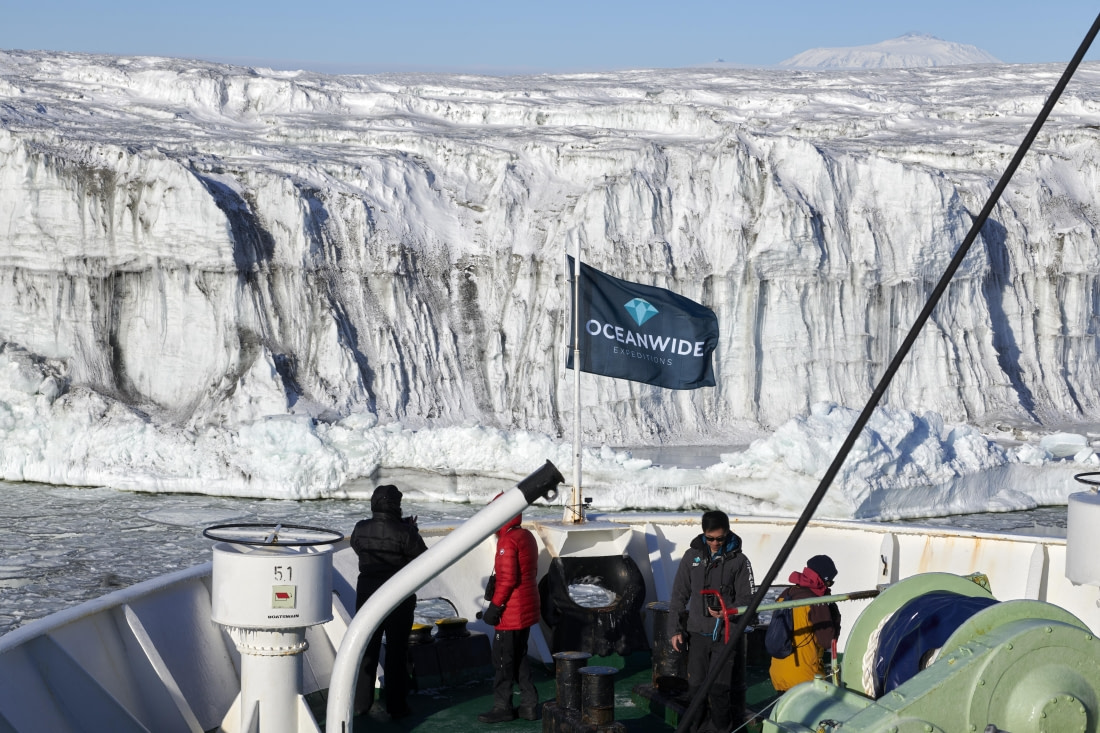
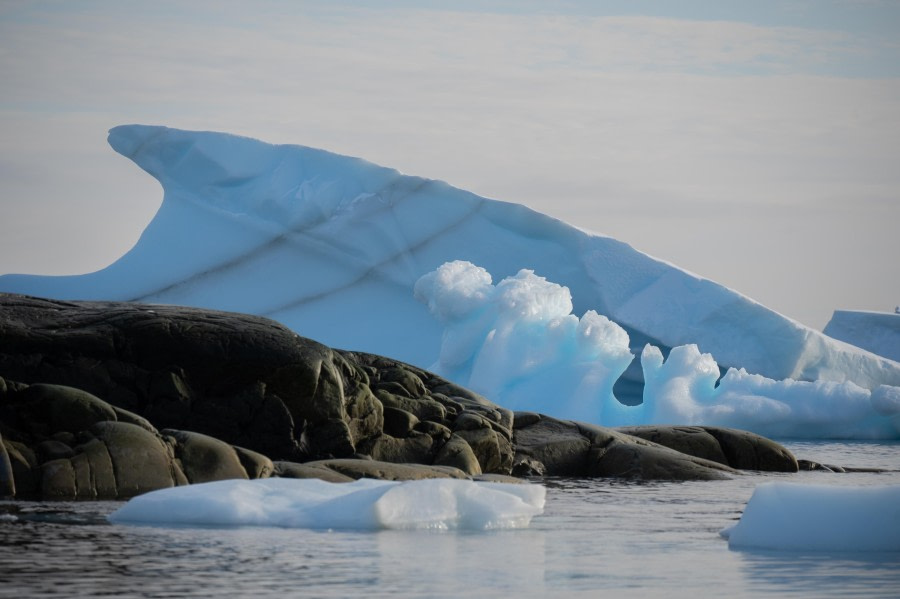
Travellers to the Ross Sea are greeted by a massive geographical wonder – the Ross Ice Shelf. The shelf, roughly the size of France, is in fact part of a massive glacier that runs back onto the continent. The Shelf, referred to as the Ross Barrier by explorers like Shackleton and Scott, runs 700 km long at its northern end and towers 15-50 metres above the water.
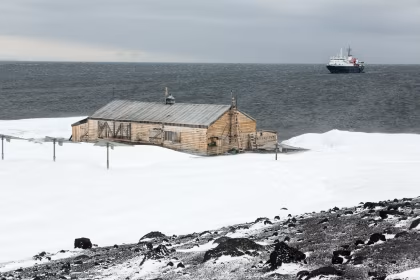
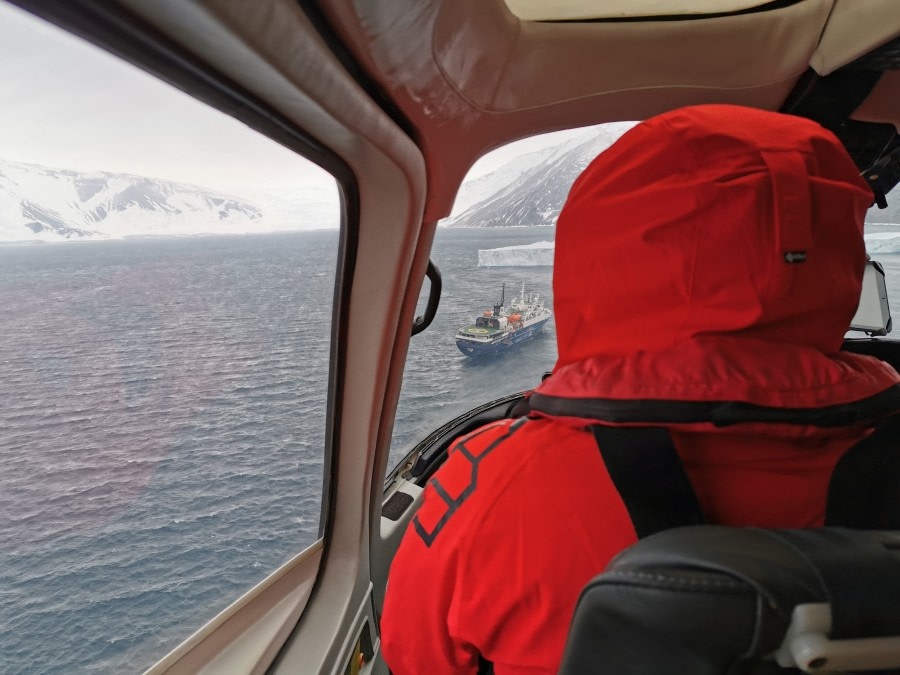
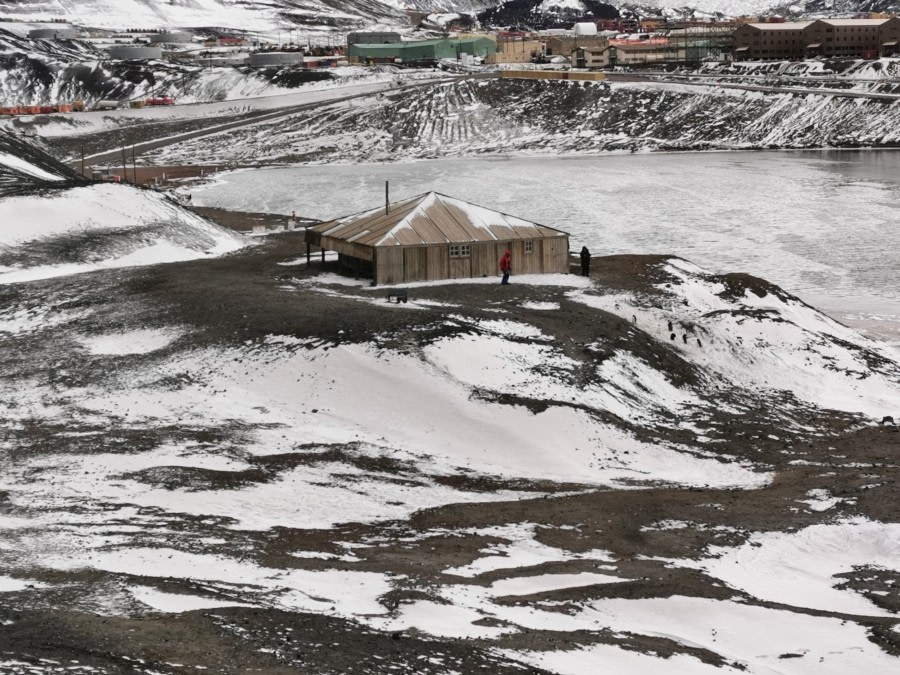
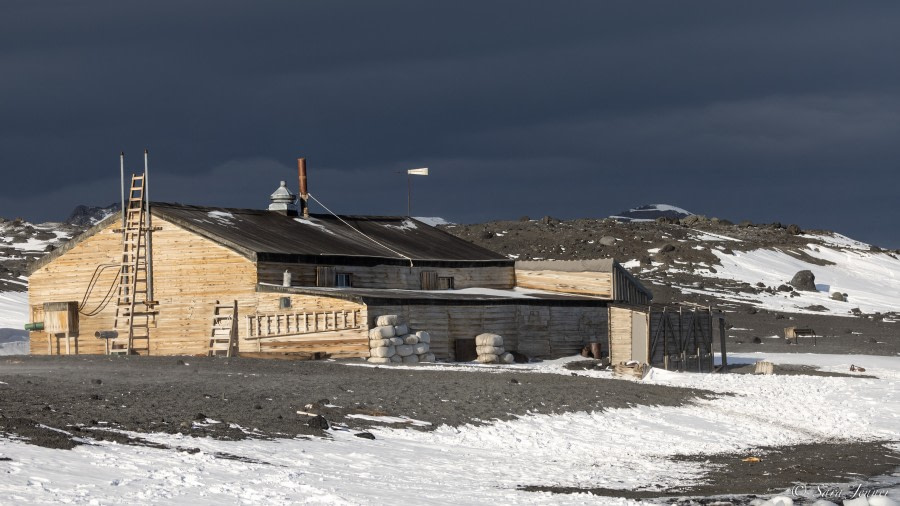
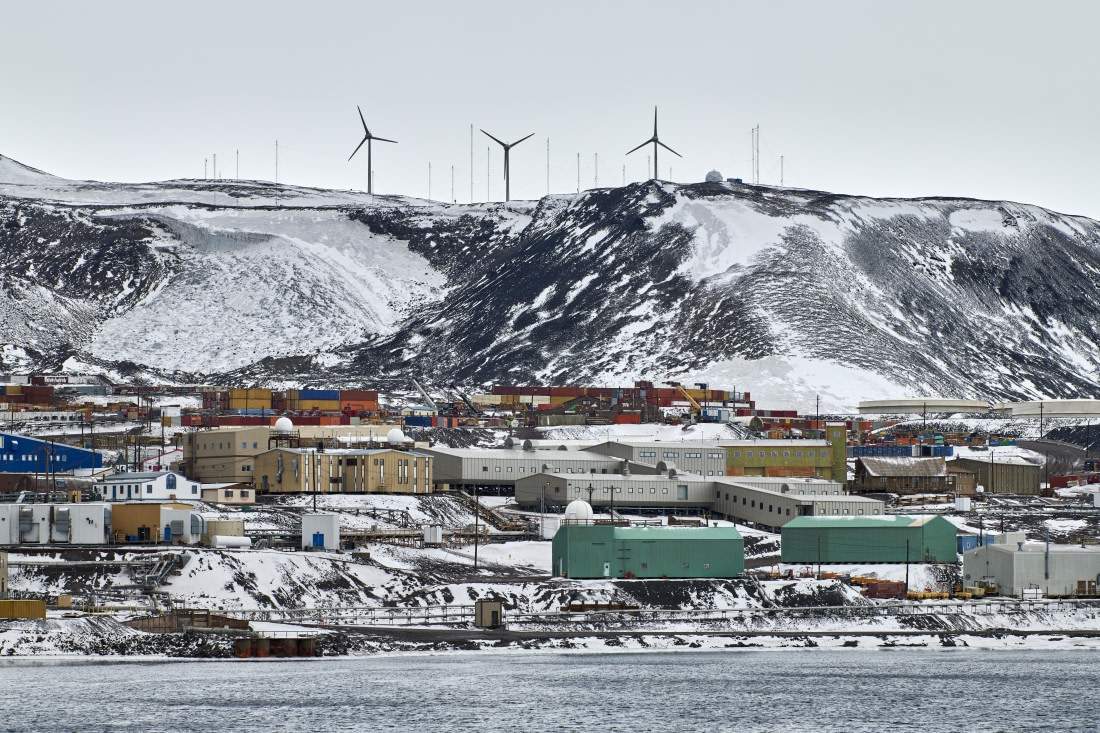
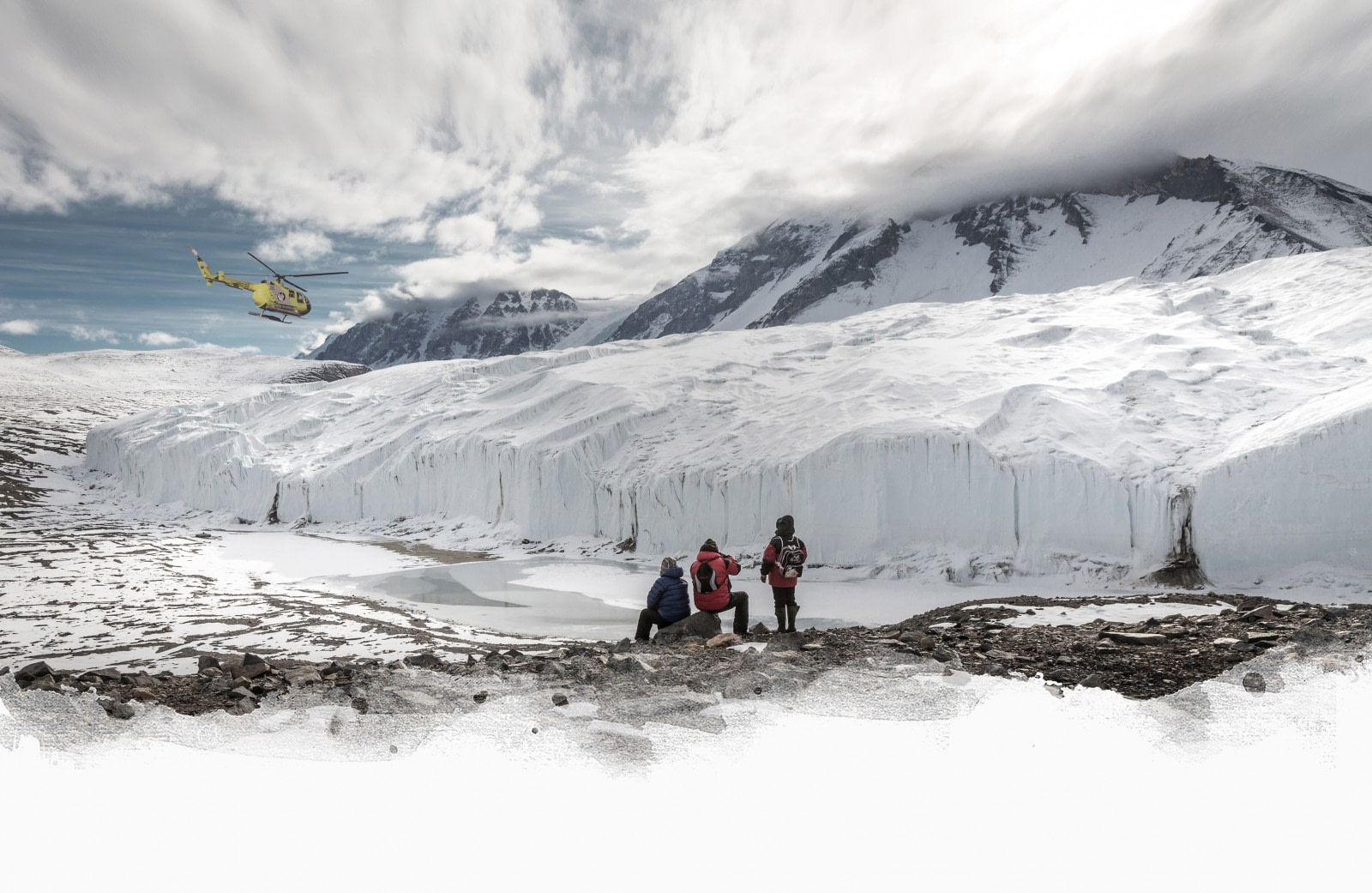
Passengers aboard one of our Ross Sea Journeys will travel along the southern parts of the Antarctic Peninsula, Peter I Island, the Bellingshausen and Amundsen Seas into the Ross Sea. Visiting the Ross Ice-shelf, Dry Valleys, McMurdo Station, Campbell Island and the historic huts of discovery voyagers Scott and Shackleton. Ortelius will be equipped with helicopters. Be prepared for an unforgettable memory.

Actualmente no tenemos ningún crucero Ross Sea disponible.
Video of Ross Sea expedition
Último blog e historia de un cliente
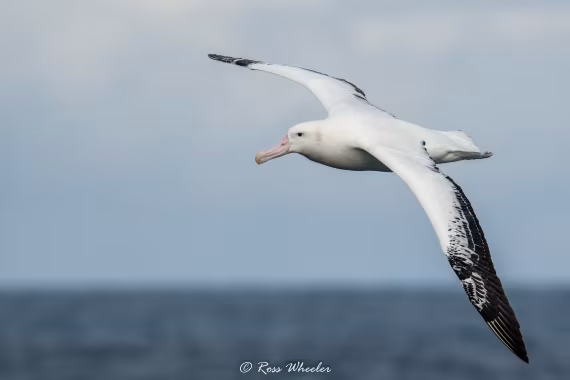
Los ocho albatros de la Antártida y el subantártico
Tanto si se dirige a la Antártida, al subantártico o a una combinación de ambos, esta entrada le proporcionará toda la información importante sobre los albatros, así como los mejores lugares para encontrar a estas aves.
The Most Epic Journey In The World: Ross Sea Antarctica
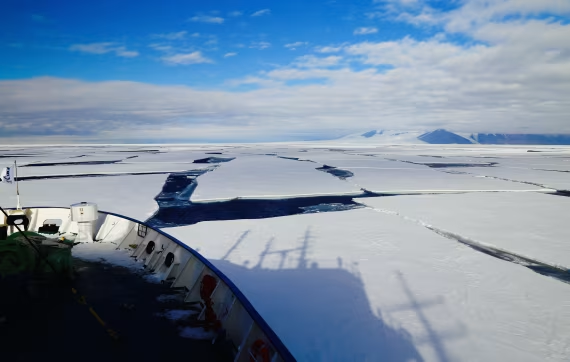
This expedition had everything – jaw dropping landscapes, whales galore, volcanoes, ice, ice and more ice of all kinds, berg, fast, sea, pancake, brash... forever sunsets, heroes, huts and of course, penguins...
Lo más destacado y la vida salvaje
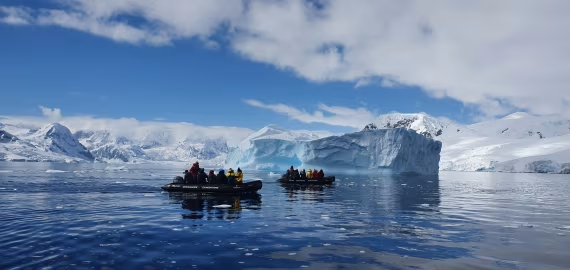
Vea los aspectos más destacados que puede experimentar:
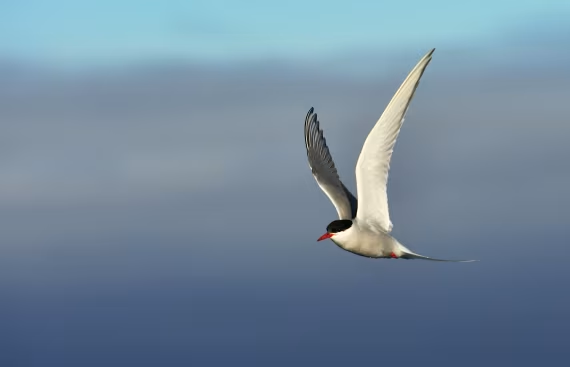
Vea los aspectos más destacados que puede experimentar:
Map of the Ross Sea
Ross Sea photo
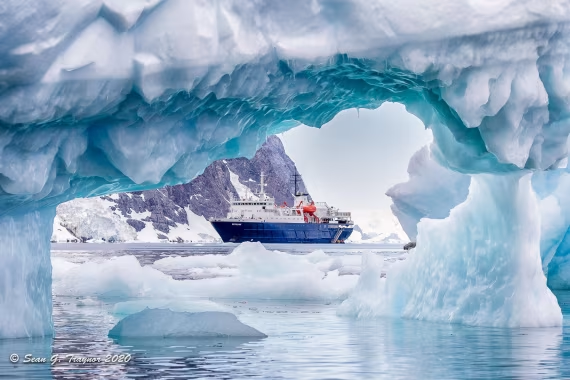
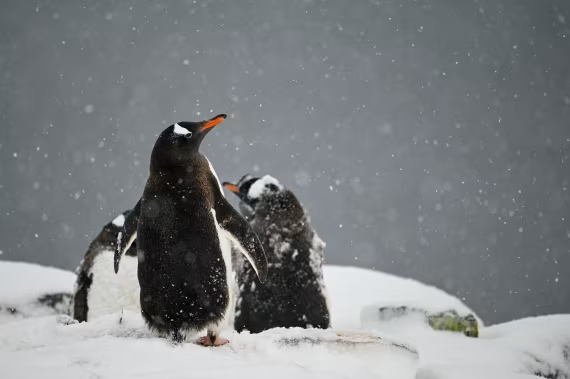
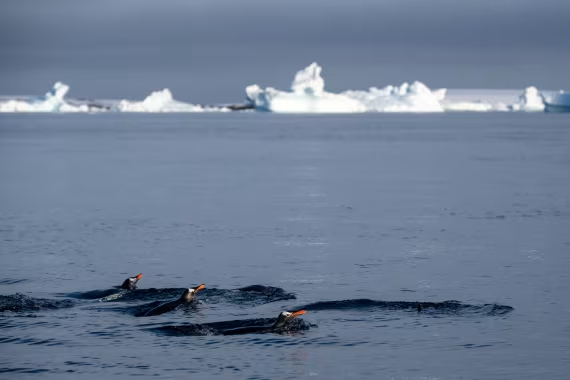
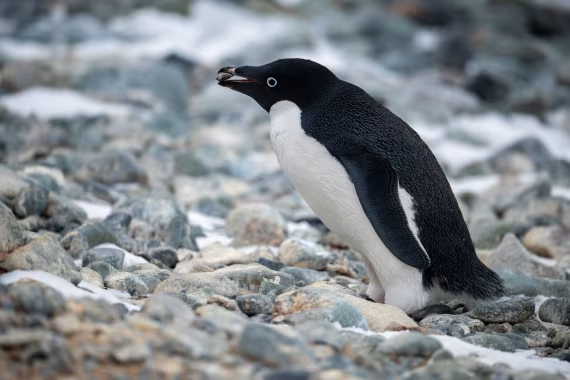
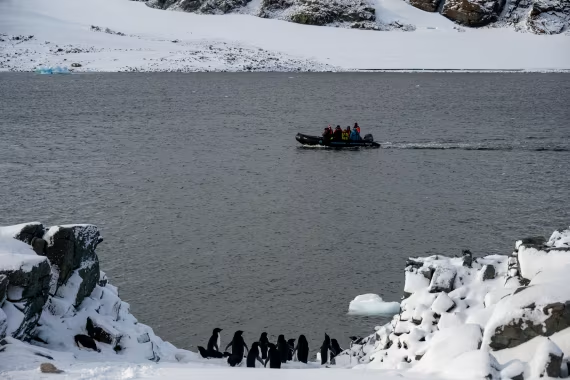
Ross Sea cruise reviews
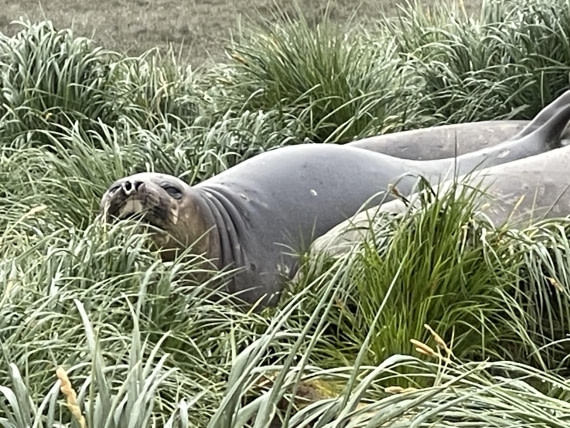


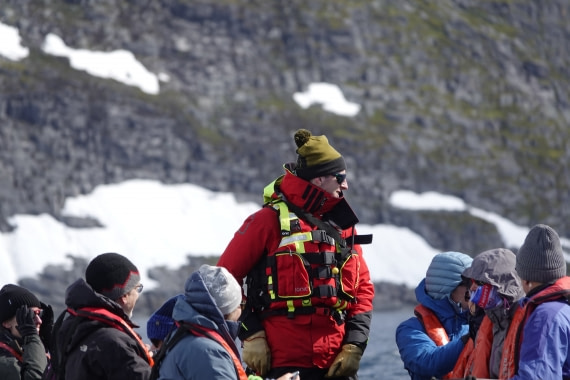


The Gray Seal is cool




Ross Sea FAQ
¿Cómo es un viaje al Mar de Ross?
El Mar de Ross, en Antártida, es uno de los lugares más remotos del planeta. Dado que la mayor parte del año está cubierto de grueso hielo marino, se mantiene fuera de la congestionada ruta turística de Antártida. Sólo los buques rompehielos más fuertes pueden penetrar esta región del Antártico.
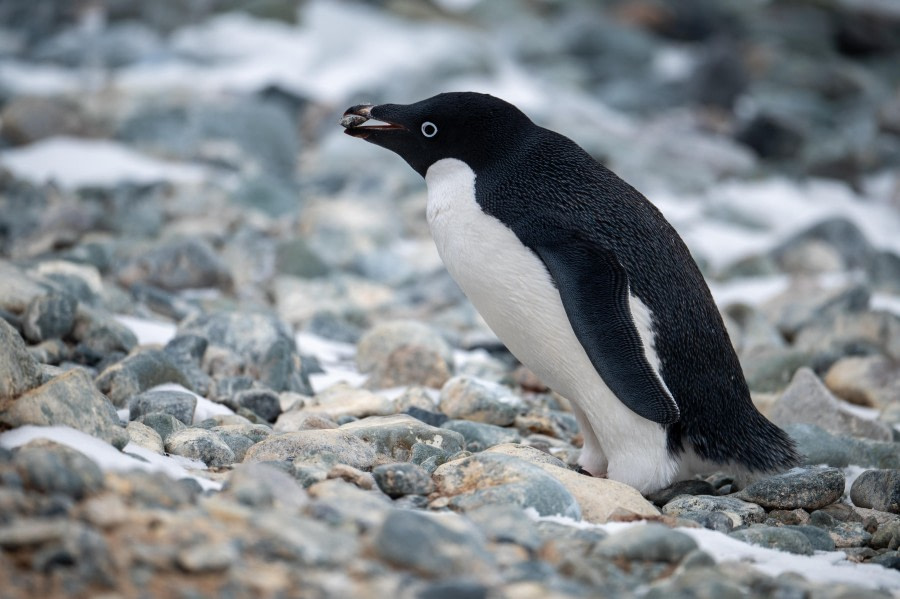
Las recompensas son obvias; el Mar de Ross posee abundante fauna antártica , un paisaje asombroso y excepcionales artefactos de expediciones antárticas históricas. Algunos de los destacados de la región son: inmensas colonias de pingüino Emperador y pingüino Adelia, el Monte Erebus, la Plataforma de Hielo de Ross, los Valles Secos, la Estación Mc Murdo, el Cabo Evans (cabaña de Scott) y el Cabo Royds (cabaña de Shackleton).
¿Cómo es el clima en el Mar de Ross?
Dado que el Mar de Ross se encuentra bajo la influencia directa del duro clima continental antártico, las temperaturas son en promedio bajas, alrededor de 1ºC (34 ºF). En Febrero-Marzo, hacia el final del verano austral, las temperaturas pueden llegar incluso apenas bajo cero. De todas formas, los fuertes vientos catabáticos pueden ocurrir en cualquier momento e influir en el programa.
Por favor tenga en cuenta; el hielo marino en el Mar de Ross se forma a principios del invierno y puede permanecer allí hasta finales del verano. Aunque esperamos poder penetrar el Mar de Ross, la naturaleza no nos garantiza nada. El hielo marino es impredecible y puede impedir a nuestros barcos completar el itinerario planeado.
¿Que llevar en un viaje al Mar de Ross?
Como puede hacer frío en el Mar de Ross, la ropa de abrigo es esencial. Pantalones impermeables y campera rompevientos, para la lluvia y las salpicaduras de agua de mar que entra en el Zodiac. Además son esenciales camperas de polar, guantes y un gorro. Las botas de goma para los desembarcos también son necesarias pero estas son provistas a bordo.
¿Cómo voy a tierra en el Mar de Ross?
No hay puertos en el Mar de Ross. Los desembarcos se realizan en Zodiacs y en helicóptero.
¿Dónde se encuentra el Mar de Ross y qué tamaño tiene?
El Mar de Ross está situado entre la Tierra de Marie Byrd y la Tierra Victoria en el Océano Austral. Esta profunda bahía forma parte de la región Antártica y se encuentra próxima al Mar de Amundsen. Durante un viaje de expedición al Mar de Ross usted podrá ver muchas islas y tierras emergidas. Nueva Zelanda reclama toda esta tierra. Sin embargo, luego de la firma del Tratado Antártico, todos los reclamos sobre el continente permanecen congelados.
El Mar de Ross es relativamente poco profundo y cubre un área de aproximadamente 960.000 Km2 (370.000 mi2). En muchos sectores, el Mar de Ross no tiene más de 300 m (985 pies) de profundidad, pero la sección sudoeste alcanza una profundidad de 914m (3.000 pies).
¿Quién descubrió el Mar de Ross?
No se sabe a ciencia cierta quién descubrió y registró por primera vez la existencia del Mar de Ross, pero sí sabemos que James Clark Ross comandó los dos primeros barcos que ingresaron a estas aguas heladas. Los esfuerzos de Ross por llegar al Polo Sur Magnético luego de navegar a través del Mar de Ross fueron a la larga infructuosos.
Galería de fotos


About the Ross Sea
Ross Sea weather
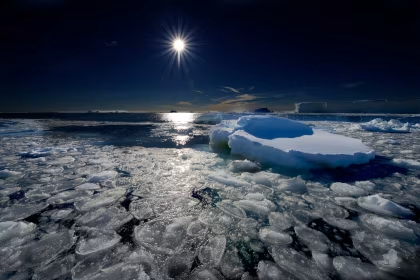
While temperatures during the Antarctic winter months can drop as low as around -50°C, you can expect slightly more comfortable temperatures around -10°C - 0°C during your Ross Sea cruise.
Facts about the Ross Sea
- A colossal squid measuring longer than 10 metres and weighing almost 500 kilograms was found in the Ross Sea in 2007.
- All the islands found within the limits of the Ross Sea have been claimed by New Zealand, although most countries don’t bother to recognise the claims.
- The Ross Ice Shelf is the largest such shelf on Earth. At approximately 472,000 km2 it is roughly the size of Spain. It soars anywhere between 15 and 60 metres high and extends nearly 800 kilometres along the shoreline.
- The Ross Sea is named after Captain James Clark Ross who mapped the area in the 1841.
- Since the Ross Sea is the open waterway closest to the actual South Pole it has become the launching spot of many exploration expeditions that went on to journey inland.
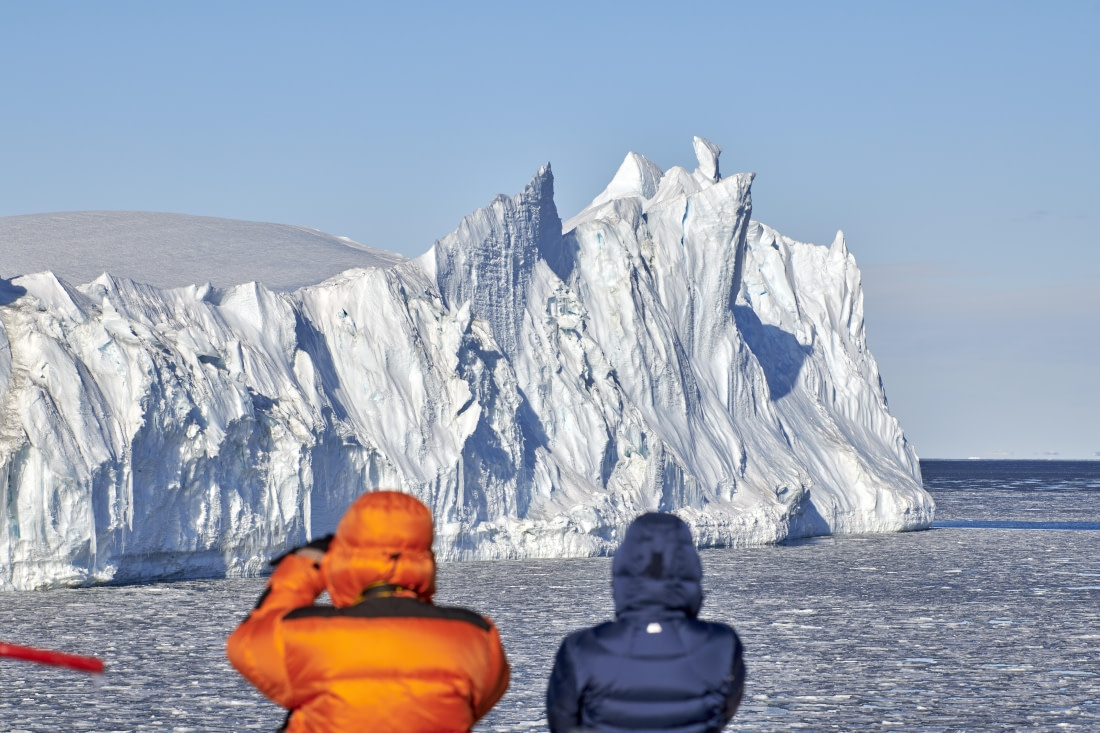
- The Ross Ice Shelf was the mother to what was quite possibly the biggest iceberg ever. The iceberg broke off of the shelf in the year 2000, measuring 295 km at its longest point and 37 km at its widest. Altogether it boasted a surface area of about 11,000 km2.
- Wildlife flourishes despite the harsh cold of the waters. Some of the fish found in the Ross Sea have antifreeze in their veins to keep them from freezing solid.
Travel to the Ross Sea
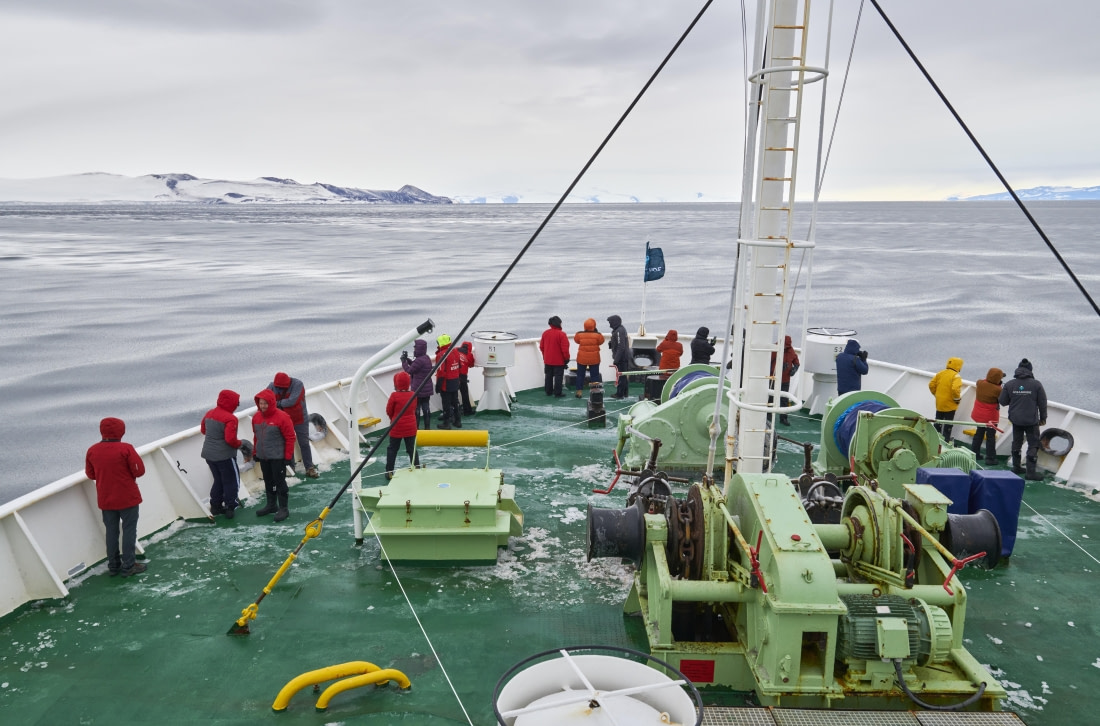
Travel to the Ross Sea and experience one of the most pristine untouched landscapes left in the world. Your Ross Sea expedition will be full of activities that let you take in the rugged and clean beauty of the area – hike the shores of Antarctica, visiti historical sites from the Golden Age of Exploration like the huts of explorers Shackleton and Scott, and enjoy unique helicopter flights to the Dry Valleys and the Ross Ice Shelf.
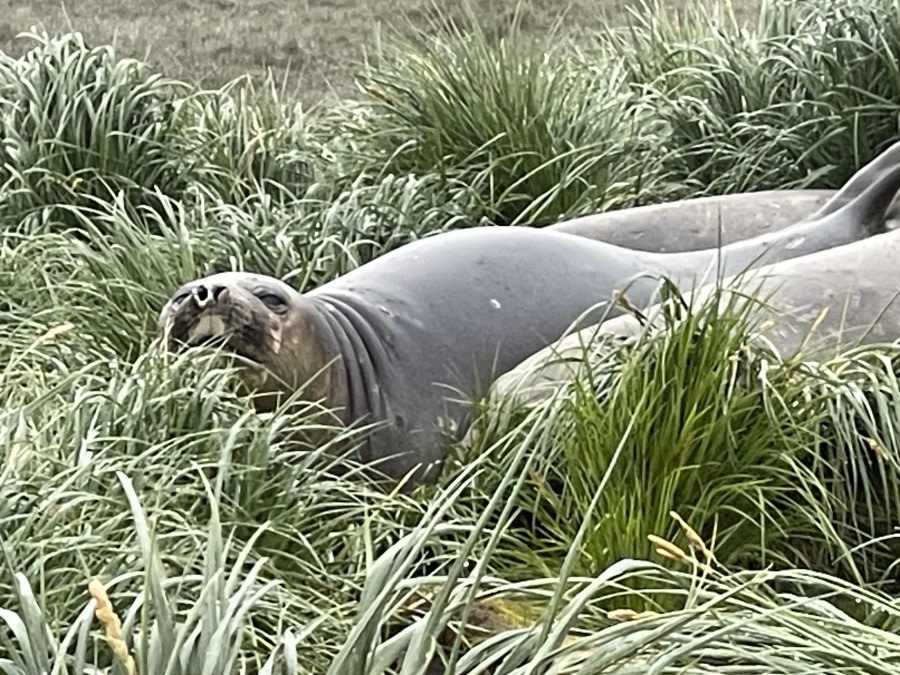
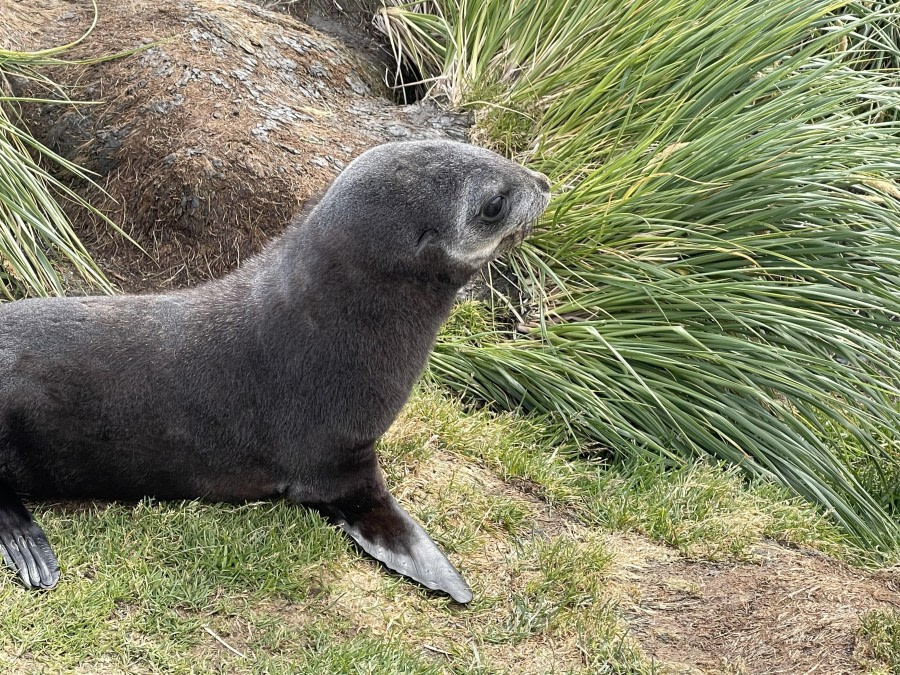
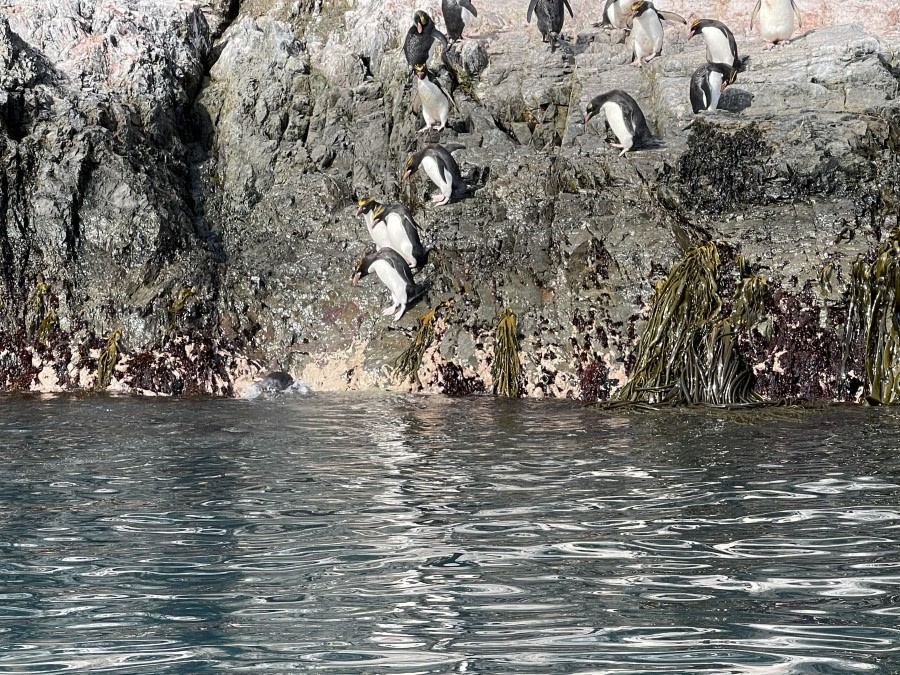
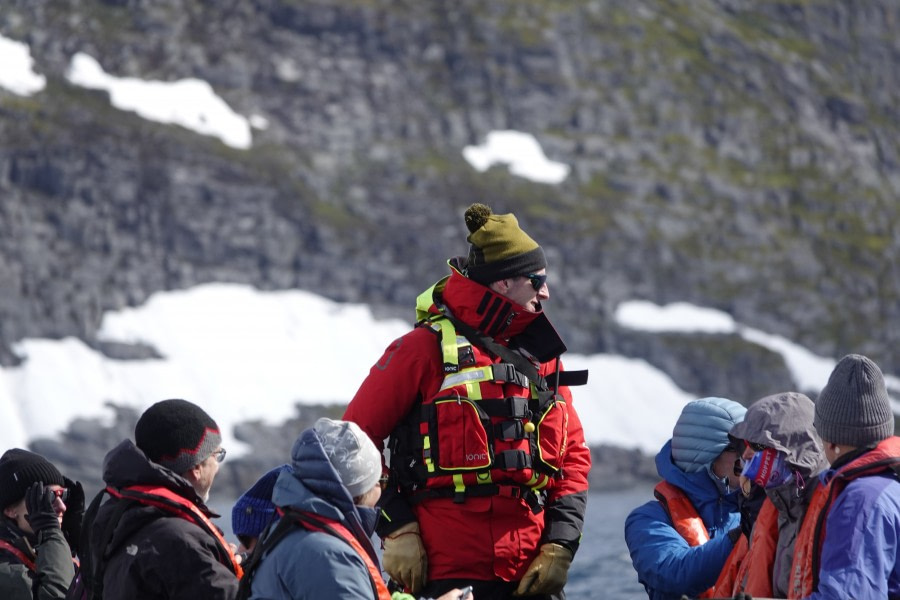
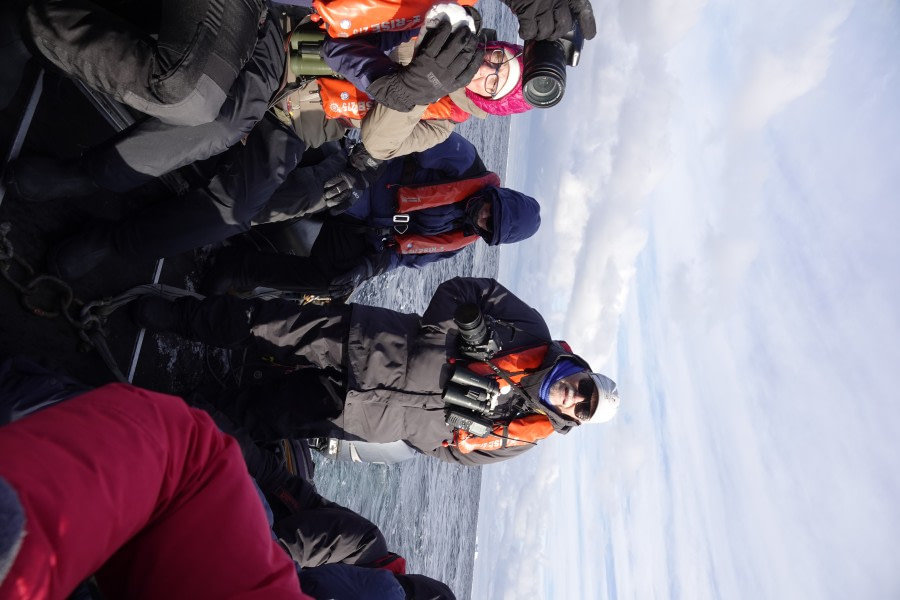
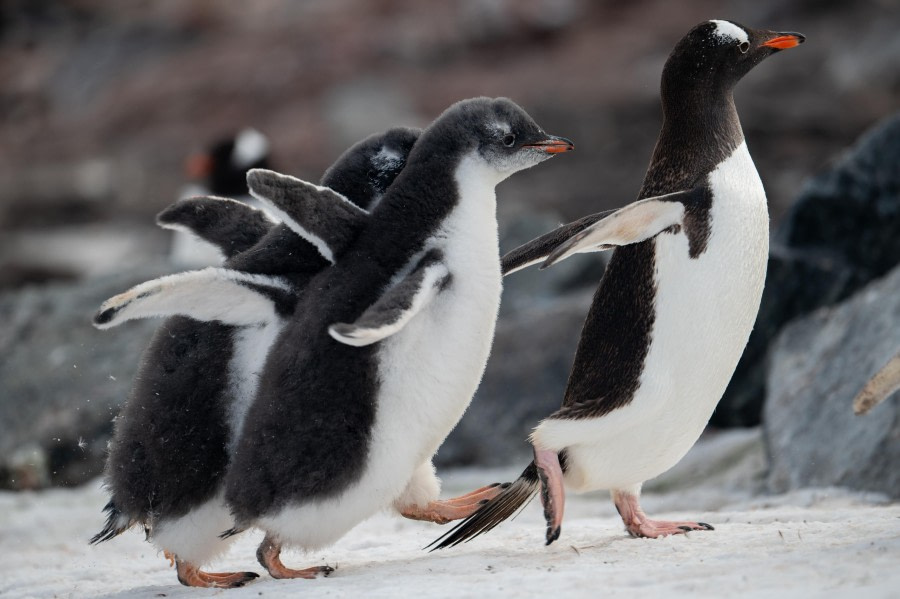
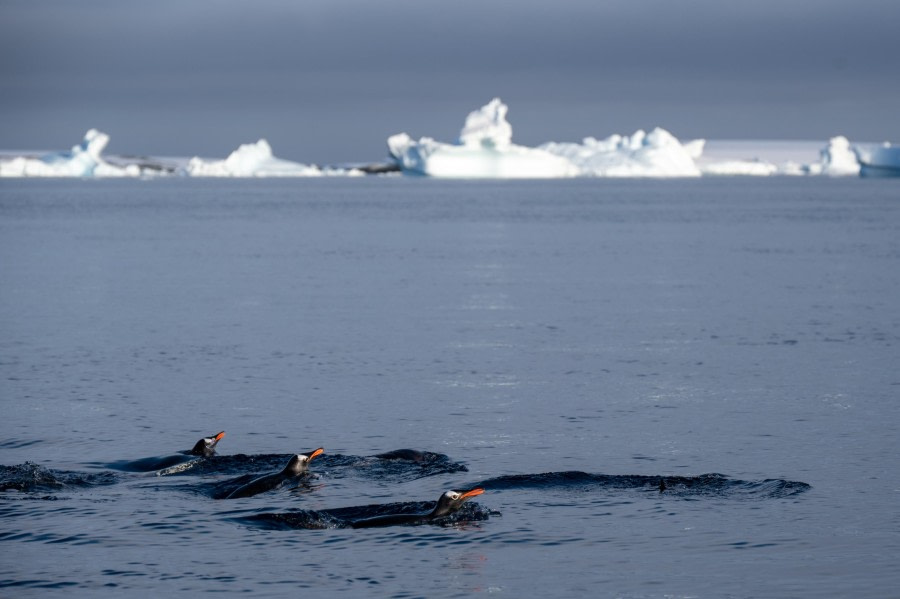
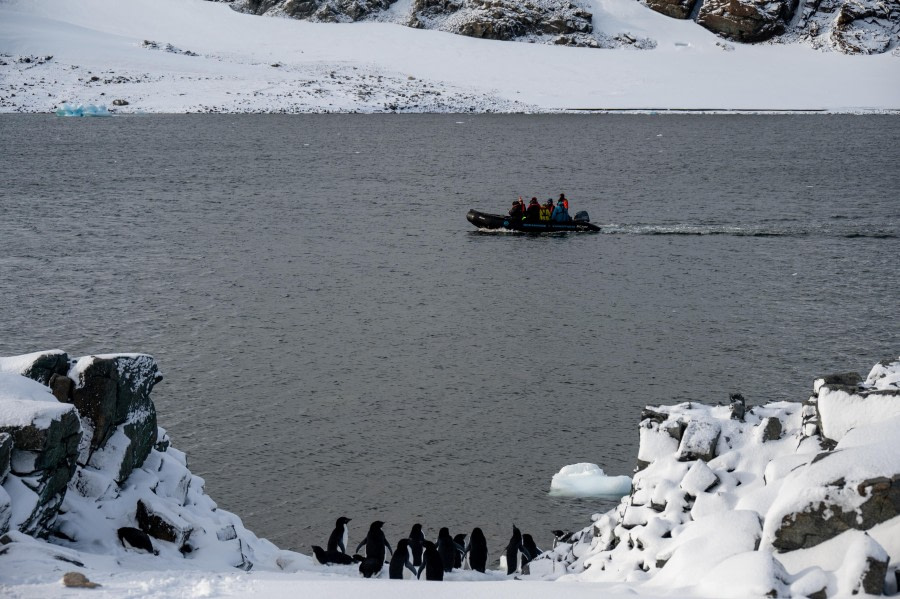
Your Ross Sea trip will also introduce you to a surprising abundance of wildlife. Go bird watching on the lookout for albatrosses and Petrels. Cruise along the shores in a Zodiac and say hello to seals and a variety of whales. Your Ross Sea holiday even lets you take helicopter rides to gain the maximum of everything in this spectacular place.