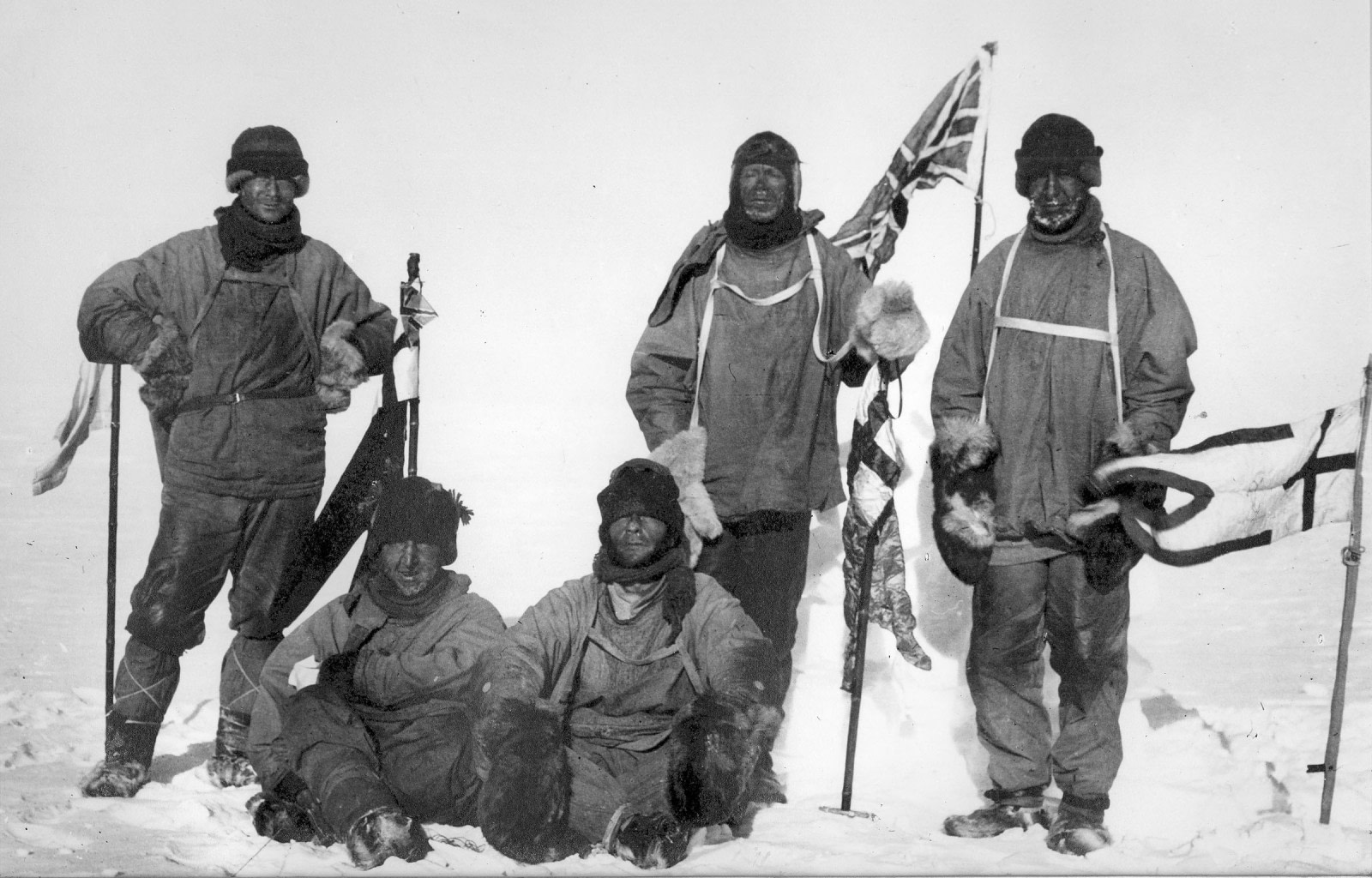
Early 20th-century Arctic and Antarctic expedition clothes
When you look at pictures of polar expedition clothing from a century ago, the experience is not unlike seeing images of World War military gear: It’s heavier, clunkier, and more partial to natural fibers like wool and wood than the largely synthetic stuff used today.
This is not to say, however, that the equipment of these historic explorers or soldiers was unsophisticated. Indeed, the achievements of those who used it are made even more impressive given their comparative limitations.
And this is certainly true for explorers of the early 20th century, the polar expedition heyday that exalted such names as Scott, Shackleton, and many others.
But what exactly did these folks wear to ward off the winter cold?
We’ve compiled a list of the most common clothing used during the early expeditions. Each crew had its own variations, so this list is by no means authoritative. But generally speaking, what follows was all the rage on the Arctic and Antarctic runway.

Head covering: woolen hat over an unfixed hood
Long before we had waterproof beanies or neoprene self-heating hoodies, we had something called sheep’s wool.
Barbaric, right?
Wool is very warm when dry, but once it gets wet it tends to stay wet – unless you have a fire-burning stove and a few spare hours on your hands, which early polar explorers usually did when they weren’t busy getting frostbite or scurvy.

Frank Hurley [Public domain], via Wikimedia Commons
Outer layer: Burberry gabardine or canvas jacket
Yes, you read that right. Burberry jackets were as popular among 1900s polar explorers as Burberry handbags are among rich people today, although we’re guessing the Arctic variety wouldn’t be quite Kate Middleton’s cup of English breakfast.
No offense, Your Grace.

Ernest Henry Shackleton (1874—1922) [Public domain], via Wikimedia Commons
Middle layer(s): woolen sweaters possibly lined with Jaeger fleece
The middle layer is oftentimes where the magic happens, even during modern-day Arctic and Antarctica trips. These are the clothes that can most easily be stripped off or added in the event of changing weather and activities.
For early polar explorers, this meant stacking one or more wool sweaters as temperatures dictated. These sweaters often had linings of Jaeger fleece, a brand still popular today.

Base layer: mercerized wool underclothes
Explorers who needed to endure the often harsh conditions of the Arctic and Antarctica needed clothes (even underclothes) that were just as durable.
For this reason, they very often used wool that had been mercerized, a process whereby fibers under tension are impregnated with sulfuric acid and lye to make them more durable. This process of mercerization is used mainly on wool, cotton, and flax.

Hand protection: finnesko mittens (reindeer fur gloves)
Without working hands, you have no working explorer. And nothing can gnaw off a pair of hands like frostbite, that gluttonous wintry guest whose far-from-picky tastes also include noses, toes, and any other vulnerable extremity.
This is why polar explorers of the past preferred gloves made of naturally cold-resistant reindeer hide and fur while on their version of a comfy Arctic cruise.

unidentified photogapher [Public domain], via Wikimedia Commons
Leg clothing: cavalry twill or canvas trousers
Arctic and Antarctic explorers of yesteryear walked a lot, at least as much as any current polar researchers (and even hiking-minded tourists) need to do.
To keep their legs warm and pliant, crews chose strong fabrics like cavalry twill, which is usually a blend of worsted warp and woolen weft reserved for pants, especially riding pants. They also used canvas, a tough material common to tents, backpacks, and sails.

Foot antifreeze: thick-sole leather boots or komargars (reindeer skin boots)
It’s tricky to say that footwear was the most important part of past expedition clothing, as all clothing was vital for keeping explorers alive.
Still, feet are one of the body parts most at risk of frostbite, which is why it was important to double up on socks, extra-thick soles, and boots made from reindeer skin. You wouldn’t want to tap dance in them, but they’d keep your toes from falling off if you tried.