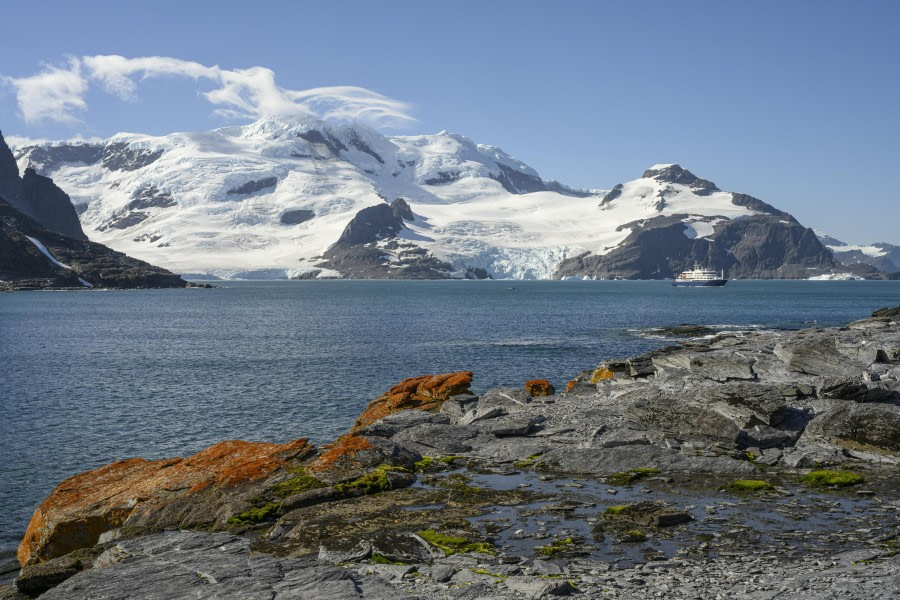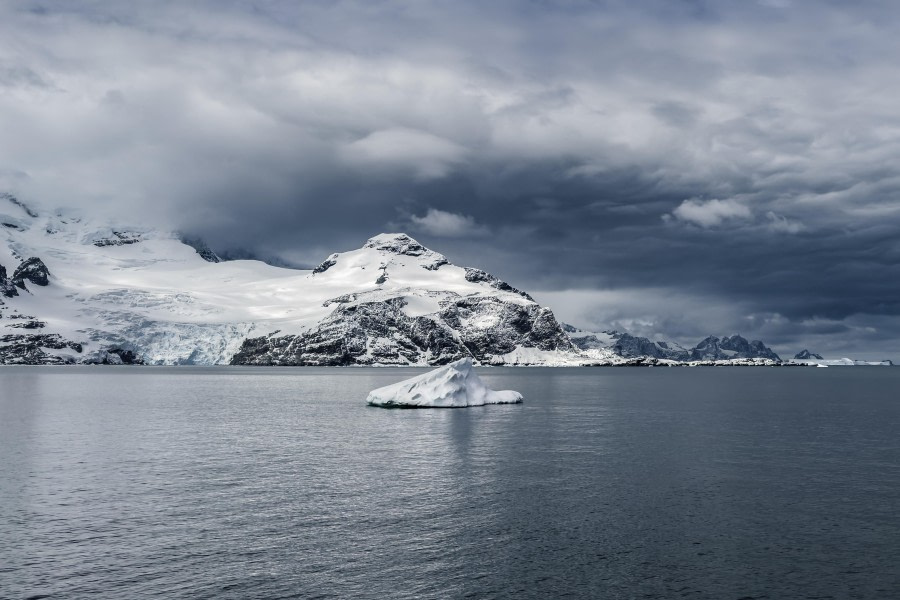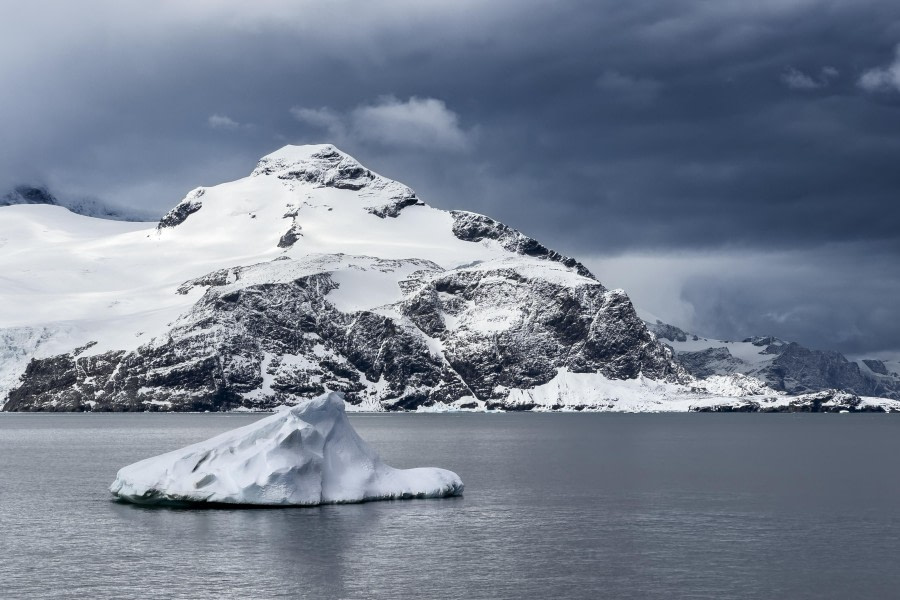
They were named, together with the South Shetland Islands, after the islands in northern Scotland by the Scottish sealers that frequented the area.
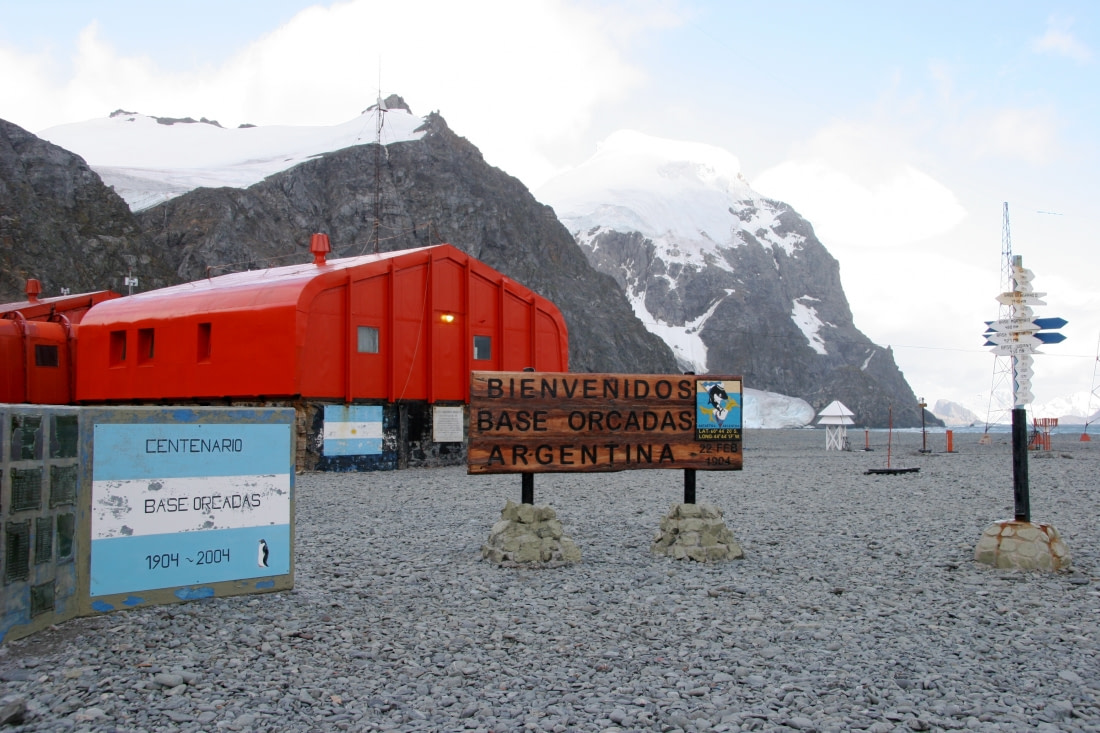
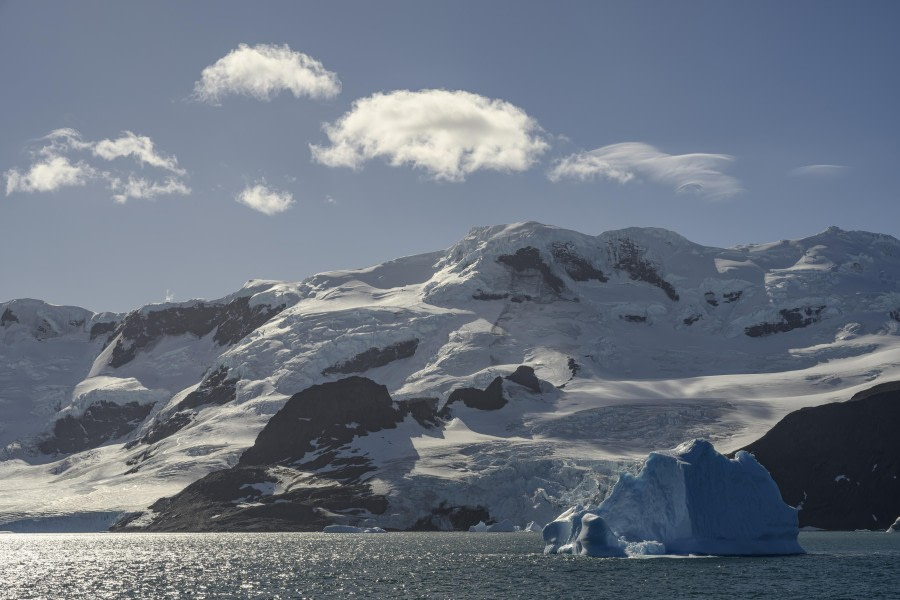
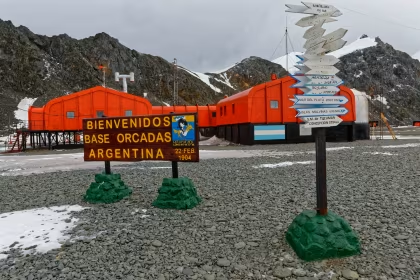
The islands were discovered only in 1821 when they were sighted by the respectively British and American sealers George Powell and Nathaniel Palmer. The islands consist mainly of rock and ice (85 % is glaciated), with little vegetation. Argentina and the United Kingdom have scientific stations on the islands, the Orcadas Station and Signy Station.

Actualmente no tenemos ningún crucero South Orkney Islands disponible.
Vídeo
Último blog e historia de un cliente
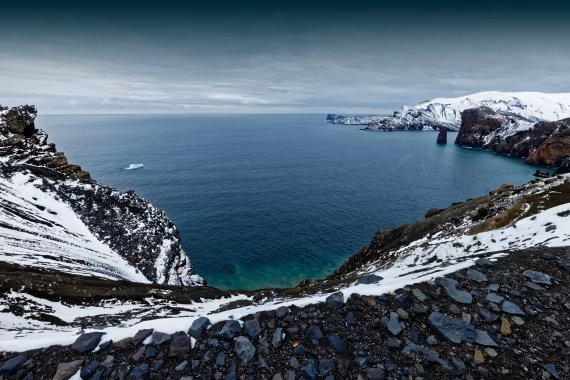
De Stonington a las islas Orcadas del Sur: El legado de Nathaniel Palmer
Nathanial Brown Palmer, también conocido como "Capitán Nat", fue un cazador de focas, ballenero, diseñador de barcos y explorador estadounidense cuyo legado polar continúa hoy en día. Palmer desempeñó un papel crucial en el descubrimiento y bautizo de varios lugares emblemáticos de la Antártida, muchos de los cuales se pueden visitar durante un crucero de expedición.
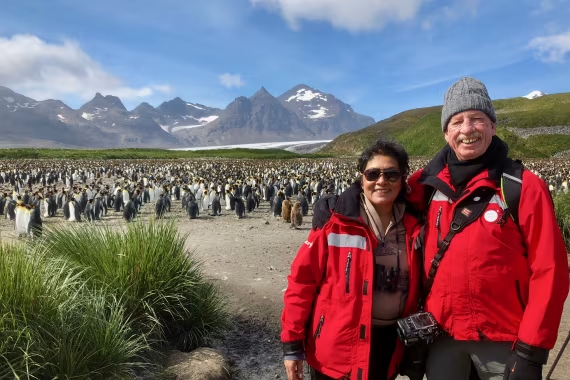
Lo más destacado y la vida salvaje
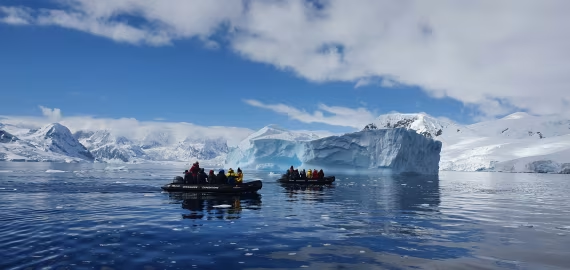
Vea los aspectos más destacados que puede experimentar:
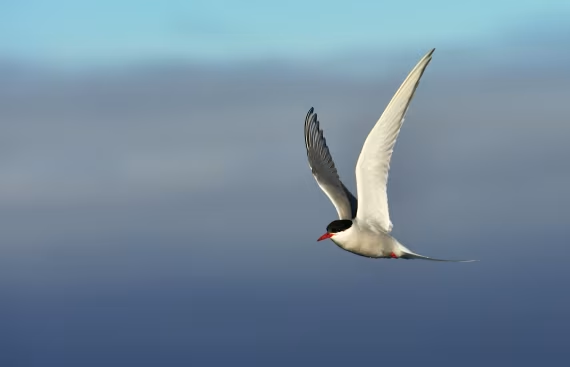
Vea los aspectos más destacados que puede experimentar:
Map of the South Orkney Islands
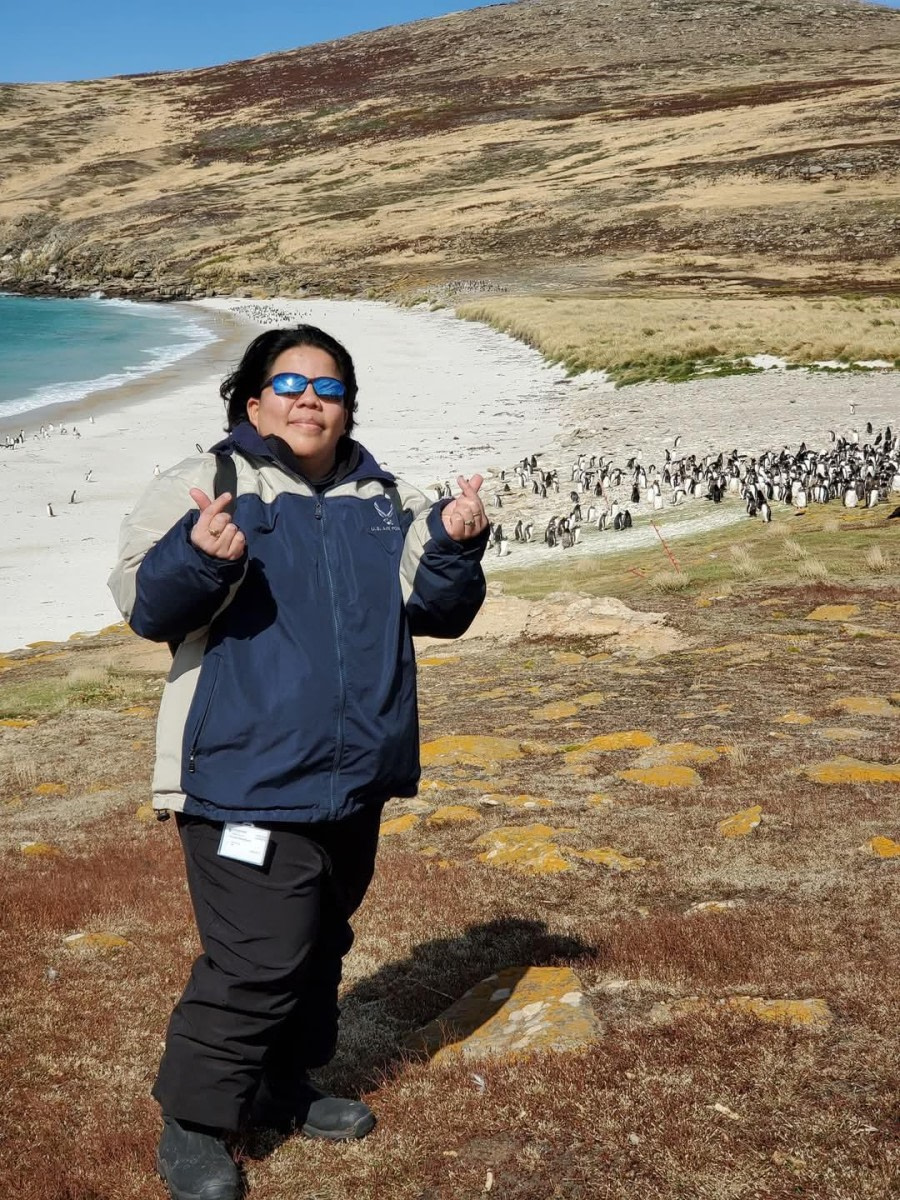
Fan(tastic) photo
South Orkney Islands cruise reviews
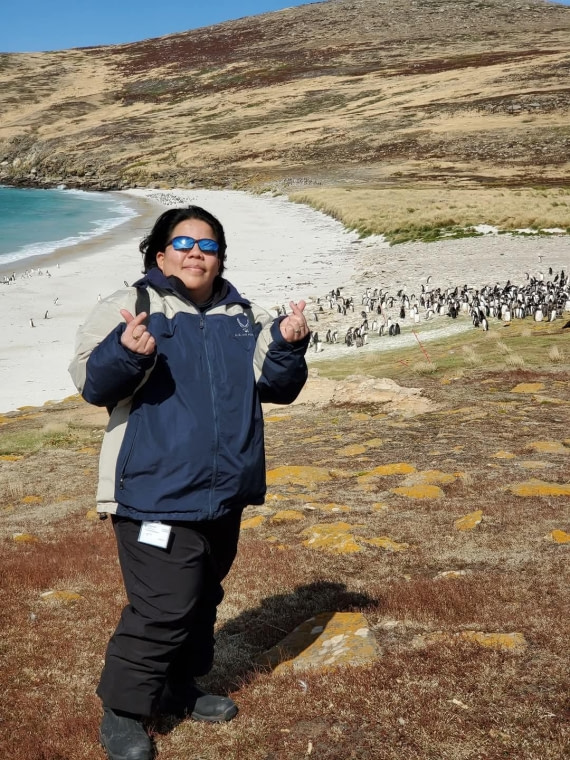
Solo travel on Hondius Feb 2025 to Falkland, South Georgia and Antarctica. Saw 7 different Penguin species. Rockhopper, Gentoo, Magellanic, Macaroni, Adelie, Chinstrap & King Penguin. Saw different Whales as well. Minke Whale, Killer Whale / Orcas, Humpback Whales. Saw different birds. Saw different Seals. Fur Seals, Crab Eater Seals, Leopard Seals, Weddell Seals. Beautiful Landscape. Expedition Team great. Crew and Staff great. Love everything about my trip. Worth the money spent. Thanks for the trip log & slideshow. Food is great. Activities great. Love the zodiac cruise and landings.
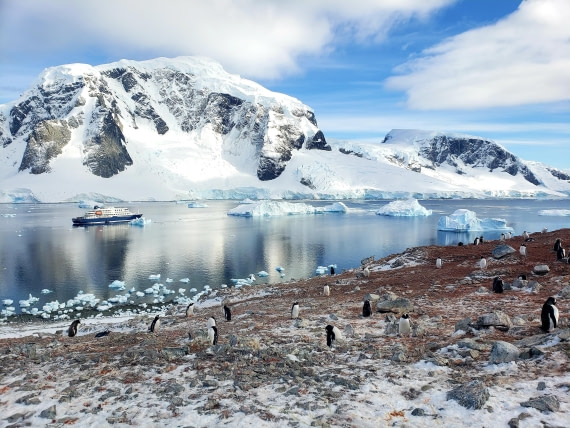
My husband and I had an amazing 23 day journey to the Falklands + South Georgia + Antarctica! A huge part of this success came from the Oceanwide team — the ability of an expedition mindset allowed the team to be flexible and keep our best interests at heart. Whether that was prioritizing the safety of crew member during a med evacuation, or hopping out on the zodiacs earlier than expected because we came across a pod of 20+ orcas (1 of the biggest highlights of the trip!), the values of the staff speak volumes to the experience we had during our voyage. On and off board we had phenomenal service and communication. Everyone was incredibly kind, patient and knowledgable in their areas of expertise. We could not imagine going with another operator and had the trip of a life time! If you’re on the fence about booking, I say go for it!!! You have to experience the magic yourself :)


South Orkney Islands FAQ
¿Cómo es la temperatura y el clima en las Islas Orcadas del Sur?
El clima en las Islas Orcadas del Sur es típicamente ventoso, frío y húmedo. El verano dura de diciembre a marzo, y los individuos que participen de un crucero de expedición a las Islas Orcadas del Sur pueden esperar una temperatura promedio de 3,5 grados Celsius (38,3 grados Fahrenheit).
Las Islas Orcadas del Sur son mayormente inaccesibles desde fin de abril a noviembre debido a que el agua circundante se cubre de hielo durante este periodo. La temperatura promedio de invierno en julio baja a -12,8 grados Celsius (9 grados Fahrenheit).
¿Qué tipo de vida silvestre pueda ver en las Islas Orcadas del Sur?
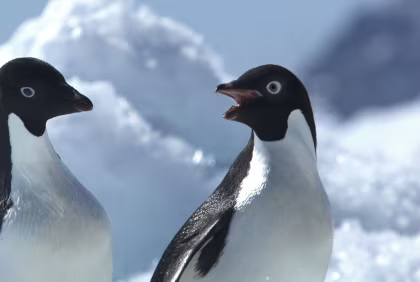
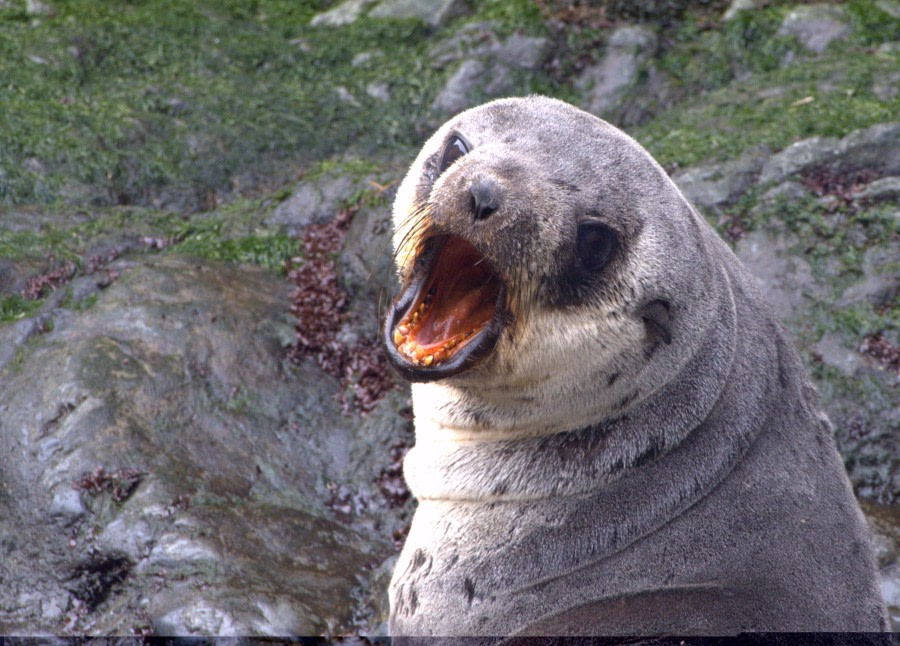
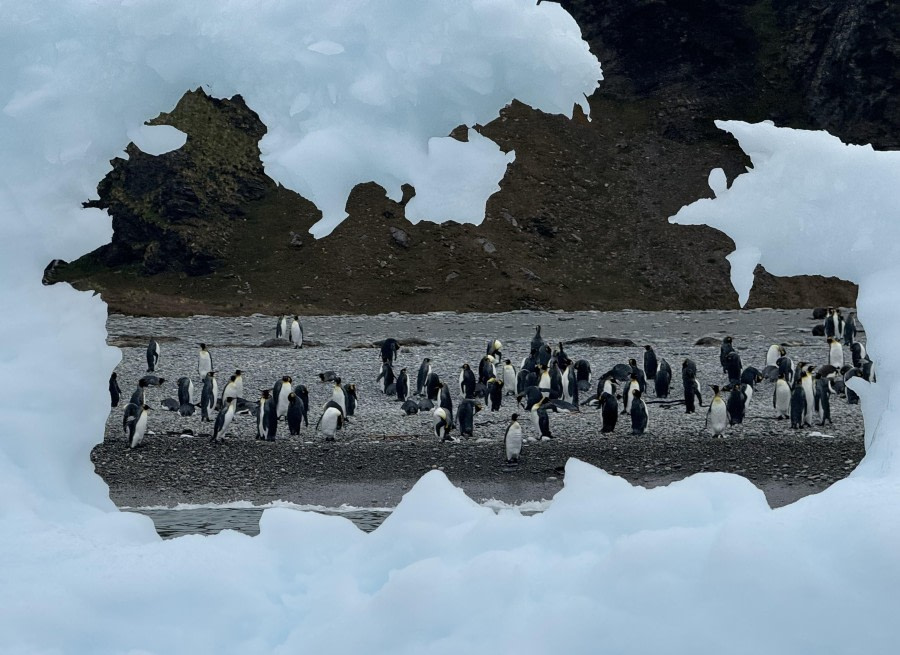
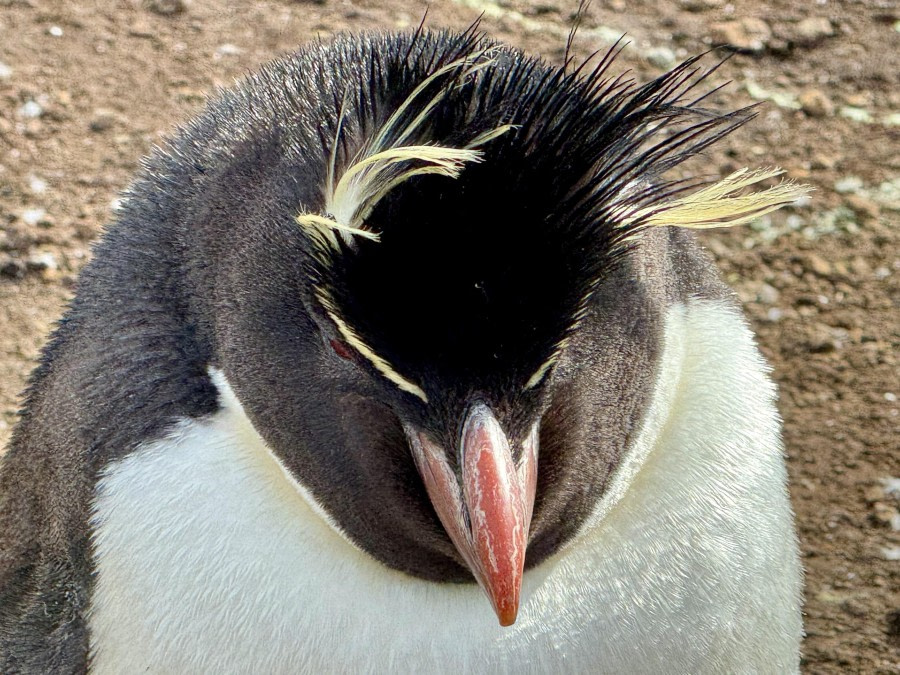
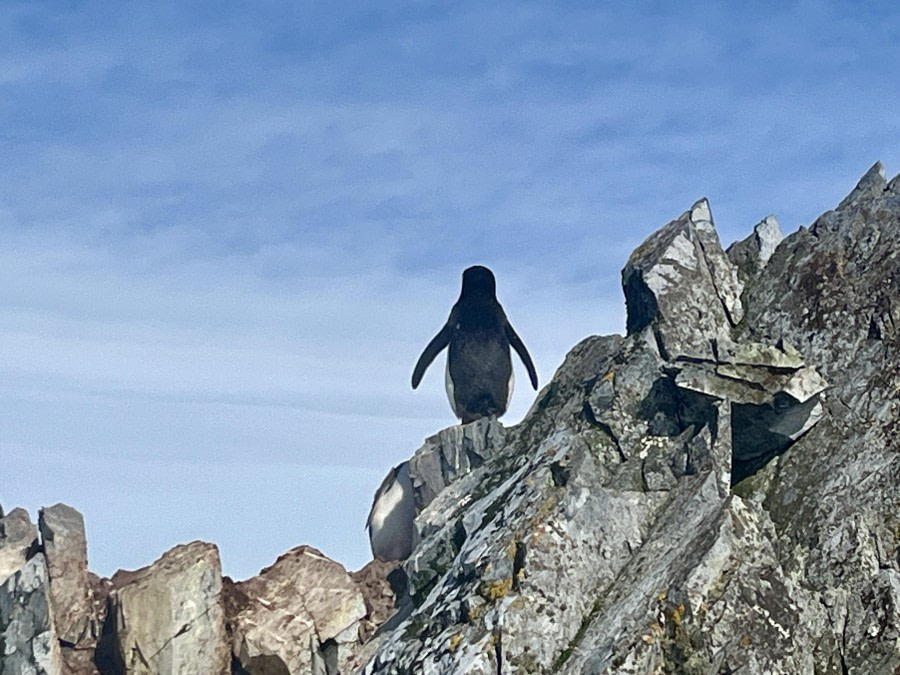
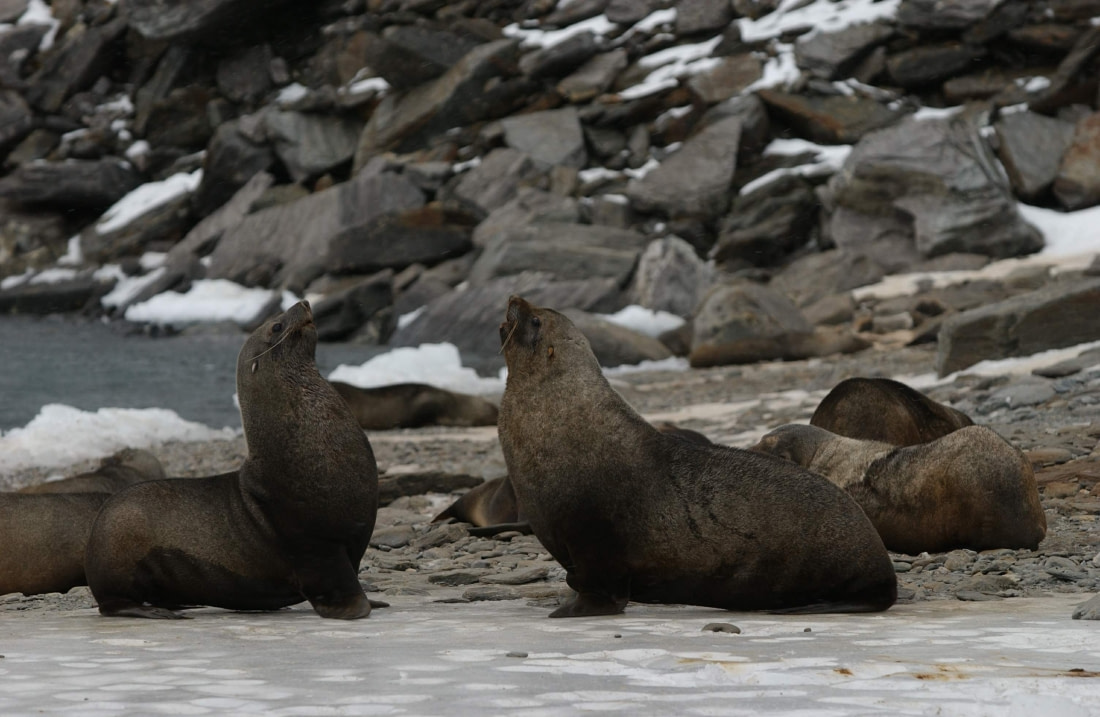
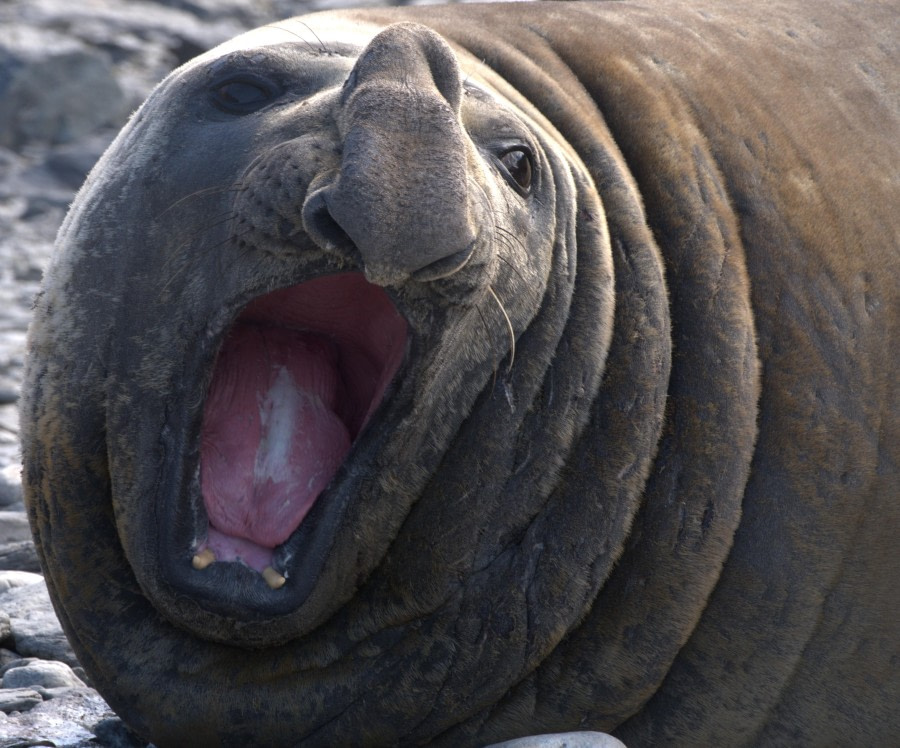
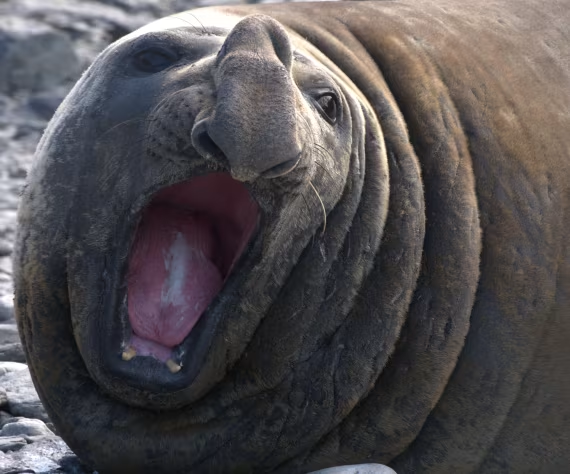
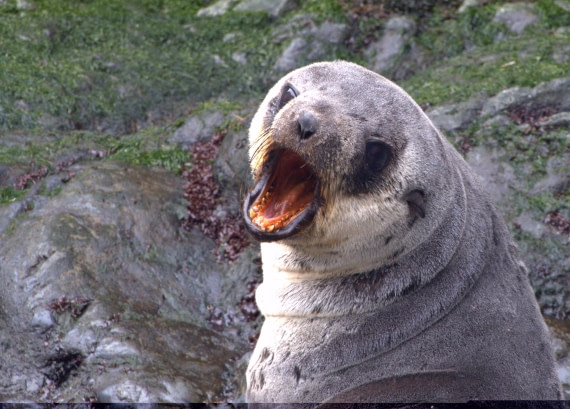
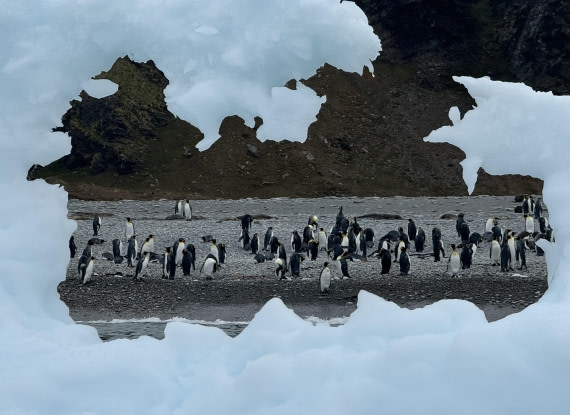
Los amantes de las aves disfrutarán una visita a las Islas Orcadas del Sur por la prevalencia de pingüinos y aves marinas. Es común ver pingüinos papúas, Adelia y de barbijo, y tal vez también vea petreles blancos, dameros, gaviotas cocineras, paloma antártica, cormorán antártico, gaviotines y escúas. Las aguas circundantes son el hogar de numerosas focas – en especial de lobos marinos de dos pelos antárticos al final de la temporada de verano.
¿Quiénes son los dueños de las Islas Orcadas del Sur?
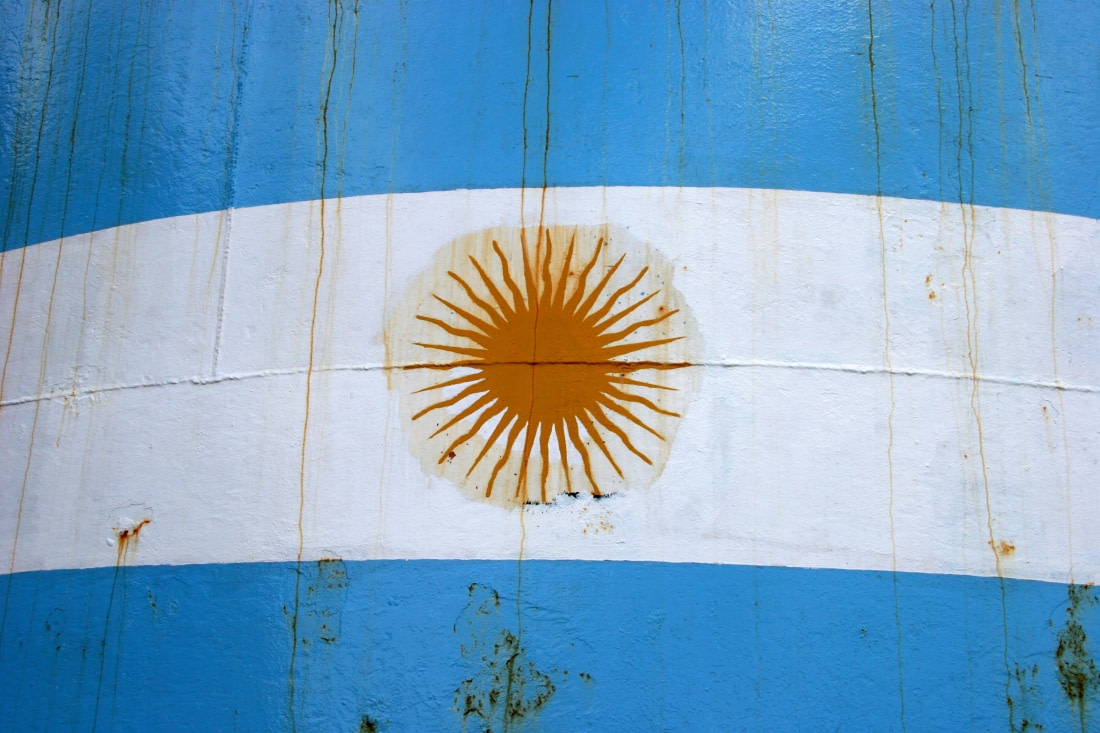
Las Islas Orcadas del Sur son parte del Tratado Antártico, lo que quiere decir que técnicamente no le pertenecen a ningún país. Sin embargo, Argentina y el Reino Unido han hecho reclamos sobre estas islas en el pasado. Esta región fue descubierta por foqueros británicos y estadounidenses en 1821, y la primera estación establecida en las Islas Orcadas fue en 1903 por la Expedición Antártica Escocesa. Más tarde la estación pasó a manos de los argentinos (Estación Orcadas) y ahora el lugar es la estación científica permanente de más antigüedad en la Antártida.
¿Cuáles son las características únicas de las Islas Orcadas del Sur?
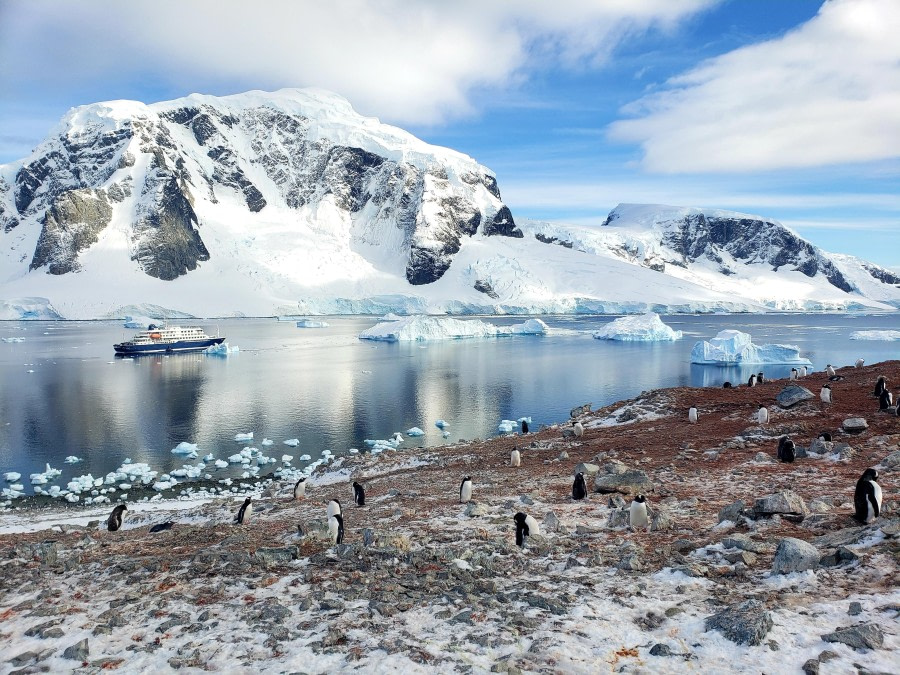
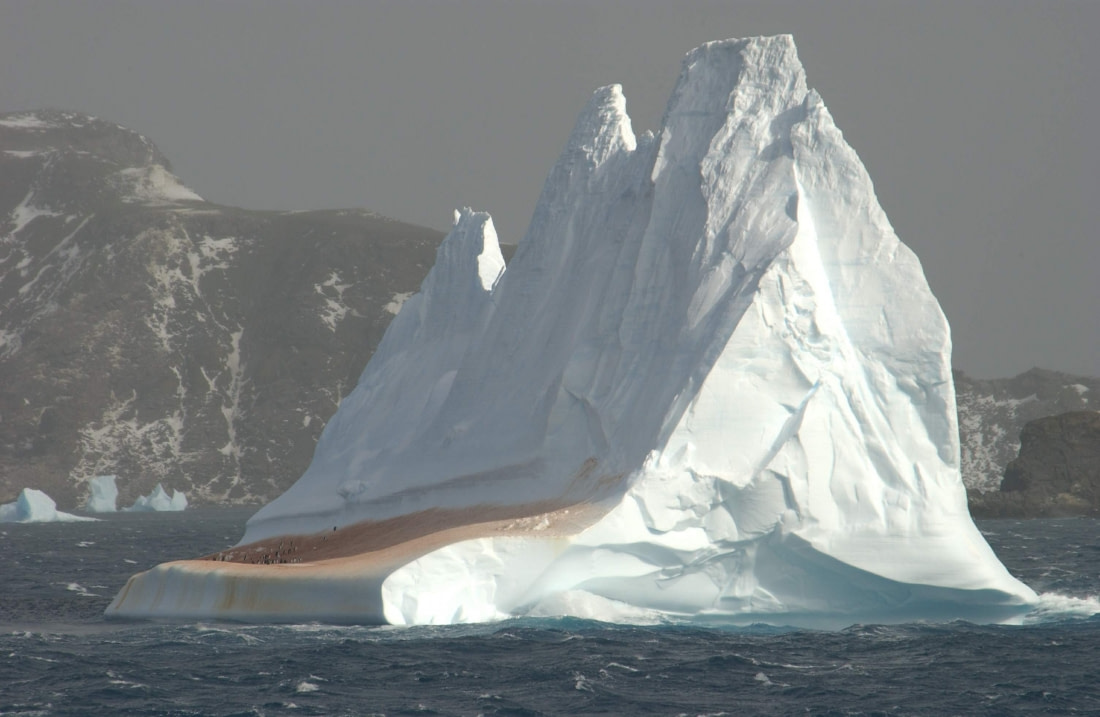
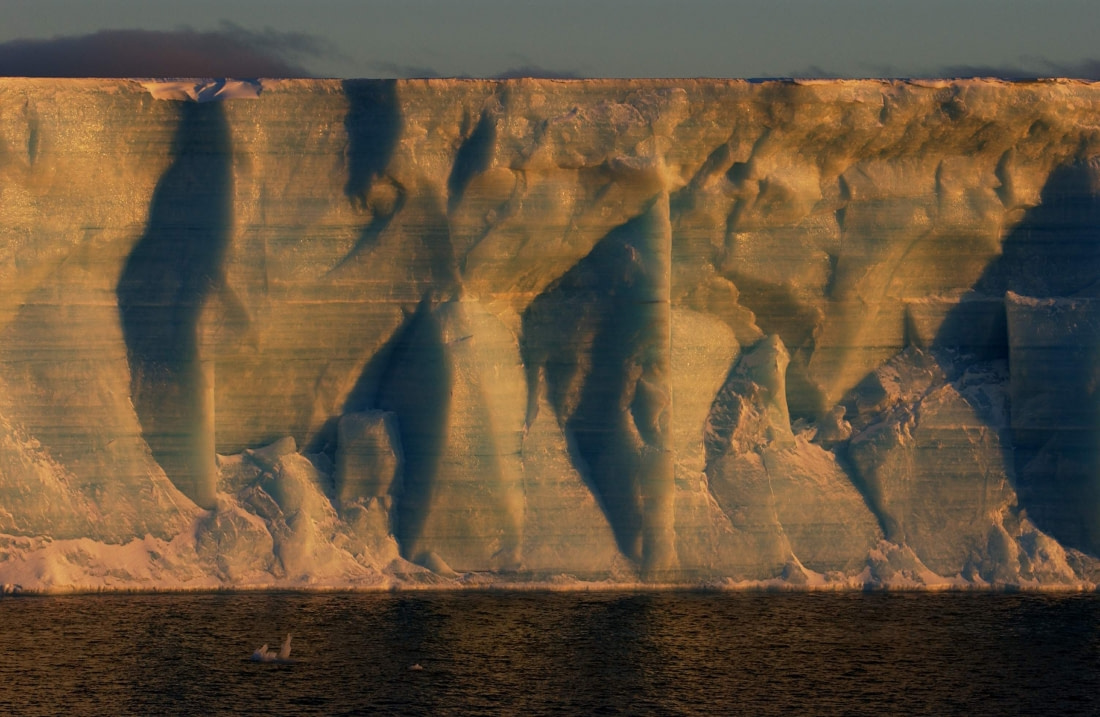
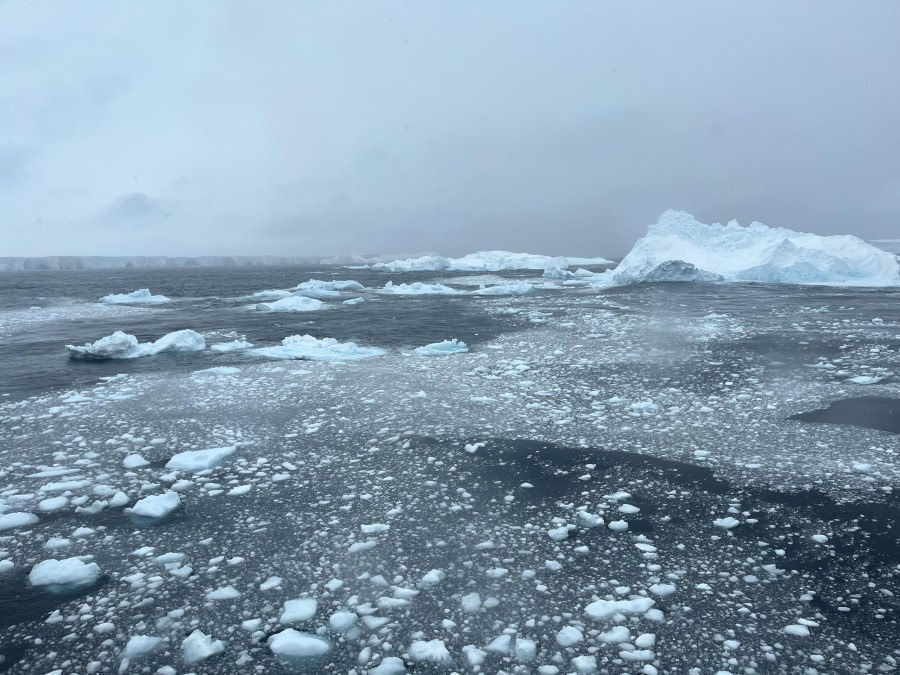
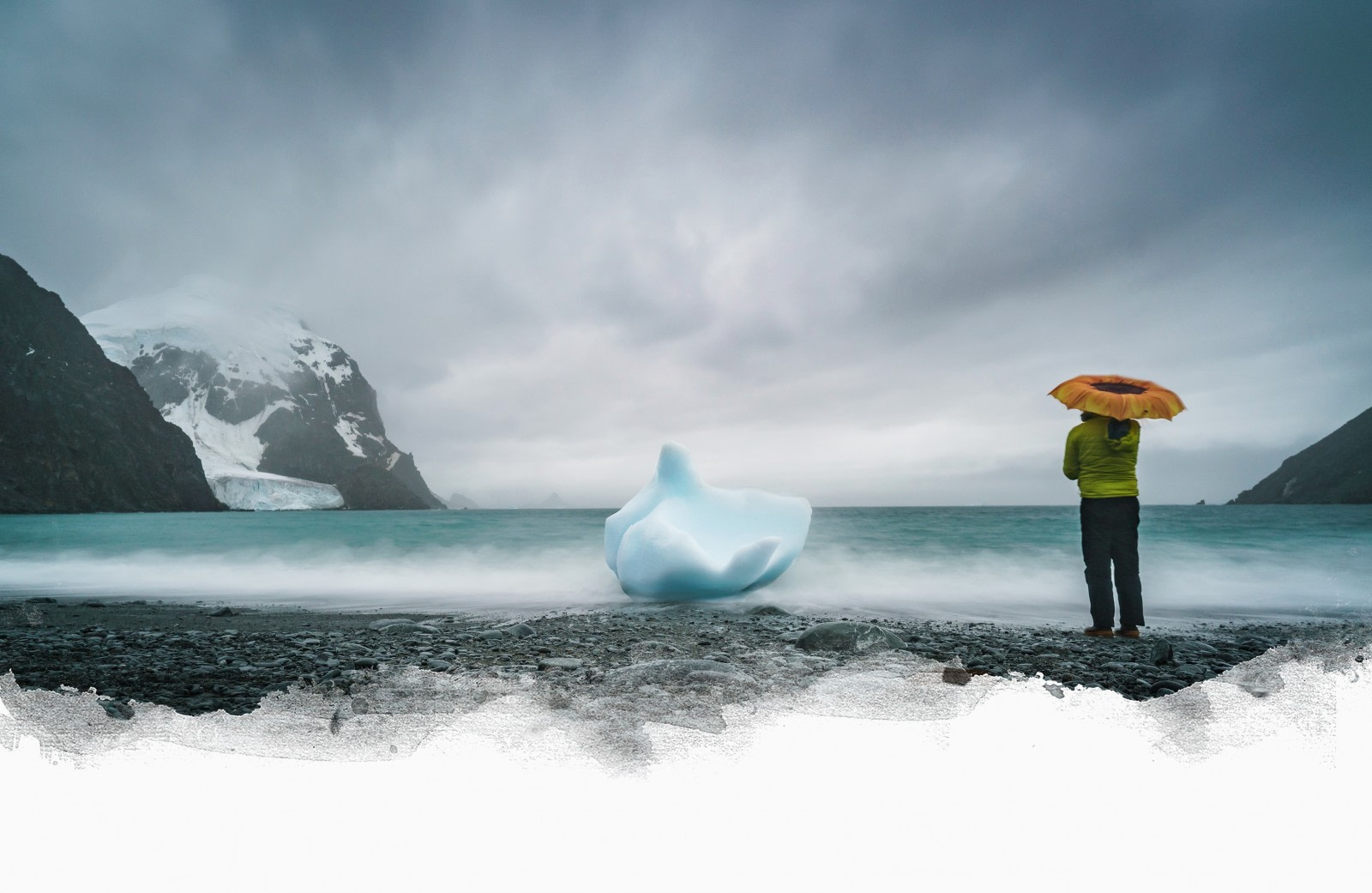
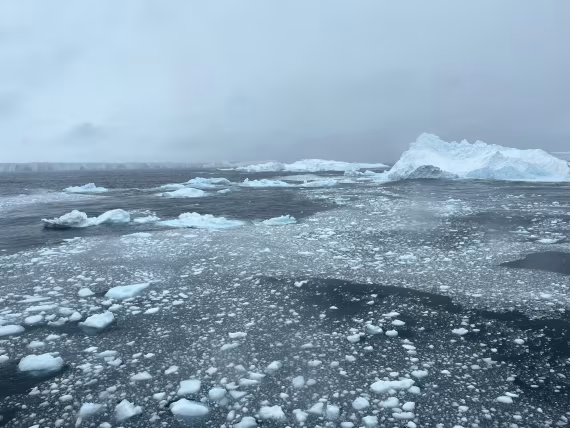
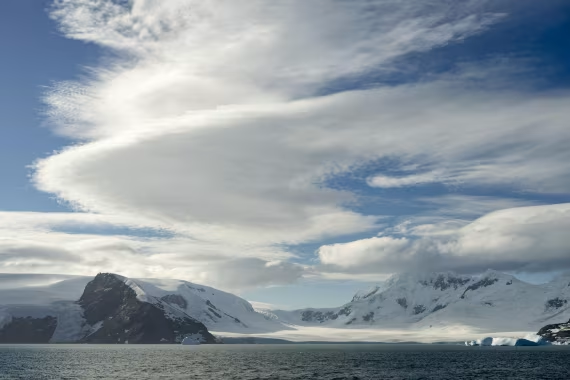
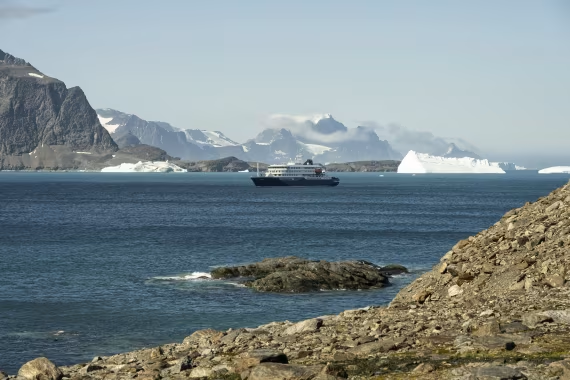
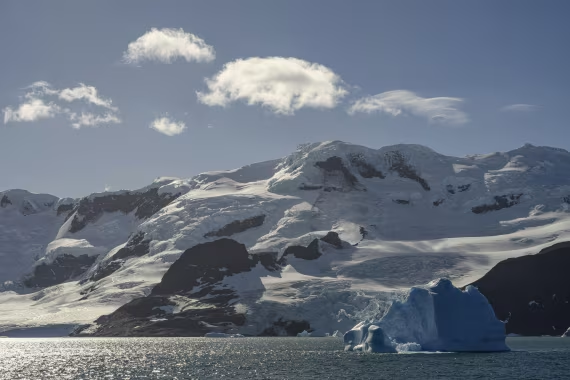
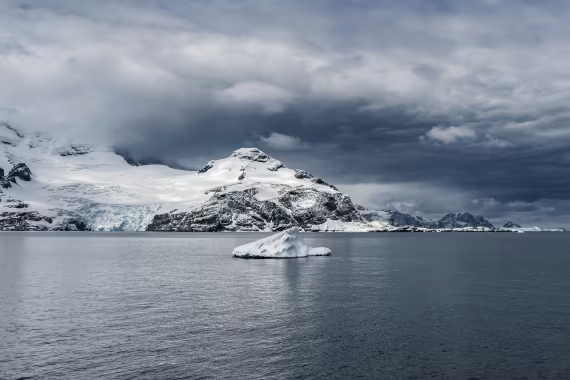
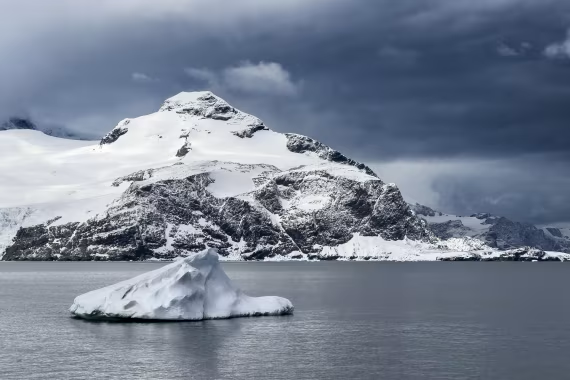
La Isla Coronación tiene el punto más alto de la región con el monte Nivea, que se encuentra en el glaciar Sunshine y a 1.265 metros (4.050 pies) de altura. Esto, combinado con el alto porcentaje de glaciares y diversidad de aves marinas y pingüinos ayuda a que las Islas Orcadas del Sur sea un destino atractivo para exploradores y aventureros que buscan una experiencia única de vida. El área alrededor de las islas esta a menudo plagada de enormes témpanos lo que hace de un crucero a las Islas Orcadas una gran experiencia.
¿Qué equipo se necesita para hacer fotos del eclipse solar y tienen que traerlo los pasajeros?
Galería de fotos


About the South Orkney Islands
South Orkney Islands Weather
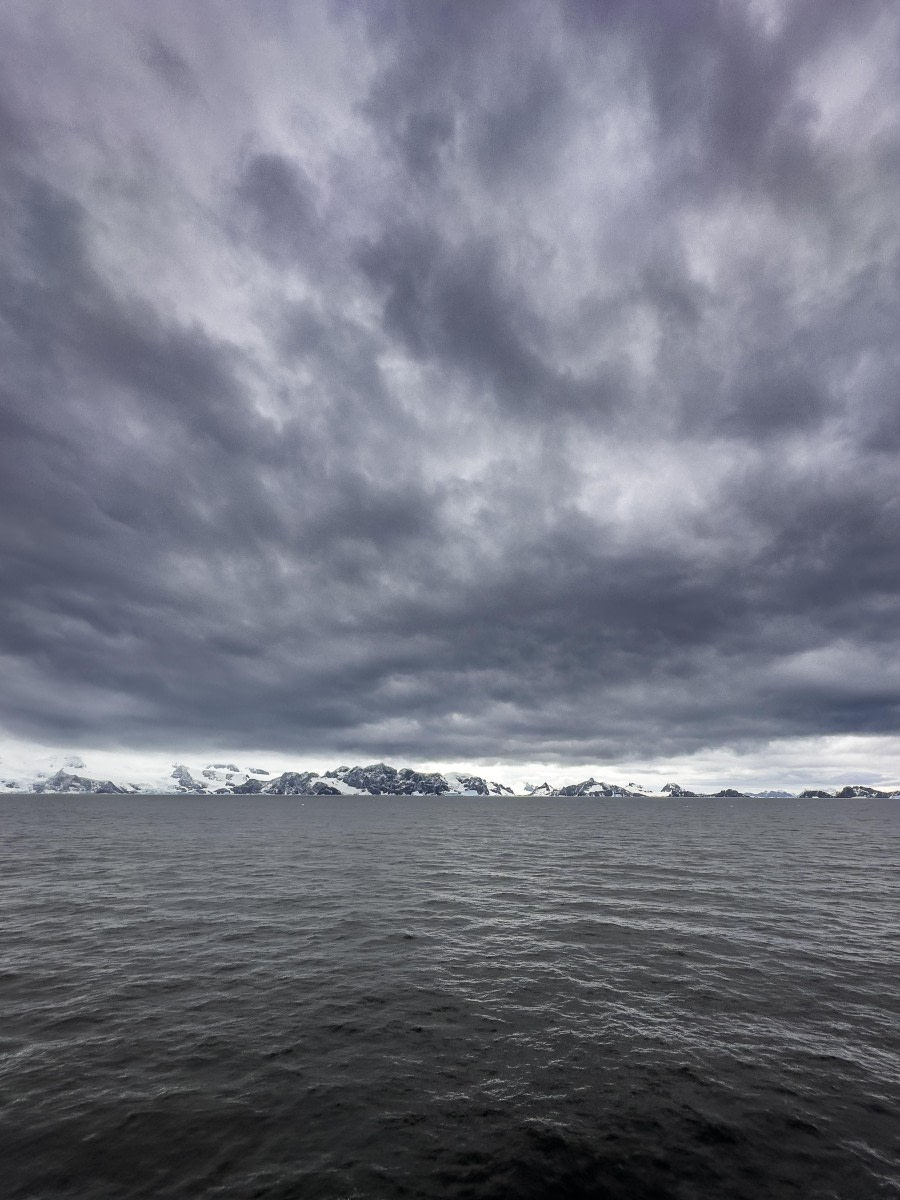
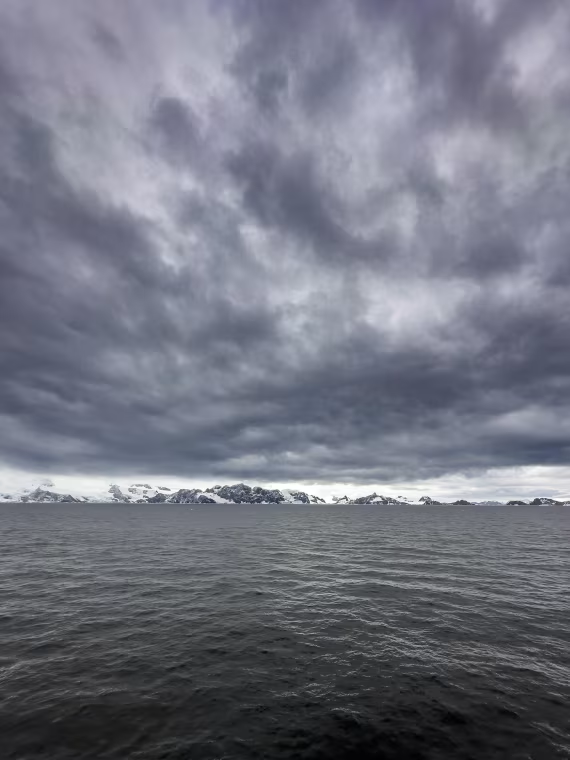
The overall climate you’ll experience on your South Orkney Island expedition is cold, wet, and usually quite windy. During the summers (December through March) temperatures hover at just a little bit over 0°C.
During the winter (around July) the average temperature falls to around -10°C.
Facts about The South Orkney Islands
- The South Orkney Islands sit about 600 kilometres to the northeast of the Antarctic Peninsula.
- The only inhabitants are the people working at one of the two research stations (one British, one Argentinian).
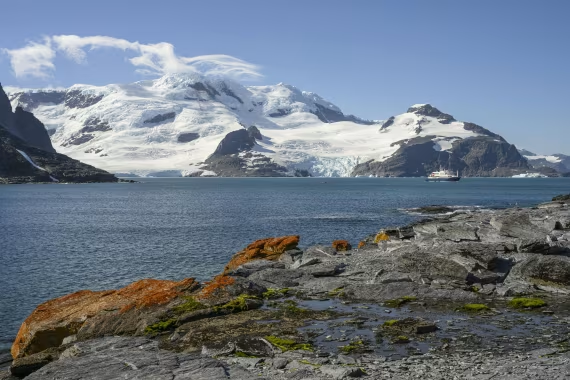
- Despite the cold of the region the South Orkney Islands do support some plant life – algae, lichen, and mosses.
- The South Orkney Islands are considered to be an archipelago (chain of islands). There are four main islands – Coronation Island, Laurie Island, Powell Island, and Signy Island. The rest of the archipelago is made up of smaller islands such as the Saddle Islands and the Robertson Islands.
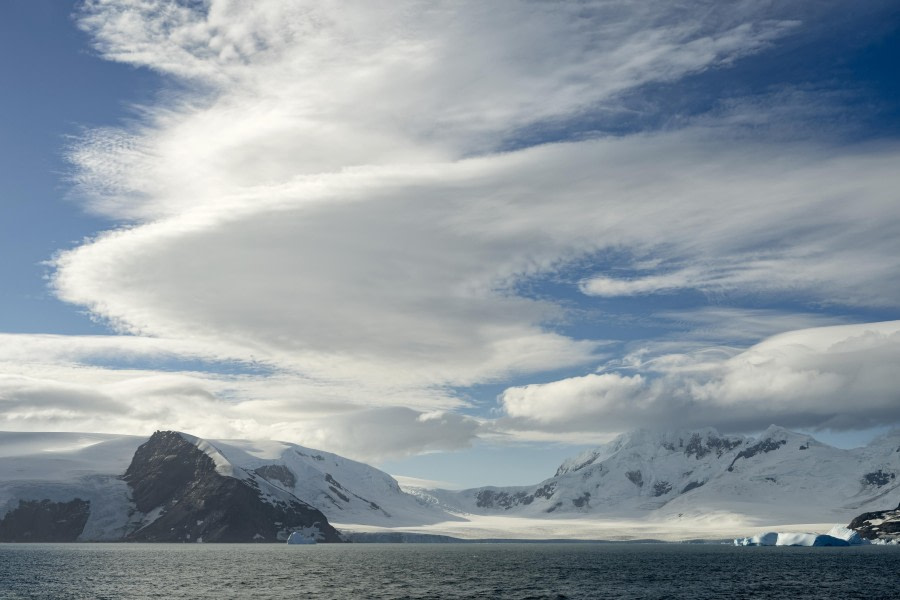
- Almost 90% of the South Orkney Islands surface area is covered in glaciers.
- The South Orkney Islands were originally called “Powell’s Group” after George Powell a Brittish sealer joining the American Nathaniel Brown Palmer, who discovered them in 1821.
- The oldest ongoing research station in the whole Antarctic region was established on Laurie Island in 1903 by Scottish Oceanographer William Speirs Bruce. He sold the station to Argentina in 1904. Orcadas Station is still operational today.
Travel to the South Orkney Islands
A trip including South Orkney Islands takes you into the heart of one of the most important breeding grounds in the world for Adélie and Chinstrap penguins. Your South Orkney Islands expedition affords you the chance to take in some incredible bird watching, say hello to a variety of seals, and make friends with the local penguin populations.