PLA05-26, trip log, North Spitsbergen Explorer - Versatile landscapes, sea ice & wildlife - Summer Solstice

by Oceanwide Expeditions

Galería de fotos

Bitácora

Day 1: Embarkation day

Embarkation day
Fecha: 21.06.2026
Posición: 78°14.1’N / 015°37.1’E
Viento: WNW-3
Clima: Partly Cloudy
Temperatura del Aire: +7.5

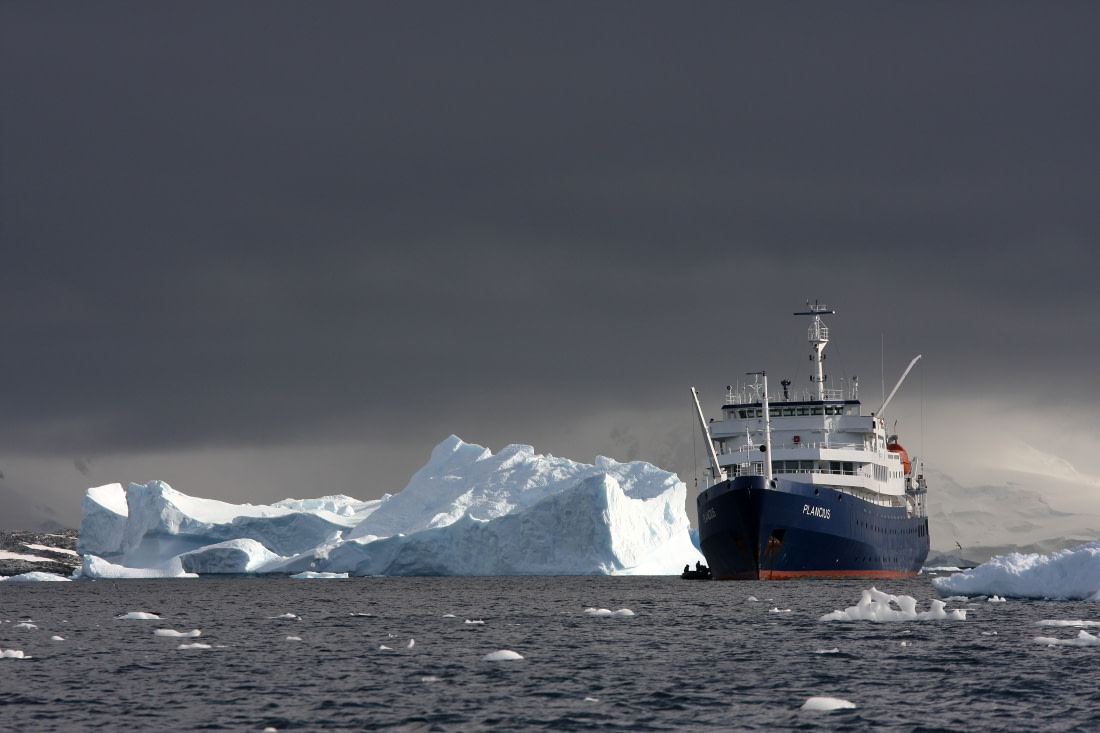
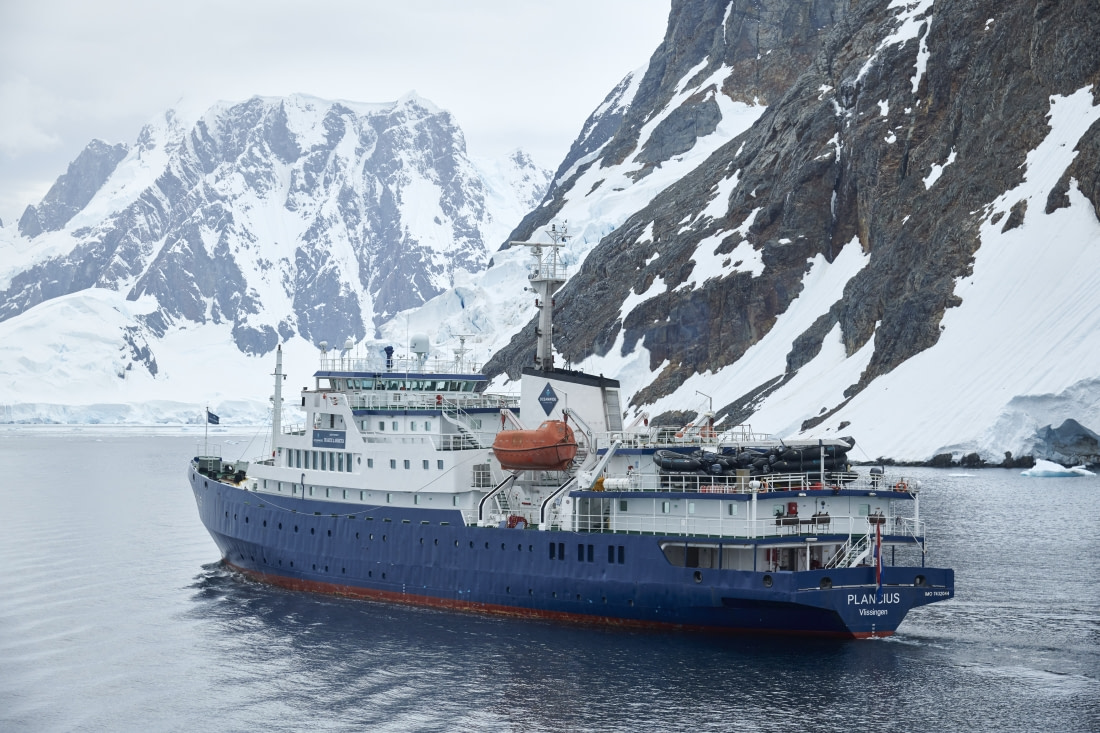
Many of the guest arrived at Longyearbyen on the day of embarkation. Throughout the afternoon the luggage was shuttled from the key out to Plancius on anchor in the bay. By 4pm there was an eager line of guests waiting to embark on the Zodiac journey! Our luck with the weather meant that we could save our wet zodiac journeys for later in the trip.

Once on board the evening went by quickly as we were busy with familiarisations, safety briefings, cocktails with Captain Matei Mocanu and of course a lovely first dinner. As we set off out of Isfjord in the evening, and northward towards our first scheduled activity of the trip, there was time to enjoy the views of the flat table-topped mountains in the late evening light.

Day 2: Smeerenburg glacier and Fuglefjorden

Smeerenburg glacier and Fuglefjorden
Fecha: 22.06.2026
Posición: 79°38.0’N / 011°30.8’E
Viento: S-1
Clima: Overcast
Temperatura del Aire: +7

What an incredible start to our tour!

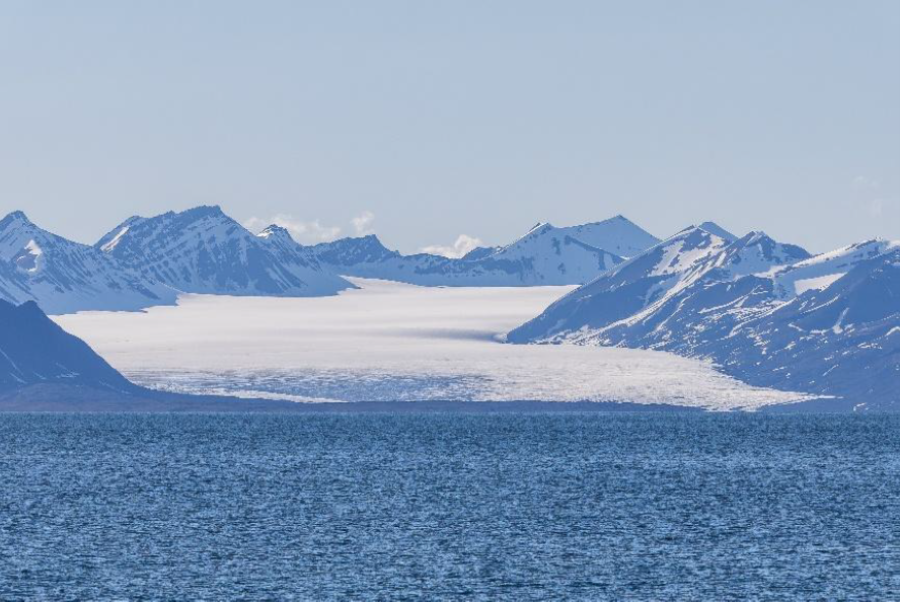
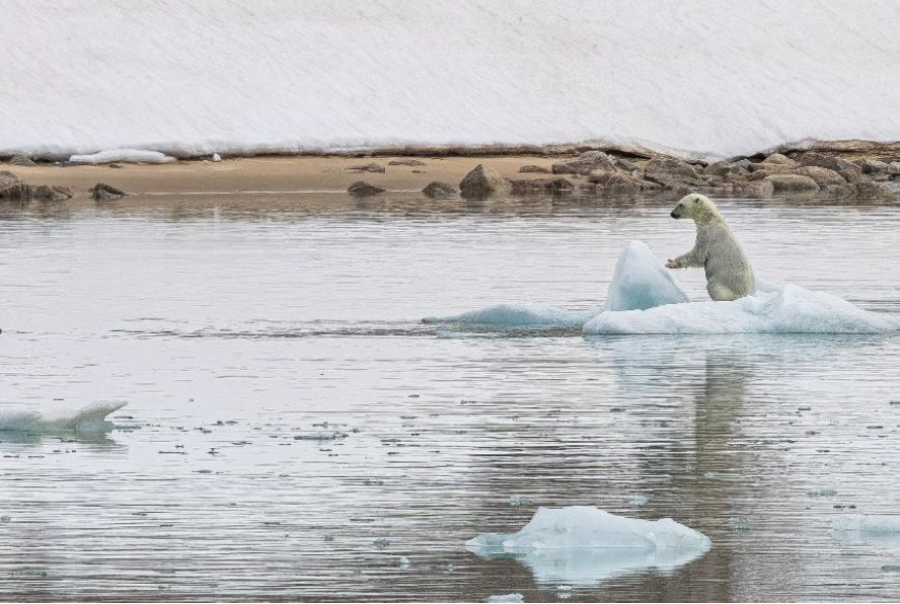
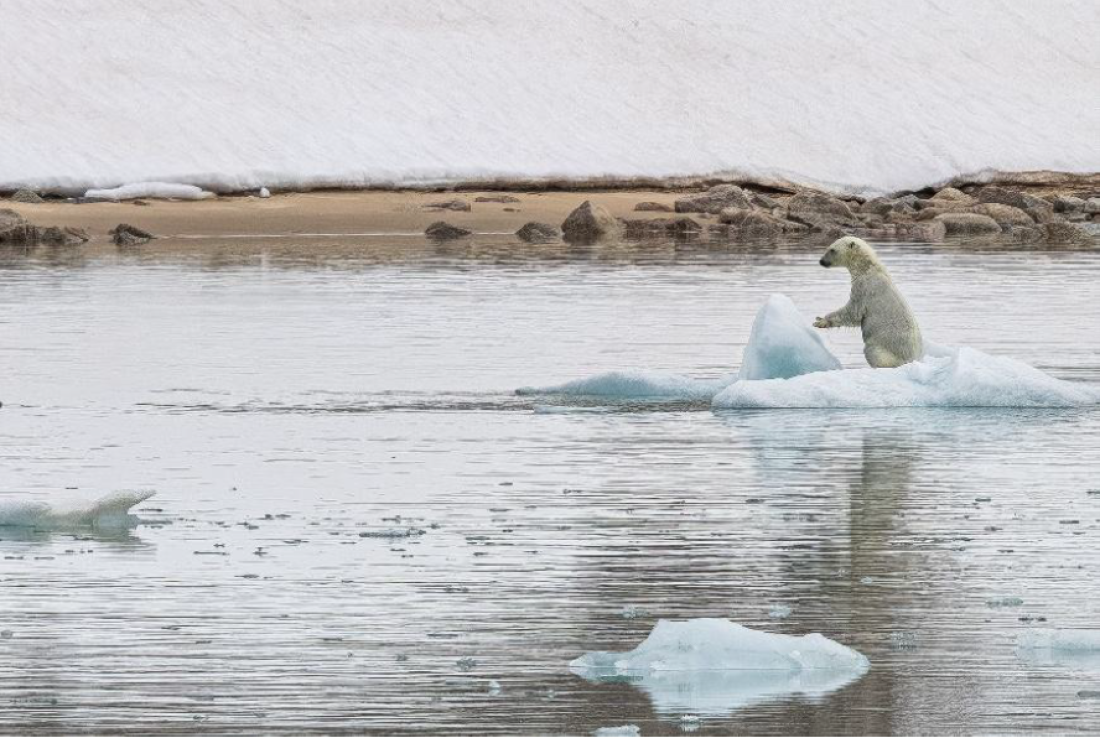
After a calm night aboard Plancius, we sailed into the beautiful Smeerenburgfjord, named after the legendary 17th century Dutch whaling town, that was located on the nearby Amsterdamøya. In the early morning, we could already see the mountain panorama that gave this archipelago its Dutch name: Spitsbergen, the “pointy mountains”. After breakfast we were all invited to the lounge for our mandatory zodiac and polar bear safety briefing. Right after that meeting, we heard an announcement over the PA system: a minke whale had been spotted swimming in the bay in front of the glacier – a great reason to dress up warm, getting your camera and binoculars and head outside. Only half an hour later, Steve, a passionate birder and wildlife observer from the UK rushed to the expedition team. “I think I found a bear!” And indeed, he had spotted a polar bear swimming in the water in front of the glacier – almost impossible to see! Most of us only discovered the animal when it shortly climbed up onto an ice floe. And back into the water it went. Swam a bit further, investigating another ice floe, an iceberg, trying to climb up, sinking back into the water, swimming a bit further… many of us could still not see the distant bear in the water. Eventually it swam to shore and climbed out onto the rocks. It shook its wet pelt and rolled around in the snow to dry off after swimming. What an amazing sight to see this majestic predator roll in the snow like a puppy. The bear continued along the coast in search of food. Some barnacle geese flew off when it approached. We had a lot of time to peacefully follow the polar bear with our binoculars and camera lenses until it vanished into the next bay and out of sight.

We could not believe our luck of seeing a polar bear on the first expedition day of our voyage to the Arctic!

The ship continued its route towards the glacier and finally onwards towards Fuglefjord, the “bird fjord”, named after the many different birds, that breed and live along its shores. After lunch, we got ready to go on a zodiac cruise. The weather was beautiful with sunshine and a mild breeze; however, we were happy that we dressed up warm since cold fall winds drop down the glacier arms and speed up due to the funnel effect of the valleys – these winds are also known as “katabatic winds”.

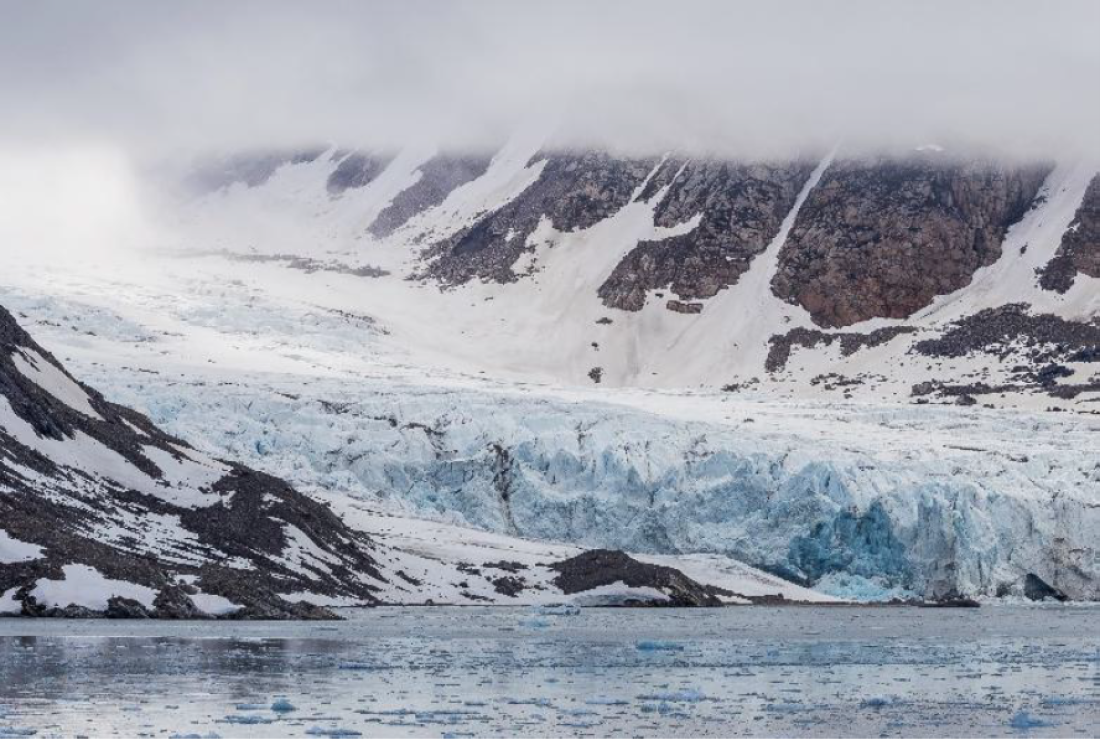
Right in the beginning of the zodiac tour, we saw our first puffins, Brünnichs and black guillemots. We cruised on enjoying the spectacular panorama around us. Getting closer to the glacier front, we could hear some rumbles and every now and then a piece broke off, the glacier was calving. We made sure to keep our safety distance of 400m and had a great time observing the towering glacier front, waiting for the next calving. The whole bay was covered in icebergs, pieces that had come off Svitjodbreen. It was fascinating to drive through the crushed ice, listening to the sound when the air bubbles escape and looking at the fantastic colours and shapes the ice creates. We made our way through the ice slowly back to the ship, observing kittiwakes, Arctic terns, and eider ducks along the shores. We eventually returned to the ship, happy about this great day in Svalbard!

During the evening, we joined the recap in the lounge, where Jan told us more about the plans for tomorrow, Karine explained how to identify whether a polar bear is fat and healthy and Michelle told us about the species list where we’ll gather all the animal and plant species we find along this journey.

After dinner, we enjoyed a scenic ship cruise along the islands of Indre and Ytre Norskøya, a glimpse onto the open ocean beyond makes us realize that there is only water between us and the North Pole now. We can’t wait to go further north.

Day 3: Jotunkjeldene Landing and Mushamna Landing

Jotunkjeldene Landing and Mushamna Landing
Fecha: 23.06.2026
Posición: 79°27.3’N / 013°22.8’E
Viento: SW-5
Clima: Clear
Temperatura del Aire: +13

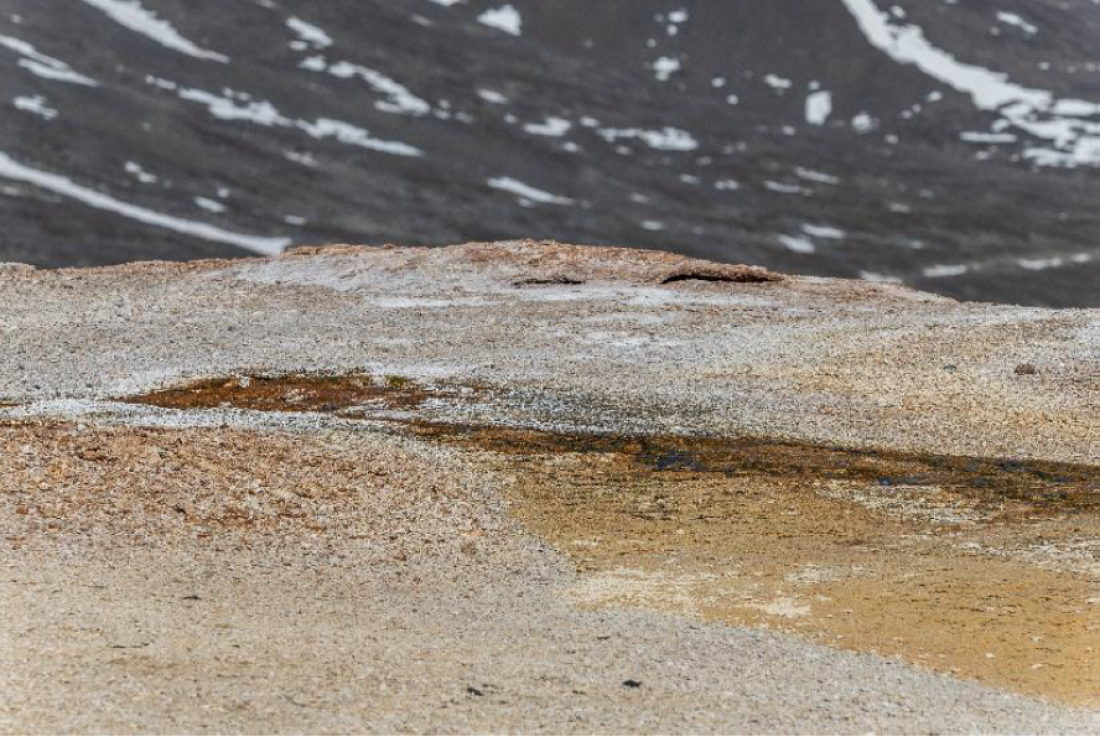
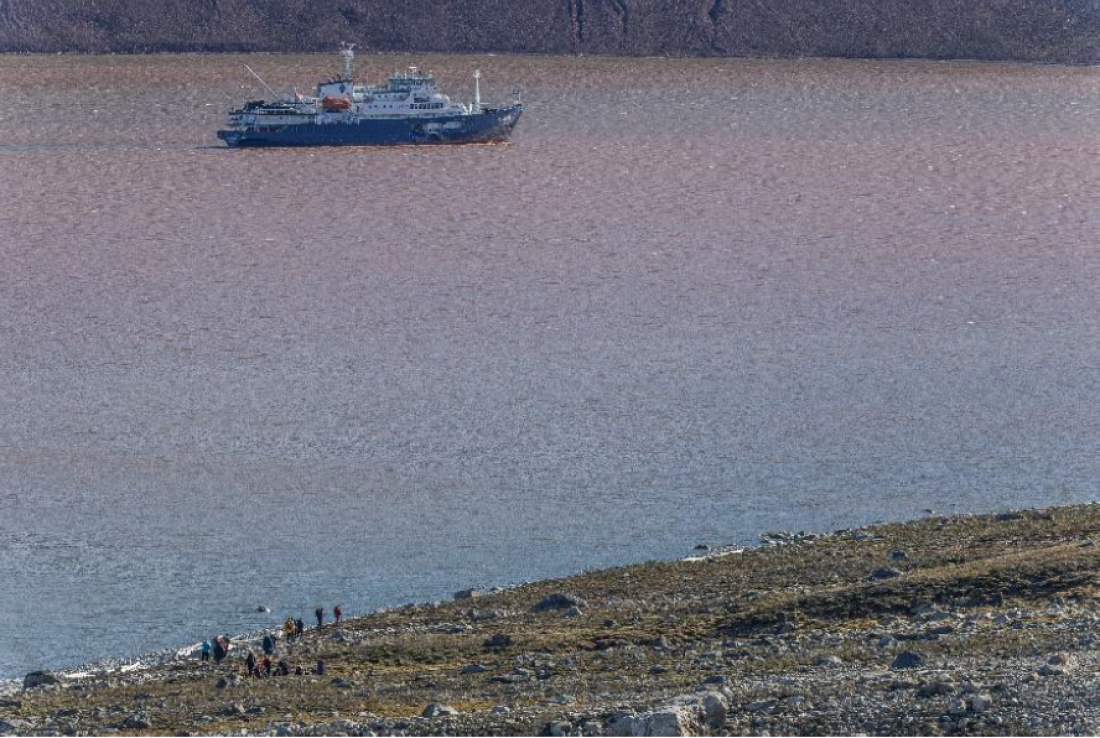
In the morning we sailed into Bockfjorden for our very first landing. We visited Jotunkjeldene, Svalbard’s “hot” springs. Already from the landing site we could see the yellowish cone that has been created where the “hot” spring is. On the beach we divided into three hiking groups, the sportive group who went for a longer walk on the slopes of the mountain Smørstabben. From the highest point of their hike they had a beautiful view of the glacier Friedrichbreen and on the way down they also saw a Svalbard rock ptarmigan. The medium groups explored the lowland around Jotunkjeldene and got to see lots of interesting plants for example the Mountain avens (dryas octopetala) and saw some reindeer in the distance. The leisurely group also conquered the difficult terrain and managed to get up to Jotunkjeldene and could admire the beautiful sinter terraces and see the water slowly flowing out of the wells. The temperature in Jotunkjeldene is approximately 24 degrees, and they are not only warming up the area around they are also home to one of Chloes favourite creatures, the water bear. This is a tiny organism that can withstand a large range of temperatures and can live in very many different habitats.

Back at the ship we had a wonderful lunch before Jan asked us to meet him in the lounge to get to know more about our afternoon landing at Mushamna.

Mushamna is an relatively young trapper station that was built by the trapper Kjell Reidar Hovelsrud in 1987. He was first denied building it but with help of the Svalbard treaty he managed to get permission. The hut is built out of driftwood and is one of the most impressive trapper hut. At the hut Kat told us about her fieldwork in the lagoon in Mushamna. During that time, she was allowed to live in the cabin for a week in February. It was very interesting to hear her stories. The sportive group went for a longer walk inland to a viewpoint where they could see the beautiful landscape in Tårndalen. The leisurely and the medium groups stayed closer to shore and where lucky to see a pod of Belugas. However, there was an imposter in the beluga pod, a walrus was swimming together with them! Later we all gathered on the landing site for a wet ride back in the waves.

Day 4: Landing at Torellneset and zodiac cruise at Alkefjellet

Landing at Torellneset and zodiac cruise at Alkefjellet
Fecha: 24.06.2026
Posición: 79°22.4’N / 020°40.4’E
Viento: S - 5
Clima: Partly Cloudy
Temperatura del Aire: +9

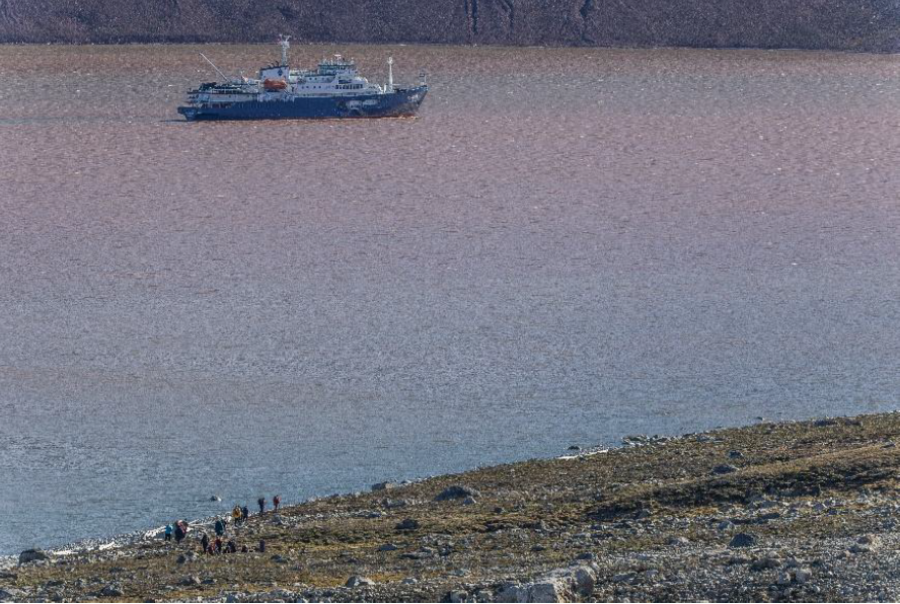
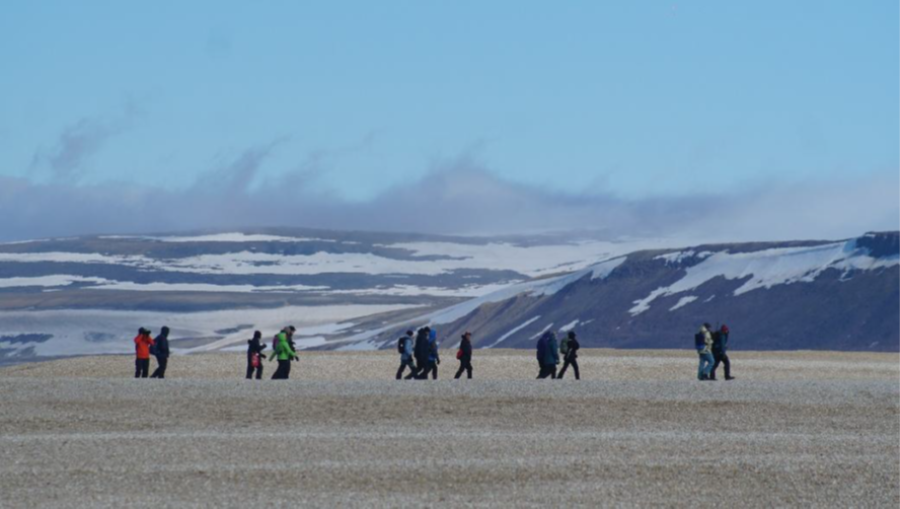
Already at 7 o’clock we were woken up by the voice of Jan, who planned to start early, to be able to take the max out of the day. After an hour of breakfast we were expected at the gangway at 9AM to land at Torellneset at the southwestern point of Gustav Adolf Land, Nordaustlandet. In 1898, it was named after professor Otto Martin Torell, a pioneering Swedish geologist. He was also a zoologist, botanist, glaciologist, and polar explorer. For us today was the day to explore the High Arctic desert, where at first sight, there is hardly anything else to find than a stony ground, which once was a seafloor, being lift up by the isostatic rebounce. At second sight there appeared much more to it. In small ditches, where snow had been accumulated and molten, little oasis with little plants were to be found. Polar-mouse-ear chickweed (Cerastium regelii), Purple saxifrage (Saxifraga oppositifolia) and even the national flower, the Svalbard poppy (Papaver dahlianum) and some mosses are able to grow in this desert. The sportive group made it all the way to the icecap and came across reindeer.

The other groups had fun with the snow, and in one of the groups a snowball fight was started – Switzerland against the rest. The fun ended when a Polar bear was sighted in the distance. Without any break, all groups returned to the landing site and from there all made it safe back on board.

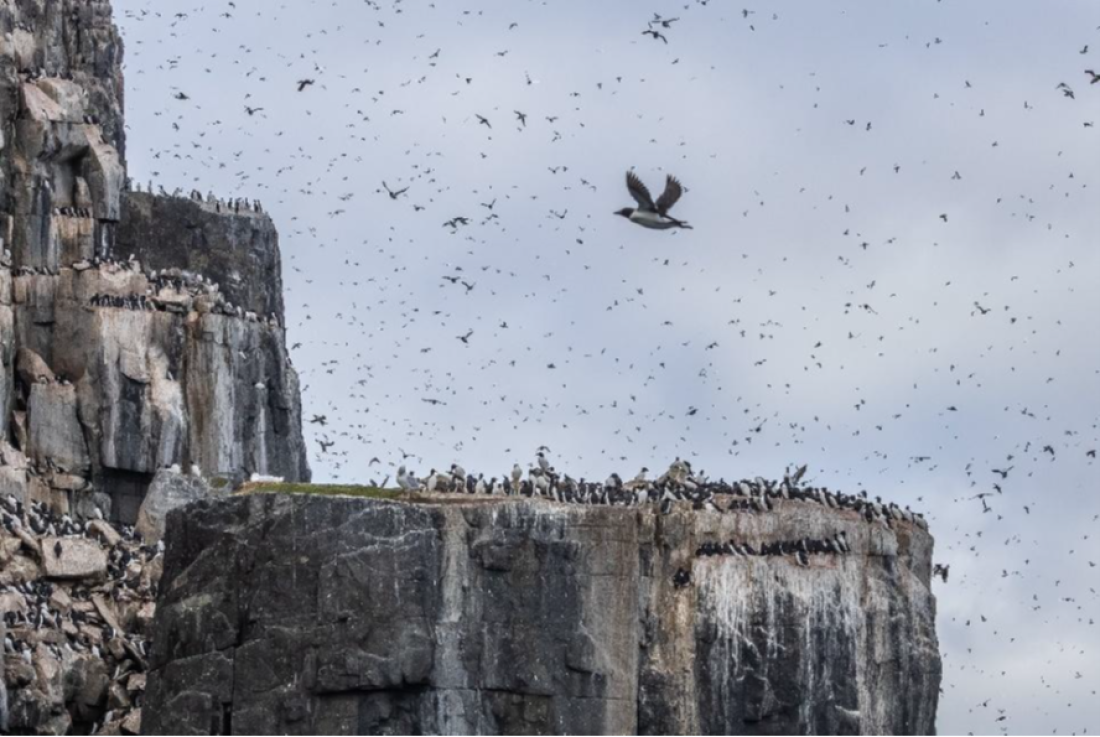
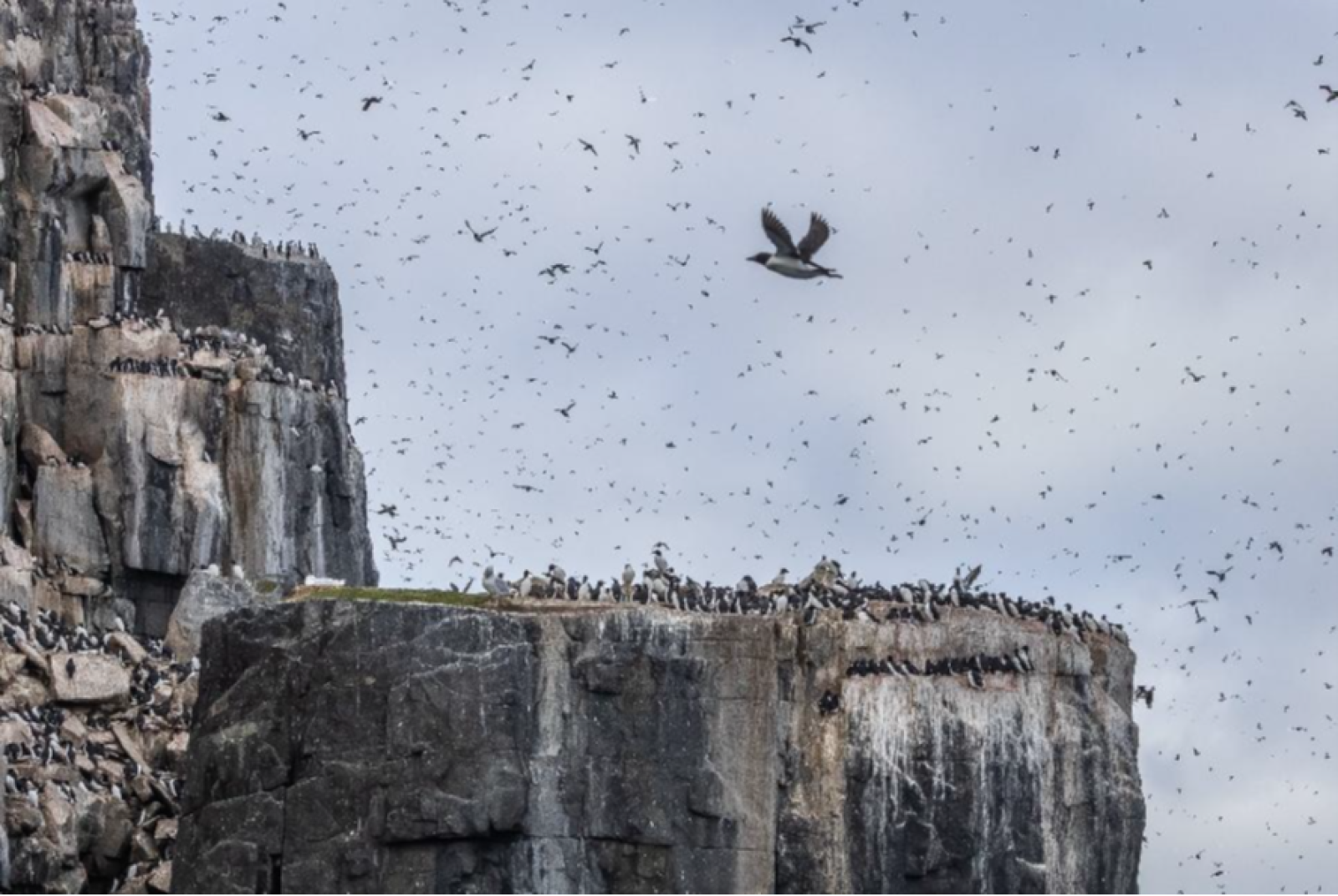
Our afternoon outing was a zodiac cruise along Alkefjellet in Hinlopen Strait. A bird cliff which is the nesting location for over 60,000 breeding pairs of Brünnich’s guillemots (Uria lomvia). The cliffs are made of basalt columns up to a 100 m high, interspersed with a dark layer – a dolerite intrusion in the older Permian limestone. We will never forget the view, the sound and the smell of these impressive cliffs and the amount of birds filling the sky like mosquitos on a summer day. Hardly knowing were to look with so much action, it was easy to miss the Great skua and Glaucous gulls feeding on guillemots, the egg that felt down the cliff or the kittiwakes nesting in between. Luckily nobody missed out on the two Arctic foxes (Vulpus lagopus) patrolling at bottom of the cliffs, looking for food.

After dinner we were treated at a ships cruise in Wahlenbergfjord, with still some pieces of fjord ice drifting. Shortly before midnight a Polarbear with two playful cubs were to be seen.

Tired of so much beautiful impressions we went to bed, to be fit for another day to come.

Day 5: Sorgfjord and Wildlife at the edge of the pack ice

Sorgfjord and Wildlife at the edge of the pack ice
Fecha: 25.06.2026
Posición: 79°56.2’N / 016°44.9’E
Viento: Lt Air
Clima: Overcast
Temperatura del Aire: +1.5

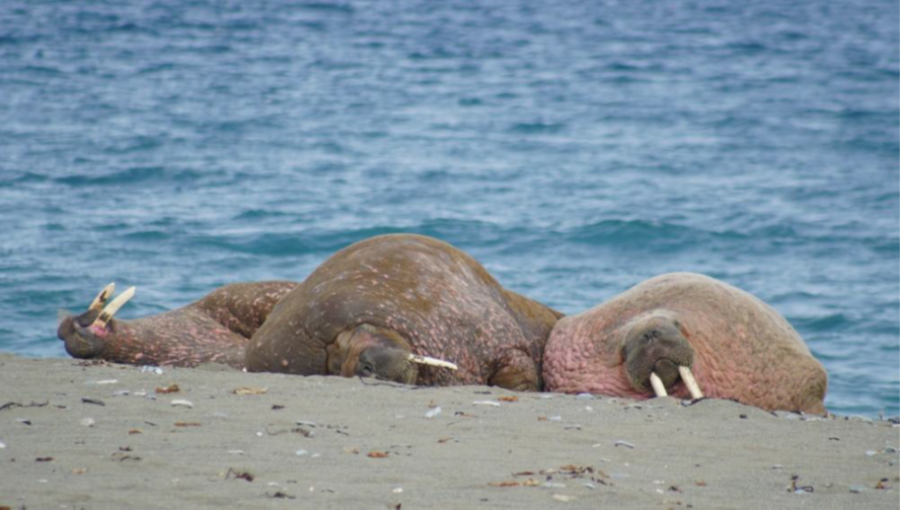
This morning we had another early breakfast to fuel ourselves for the morning landing at Eolusneset in Sorgfjord. We were excited to learn that there were three adult male walrus resting on the beach. We split into our usual four walking groups and took it in turns to visit the walrus. We moved very slowly as a group along the beach to see these enormous marine mammals lying in the sand. They were scratching themselves and stretching in a comical way and one even rolled down the beach into the water.

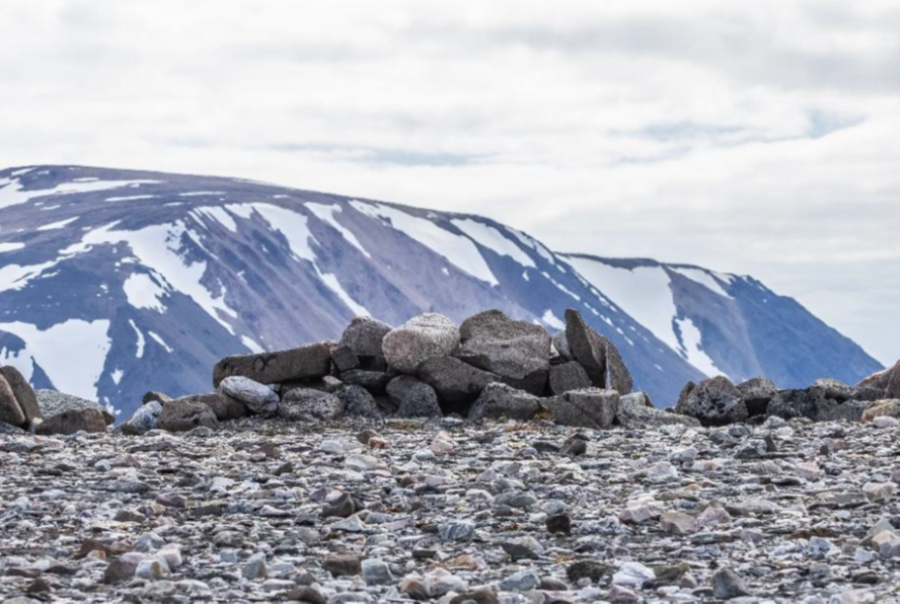
The walking groups then took different routes around the landscape. One of the key areas to look at were the graves of whalers marked with piles of large rocks. The burial ground at Eolusneset has 30 graves dating from the western European whaling activities in the 1600s and 1700s. The number of graves grew over the years as it was the same few selected places that were in use as burial grounds during the whaling era. The Eolus cross on top of the hill was erected by Skipper C. Holmgren from the schooner Eolus of Bergen, which was trapped by ice in Sorgfjorden in 1855. He intended to commemorate the diseased from the battle in Sorgfjorden in 1693 as the casualties were believed to have been buried at Eolusneset. This turned out to be a myth. The graves at Eolusneset lie as silent monuments to the international whaling that took place in Svalbard 300-400 years ago. They tell a story of a risky workplace from a time when the whalers mastered the arctic sea and coast. Prepared for death they stocked their ships with materials for coffins on their northbound journeys.

Many of us also had excellent views of Rock Ptarmigan whilst looking at the graves. We watched a male still in his white winter plumage foraging on the ground with a beautifully camouflaged female with feathers that made her disappear in the moss and rocks.

The landing took a little longer than we expected because we had to make a detour around some arctic terns who were fiercely defending their nest sites. But we could take a rest in the afternoon as we were at sea sailing towards to pack ice. After lunch many of us had a nap to recover our energy. Koen gave us a lecture all about sea ice. It was fascinating to learn about this unique habitat and very concerning to see how it has disappeared and continues to disappear each year due to climate change. At the same time one of our passengers Kat gave a talk about her work with sea ice in the dining room for our German speaking guests.

We had some nice sightings of a fin whale and some minke whales in the afternoon as we sailed out into open water. We gathered for an early recap in the afternoon where Jan told us the plans for our day in the ice. Jess gave us some more information about the amazing Brunnich’s Guillemots that we had seen at the cliffs of Alkefjellet. Michelle then told us about the Arctic fox and impressed us by showing the distances that they can travel. Chloe showed us a glimpse into the tiny and beautiful world of lichen. And Ursula finished off by telling us about her life-sized animals that she makes to inspire and educate people about the natural world.

We were very excited to arrive in the ice and spent lots of time outside taking in this new atmospheric icy world we had found ourselves in. We even had the chance to have dinner outside as the hotel department had arranged a BBQ for us on the back deck. We were enjoying dancing, exchanging stories and the amazing chocolate sponge pudding when a call came to tell us a distant bowhead whale had been spotted. Sadly, it was a fleeting view and only a handful of passengers saw it, but then remarkably some blue whales were spotted, the biggest animals in the world.

There was a real reluctance to go to bed that night as the evening light and silky calm sea created such a beautiful ice landscape and perfect conditions for watching large groups of harp seals swimming by and bearded seals resting on ice flows.

Day 6: Ice day and Polar bear sightings

Ice day and Polar bear sightings
Fecha: 26.06.2026
Posición: 80°47.8’N / 013°45.9’E
Viento: SE - 2
Clima: Overcast
Temperatura del Aire: +8

After the past days of getting up early we got to sleep in for 30 minutes. Many of us enjoyed this while others got out as early as usual to be out on deck. Either way the view out of the window was a surprise and breathtaking as we were surrounded by ice! What ba different place we have reached!

After breakfast the Plancius started to slowly plough through the dense ice floes pushing them to the left and right. The sound created was rather unique. Everybody was standing at the railing to scan the ice. It stretched all the way to the horizon. Looking down from high one could enjoy the various shapes, subtle colours and surface structures of the ice floes. We were in awe of this exceptionally and unique beauty only nature can create.

Soon after breakfast the first exciting call over the PA system announced a rather unique and rare bird; a ivory gull circling around the ship. To scout for wildlife, we then moved slowly out of the pack ice and turned westwards to sail slowly and quite close along the pack ice edge. For the next hours numerous binoculars, scopes and cameras were raised and many more naked eyes started to scan the water surface and icy landscape for wildlife. Various flocks of Brünnich’s guillemots and their smaller relatives, the tiny little auks offered exciting breaks from our focused scouting. In the water the small heads of a single seal appeared for a few seconds while other times a dozen harp seals swam together in tight groups.

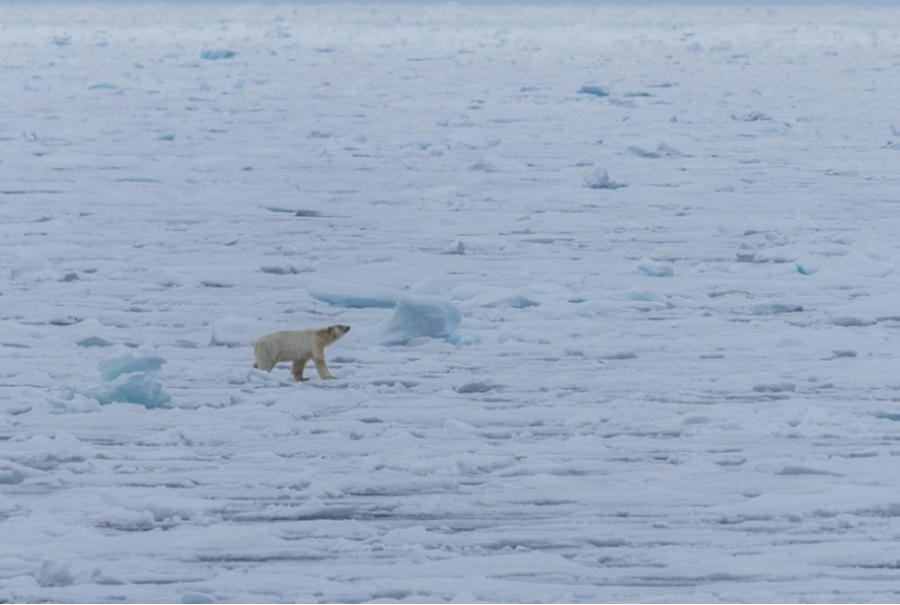
We all felt what the early whalers were going through. Scouting, waiting, searching and hoping to discover something. Then, finally, the long-awaited bing-bong rang out: A polar bear walking in the distance. All guides on deck immediately started to walk from guest to guest to make sure that they all can see it. The bear was walking fast, zigzaging the area in its typical search mode. We followed slowly enjoying the King of the Arctic in its true habitat. Finally, we had to let it go as it was not possible to get closer. Not giving up yet we continued to follow the pack ice edge and enjoyed the seals in the water and the birds in the air.

After lunch the search continued in the hope to discover a Greenland whale or even a narwhal. But our luck was only able to offer us another very distant bear. Finally, we had to leave the area heading south. Our plan was to follow the continental shelf west of Svalbard. Here the sea floor rises from the deep ocean creating a steep wall. Here the cold water layers are redirected vertically bringing nutrients to the surface, creating an area of higher productivity. We hoped for the best to discover some whales feeding along the slope.

While sailing it was an ideal time to offer another lecture. In the morning Michelle and Karin gave a presentation on the polar bear. They opened a window into their fascinating lives, their role in the polar ecosystem and the threats they are facing nowadays. In the afternoon, Chloé and Ursula offered a lecture on cetaceans so that we were well prepared in case we will encounter some of the ocean giants.

Sure enough, the lectures had just finished, when the by now well-known bing-bong rang again. Fin whales are seen. The excitement on board increased immediately and everybody walked fast to the window our out on deck. One of the fin whales surfaced just 15 m beside the ship, slowly swimming and breathing eight times! We all could take in its beauty, discover its typical light-coloured right jaw as well as a beautiful pigmentation pattern, called chevron, in various shades of grey. What a gift we received at that moment.

Then it was time for our daily recap. Just as Jan started to explain the plans for our last day a group of white-beaked dolphins passed the portside of the ship. What a cool sight. Then Jess offered a little quiz of animal sounds. The first were the low calls of a humpback whale. Strangely, Jesse said out loud, “I believe I can hear a singing whale in the back.” Sure enough, a life-sized juvenile humpback whale, made by Ursula, walked up on stage giving us all a better idea of the whales’ size. As it swam away we all were cheering and tried to imagine an adult of double size. Visit www.121withanimals.ch to see more of Ursula’s life-sized mock-ups of many different species.

After dinner some blue and fin whales were spotted confirming that the idea of spending time along the continental shelve was right.
Day 7: morning landing at Poolepynten and afternoon landing at Dahlbreen

morning landing at Poolepynten and afternoon landing at Dahlbreen
Fecha: 27.06.2026
Posición: 78°26.8’N / 011°56.6’E
Viento: NW - 4
Clima: Overcast
Temperatura del Aire: +6.3

This was our last day of activities but luckily there was still so much to see and experience. We started our day with a landing a Poolepynten. Here we hoped for Walrus and luckily, they were there. The landing was a sand beach landing, and the terrain was quite open and flat. The long hikers got in first as they had missed the walrus previously so now, they got the first chance to see them. The rest of the groups were created on land and sent scattered over the Svalbard tundra. There were many things to see beyond the Walrus. There were many flowering plants like the purple Oyster plant and the Tufted Saxifrage. You just had to take a good look in between all the wooden logs filling up the higher part of the beach. Out of the tundra there were many whale bones sticking out with each one having its own little micro garden around itself. With lichens and mosses making a colorful area and Drooping saxifrage sticking out next to the bones. There were many birds nesting around and the guides had to be carefull where to take their group to avoid disturbing the nesting Ringed Plovers and Purple Sandpipers or getting attacked by vicious Arctic Terns. There were also peaceful reindeer grazing around in the distance which most groups have been able to approach. The male with large antlers was not bothered by our presence and even approached us as we were observing him. There were quite some Red Throated divers around and the occasional Great and Arctic Skua flew by. The highlight for many were the 4 Walrus lying on the beach of course. The fours males were sleeping most of the time and were not bothered by the groups getting closer and closer. The 30 m distance was easily taken, and we could take many photos and videos of these majestic animals. They did wake up a couple of times looking over and seeing what we were doing but quickly went back to sleep afterwards unbothered. With great weather and enough time to wander around everybody went happily back to the ship for lunch.

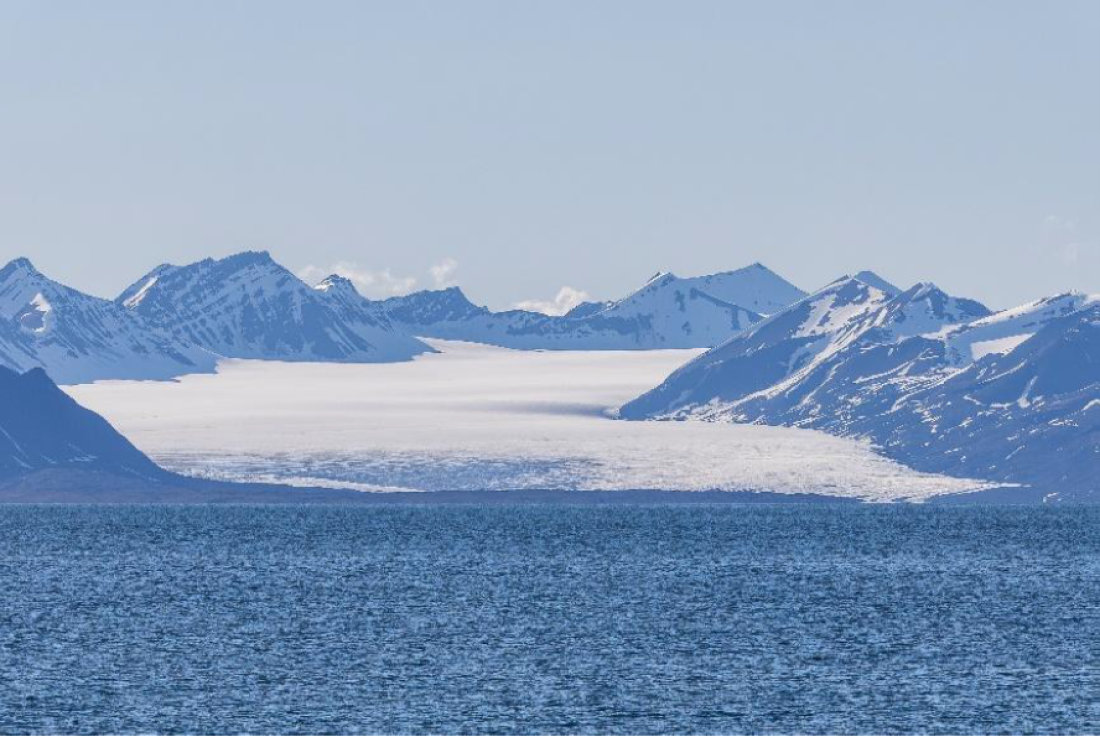
After a quick lunch the afternoon activity was already around the corner. Actually, just across the fjord as we could see it from Poolepynten. The fjord was called DahlbreBukta with the beautiful Dahl Glacier at the back of the fjord. The idea of this landing was more focused on learning more about the amazing geology, geography and glaciology of the west spitsbergen mountain range. The groups were divided at the landing site however everybody got explained that the objective was to climb up the hill between the landing site and the glacier to get exaptational views of the glacier Dahl. The terrain was not easy to walk over as there were many loose rocks, but everybody took a lot of care and were by now used to the large rubber boots. On top of the hill all groups took time to take a moment of peace and quiet. This real Arctic silence was many times interrupted by calvings from Dahlbreen but most people only could listen to it with amazement. Seeing such raw nature right in front of you and hearing the calvings thunder and rumble makes many people think about the future of these arctic regions. It was a moment to reflect and brought happiness to having seen it with our own eyes. At the end of the landing there was a last activity that some people were anxiously waiting for. The Polar Plunge! People eagerly took off their clothes to jump in the frigid arctic waters that were surrounded by icebergs. A memory for life, however good or bad it felt.

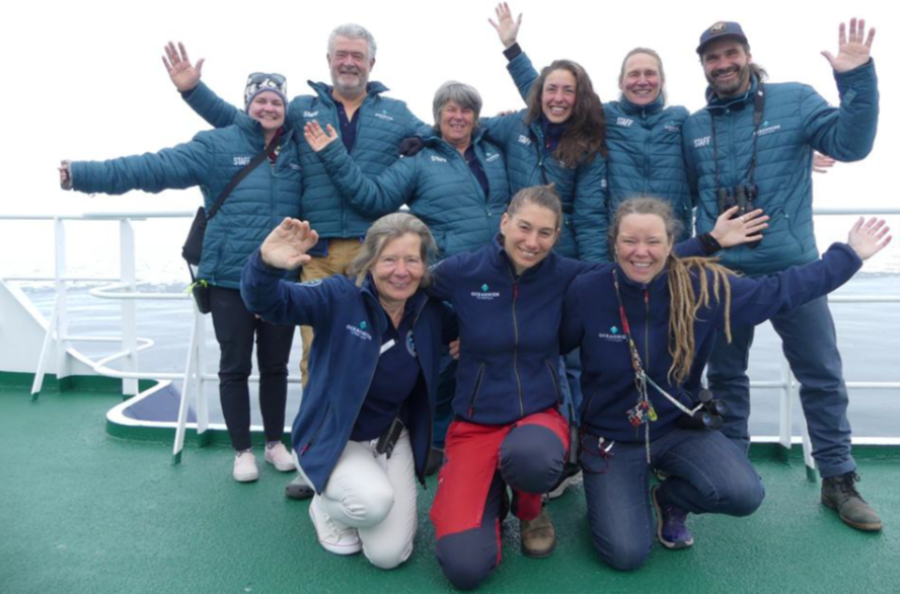
In the evening we had our last dinner on board. During this dinner many of the crew got introduced by the Hotel Manager Jeroen and were given a huge applause for all their efforts to make this journey so successful and comfortable. After dinner we had the goodbye captain’s cocktail in the Lounge. Here the EL Jan gave his thank you´s and the man of the evening, Captain Matei gave his speech. At last, we got to see the slideshow from Jess that again took us through our magnificent journey that we have had through photos and videos. A successful and adventures trip with many highlights. Many could enjoy another drink after that to celebrate this experience that we had together.

Day 8: Disembarkation Day

Disembarkation Day
Fecha: 28.06.2026
Posición: 78°14.5’ N, 015°32.6’E
Viento: S4
Clima: Overcast
Temperatura del Aire: +5

On Sunday early we arrived in Longyearbyen where we set anchor. While we enjoyed a last breakfast on board, the guides and crew hieved our suitcases onto the zodiacs to bring them ashore. It was a sad moment to disembark from the ship but we got to enjoy one last zodiac ride.

Plancius had been a comfortable and cosy home during this unforgettable journey. We have shared many unique moments, seen a range of rarely sighted wildlife, and made new friends. Loaded with fond memories we now must head home.

Thank you all for travelling with us, for your enthusiasm, support, and good company. We very much hope to see you again in the future, wherever that might be!

Total distance sailed on our voyage: 1,043 nm Northernmost position: 80°50.1’N, 014°23.7’E

On behalf of Oceanwide Expeditions, Captain Matei Mocanu, Expedition Leader Jan Belgers, Hotel Manager Jeroen Barnes and all the crew and staff of M/V Plancius, it has been a pleasure travelling with you.

Detalles

Código del viaje: PLA05-26
Fechas: 21 jun. - 28 jun., 2026
Duración: 7 noches
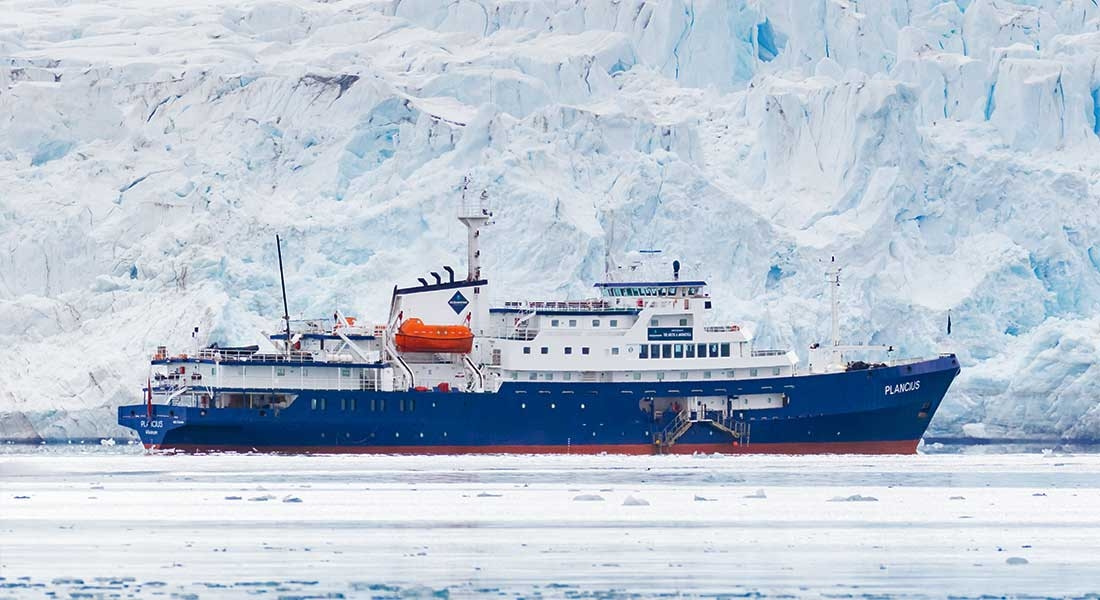
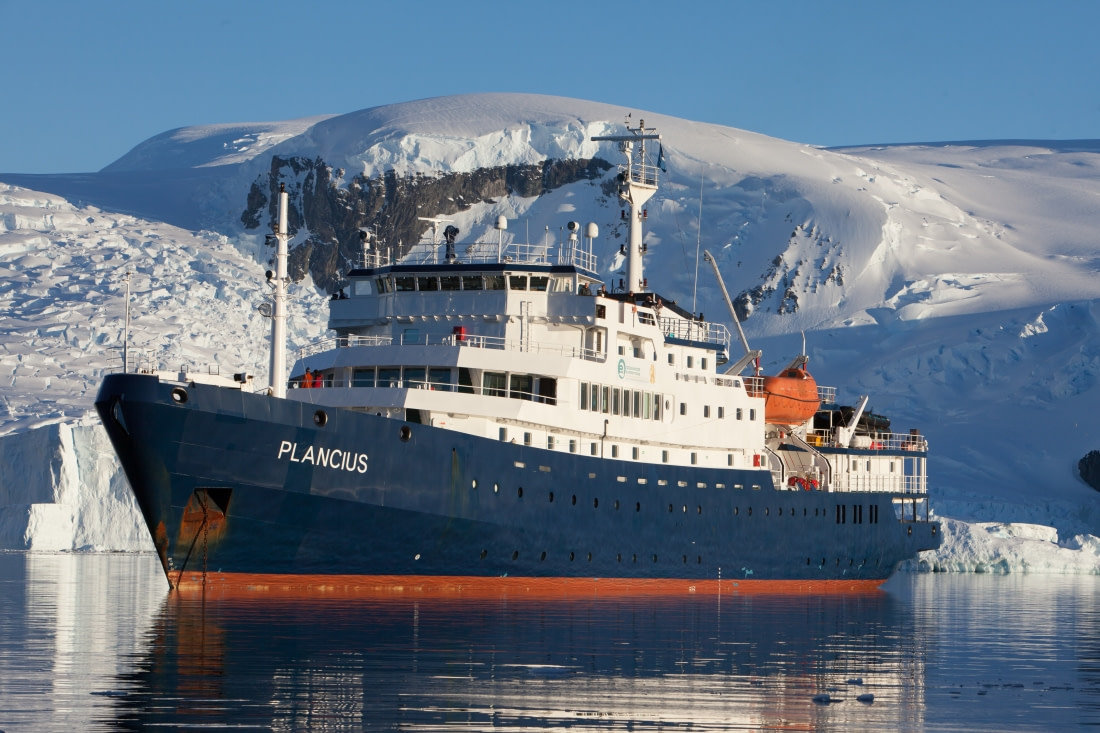
Barco: El Plancius
Embarque: Longyearbyen
Desembarque: Longyearbyen

¿Ha estado en este viaje?

A bordo El Plancius

Nuestro barco más antiguo, el Plancius, es un clásico para algunos de nuestros viajes polares más populares.

Más información El Plancius »
Loading