PLA28-26, trip log, Antarctica - Discovery and Learning Voyage

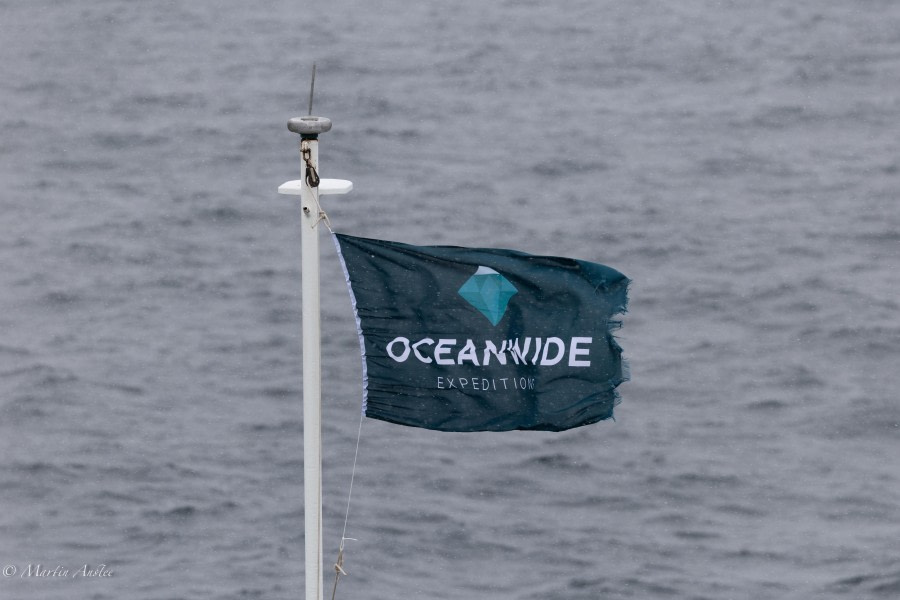
by Oceanwide Expeditions

Galería de fotos

Bitácora

Day 1: Embarkation Day

Embarkation Day
Fecha: 06.02.2026
Posición: 54°48.6’S / 068°17.8’W
Viento: SW7
Clima: P. Cloudy sunny
Temperatura del Aire: +13

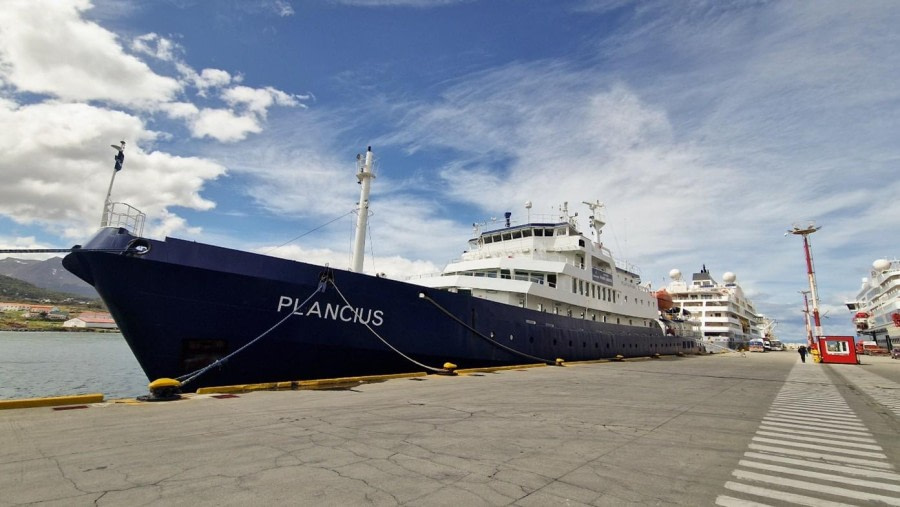
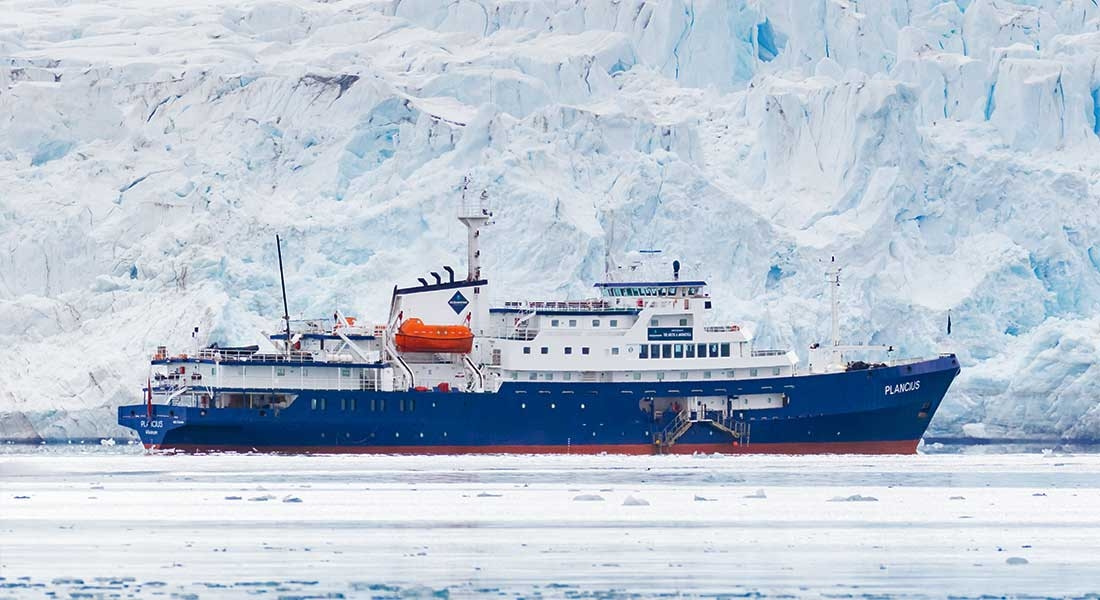
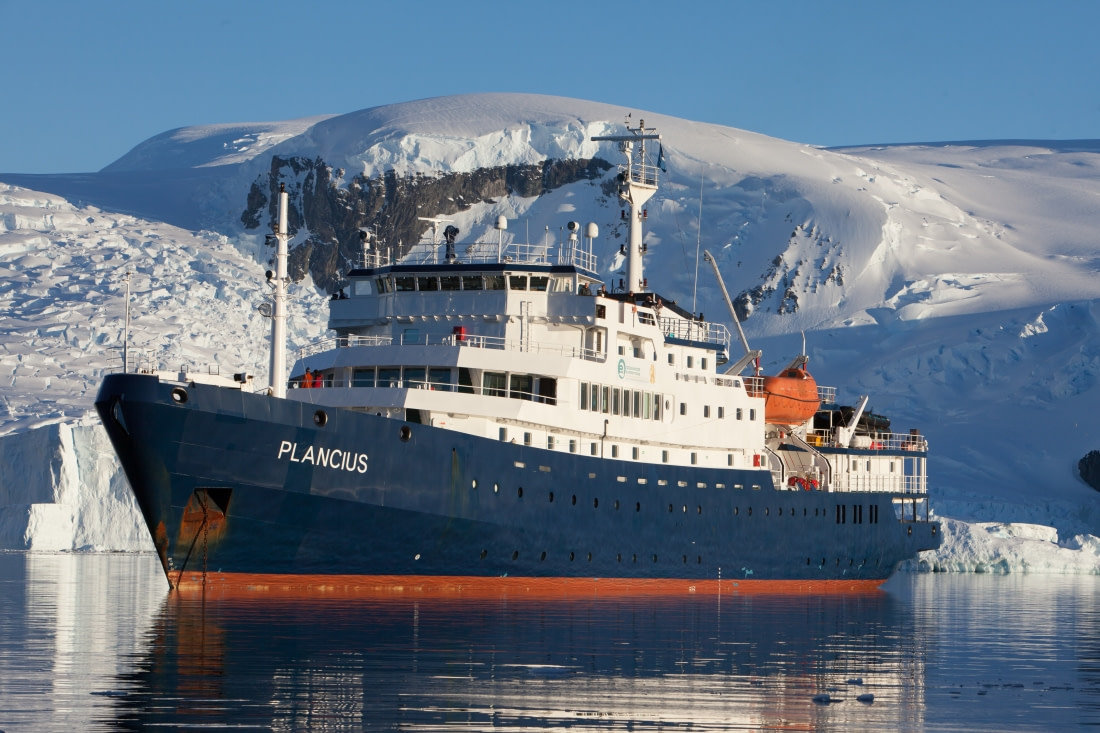
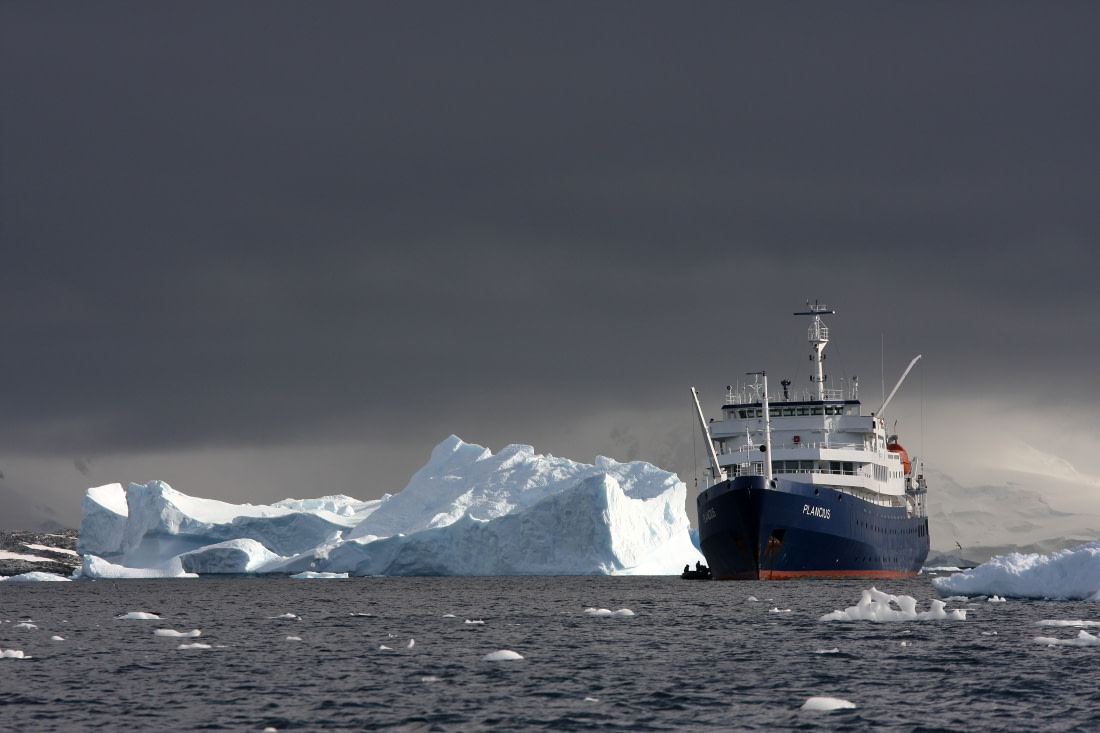
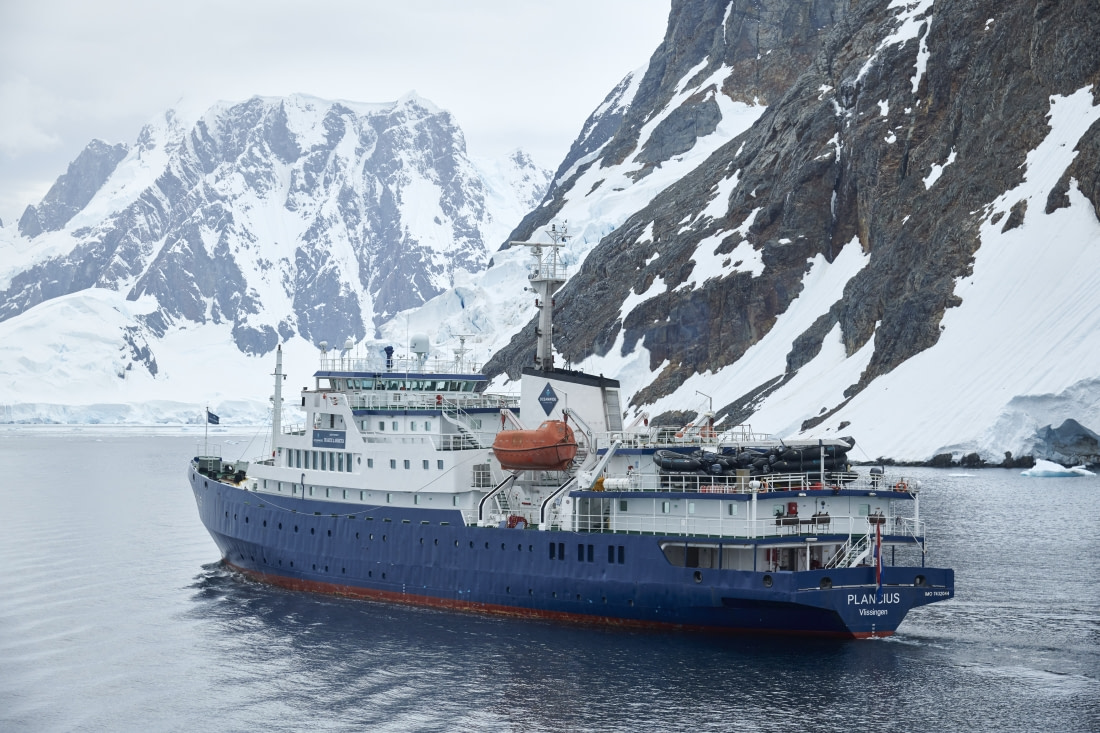
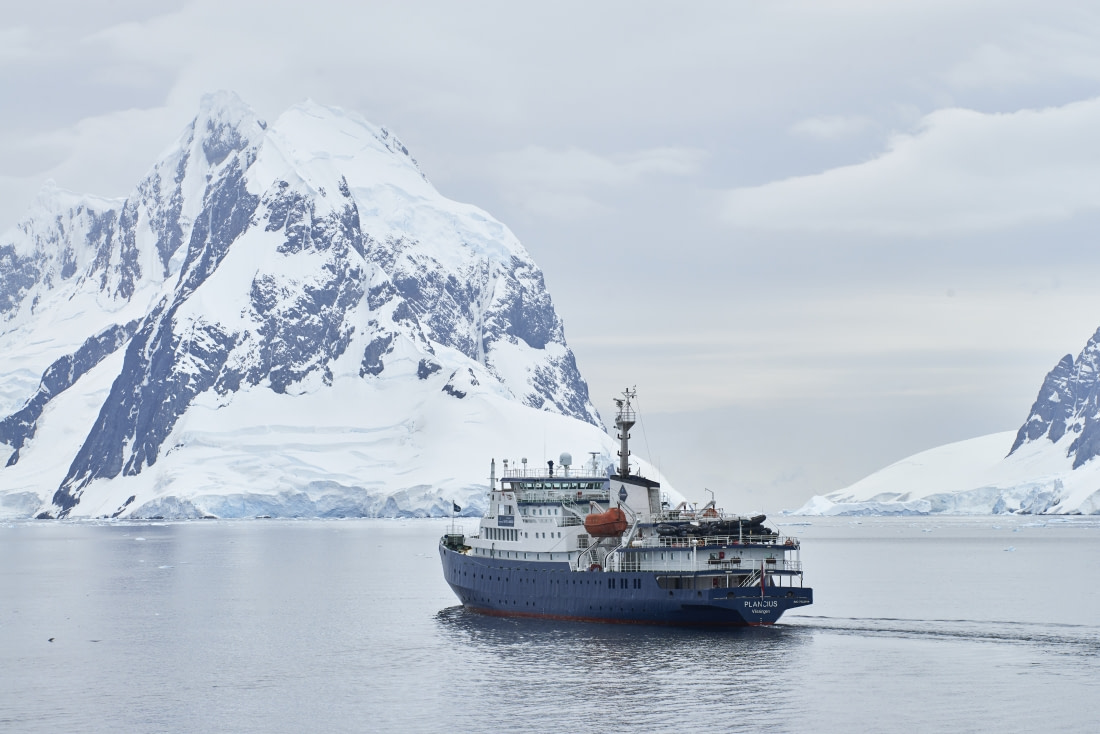
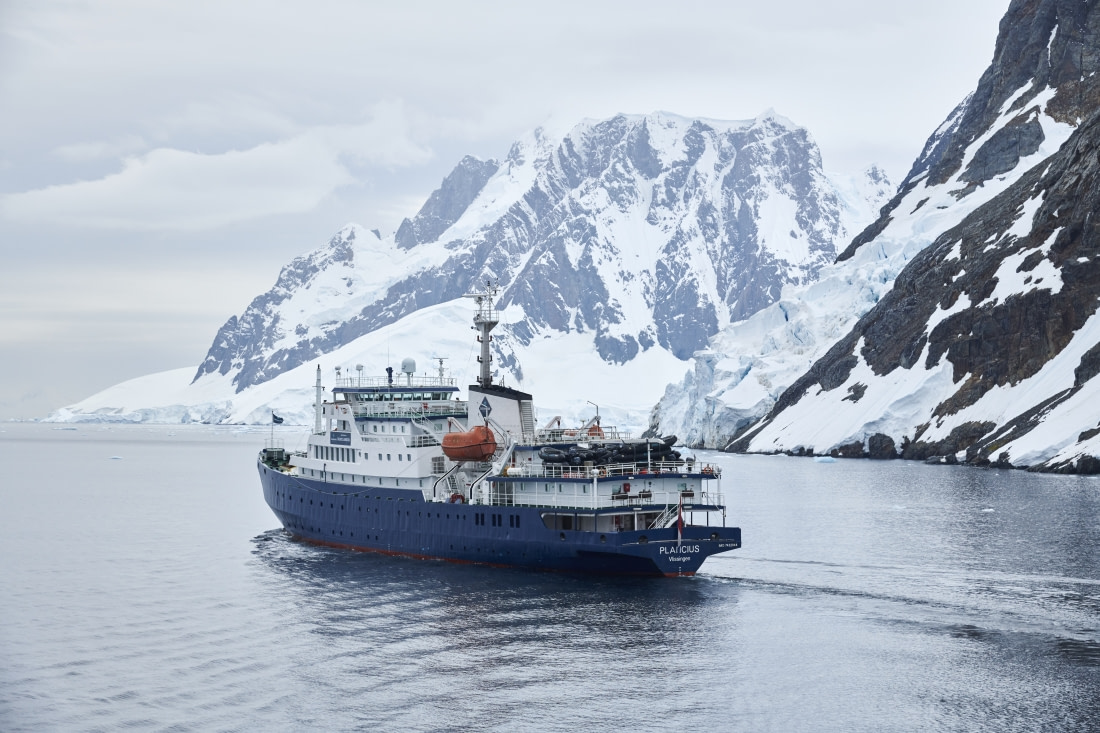
The day we'd all been waiting for had finally arrived! After traveling from distant corners of the globe, we gathered in Ushuaia to begin our Antarctic adventure. The port bustled with activity as massive cruise ships dominated the harbour, but tucked among these giants, we spotted our vessel—the distinctive blue Plancius.

When boarding commenced in the afternoon, the Expedition and Hotel Teams greeted us with warm welcomes and guided us to our cabins. We then had time to familiarize ourselves with the ship and settle in.

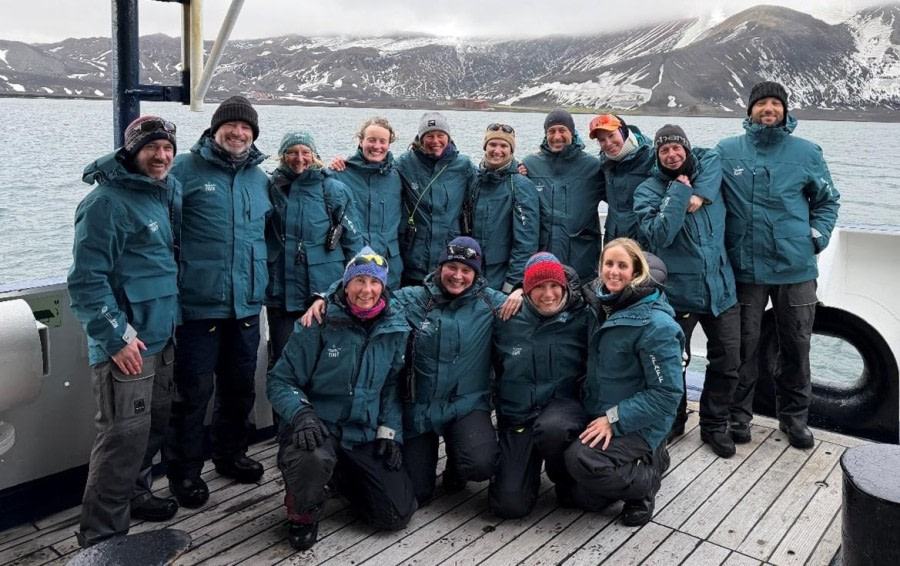
Once all passengers were aboard, our Expedition Leader Ali and our First Officer Don introduced themselves in the lounge. Following the mandatory safety drill, Captain Matei hosted a welcome reception where we toasted to the journey ahead. Hotel Manager Vova shared essential information about the ship, and Ali provided a brief introduction to the Expedition Team.

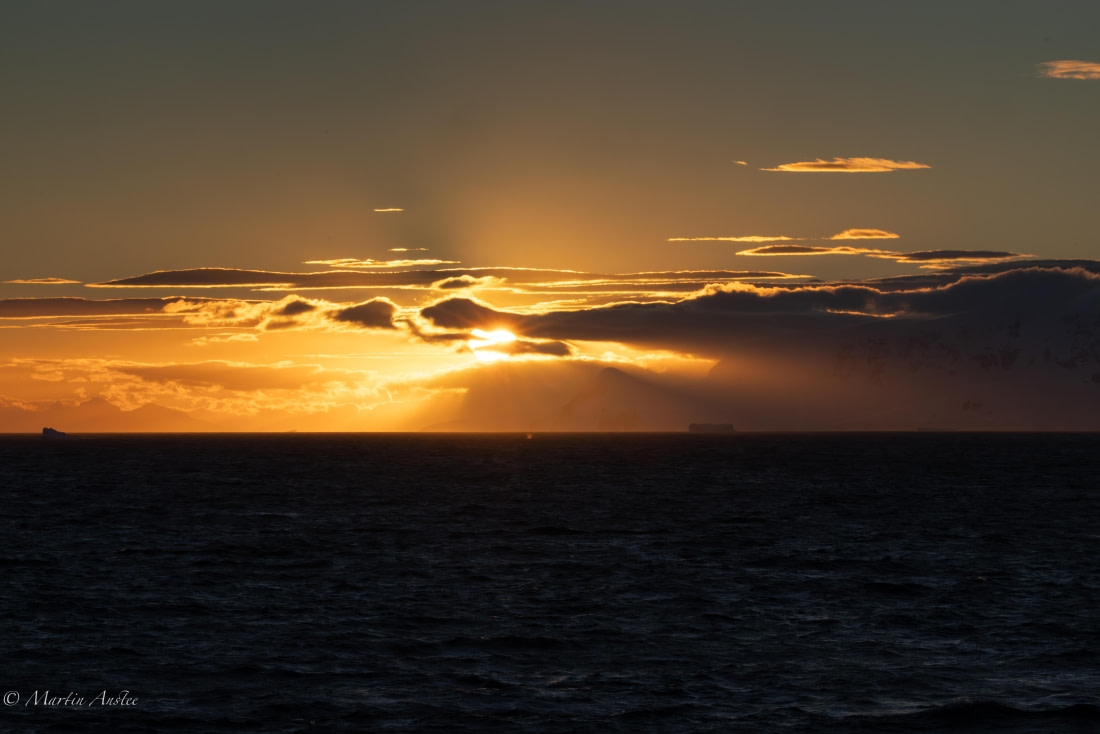
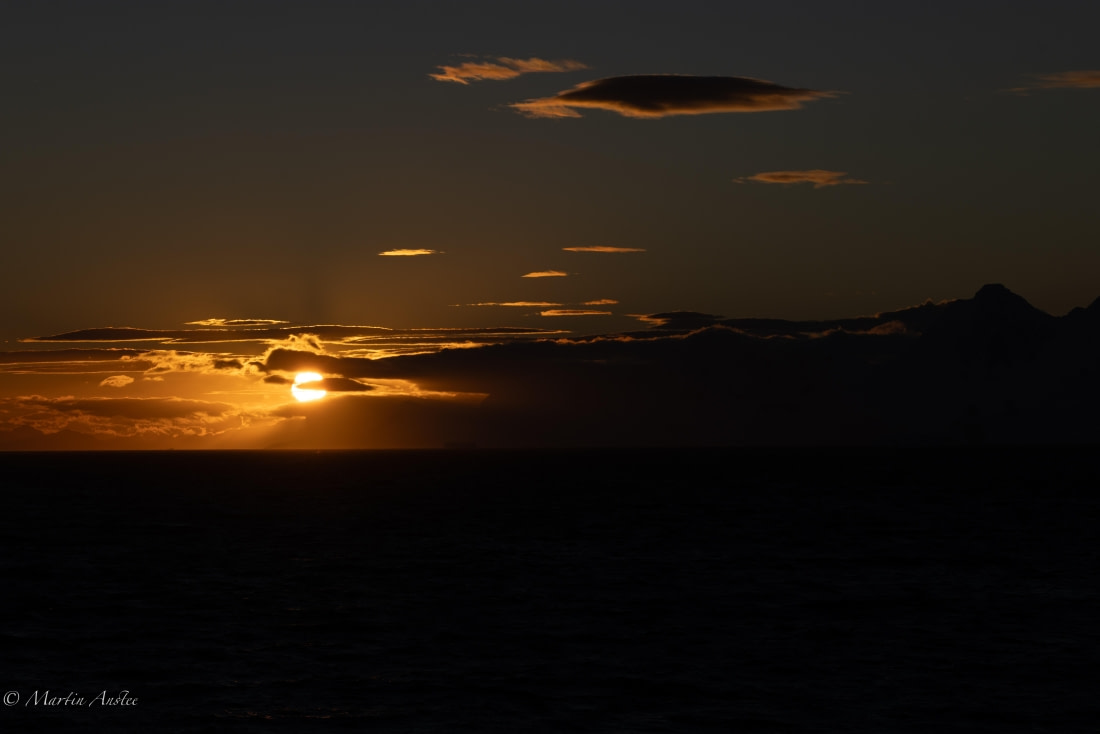
After a delicious first dinner aboard Plancius, we finally left Ushuaia in the evening. Strong winds delayed our departure, so the crew used this time to hand out our rubber boots. We sailed into the Beagle Channel as the sun set beautifully over the mountains of Patagonia. Let the adventure begin!

Day 2: At sea, Drake Passage

At sea, Drake Passage
Fecha: 07.02.2026
Posición: 56°46.3’S / 065°30.6’W
Viento: W9
Clima: Partially Cloudy
Temperatura del Aire: +8

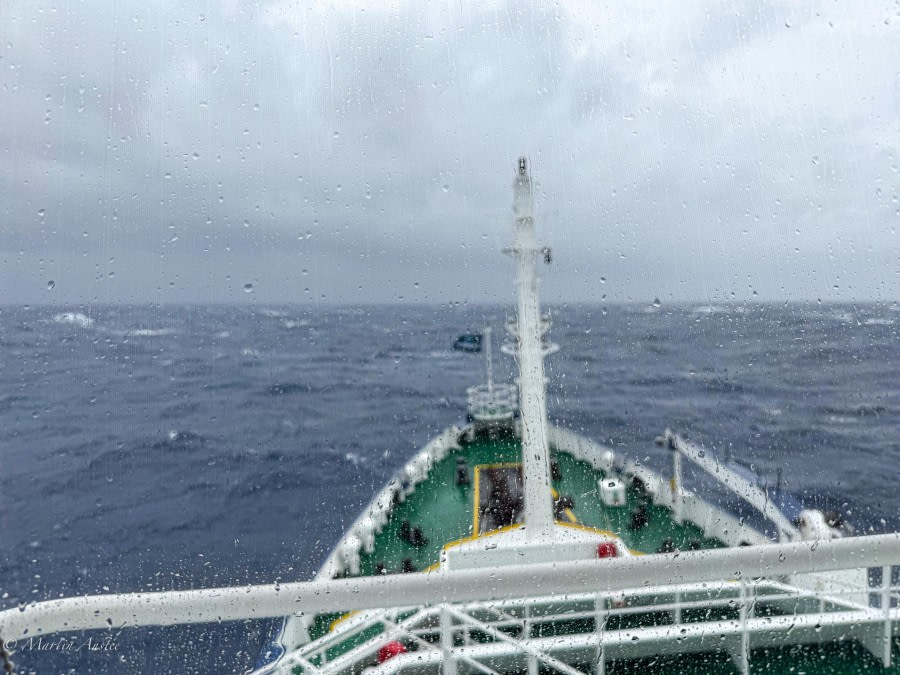
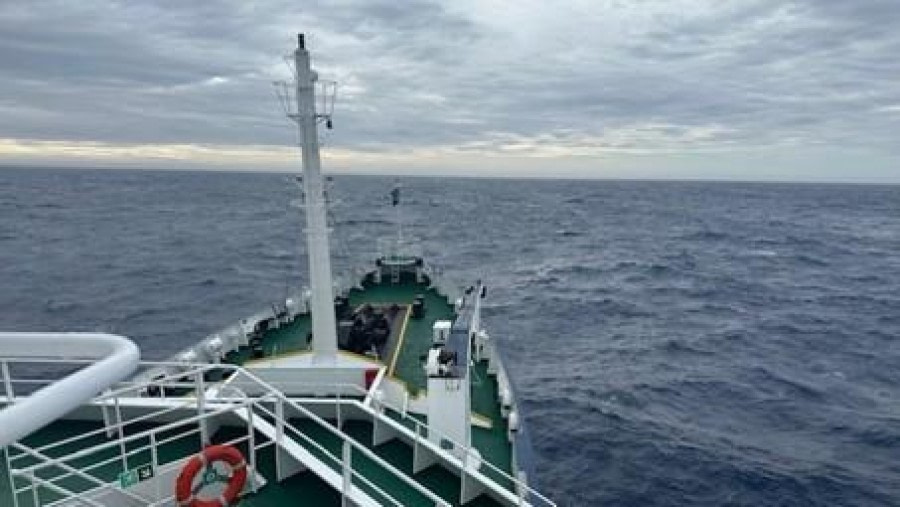
We woke early this morning to our ship, Plancius, changing direction. We headed south towards Antarctica after a few hours of sailing east to give us the best chance against the raging storm. The wind and the considerable swell were coming from the west, as they always do in the mighty Drake Passage. This meant they were hitting us side on and the ship was now rolling well in the large swell.

Ali, our expedition leader, gave a wake-up call at 7:45, informing us of our progress and the state of the weather. The first bird of the day was a Wandering or Snowy Albatross, which boded well.

Breakfast was at 8:00 AM for those who braved the conditions of a rolling, pitching ship. During the morning, our little ship battled south through the conditions. By late morning, we had left any shelter from the last pieces of South American land. We were now feeling the full force of the storm.

A few people managed lunch whilst most had confined themselves to their cabins. After lunch, a documentary was played in the lounge, followed by two fabulous lectures on whales—one in English and the other in French.

A few people managed a visit to the bridge and were treated to some beautiful views of the Drake Passage. The light turquoise patches showing on the water as the sun would hit a particular area of the ocean where waves were breaking was spectacular.

At 18:15, we had our first daily recap where Ali gave information about the weather and the following day's plans, and members of the expedition team gave some interesting information about the Drake Passage and the man and cartographer, Plancius, who our ship was named after.

Dinner followed for a few of us who could manage it. The ship was still moving a lot and seasickness was still an issue for many. Most then took to their beds for the night.

Day 3: At sea, Drake Passage

At sea, Drake Passage
Fecha: 08.02.2026
Posición: 59°16.6’S / 062°59.1’W
Viento: WSW8
Clima: Overcast
Temperatura del Aire: +%

The Plancius wakes slowly this morning, almost cautiously, after yesterday's epic crossing of the Drake Passage. The ship is still rolling, but our movements are steadier now, and from early on the dining room fills with an enthusiastic buzz.

As we draw closer to the continent, it is time for formalities. Ali gathers us for a briefing on the IAATO regulations in Antarctica. Then we bring out the vacuum cleaners and brushes as we clean our jackets, boots, and backpacks, preparing for our first landing. Future campers meet with Charlotte and Annina to plan their polar night, snorkelers try on their dry suits, while the kayakers ask Nick their final questions. The ship is alive with activity, and it feels good after that first day at sea, when the Plancius had the air of a ghost ship.

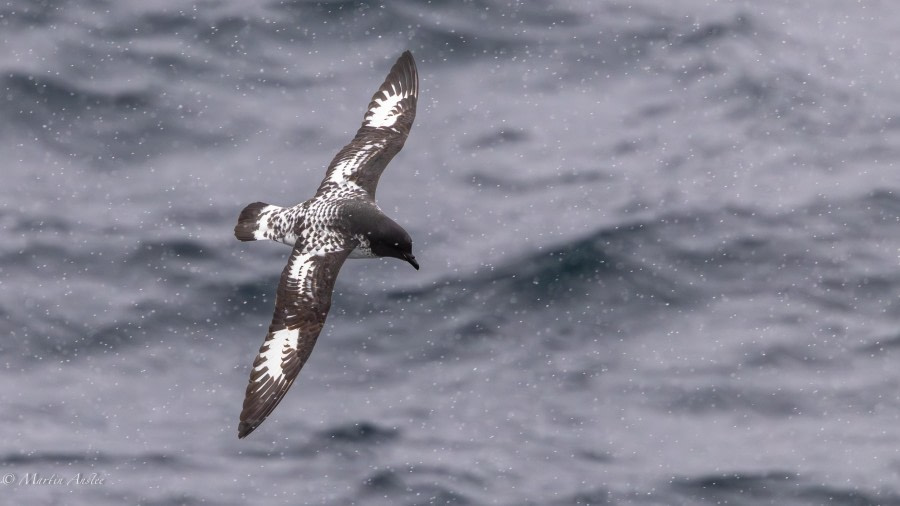
After lunch, everyone is in good shape, and we begin to familiarize ourselves with Antarctic wildlife through a series of lectures: Ali and Nathalie introduce us to penguins, followed by Martin and Celine on seabirds.

Good news arrives during the evening briefing. Ali announces that we are nearing the continent and that operations will begin tomorrow afternoon. The recap concludes with Chloe, who warns us about colossal squid, and Karolina, who explains why the Plancius is sailing through fog as we cross the Polar Front

. Dinner time arrives; the lounge empties, and the restaurant comes to life.

Day 4: Palaver Point

Palaver Point
Fecha: 09.02.2026
Posición: : 52°19.1’S / 051°08.8’W
Viento: NE8
Clima: Snow
Temperatura del Aire: +1

We woke up to calmer seas and out first glimpse of Antarctica, on our port we could see Smith Island, the southern most of the South Shetland islands. We continued our journey south AS Ali gave a briefing about how to get in and out of the Zodiacs and Annina and Chloé gave presentations on plankton.

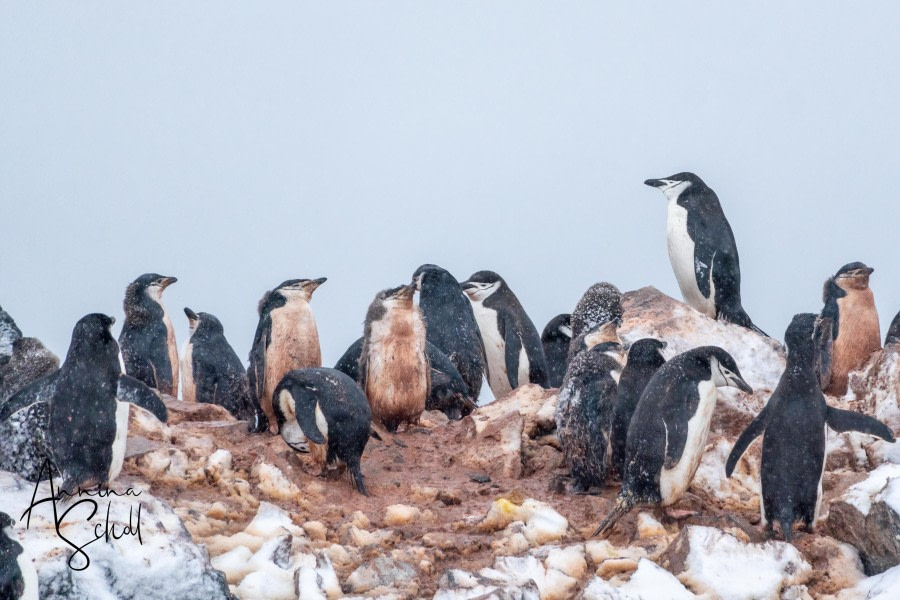
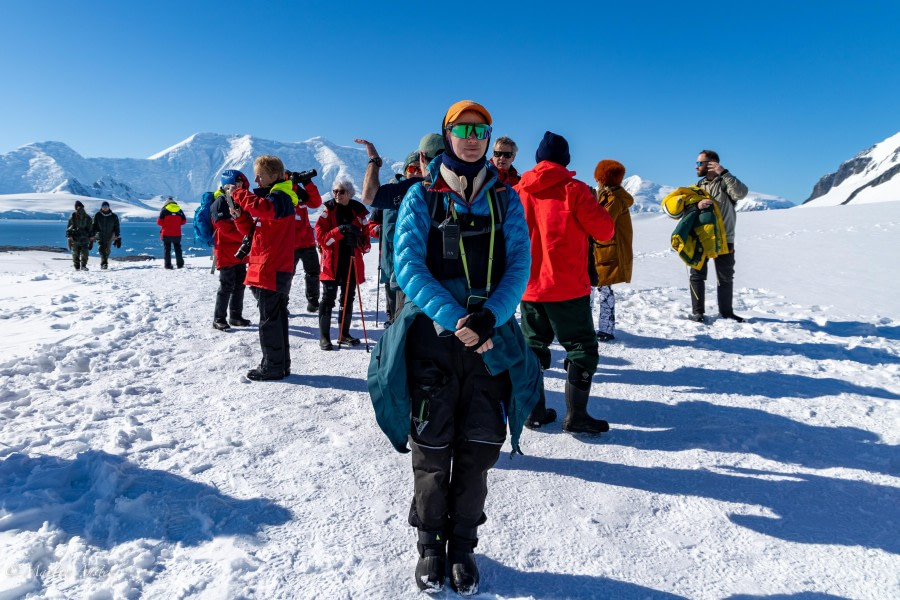
After lunch we prepared for our first landing in Antarctica at Palaver bay. Full of expectations we got into the zodiacs and onto land. The weather was true Antarctic, -1C and light snow. With help from the expedition team, we got out of the Zodiacs and onto the rocky shore. We hiked up the snow-covered hill to the chinstrap rookeries, where thousands of pinguins were going about their daily business. We watched the adults make the track up the hill, stomachs full of krill, to feed the ever-hungry chicks. The fat, downy chicks were almost as big as the adults. At the beach we could see fur seals on the rocks and some playing in the water. A humpback whale was feeding in the bay close to the snorkelers and we watched as it swam in between them, close to the shore. What a moment!

Chinstrap penguins are 65-70 cm tall and weigh up to 5 kg. They can dive more than 60 m deep and hunt krill and small fish and can swim at speeds up to 27 km/h, They live for about 15–20 years. They build nests from small stones, often stealing them from neighbours. Chinstrap penguin chicks hatch covered in soft grey down. They stay in the nest for about 20–30 days, guarded and fed by both parents.

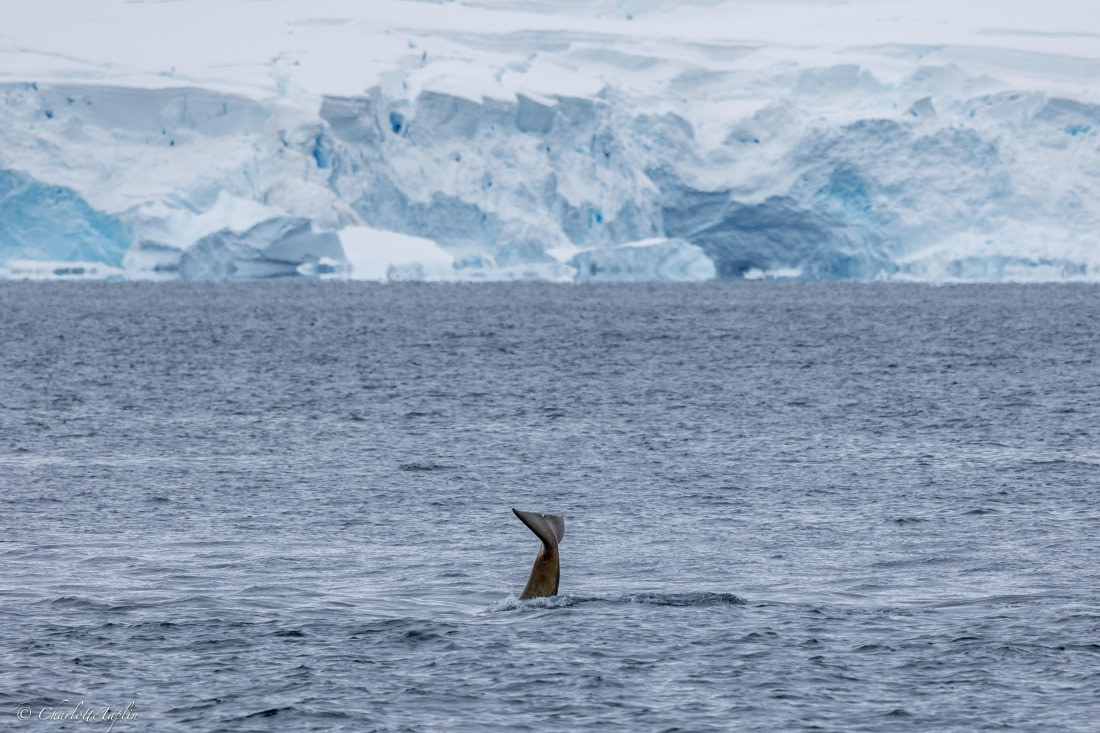
The waters around here are known for high density of whales, and just after dinner we spotted 2 humpbacks feeding on a pod of krill. We watched for 30 min as the whales fluked, when down and came back up, mouths extended, full of food. Quite the dessert after our first day in Antarctica!

SNORKELLING:

At Palaver Point, 8 of our intrepid snorkelers joined us for our first foray into the icy waters of the Antarctic continent. We went to the chinstrap penguin colony at the foot of the mountain, and while we were admiring the charming penguins, two curious fur seals approached the shore, giving us a close-up view. A moment later, just when we thought we were satisfied, a humpback whale came straight towards us, passing within a mere three meters. Although the visit from this gentle giant was brief, the feeling will last forever.

KAYAKING:

Arriving safely in the Antarctic Peninsula after a stormy crossing of the Drake Passage, our intrepid team of kayakers set forth to explore the west coast of Two Hummock Island. A light breeze combined with a gentle swell beneath the steep rocky shoreline, while the island’s peaks remained blanketed in low cloud. We were privileged to watch a group of Antarctic fur seals as they peered curiously at us from the rocks on raised flippers. Heading south from a protected glaciated bay, we admired clusters of Gentoo penguins as they perched ashore, viewing our progress along the coastline. We found new shelter in shallow bay fringed with low ice cliffs, marvelling at our first encounter with the wild Antarctic environment. A downwind route took us back around a rocky headland to our launch point, and finally back to our Plancius home.

Day 5: Orne Harbour and Stony Point

Orne Harbour and Stony Point
Fecha: 10.02.2026
Posición: 64°38’S / 62°33’W
Viento: NE3
Clima: Overcast
Temperatura del Aire: -3

Today we sailed through the Gerlache Strait and arrived at our first landing for the day - Orne Harbour. We were woken up by Ali. Orne Harbour is a continental landing so for some of us it's our 7th continent! We did a split landing zodiac cruise which meant we could walk on land to see the Chinstrap Penguin colony as well as go on a zodiac cruise. Unfortunately, the top was highly crevassed so we couldn't get up the top, but we were still able to see the Chinstrap Penguins and the beautiful view over Orne Harbour. While half the group was on land the rest of us were cruising the bay, there were beautiful Humpbacks and Chinstrap Penguins for us to watch. The wind was incredibly cold on the zodiac, so we were very happy to get back on the warm ship.

Once back on the ship we had a delicious buffet lunch and quickly afterwards we heard an announcement that Orca were close by! We all donned our waterproof clothing, got out on deck and saw 20-30 Orca all around the ship, they were tail slapping and jumping through the water like a dolphin!

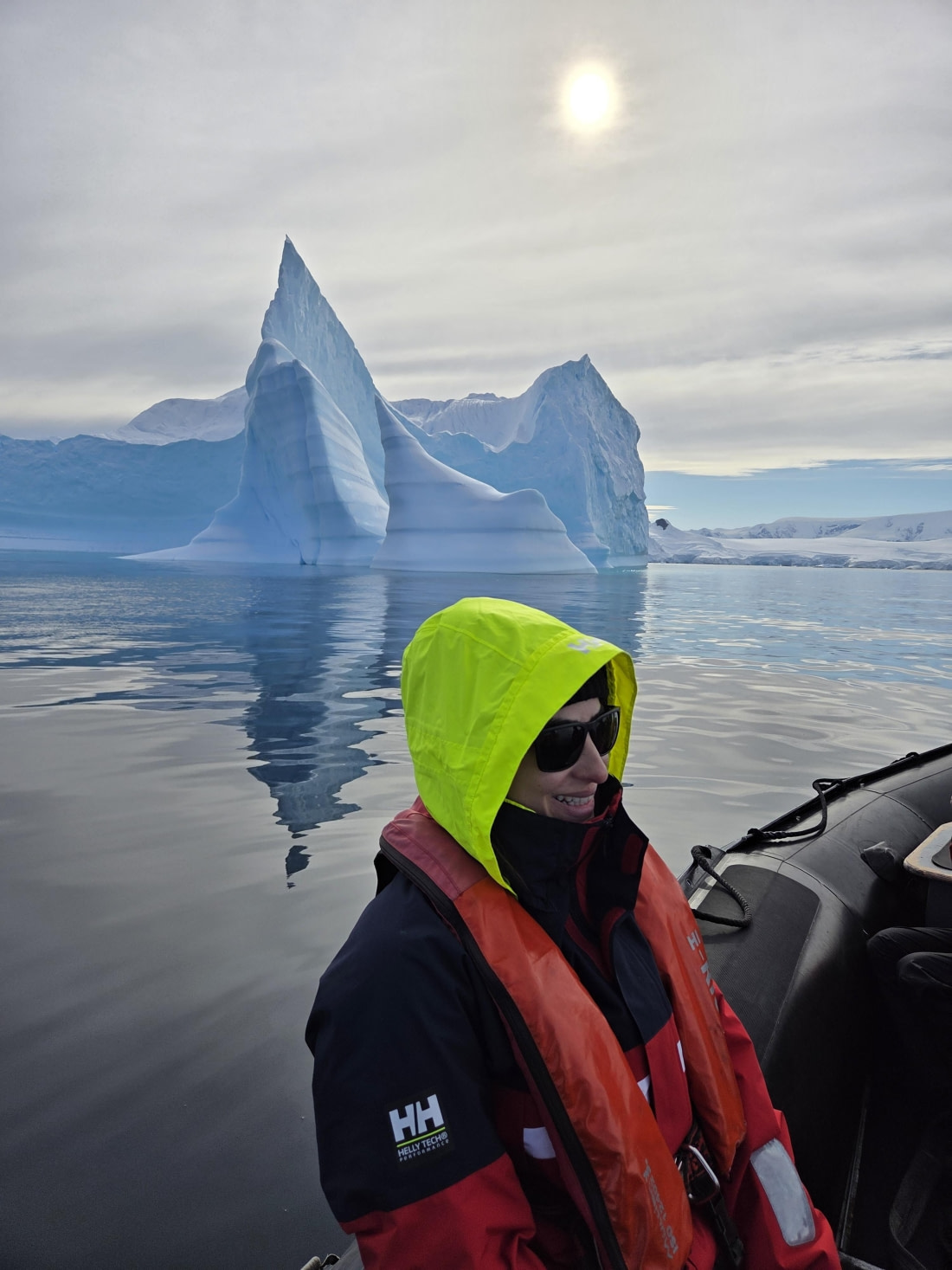
In the afternoon we did a split landing zodiac cruise at Stony Point/Paradise harbour. When we were out the sun started to peak through the clouds and within minutes the whole bay was glistening with sunshine. We had a very large Leopard Seal on an ice floe and many icebergs scattered throughout the bay. Penguins were porpoising and Weddell Seals were resting on land while huge mountains with glaciers towered above. We were all in such a good mood.

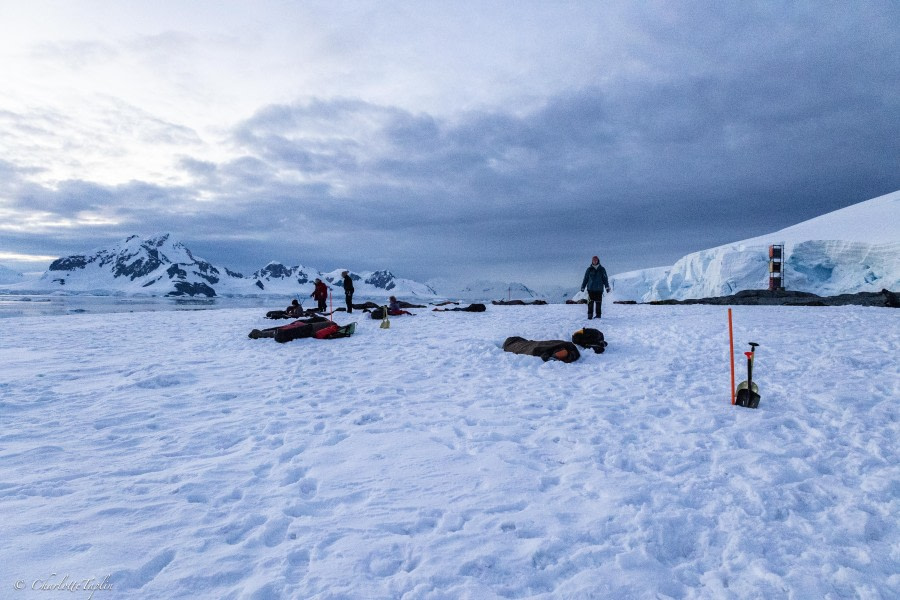
We had short recap from Ali the Expedition Leader followed by a buffet dinner. Tonight, was the night the campers were going camping, so at 2000 the camping guides Gabi, Charlotte, Celine and Annina went ashore to check out the landing - Leith Cove. The landing looked good, so Ali called us to the gangway to collect our camping gear. We were dropped ashore by the drivers, climbed ashore and were told to grab a shovel and walk up the hill to start digging our beds for the night. We had the most beautiful conditions clear skies, n o wind and views of Paradise Harbour. Occasionally we would hear crashing from the glacier as it calved into the water, and a Humpback was logging close by which we could hear as it breathed. It started to get chilly, and we were in for a cold night; -8 C so we got into our sleeping bags and Gabi zipped us up just to make sure we were extra warm. As the sun got lower the stars started to come out and we were met with a beautiful stary sky with the snowy mountains at 0200. At 0430 the camping guides woke us up to tell us to pack up our sleeping kits because the drivers will be picking us up in 45 minutes. They arrived at 0500, we were sleepy but were very happy we managed to camp in Antarctica. We clambered back on the ship, had a pastry and a coffee and got ready for the day ahead.

SNORKELLING:

On a very cold morning, three of us snorkelers set off in search of an iceberg that would reveal its unique features. We spent some time in the water, but the cold forced us to get out. As if nature were giving us a small gift, so we wouldn't be left wanting more, on our way back to shore we found two very gentle Weddell seals resting peacefully on a piece of ice. We were able to observe them closely without disturbing their rest, and as we continued our journey towards the landing area, a curious fur seal came to peek at our boat. At the landing area, we were able to see a group of chinstraps and gentoo penguins. A cold morning, full of life.

On the first sunny afternoon of the trip, six adventurers in drysuits set out in search of ice that would reveal its transparency, its deepest blues, and its reflections. After sailing for a few minutes, we found a truly beautiful ice floe and spent a wonderful 40 minutes discovering its crystalline details. We took photos, posed, and played. During our journey, both on the way there and back, we spotted humpback whales and countless penguins in the distance. However, we couldn't, not for a single minute, be distracted from the breathtaking scenery. What a place!

KAYAKING:

After our continental landing morning among the Chinstrap penguins at Orne Harbour, we sailed to the magnificent glacial mountain surroundings of Paradise Harbour. Here, our kayak team ventured towards a grand tidewater glacier as cloudy skies gave way to a bright sunny vista. Here amid dense brash ice, we encountered a Humpback whale that surfaced several times only a few metres from our kayaks. Stunned into silence, we gazed in awe at this gentle giant as its exhalations filled the air.

Heading back towards Stony Point, we carefully approached a resting Leopard seal, hauled out on a low ice floe. For several minutes we enjoyed the rare privilege of observing this powerful apex predator as it lay peacefully on the ice. We finally tore ourselves away to complete our return to Stony Point, transferring to our Zodiac to return to our floating home at the end of an unforgettable kayaking adventure.

Day 6: Cuverville and Damoy Point

Cuverville and Damoy Point
Fecha: 11.02.2026
Posición: 64°49’S / 63°30’W
Viento: SSE3
Clima: Partly cloudy
Temperatura del Aire: 0

After a peaceful night around in Leith Cove, the morning unfolded at its own gentle rhythm. Some of us indulged in a well-earned sleep-in, wrapped in the quiet hush of Antarctica, while others were eager to set foot ashore and explore nearby Cuverville Island.

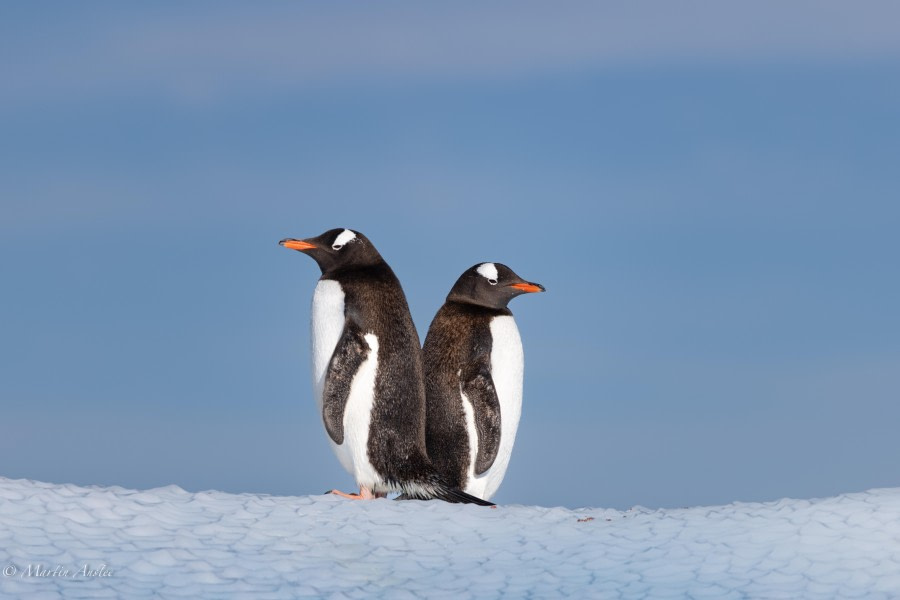
The Blue Green chosen ones among us slipped into drysuits and braved the icy waters for a snorkel, rewarded with the surreal stillness of the underwater world. Kayakers paddled out into glassy channels, weaving between scattered bergy bits, each stroke carrying them deeper into that Antarctic silence. Meanwhile, many of us made our way to a bustling gentoo penguin colony — and what a welcome it was.

Molting chicks, awkward and endearing in their patchy down, filled the air with constant chatter. Antarctic terns and skuas hovered and wheeled overhead, ever watchful. Then came a rare highlight: a leucistic gentoo chick, pale and luminous against the monochrome landscape, quietly stealing the show and our collective attention.

After lunch, we set course for Damoy Point. What began as a simple landing turned into a glorious leg stretch across snowy tracks and gentle rises. The historic Damoy Hut offered a fascinating glimpse of the region’s past — a reminder of the resilience and resourcefulness of those who worked in this remote corner of the world. From the top, the view across to Port Lockroy was simply mesmerizing: jagged peaks, scattered ice, and the endless play of light on water.

The most enthusiastic walkers clocked an impressive 7 kilometers, boots crunching through snow, cheeks rosy from the cold.

As if the day hadn’t already delivered enough magic, the evening brought a special Antarctic treat — a barbecue on the outer decks. Surrounded by ice and sea, plates piled high, laughter carrying into the crisp air. The abundance of delicious choices fueled an impromptu dance session under the polar sky. But not too late! Antarctica always has surprises in store, and whatever tomorrow brings, we want to greet it bright-eyed and ready for more stunning views.

SNORKELLING:

On the morning of February 11th, four brave souls set out to explore the coast of Cuverville Island. There, we encountered many gentoo penguins, right in front of their colony. A group of icebergs also caught our attention, allowing us to take some beautiful half-and-half photographs. Before returning to the ship, we took a walk around the island where the views and the blend of azure blues and the white of the icebergs were immeasurable, difficult to describe.

In the afternoon, under a radiant sun, a group of eight snorkelers once again set out in search of ice. We found one with very conspicuous shapes and partial melting that had created a fascinating river inside. After spending some time there, on our way back to the boat, we spotted two beautiful Weddell seals on the ice.

KAYAKING:

This morning dawned bright and clear, with no more than a gentle breeze blowing from the Errera Channel past the steep shoreline of Cuverville Island. We launched at the north side of the island, alongside one of the Antarctic Peninsula’s largest Gentoo penguin colonies. Choosing to explore the west side of the island, we navigated a narrow shallow channel between small, grounded icebergs, and past the remains of a wooden water boat, a century-old relic of the long-abandoned whaling industry.

Our excellent Zodiac driver alerted us to the nearby presence of a pair of Humpback whales that were feeding among the ice-strewn waters - we followed them respectfully as they swam towards the south side of Cuverville. Pausing a while to admire the magnificent waters of the Errera Channel, we transited the east side of the island beneath steep cliffs of bare rock, past Imperial cormorants nesting in clusters between groups of intrepid Gentoo penguins. We finally completed our excellent tour of this wonderful Antarctic Island, grateful for the settled conditions that permitted this adventurous excursion.

Our glorious ship’s cruise through the Neumayer Channel took us through a spectacular landscape of glacial mountains, cloudless skies and still waters, culminating in the grand scenery of Damoy Point. Launching our kayaks at the entrance to Dorian Bay, we headed south towards the entrance to Port Lockroy. Here we admired the towering, jagged mountain backdrop from Jabet Peak to Janssen Peak, a 1000m-high wall of rock towering above our kayaks.

We continued deeper into Port Lockroy, towards the British research base and around a low series of rocks rising from the centre of the bay. Now several kilometres from Plancius, it was time to begin our return journey - we followed an offshore route into the Neumayer Channel, admiring distant whale spouts as we headed past Casablanca Island, slaloming among intricately sculpted icebergs as we drew closer to our floating base. Safely aboard again, we delighted in our excellent Antarctic kayaking adventure.
Day 7: Foyn Harbour and Danco Island

Foyn Harbour and Danco Island
Fecha: 12.02.2026
Posición: 64°41’S / 62°’W
Viento: E1
Clima: Partly Cloudy
Temperatura del Aire: 0

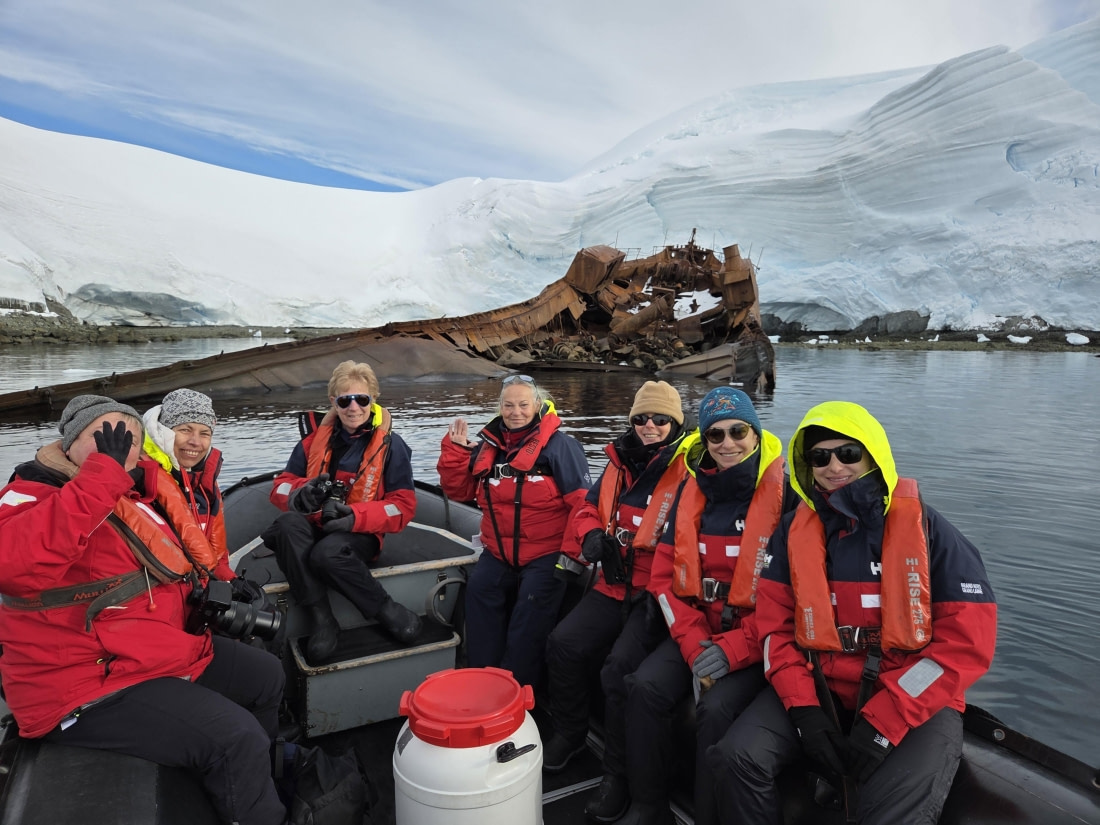
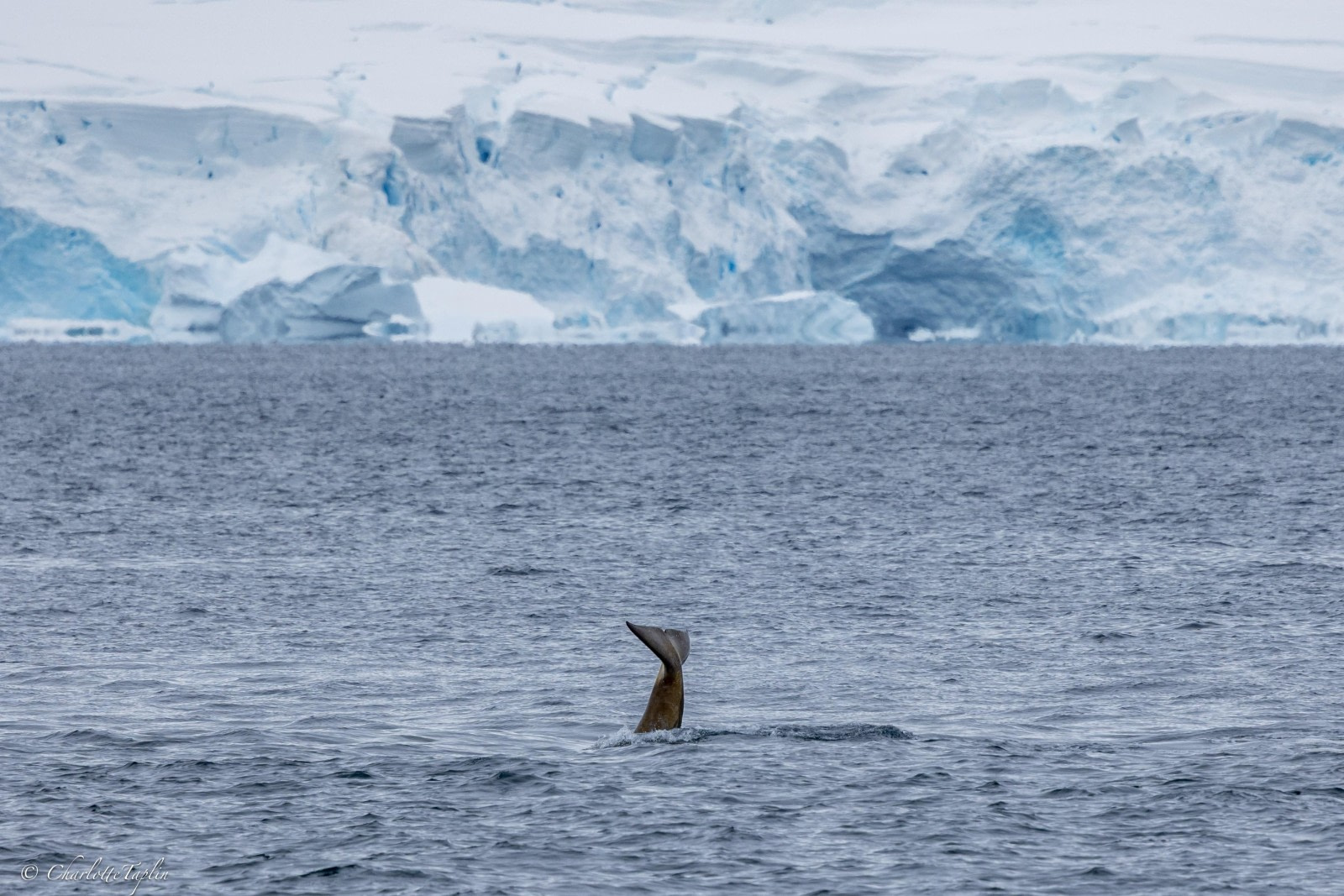
We wake up to Ali’s voice. It’s only 6.15 but there are feeding humpback whales and orcas around the ship. So, we get up although we feel a little tired after the long and exciting last days. What a special encounter – the whales are all around us, feeding and not bothered by us. We get a good look at their extended throats and their tails as they go down for another dive to take up some more krill. Finally, it is time to approach the location for our morning zodiac cruise. We are at Foyn harbour with its many islands. At the beginning of the 20th century, it was an important location for the whaling industry. We can still see many remains of it including the water boat, mooring stations and the shipwreck of the Gouvernoren, a factory ship that was run aground on purpose after catching fire. A little off the island there is a large iceberg for us to admire. In addition, we have several encounters with humpback whales during the zodiac cruise.

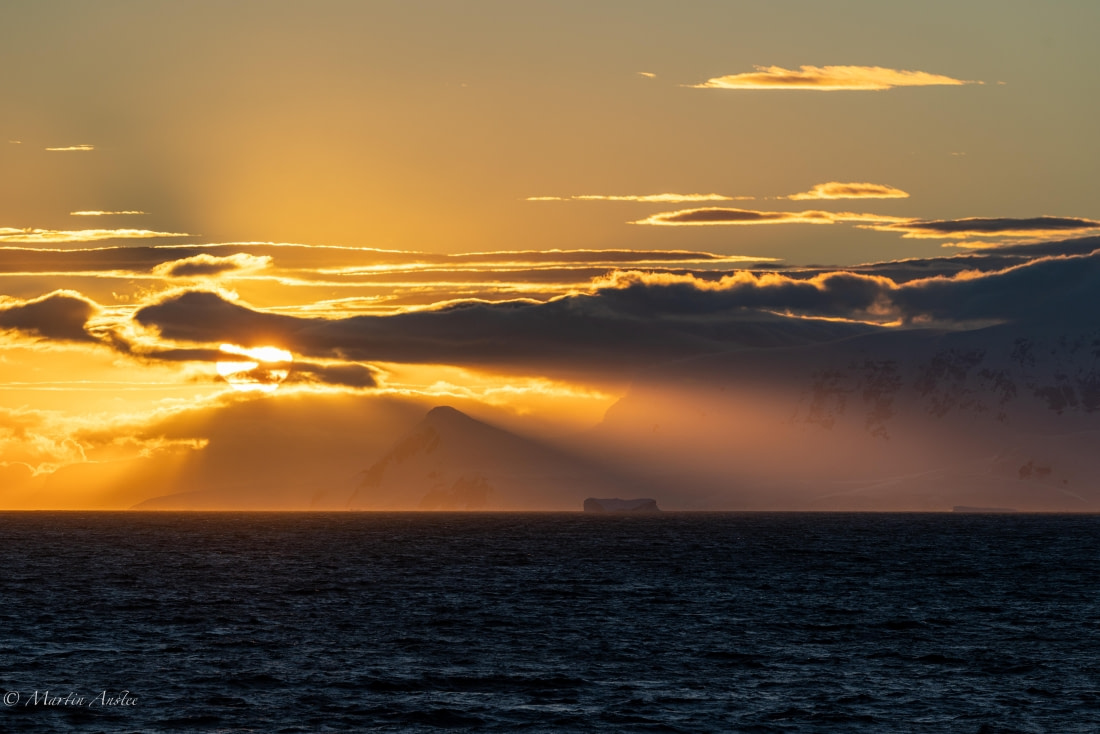
For the afternoon, with transit to Danco island. The waters are filled with icebergs. Including several very large ones and one with a large arch. During our visit several pieces of ice fall of it and we wait for it to collapse completely, which it did not during our stay. We walk along the beach of Danco island, which is filled with gentoo penguins, so we must be careful to stick to the route that the guides have set up for us. Sometimes we must stop to let penguins cross from water to shore. Then we climb up the hill to the first colonies of gentoo penguins. Some of us climb even further up the 158m high top of the island. The view up there is stunning. We can see all around the island, with whales and seals in the water on this bright sunshiny day. Then is finally time for a special event – the polar plunge. The guides brought towels onshore for those of us who are brave enough to go for a dip in the 1-degree Celsius cold water. The crowd onshore cheers while we put our heads under water as Ali said that it doesn’t count otherwise. Going into the water is surprisingly easy but coming out with half frozen feet is not as easy. Excited and happy we come back to the ship for a warm shower and a hot drink. As we sail once again through the Gerlache strait, the sunset shines a golden light on snow covered mountains, icebergs and feeding and breaching whales. With these views it is hard to go to bed, but finally it is time to rest before another upcoming day.

SNORKELLING:

This morning, the weather was on our side once again. Bright sunshine and pleasant temperatures invited us to spend over 45 minutes admiring the unique shipwreck, the Governoren. This whaling ship, ravaged by fire, whose remains now lie beneath the surface, is now home to many anemones and sponges visible from above. On our way back to the boat, aided by the blazing sun, we went to see two humpback whales up close. A wonderful morning for the 12 snorkelers!

This time, the group of six snorkelers set out determined to find a leopard seal. We hadn't seen one yet, and the passing days only increased our anticipation. We covered a great distance, meticulously searching among the ice. We encountered more than 14 Weddell seals and two crabeater seals, with whom we shared a few minutes in the water. But, driven by determination, and at the risk of missing an opportunity, we decided to press on with our search until we finally spotted it, resting comfortably in the sun on a small iceberg. The ultimate reward: we were in the water taking photos of it while the animal remained remarkably calm. What an afternoon!

KAYAKING:

Our fourth day dawned sunny and still, positioned close to Enterprise Island in the central sector of the Gerlache Strait. We launched our kayaks to explore its east shore, where the grounded shipwreck of the Governoren whaling ship offered an intriguing glimpse into the hazardous world of a previous age. Its rusting hull, now populated with Antarctic terns, lay peacefully in its narrow glacial inlet, hidden from open waters.

We continued towards the island’s northerly point, past a pair of historic wooden water boats and on past steep ice cliffs to an impressive group of grounded ice bergs. Here we enjoyed a magical encounter with a pair of Humpback whales that surfaced repeatedly only a few metres from our kayaks. On this windless day, we sat quietly, listening intently to the sound of these giant cetaceans’ breaths. Our return journey took us southwards back to Foyn Harbour, and finally via Zodiac to our Plancius home.

A short ship’s cruise took us back to the Errera Channel, where Danco Island awaited our explorations beneath the grand mountain range of the Arctowski peninsula. A SW breeze lifted wave spray across the Zodiac as we drove to the more sheltered northern tip of the island. Here among shore bound Gentoo penguins, we paddled along Danco’s wild eastern coast, making steady progress against a gentle headwind.

We paused behind sheltering rocks near the island’s southern tip, with only a curious Weddell seal for company. The winds remained light as we crossed to Danco’s west side, where we marvelled at the huge peaks of Rongé Island, beneath which an enormous, grounded iceberg provided a spectacular perspective on this superb Antarctic vista. An increasing tailwind assisted us to the landing site, where we enjoyed the spectacle of our polar plunge passengers gasping in the frigid waters of the bay.

Day 8: Telefon Bay and Whaler’s Bay

Telefon Bay and Whaler’s Bay
Fecha: 13.02.2026
Posición: 62°59’S / 60°34’W
Viento: SE1
Clima: Overcast
Temperatura del Aire: +7

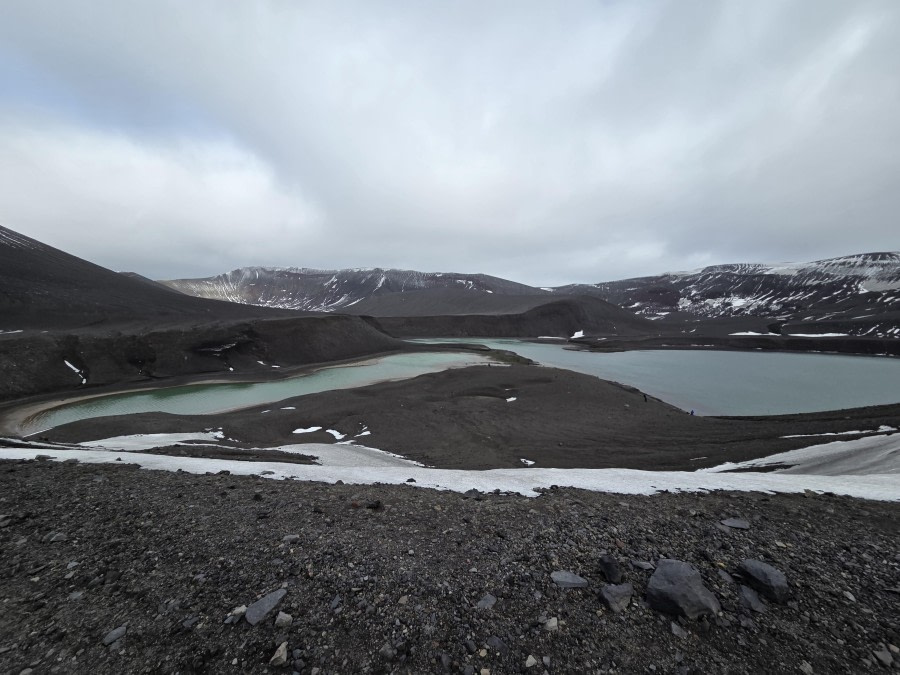
This morning, we arrived at 6:30 AM at the entrance to Deception Island through the narrow passage called Neptune's Bellows. Many brave souls were already awake and on deck before Ali's wake-up call and Chloé's famous "Good morning, good morning!" Indeed, the place is quite remarkable. Created by volcanic activity several thousand years ago, the island was originally a conical volcano that collapsed at its center during a violent eruption to form a caldera that is now navigable. The entrance, therefore, is very impressive because, due to the seabed, the ship is forced to approach very close to the cliff.

We went directly to the back of the crater into the small bay of Telefon. At 8:00 AM the guides team attempted a first landing at one of the possible sites but quickly decided to go straight to plan B due to excessive swell on the beach. No matter, the site was magnificent. Protected in a small lagoon, we discovered a very striking scene with black ground made up of small pebbles of cooled lava and streaks of snow. Many attempted the walk on the rim of this secondary crater to go around it and see, but the strong gusting wind didn't make it easy. Fortunately, there were also lovely little walks to take along the shore among numerous kelp gulls.

The return to the ship was around 11:30 AM and we were able to have lunch at 11:45 AM as we were going to head out again very quickly. Ali had planned a second landing at another site on the island called Whaler's Bay. At 1:00 PM we discovered a strange, ghostly, and captivating site. An old whaling station active in the 1920s offered us its remains still very much present amid fumaroles, formed by hot water upwellings with a distinctive sulphur smell in places. There was so much to see and we were very happy to stretch our legs one last time before the Drake! Numerous fur seals also delighted photographers with their sometimes-funny poses. A few gentoo penguins, subantarctic skuas, some terns made the scene a bit more alive.

At 3:00 PM the last zodiac was back on board, and we departed quickly to head north on our route. Once again, the exit from the crater kept many people outside despite the still very present wind. The late afternoon was spent discussing the trip, looking at our photos, and wondering a lot about what weather we would have in the Drake Passage!

The day's recap brought us very complete information about whaling activity from Nathalie and reassuring news from Ali concerning the next day's weather and a resolved technical problem that had delayed us a bit. The wonderful dinner served comforted everyone and the evening continued at the bar in joy and good spirits.

KAYAKING:

Our final Antarctic day took us to Deception Island, where a fresh breeze blew across Port Foster, raising wind waves along the shoreline at our Telefon landing site. A small team of adventurous kayakers set forth to experience the unique thrill of paddling in the caldera of a huge Antarctic semi-dormant volcano. A first mini caldera offered sheltered exploration in this otherworldly post-eruption environment - departing its narrow entrance inlet, we haded downwind along the main coastline towards a second caldera, surfing small wind waves as we navigated its shallow approaches. A circuit of this fascinating venue, lined with back volcanic sand, took us back into the wilder waters of Port Foster. After a brief exciting paddle into larger conditions, we transferred to the Zodiac for a final journey back to Plancius - and so ended an amazingly memorable series of Antarctic kayaking adventures!

Day 9: Drake Passage

Drake Passage
Fecha: 14.02.2026
Posición: 54°29.1’S / 035°56.4’W
Viento: NW5
Clima: Overcast
Temperatura del Aire: +4

The Plancius had begun her return journey, and it was in the waters of the Drake Passage that we opened our eyes that morning. Many of us, still wrapped in sleep, immediately paid close attention to the ship’s movement, quietly assessing the familiar sway of the hull with a hint of apprehension.

But the Drake had chosen to be gentle. There was only a soft roll, sixteen knots of wind, and a veil of mist surrounding the vessel in a pale, muted light. The morning unfolded peacefully, carried along by the steady rhythm of navigation. Some wandered the decks, collars turned up and binoculars in hand, watching for the majestic glide of albatrosses above the steel-grey waves. Inside, puzzles begun days earlier were finally completed, and we exchanged our finest photographs, still in awe of the landscapes we had crossed.

Caroline and Nathalie invited us to a lecture on ice. Together, we revisited the many forms we had encountered throughout the voyage: sea ice, wind-sculpted icebergs, glaciers glowing in shades of blue. Each projected image rekindled the memory of luminous cold and the resounding silence of the White Continent.

After a long and lively lunch, filled with laughter and shared stories, the lounge slowly filled once more. The sun eventually pierced through the mist, and binoculars reappeared, scanning the horizon for albatrosses gliding effortlessly through the gusts. Annina and Chloe then presented their talk on krill, that tiny crustacean—an essential link in the Antarctic ecosystem—upon which so much life depends. A documentary followed, revealing the fascinating hunting techniques of Arctic and Antarctic wildlife, where infinite patience alternates with sudden bursts of action.

The day ended in the same spirit in which it had begun—calm, reflective. We gathered with Ali and the hotel and expedition teams for the evening recap, sharing the day’s highlights before heading to the restaurant for dinner. The ship continued steadily on her course towards Ushuaia.

Day 10: Drake Passage

Drake Passage
Fecha: 15.02.2026
Posición: 56°14.4’S / 039°46.7’W
Viento: W7
Clima: Overcast
Temperatura del Aire: +5

Today marked our last day crossing the Drake Passage. The weather was partially cloudy as we made our way north. The sea was a little bit rougher than yesterday but still more gentle than on our way in, when we had encountered waves up to 7 meters.

The morning featured two fascinating talks. Karoline shared stories of her life living in a trapper cabin in Svalbard, the Norwegian archipelago in the High Arctic. Located roughly midway between mainland Norway and the North Pole, Svalbard is known for its isolation, polar bears, and long polar nights.

Adam spoke about his experiences as boating officer at Rothera Station, the British Antarctic Survey's largest research facility located on Adelaide Island off the Antarctic Peninsula. He also shared stories from his time as base commander at King Edward Point in South Georgia, a remote outpost that serves as both a research station and government base on this subantarctic island. Both presentations were delivered in English.

For our French-speaking passengers, the morning program focused on Commandant Jean-Baptiste Charcot and his historic Antarctic expeditions. Charcot, a French explorer, scientist, and medical doctor, led two major Antarctic expeditions in the early 20th century (1903-1905 and 1908-1910) aboard the Français and the Pourquoi Pas? making significant contributions to Antarctic exploration and scientific research, particularly in mapping and oceanography. After lunch, we enjoyed a mini lecture series. For the English speakers, Charlotte talked about killer whales, Karoline introduced us to the giant isopod, and Ali spoke about albatross conservation. For the French speakers, Chloé discussed the pinnipeds we saw during our voyage and underwater life in the Southern Ocean, while Céline presented on seabird research.

In the evening, it was time to raise a toast to our incredible journey together with the captain. The team also presented us with a slideshow—the staff had taken photos throughout the journey, and Gabi made a beautiful slideshow out of them. What wonderful memories to cherish. It was now time for us to head to our last dinner onboard the Plancius.

Day 11: Disembarkation Day

Disembarkation Day
Fecha: 16.02.2026
Posición: 54°48.6’S / 068°17.8’W
Viento: NW5
Clima: Mainly Sunny
Temperatura del Aire: +6

It is time to go. Time to say our goodbyes, time to exchange contacts with new friends we made along the way, time to travel on. We walked down the gangway and back onto the pier of Ushuaia, looking back at the ship and the crew.

Farewell, goodbye, stay safe and fair winds until we meet again!

Total distance sailed on our voyage: 1763,7 NM Southernmost position: 64°54’S / 62°55’W

On behalf of Oceanwide Expeditions, the Captain, Crew and Expedition staff we would like to thank you for a wonderful time, it has been a pleasure sailing with you.

Detalles

Código del viaje: PLA28-27
Fechas: 8 feb. - 18 feb., 2027
Duración: 10 noches
Barco: El Plancius
Embarque: Ushuaia
Desembarque: Ushuaia

¿Ha estado en este viaje?

A bordo El Plancius

Nuestro barco más antiguo, el Plancius, es un clásico para algunos de nuestros viajes polares más populares.

Más información El Plancius »
Loading