| Fecha: |
17.03.2026 |
| Posición: |
62°41.2’S / 060°48.9’W |
| Viento: |
NW3 |
| Clima: |
Overcast |
| Temperatura del Aire: |
+3 |
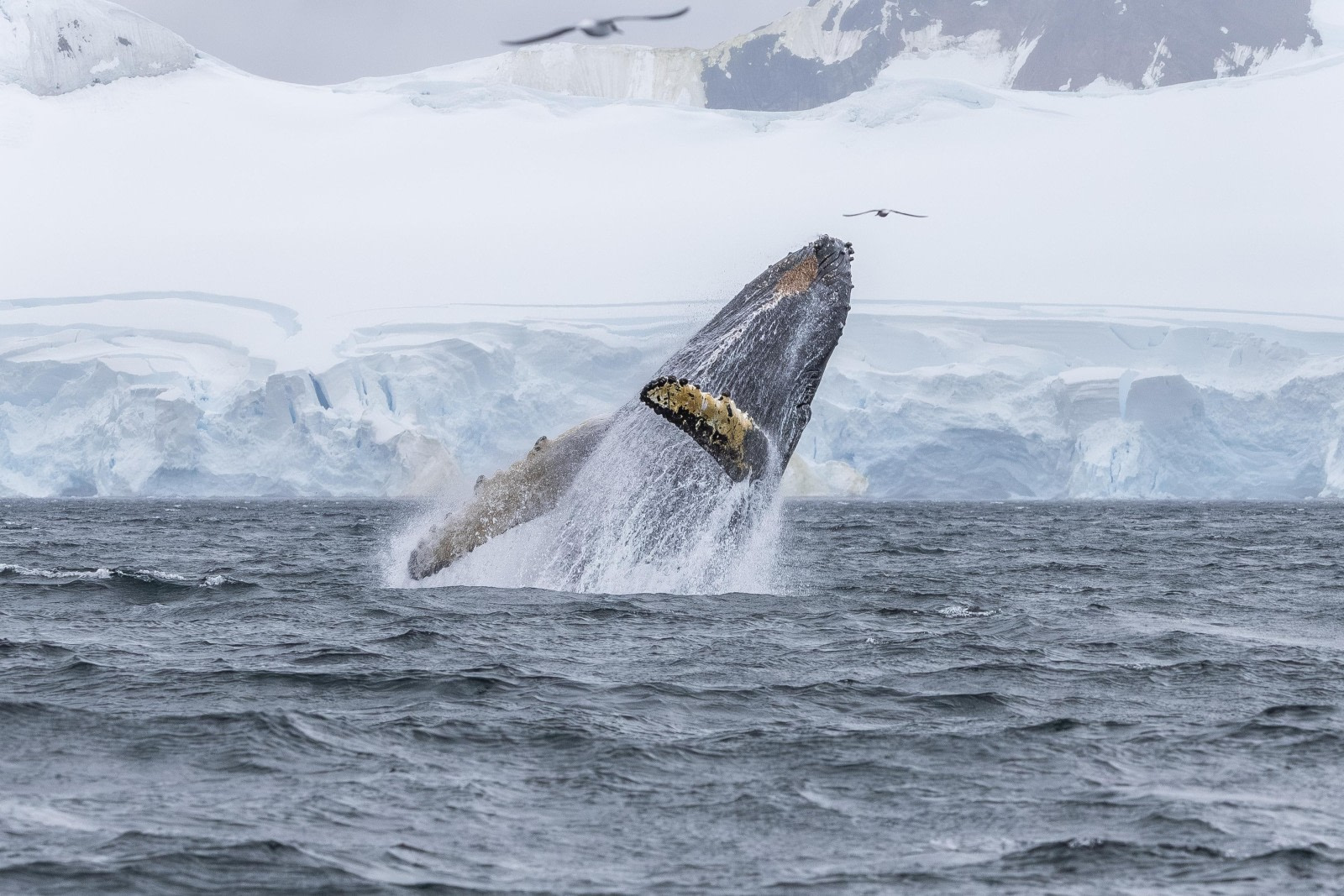
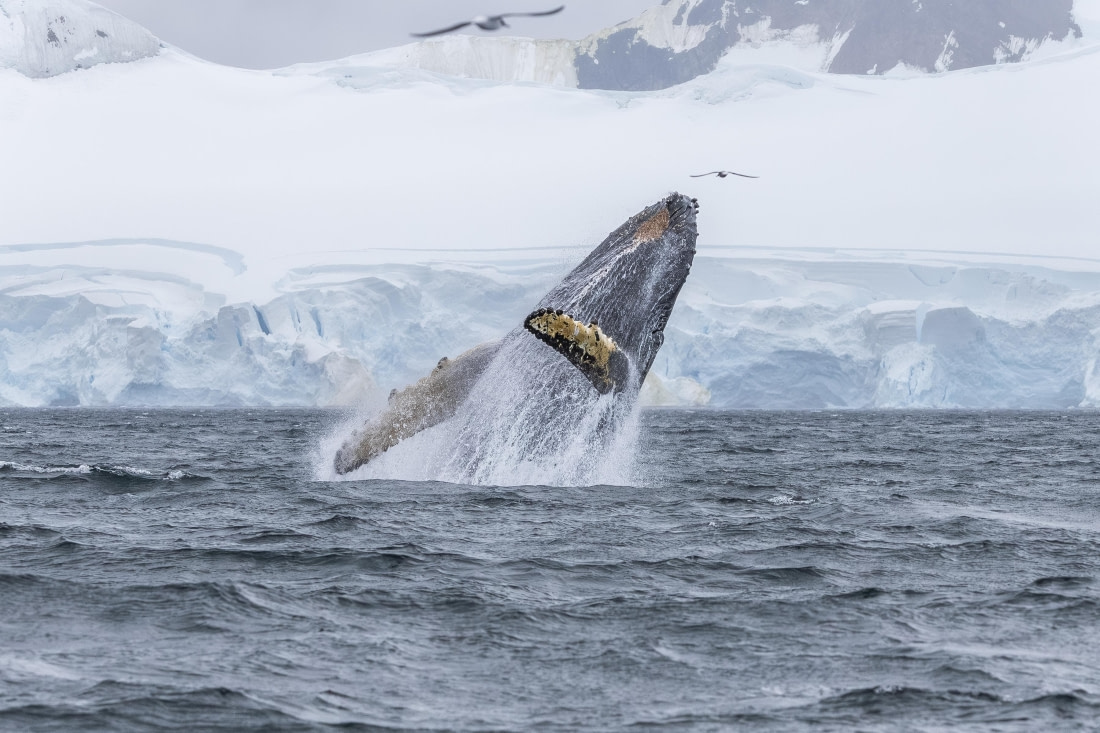
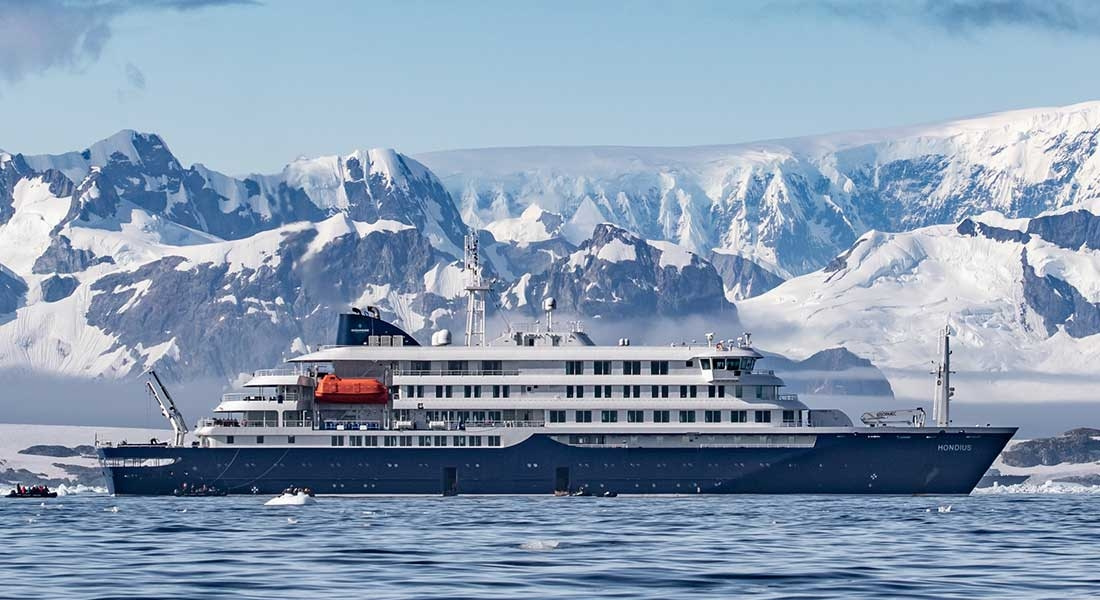
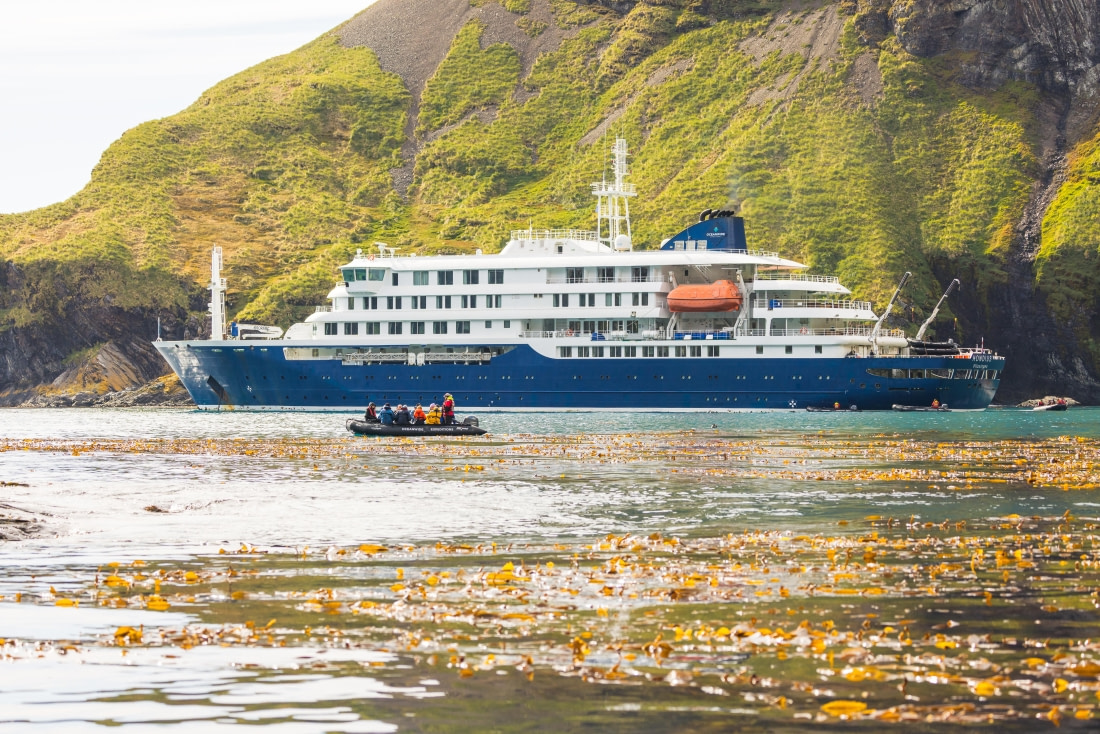
Today aboard Hondius delivered a classic Antarctic experience, combining wildlife, dramatic landscapes, and a touch of history.
Our morning began with a landing at Elephant Point, a rugged headland known for its sweeping beaches and abundant wildlife. As guests stepped ashore, they were greeted by the unmistakable sounds and sights of a large colony of Southern Elephant Seals sprawled across the shoreline. Massive bulls rested among groups of females, occasionally lifting their heads or issuing deep, echoing calls that carried across the beach. The peaceful atmosphere of the place made it easy to slow down and appreciate the quiet beauty of Antarctica. Many guests took time simply to sit, observe, and listen—the wind, the waves, and the distant calls of seabirds.
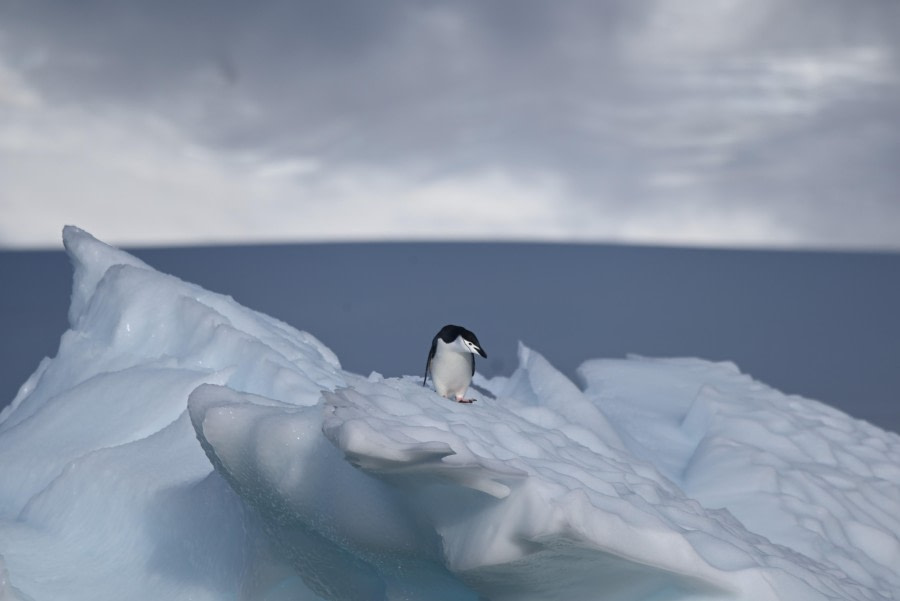
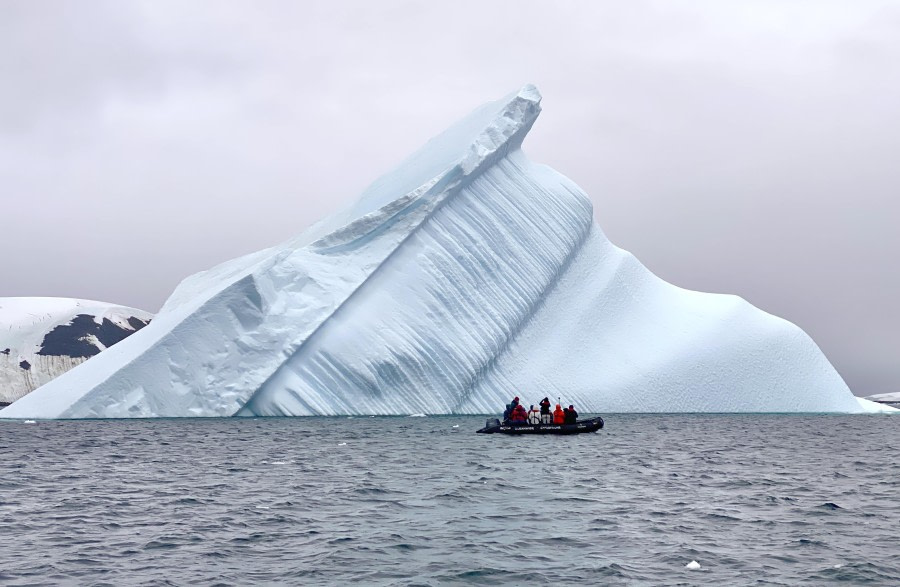
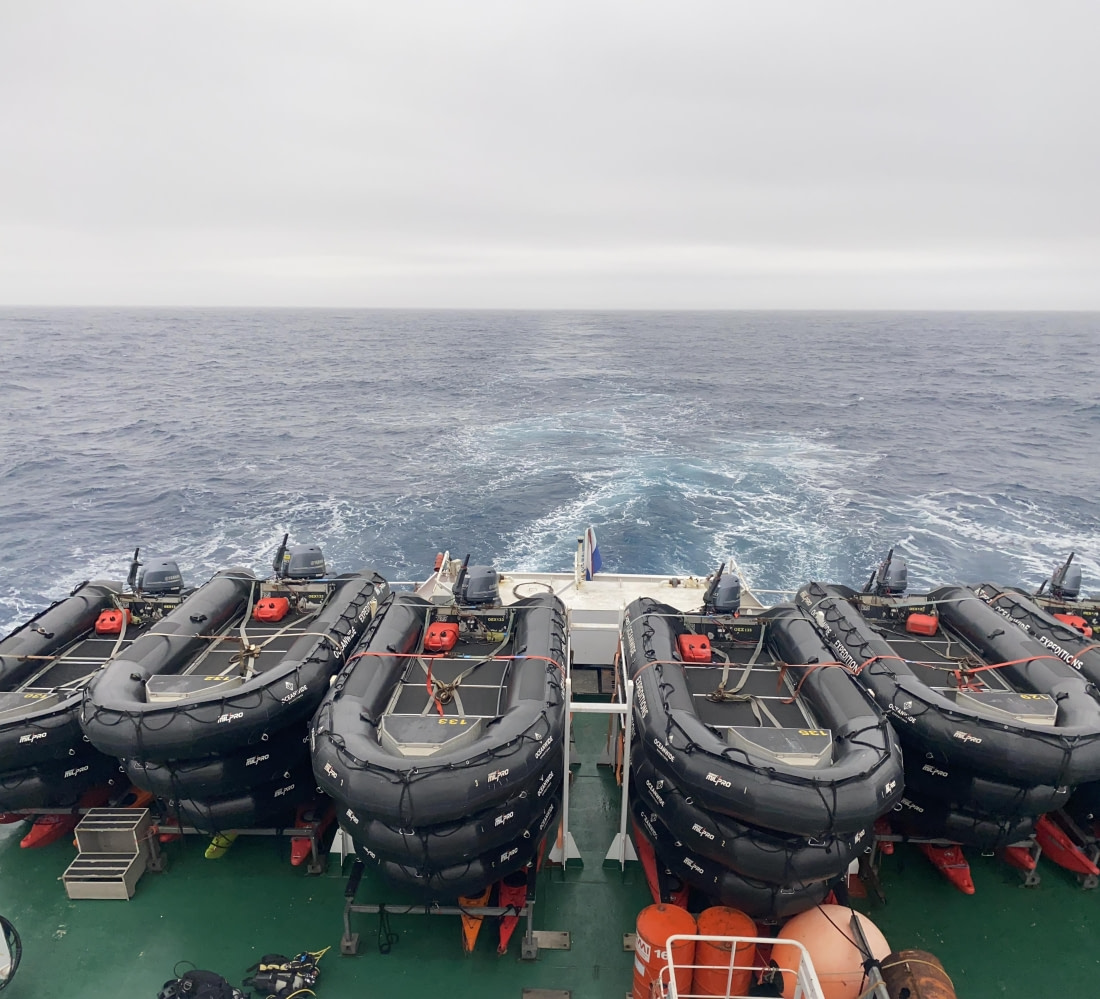
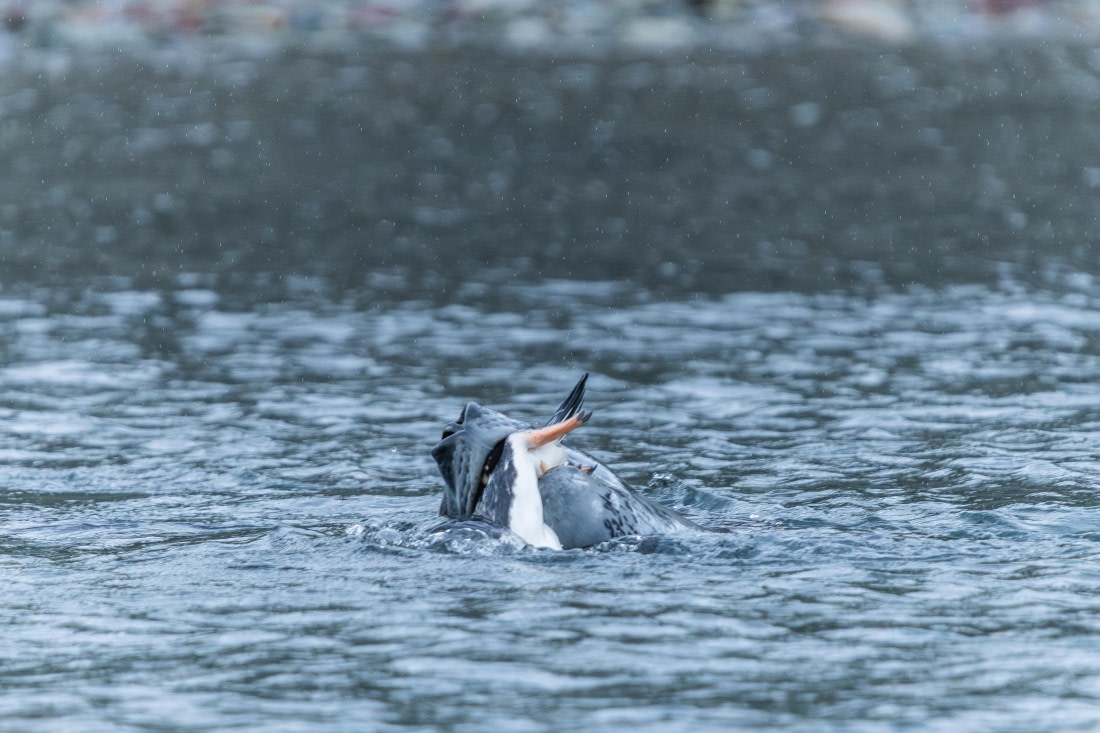
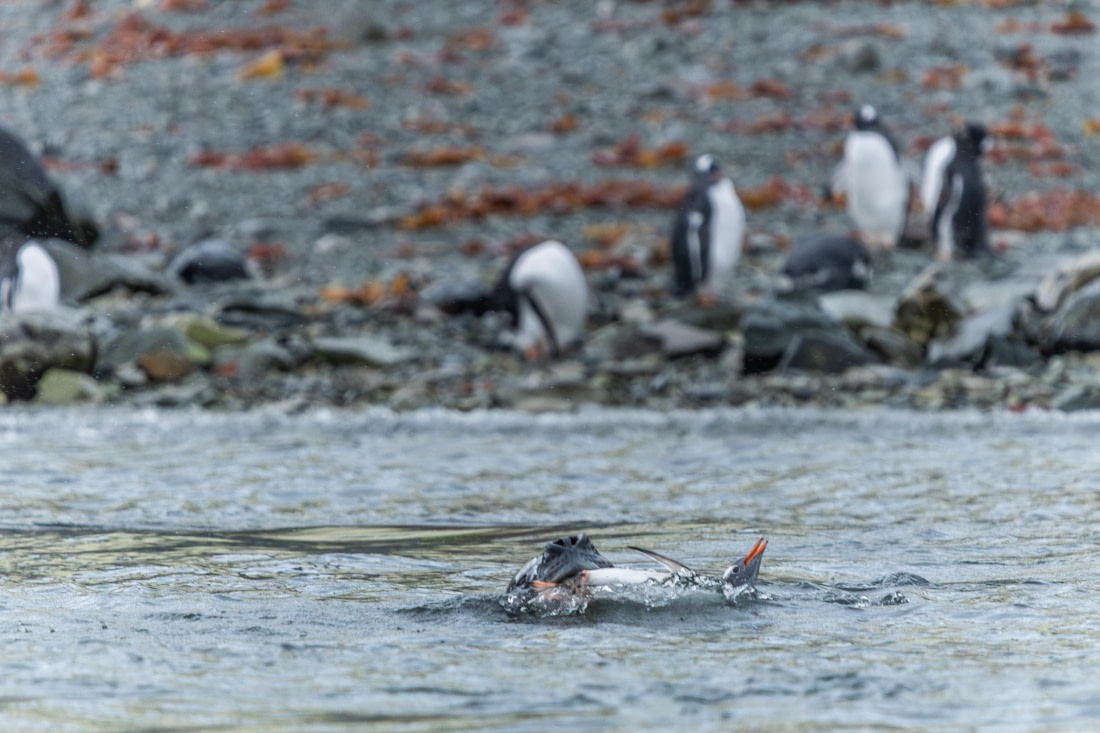
We organized a split landing, allowing part of the group to explore the beach and surrounding terrain while others boarded the Zodiacs for a coastal cruise around the island. Those on the water were treated to excellent views of penguin colonies, with numerous birds porpoising through the sea or standing along rocky outcrops. The Zodiac cruise provided a close look at the island’s rugged coastline, sculpted by ice and waves.
For those eager for a bit more adventure, the morning also offered an extended hike. Participants ventured further inland, climbing gentle slopes that opened into spectacular panoramic views of the surrounding islands, glaciers, and icy waters. It was a rewarding walk that highlighted just how wild and untouched this part of the world remains.
After returning to Hondius, everyone warmed up and shared stories over a well-earned lunch on board.
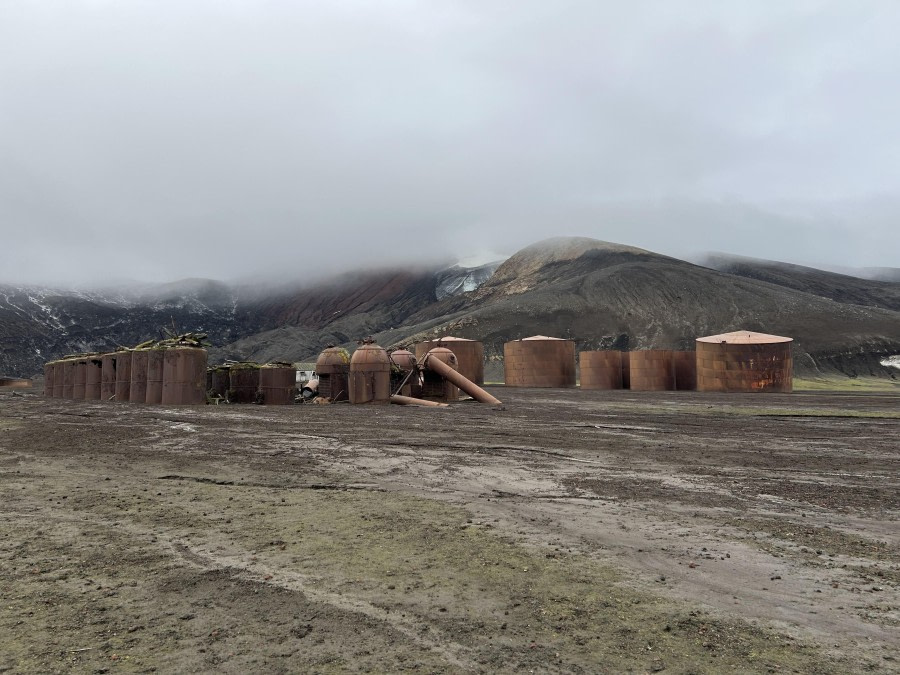
In the afternoon, we set out again for a split landing at Whalers Bay, located on Deception Island within the flooded caldera of an ancient volcano. This site holds one of the most fascinating pieces of Antarctic human history. The rusting remains of buildings, tanks, and boats mark the location of a Norwegian whaling station established in 1912 by Captain Adolfus Andresen. At its peak, the station processed thousands of whales each season, producing oil that was shipped around the world. Later, in the 1940s, the site was also used as part of a British Antarctic base (Base B) before volcanic eruptions in 1967 and 1969 damaged many of the structures and forced its abandonment. Walking among the weathered remains today offers a striking reminder of Antarctica’s industrial past and how nature gradually reclaims what people leave behind.
As the day drew to a close, the braves among us gathered on the beach for the traditional polar plunge. With cheers from fellow passengers and crew, participants ran into the frigid Antarctic waters before quickly retreating to dry land, laughing and exhilarated. It was the perfect—and refreshing—way to end a remarkable day of exploration.
With wildlife encounters, peaceful landscapes, a journey into history, and a splash of adventure, today was a wonderful reminder of why Antarctica leaves such a lasting impression on everyone who visits.
Dive Log
Dive 8 - 4 divers
Water temperature: 2°C / 35.6°F
A small group of us took part in a more intimate and demanding dive this morning. The day began with relatively calm conditions and signs of improving weather; however, as the morning progressed, we found ourselves enveloped by drifting mist that came and went, adding an element of uncertainty to the experience.
This was an exploration dive. The originally planned site presented very poor visibility, and therefore Mike, our dive team leader, made the decision to guide us toward a more exposed area where a series of small islands emerged from the sea.
As always, the cold waters demanded our full attention, yet at this stage of the expedition we moved with confidence and heightened awareness.
The dive, lasting between 35 and 40 minutes, proved to be truly spectacular, offering the best visibility we had encountered so far reaching up to 10 meters.
We followed a wall descending to approximately 20 meters, revealing what felt like a true underwater animal forest. It was teeming with life: crustaceans, sea stars, anemones, cold-water corals, and swaying kelp, all contributing to a rich and vibrant ecosystem.
Although our initial plan was to proceed with the rock face on our right shoulder, shifting currents required us to adapt and return to the more sheltered side of the promontory. From there, we continued our exploration around the island, deeply impressed by both the visibility and the remarkable biodiversity of the site.
Without a doubt, this is a location worthy of recognition among the dive sites of the South Shetland Islands.
Dive 9 – 22 divers
Water temperature: 2°C / 35ºF
Our final dive: inside the caldera of an active volcano! Descending into the bay, visibility initially seemed poor but improved with depth. What we encountered was extraordinary—vast fields of brittle stars covering the seabed, and the haunting remains of whale bones. Vertebrae and enormous ribs lay scattered, now home to sea urchins, anemones, sponges, and soft corals.
After 25-30 minutes, we surfaced, aware that this marked the end of our diving journey.
Later, we gathered once more—some of us returning to shore—to take part in the polar plunge, a final shared moment of exhilaration and camaraderie.
What an incredible trip! In total we visited 9 dive sites, and we performed 117 individual dives.
We experienced challenging conditions, extraordinary wildlife, and moments of profound connection with one of the last true wildernesses on Earth. We leave Antarctica not only as more experienced divers, but as witnesses to its beauty and fragility.