| Fecha: |
12.01.2026 |
| Posición: |
64°51.5’S / 62°32.2’W |
| Viento: |
S1 |
| Clima: |
Clear |
| Temperatura del Aire: |
+2 |
What a glorious morning! We awoke to beautiful blue skies and absolutely still waters in magnificent Neko Harbour.
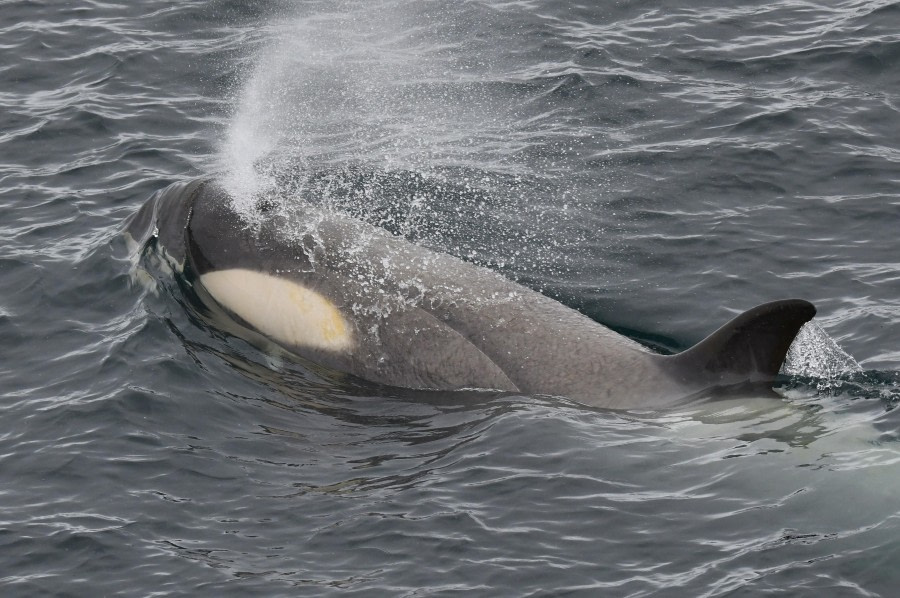
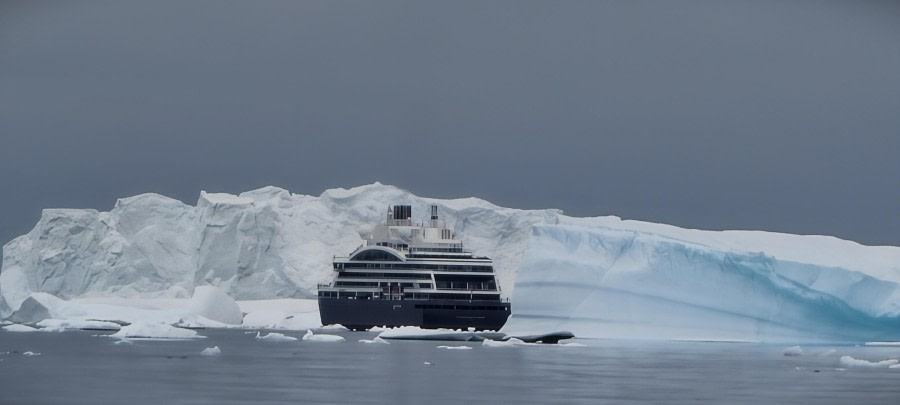
Massive glaciers surrounded the peaceful bay, while a few smaller icebergs floated contentedly about. What really caught our attention, though, were the multiple humpback whales feeding all throughout the harbour. We would spot a pair of spouts in one area, only to have our attention soon diverted by another pair. At least six of the giant creatures made their presence known with their gentle breaking of the surface and the WHOOSH of their spouts. We were completely enthralled.
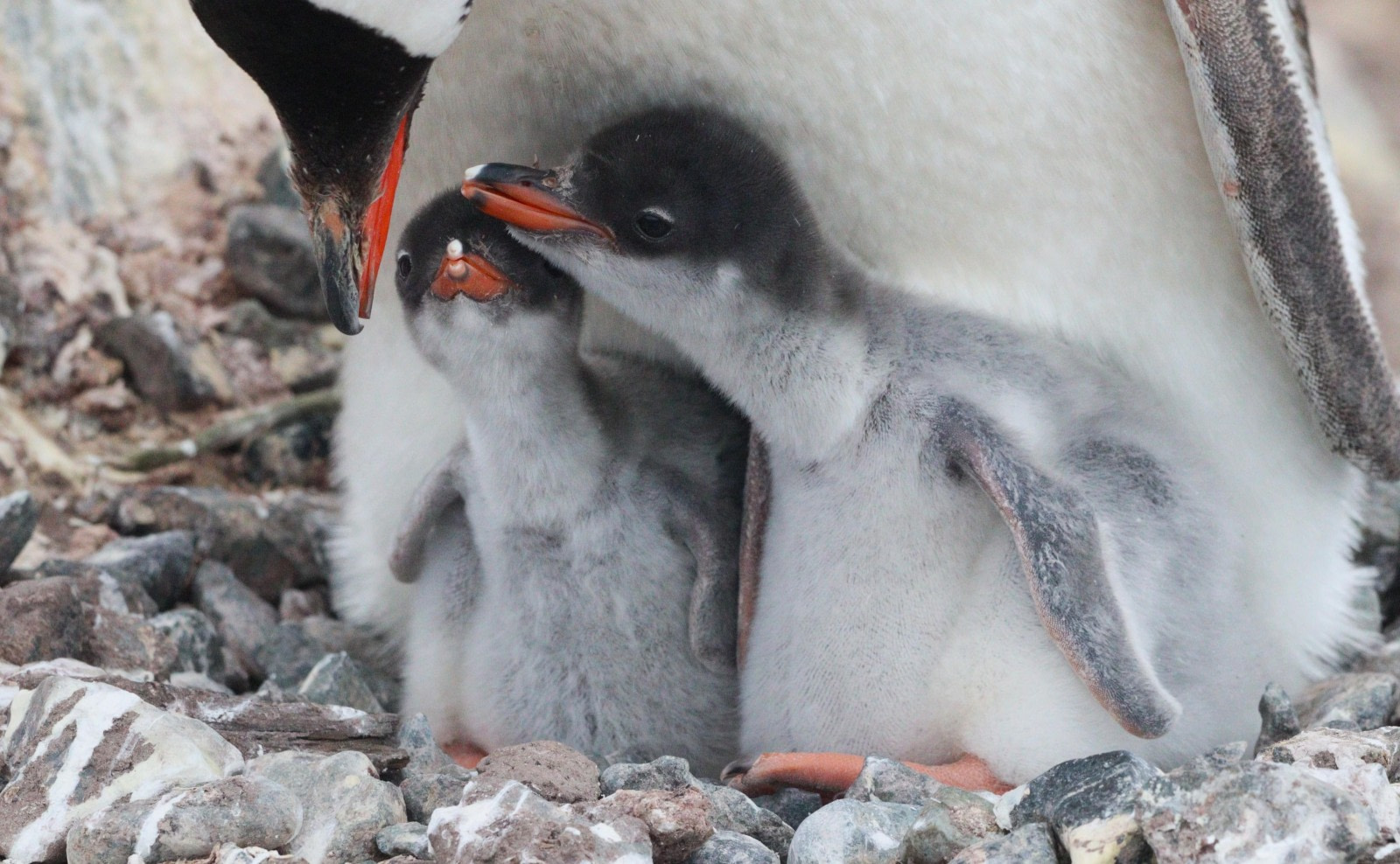
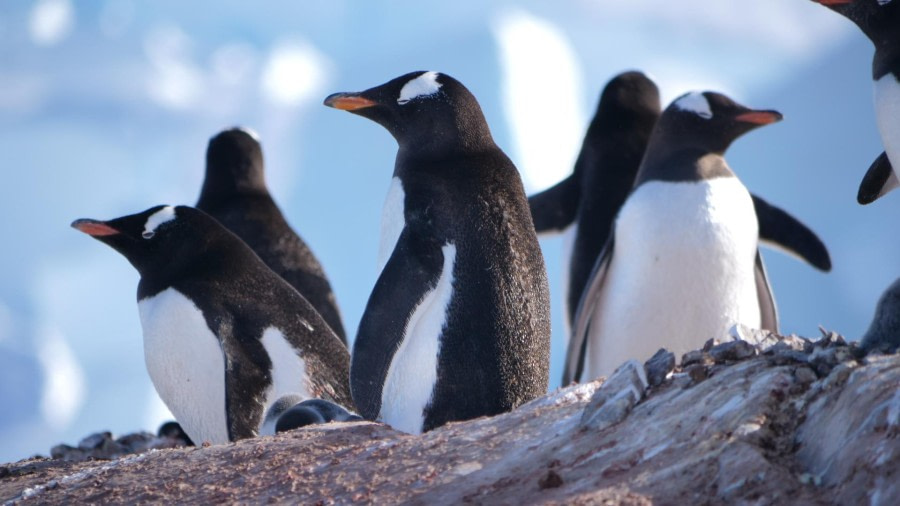
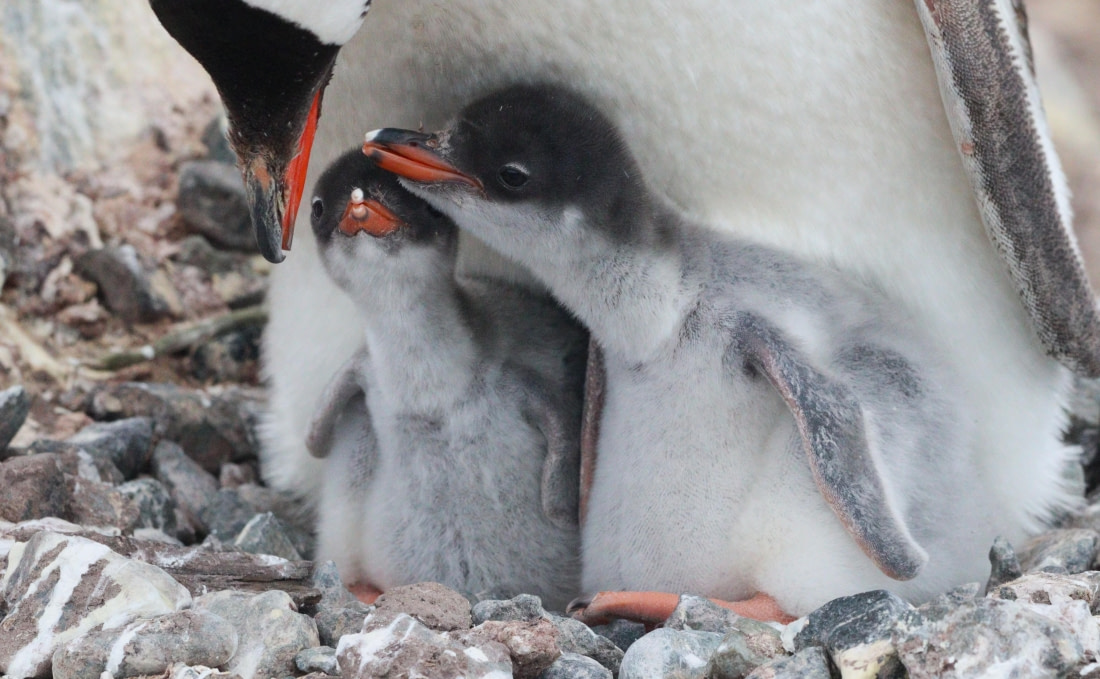
In the meantime, the gentoo penguins were bustling about the shoreline, bathing, feeding, heading to and from their nests. Curious and a little uncertain of their giant visitors, they soon went about their busy day without a care for us, although a few did try to collect our red poles as a treasure for their nests. Had they succeeded, they would assuredly have been the envy of the entire penguin neighbourhood.
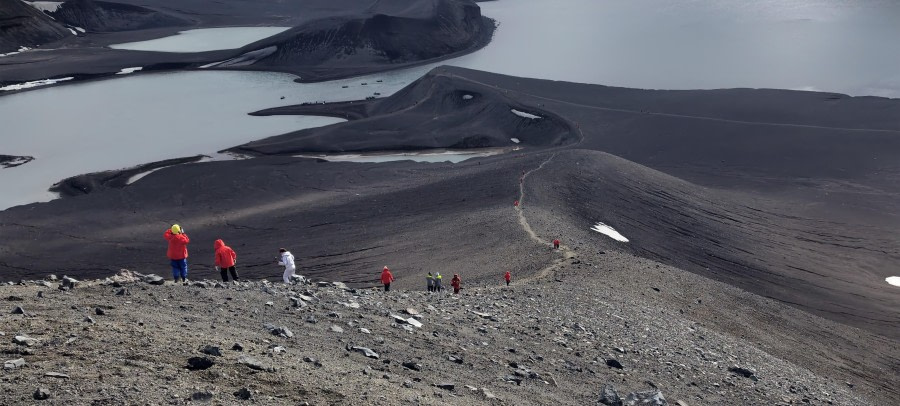
From the high vantage point of the top of the walking loop, our view over the harbour was nothing short of dazzling. We watched the brash ice move in, crowding the landing site and adding an extra element of Antarcticness to the day while maintaining perfect weather. Although the face of the main glacier was mostly quiet, there was a significant but not very wide avalanche far to the other side of us that sent a cloud of snow pouring into the sky. The penguins did not seem to react at all, though the crashing noise certainly had us looking up. We did not see the famous tidal waves of Neko Harbour, but we did get to see a fog of powder in an otherwise blue sky.
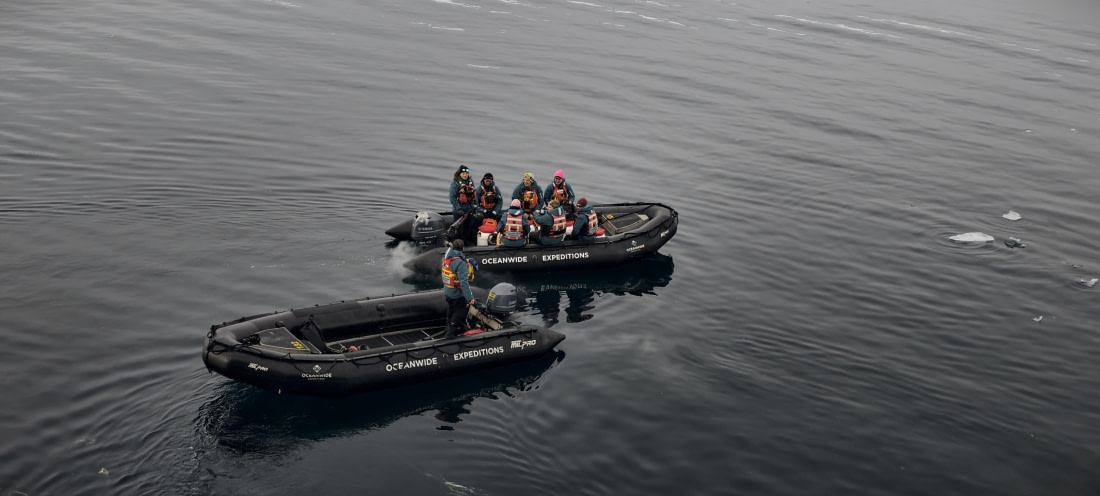
While we were enjoying ourselves on land, in kayaks, and in the zodiacs, some of the expedition staff took the opportunity presented by the perfect weather to practice person-overboard drills. We watched in amusement as different teams pulled people out of the water, the occasional penguin gliding effortlessly by. Everyone seemed to come through the training well – and only a little water-logged.
After this already full morning, we were ready for a hearty lunch! Today is the day we eat mindfully, trying to be aware of our food choices and how they affect our larger environment, even down here in the polar Antarctic. Vegetarian is the theme of the day’s meals – without, of course, sacrificing flavour. Fortunately, the galley team did not disappoint, serving up a grand buffet of delights, including a scrumptious vegetarian pizza that was a fan favourite. Some of us then went to our cabins for a little nap – we had big plans for the evening still to come.
The afternoon found us all in boats: either a zodiac or a kayak. We meandered around Skontorp Cove, visiting multiple Weddell seals hauled out onto pieces of ice while marvelling at the heights of glacial towers. How had they not managed to topple yet? Some seemed to lean at impossibly precarious angles; surely they would collapse at any moment. But none did during our visit.
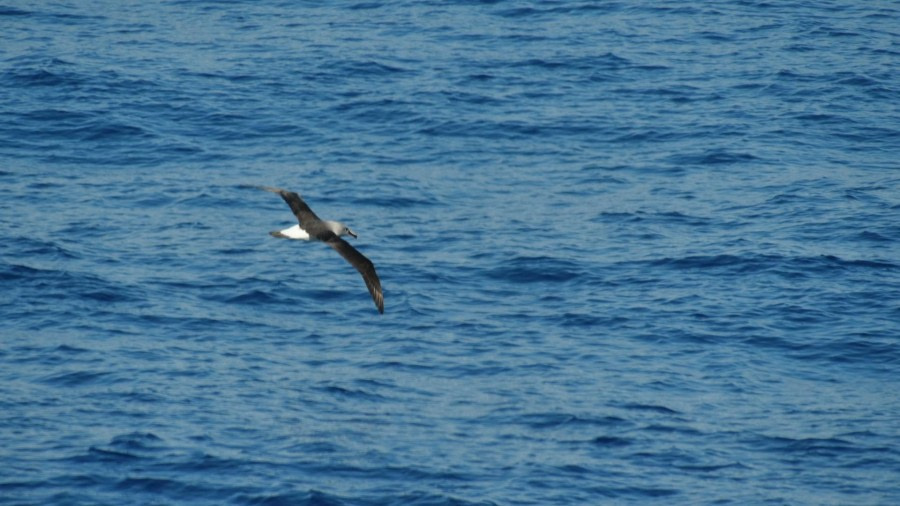
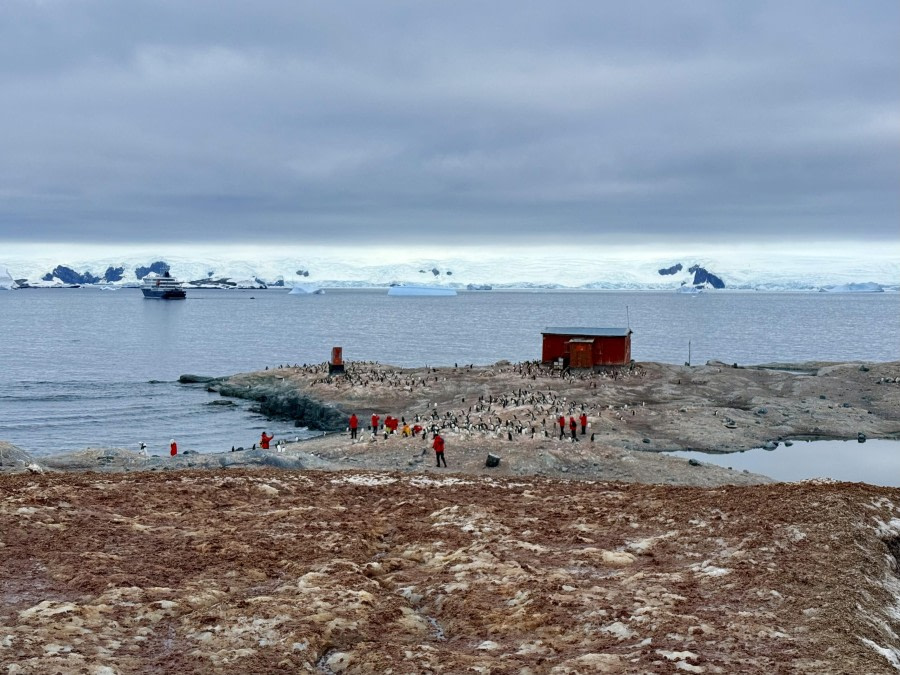
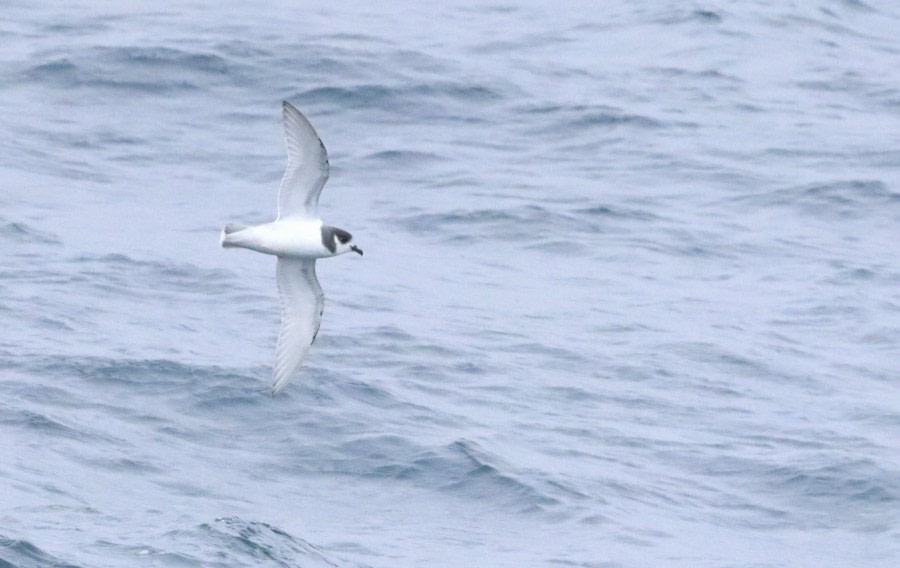
We cruised around the corner toward the Argentinian research station Almirante Brown Base, visiting steep cliffs full of nesting blue-eyed (Antarctic) shags, Antarctic terns, and several species of petrel. Occasionally a shag would swoop low over a zodiac on its way out to sea to fish, invariably leaving a crowd of smiles behind it. Gentoo penguins covered the research station, obviously quite at home there. A vibrant streak of aquamarine ran vertically down a cliff, alerting us to the presence of copper in the rock. Vibrant yellow and orange lichen coated the bluffs, adding depths of colours we were not expecting in a land of ice and snow. Wait, was some of the snow slightly pink? Indeed, large patches of “watermelon snow” could be seen throughout the area, caused by a blue green algae known as Chlamydomonas nivalis. Why, then, wasn’t the snow green, if its coloured by a blue green algae? The pink colour was caused by an internal “sunscreen” the algae uses to protect its green chlorophyll. Who knew?
After a slightly bouncy ride back to the ship, we gathered again for dinner, continuing our day of mindful eating with another fantastic array of vegetarian options. The vegetarians among us rejoiced, and the carnivores among us barely missed the meat. All of our taste buds were delighted.
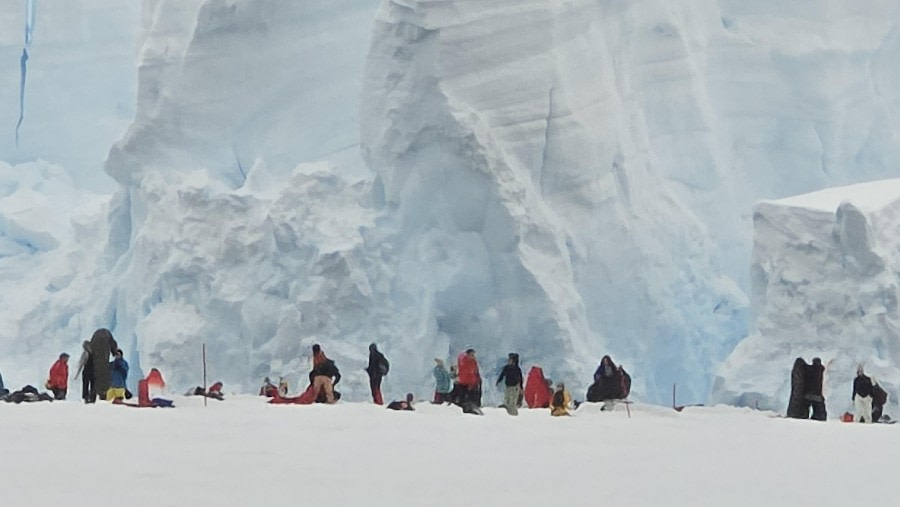
Now, when the evening would normally be drawing to a close, half of us still had one more excursion to go: it was time to go camping! We layered up, put on warm gloves and hats, and went ashore to the place chosen by our guides to spend the night in the crisp, open air. Once there, we used shovels to dig out our sleeping spot, piling the snow up to a make a wall to protect us from any wind that might show up during the night. Our sleeping bags went into our shells, we went into our sleeping bags, and we drifted off to a not-quite-as-comfortable-as-in-a-warm-bed sleep thinking, “How magical is this?”