| Date: |
31.12.2025 |
| Position: |
64°40.3’S / 062°36.9’W |
| Le vent: |
SSW-1 |
| Météo: |
Mist |
| Température de l'air: |
+2 |
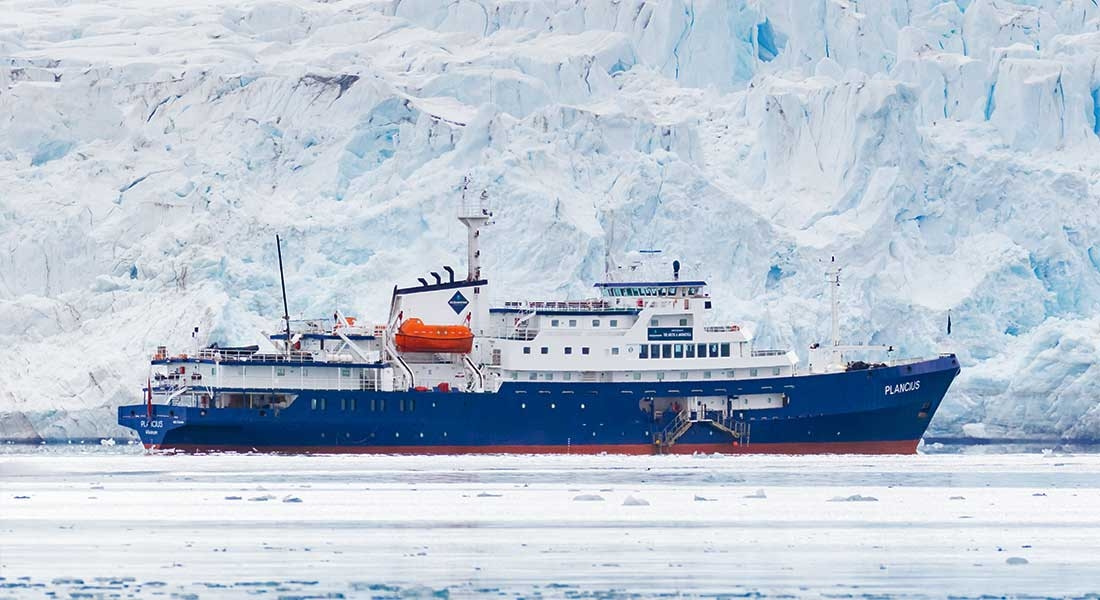
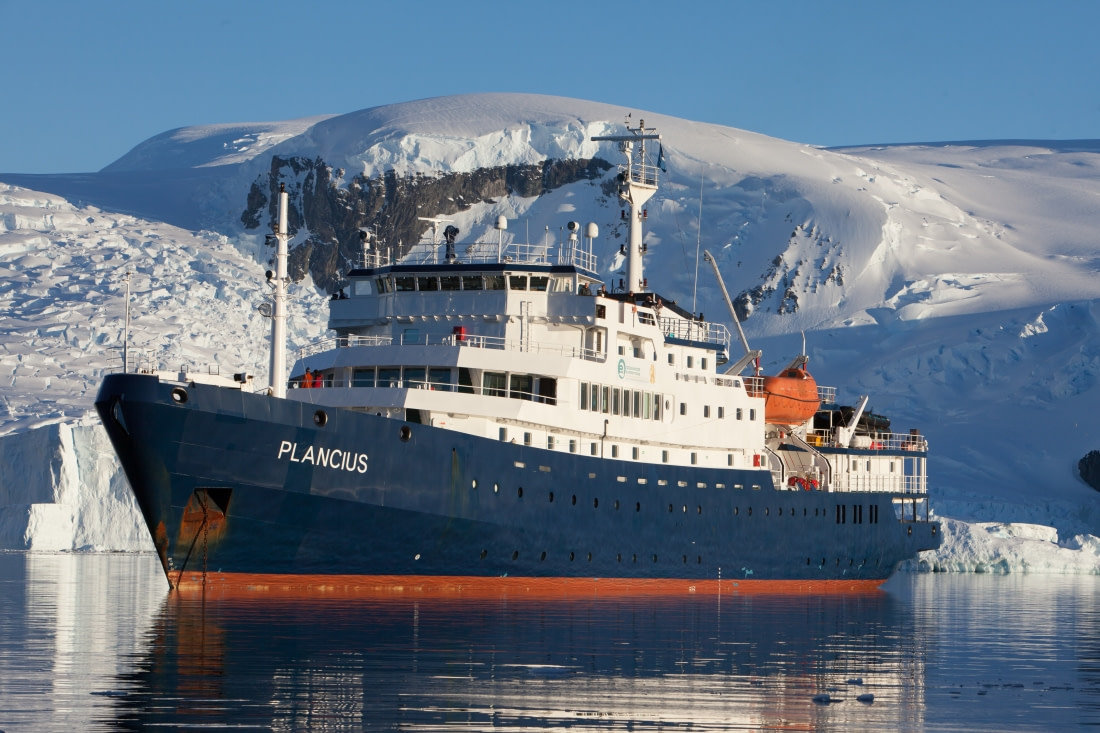
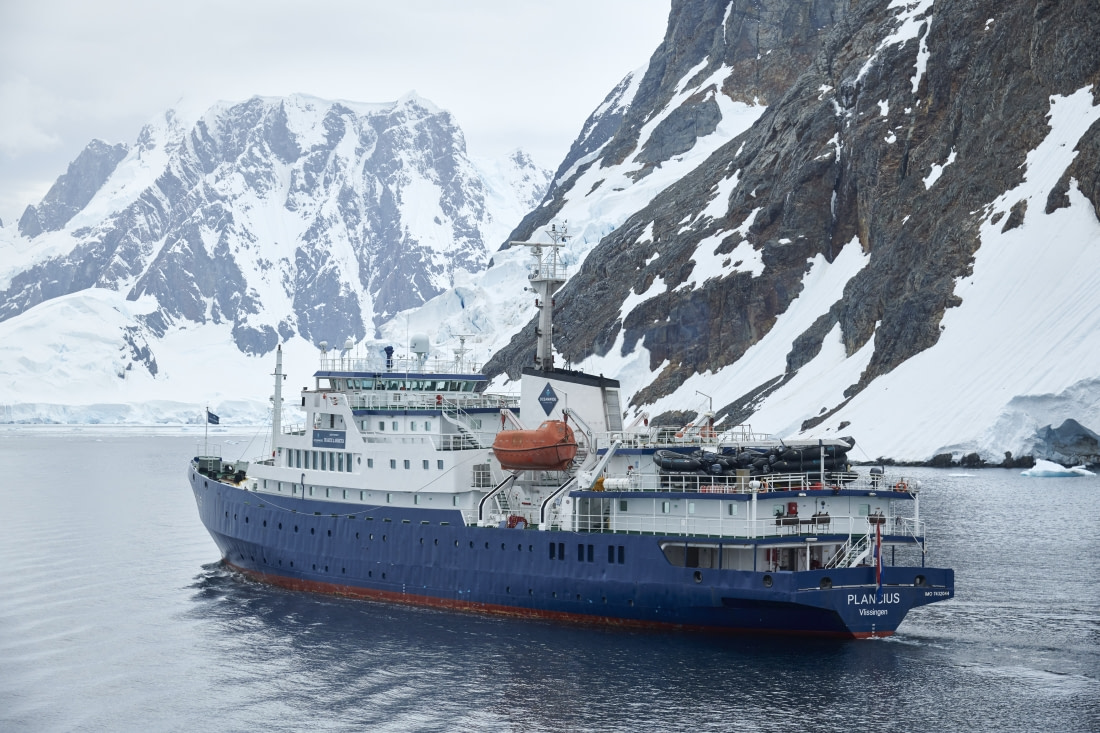
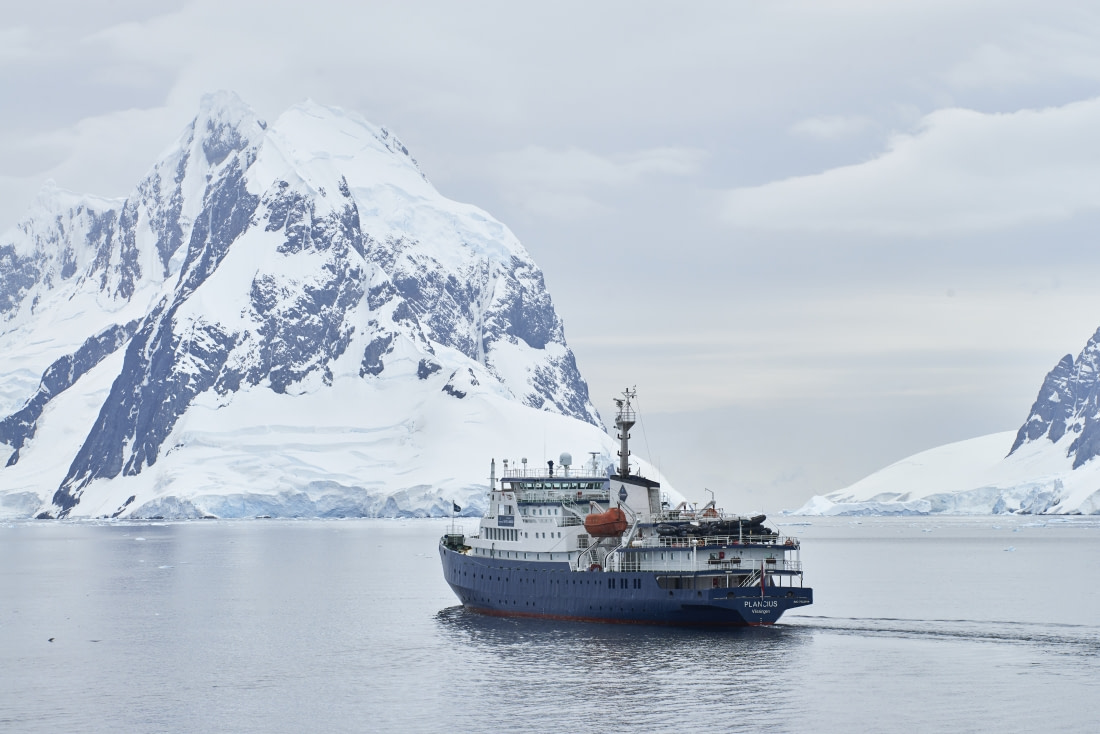
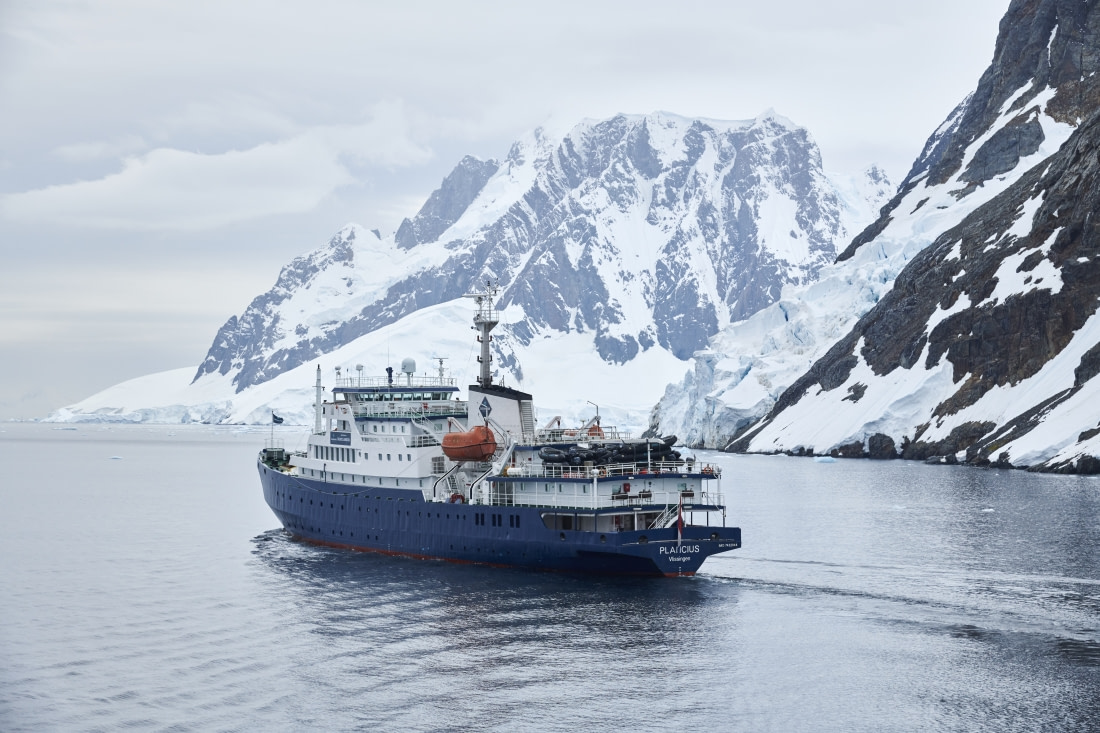
Our first sight of the Antarctic Peninsula was the snow-capped peaks of Brabant and Anvers Islands, marking the entrance to the Gerlache Strait. In the distance, while crossing the strait, the silhouette of Cuverville Island appeared, guarding the northern entrance to the Errera Channel. The day was calm and overcast, and as MV Plancius maneuvered into the entrance of the channel, the galley team offered us a hearty breakfast to start our first day of operations.
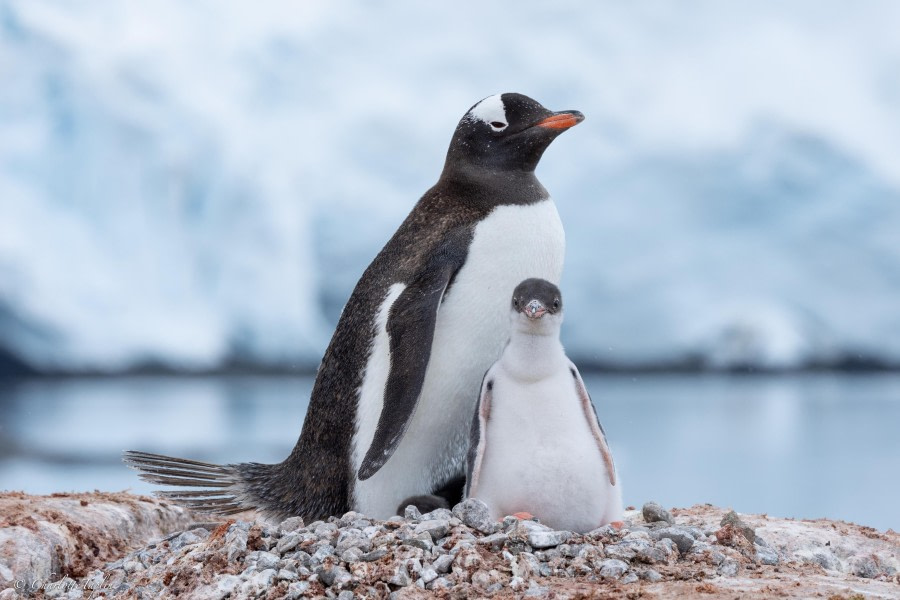
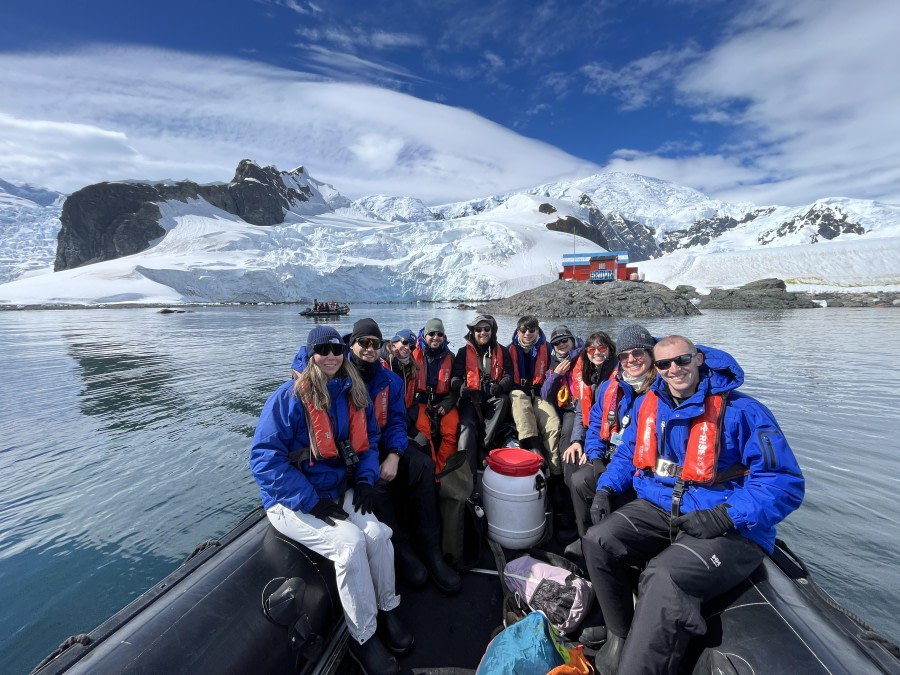
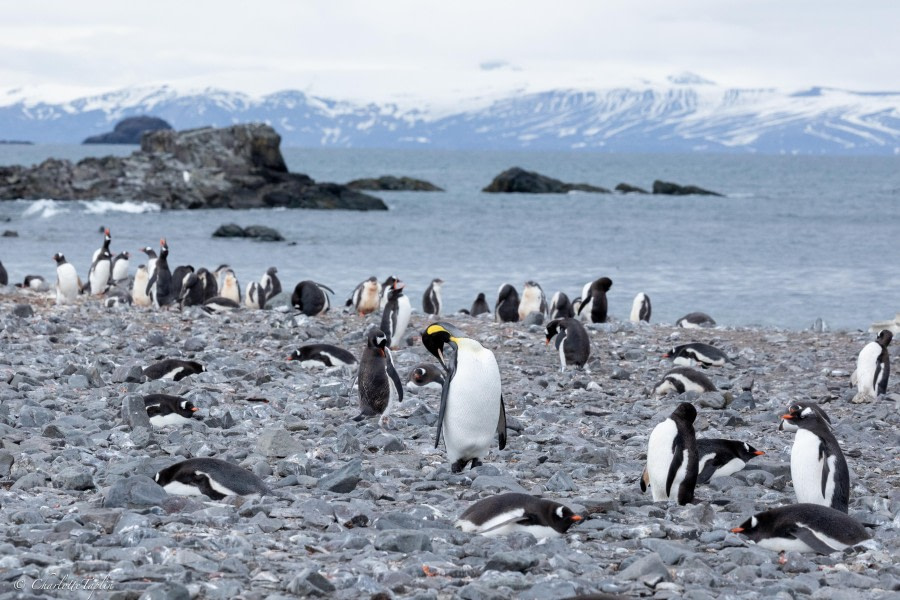
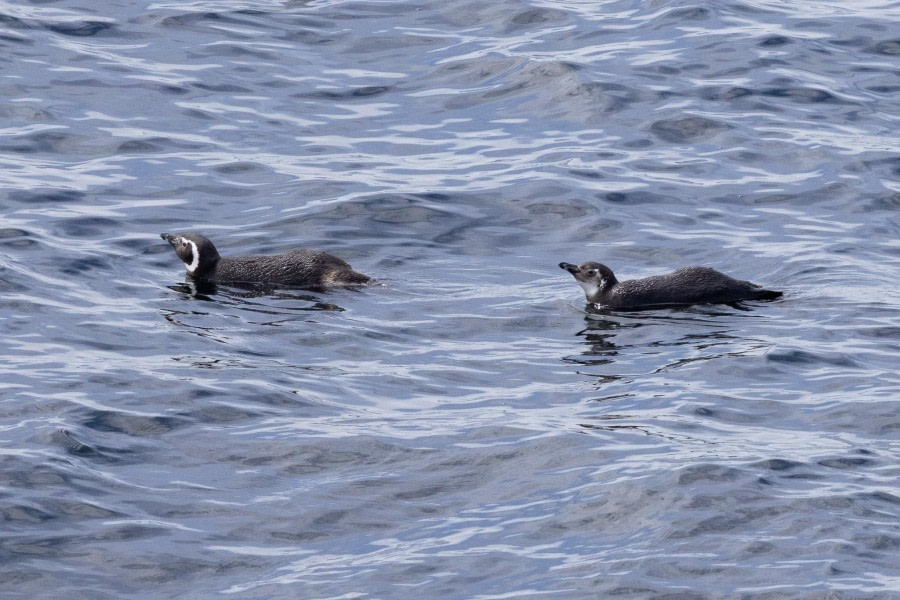
Our guides shuttled us to a cobbled beach where, finally, after two days at sea, we set foot on the Antarctic continent. Welcoming us was a large colony of Gentoo penguins, and the guides explained their behavior and reproductive cycle. Gentoo penguins are easily recognized by the white patch above their eyes and their bright orange beaks and feet. They build their nests from small stones, which they carefully collect and protect from neighboring penguins. During the breeding season, the female usually lays two eggs, and both parents take turns incubating them and caring for the chicks. Once the chicks hatch, they are fed regurgitated food and kept warm by their parents. As the chicks grow, they gather in small groups called crèches while the adults go out to sea to feed. By the end of the season, the chicks develop waterproof feathers and are ready to enter the ocean on their own.
After visiting the main rookeries located near the shoreline, some of us followed the footsteps of mountaineers and walked up to a vantage point where we could see the bay separating Cuverville from Ronge Island, gently covered in snow.
In the afternoon, we moved across the bay and set foot on one of the Orne Islands, with sweeping views of the Gerlache Strait and the high peaks of Anvers Island. Here, we observed a small rookery of Chinstrap penguins, our second species of the day. Similar in their breeding and feeding habits, Chinstraps were well known for their self-describing name, their variety of vocalizations, and, at this time of year, their lovely, fluffy light-grey chicks, which some of the parents showed to us from time to time.
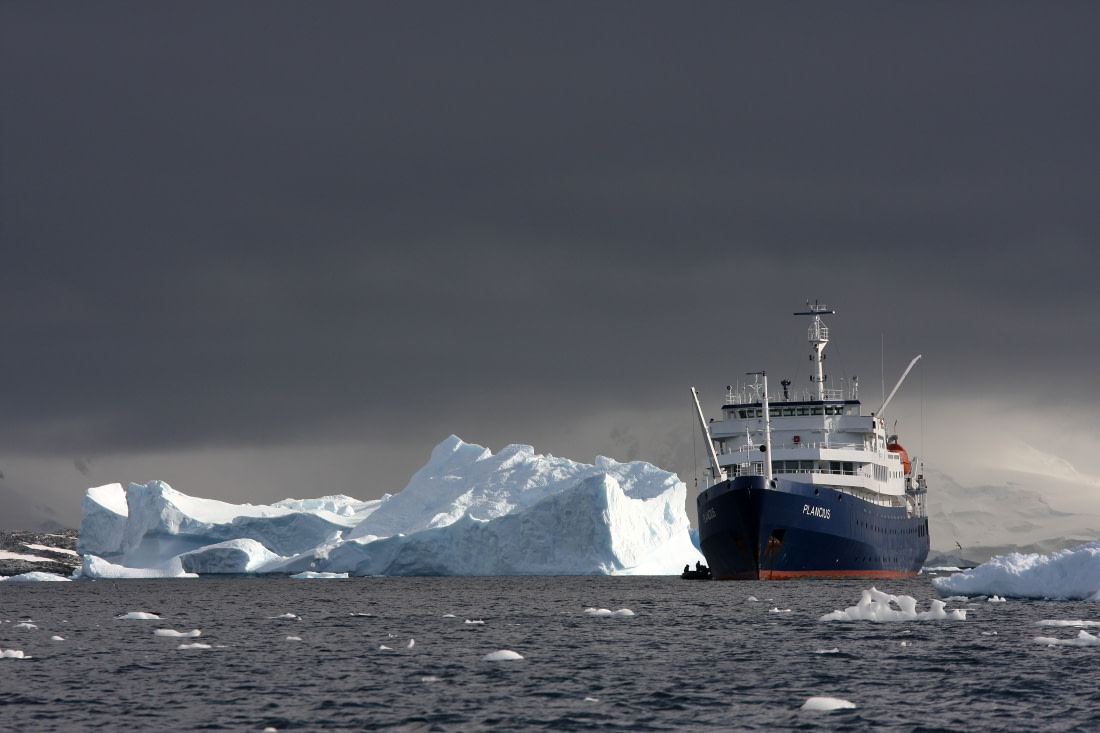
Back on board for the recap, we learned about the plans for the next day, the beginning of 2026. While Plancius repositioned toward the selected overnight location, a small pod of Type-B2 orcas paid us a visit, swimming alongside and at the stern of the ship. It was an incredible day of encounters and excitement, ending the year and beginning our own expedition in Antarctica.
Mountaineering
Our first mountaineering experience was led by Dave McKinley, explored the western steep-sided of Cuverville, an island in the Errera channel, measuring roughly 2 by 2.5 kilometers, most of it covered by a permanent ice cap. The northern shoreline stretched for about 1.5 kilometers, formed by cobbles and boulders and backed by cliffs and snow-covered slopes. Once the initial excitement settled, crampons were fitted and the group spaced out for glacier travel. Firm snow allowed for good progress, although the overcast conditions limited visibility throughout the day.
During the afternoon fourteen of us, ranging in age from a 10-year-old to more senior participants, landed on a small rocky beach on the northern tip of Rongé Island, off the west coast of the Antarctic Peninsula. From there, a rocky and snow-covered path led upward to a viewing point. Careful rope management was required due to the wide range of weights in the group, with lighter guests positioned between heavier ones or additional knots added for safety. The initial ascent was a straightforward walk in snowshoes, passing an area of broken ground before a steeper final section with a few zigzags leading up to the col, rewarding the team with impressive views and a strong sense of achievement on their first Antarctic outing.
Kayaking
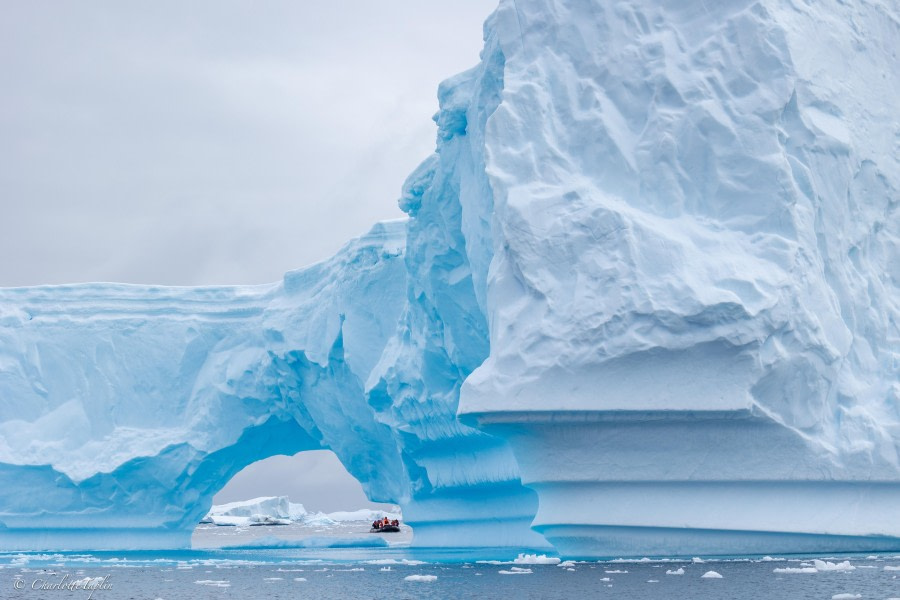
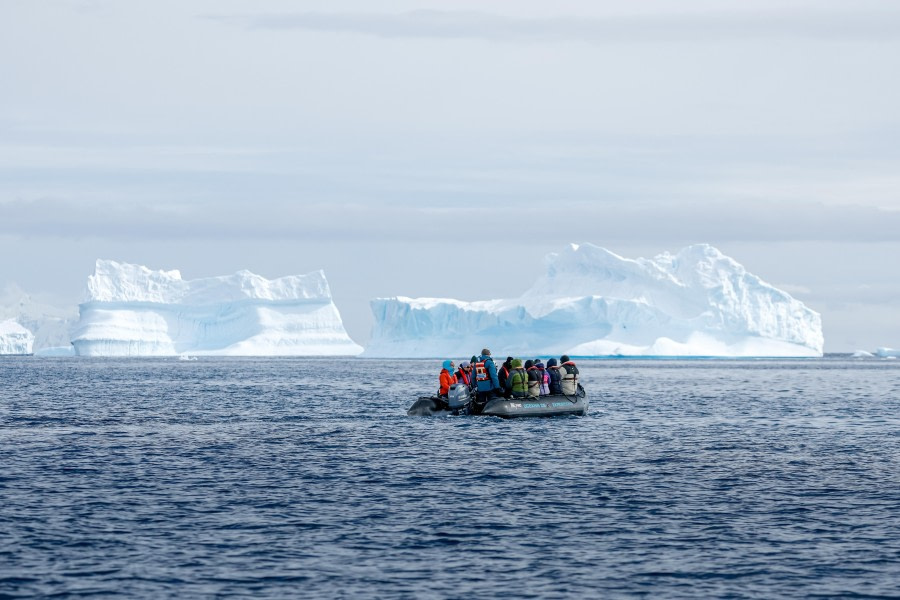
What a way to start activities. A full circumnavigation of Cuverville by kayak. Climbing into the kayak wasn’t easy, due to the small wind waves, but as we paddled down the west coast of the island under the steep cliffs, we soon found calm sheltered water. In the shallow waters of the east coast, we found two sleeping crab eater seals. Staying close to the shore line allowed us to see many Gentoo penguins launching and landing. We navigated around some small Icebergs before jumping back into the Zodiac to head back to Plancius.
In the afternoon we set off towards Orne Island, but the wind was determined to make our kayaking difficult. So in true expedition fashion we made a U turn and decided to go with the wind. Getting into the kayaks and heading down wind towards Cuverville Island. We navigated through the large icebergs and found shelter on the inside of the island, finding many swimming penguins and even a crab eater seal in the shallow waters. As the tide dropped there were many stranded icebergs on the rocky shore which we weaved in and out of.
Camping
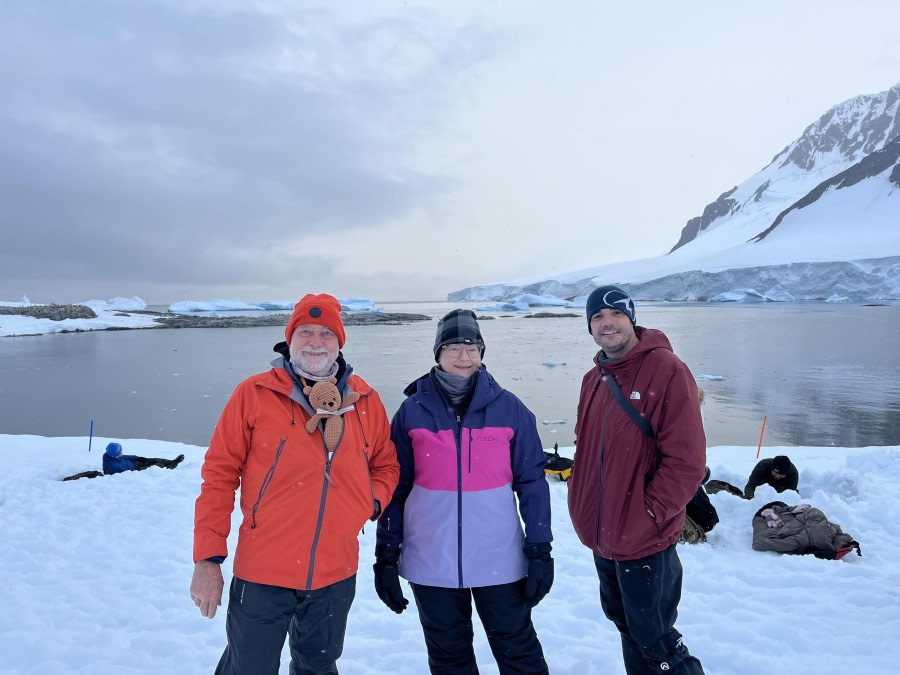
On the final day of 2025, excitement spread quickly through the ship as our Expedition Leader confirmed the long-awaited news: tonight 57 of us would camp on the ice and welcome 2026 in Antarctica. Our destination was Dorian Bay, a small and beautiful bay surrounded by glaciers and sculpted snowfields, home to a historic British hut and an Argentine refuge: silent witnesses to decades of polar history.
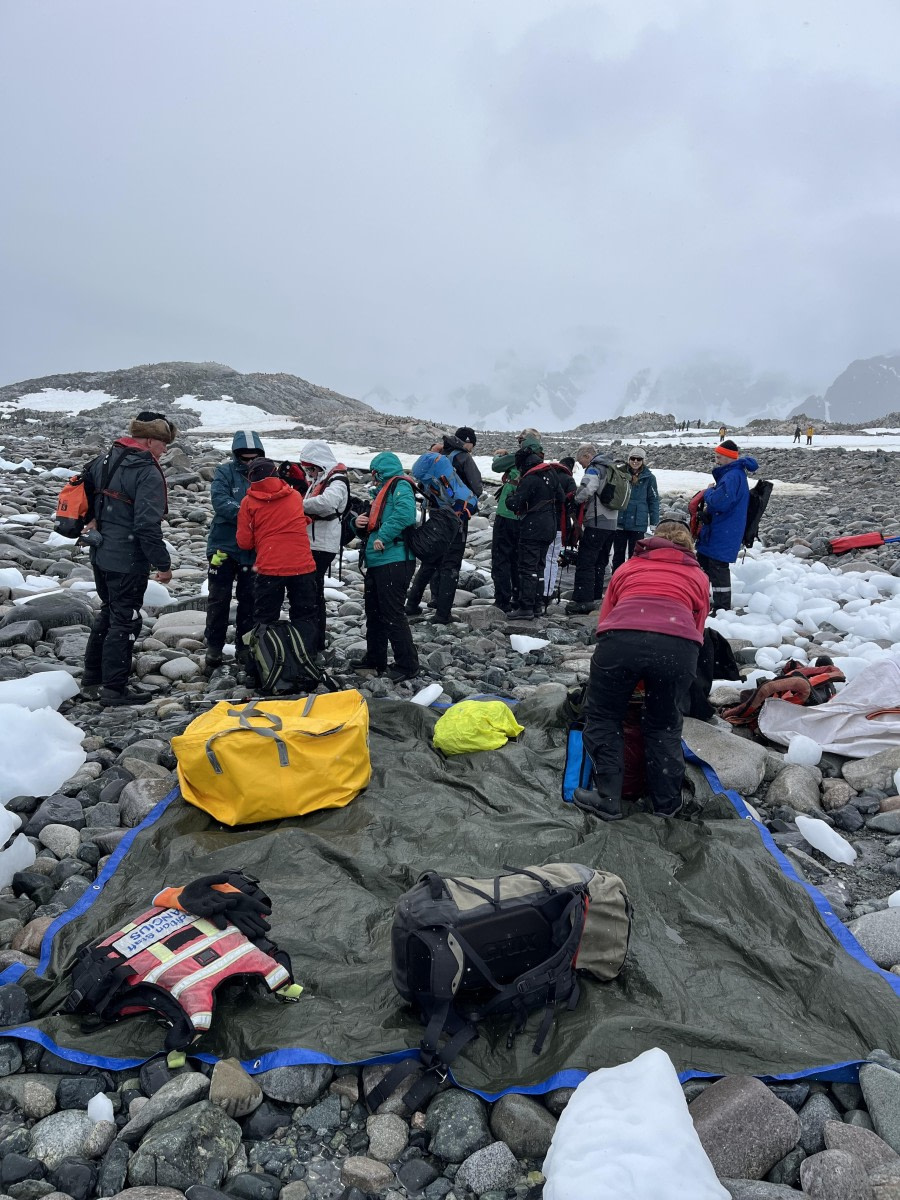
We reached the beach around 21:30, where Lucia, Brenya, and Marco welcomed us ashore. Shovels in hand, we were shown the designated camping area and soon began digging our bed platforms for the night. Light snow fell steadily as we worked, laughter echoing across the quiet bay while we prepared our sleeping kits. Once camp was set, we took time to explore the surroundings, soaking in the stillness of the Antarctic evening.
As the hours passed, one by one people retreated into their sleeping bags. Some of us slept deeply through the night, while others barely slept at all, but everyone shared in the same extraordinary experience of welcoming a new year in one of the most remote places on Earth. At 05:00, we received a gentle wake-up call from the expedition guides. We packed our gear carefully, restoring the landing site exactly as we had found it, leaving no trace of our overnight stay. Shortly after, the Zodiacs arrived and transported us back to Plancius, where we were greeted in the lounge with warm smiles, pastries, juice, and coffee.