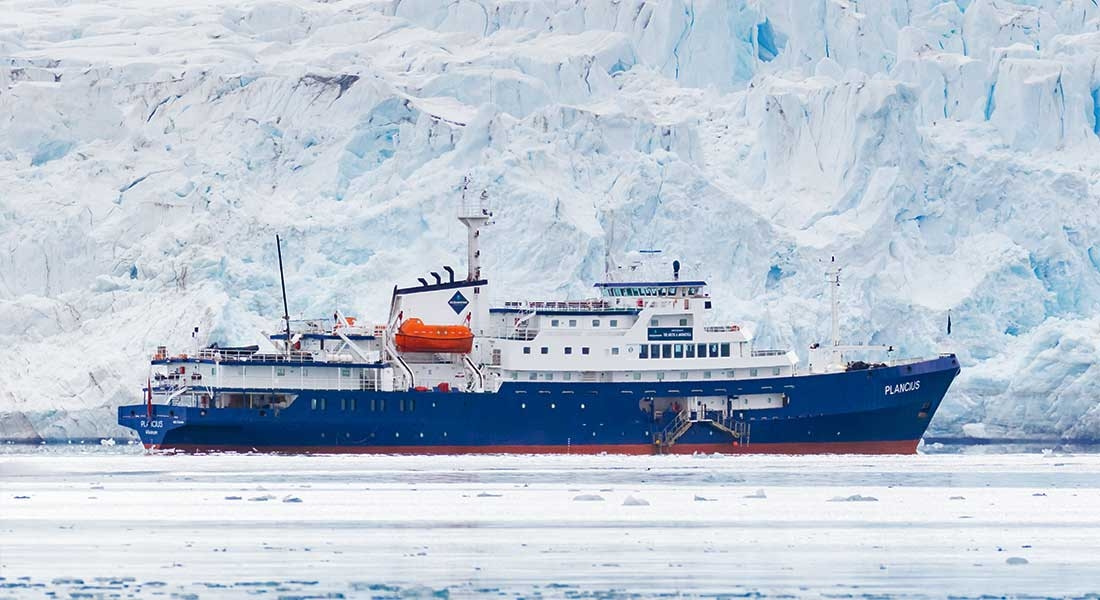
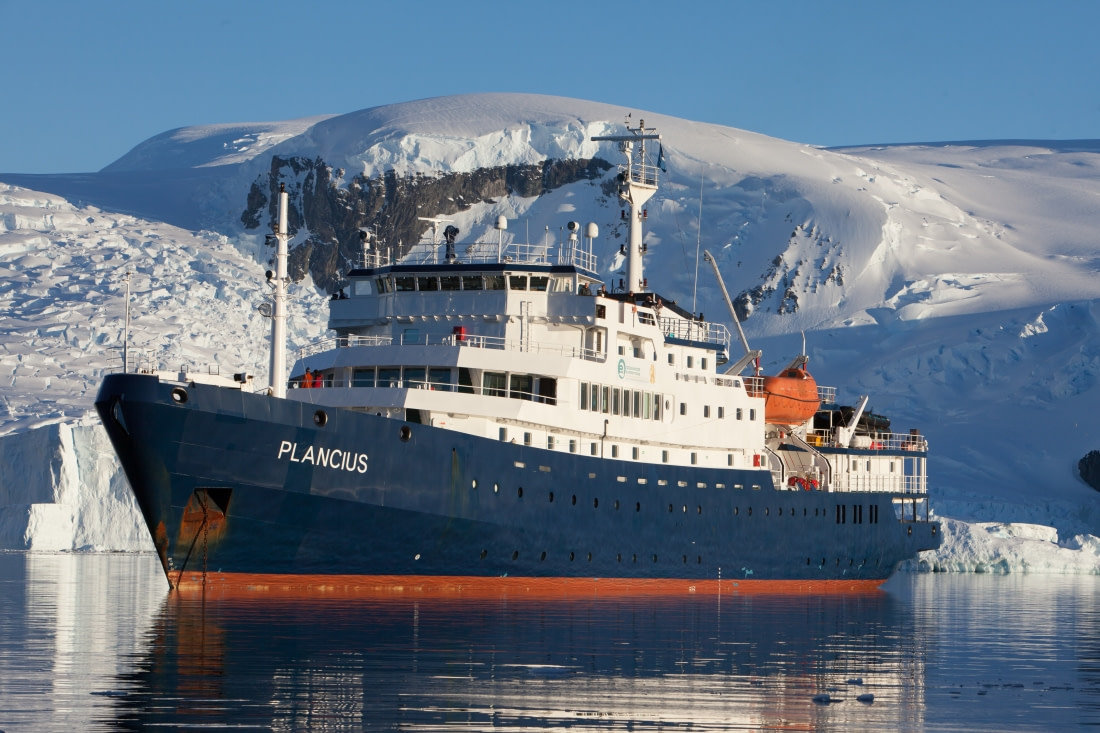
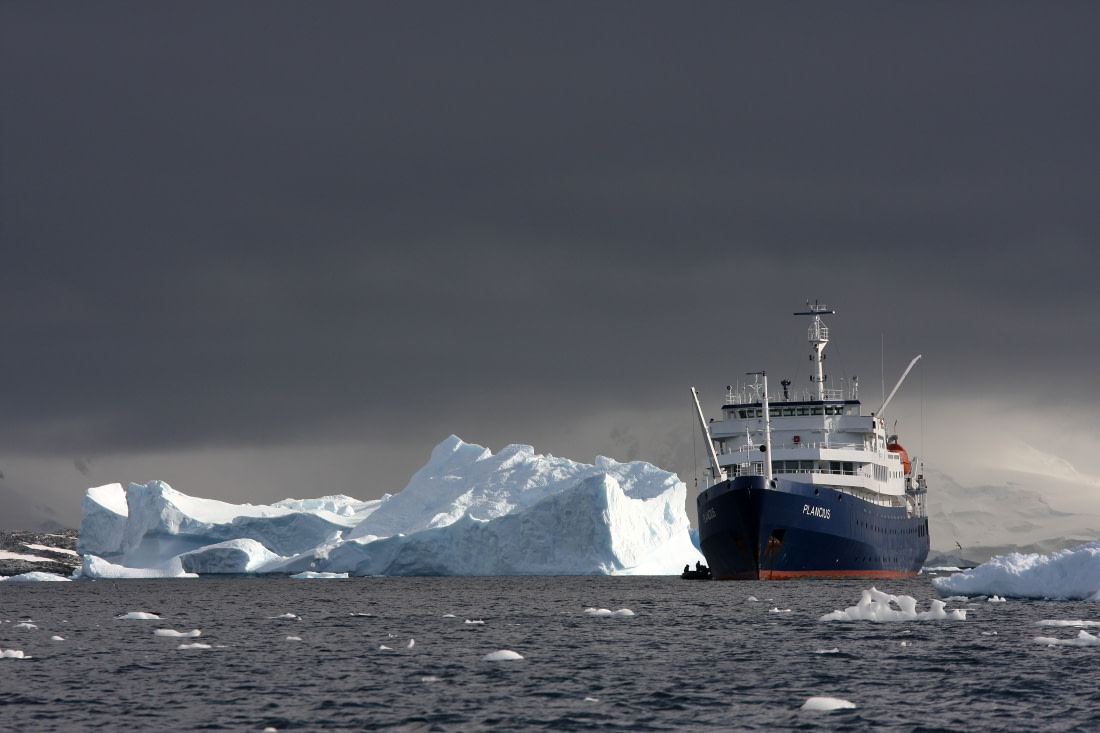
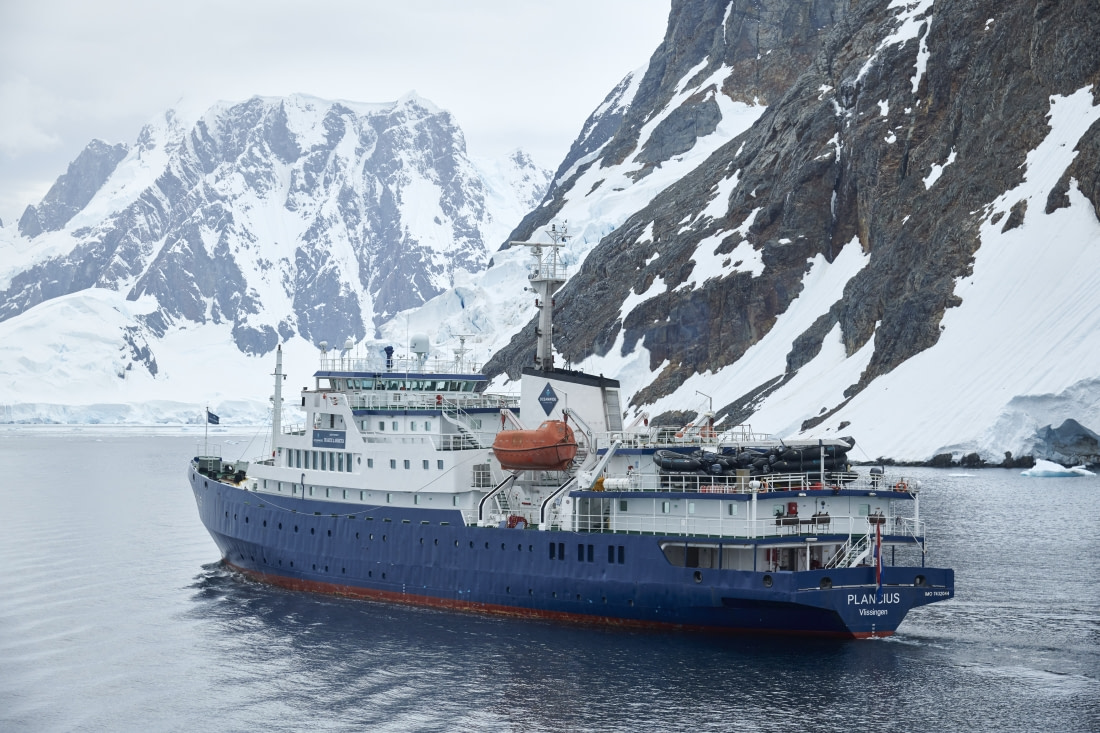
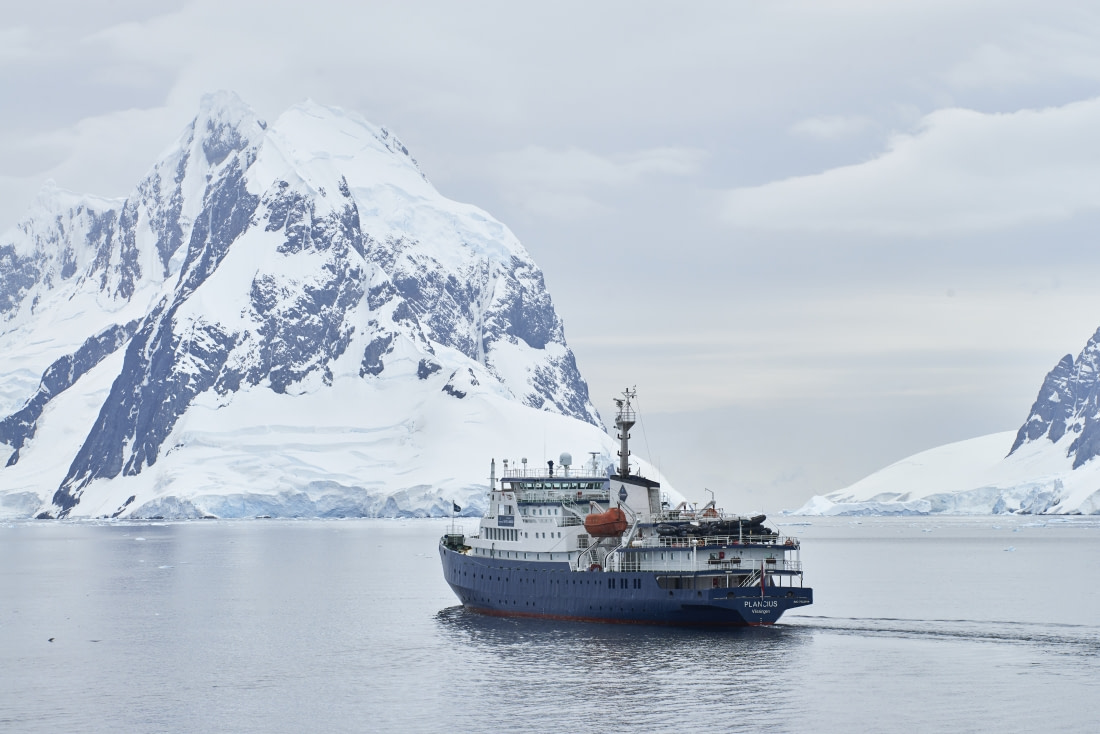
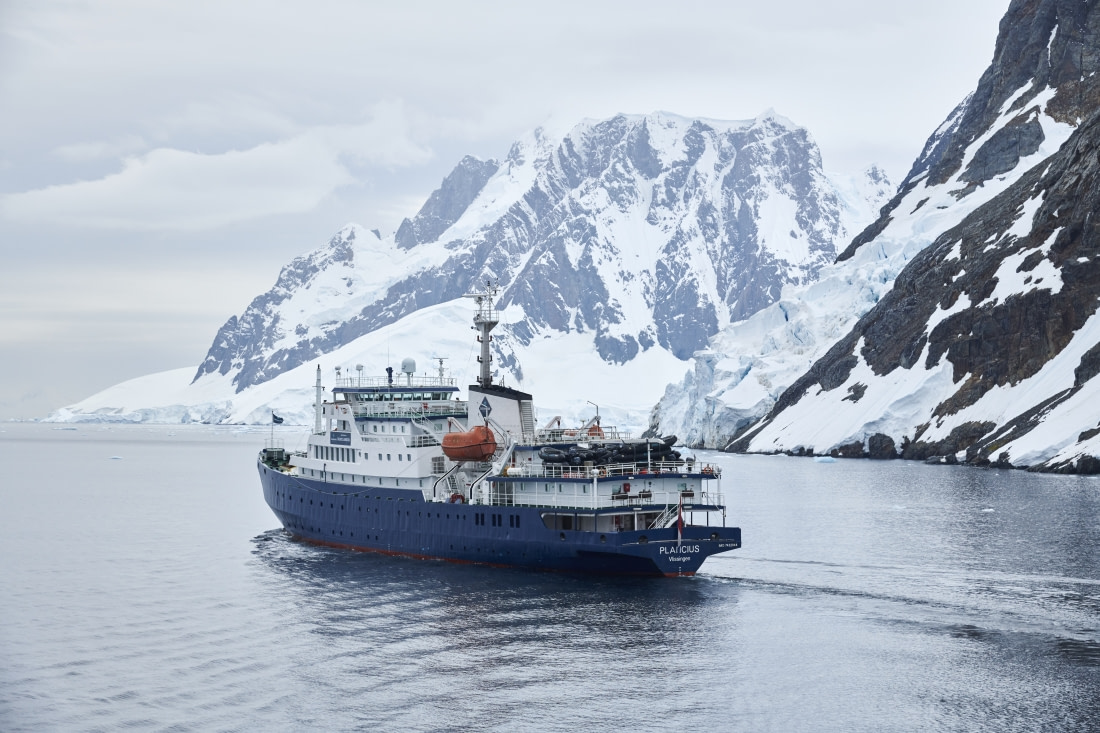
PLA06-26, trip log, North Spitsbergen Explorer – Into the Pack Ice – Polar Bear & Whale Special

by Oceanwide Expeditions

Galerie de photos

Journal de bord

Day 1: Longyearbyen, embarkation day

Longyearbyen, embarkation day
Date: 28.06.2026
Position: 78°14.1’N / 015°37.1’E
Le vent: NNW2
Météo: Partly cloudy
Température de l'air: +8

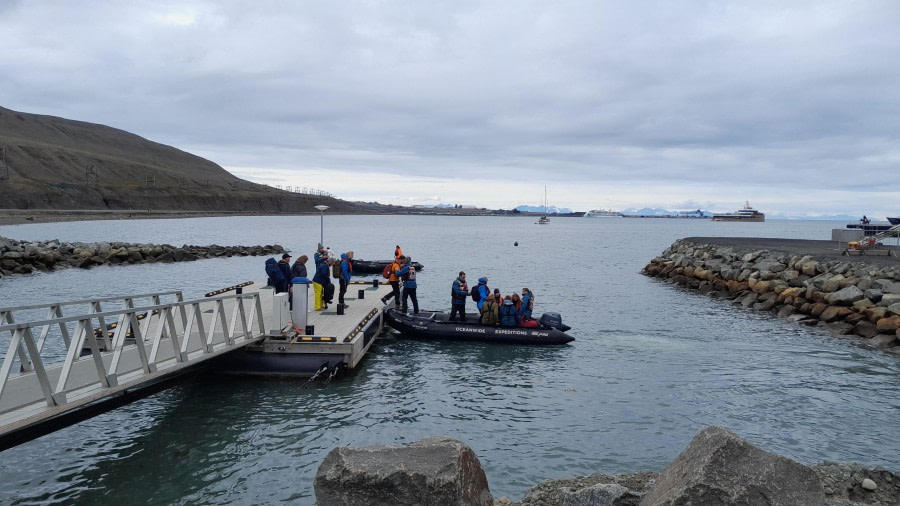
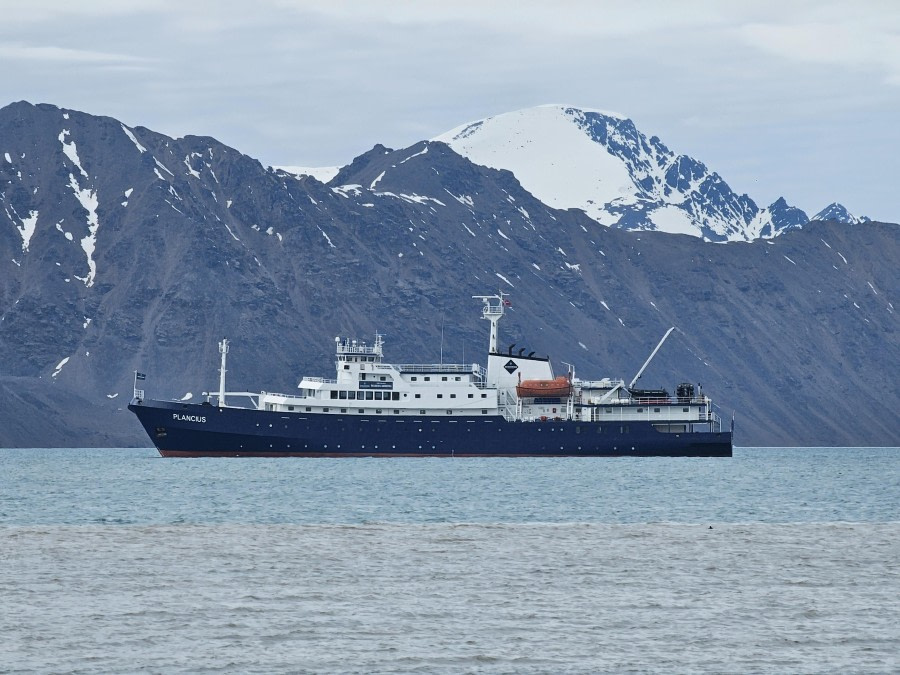
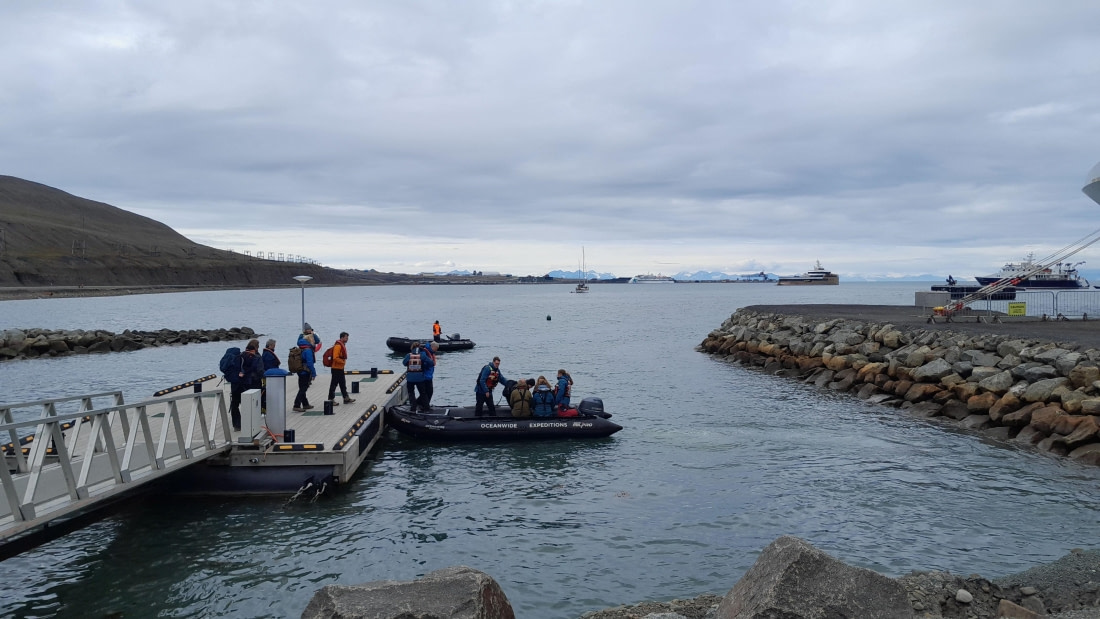
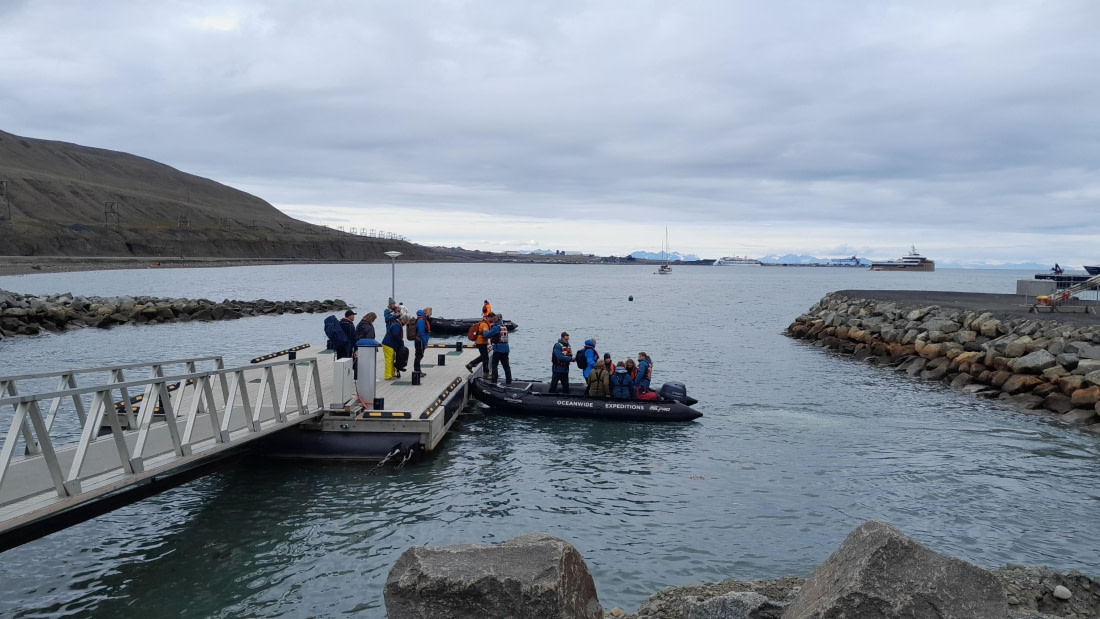
Many of the guest arrived at Longyearbyen on the day of embarkation. Throughout the afternoon the luggage was shuttled from the key out to MV Plancius on anchor in the bay. By 4pm there was an eager line of guests waiting to embark on the Zodiac journey! Our luck with the weather meant that we could save our wet zodiac journeys for later in the trip.

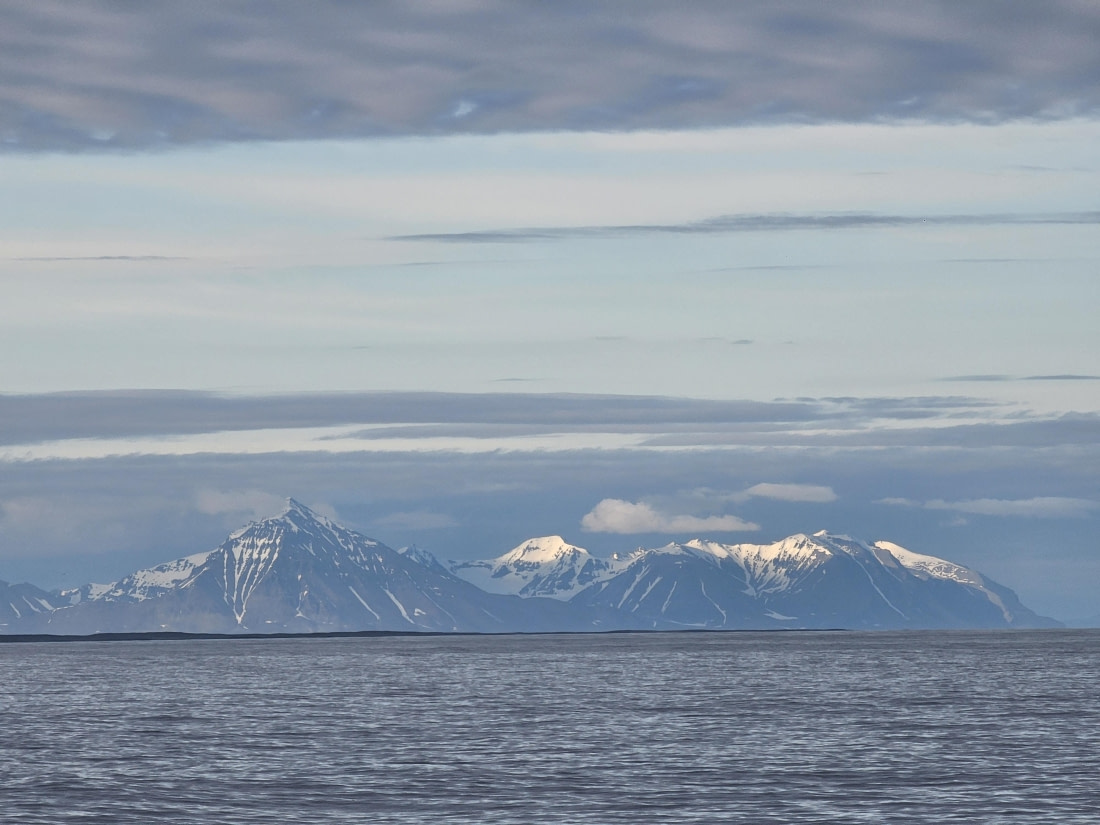
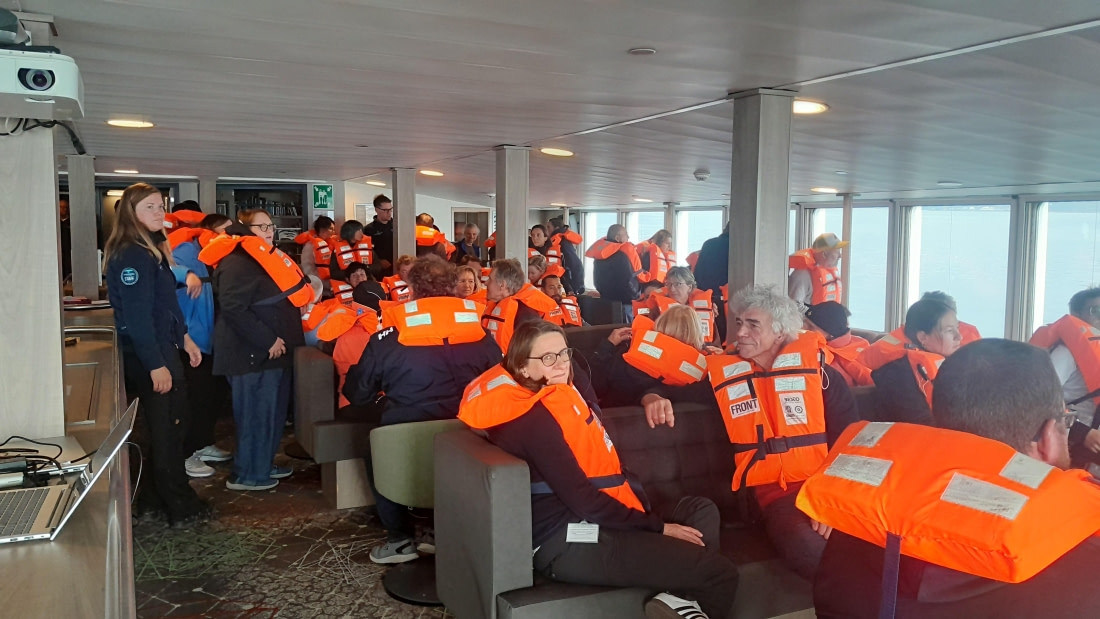
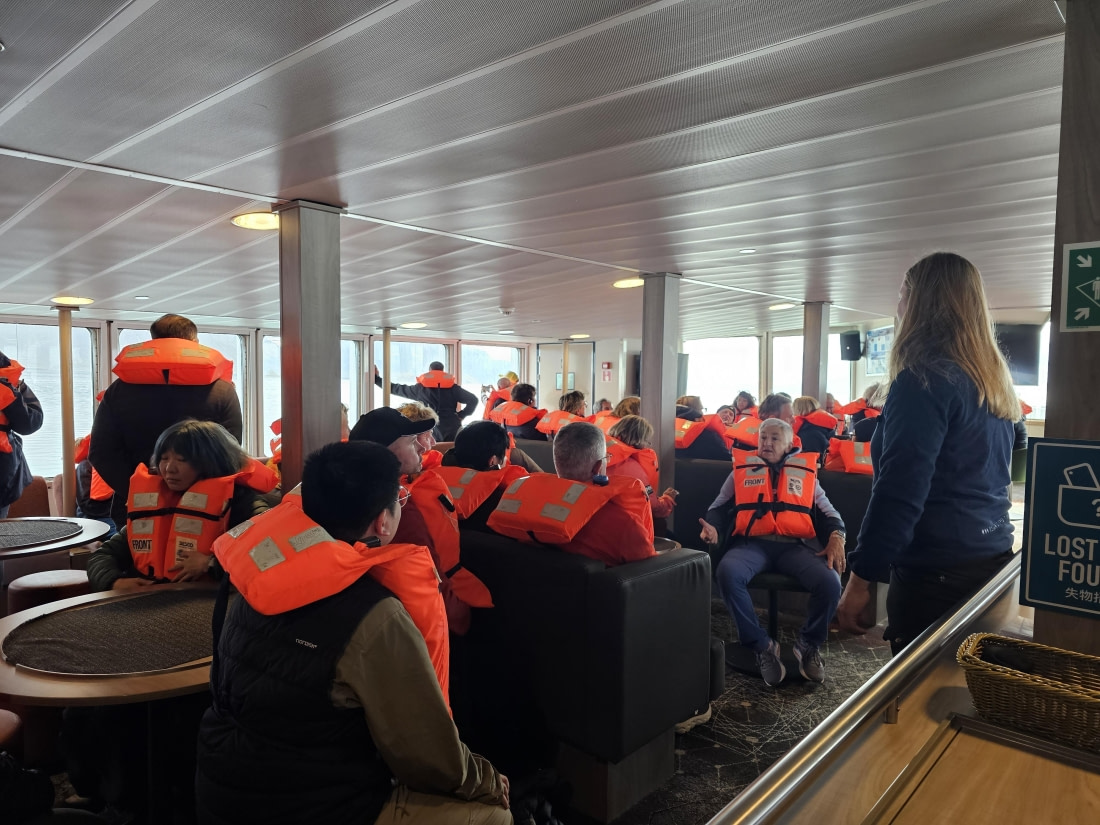
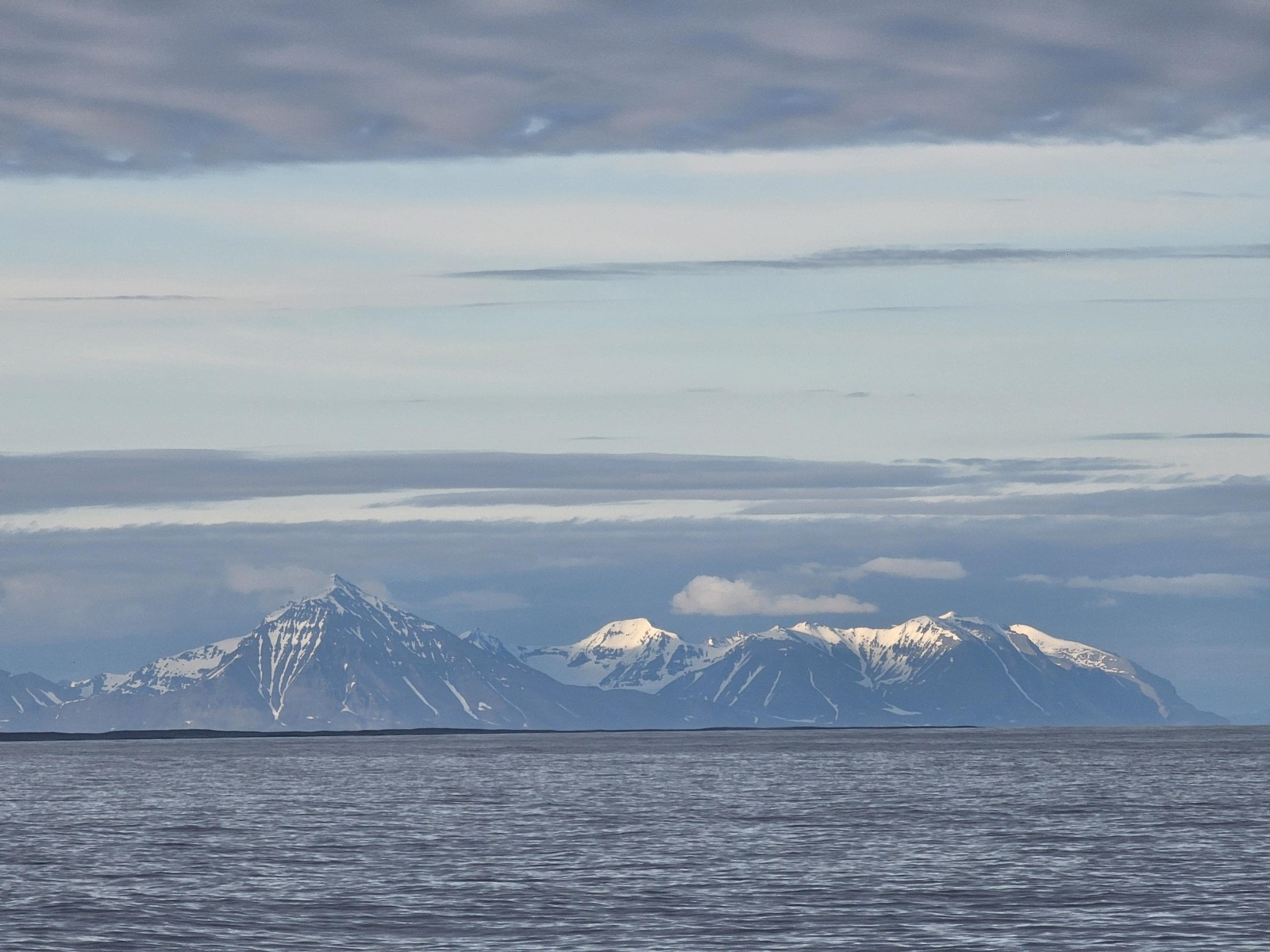
Once on board the evening went by quickly as we were busy with familiarisations, safety briefings, cocktails with Captain Matei Mocanu and of course a lovely first dinner. As we set off out of Isfjord in the evening, and northward towards our first scheduled activity of the trip, there was time to enjoy the views of the flat table-topped mountains in the late evening light.

Day 2: Lilliehöök glacier & Camp Zoe landing

Lilliehöök glacier & Camp Zoe landing
Date: 29.06.2026
Position: 79°16.2’N / 011°39.4’E
Le vent: N2
Météo: Partly cloudy
Température de l'air: +9

The low hum of the MV Plancius engines is still with us when Philipp, our expedition leader, wakes us early this morning. We are entering Krossfjorden. The scenery unfolding around us is nothing short of spectacular: long glacial tongues flow down between steep, jagged peaks. Shades of blue and white, stark and mineral, mirror perfectly in the calm waters of the fjord. The weather is kind to us.

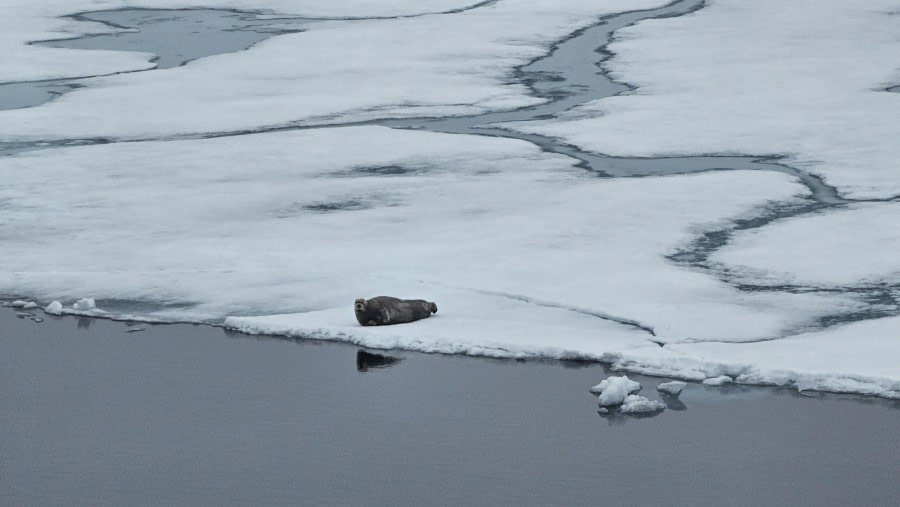
After attending the mandatory AECO briefing, reminding us of Arctic regulations and how to dress appropriately for each landing, we board the zodiacs and set off toward Lilliehöök Glacier. For nearly three hours we cruise through the fjord, the immense glacier stretching out before us. As we reach the ice front, our zodiacs glide into the brash ice; the surface crackles and sparkles all around us. Deep, muffled rumbles announce dramatic calving events. Arctic terns, kittiwakes, and northern fulmars immediately converge on the freshly broken ice, nature’s buffet in action. We are about to head back towards MV Plancius, when 3 bearded seals are spotted. Lazily sprawled on an ice floe, one seems to pose nonchalantly for our photographers, while another, far more active, keeps diving and playfully resurfacing in front of us. Lunch awaits us shortly after we return on board. In the afternoon, there is just enough time to sort through a few photos before the guides invite us back into the zodiacs for a short transfer to Camp Zoe.

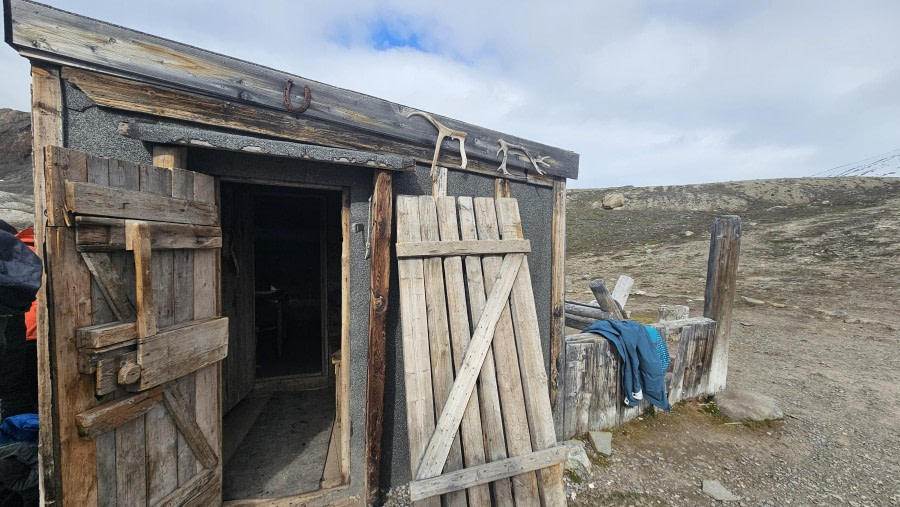
The cabin was built for entrepreneur Ernst Mansfield and named in honour of his daughter, Zoe. It was originally intended for mineral prospecting, an activity that was very popular in Svalbard at the beginning of the 20th century.

Almost upon arrival, attention quickly shifts from the cabin itself to a group of reindeer chasing each other up the hillside. After a few photos, Ursula opens a window into the fascinating world of Arctic plants for those opting for a relaxed walk. One by one, magnifying glasses are passed around to examine mosses, lichens, and tiny flowers in remarkable detail.

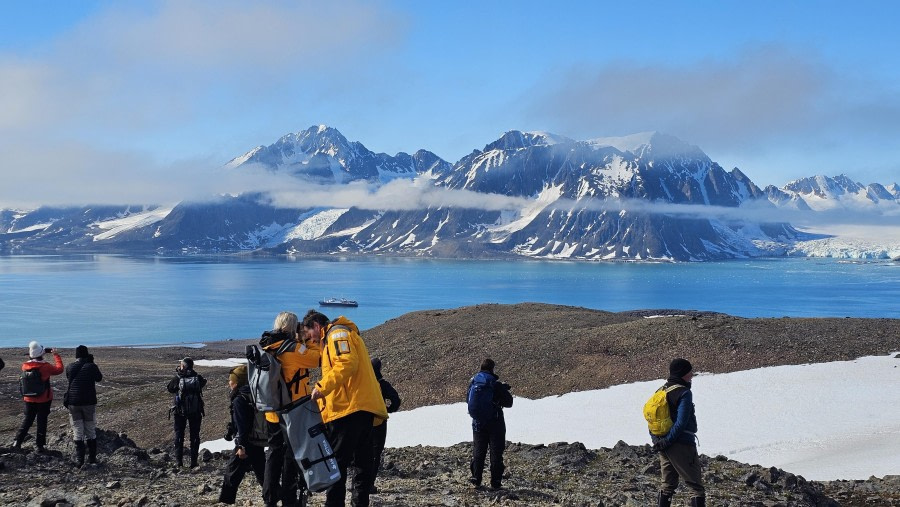
A more motivated hiking group heads off in the reindeer’s direction. Once the animals disappear, the group continues upward, led by Chloé, toward a high viewpoint. A third group chooses a slower-paced walk to several scenic overlooks, where Nathalie and Ross share insights into the Arctic tundra ecosystem.

The day concludes with the evening briefing for the next day, followed by a short introduction to the Arctic by Nathalie and to bearded seals by Ursula, a fitting end to a day immersed in ice, wildlife, and history.

Day 3: Texas Bar & Jotunkjeldene & Gråhuken

Texas Bar & Jotunkjeldene & Gråhuken
Date: 30.06.2026
Position: 79°31.4’N / 012°20.4’E
Le vent: NW32
Météo: Overcast
Température de l'air: +11

In the morning, we visited Texas bar, a little cabin built by the famous trapper Hilmar Nøis. Texas bar is a so-called satellite station. Hilmar’s main station was in Sassendalen, and he used Texas bar for a few days at the time looking after his traps in the area around it. Today the cabin is used for recreational purposes by the locals. While we came ashore there was two walrus swimming in the water close to the landing site. At first, we all met at the cabin and had a look inside, then we divided in our three hiking groups. The mountain goats headed up the hills and got a beautiful view of Monacobreen and Liefdefjorden. The medium hikers stayed a bit lower in the terrain and saw many beautiful plants and flowers. On the way back from their viewing point, they saw polar bear footprints in the mud. The leisurely group spent more time around the cabin listening to trapper stories. Afterwards they went for a little walk it to get the view of the meandering river reaching the sea and the little island Hesteskoholmen. At Texas bar we also saw Svalbard rock ptarmigan, snowbuntings and arctic skuas.

In the afternoon we sailed into Bockfjorden for our second landing this day. We visited Jotunkjeldene, Svalbard’s “hot” springs. Already from the landing site we could see the yellowish cone that has been created where the “hot” spring is. On the beach we divided into three hiking groups, the sportive group who went for a longer walk on the slopes of the mountain Smørstabben. From the highest point of their hike, they had a beautiful view of the glaciers Friedrichbreen and Adlfbreen on the way they also saw Svalbard rock ptarmigan. The medium groups explored the lowland around Jotunkjeldene and got to see lots of interesting plants for example the Mountain avens (Dryas Octopetala). The leisurely group also conquered the difficult terrain and went up to Jotunkjeldene and could admire the beautiful sinter terraces and see the water slowly flowing out of the wells. The temperature in Jotunkjeldene is approximately 24 degrees, and they are not only warming up the area around they are also home to one of Chloés favourite creatures, the water bear (Tardigrade). This is a tiny organism that can withstand a broad range of temperatures and can live in very many different habitats.

In the evening after dinner, we sailed past Gråhuken, where Christiane Ritter was wintering during her time in Spitsbergen. Isabelle and Nathalie told us about Christianes life and read a few passages from her book, “A woman in the polar night” a true classic in the polar literature.

Day 4: Pack Ice Day

Pack Ice Day
Date: 01.07.2026
Position: 80°31.8’N / 013°51.2’E
Le vent: NW3
Météo: Overcast
Température de l'air: -1

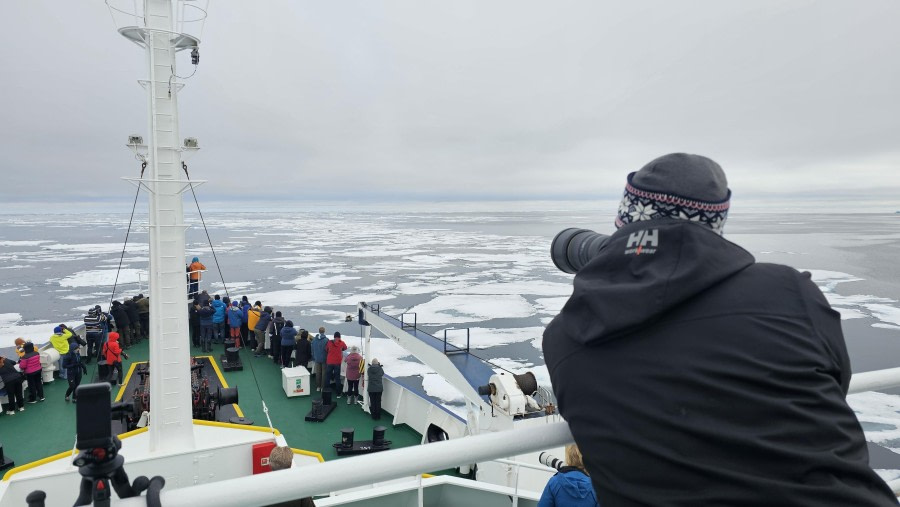
Good morning, MV Plancius, we have reached the pack ice! At 7 am we find ourselves at the most Northern point of our journey yet. The voice of our Trip leader Philipp wakes us with news that immediately pull us from our cozy bunks “there is a Blue whale by the front of the ship”. Rubbing the sleep from our eyes, with pillow marks still on our cheeks, everyone grabs their coats and cameras and quickly joins the early birds already watching on the bow. Thank god the batteries were charged overnight! The fear of missing this sight settles quickly, as we get a spectacular view of not one, but two blue whales surfacing close to the boat. The sound of the whale-blows alert everyone to quickly move from one side of the railing to the other when the whales re-appear from their shallow dives. A group of seabirds is circling and diving into the water close by, adding to this rare sight. The whales sometimes surface so close to ship, that we can ascertain the colouration patterns on their backs. And all of this before 8 am!

When we get the call that breakfast is ready, everyone is reluctant to leave, The whales are still nearby, what if we miss another glance? Those who hold out before their first coffee a little longer get rewarded with the lifting of the tail fluke. In Blue whales, this often indicates a deeper dive, and we bid farewell to them at this point. Time for breakfast, at last.

With so much excitement to start the day, most people take to watching out from the bridge and bow. The weather has changed from the mild temperatures of the coast the last days, and it even snows a little as we move further into the ice. Packed into coats, scarfs and thick gloves, eyes scan the horizon in all directions. A dark spot pops up, then another, suddenly a few more. The uncanny sight of roughly 20 harp seals surfacing, pushing their heads out of the water, and swimming backwards. These behaviours make them easily identifiable even from a distance. The motion of popping their heads up and down in the water is often described as “bottling” - floating along like a glass bottle at sea. They move by right at the front of the ship and eventually dive off. Time for a warm tea or coffee.

We progress further towards pack ice, the sea ice getting denser, and get treated to sunshine just after lunchtime. A welcome source of warmth on the cold bridge around midday, and the added light makes for great photography conditions of the beautiful frozen landscape. In the early afternoon, more harp seals are spotted, first far from the port side, and eventually right by the front of the ship. We can easily observe them, just meters from us, as they twirl and splash while passing along. They keep appearing at various distances for the rest of the day and into the night.

As the afternoon progresses, we keep scanning the horizon until a black dot appears in the binocular field. As the ship gets closer, the mysterious dot turns into a resting walrus. Its ice floe is stained by faeces, and upon closer inspection we find our first ivory gull of the trip feeding on them. Truly nothing goes wasted in this ecosystem. The walrus appears to be relatively young, which can be indicate by the short tusks. Walrus tusks keep growing for their entire life and can reach a meter in length. Soon after, we also pass a bearded seal resting on an ice flow with the common orange colouration visible on its back. Just before we meet for the recaps of the day, a few lucky people spot a minke whale lunge feeding and moving between ice floes further away. Minkes are known for being relatively elusive, and soon it disappears from our view. Before dinner our guide Chloé gives us an introduction into the fascinating world of sea ice formation, and Ursula teaches us more about the true star of the day; the blue whale. It is not everyday you get to see the biggest animal that has ever lived outside your window (or porthole) for breakfast!

Truly a big day for all, and now back to the cabin to edit the gigabytes of photos taken today. Let’s see what tomorrow brings.

Day 5: Wildlife at the edge of the pack ice

Wildlife at the edge of the pack ice
Date: 02.07.2026
Position: 80°53.4’N / 017°10.41’E
Le vent: SW4
Météo: Overcast
Température de l'air: +3

After yesterday’s full day in the pack ice with many sightings of whales, seals and birds we all did get up in the hope that today would bring the first sighting of a polar bear. A glimpse out of the window when getting up, offered quite a different view than yesterday. As the MV Plancius sailed slowly but steadily through open water with smaller and larger ice floes in-between. After a half an hour of extra sleep and the daily breakfast we all spread out on the outer deck, in the lounge and the bridge to scout the ice which slowly became denser.

Unfortunately, as the morning progressed, a dense fog started to unfold covering the ship and the wider area like a linen and decreasing the visibility range considerably. However, the silence, the special light as well as the fog created a truly magic world we surely enjoyed. But as the hours passed and the concentration it takes to scout the water and ice surfaces declined, we were happy to hear the bing-bong announcing Ross’ lecture on birds. While fulmars, Brünnich’s guillemots and little aulks flew outside, Ross introduced us to some of the bird species most likely to be encountered around Svalbard. Like the beautiful kittiwakes we saw during the zodiac cruise off Lillihöökbreen. The Arctic tern which migrates south to sub-Antarctic waters covering yearly distances of 70’000 km! And of course the Northern fulmar who loves to fly by at eye level when standing out on the top deck. Their beauty is not obvious at first sight but close-ups views through binoculars reveal their unique subtle elegancy. Belonging to the tube-noses, they carry a tube on top of the beaks to extract salt. Ross presented many more species, some of which we hope to see in coming days.

During the day we slowly cruised through the area, found higher densities of ice floes and even escaped the fog from the morning. Despite the dozens of eyes, binoculars and cameras scouting the area close and far, we only got to see harp seals and little aulks flying in the air or sitting on the water. Not that we didn’t enjoy these animals but to be honest, we were all strongly hoping for a bear.

After lunch Chloé offered an exciting workshop taking a close look of phyto- and zooplankton. The little microscope with a screen was ideal to share the beauty of those creatures at the beginning of marine food web. Like dinoflagellates or juvenile copepods. Later in the afternoon, Nathalie presented interesting insights into the long history of Svalbard first discovered by William Barentzs. Soon after countless sealers followed to hunt seals and walrus at that time abundant throughout the Archipelago. Returning to Europe the news about the plentiful whales in these northern waters spread quickly, leading up to the overexploitation of large whales in the 16th and 17th century.

After recap, when Ursula gave insights into the life of harp seals and Chloé into the planktonic life below the sea ice, we headed to the aft deck where a tasty outdoor barbecue was served. We all enjoyed this special diner in the cold. To show respect to the Arctic wildlife we abstained from a party and dancing with loud music.

Later, many of us gathered in the lounge. A sense of low spirit lied in the air. The polar bear had not appeared on our second day in the ice. We knew that the chances to see one will become nil as we soon had to leave the pack ice heading south. And then, out of the blue, the bing-bong sounded over the speakers announcing a bowhead whale close to the ship! I, the writer, stayed back for a moment to watch people jumping up, grabbing jackets, hats, gloves, binoculars and cameras and walking fast to the closest door to step out on deck. It was fun to see the behavioural change from low spirits to total excitement. We were then treated with a long and exceptional sighting of a true Arctic whale species. Swimming close to the ship, it’s pronounced round head appeared and we could hear its exhale. To our surprise it threw its flukes during every surfacing, lifting the tail high into the air. We were watching quietly in awe of this exceptionally majestic animal.

Now, we could all go to bed. Happy and fulfilled.

Day 6: Landing at Torellneset and Faksevågen with Polar Plunge & Zodiac cruise at the bird cliffs of Alkefjellet

Landing at Torellneset and Faksevågen with Polar Plunge & Zodiac cruise at the bird cliffs of Alkefjellet
Date: 03.07.2026
Position: 79°22.1’N / 020°40.8’E
Le vent: SSW4
Météo: Foggy
Température de l'air: +2,7

The Arctic rewarded us with another unforgettable day, filled with the breathtaking landscapes of eastern Spitsbergen and remarkable wildlife encounters from morning until evening.

Our morning began with a landing at Torellneset, a broad gravel spit on the eastern edge of the Hinlopen Straight renowned for its walrus haul-out. As we approached the beach, the unmistakable shapes of Atlantic walruses came into view, resting in a tightly packed group along the shoreline. Some slept peacefully, while others could be seen shuffling and heaving themselves into a more comfortable position, often clambering over their neighbors with little regard for personal space. Their long ivory tucks and whiskered faces gave each animal a distinctive character. Once hunted almost to extinction in Svalbard, walruses are now a conservation success story, and seeing a healthy haul-out is a reminder of the resilience of Arctic wildlife when given protection. Around us, the windswept coastline, polished by sea and ice, hinted at the powerful forces that continue to shape this remote wilderness.

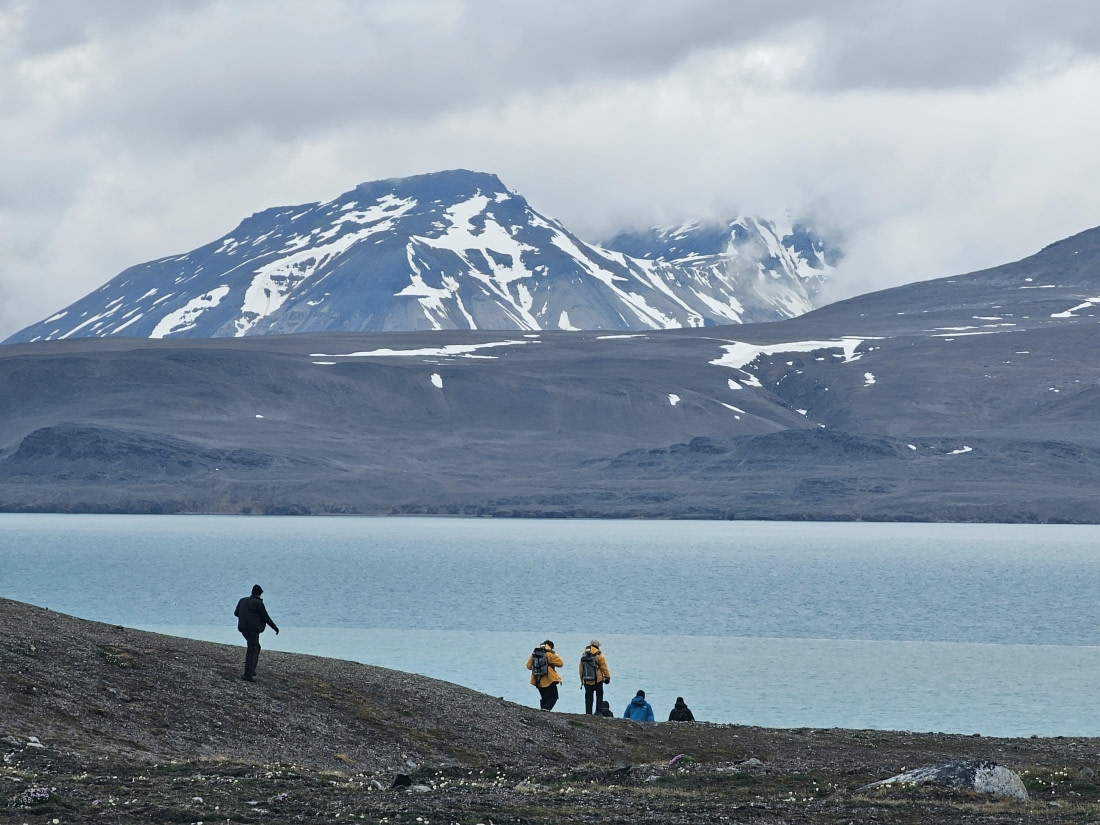
In the afternoon we ventured into the sheltered waters of Faksevågen, deep within Lomfjorden. Here, the atmosphere changed completely. Towering mountains rose directly from the fjord, their layered rock faces telling a geological story hundreds of millions of years in the making. Patches of vibrant tundra added subtle greens, reds and golds to the otherwise rugged landscape, while glaciers clung to distant valleys. During our walk ashore, Svalbard reindeer grazed calmly across the tundra, seemingly untroubled by our presence. Smaller and stockier than their mainland relatives, these hardy animals are perfectly adapted to surviving the long Arctic winter. The stillness of the fjord, interrupted only by the calls of snow bunting and purple sandpiper, made this a wonderfully peaceful afternoon. Before returning to the ship, a handful of brave adventurers embraced one of the classic expedition traditions; the polar plunge. With plenty of cheers and encouragement from those watching ashore, they dashed into the chilled Arctic waters, emerging moments later exhilarated with their accomplishment. It was a refreshing finale to a memorable visit to this beautiful corner of Svalbard.

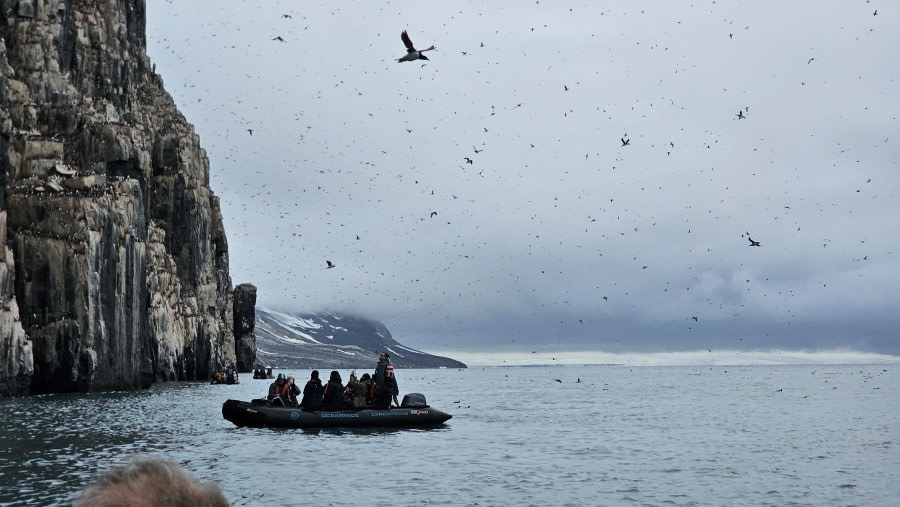
As evening approached, we set out by zodiac for one of Svalbard’s most iconic natural spectacles; the soaring bird cliffs of Alkefjellet. The dramatic basalt columns, formed by ancient volcanic activity, rise almost vertically from the sea, creating perfect nesting ledges for many species of seabirds. Long before the cliffs came into view, the air was filled with the calls of tens of thousands of Brünnich’s guillemots as they wheeled overhead or crowded shoulder to shoulder on the narrow rock ledges. Birds streamed continuously between the cliffs and the sea, as the adults returned to their carefully protected egg perched precariously on the cliff edges. Amongst the chaos of guillemots, opportunistic glaucous gulls lined the ledges looking for an easy meal and an Arctic fox was sighted patrolling the base of the cliffs. Cruising quietly beneath this living wall of birds was an extraordinary sensory experience, the constant movement, the chorus of calls, and the sheer scale of the colony reminding us just how productive the Arctic summer can be.

Today offered a perfect cross-section of Svalbards wilderness: mighty walruses hauled our on remote shores, peaceful tundra alive with reindeer, magnificent mountain scenery, and one of the worlds greatest seabird colonies. It was a day that captured both the grandeur and the intimacy of the High Arctic, leaving us with lasting memories of this remarkable corner of the world.

Day 7: Pack Ice Day

Pack Ice Day
Date: 04.07.2026
Position: 80°33.4’N / 012°00.7’E
Le vent: W2
Météo: Overcast and foggy
Température de l'air: -2,2

Back to the Ice we go!

After a really adventure packed day yesterday, we headed back to the pack ice. This time we went into the pack ice further east in search of the elusive polar bears.

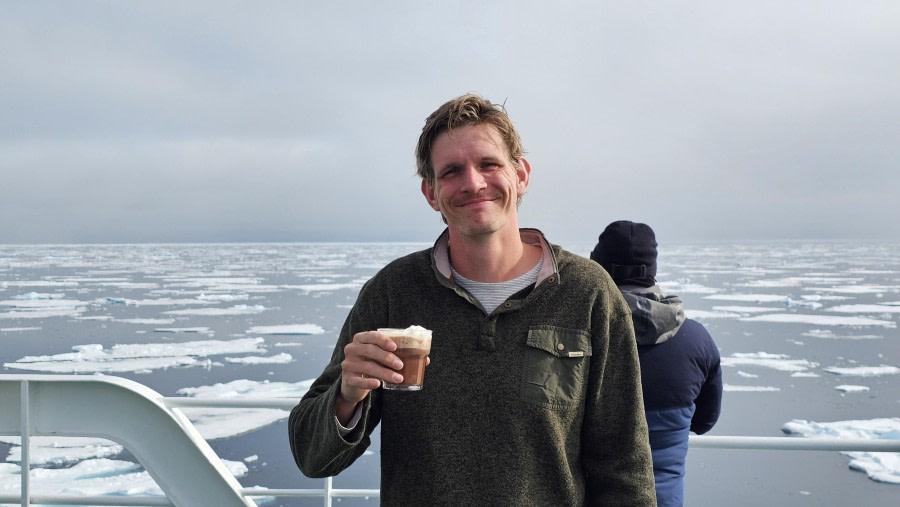
As we wake, our portholes show us a slightly foggy scenery. The slower morning is welcomed to recharge and rest our legs and minds from the excitement the day before. Many of us spent our morning eagerly scanning the landscape of broken up ice floes for any sign of something furry and yellow. Standing quietly on the bridge and top deck, binoculars follow the horizon line, sometimes being distracted by a kittiwake flying by. As we near midday, the clouds clear and our faces get warmed by the stunning polar sunshine. The sea is completely calm, and the ocean around us mirrors the blue sky and clouds above. It is hard to take our eyes of a landscape so remote and serene. As we slowly move through the ice floes and hear them crunch against each others edges, or read books from the library in the lounge, the speaker echoes; “Hot chocolate on the top deck”. Yes, please! It turns out this hot chocolate served in the sunshine can also contain rum and copious amounts of cream (on demand). Not a bad view for a hot drink, or two, or three…

In the afternoon, Ursula introduces us to the world of Baleen Whales, their fascinating feeding mechanisms and history of whaling. She shares many photos and videos of her past encounters with Minke whales and makes sure by the end we learn to love and admire them almost as much as she does. Then, we follow the journey of a blue arctic fox from Svalbard with Ross, over the pack ice we are floating through all the way to Ellesmere Island in just 76 days! Next, Isabelle takes us for a dive in the Arctic, and we explore the wonderful world of sea kelp (the giant algae we saw in the water below Alkefjellet). After dinner almost all of us squeeze into the bridge and onto the top deck, a group effort of scanning the ice and water surface. Finally we see some movement on the ice where a few harp seals have hauled out, and we watch them glide into the water and splash and play close by. As we get engulfed by fog in the late evening, it is time to bid the ice world farewell, and head back to the mainland for another day.

Day 8: Morning landing at Alicehamna, ship cruising at Fuglefjorden and Smeerenburgfjorden

Morning landing at Alicehamna, ship cruising at Fuglefjorden and Smeerenburgfjorden
Date: 05.07.2026
Position: 79°44.4’N / 012°09.9’E
Le vent: WNW2
Météo: Overcast
Température de l'air: +9

This morning finds us at Alicehamna, in Raudfjorden. Under a brilliant blue sky and with pleasantly mild temperatures, we awaken to one of the most spectacular landscapes of the voyage, where jagged alpine peaks and magnificent glaciers surround the fjord.

Our Zodiacs bring us gently ashore when an excited shout rings out: "Sea angel!" Thanks to the crystal-clear water, Chloé successfully collects one of these remarkable pelagic molluscs, along with several sea cucumbers and jellyfish, giving everyone a rare opportunity to observe Arctic marine life up close.

We take turns visiting Raudfjordhytta, a historic trapper's hut that offers a glimpse into the challenging lives of those who once overwintered in these remote surroundings. Afterwards, the leisurely and medium hiking groups climb the hillside to a cairn overlooking the bay. Along the way, Philipp points out a 17th-century whaler's grave, a reminder of the region's rich and often harsh history. At the summit, another sailor's grave lies in this peaceful setting, overlooking the fjord. Meanwhile, the long hiking group embarks on a more demanding ascent to a higher viewpoint, rewarded with spectacular panoramic views after an energetic hike.

Following lunch, the Captain treats us to a scenic cruise along the northern and western coasts of the archipelago. Under perfect weather conditions, MV Plancius sails among the islands, through Fuglefjorden and into Smeerenburgfjorden. Binoculars are constantly in use as everyone scans the coastline for wildlife and takes in the magnificent scenery. Eventually, a dense bank of Arctic fog rolls into Magdalenefjorden, enveloping the landscape and transforming the bright afternoon into a mysterious white world.

During the evening recap, Chloé introduces us to the fascinating world of Arctic plankton and explains the biology of the delicate sea angel we encountered earlier in the day. Kati follows with an engaging presentation about beluga whales, while Ursula reveals the stories behind the life-sized animal illustrations that have accompanied us throughout the ship, decorating the walls of MV Plancius and bringing Arctic wildlife indoors.

Day 9: Landing Valentinryggen & Gjerstadodden

Landing Valentinryggen & Gjerstadodden
Date: 06.07.2026
Position: 78°33.5’N / 013°10.6’E
Le vent: NNW2
Météo: Partially overcast
Température de l'air: +10

MV Plancius glides gently to the head of St. Jonsfjorden. The final day of our voyage lies ahead, and everyone eagerly boards the Zodiacs for a morning landing at Valentinryggen.

As on previous days, we divide into three hiking groups. The leisurely walkers enjoy a relaxed stroll along the shoreline to a spectacular beach facing the glacier front. The beach and the surrounding waters are dotted with grounded icebergs of every imaginable shape, size, and shade, creating a stunning natural sculpture gallery.

The medium hiking group ventures higher onto the tundra, taking in sweeping views and Arctic flora before making their way down to the iceberg-strewn beach to join the others for photographs. Meanwhile, the so-called "mountain goats" set off on a steeper ascent, carefully zigzagging up the slope between mountain avens and campion moss. A reindeer makes a brief appearance before disappearing over the ridge. At the summit, the reward is breathtaking: a spectacular panorama unfolds as the group walks along a ridge between two glaciers.

Eventually, all three groups reunite on the beach. As the perfect finale to the morning, we witnesses an impressive glacier calving, watching huge blocks of ice thunder into the sea. Back on board, the familiar "ding-dong" announces another delicious meal, and we gather in the restaurant to enjoy lunch together.

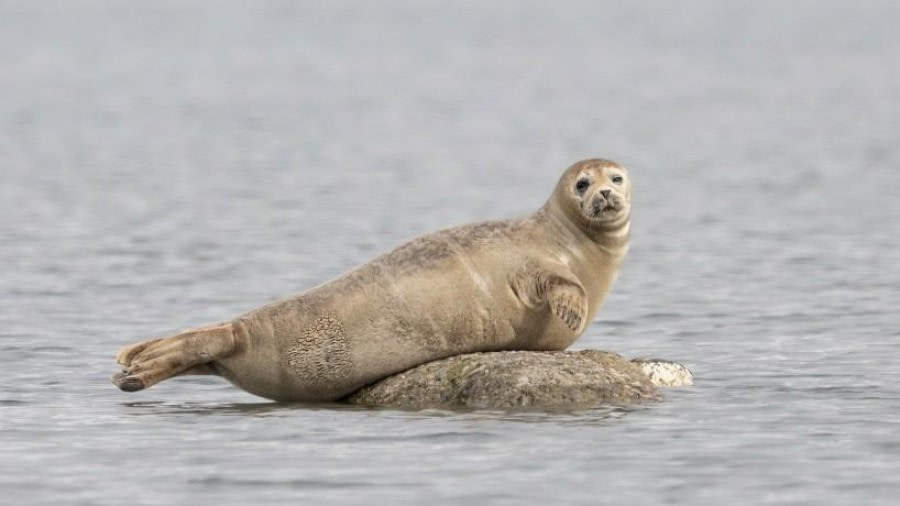
In the afternoon, we make another landing at Gjerstadodden, still within St. Jonsfjorden. As we come ashore, a harbour seal poses gracefully on a nearby rock, seemingly unfazed by our presence. Everyone enjoys prolonged views and plenty of excellent photo opportunities.

The leisurely walkers set off on a tundra flora walk and are soon rewarded with the sight of several reindeer grazing peacefully, including a young calf still wearing its white winter coat. The medium and long hiking groups climb onto a moraine to gain a higher vantage point overlooking the glacier. From above, the glacier reveals an entirely different character: dramatic seracs, deep crevasses, and intricate ice formations become strikingly visible.

Both hiking groups are also treated to the delightful spectacle of a fluffy snow bunting chick, busily practising its first attempts at flight. As the walks continue across the lush tundra plain, more reindeer are spotted feeding in this remarkably rich Arctic landscape.

Back aboard MV Plancius, the Captain invites everyone to a farewell cocktail. As we raise a glass together, Ross presents a wonderful slideshow, revisiting the highlights and unforgettable wildlife encounters from each day of the voyage.

The expedition concludes with an excellent farewell dinner, during which the hardworking crew is introduced and warmly thanked for making this remarkable Arctic adventure such a memorable experience.
Day 10: Arrival back to Longyearbyen

Arrival back to Longyearbyen
Date: 07.07.2026
Position: 78°20.2’N / 015°26.7’E
Le vent: S1
Météo: Overcast
Température de l'air: +10

This morning we arrive in Longyearbyen, where our journey together comes to an end. As we enjoy one final breakfast on board, our luggage is already being transferred ashore from MV Plancius. Before long, it is time to say goodbye to the ship that has been our comfortable home in the Arctic over the past days.

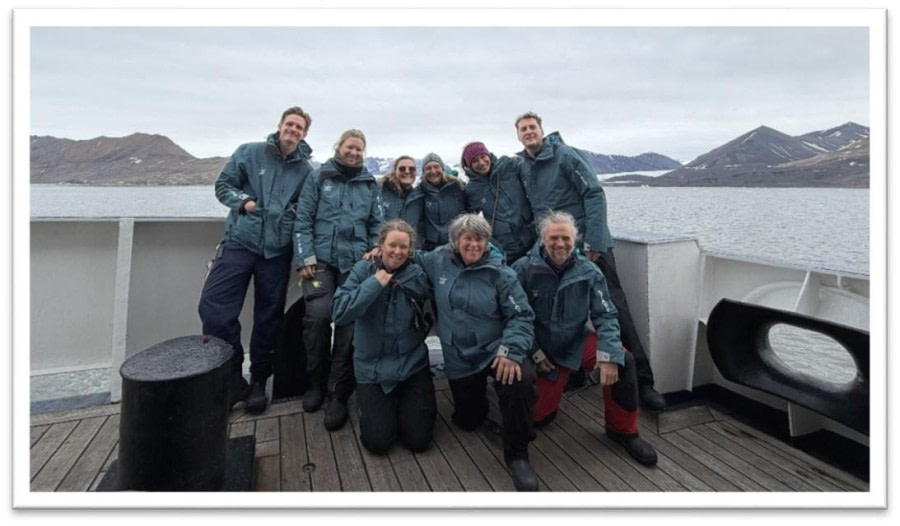
With countless unforgettable memories to take home, we look back on an extraordinary expedition. Together, we have explored spectacular landscapes, encountered remarkable Arctic wildlife, experienced the pack ice, and shared many special moments along the way. Now it is time to bid farewell to MV Plancius, to the wonderful crew who looked after us each day, to the Expedition Team who shared their knowledge and enthusiasm with us, and of course, to one another.

On behalf of the entire Oceanwide crew and Expedition Team, we would like to thank you all for joining us on this journey. Thank you for your enthusiasm, your curiosity, your flexibility, and for the many wonderful moments we have shared. It has been a true pleasure to travel with you.

We wish you a safe journey home and hope to welcome you aboard again on another expedition someday, perhaps back in the Arctic, perhaps in Antarctica, or at another fascinating destination somewhere in the world. Until then, we wish you all the very best and many more unforgettable adventures.


Total distance sailed on our voyage: 1,212 nm

Northernmost position: 81°17.7245’N, 024°56.72’W

Détails

Code du voyage: PLA06-26
Dates: 28 juin - 7 juil., 2026
La durée: 9 nuits
Navire: m/v Plancius
Embarquer: Longyearbyen
Débarquement: Longyearbyen

Avez-vous participé à ce voyage ?

À bord m/v Plancius

Notre navire le plus ancien, Plancius, est un choix classique pour certains de nos voyages polaires les plus populaires.

En savoir plus sur la m/v Plancius »
Loading