| Date: |
08.06.2026 |
| Position: |
80°40.8’N / 020°56.5’E |
| Le vent: |
S 2 |
| Météo: |
Sunny |
| Température de l'air: |
+8 |
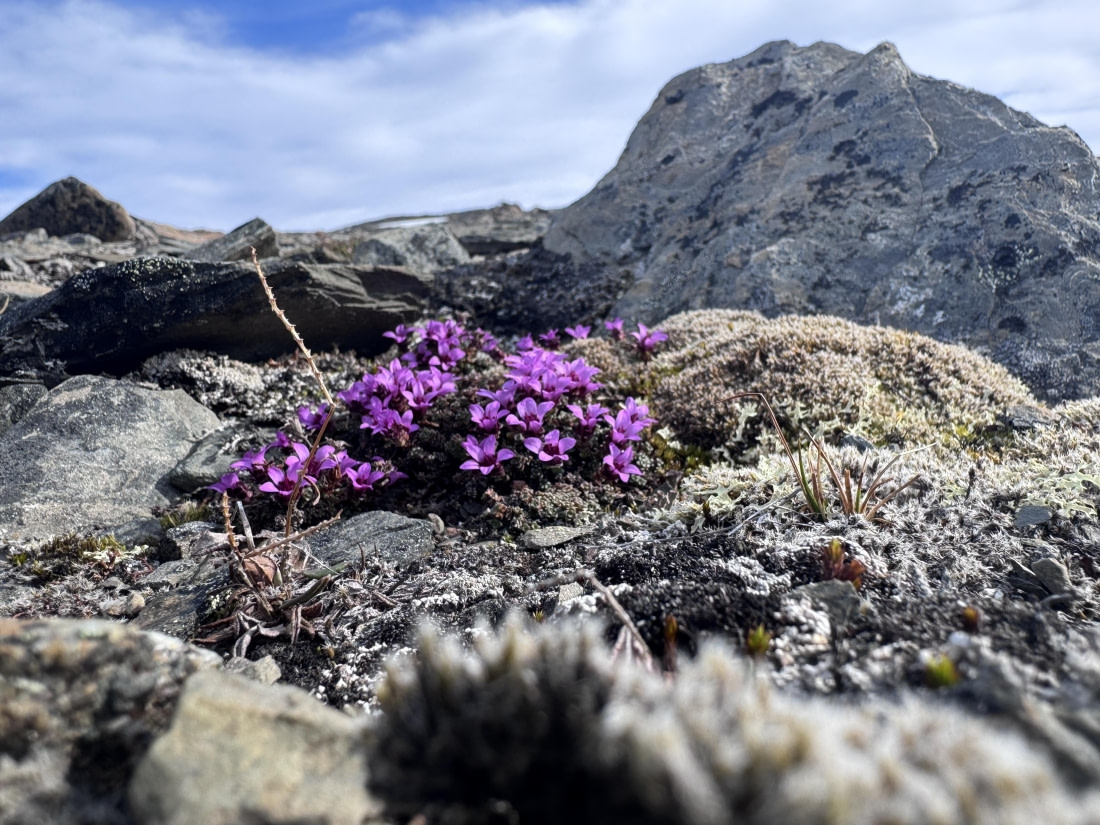
We’ve really made it far north! It almost doesn’t feel real. The legendary group of islands known as the “Seven Islands” — the northernmost landmasses belonging to the Svalbard archipelago. One glance through binoculars, or even out of the window, was enough to feel the difference. No tundra, no flowers, no moss-covered slopes — only massive boulders and bare rock, lightly coated with a velvet layer of lichen.
The weather was beautiful: the sun was shining and a light breeze was blowing. Perfect conditions for a landing on Phippsøya.
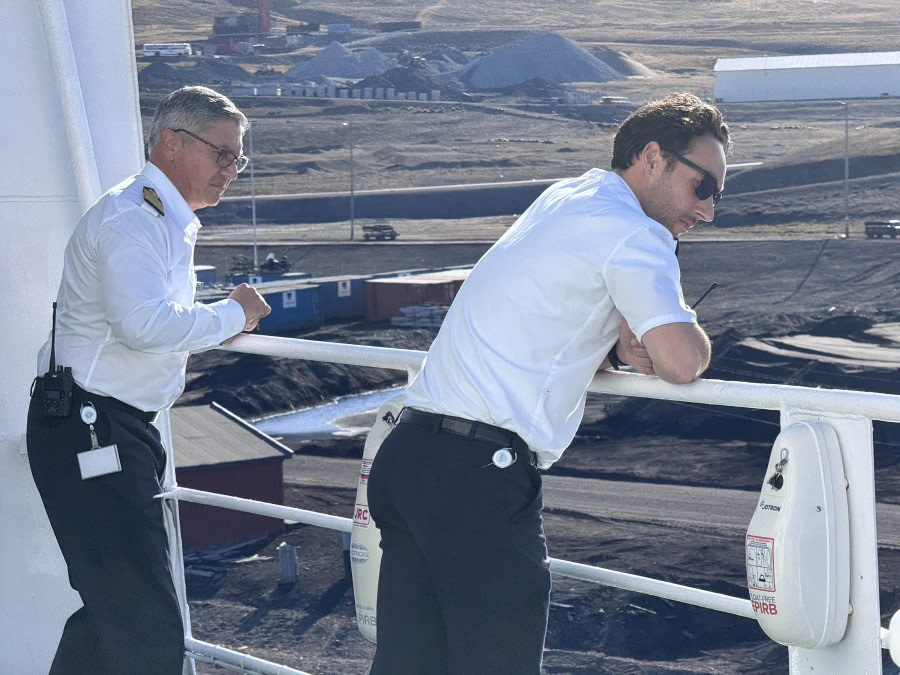
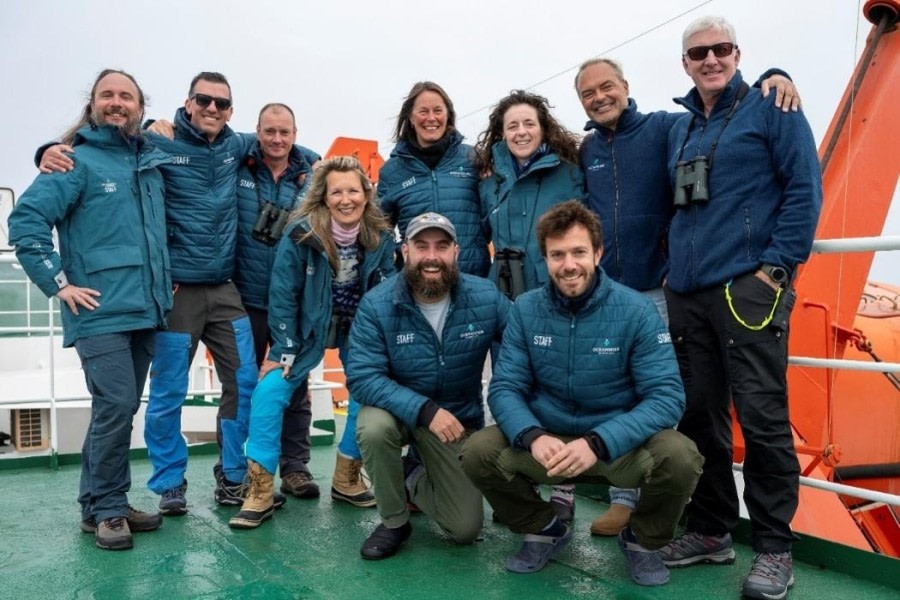
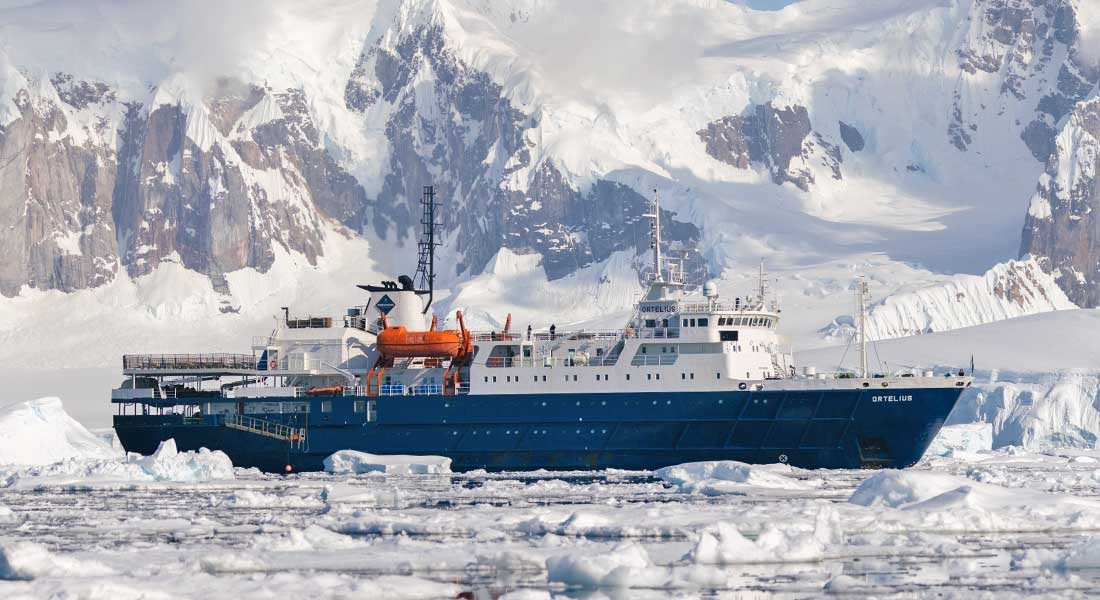
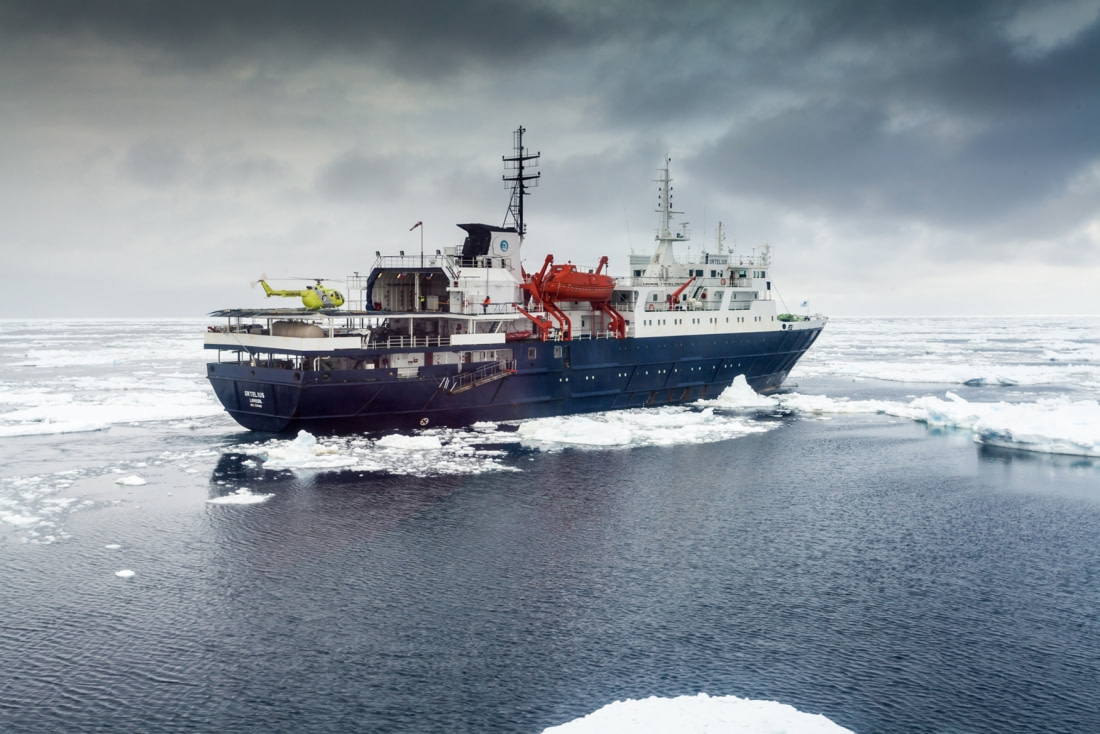
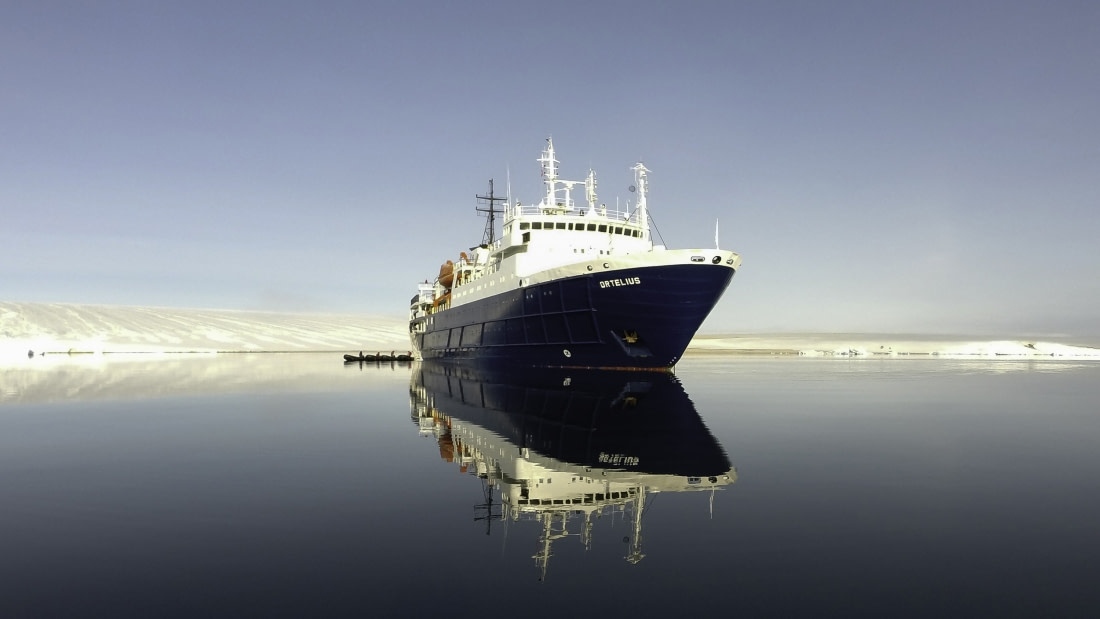
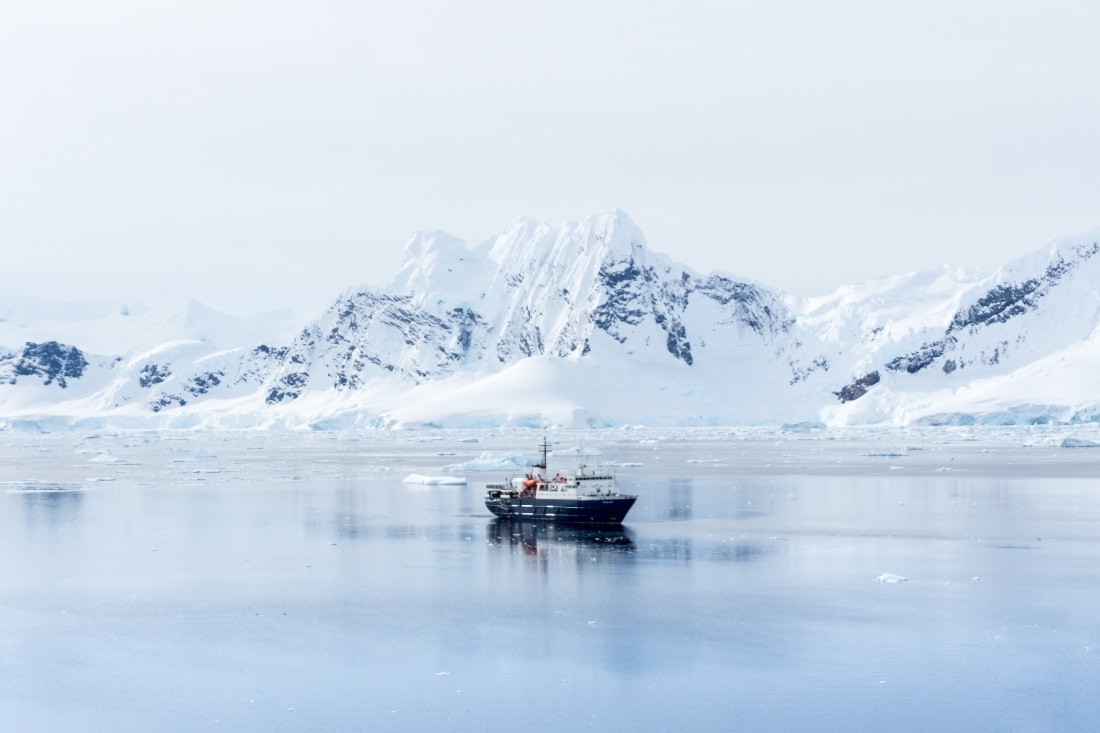
Ortelius slowed down and gradually approached the strait separating Phippsøya from its neighbour, Martensøya. Members of the expedition team gathered on the bridge and scanned the shoreline through binoculars to make sure no polar bears were roaming around and that a landing would be safe. But then one of the guides spotted something suspicious near the water, in a snowfield on Martensøya! All binoculars and spotting scopes immediately turned in that direction. And indeed — a bear! What a nuisance! Well, as the Americans say, you can make lemonade out of lemons. We would figure something out.
The bear was lying in the snow, fast asleep, occasionally moving its paws. It seemed that today’s weather was uncomfortably hot for it, and in an attempt to cool down it had sprawled out on the snow, barely even lifting its head. It would have been nice to get a closer look, but the strait was too narrow — Ortelius would run aground. So, what now?
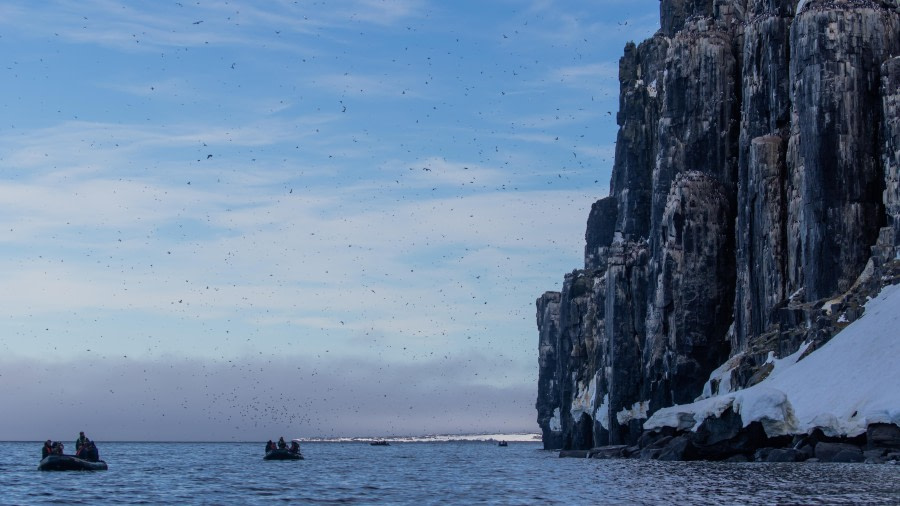
Of course, there could be no question of a shore landing. It was decided to do a Zodiac cruise instead. Once the boats were launched, we gathered on the open deck and, in groups of ten, took our places in the Zodiacs. As soon as all the boats were filled and only our hotel manager Vova remained on deck, we set off. The Zodiacs formed a long line and moved at minimum speed, one after another, towards the bear. The expedition leader kept measuring the distance with a rangefinder to ensure we did not get too close and break the rules.
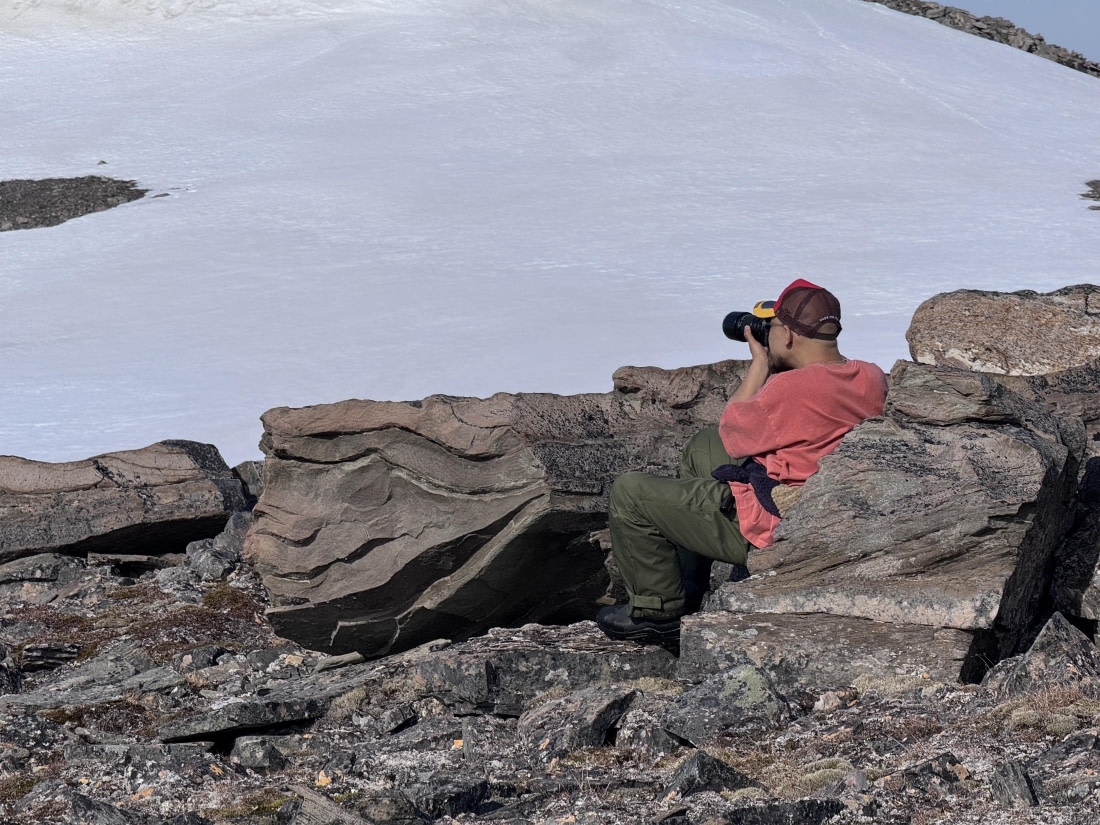
The bear paid no attention to us at all, occasionally lifting its head lazily, only to bury it back in the snow again. Meanwhile, we kept pressing the shutter buttons on our cameras and focusing our binoculars on the animal. Only from time to time, when a Zodiac’s position was unfavourable and the sun was directly behind the bear, making the lighting poor and unflattering, did we pause and look around at the surrounding scenery.
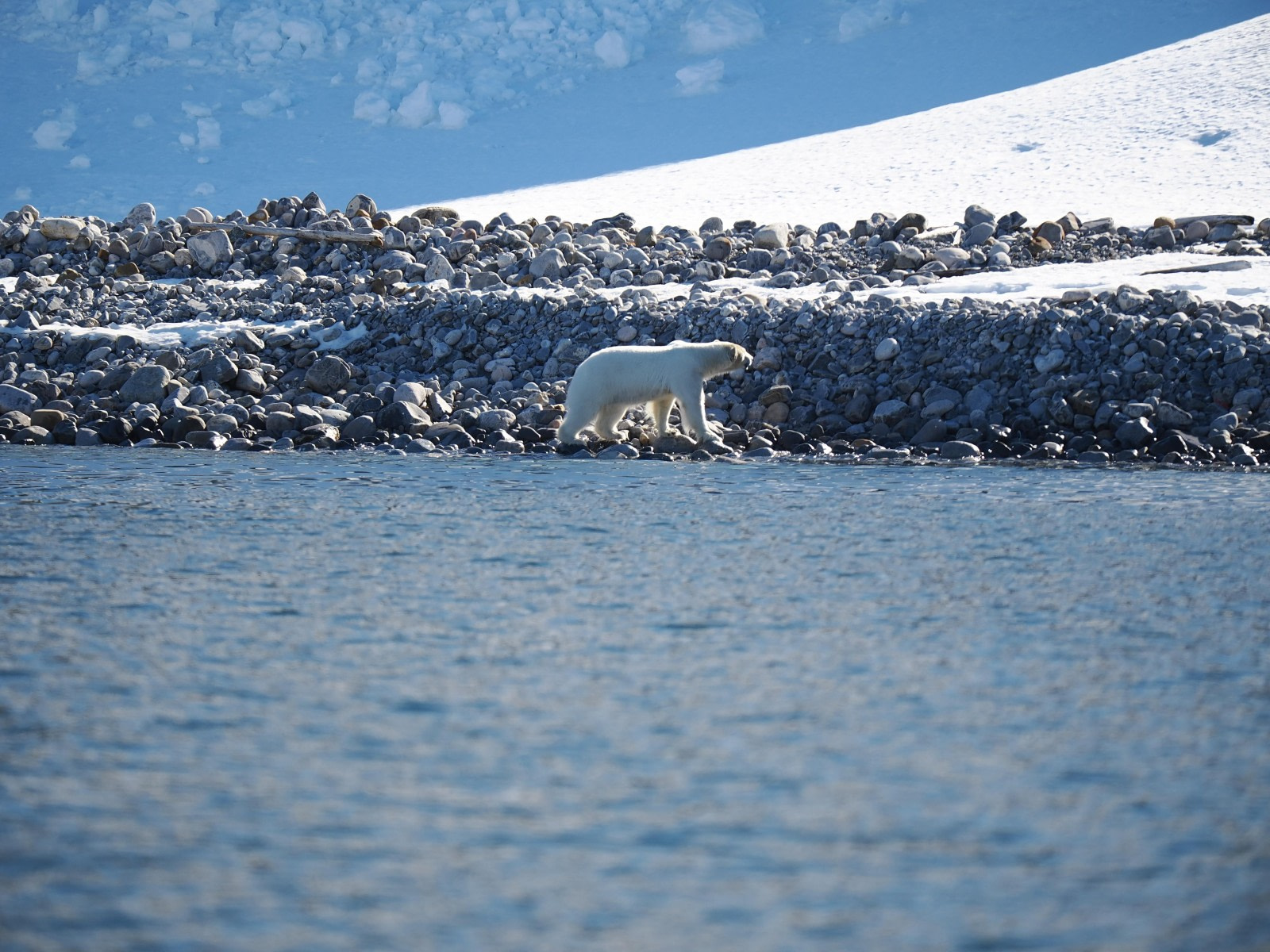
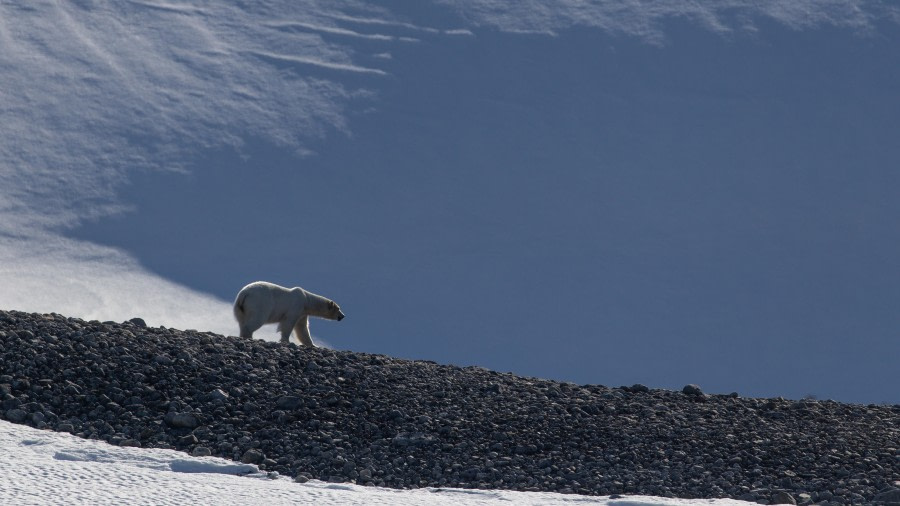
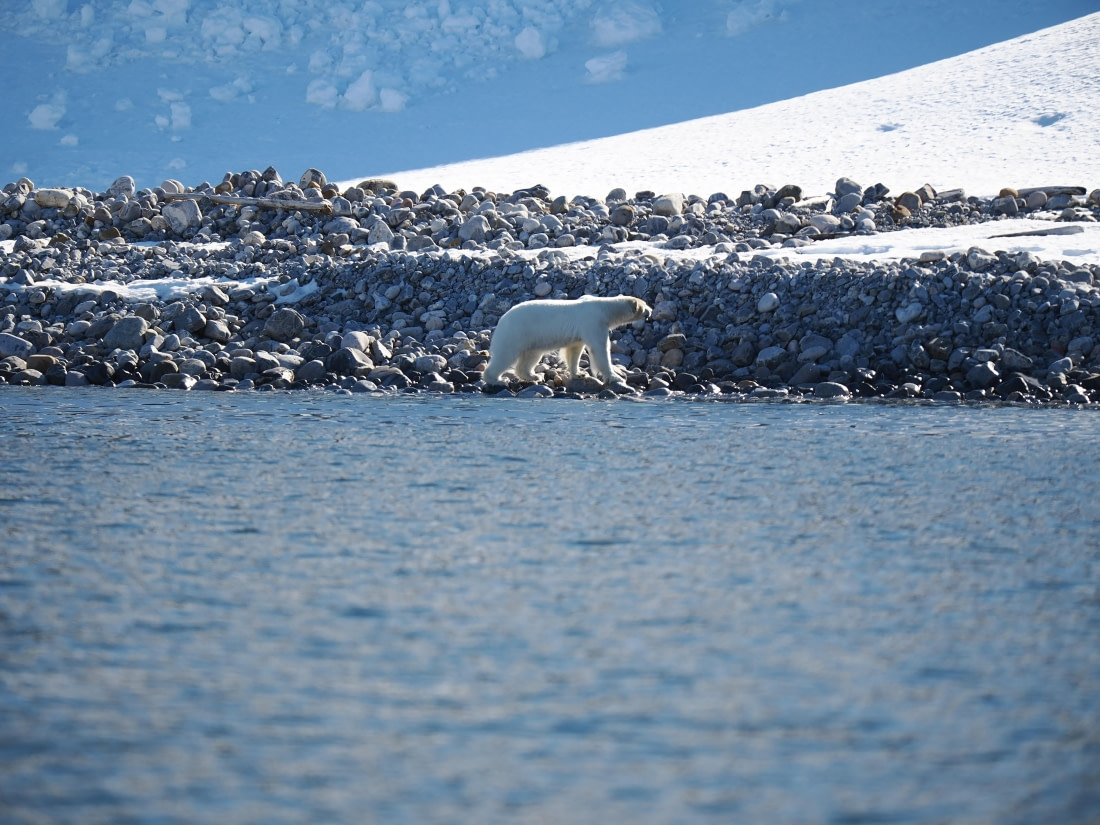
The main surprise, however, was still ahead of us. Soon we noticed another bear coming down the slope from behind a cape, moving in our direction! We spotted it from a distance — it was slowly descending a snowy ridge, then, as if deciding to have a bit of fun, it simply flopped onto the snow and slid downhill, after which it got up, shook itself off, and continued walking along the shore.
It soon became clear to everyone that this was not a male bear, but a female. Our guides, highly experienced in observing polar bears, quickly clarified this.
The female did not engage with the sleeping male in the snow and, as soon as she detected him, she turned away and kept a respectful distance.
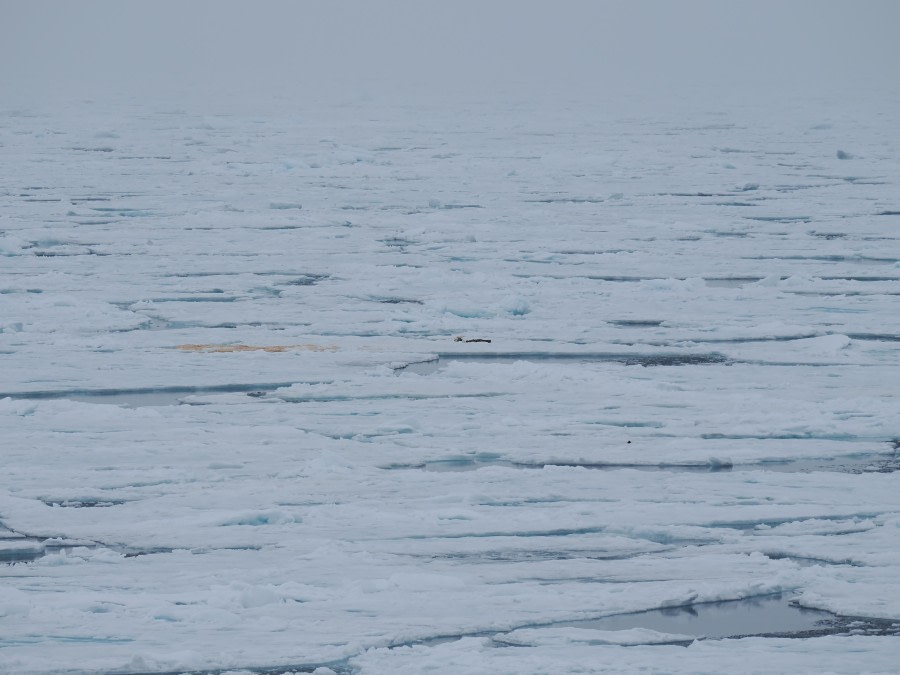
It soon became clear what had attracted these formidable northern predators. A couple of hundred metres away on the shore, almost at the water’s edge, lay the carcass of a walrus. Polar bears do not shy away from carrion; at the same time, they cannot hunt adult walruses because of their dangerous tusks and enormous size. But when a walrus dies, it becomes a feast. The male sleeping in the snow had apparently already eaten his fill and was now slowly digesting his meal.
The female approached the carcass, tasted it, then tore off a piece of flesh with her teeth, dragged it aside, and began to eat.
Apparently, the dead walrus did not impress her much, and so she moved onto a headland, entered the water, and swam across the strait towards Phippsøya.
We, after having watched the bears, made a small detour along the coast of the nearest bay on Phippsøya and then returned to the ship, as it was time for lunch.
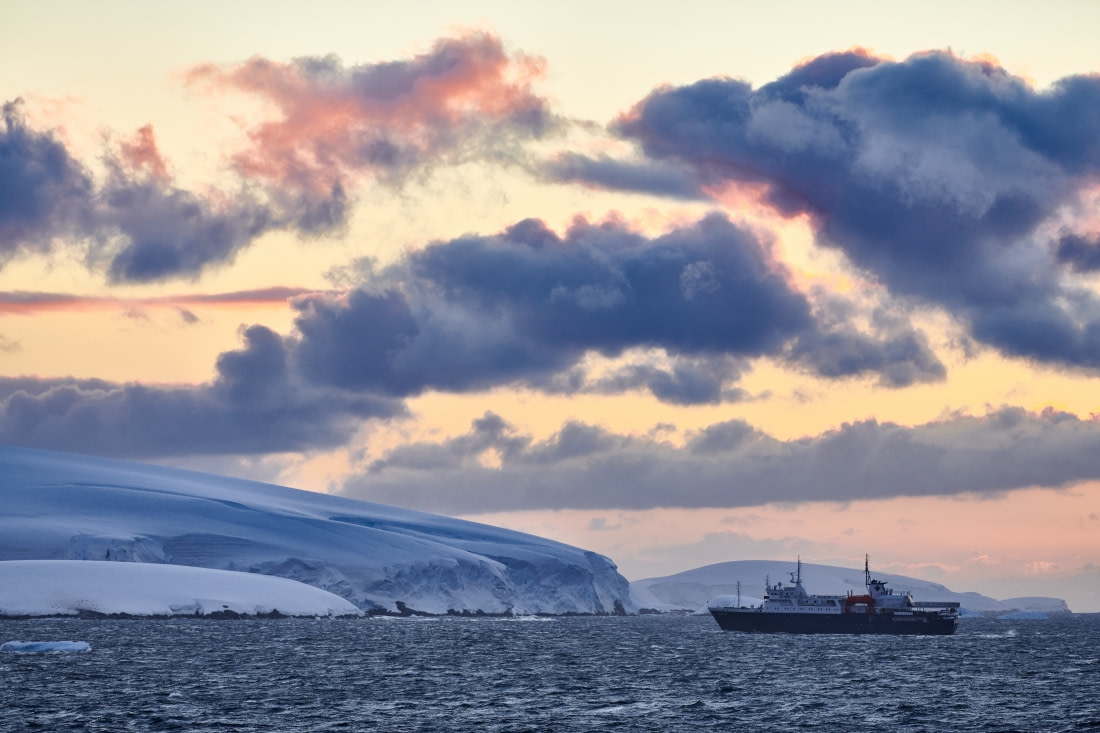
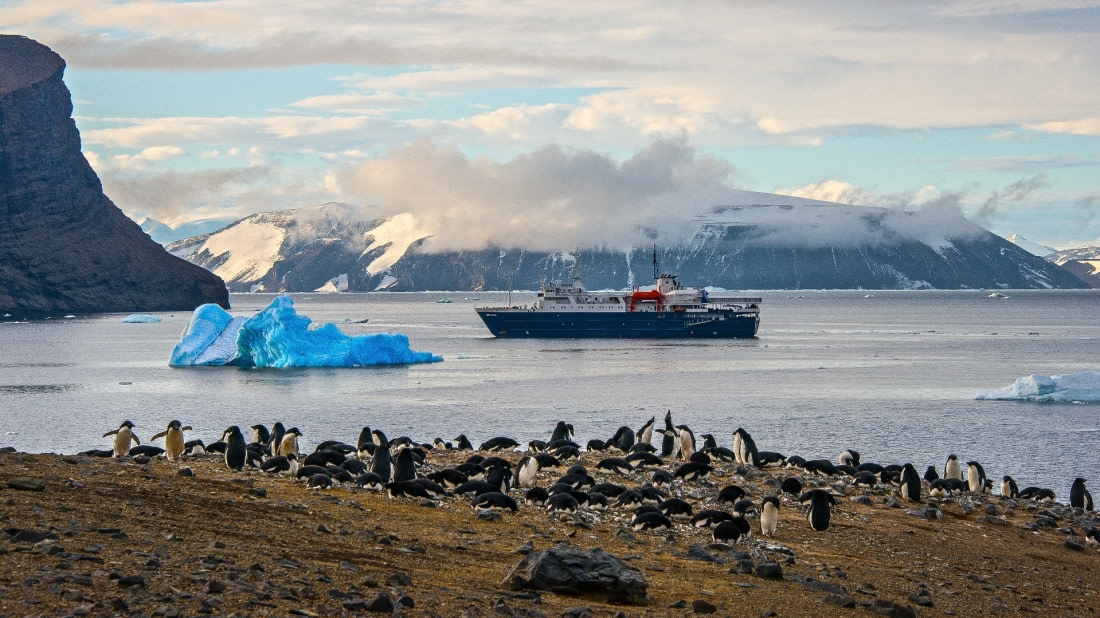
While we were eating, Ortelius set course south toward Chermsideøya, where an afternoon landing was planned.
When the anchor chain stopped rattling and the ship came to a standstill, we boarded the Zodiacs and sped toward the shore. The ride was not short — a good five minutes each way.
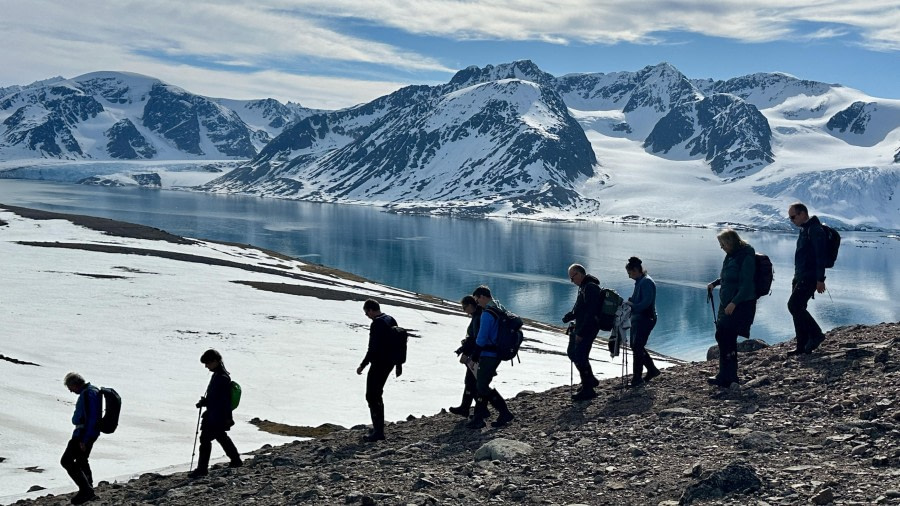
On the sandy beach, strewn with driftwood and, unfortunately, plastic, the expedition team was waiting for us. We split into three groups.
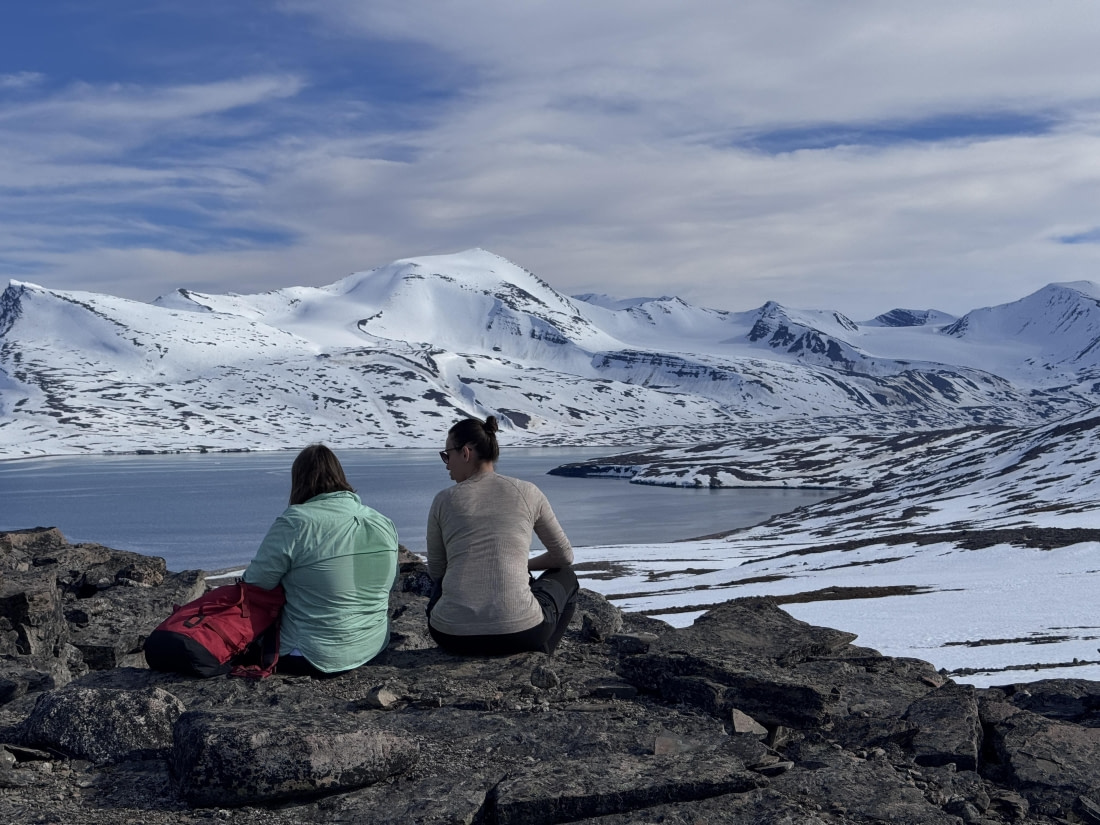
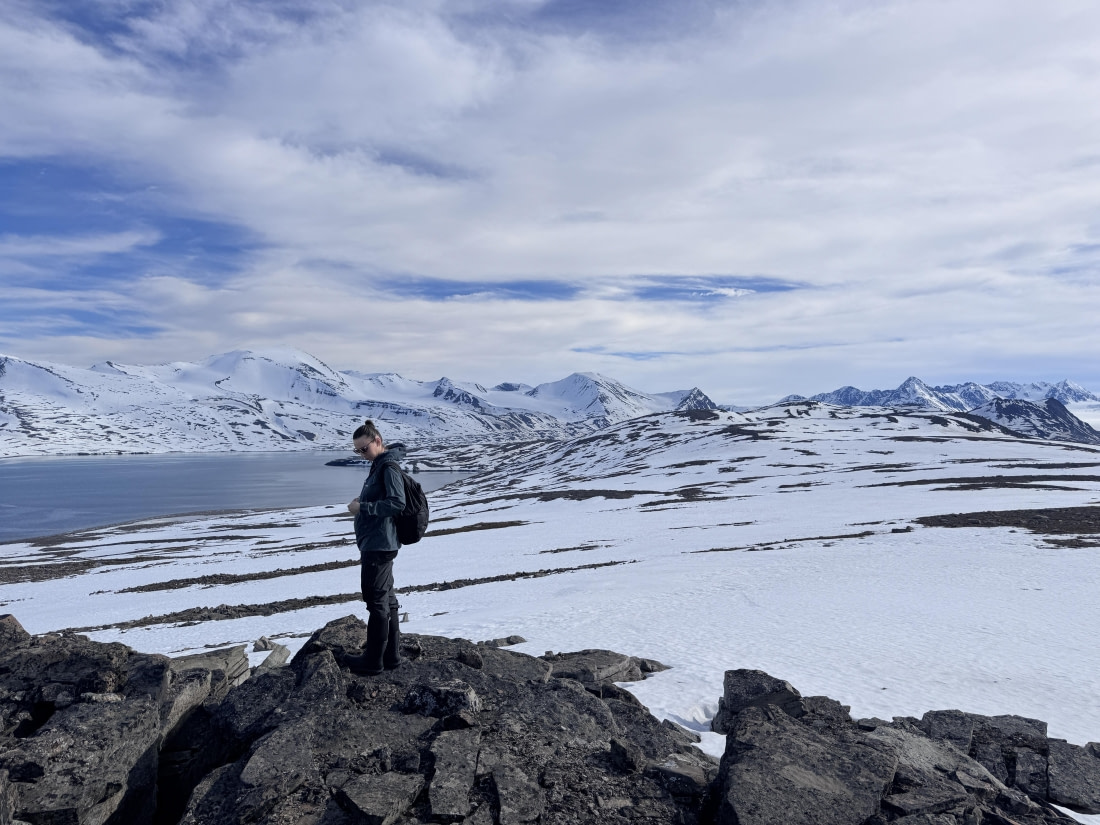
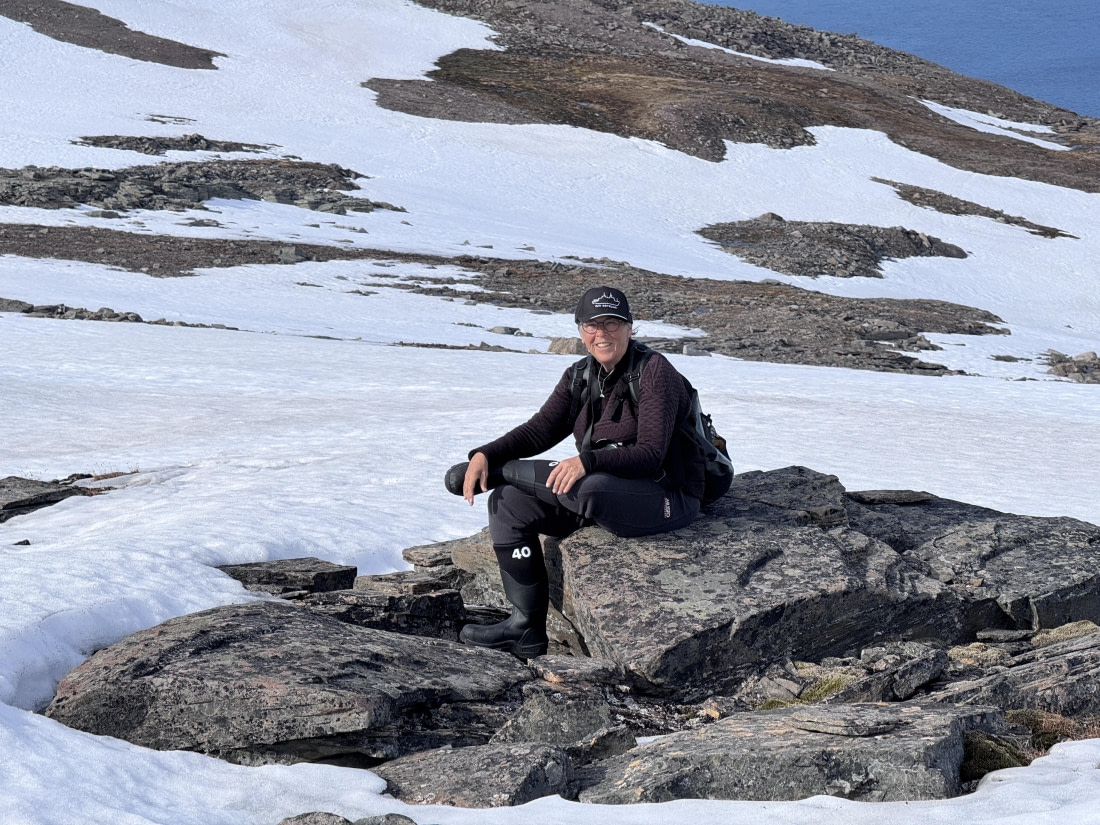
The long hikers set off to climb a nearby mountain, the medium hikers walked along the shore to gain elevation a bit further on, and the leisurely hikers slowly wandered along the beach, enjoying the scenery and picking up plastic litter scattered on the ground, thereby helping the Arctic environment.
A few hours later, tired but happy, everyone returned to the landing site. It was time to head back to Ortelius for dinner, to sort through hundreds of new photos, and to rest. Tomorrow — another exciting day. Ahoy!