| Date: |
04.07.2026 |
| Position: |
78°10.5’ N, 021°05.1’E |
| Le vent: |
W2 |
| Météo: |
Fog |
| Température de l'air: |
+3 |
"Good morning... two polar bears on shore!"
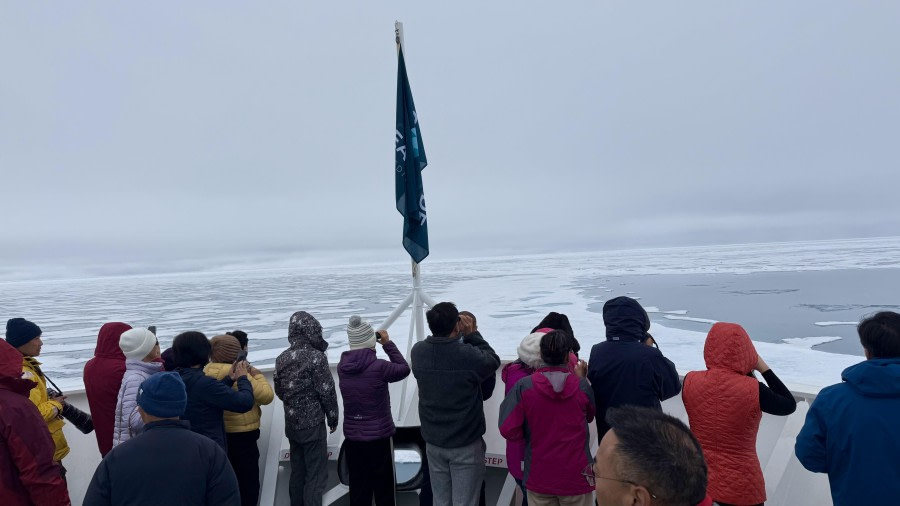
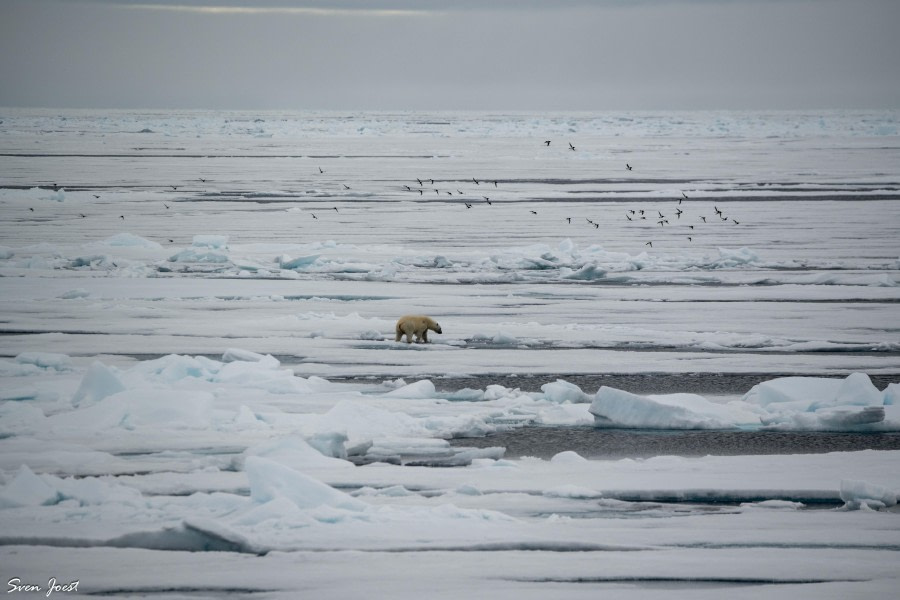
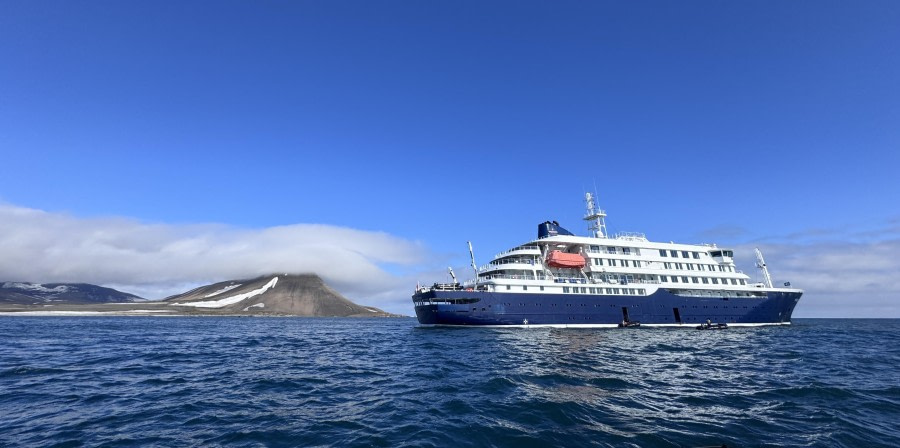
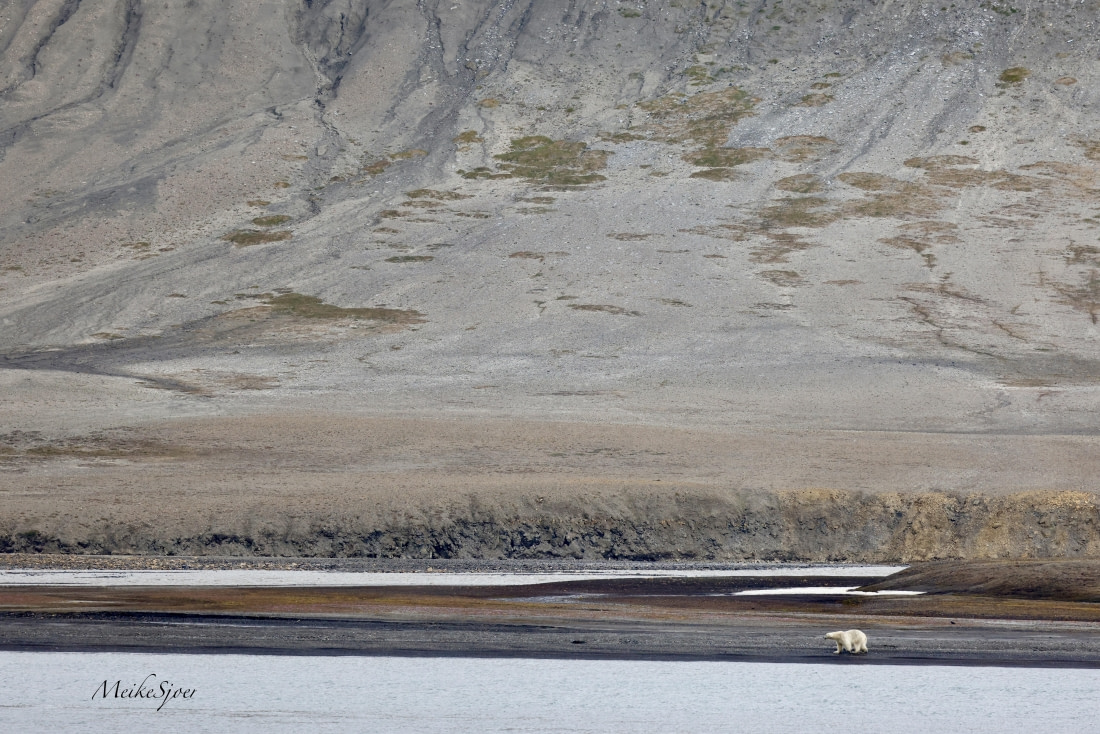
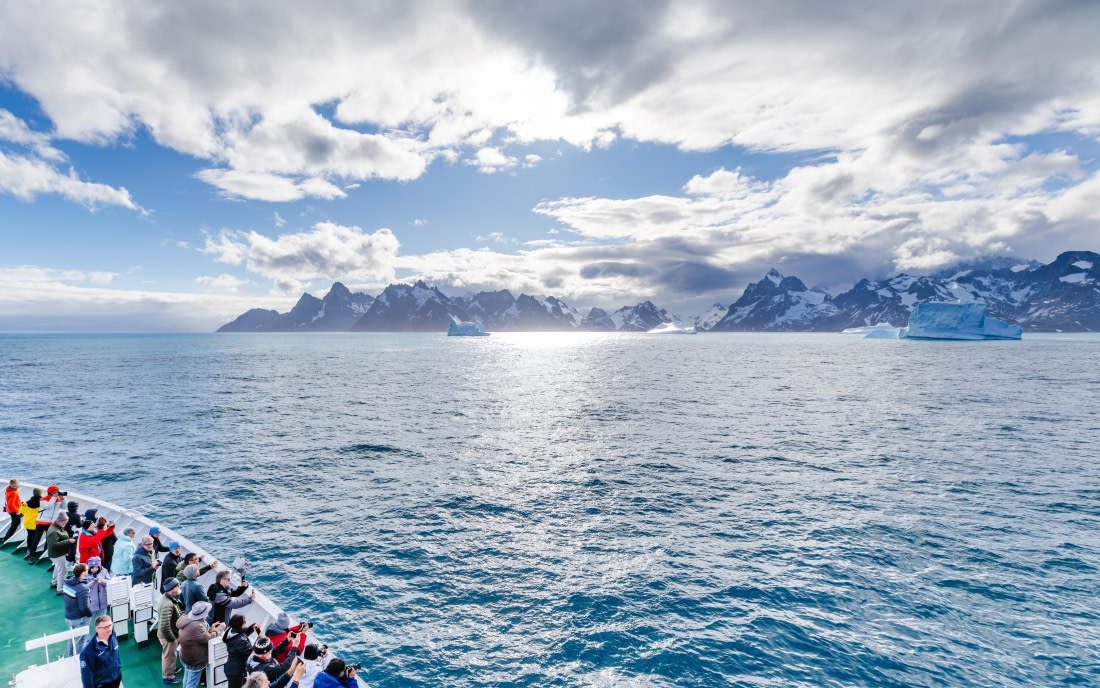
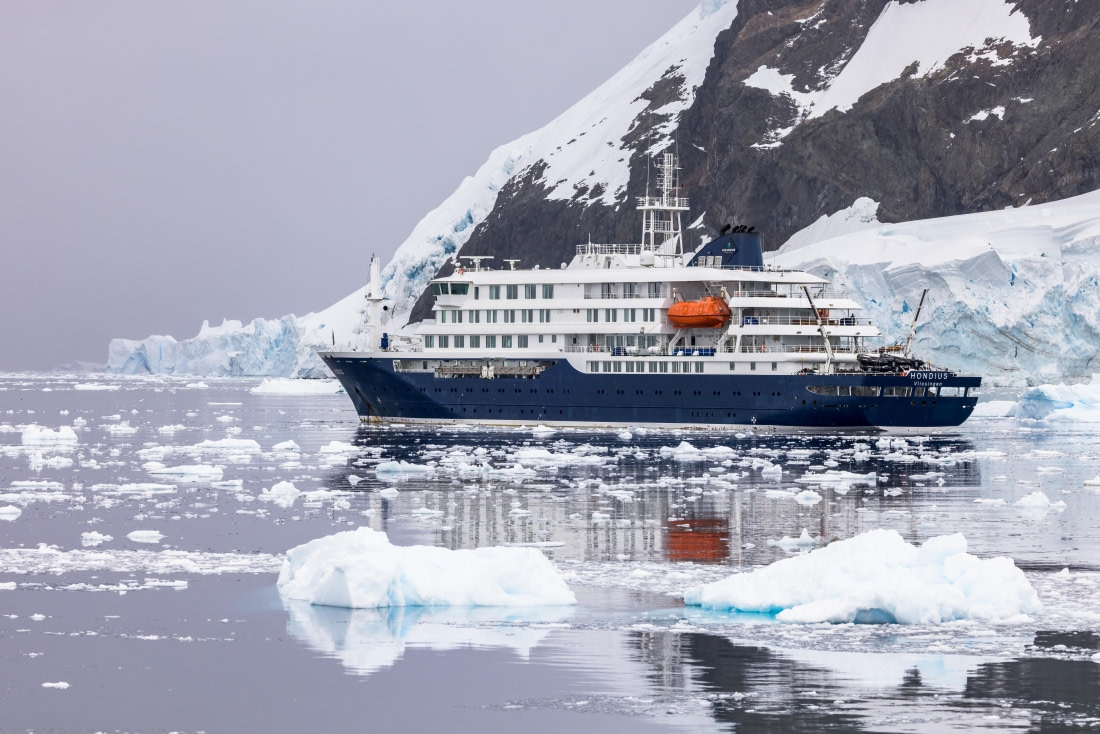
There could hardly be a better wake-up call. As Hondius sailed through Freemansundet in the early hours of the morning, the expedition team spotted not one, but two polar bears walking along the shoreline. And before long everyone was out on deck, binoculars and cameras in hand, enjoying an unforgettable start to Independence Day.
The bears strolled peacefully alongside the ship, seemingly unbothered by our presence. One bear paused to roll playfully on the ground before taking a refreshing swim, while the other crossed a shallow riverbed on its journey. Watching these magnificent animals move through their Arctic home in perfect morning light was a privilege few will ever forget.
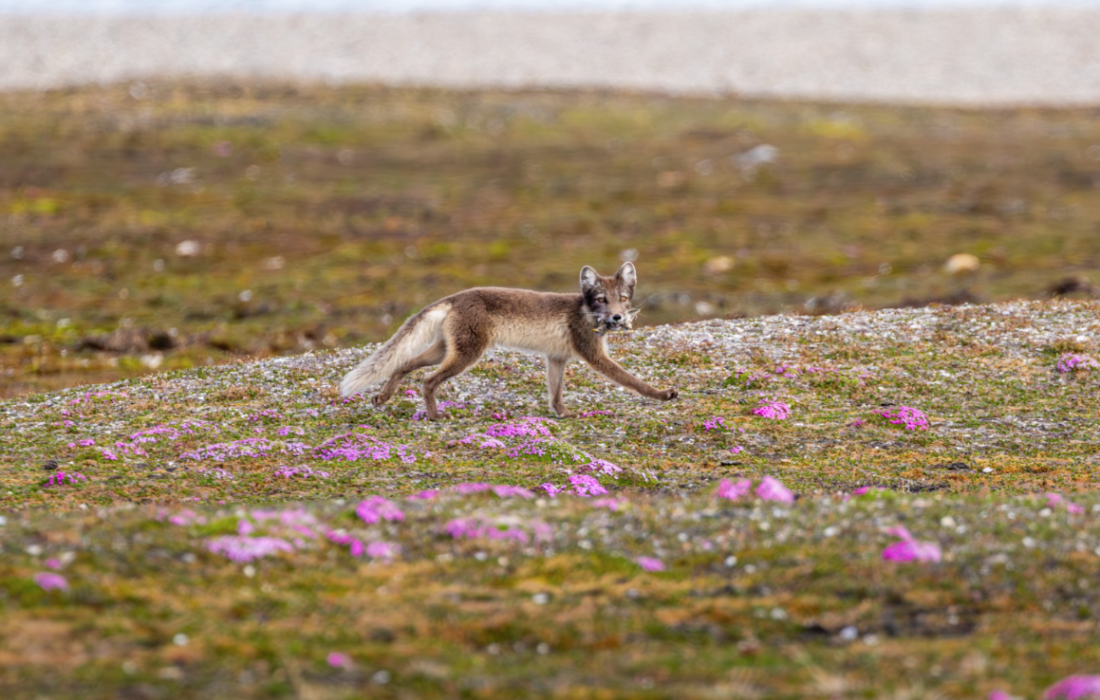
The wildlife spectacle did not end there. Right at the bow of Hondius, a flock of around fifty pink-footed geese drifted calmly across the water, offering wonderful close-up views and reminding us that the Arctic is full of remarkable encounters, both great and small. Eventually, we had to continue towards our next destination. Missing breakfast may have crossed a few minds, but after such an incredible wildlife experience, it already felt as though we had been well nourished.
Our morning programme continued with Meike's engaging lecture on Arctic seabirds. She introduced us to the fascinating world of the auks, explaining why these remarkable birds migrate to the High Arctic, how they survive in such a demanding environment, and the unique adaptations that make them so successful. It was wonderful to see so many guests filling the lecture theatre, proving that while polar bears often steal the spotlight, the Arctic's birdlife is equally worthy of admiration.
For those interested in the region's rich history, the morning also offered time to settle into the lounge for a screening of The Red Tent, presented by expedition guide Marcelo after popular request. Before we knew it, the morning had flown by.
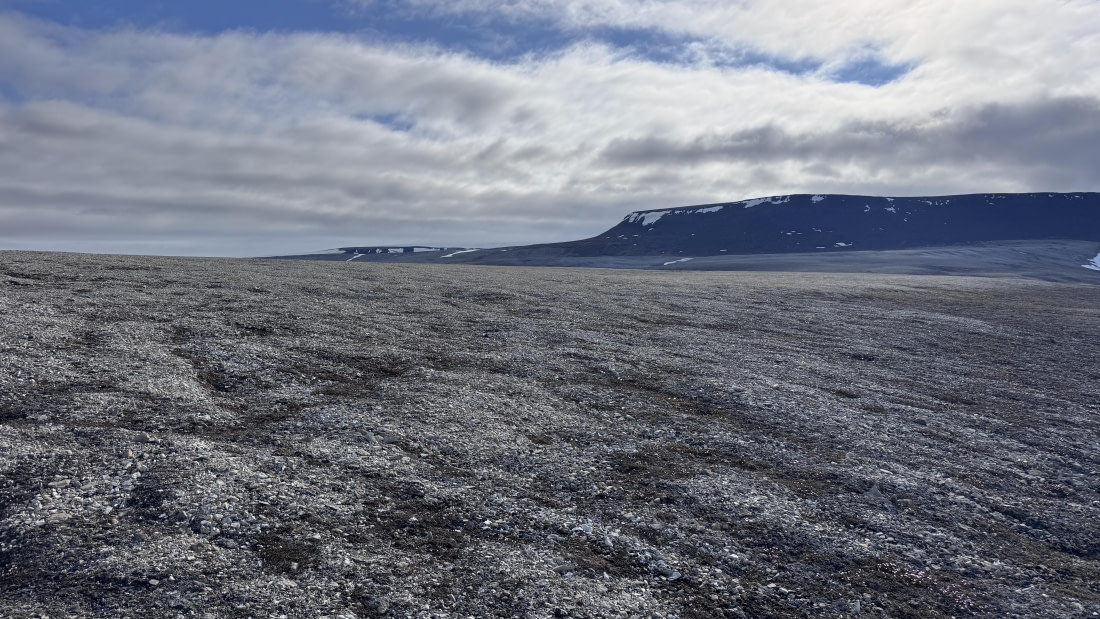
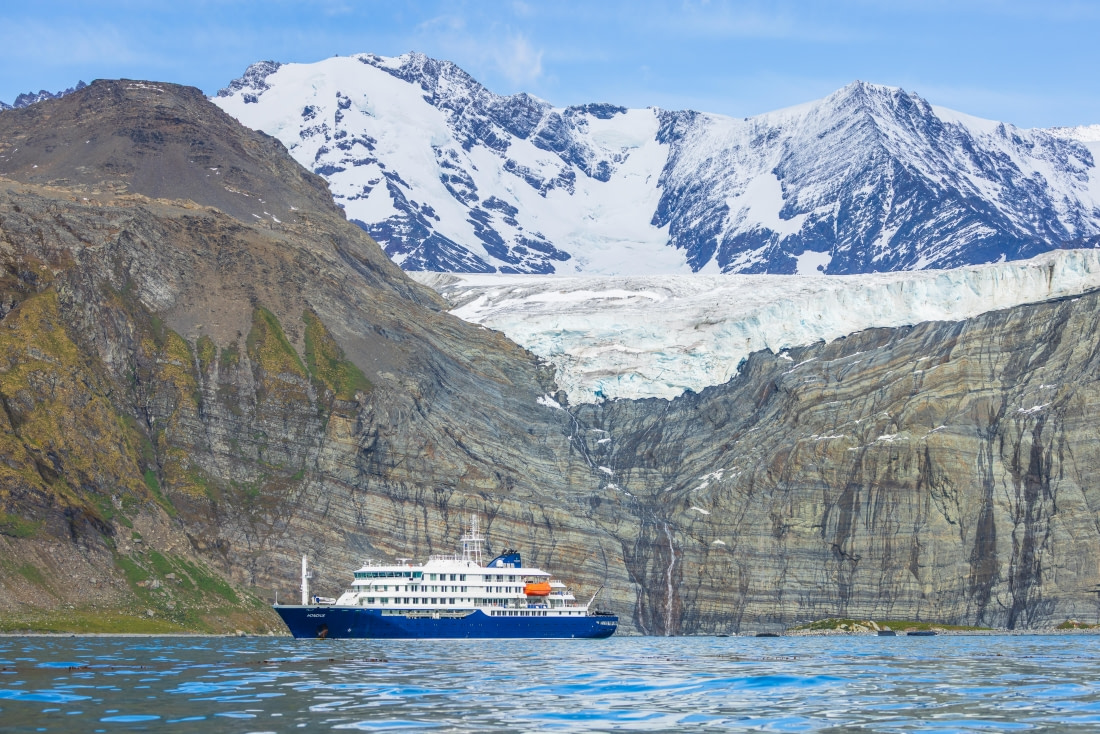
Lunch, as always, was a colourful and delicious affair. Head Chef Ralf and the galley team prepared another excellent meal, warmly served by our attentive hotel team under the leadership of Mehl. Outside, the weather could hardly have been more inviting. Under blue skies, bright sunshine and calm seas, we landed at Boltodden for our afternoon adventure. This remarkable site is famous for its Lower Cretaceous dinosaur trackway, where footprints preserved in sandstone reveal that large plant-eating dinosaurs, including Iguanodon, walked here some 125 million years ago. Standing beside these ancient tracks offered a humbling reminder of just how deep the history of Svalbard truly is.
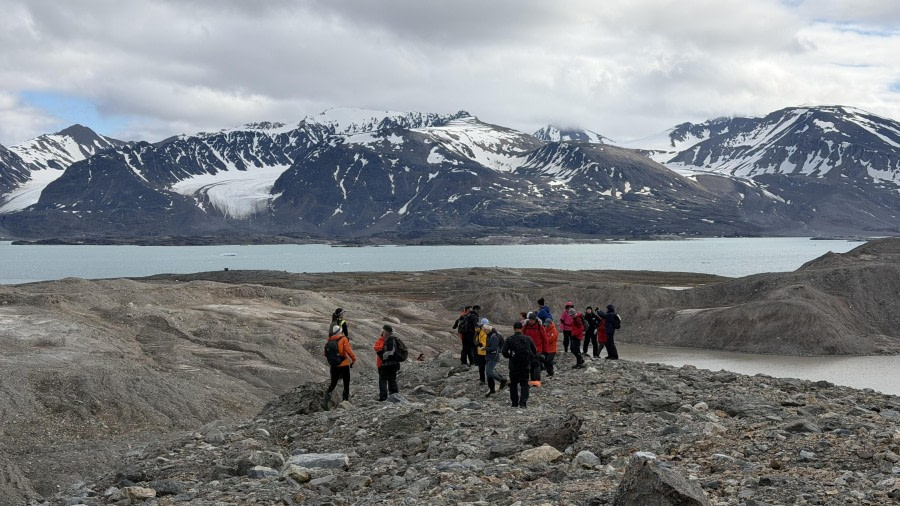
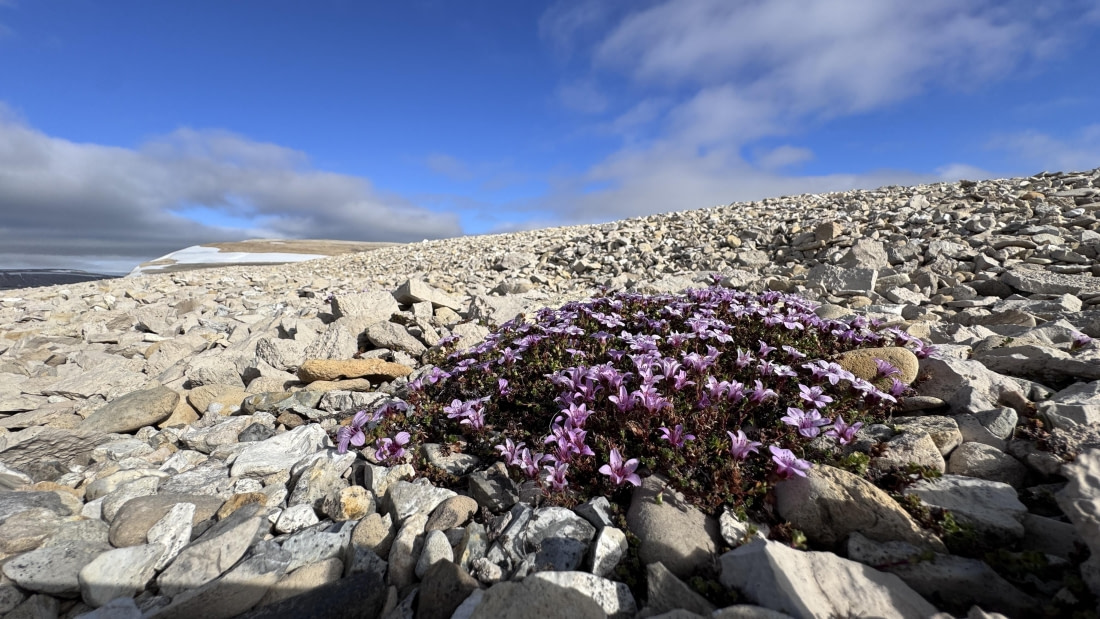
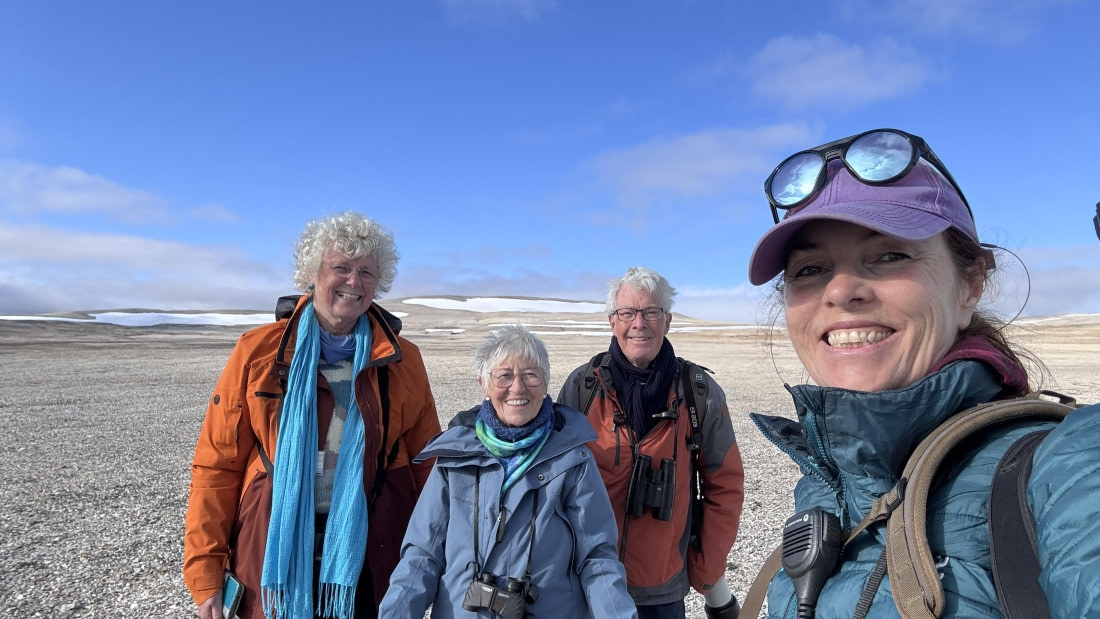
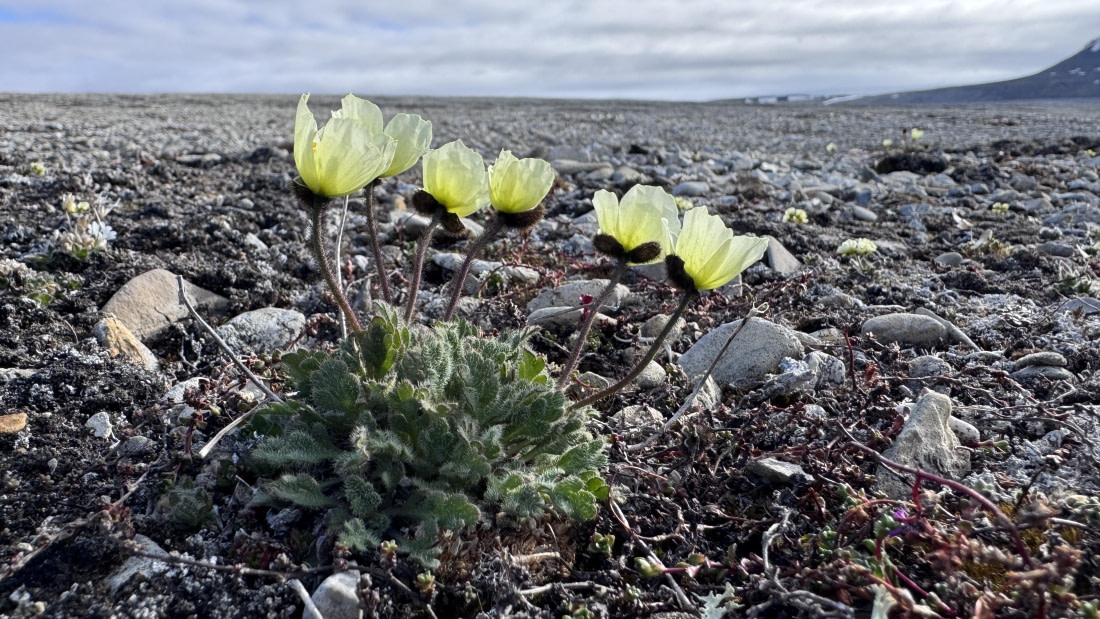
From there, we spread out on a variety of hikes across the eastern shores of Spitsbergen, Svalbard's largest island. Surrounded by wide open landscapes, untouched wilderness and complete silence, we experienced the Arctic in its purest form. Sometimes simply being present in such an extraordinary place is adventure enough.
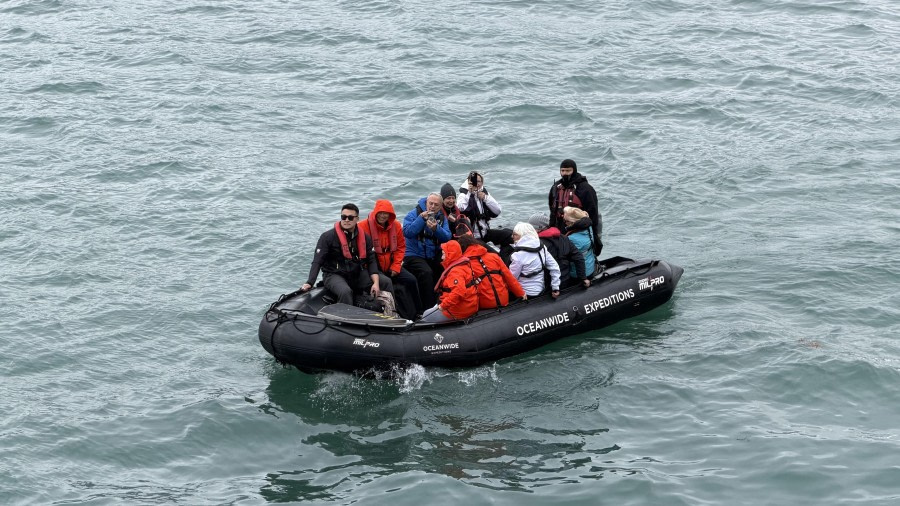
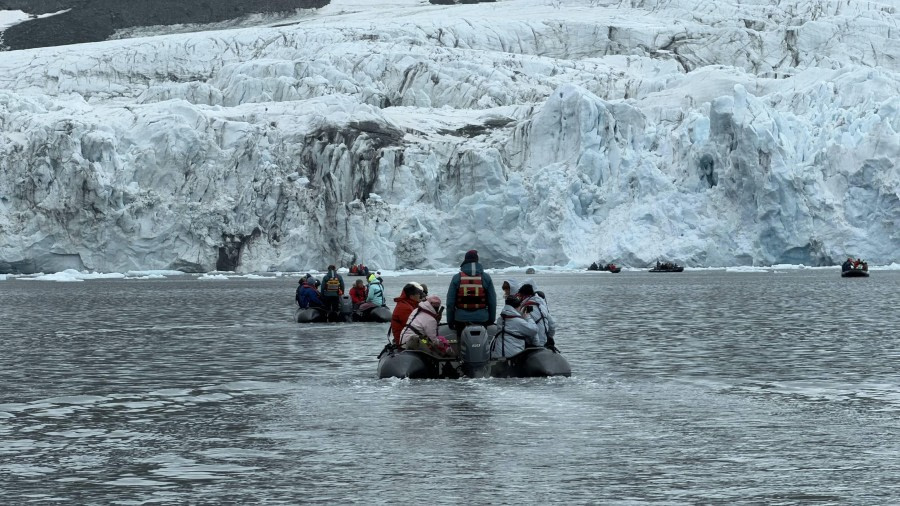
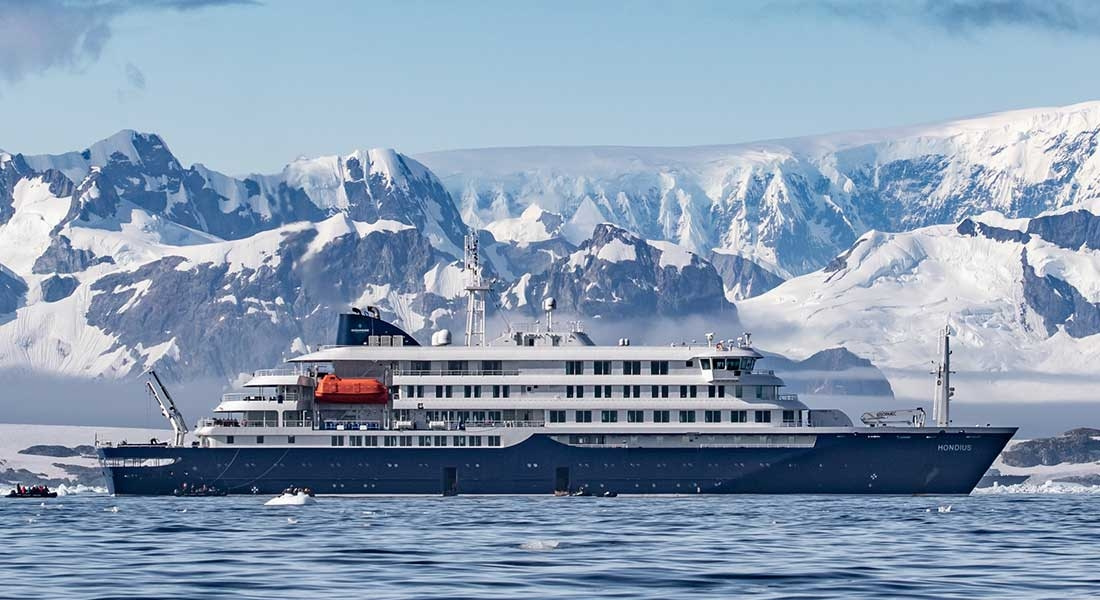
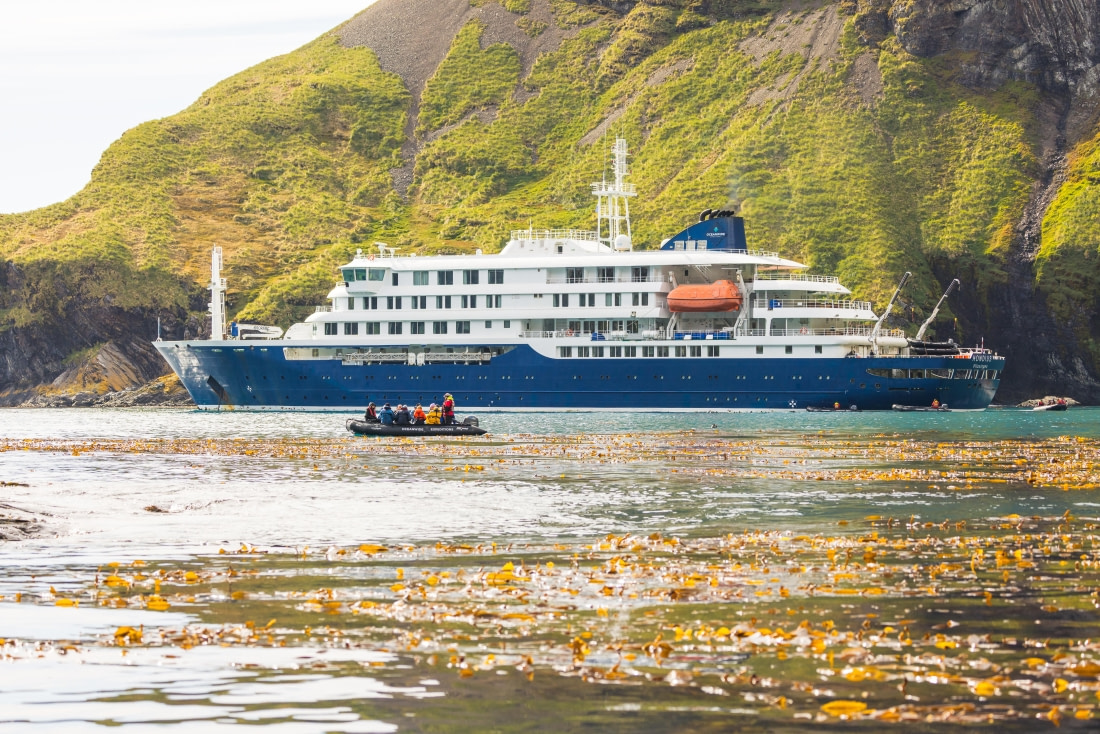
Back on board, we returned by Zodiac to Hondius for the daily recap, where the expedition team shared highlights from the day, introduced tomorrow's plans, and offered useful tips for the adventures still to come.
A day of hiking certainly works up an appetite, and the evening concluded with a beautifully prepared four-course dinner. Around the tables, conversations flowed easily as everyone exchanged stories of polar bears, ancient dinosaur footprints and personal moments from another unforgettable day in the Arctic.
For those not yet ready to call it a night, Bill rounded off the programme with his inspiring lecture, Paintings of the Sea. With his thoughtful perspective, it was promising that after this evening, we would never quite see the sea in the same way again.
From close encounters with the Arctic's most iconic wildlife to stepping back 125 million years into Earth's past, 4 July was a day filled with wonder, discovery and quiet moments that reminded us just how extraordinary Svalbard can be.