| Datum: |
14.01.2026 |
| Positie: |
64°50.3’S / 062°40.4’W |
| Wind: |
SE-2 |
| Weer: |
Overcast |
| Luchttemperatuur: |
+2 |
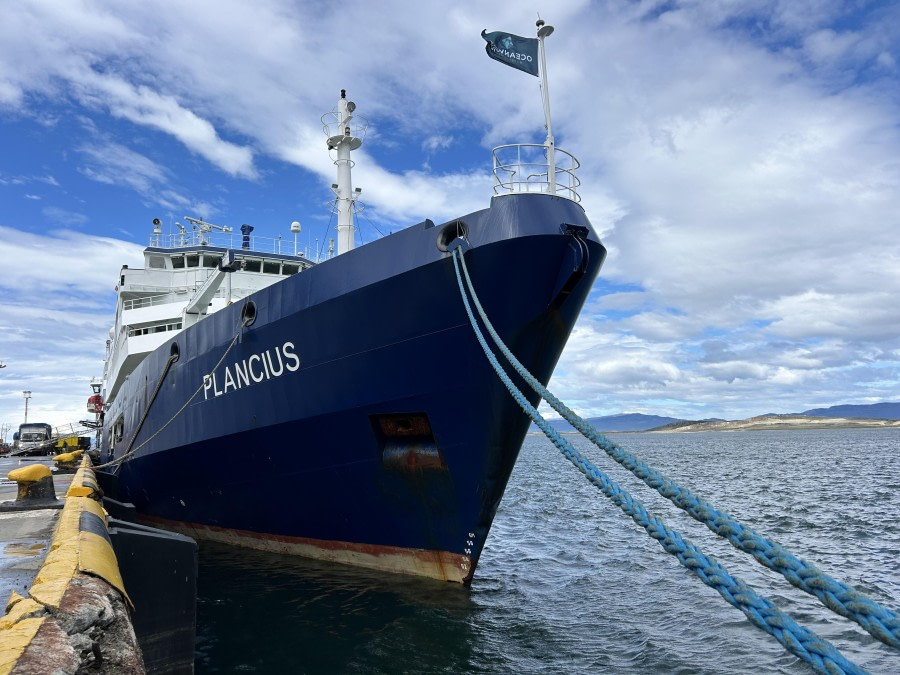
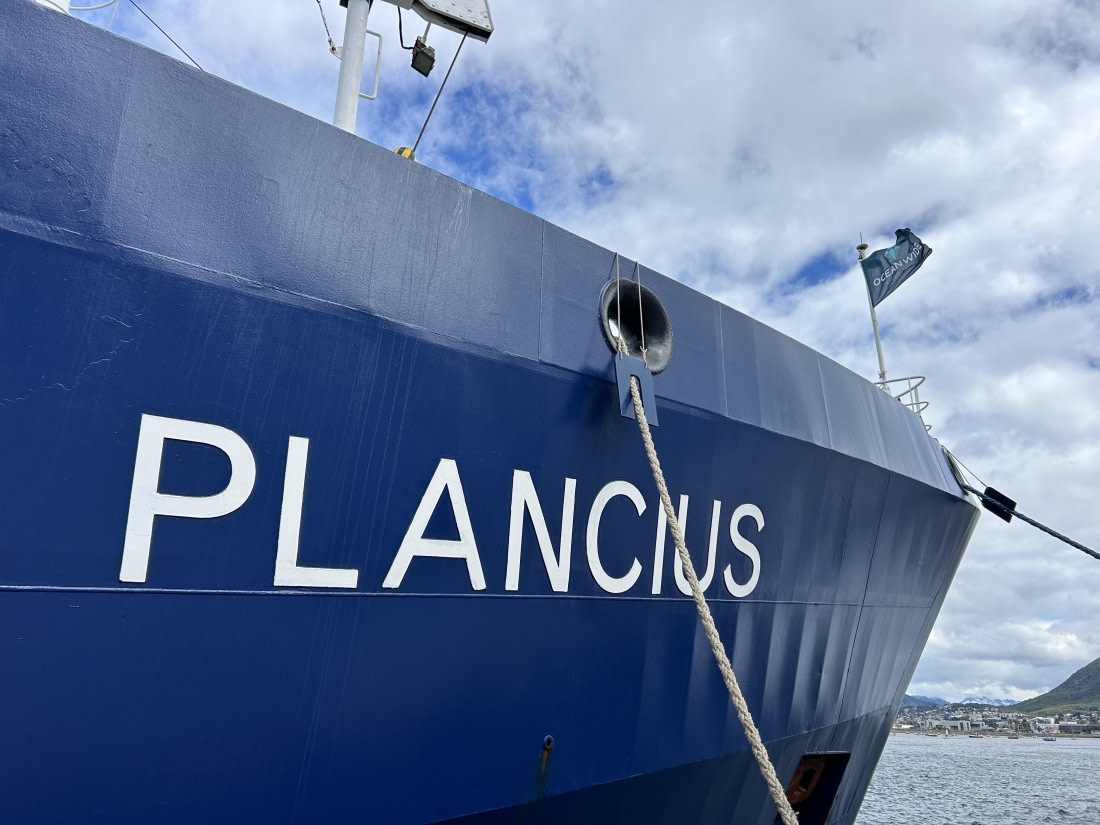
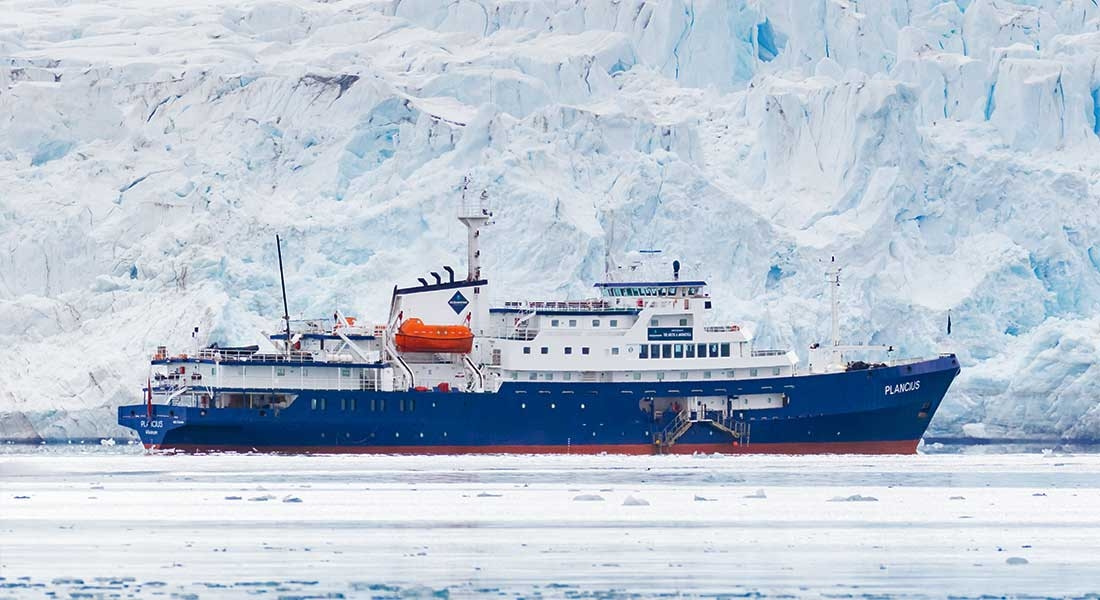
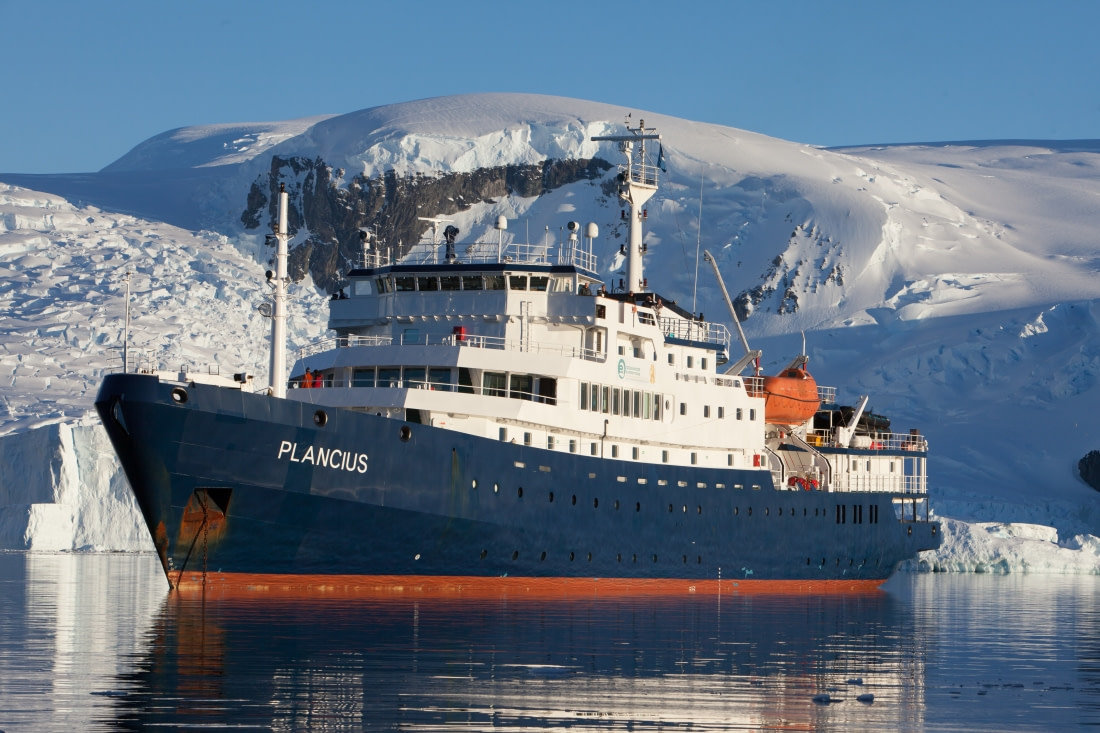
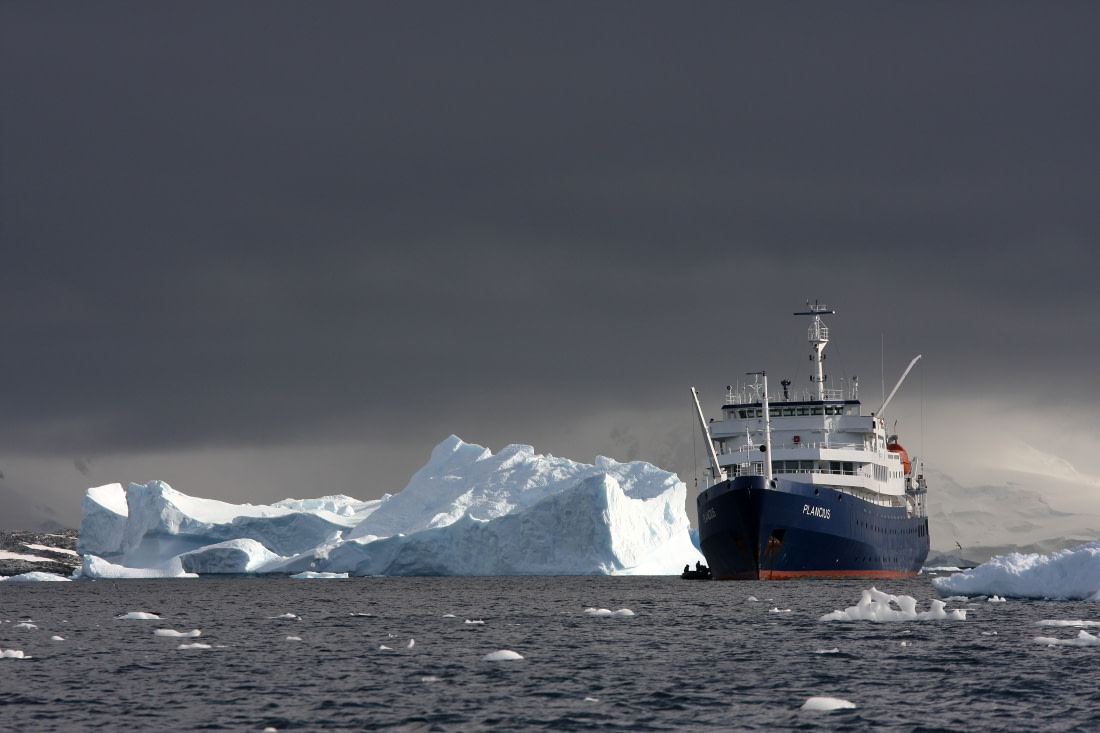
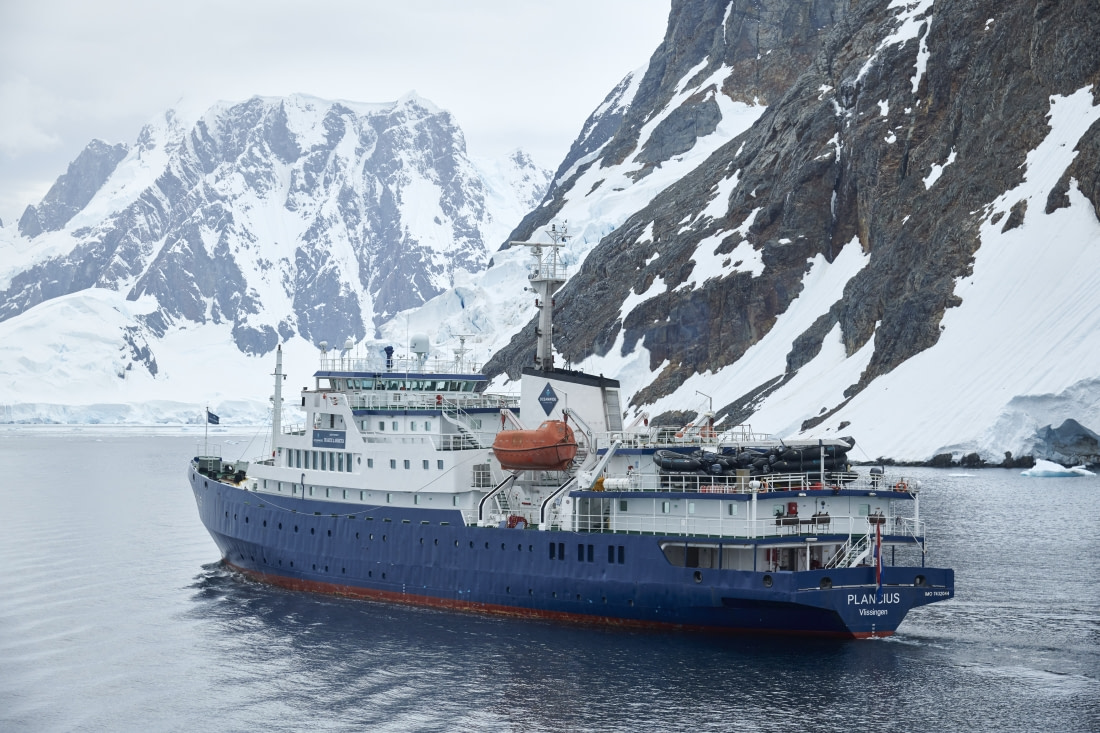
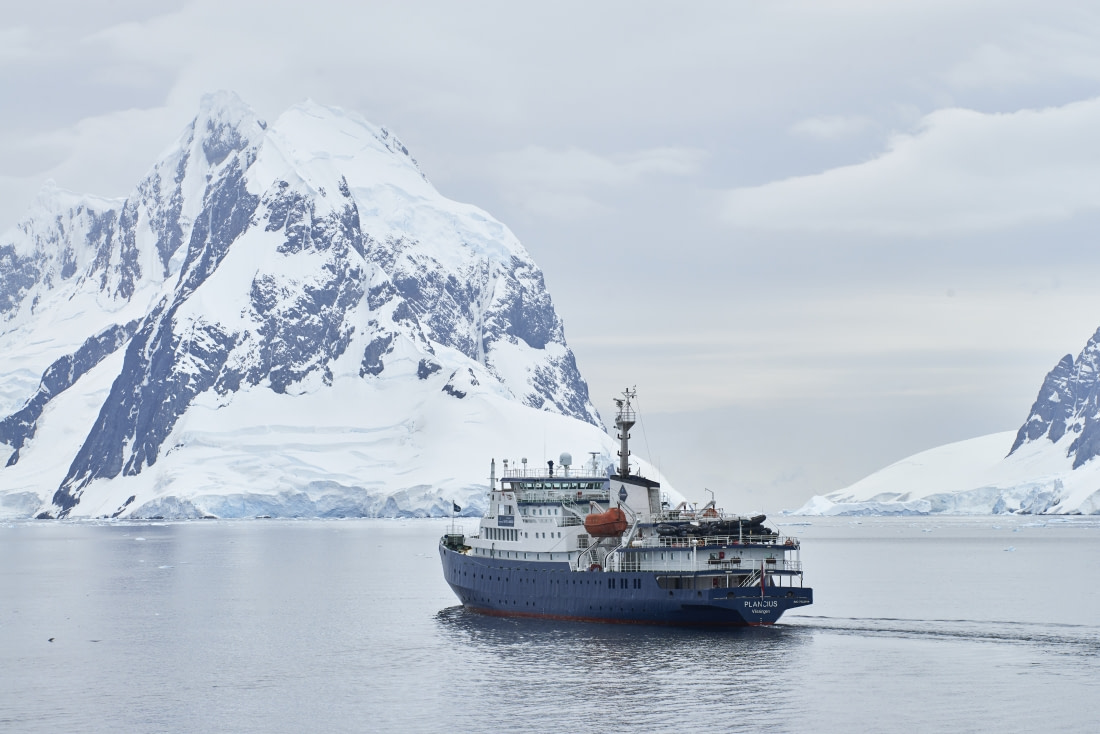
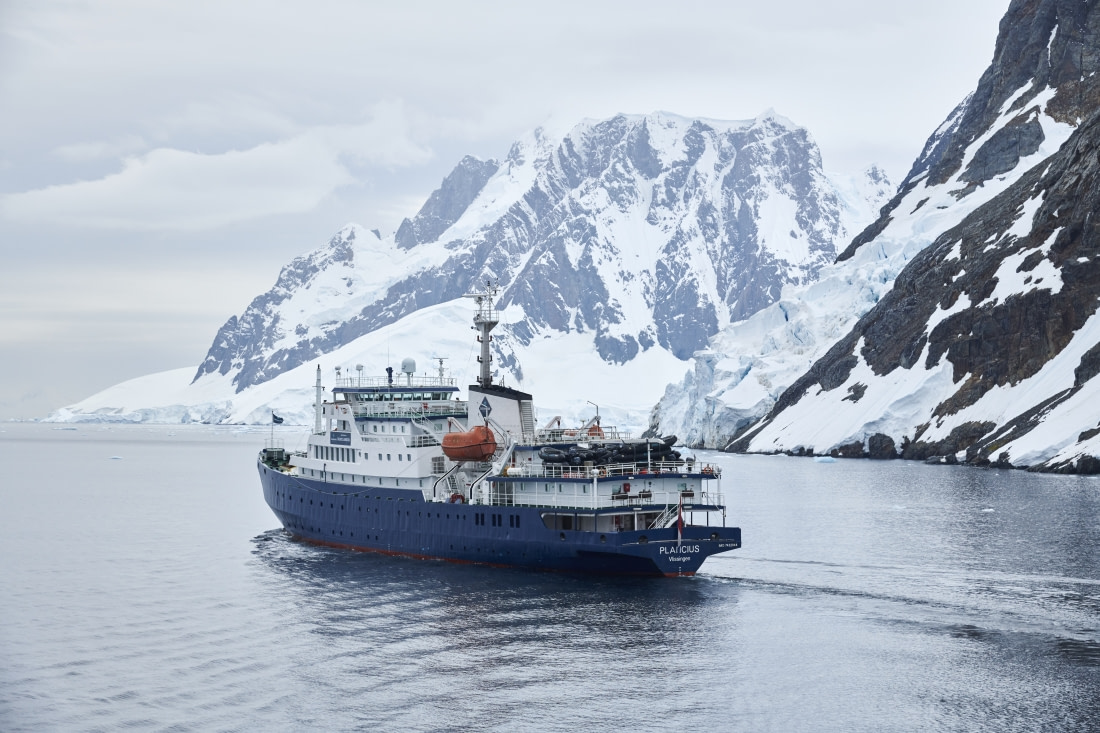
The morning was a bright, early (and cold!) one for some, with the campers awaking in their bivvy bag cocoons dusted with overnight snow at Kerr Point. The campers’ cold and tired faces eagerly awaited their zodiac chariots back to the warmth and comfort of Plancius, where some caught up on sleep, and others grazed on the fresh pastries whilst gazing out at the morning sun with their morning coffee.
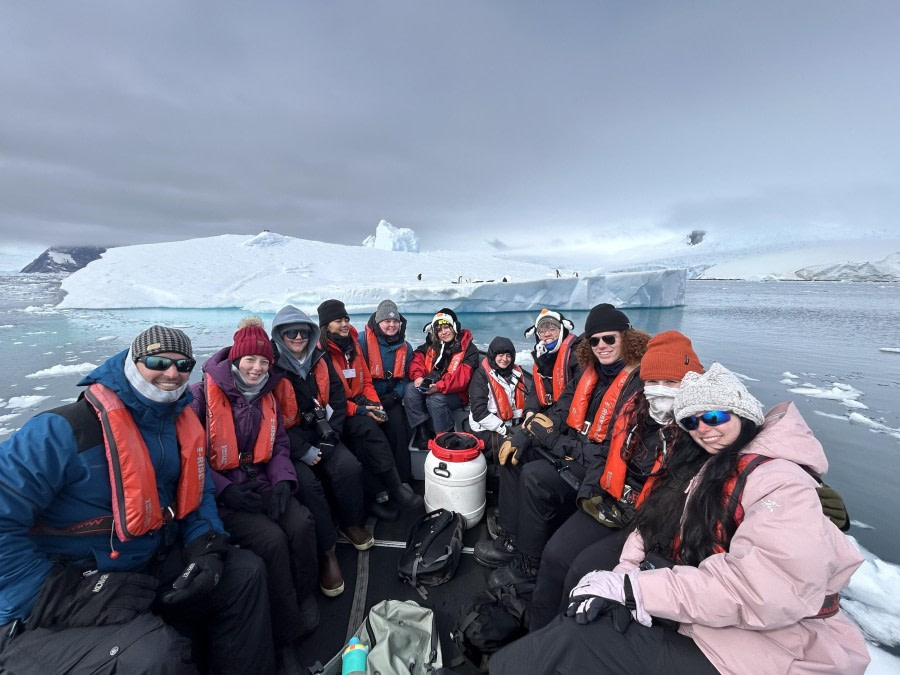
After the ‘real’ wake up call for the rest of us, breakfast was served, and we soon got ready for our morning’s activities. We joined the expedition team in the zodiacs for a cruise through Andvord Bay, where we had no idea what to expect, as nature is unpredictable and we are at the mercy of the ocean. Within the first few minutes of the cruise, we were delighted with none other than the majestic humpback whale, and not one, but many, swimming straight towards us! We couldn’t believe our luck! We spent the next few hours weaving through icebergs and brash ice finding many more humpbacks. Some were even sleeping at the surface, a behaviour called ‘logging‘ (due to the uncanny resemblance of a log floating at the surface) were they rest for around 30 minutes at a time.
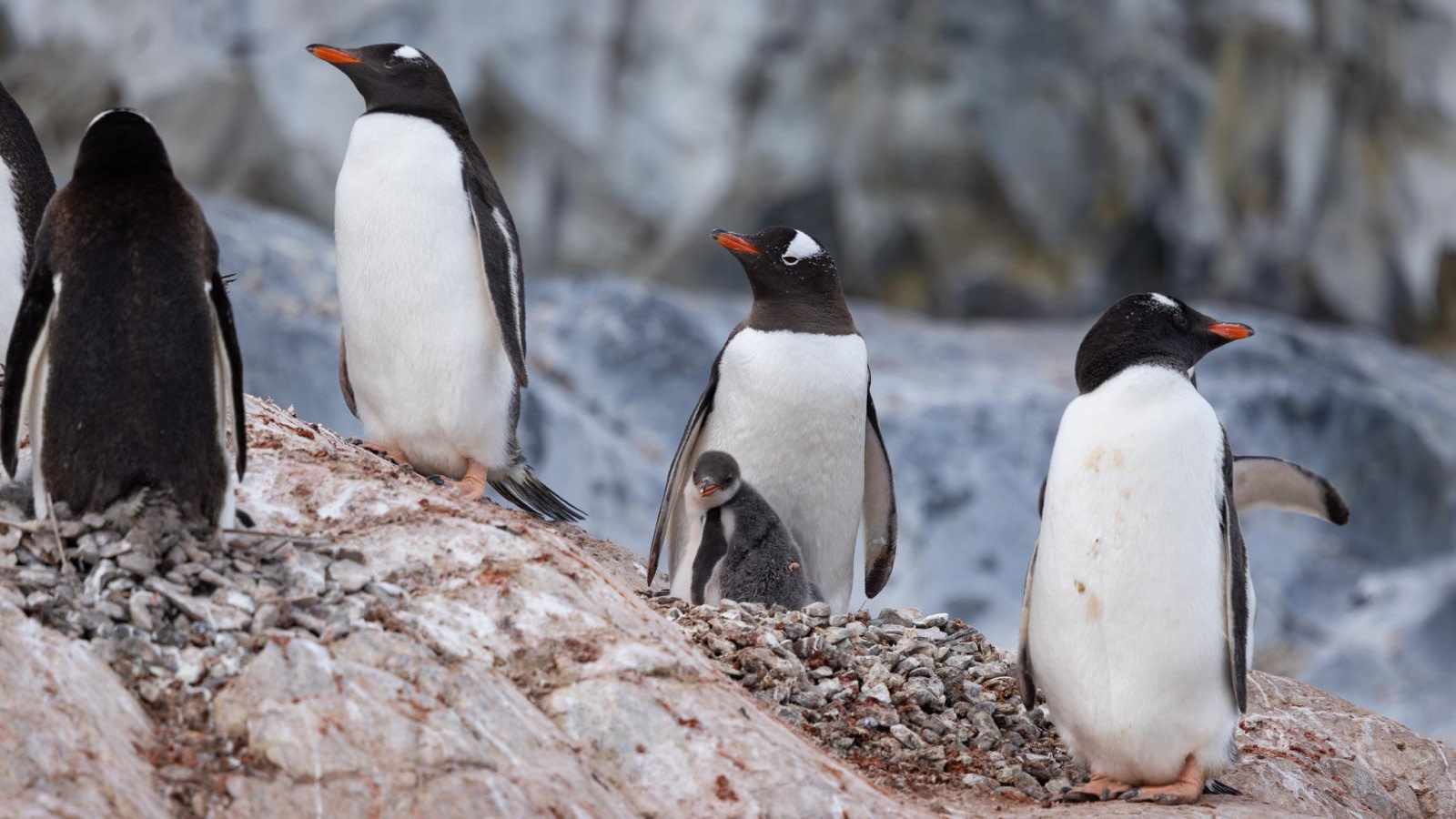
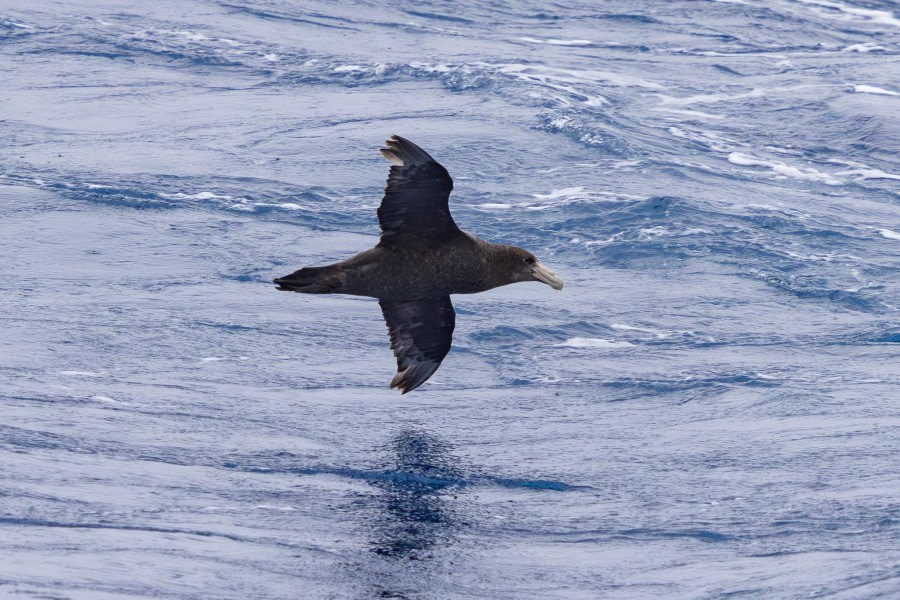
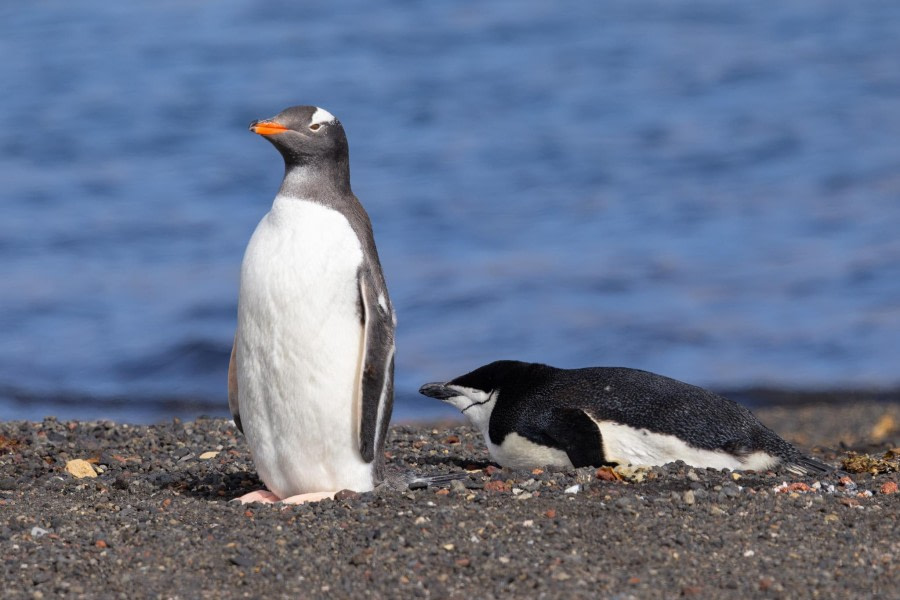
We also spotted numerous gentoo penguins on ice floes, Wilson’s storm petrels dancing on the surface and kelp gulls flying above. As we neared towards the end of our zodiac cruise, the cold started to creep in and what other way to warm up than a surprise zodiac filled with the hotel and bridge team serving rum and hot chocolate! It was the sweetest way to warm up.
After lunch, we headed back out into the elements to Orne Harbour, with the weather turning on a show for us with some beautiful afternoon sun! The kayakers headed out into the brash ice towards the glacier, while the rest of us landed ashore, on the continent at last! Although we had visited many places already on our trip, this landing was on the actual Antarctic continent itself rather than an island, so lots of photo opportunities were had with the Antarctic flag, and lots of 7th continents were ticked off!
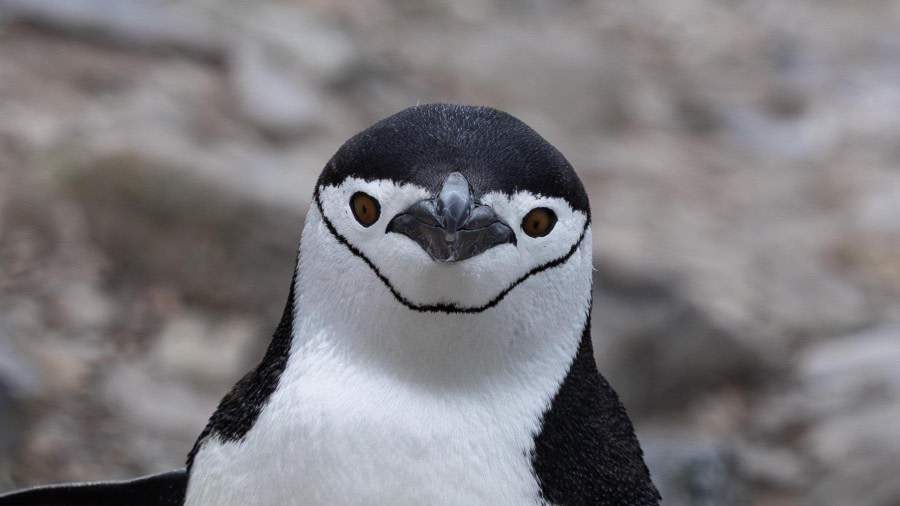
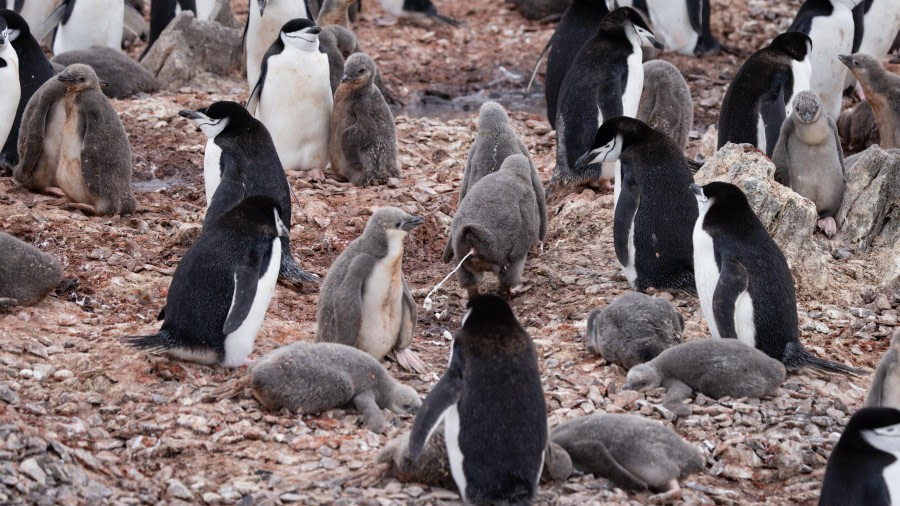
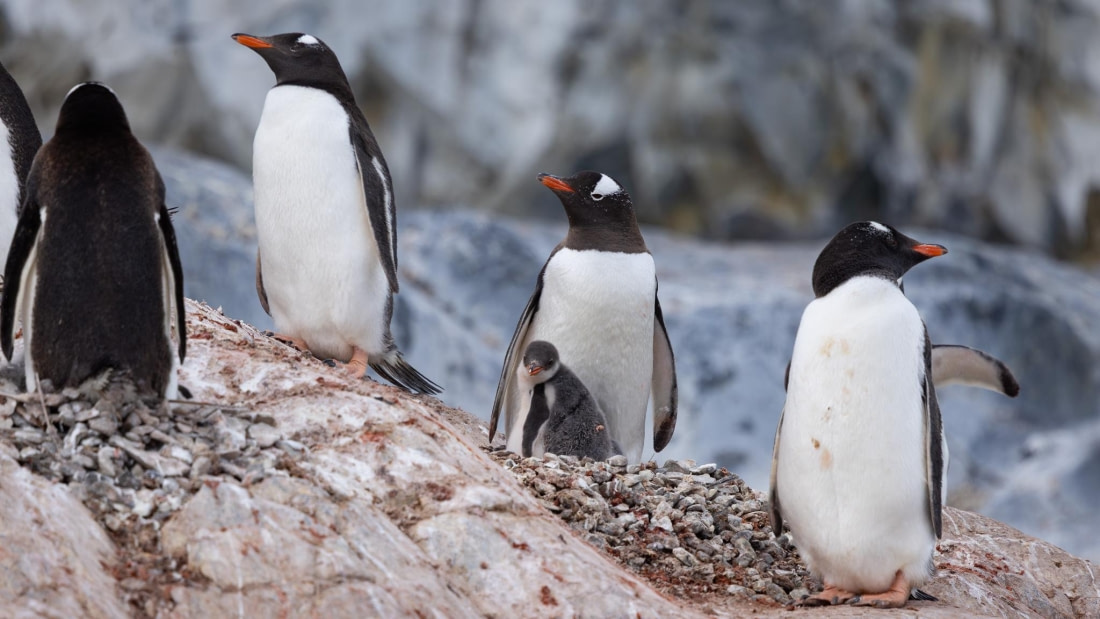
Today’s landing there was only one route - up! We visited a chinstrap penguin colony, and these little birds are often referred to as the mountaineer of penguins as they can sometimes be found nesting on rocky outcrops up to 160 m above sea level! What crazy little creatures! So upwards we went to the top of the ridge to observe the colony, with lots of switchbacks made in the snowy path to help us clumsy humans walk up easier. It was such a glorious view from the top, looking down at the bay in the glimmery afternoon sun with the chirps of chinstrap chicks in our ears.
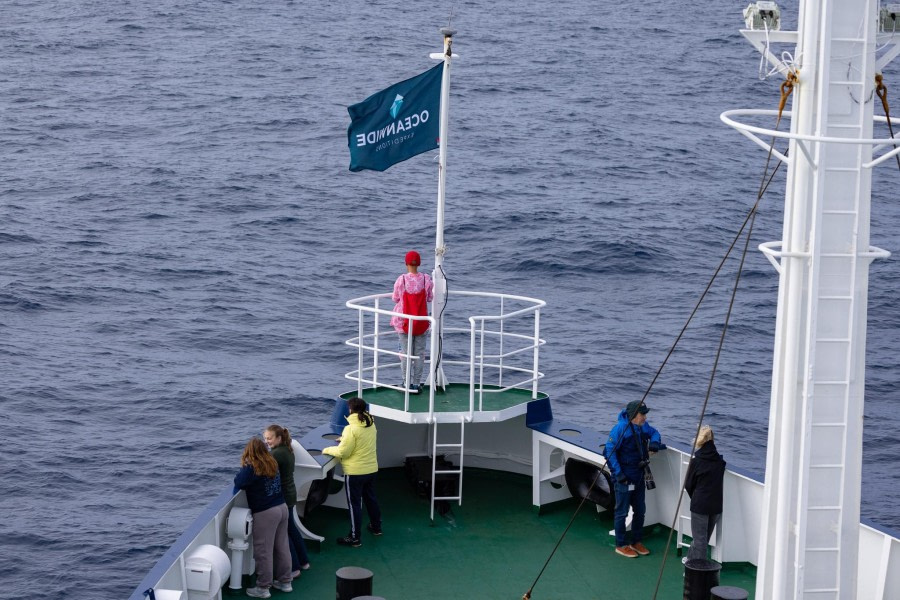
Back on board, during Rustyn’s daily briefing and recap, we got rudely interrupted by an incredible wildlife encounter - a pod of over 20 orcas! We rushed outside with our cameras and warm clothing and witnessed a true spectacle of nature. Mixing pods of small Type B (Gerlache) killer whales had come together to socialise possibly after a successful hunt of their preferred prey, penguins. There are five ecotypes of orca down here in Antarctica, Type A, Large Type B (pack ice), Small Type B (Gerlache), Type C (Ross Sea) and Type D (Subantarctic). These are technically still all the same species, but eventually they may get divided into subspecies due to their morphological, ecological and distributional differences.
After the orca show, we were treated with another scrumptious dinner by the hotel team, and the next group of campers set off for their evening camp out at Damoy Point. It was yet another wonderful and eventful day in Antarctica, some of us headed off to bed early, others socialised in the main lounge with drinks and board games and sharing stories of our world travels and home lives. The Plancius was really becoming a home away from home.
Kayak Log Wednesday 14 – Morning tour:
Andvord Bay (Gerlache Strait) – West Shore Paddle (~5 km)
We were dropped by Zodiac onto the north-west side of Andvord Bay, the kind of quiet Antarctic morning that feels almost staged: calm sea, little wind, and a ceiling of grey that softened every edge. We launched smoothly and set a course south-east along the coastline, keeping the group tight and the pace measured, letting the bay draw us deeper into its glacial amphitheater.
At first the light was flat and cold, but Andvord doesn’t need sunshine to be dramatic. The shoreline carried that familiar mix of rock, snow, and hanging ice, with icebergs scattered like carved monuments, some small, some larger pieces with an impossible, clean blue glowing through their flanks. The soundscape was pure peninsula: the hush of paddles, the occasional crack from somewhere unseen, and the low, distant groan of glaciers settling into the sea.
Then the bay reminded us why glacier distance rules matter. Ahead, a section of front shed a serac with a sudden, heavy urgency: ice collapsing into water, the aftermath rolling out as a pulse you could feel even from where we were. We were already holding a conservative margin, and the moment turned into a powerful, real-time lesson: in Andvord Bay, the glaciers don’t give warnings; they just happen. (It’s a dynamic place, with regular calving around the bay.)
As the morning opened, the cloud began to break. Blue patches appeared between the layers, and the scene sharpened: ridges, crevasses, and the steeper faces around the bay standing out in higher contrast. Above the shoreline, the surrounding high ground—features such as Mount Hoegh and Dallmeyer Peak on the bay’s western side—gave the whole fjord a sense of scale that only grows as you move.
And then came the encounter that resets your internal compass. A humpback whale surfaced close—quiet, unhurried, passing within roughly fifteen metres of the kayaks. No drama, no rush, just a slow, deliberate presence moving through the bay as if we were the ones drifting. It lingered in the area, and in that calm water it felt very much like feeding behaviour—steady, purposeful, and completely at home.
Near the end of the paddle, as we were still absorbing everything Andvord had shown us, the day offered one more surprise: Zodiacs arrived with hot chocolate, delivered right there on the water. Warm cups in cold hands, glaciers all around, and a brief pause where everyone just looked up and listened—ice rumbling in the distance, the bay breathing, the moment perfectly placed.
We covered about 5 km in total: calm, controlled paddling with a route shaped by good judgement, big ice awareness, and the kind of wildlife encounter you don’t forget.
Highlights: serac fall / calving event observed safely at distance, close, calm humpback whale encounter, hot chocolate delivered by Zodiac in the middle of Andvord’s glacier arena.
Kayak log Wednesday 14th – Afternoon tour:
Orne Harbour (Gerlache Strait) – Sheltered Coves & Brash-Ice Slalom (~5 km)
Orne Harbour greeted us with a very Antarctic contradiction: a strong WSW breeze on the outside, but glassy water once we tucked into the protected pockets of the harbour. We launched under a huge blue sky, the wind having scrubbed the air clean and pushed the clouds into crisp, high-contrast shapes. Orne itself is a compact, steep-walled inlet on the west coast of Graham Land, famous for tight scenery and dramatic peaks rising straight from the sea.
With the wind pressing from the southwest, we kept the paddle plan conservative and worked the sheltered bays on the eastern side of the harbour, using the coastline as a windbreak. The water was littered with bergy bits and brash ice—enough to force constant micro-decisions, but not so much that it stopped us moving. We weaved through the pieces in a slow, controlled slalom, enjoying the sound that only sea ice makes: tiny air bubbles escaping with a fizzing, soda-water crackle as the ice softened in the mild surface melt.
The mountains framed everything. Spigot Peak—that dark, unmistakable spire marking the southern side of the harbour entrance—was our constant reference point, and farther along the skyline the needle-like profile of Mount Dedo (Zeiss Needle) added to the jagged, volcanic drama of the Arctowski Peninsula coast. The glaciers around the inlet looked close enough to touch, but we kept a deliberate distance off any active fronts—ice has a way of reminding you, without warning, that it is never truly still.
Toward the end of the route, we spotted Weddell seals resting on a drifting floe, relaxed and unbothered as we passed at a respectful range. The breeze stayed with us, but inside the harbour there was no swell, clean air, calm water, and that satisfying feeling of navigating through moving ice without needing to fight the sea.
We finished with roughly 5 km on the water: a bright, wind-polished afternoon where the route was shaped by good judgement, staying sheltered, reading the ice, and letting Orne Harbour deliver its best kind of Antarctic atmosphere.
Highlights: wind outside, calm water inside: classic shelter strategy in Orne Harbour, brash-ice slalom with the “soda-water” fizz of air bubbles escaping melting ice, Weddell seals hauled out on a drifting piece of ice.