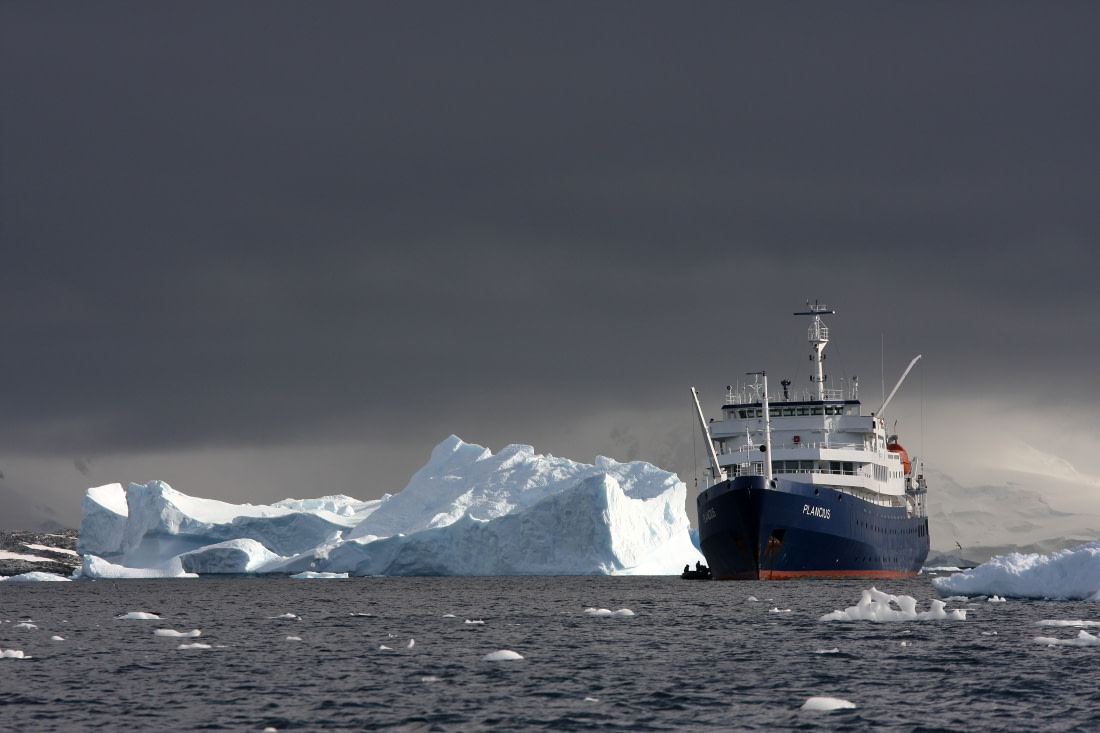
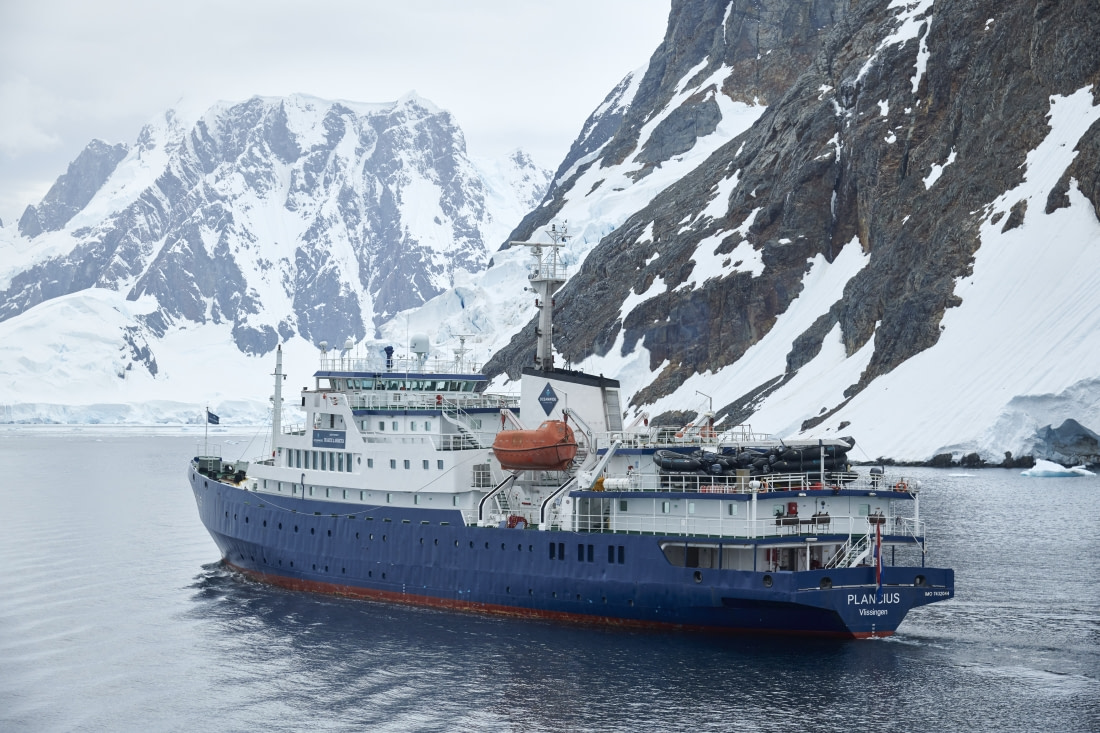
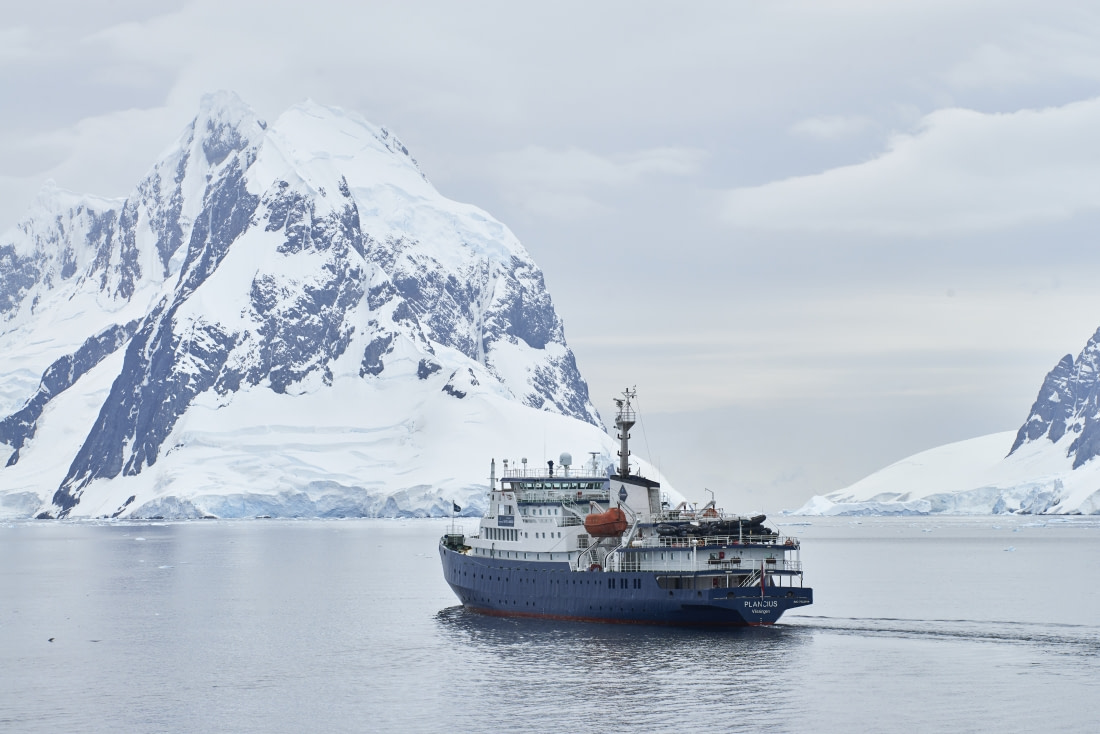
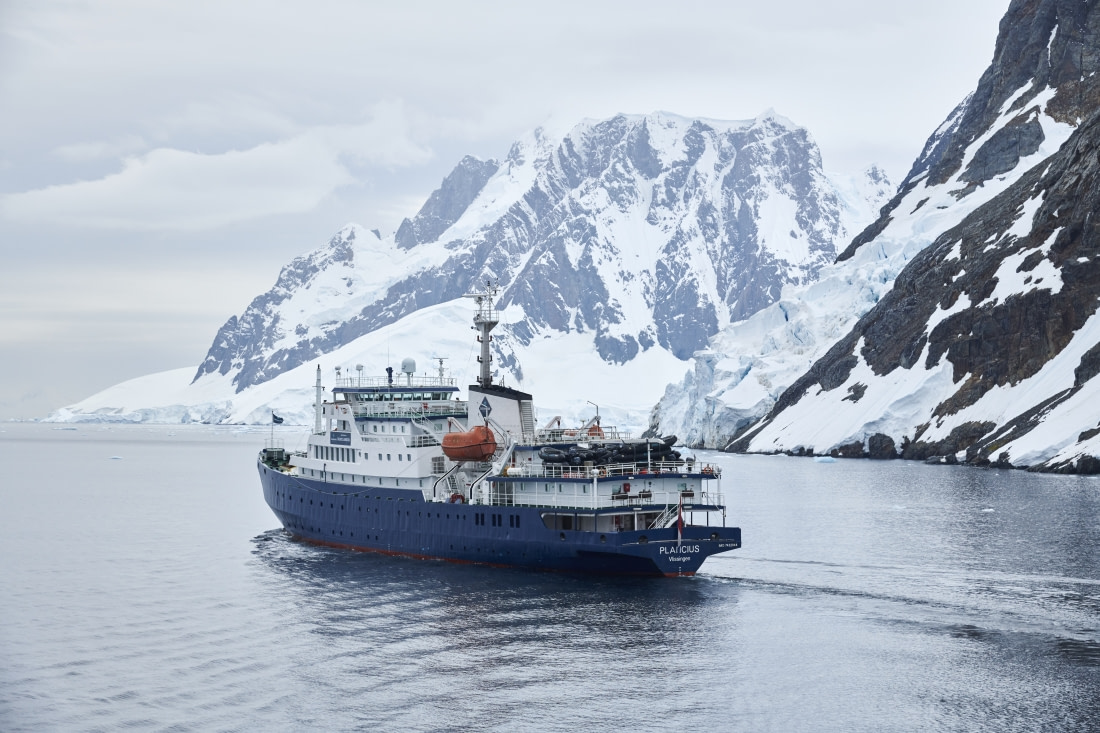
PLA05-25, trip log, North Spitsbergen Explorer

by Oceanwide Expeditions

Fotogalerij

Logboek

Day 1: Longyearbyen, Embarkation

Longyearbyen, Embarkation
Datum: 24.06.2025
Positie: 78°14.8’N / 014°58.4’E
Wind: W3
Weer: Overcast
Luchttemperatuur: +8

The air buzzed with excitement as we gathered on the pier of Longyearbyen, nestled in the stark, stunning wilderness of Svalbard.

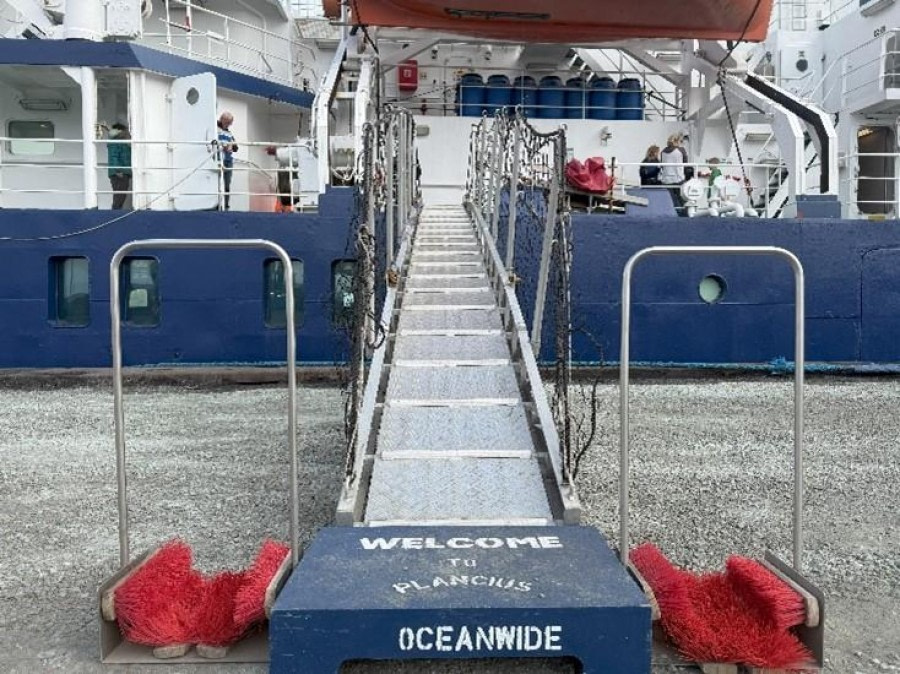
Some of us had used this last day exploring the cosy town of Longyearbyen. Wit its many shops and coffee places it’s a friendly and welcoming little village. However at 16:00 we were expected at the main pier for our shuttle to our beautiful and gracious ship the M/V Plancius.

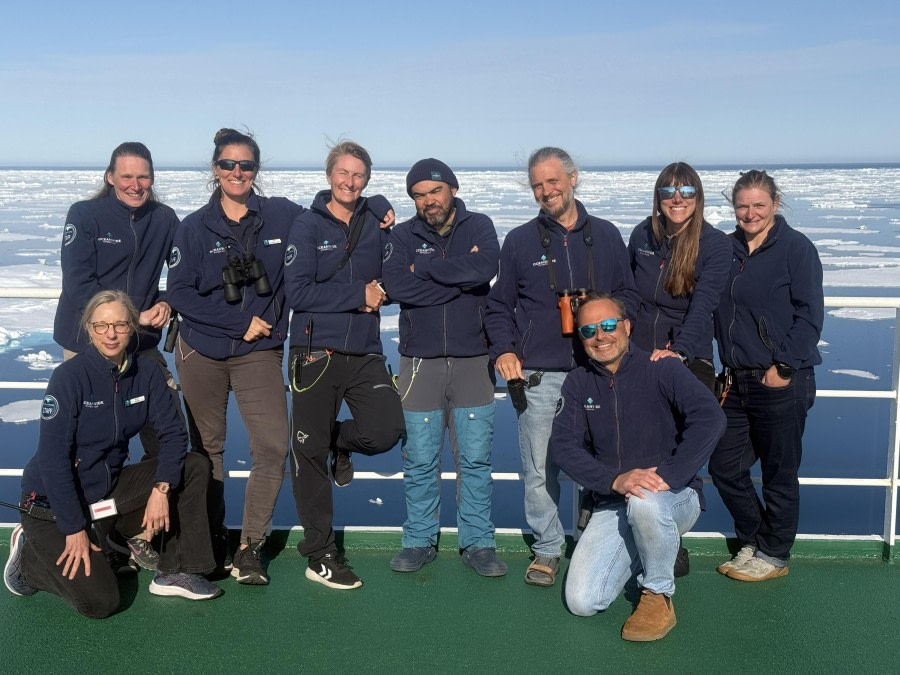
Once on board we had the opportunity to familiarize ourselves with the ship's layout—its winding corridors, cozy cabins, and the various decks that would soon become our floating home. Friendly crew members and expedition staff, always smiling and welcoming, were quick to introduce themselves, offering help and answering questions as we explored.

Soon, we gathered in the panoramic lounge, its large windows offering great views of the surrounding landscape. There, we attended the mandatory safety drill, followed by an informative presentation by our Expedition Leader Philipp, outlining the voyage ahead—our route, the planned landings, and what to expect in the coming days.

Afterwards, we headed to the dining room for our first dinner on board. The atmosphere was warm and lively, with the hum of conversation and clinking cutlery filling the space. Over a delicious meal, we began to settle in, bonding with fellow passengers and sharing the growing anticipation of the journey into the Northern area of the Svalbard archipelago.

Day 2: Tinayrebukta, Signehamna and Lilliehöökbreen

Tinayrebukta, Signehamna and Lilliehöökbreen
Datum: 25.06.2025
Positie: 79°12.3’N / 012°02.9’E
Wind: SW2
Weer: Overcast
Luchttemperatuur: +8

We woke up early this morning, full of anticipation—it was the first day of our expedition, and excitement was in the air! After gathering for a hearty breakfast at the restaurant, we were ready to dive into the day’s adventures.

Once breakfast was done, we headed to the gangway to board the zodiacs. Our first landing was about to begin! The destination: Möllerfjorden, specifically the stunning bay of Tinayrebukta in Haakon VII Land, Spitsbergen, Svalbard. Nestled on the eastern side of the fjord, Tinayrebukta is flanked by the majestic peaks of Fallièresfjella and Generalfjella, with the Tinayrebreen glacier spilling into its icy waters. The bay takes its name from French painter Jean Paul Louis Tinayre.

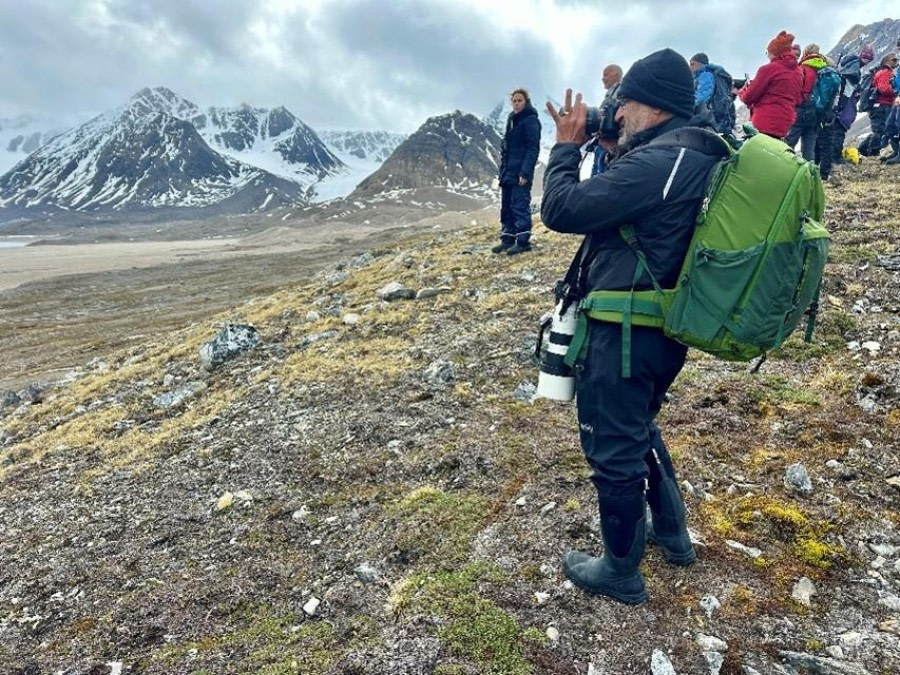
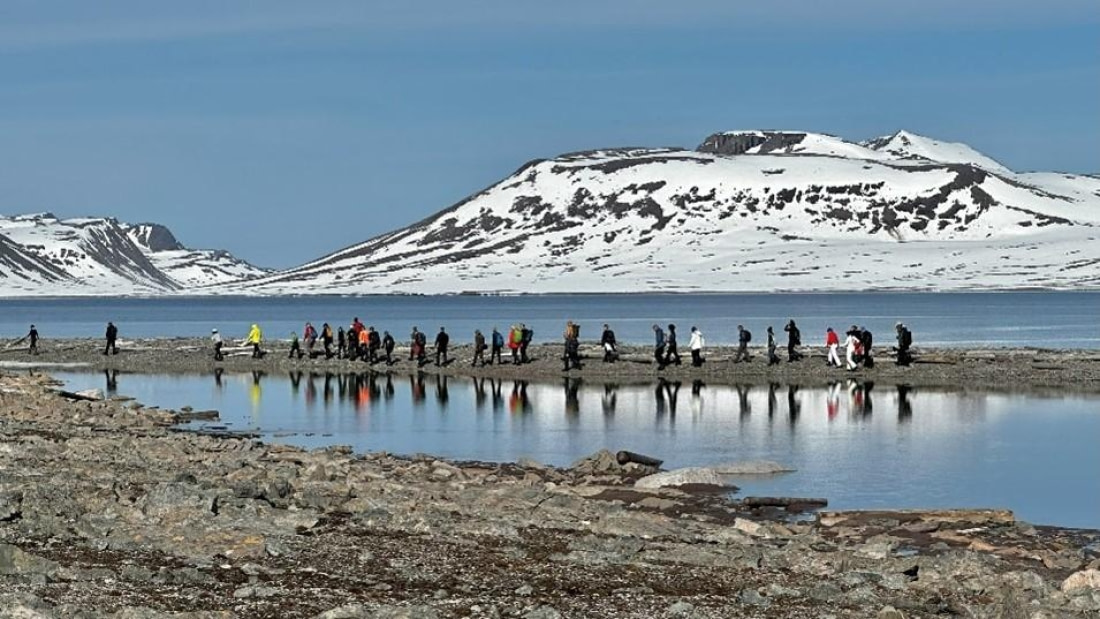
To make the most of this remarkable landscape, the group split into three hiking options—leisure, medium, and long walks—so everyone could explore at their own pace. No matter the route, the scenery was breathtaking: carpets of Arctic flowers, grazing goats and reindeer, and even harbor seals lounging on the ice. It felt surreal to witness such wildlife in this remote corner of the world. What a start to our journey!

After a morning of exploration, we returned to the ship for a well-earned lunch, buzzing with stories and impressions.

In the afternoon, we set out for our second stop: Signehamna, a picturesque bay and natural harbour in Albert I Land, located on the western side of Lilliehöökfjorden.

The bay stretches about a nautical mile in both length and width. A narrow headland called Gunnarpynten splits the bay and creates a sheltered harbor—ideal for smaller vessels.

Now part of the Nordvest-Spitsbergen National Park, Signehamna holds historical significance too. Here lie the remains of German weather stations from World War II—first Knospe (1941–1942), then Nussbaum—quiet witnesses to the area's wartime past. Once again, we divided into three walking groups, and each one was captivated by the combination of raw Arctic beauty and fascinating history. This landing was truly something special.

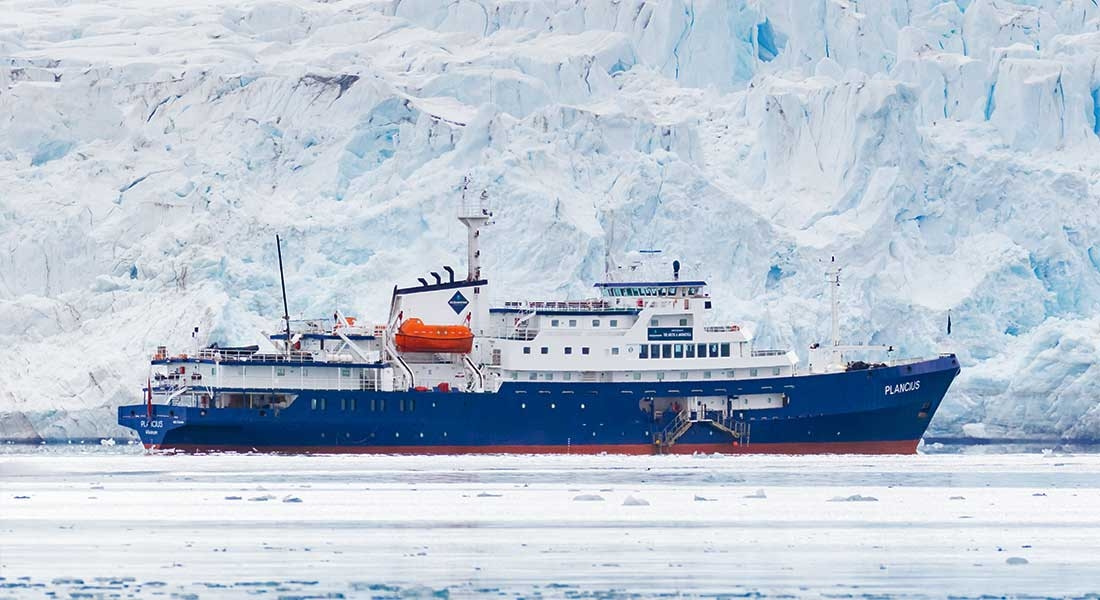
Back on board, we warmed up with a hot drink and stepped out onto the outer deck. Just in time for a scenic ship cruise past the immense Lilliehöökbreen glacier—an unforgettable sight as towering walls of ice drifted silently by.

During the evening recap, Philip walked us through tomorrow’s plans, and Karoline gave us a deeper understanding of the glaciers we had seen. Then it was time for dinner, rounding off an incredible first day.

It couldn’t have been a better beginning to our expedition—full of wonder, discovery, and memories that will stay with us forever.

Day 3: Monacobreen and Texas Bar

Monacobreen and Texas Bar
Datum: 26.06.2025
Positie: 79°31.4’N / 012°29.6’E
Wind: W2
Weer: Overcast
Luchttemperatuur: +7

We were gently woken at 7:15 by Philip’s cheerful voice, greeted by the serene beauty of Liefdefjord—“Love Fjord”—bathed in morning sunshine. Located in the northwest of Spitsbergen, this fjord is famous for its striking red mountains, formed from ancient Devonian sandstone. The calm waters and clear skies set the perfect tone for the day ahead.

After breakfast, we bundled up in our warmest layers and made our way to the gangway for an exhilarating two-hour zodiac cruise in front of the magnificent Monaco Glacier. Named after Albert I of Monaco, this towering glacier spills into the fjord, where its icy cliffs create a vibrant feeding ground teeming with life. Hundreds of kittiwakes swooped and danced in the air, feasting in the nutrient-rich waters where the glacier's meltwater meets the sea.

At the glacier's western edge, a massive blue iceberg sparkled in the sunlight—a rare sight in Svalbard, where icebergs of this size are uncommon.

We circled it slowly, mesmerized by its color and scale. Until 2015, the Monaco Glacier and its neighbor Seligerbreen shared a single ice front; today, they’ve retreated nearly two kilometers apart, revealing the rugged peak of Stortingspresidenten between them.

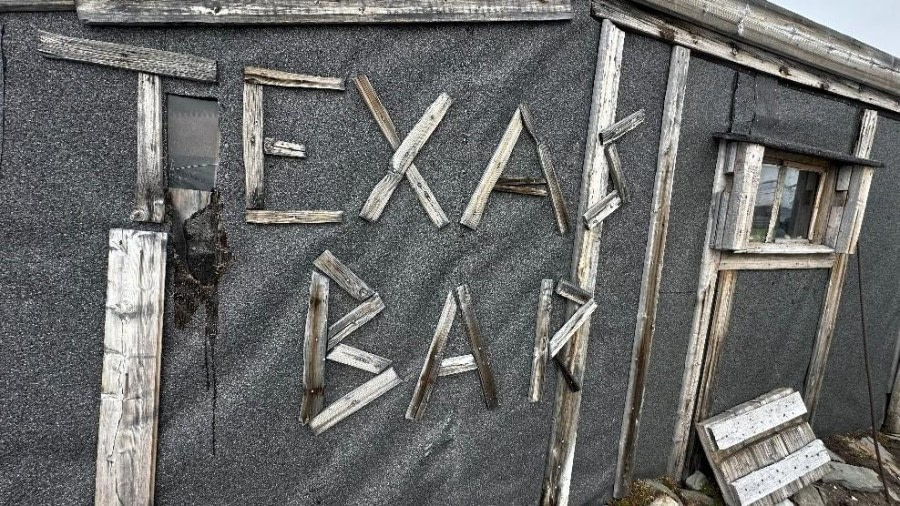
Back on board, we enjoyed a relaxing lunch as the ship cruised toward our next destination: Texas Bar, a rustic cabin built in 1927 by the legendary trapper Hilmar Nøis. Still used by locals on excursions, the cabin offered a glimpse into life in the Arctic decades ago.

From there, the group split into different hiking options. The long hikers set off for a scenic climb to a 350-meter-high viewpoint behind the hut, spotting purple sandpipers and nesting ptarmigans along the way. The medium group strolled across the lush tundra to a panoramic lookout over the fjord, while the leisurely walkers enjoyed a peaceful beachside ramble, soaking in the Arctic silence and stunning views.

Back aboard the ship, we gathered for a delicious three-course dinner as we sailed out of the fjord, heading towards Gråhuken—the remote outpost where German author and painter Christiane Ritter famously overwintered in the 1930s. Karoline shared Ritter’s story, weaving in her own experiences of overwintering in Svalbard in recent years, offering a deeply personal perspective on life in the High Arctic.

Though the sun never dipped below the horizon, we eventually turned in for the night, as the ship gently cruised eastward toward the Hinlopen Strait—eager for whatever adventures tomorrow might bring.

Day 4: Alkefjellet, Kinnvika and BBQ

Alkefjellet, Kinnvika and BBQ
Datum: 27.06.2025
Positie: 79°40.7’N / 018°22.4’E
Wind: SE5
Weer: Overcast
Luchttemperatuur: +5

During the night, we sailed out of Liefdefjorden aboard the Plancius and headed south into Hinlopenstretet—the strait that separates the large island of Spitsbergen from Nordaustlandet (the lands of the northeast).

As we were gently woken by Philipp, our destination for the morning—Alkefjellet—was already visible after a short ride. Our expedition team invited us on a Zodiac cruise to explore this remarkable place, which, from a few kilometres away, appeared rather unassuming.

It was the first windy day since we had come aboard, and with temperatures hovering around 0°C, our expedition leader advised us to dress warmly and in multiple layers.

Even from a distance, we could tell that this site was unique—its dramatic topography marked by towering dolerite columns (an intrusive basalt rock) and streaks of marble. At Alkefjellet, the cliffs where the birds nest rise directly from sea level, unlike other breeding areas that are more inland.

The closer we approached, the more birds we saw—and the more sounds filled the air. It was breathtaking. Tens of thousands (around 60,000) breeding pairs of Brünnich’s guillemots congregate here during nesting season, creating a chaotic symphony of squawks and flutters. Despite its grandeur, Alkefjellet is only considered a medium-sized colony, which seems almost unbelievable when you're right there.

We cruised slowly along the cliffs, carried gently by the southern wind, taking in the sights and snapping hundreds of photos. Along the way, we spotted glaucous gulls and kittiwakes feeding on guillemot carcasses that had fallen from the cliffs.

By the end of the cruise, all the boats regrouped in a small, picturesque bay near a glacier and began the return journey to Plancius.

Fortunately, it was nearly lunchtime when we arrived back—everyone was looking forward to a warm soup and a cozy break before the afternoon’s activities.

Around 3 p.m., we were called again to the gangway. The wind had picked up though and the swell made Zodiac embarkation more challenging. As we waited our turn, we could hear Dr. Marije calling out, “Both hands on the gangway and sailor’s grip!”

That afternoon’s landing was quite different from anything we had experienced so far: Kinnvika, a relatively well-sheltered bay on the northern edge of Murchisonfjord. A Swedish-Finnish expedition built an extensive research station here during the International Geophysical Year (1957–59), including ten buildings—among them, a sauna!

We had the chance to visit some of these historic structures as we wandered through the snow. Scattered around were the remains of an amphibious vehicle and various other relics, some dating back to the original Geophysical Year, others from more recent times.

In fact, Marie Tieche and Hauke Trinks overwintered here in 2003–04, and during the 2007–08 International Polar Year—the modern successor to the Geophysical Year—the old station at Kinnvika was brought back into use. Scientists from ten countries studied the surrounding environment, with a focus on the Vestfonna ice cap and how it responds to a changing climate.

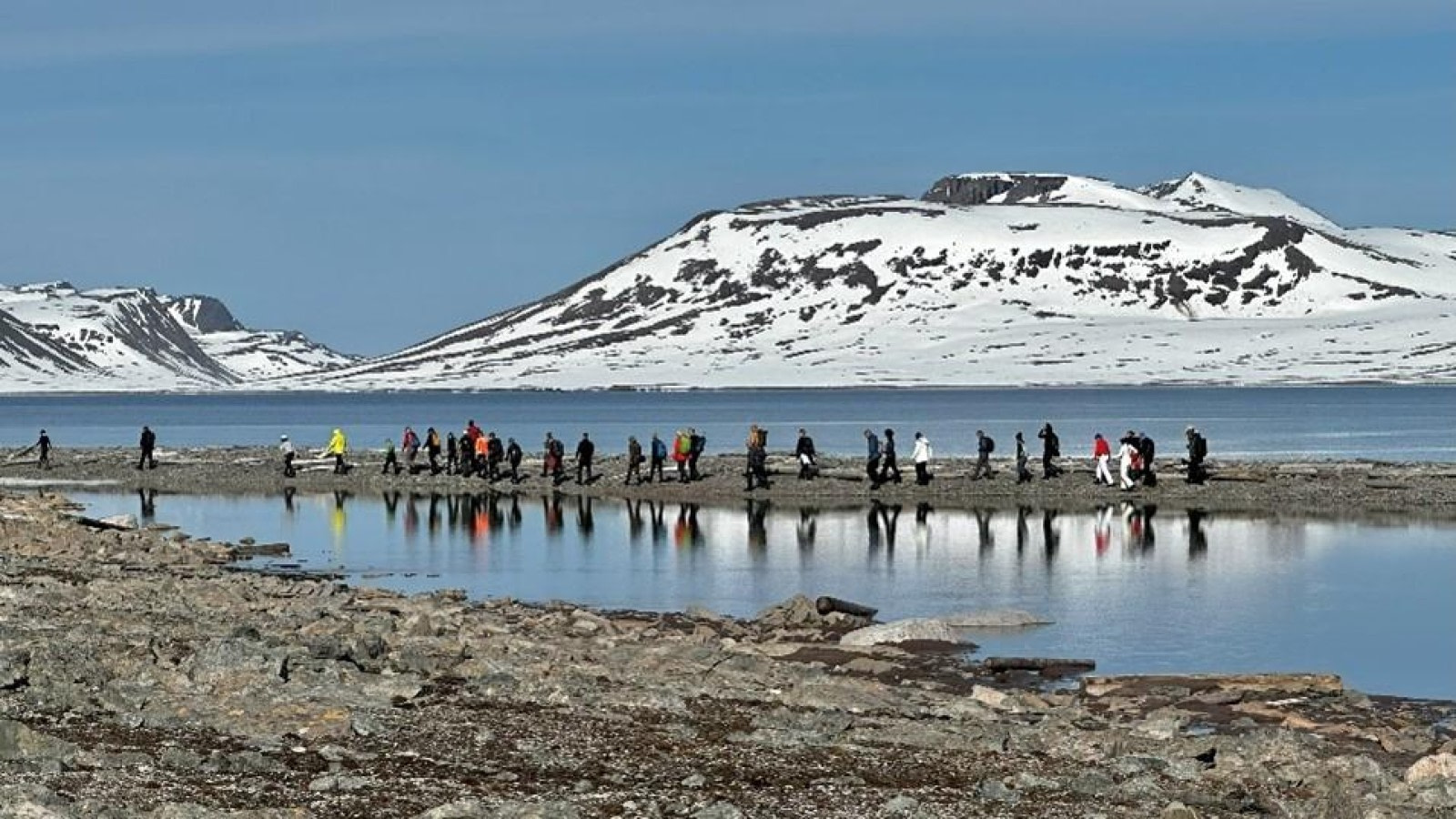
Once again, the expedition team split us into three groups. The leisurely and medium hikers explored the station area, nearby hills, and beach, while the long hikers trekked to the highest point (128 meters above sea level) for panoramic views of the fjord.

The landscape here felt entirely different—an Arctic desert shaped by relentless winds and covered in ice for most of the year. It’s a tough place for life to persist, with little vegetation and harsh conditions.

Back on the ship, we gathered once more in the bar to reflect on the day’s incredible experiences. Our guides shared fascinating background information: Steffi told us about the life cycle of Brünnich’s guillemots, and Clara introduced us to the world of macroalgae.

To top it all off, our galley team treated us to a delicious dinner.

In the evening, we set sail northward toward the pack ice—what a full and unforgettable day!
Day 5: Pack Ice day, Looking for Polar Bears

Pack Ice day, Looking for Polar Bears
Datum: 28.06.2025
Positie: 81°40.7’N / 020°03.4’E
Wind: E3
Weer: Sunny
Luchttemperatuur: +5

After a wholesome Arctic dinner yesterday evening, we departed the Kinnvika area late in the evening. Our course was set North-North-East, aiming to reach the pack ice in the early hours of this morning. With excellent sailing conditions, we arrived at the ice as planned!

Since we had enjoyed our traditional BBQ the evening before—and some of our guests danced well into the night—we allowed ourselves a small luxury: a half-hour sleep-in. Our wake-up call came at 07:30.

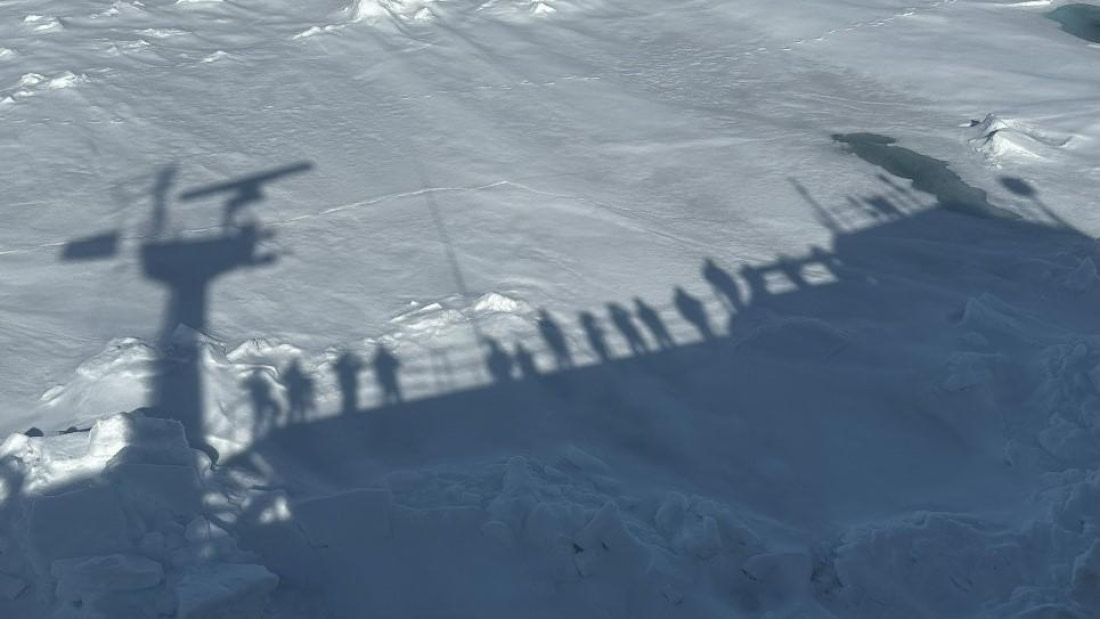
After breakfast, we began to encounter the first floes of pack ice. Long before this moment, the keen eyes of our watchmen, officers, and staff were already scanning the horizon through binoculars, carefully examining every ice floe. Our mission was clear: to search for polar bears, the solitary kings of the North.

Our captain continued heading North-North-East, targeting a small peninsula of ice where—according to the latest ice charts—the ice was thick enough to be promising ground for spotting bears.

As we advanced northward, the weather began to shift. The early morning brought perfect conditions: limitless visibility, blue skies, and brilliant sunshine. But the farther north we sailed, the more the fog crept in, gradually reducing visibility. Our captain and officers navigated skilfully through alternating banks of fog, offering moments of clarity interspersed with near-whiteout conditions.

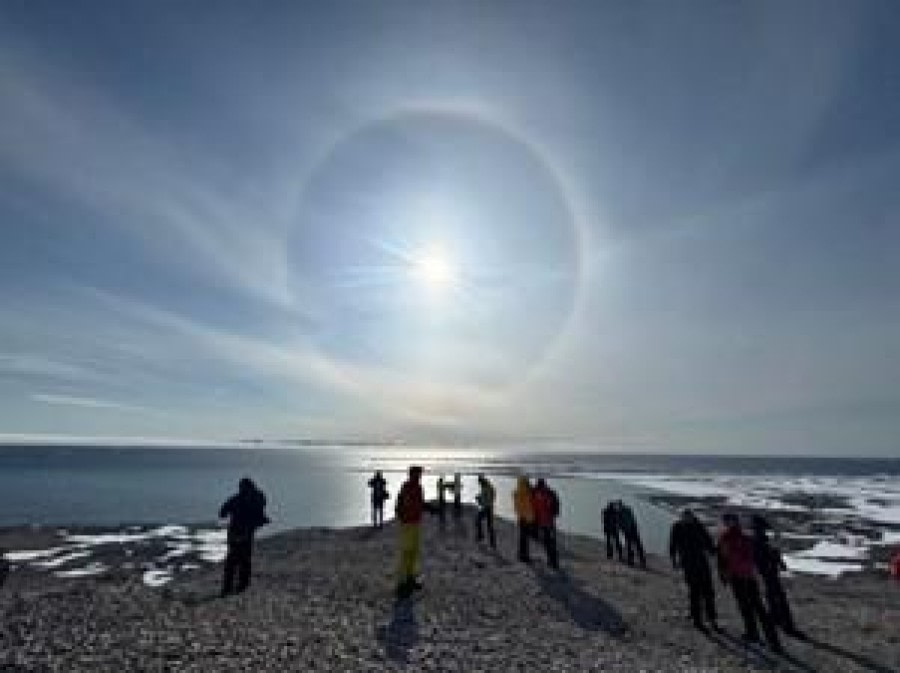
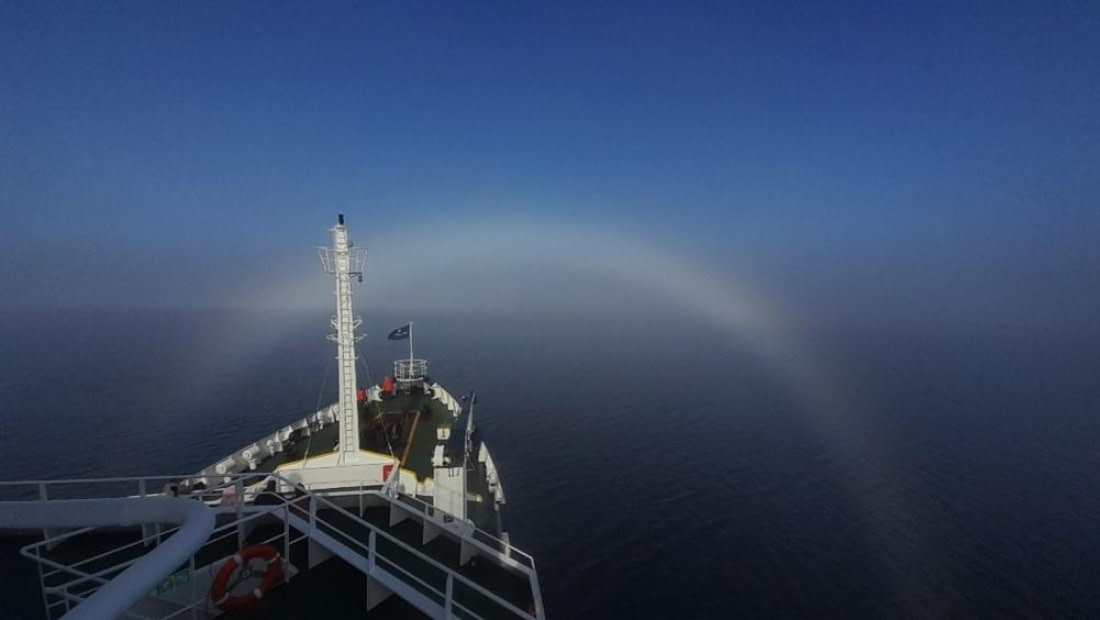
Interestingly, as we headed north, the sun remained mostly behind us. This alignment allowed us to witness a rare optical phenomenon: a fogbow. Unlike a rainbow, which is rich in colour, the fogbow appeared as a faint, ethereal arc caused by the diffraction of sunlight by tiny fog droplets. At times, we could discern a subtle hint of red along its outer edge—a delicate reminder of nature’s artistry.

Around noon, we reached the northernmost point of our voyage: 81˚ 40.914' N, 20˚ 12.796' E. At that moment, we were just 500 nautical miles—or approximately 925 kilometres—from the North Pole.

By midday, anticipation among our guests was high. Many hoped to spot a polar bear, but despite the diligent watch and persistent searching, no bears had yet appeared. We went to lunch with the hope that the fog would lift—and our luck would change. Time, however, was not on our side. We knew that our chances would diminish once we left the pack ice.

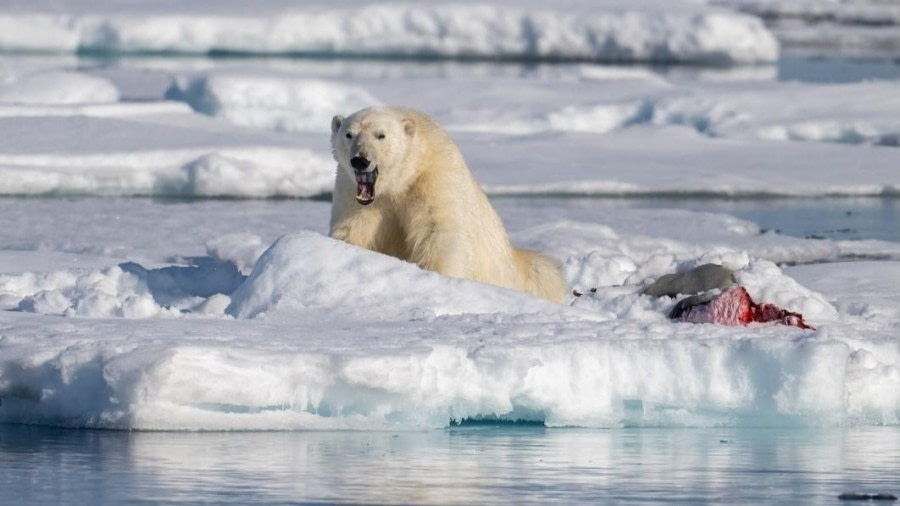
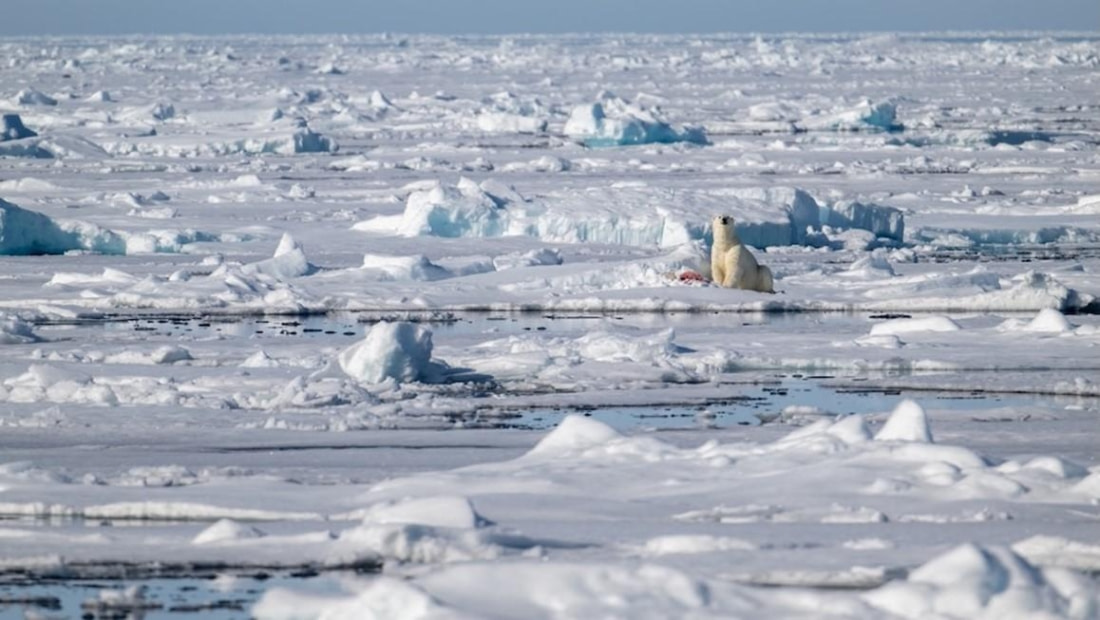
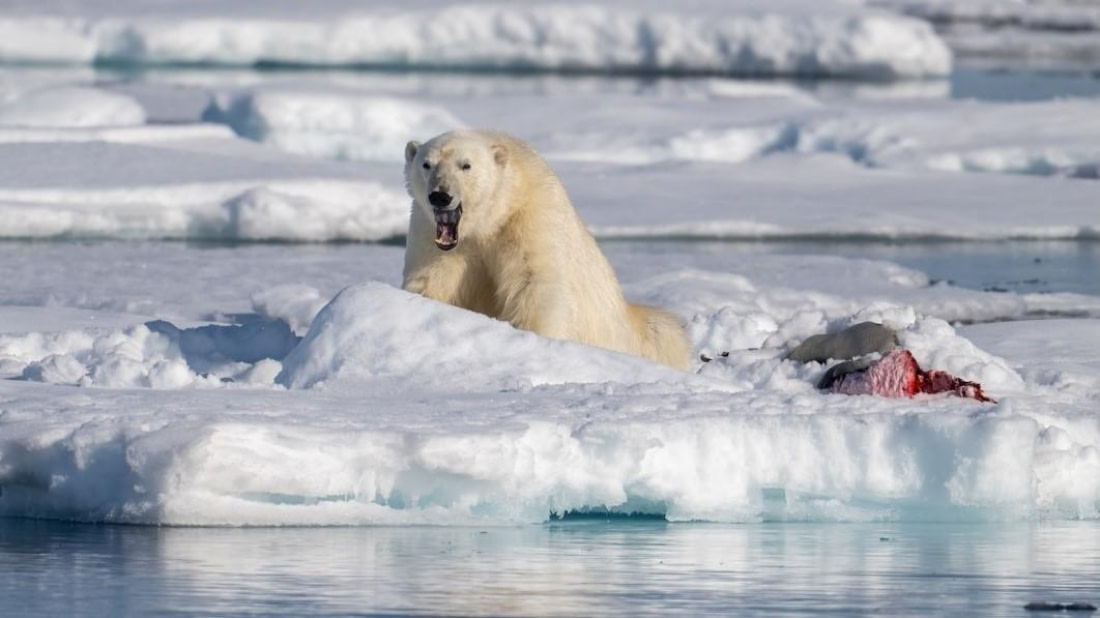
But finally, just after 15:00, the wait paid off. Philipp, our Expedition Leader, made a brief radio call announcing a sighting ahead of the ship. Moments later, Clara confirmed it: a polar bear was visible in the distance. As we slowly approached, we saw that the bear had a kill. Around it, several scavengers—glaucous gulls and ivory gulls among them—waited patiently for their share. We observed the bear for a generous amount of time, during which many of our guests were visibly moved, some even with tears of joy. For many, it was their first time seeing a polar bear in the wild. We believe it was a young male.

After this incredible encounter, we changed course and began sailing South-South-West. Many guests gathered in the lounge for a hot drink and to reflect on the experience. Then, around 17:00, Koen made another announcement over the radio: "We have another polar bear." And indeed, he was right. Directly ahead of us, another male bear lay on the ice beside a fresh kill. With perfect lighting and a favourable position, our officers and captain expertly maneuvered the ship for a close—but non-intrusive—approach, offering an unforgettable photo opportunity. This was our second bear of the day.

We left the bear in peace and by 18:30, it was time for our daily recap. The session began with spontaneous applause from us—clear evidence of our excitement and satisfaction. Philipp presented the plans for the following day, Eduardo explained the science behind haloes and fogbows, Koen shared a brief segment on polar bears, Karoline discussed the significance of sea ice, and Michelle recounted the gripping tale of the airship Italia and the dramatic rescue of its crew.

As the evening unfolded, we continued sailing south toward the main island of the archipelago, under clear skies and calm seas—accompanied by a ship full of happy, fulfilled guests.

Day 6: Alicehamna and Buchananhalvoya

Alicehamna and Buchananhalvoya
Datum: 29.06.2025
Positie: 79°44.4’N / 012°10.2’E
Wind: NE2
Weer: Sunny
Luchttemperatuur: +12

We woke up early this morning, excited for the day ahead. After a night of strong winds, we arrived at our destination to find beautiful sunshine and calm waters.

We all headed to the restaurant for a hearty breakfast, eager to begin our morning activity.

We made our way to the gangway and boarded the familiar Zodiacs. Our destination was Alicehamna, a bay located to the east of Raudfjorden and south of Bruceneset. Alicehamna was named after the Princesse Alice, the ship used by Prince Albert I of Monaco during his oceanographic expeditions to Svalbard between 1898 and 1907. Prince Albert was a patron of several prominent polar scientists, including William S. Bruce, Fridtjof Nansen, and Gunnar Isachsen. With the Prince’s support, Isachsen played a key role in shaping modern Norwegian research in Svalbard.

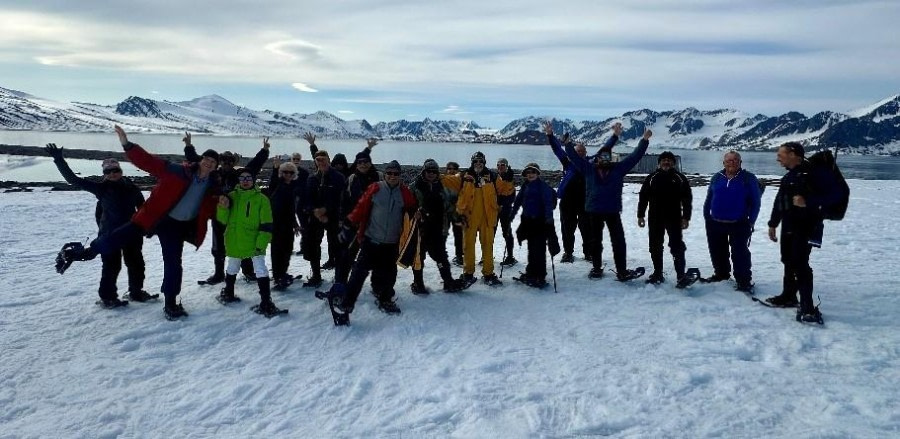
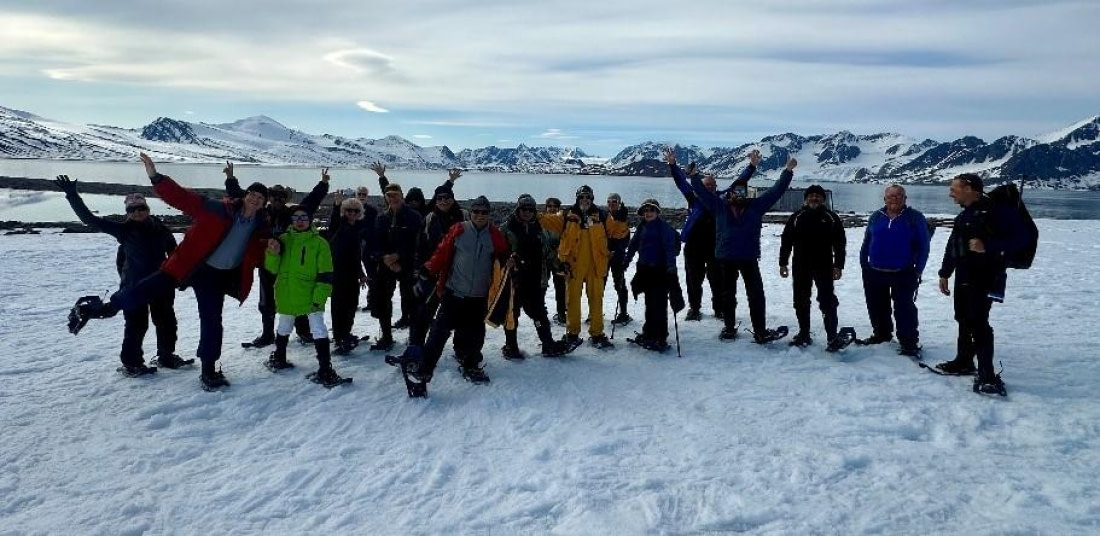
We divided into three walking groups for the morning hike. Since the terrain was still snowy, we strapped on snowshoes—another unique Arctic experience to add to our time aboard the Plancius! After some laughter about our clumsiness putting them on, we got the hang of walking wearing them. We set off in our respective groups: leisure, medium, and long walks. Along the way, we spotted a reindeer and soaked in the stunning scenery.

Following the hike came the moment of truth: the polar plunge! For those brave enough to face the frigid waters, a refreshing swim was the perfect reward.

And the morning wasn’t over yet—back on the beach, the hotel department treated us to hot chocolate, which was exactly what we needed. It was truly a perfect morning.

After such an exhilarating start of the day, we returned to the ship for a well-earned lunch.

Our next destination was just a short sail away: Buchananhalvøya, a peninsula in Albert I Land on Spitsbergen, Svalbard. It sits at the head of Raudfjorden, where the fjord branches into Ayerfjorden to the west and Klinckowströmfjorden to the east. The peninsula is named after John Young Buchanan. At its southern end rises the mountain Buchanantoppen, flanked by the glaciers Chauveaubreen to the west and Raudfjordbreen to the east.

Once again, we split into three walking groups. The dramatic landscape and rich history of the area made this landing particularly memorable.

After the walk, we returned to the ship for some warm tea or coffee. During the recap, Philip shared our plans for tomorrow. Steffi taught us about the adorable reindeer, and Valeria gave us perspective on the massive animals we’d seen were especially stunned by the size of the blue whale!

Dinner was soon ready, bringing an unforgettable day to a perfect ending.

Day 7: Poolepynten and Alkhornet

Poolepynten and Alkhornet
Datum: 30.06.2025
Positie: 78°19.1’N / 012°24.4’E
Wind: SSE4
Weer: Partly cloudy
Luchttemperatuur: +10

This morning we woke up once again with clear skies and the sun shining brightly. Yesterday was a wonderful day and today looked just as promising. Today, however we were going to see the big blubbery Walruses! But first things first, breakfast!

Around 9 A.M. we started boarding the zodiacs for our landing at Poolepynten. Poolepynten is a headland at the eastern coast of the Prins Karls Forland. It is located within the strait of Forlandsundet. The headland is named after British whaler Jonas Poole. It has a length of about 1.5 kilometers and has a triangular shape. Ocean currents have swept up sand in this specific area creating a unique triangular shape. Poolepynten lies within the Forlandet National Park.

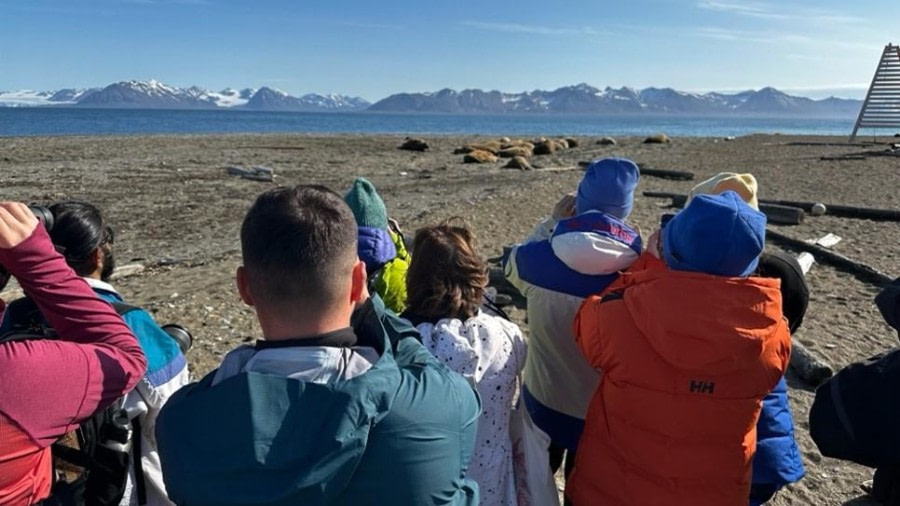
At the beach we were divided into two groups. The first group would go for a relaxing walk in the sun and the second group would start with a walk towards the walrus. The weather was once again sunny and warm and many of us were definitely overdressed. When we came closer to the walrus the big blubbery shapes became bigger and bigger. Walruses can reach a weight of 1500 kg and their characteristic tusks can be a meter in length. The walruses have no natural predator as their skin is very thick and with those sharp and long tusks the risk for polar bears is too big to attack them.

We witnessed about 30 animals curled up close together. Walruses like the feel of each other’s skin but lying on such a big pile also creates annoyance and that was clearly visible for us. They made many small, annoying movements and poked each other every now and then with the tusks.

After observing the walrus for about 20 min it was time to return to the zodiacs and head back to the ship.

In the afternoon we would make our last landing at Alkhornet, a beautiful Arctic tundra next to steep bird cliffs. Alkhornet means the Horn of the Auks which are the birds we can find here. Other birds breeding on the cliff are the Brünnich’s Guillemot and Kittiwakes. Because there’s so many birds it is also a good place to spot foxes, and last but not least it is a fantastic place to see reindeer from up close.

However first it was time for lunch and then to much excitement of some of us, we were delayed. Normally delays are bad news, but we were excited to use this extra time for a little nap ;) after all the hikes and impressions of the past week.

At 16:00 it was time to go on land in this beautiful place. We didn’t have as much as usual due to our delay, but still we had a good 1 ½ hours to explore. We split up in 3 groups and each went its own way as we had done all week.

None of the groups had to walk very far to see the first reindeer and it was fantastic to see them from so close. Some of us went a bit higher where we had even closer encounters with not just adult reindeer, but lots of calves as well. The calves made the cutest sounds and watching them was wonderful. On our way back down, we were still hoping to see foxes, but unfortunately we only found clear traces of their presence. Lots of bird carcasses lying around, but no sign of the beautiful Arctic fox.

Back on the ship we quickly changed into a bit more festive attire because it was time to celebrate our expedition with the captain and the expedition team. Philipp expressed his gratitude and ended with an inspiring poem. The captain apologized for going west into the fog during our ice day, but thankfully he made up with helping us find two bears and navigated the ship perfectly in their presence. We will never forget it.

Then to close it off Steffi started the slide show she had made. Although the team contributed with photos and videos, Steffi put together a fantastic slide show and here and there some of us shed a small tear when seeing all the beautiful moments from the past week.

Dinner was fantastic as usual and it was really nice that hotel manager Vova introduced his entire hotel team to us. We knew the teams in the dining room and housekeeping, but behind the scene there’s many people working hard to make sure we have a comfortable and tasty trip.

At night M/V Plancius sailed into Tempelfjorden for a last scenic cruise. Some of us headed to the bar for a nice drink whereas others decided to turn in early. Good night everyone!

Day 8: Longyearbyen, Disembarkation

Longyearbyen, Disembarkation
Datum: 01.07.2025
Positie: 78°13.9’N / 015°37.6’E
Wind: NE5
Weer: Overcast
Luchttemperatuur: +10

This morning, we were woken up one more time by Philipp’s soft morning voice. Surely we will miss him waking us up! Unfortunately, the only activity planned for today was our disembarkation and saying our farewells and goodbyes to our fellow guests that had become our friends in the past week. However, Oceanwide wouldn’t let us leave the ship with one last breakfast. So, after we had put our big luggage pieces in the hallways, we made our way to the restaurant for one more delicious breakfast and to see the wonderful dining room crew once again. Although some of us felt melancholic that the expedition was about to end, we also felt happiness and gratitude for the past seven days that had been so intense and wonderful.

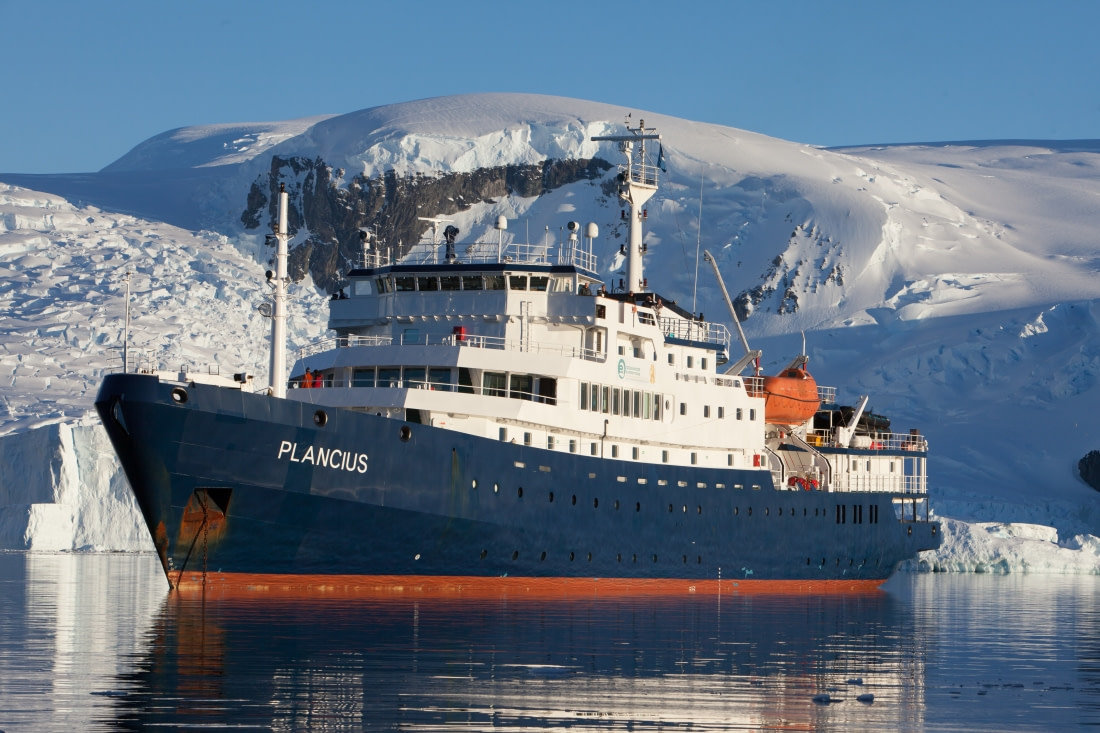
Then the time had arrived to leave the beautiful M/V Plancius, the ship that had brought us to so many places and that had allowed us to observe fantastic wildlife, landscapes and the mesmerizing pack ice. We will surely miss this little blue ship.

Today we were docked at the coal pier so no need to dress up in those waterproofs again, no today we could walk down the gangway and set foot in Longyearbyen once again. Some of us went to town whereas others made their way to the airport. However, one thing we all had in common was this wonderful trip and the amazing memories it has given us. Saying goodbye is never easy, but it often also means that you’ve had a fantastic time and that made it totally worth it.

The wonderful expedition team waved us goodbye while the buses slowly departed and the ship slowly became smaller. Off to new adventures and maybe one day back on board with Oceanwide Expeditions. Thank you and goodbye!

Details

Reiscode: PLA05-25
Reisdatum: 24 jun. - 1 jul., 2025
Duur: 7 nachten
Schip: m/v Plancius
Inscheping: Longyearbyen
Ontscheping: Longyearbyen

Op deze reis geweest?

Aan boord van m/v Plancius

Ons oudste schip, de Plancius, is een klassieke keuze voor een aantal van onze populairste poolreizen.

Meer over de m/v Plancius »
Loading