• Home
  • Triplogs
  • HDS28-26, trip log, Falkland Islands, South Georgia and Antarctica

HDS28-26, trip log, Falkland Islands, South Georgia and Antarctica

by Oceanwide Expeditions

Fotogalerij

Logboek

Day 1: Embarkation day - Setting sail for Antarctica

Embarkation day - Setting sail for Antarctica
Datum: 28.01.2026
Positie: 54°48.5 S, 068°17.9 W
Wind: N7
Weer: Clear
Luchttemperatuur: +11

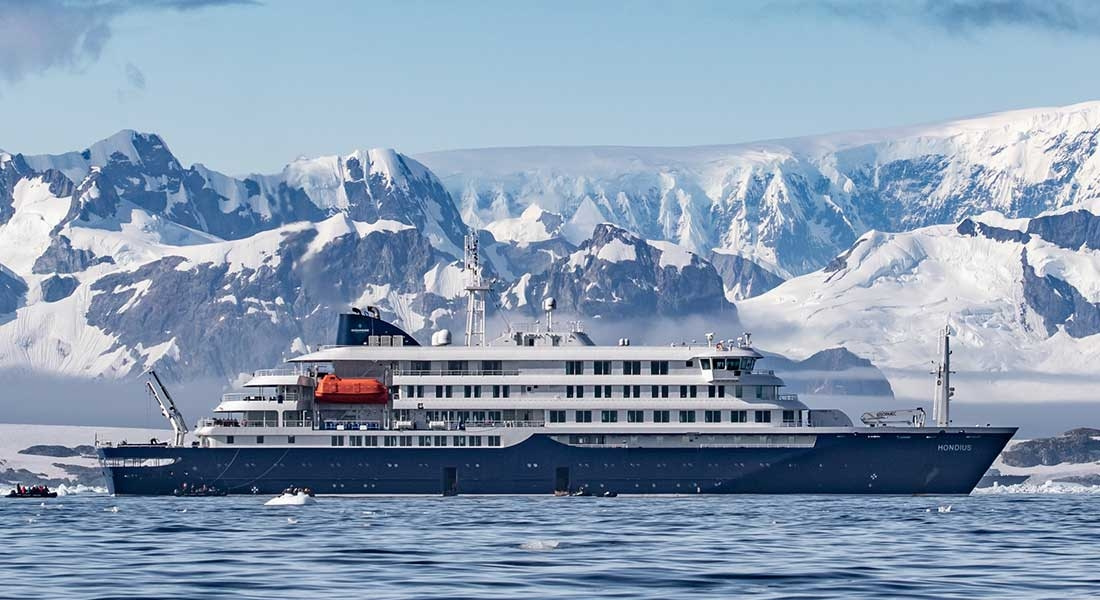
Our journey began in Ushuaia under unexpectedly warm and sunny skies, the kind that felt like a quiet blessing before heading south. With the mountains framing the harbor and the town buzzing softly behind us, we stepped aboard Hondius full of anticipation. Once on board, we made ourselves at home in our cabins, checking that all our luggage had arrived and beginning to settle into what would soon feel like our floating world. The Observation Lounge on Deck 5 quickly became a welcoming hub, with the gentle clink of cups and the comfort of tea and coffee easing us into the rhythm of ship life.

In the late afternoon, we gathered in the Observation Lounge for the mandatory safety briefing with the Expedition Leader and Chief Officer. Practical and reassuring, it reminded us that adventure at sea always comes with responsibility. Soon after, the emergency alarm echoed through the ship, and we returned to our cabins to collect our life jackets, completing our first drill together as a crew and community.

As early evening approached, we were invited back to the Observation Lounge for the Captain’s Cocktails. With drinks in hand, we listened to a warm welcome from the Hotel Manager and Expedition Leader, who introduced life on board and outlined the exciting days ahead. Meeting the Expedition Team made the journey suddenly feel very real.

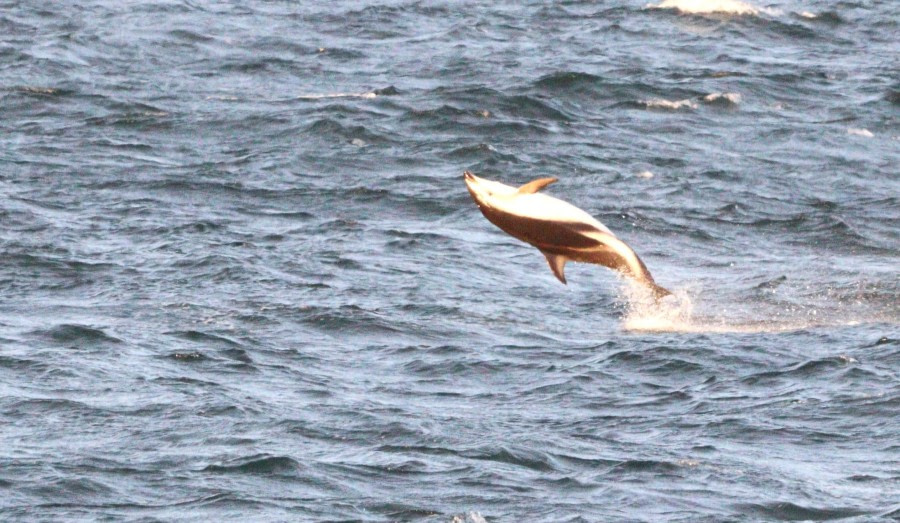
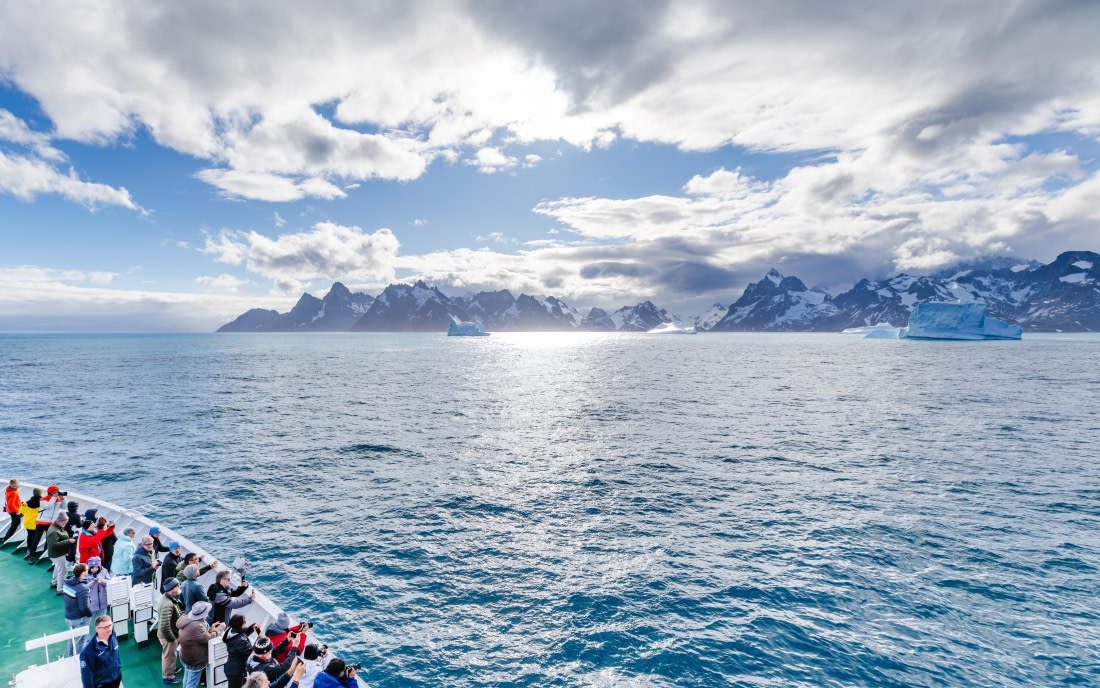
While we sailed through the Beagle Channel, nature offered its own welcome: our first whale blows appeared on the horizon, followed by playful dolphins cutting through the calm water. The day closed with a beautiful sunset, painting the sky in soft golds and pinks as we sat down to a buffet dinner on Deck 4. It was a gentle, perfect beginning to our Southern Ocean adventure. Day

Day 2: At sea sailing towards the Falkland Islands

At sea sailing towards the Falkland Islands
Datum: 29.01.2026
Positie: 55°00.9’S / 65°31.5’W
Wind: N4
Weer: Clear
Luchttemperatuur: +7

On the first day at sea after exiting the Beagle Channel, MV Hondius set sail on its transit towards the Falkland Islands, marking the beginning of an exciting journey for both passengers and crew. The day began with a steady, calm sea, though passengers were advised about potential movement in the ocean, which, in the end, proved to be nothing of concern. Despite some gentle rocking of the vessel, the seas remained manageable, and the visibility was initially good, offering an ideal start to the expedition.

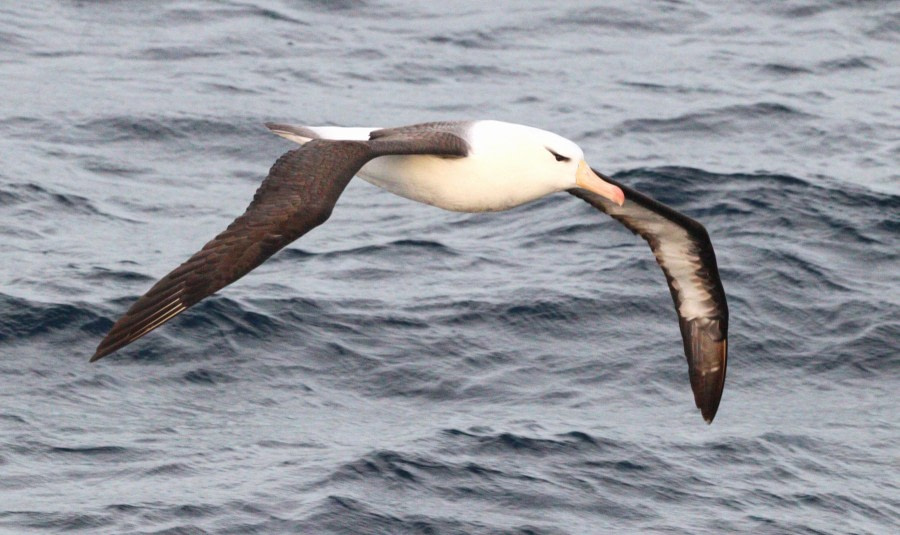
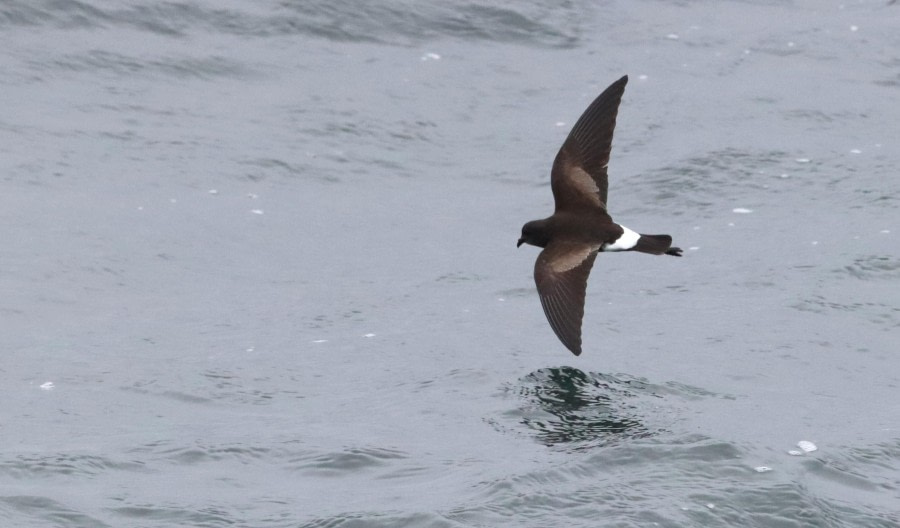
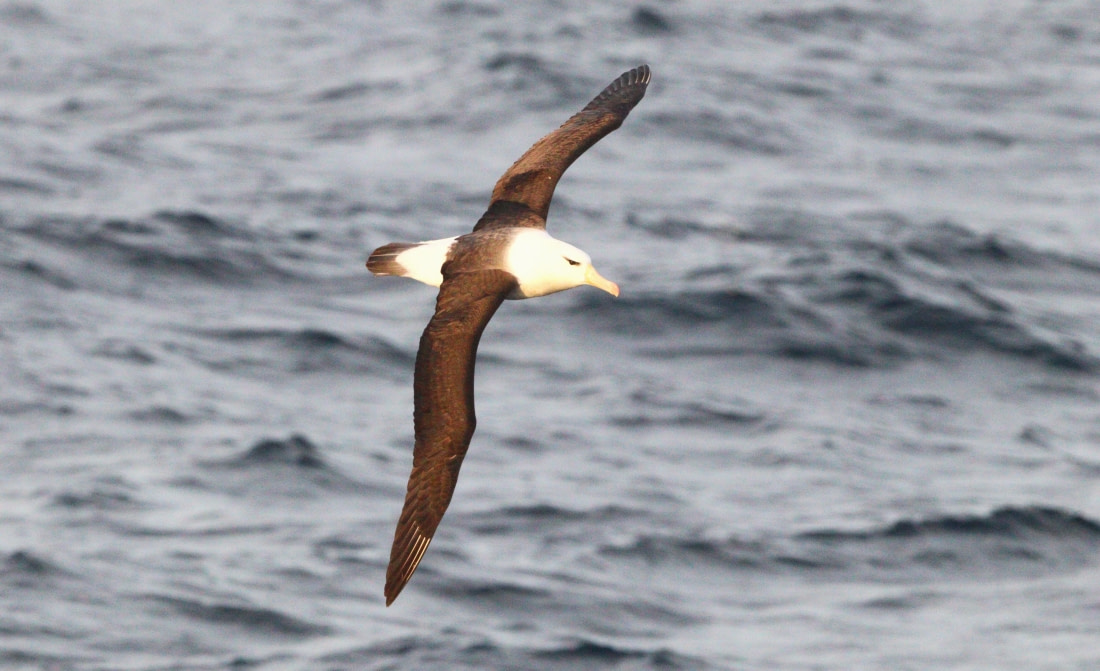
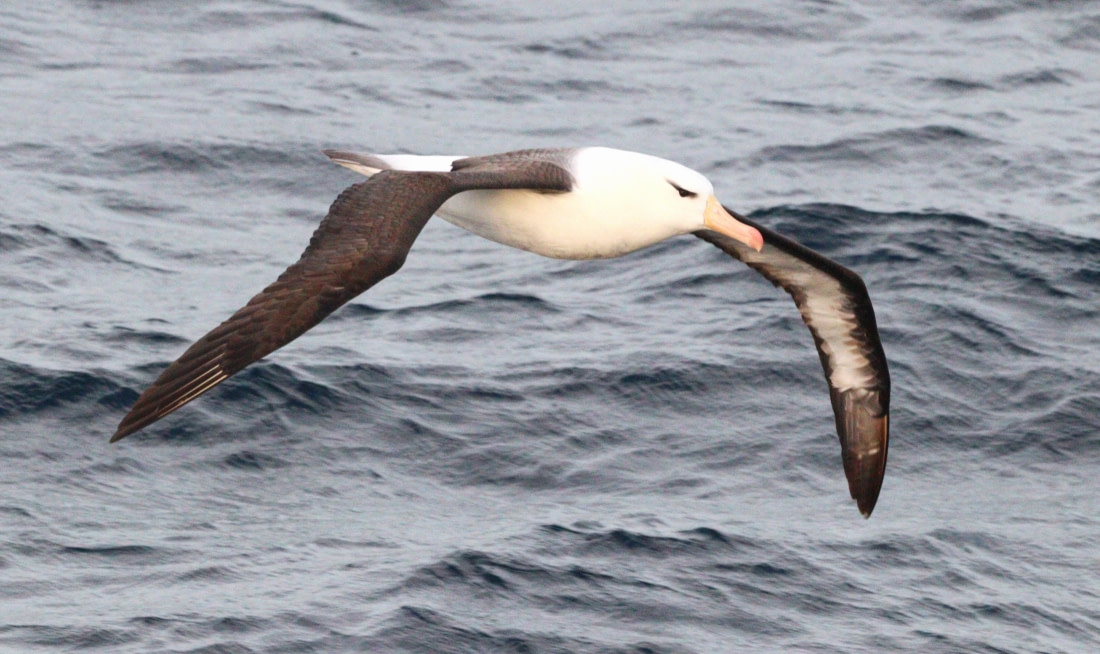
Early in the morning, the Hondius was accompanied by a range of seabirds, creating a lively atmosphere aboard the ship. Passengers were treated to a spectacular display of avian life, with notable sightings including many Black-browed Albatrosses, which gracefully soared above the water. The skies were also filled with numerous Sooty Shearwaters, while a Southern Royal Albatross made a rare and impressive appearance, much to the delight of birdwatchers on board. In addition to these iconic species, there were also smaller numbers of other seabirds, such as the White-chinned Petrel, Grey- backed Storm Petrel, and Wilson’s Petrel. The abundance of birds was a reminder of the rich biodiversity that characterizes this region of the Southern Ocean.

The morning kicked off with the first lecture of the trip, delivered by Simon, who introduced the land birds that the passengers would soon encounter on the Falkland Islands. He discussed the unique avian life of the archipelago, with a particular emphasis on the coveted Cobb’s Wren, a local endemic species that many hoped to see during the visit. The lecture provided valuable context for the upcoming land-based activities and set the tone for the rest of the journey.

Following Simon’s lecture, Marcel took the opportunity to address the ship’s passengers, delivering the mandatory IAATO (International Association of Antarctica Tour Operators) and Zodiac operations briefings. This session was crucial for ensuring the safety and responsible conduct of all passengers during the landings and excursions that would begin the following day. With calm seas and relatively steady conditions, it was the perfect time to ensure everyone was properly informed and prepared for the hands-on activities ahead.

After a hearty lunch, the focus shifted to the snorkelers aboard the Hondius. They received their own mandatory briefings in preparation for the first snorkel expedition scheduled for the following day. With safety protocols explained, the passengers were left eager to explore the underwater world in the coming days. The anticipation was palpable among all passengers, as everyone began to settle into the rhythm of life at sea and the adventure ahead. In the afternoon, Tiphanie, a Falkland Islands native, gave an engaging introduction to the history, culture, and wildlife of the Falklands. Her personal connection to the islands was evident, as she shared stories and insights about her family’s long history on the islands, making the lecture particularly poignant and relevant. Her firsthand experience brought the region to life, creating a sense of familiarity and excitement among the passengers.

As the day progressed, the weather took a slight turn. While the seas remained calm, thick fog began to shroud the Hondius, reducing visibility and limiting wildlife sightings for the latter part of the day. Despite the fog, there was a palpable sense of anticipation among the passengers. Everyone was excited for the coming days, eager to explore the Falkland Islands and witness more of the region’s spectacular wildlife.

Day 3: Carcass Island & Saunders Island, Falkland Islands

Carcass Island & Saunders Island, Falkland Islands
Datum: 30.01.2026
Positie: 51°33.1’S / 61°22.6’W
Wind: N6
Weer: Foggy
Luchttemperatuur: +9

Marcel stood leaning against the dashboard. Through the windows of the captain's bridge, the blurry outlines of approaching land could be discerned. The Hondius ship, gently swaying from side to side and cutting through the waves with its powerful bow, was approaching the Falkland Islands (Malvinas).

A dense fog enveloped everything around us, yet a fresh wind, locking horns with it, was determined to scour it from the surface of the sea and drive it far out into the open ocean. The opposing forces were evenly matched, but little by little the wind began to gain the upper hand. As a result, we could now and then make out the distant outline of the island, and breaks began to appear in the sky, through which the azure blue above could be seen. Exactly fifteen minutes before breakfast, at 6:45 am, Marcel, whispering, "Well, my friends, let's get it started," approached the microphone, pressed the loudspeaker button, and began her morning speech: "Good morning, Hondius, good morning..."

During breakfast, many of us felt a slight excitement, as it was our first full expedition day. Two landings were planned for the day: in the morning on the island with the ominous name Carcass Island, and after lunch on another island called Saunder’s Island. Not everyone in our group had been on expeditions before, which added to the nervousness. What to wear, what to bring, and how not to forget anything important while not overloading the backpack with unnecessary items were common concerns. Despite the detailed explanations from the expedition team members the day before, a mild uncertainty still lingered.

Hondius dropped anchor, sailors lowered several Zodiacs into the water. All members of the expedition team, except for two people, got into these black inflatable motorboats and, taking all the necessary equipment, rushed towards the shore, raising clouds of spray. It turned out to be a routine procedure: first, the expedition team lands, assesses the situation and weather conditions, and then the expedition leader gives the "green light" for us to exchange the ship's iron decks for the solid ground of the land.

We gathered in the Zodiac boarding area and, in small groups of ten, began to board the Zodiacs. As soon as all the seats in the boat were occupied, the Zodiac, led by an experienced guide, set in motion. Quickly gaining speed, it raced towards the shore. The sun played on the waves, the engine roared, splashes flew in all directions, showering us like rain and enhancing the sense of adventure we were experiencing. To those watching us from the deck, the Zodiacs resembled mischievous children who, as soon as the rain stopped, rushed outside and, with their childlike feet, ran through puddles, creating splashes, making adults shake their heads and wag their fingers.

On the shore, Marcel, Jodi, Sasha, Jakub, and other members of the expedition team were already waiting for us. The Zodiacs nosed into the white Falkland sand, and one by one, we climbed onto the shore, swinging our legs over the side. The low but feisty waves, as if encouraging us, relentlessly struck the Zodiacs' stern, showering us with sprays and even splashing overboard, causing the Zodiac drivers to grumble and hurry us along.

The sandy beach strip was replaced by tufts of tussok grass as we moved further inland. Sometimes we had to step through marshy areas. The air smelled simultaneously of the sea, grass, and peat — a very unusual combination of natural aromas.

In fact, we landed on a narrow isthmus. After passing through a densely overgrown grassy hollow, we found ourselves back on the beach but on the other side of the island. It was, I must say, much more picturesque than the one we initially landed on, not only because the sandy strip was much wider but also because the beach was bustling with quite a large number of local fauna representatives.

On a little hill, surveying everything with their proud gaze, stood a family of geese. The male and female, being the same size, sharply differed in the color of their feathers: one was entirely covered in absolutely snow-white feathers, and the other had brown feathers, but the chest was speckled in a thin black-and-white stripe. The goslings were all uniformly gray. Treading the ground with their small steps, they constantly bent their heads to the ground, plucking edible vegetation with their sharp beaks.

On the waves, a couple of Steamer ducks swayed. The male had an orange beak, and the female had a green one. These birds had long since forgotten how to fly. Why bother? The climate here is favorable, with no sharp temperature fluctuations, so there's no need to migrate. All their food is right in front of them, no need to fly for it, and the nest is within walking distance, just a few dozen meters from the shoreline. The most amusing thing about Steamer ducks is how they quack. No, it's not quacking; it's more like a cross between the chirping of a cicada and the sounds from some old computer game from the early 90s.

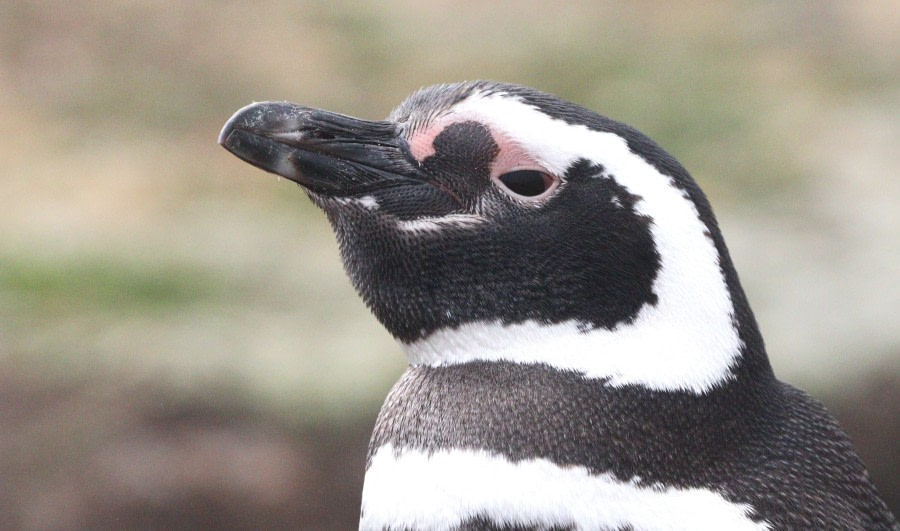
And here are our first penguins — Magellanic penguins! They are quite small, peculiar, constantly waddling and assisting themselves with their wings. Nevertheless, they are completely unbothered by it, strolling along the beach and looking in different directions. Instead of building nests, they dig deep burrows and sit in them, waiting for the arrival of their offspring. Yes, it's dark and dirty, but no skuas will ever steal their eggs. Well, except for the occasional curious penguin chick, wanting to see what lies beyond the burrow, inadvertently emerges on the surface — and here the troubles begin. The malicious skua only needs that, instantly diving down, grabbing the little one, and that's it. It sits somewhere on a rock and pecks at its bloody catch.

Ahead of us was a quite long walk. Three to four kilometers from the landing site stood a hamlet. The locals, the owners of the island, had been living there for a long time, raising sheep and catching fish. Around the houses, there was a garden with flowers and shady coniferous trees. Every time travelers arrived on their island, they baked hundreds of pastries and treated all the guests. It was the same this time, but before enjoying tea and indulging in local pastries, as mentioned earlier, we had to cover some distance.

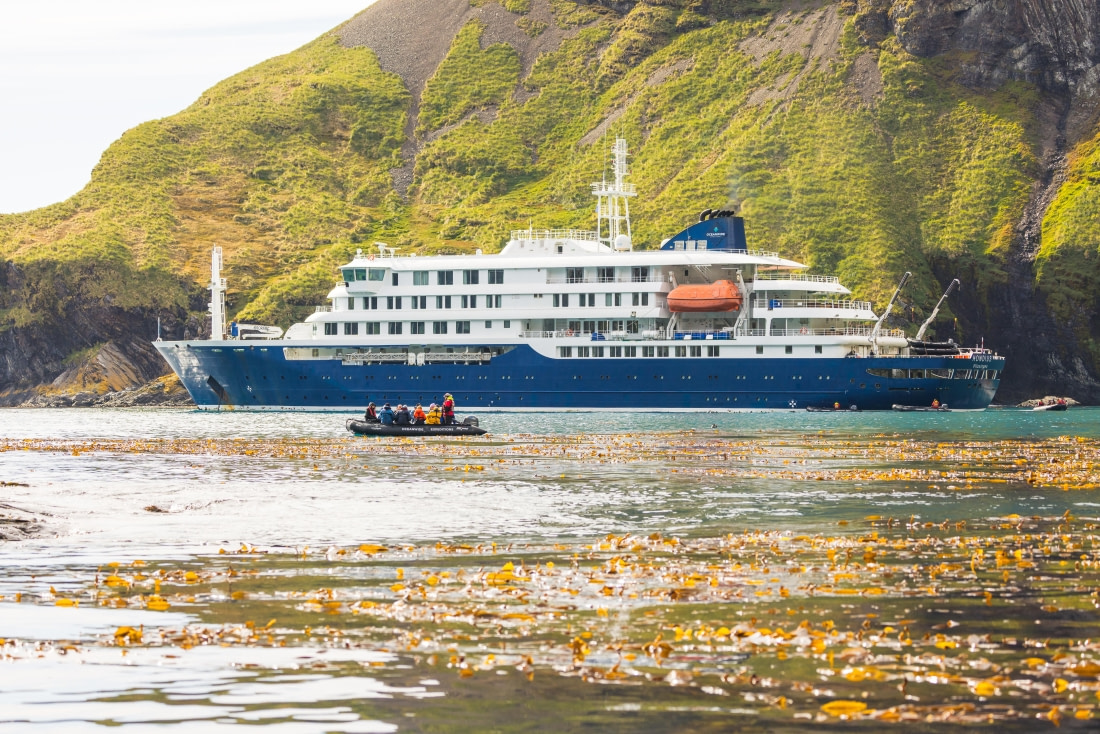
The path led along the slope of the hill along the seaside. On our right, sheep were grazing, and local birds fluttered around, while on the left, the bay of Carcass Island spread out, in the middle of which stood our ship Hondius, anchored proudly and confidently. The sun showered us with ultraviolet and warmth, making it hot. Some of us had to make stops to take off sweaters or jackets. The situation was complicated by the fact that, according to the rules, nothing could be placed on the ground. We had to ask for help from other travelers: "Could you hold my backpack for a moment?" — "Yes, of course, no problem!" Upon reaching the house, we settled down in the shade of the trees. One by one, we entered the house to grab a pastry or cookie from the table, pour ourselves a cup of tea, and then go back outside, sitting on a bench or a log, appreciating the skill of local confectioners.

The morning time quickly passed. Look, and it's already approaching noon! It's time to return to the ship! The Zodiacs were already waiting for us near a small concrete pier. We put on life jackets, boarded the boats, and rushed back on board the Hondius. Pastries are undoubtedly good, but a full lunch is even better!

While we gathered for lunch, the sailors raised the anchor, and our ship headed to our afternoon activity location — the Saunder’s Island. It was not far away, so we had no more than an hour for post-lunch rest, and even less for our guides. As soon as the anchor chain rattled, the brave participants of our expedition team boarded the Zodiacs and headed to the shore of Saunders Island to make some preparations for our landing.

Some time after, the official start of the operation was given. Zodiac after Zodiac, we raced across the smooth water and, as soon as we reached the shore, disembarked, hastily getting rid of the heavy life jackets. White fine sand, the calm of the water, and... penguins! The latter stared at us in complete bewilderment, flapping their peculiar wings and trying to understand who we were and what we wanted.

The local residents, the owners of Saunders Island, arrived in two cars to personally meet and greet us. Parking their cars near the shoreline, they opened their trunks, offering us some interesting souvenir products.

The trail was already marked. A walk of one and a half to two kilometers awaited us along the seaside. Gentoo penguins sat on their nests made of mud and grass, watching over their chicks. The chicks were already quite big, and some of them, gaining courage, went on short walks around their nests. The parents zealously guarded them, clapping and blocking their path with their wings: "Quiet, quiet, stay, where are you going? No, it's too early for you!" It was amusing to watch as they turned their necks toward us, clicked their beaks, as if saying to us: "Move along, guys, we have enough problems here!" And indeed, they had plenty of problems. Nasty skuas constantly circled above, keeping a sharp eye on the penguin colony. God forbid any penguin to be inattentive; instantly, a skua would swoop down and snatch a penguin chick! It would grab it in its beak and carry it away to a place where no penguin had ever returned. Nature here is cruel, but what can you do.

Here is the colony of Magellanic penguins. Like their counterparts we saw in the morning, these also sat in their burrows, consumed by curiosity, peeking outside and looking at us. On the slope, more appropriately described as a "cliff," a colony of shags was situated, and right next to them, a patch of land was claimed by rockhopper penguins. Small, agile troublemakers, living up to their name, were constantly in motion, hopping from rock to rock. We lingered by them for a long time, taking photos and simply observing their bustle. Nevertheless, the most important awaited us ahead.

Eventually, the trail led us to a colony of black-browed albatrosses. These enormous and majestic birds sat in nests of perfect cylindrical shape. Most of the albatrosses had already raised their offspring. Spotting an albatross chick wasn't an easy task. We had to wait for the parent to rise on its feet, and only then could we see the small gray living bundle beneath it. Some albatross parents allowed their chicks to admire the outside world, holding them snugly under their wings.

Parental duties weighed heavily on the albatrosses. Sitting in their nests, they gazed longingly at the sea, dreaming of the moment when they could finally spread their enormous wings and, taming the wind, soar over the waves into the distance. Albatrosses are made for flight, and only the ancient instinct, as old as the Earth itself, compelled them to sit still in the nest and attend to their offspring. Some albatrosses emitted long, mournful sounds, probably expressing the emotions that had accumulated within them. While preening their chicks' feathers, it seemed as if they were whispering in their ears: "Grow up quickly, and then we'll fly together! I'll show you how the moonlight plays on the sea waves and how whales shoot fountains into the sky. I'll teach you to challenge the wind and catch squids!" Oh, if only it could happen sooner!

Our guides showed us where to take the best photographs and made sure none of us, absorbed in the spectacle, fell off the cliff. Albatrosses, glancing at us, furrowed their brows but still posed for photos.

Having feasted our eyes on Albatrosses, we started our return journey. On the way back to the landing site, we had the opportunity to turn right and find ourselves on another beach, opposite to the one we arrived on. White, towering waves, ominously roaring, crashed onto the sand. Fearless Magellanic and Gentoo penguins eagerly rushed towards them, disappearing in the white foam. Some penguins, on the contrary, emerged from the sea foam, as if Venus herself, having swum and hunted, appeared in white foam, heading to their nests to swap places with their mates, thereby giving them the opportunity to go hunting in the sea.

But what penguins are standing there near the shoreline? Oh, these are the King penguins! There were only a few of them, some still chicks adorned in huge, clumsy brown pajamas made of soft warm feathers. What a surprise! Of course, we all tried to capture at least a few photographs of these magical creatures.

Walking briskly past the penguins were kelp and dolphin gulls. They turned their heads and repeatedly pecked the sand, devouring the crustaceans hiding in it .Among small sand dunes, oyster catchers strolled, astonishing us with their long bright red bills. Leisurely, rocking from side to side, steamer ducks ambled here and there. A turkey vulture circled above, and, just like at the beginning of our walk, skuas and caracaras soared in the air, striking terror into all the other feathered inhabitants of Saunders Island. On the slopes of the hill, occasionally drawing attention with loud bleats, sheep grazed. In the local setting, they seemed to perceive us as something outlandish, if not extraterrestrial, certainly as something entirely out of harmony with the surrounding landscape.

One way or another, it was time to return to the ship. As soon as the last of us were on board, the Hondius set course for Stanley, the capital of the Falkland (Malvinas) Islands. In my opinion, a very decent first day of the expedition, wouldn't you agree?
Day 4: Stanley, Falkland Islands

Stanley, Falkland Islands
Datum: 31.01.2026
Positie: 51°12.4’S / 58°39.4’W
Wind: WNW5
Weer: Overcast
Luchttemperatuur: +10

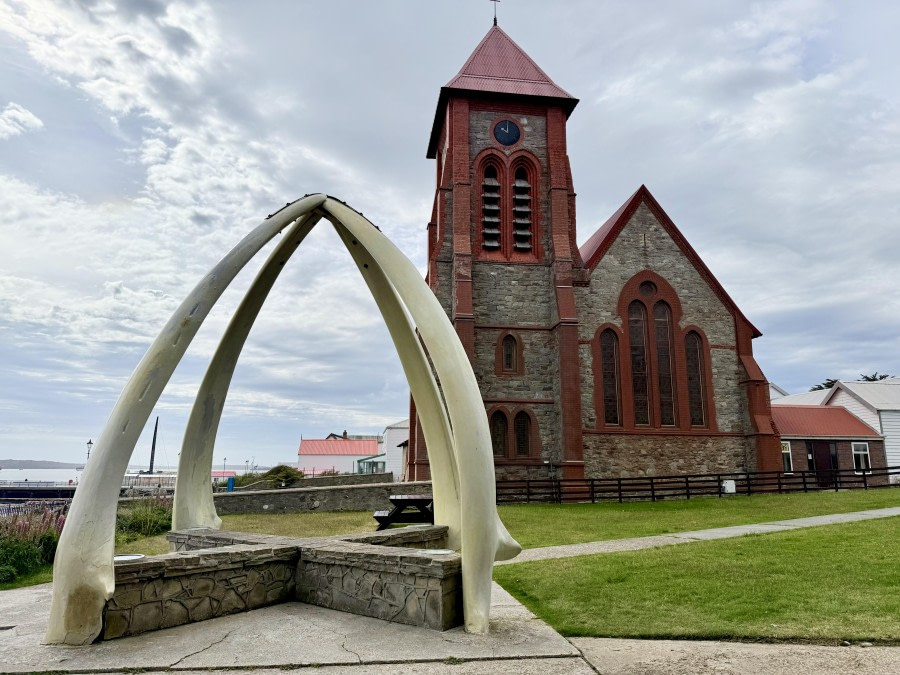
After days of experiencing vast nature, stunning landscapes, and abundant wildlife on the remote islands of the Falklands, it was time to visit the capital city, Stanley.

Our arrival was an experience in itself. Our captain guided Hondius through the very narrow entrance of the harbor with impressive precision. Many of us watched from the bow, admiring his excellent maneuvering skills as he carefully navigated between two other cruise ships and numerous squid fishing vessels anchored in Stanley Harbor. The town was lively, with several ships visiting at the same time.

We spent a good half a day exploring Stanley. There was plenty to see and do. The Falkland Islands Museum was a highlight, covering the history of the Falklands War, maritime life, and local wildlife. Some of us visited the brewery or a pub to taste local beers, while others checked out the local gin distillery. A few cosy cafés were perfect for a coffee break, and souvenir shops offered a wide range of lovely local gifts.

Several guests went for walks around town to enjoy the views and observe the rich birdlife. By chance, there were horse racing competitions taking place that day, so some of us took a longer walk to watch the races. Stanley truly had a lot to offer, and the time passed very quickly.

The weather was perfect—warm, sunny, and calm. Almost magically, the rain started the moment our last zodiac returned us safely back to Hondius.

Once onboard, we enjoyed a delicious lunch, which was very welcome after a busy morning ashore. After lunch, we had a truly unique opportunity to listen to Michael, our diving/snorkelling guide, sharing his personal experiences from the Falklands War. He had been there as a soldier, and his story gave us a powerful and moving perspective.

In the afternoon, Hondius set course toward South Georgia. As we are heading to one of the most remote and pristine places on Earth, biosecurity is extremely important. We received an introduction explaining how to protect this fragile environment, avoid spreading invasive species, and reduce the risk of bird flu. We were shown how to properly clean our clothes and equipment to keep the wildlife and nature as untouched as possible.

The day ended with dinner, followed by a lively evening in the bar, filled with stories, laughter, and shared memories.

Day 5: Scotia Sea

Scotia Sea
Datum: 01.02.2026
Positie: 52°15.7’S / 51°26.2’W
Wind: SW4
Weer: partly cloudy
Luchttemperatuur: +6

Today was one of our two sea days in the Scotia Sea, sub-Antarctic sea located between the southern tip of South America (Tierra del Fuego) and the Antarctic Peninsula, where the South Atlantic meets the Southern Ocean. For an ocean famous for its rough seas, the Southern Ocean showed us its very best side today. The ship gently rocked as we sailed through deep blue water under bright sunshine. The conditions could not have been better.

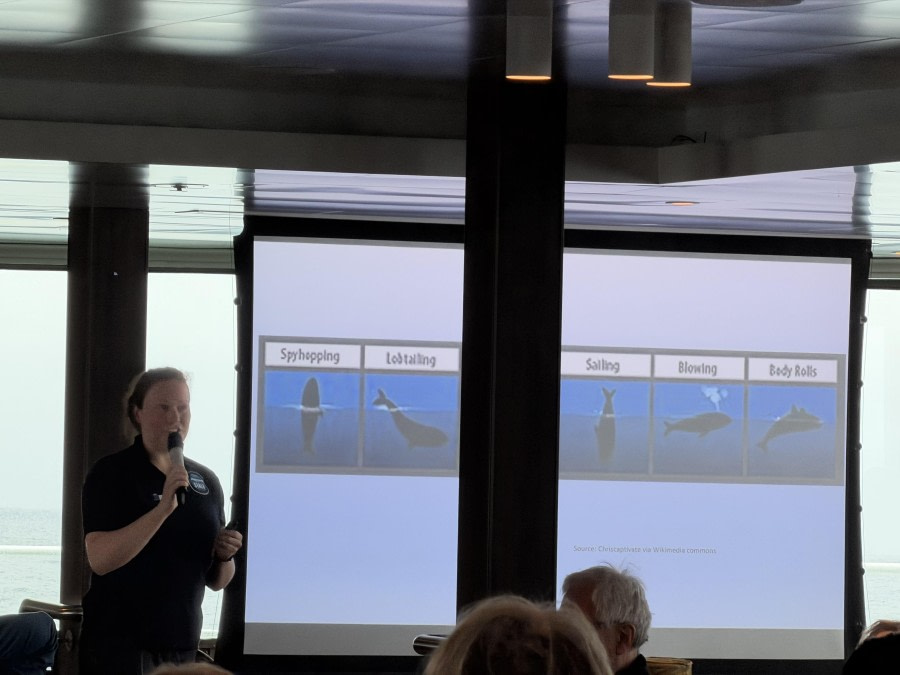
In the morning, Luce prepared a lecture for us about what is happening below the ocean surface and show us incredible photos from the underwater world. Later, Andi gave an excellent introduction to the whales of the Southern Ocean, preparing us for what we may encounter in the days ahead.

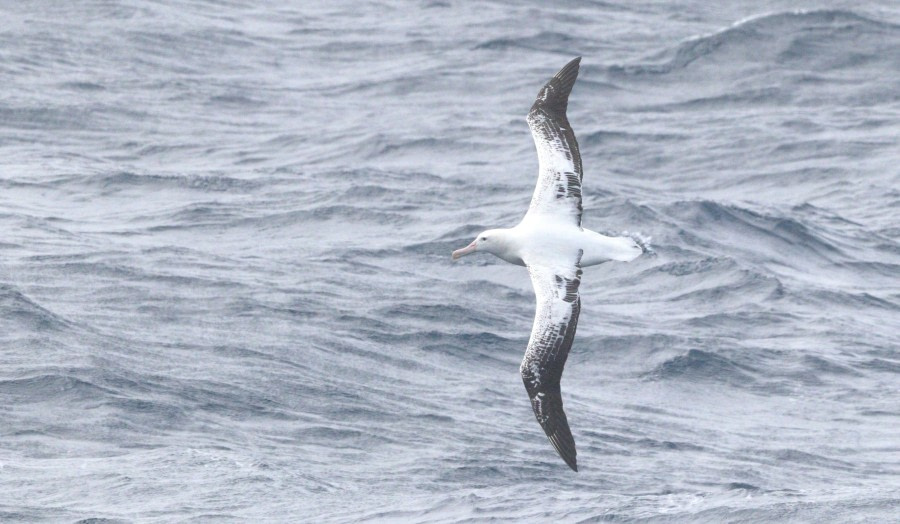
During the whole day, seabirds such giant petrels, southern royal albatrosses, and wandering albatrosses glided effortlessly around the ship. The wandering albatross holds the record for the largest wingspan of any living bird, reaching up to 3.5 meters (12 feet). A few Wilson’s storm petrels danced low over the waves.

As we continued to watch the birds following the ship, Mark gave an afternoon lecture on albatrosses and petrels. He shared fascinating facts as well as stories from his own experiences with these majestic ocean travelers.

The sun stayed with us all day, the sea remained calm, and we made a good progress towards South Georgia. As we were approaching this island of rich and dramatic history, we ended the day with a special evening screening of Shackleton’s story —a fitting introduction to what lies ahead.

Day 6: Approaching South Georgia

Approaching South Georgia
Datum: 02.02.2026
Positie: 53°15.9’S / 043°42.2’W
Wind: NW6
Weer: Overcast
Luchttemperatuur: +6

Today was a full sea day as MV Hondius continued her approach toward South Georgia. With no wake-up call scheduled, guests enjoyed a relaxed start to the morning, making their way to the dining room between 08:00 and 09:00 for breakfast while the Southern Ocean rolled steadily past the windows.

The morning focused on learning and anticipation. At 09:15, Enric welcomed guests to the observation lounge for an introduction to the geology of South Georgia. He explained how tectonic forces, glaciation, and erosion have shaped the island’s dramatic mountains and fjords, helping us better understand the landscapes we would soon be exploring. Later in the morning, Jade continued the theme of deep time with her engaging presentation, “4.5 Billion Years in 45 Minutes,” tracing Earth’s history from its formation to the present day and placing the polar regions into a broader global context.

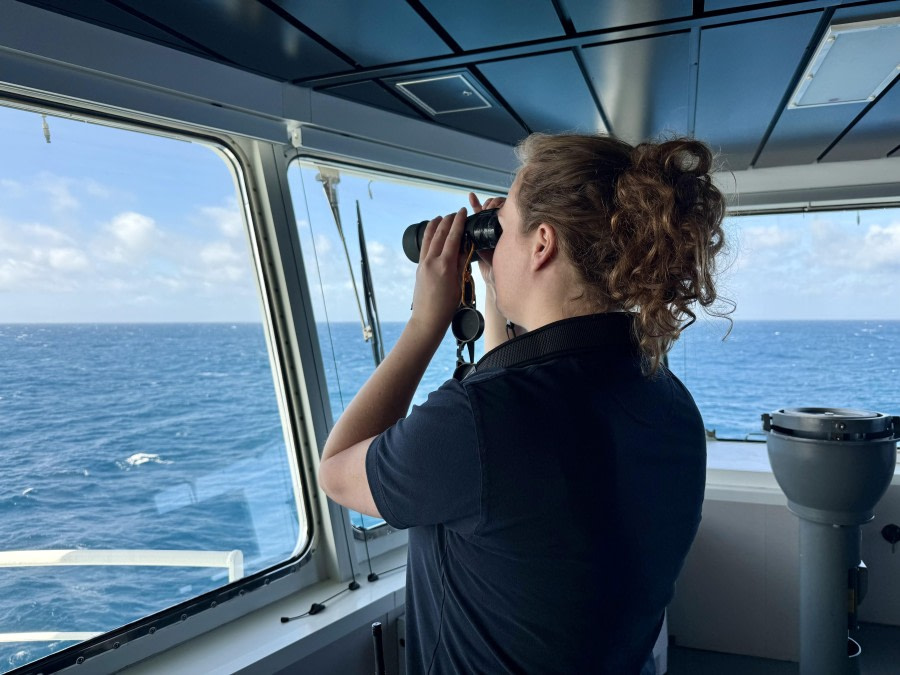
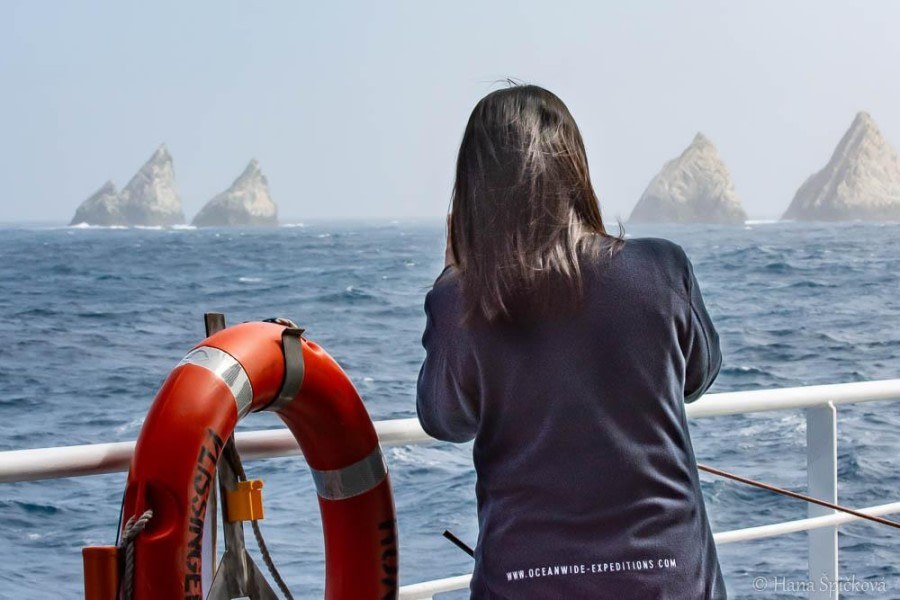
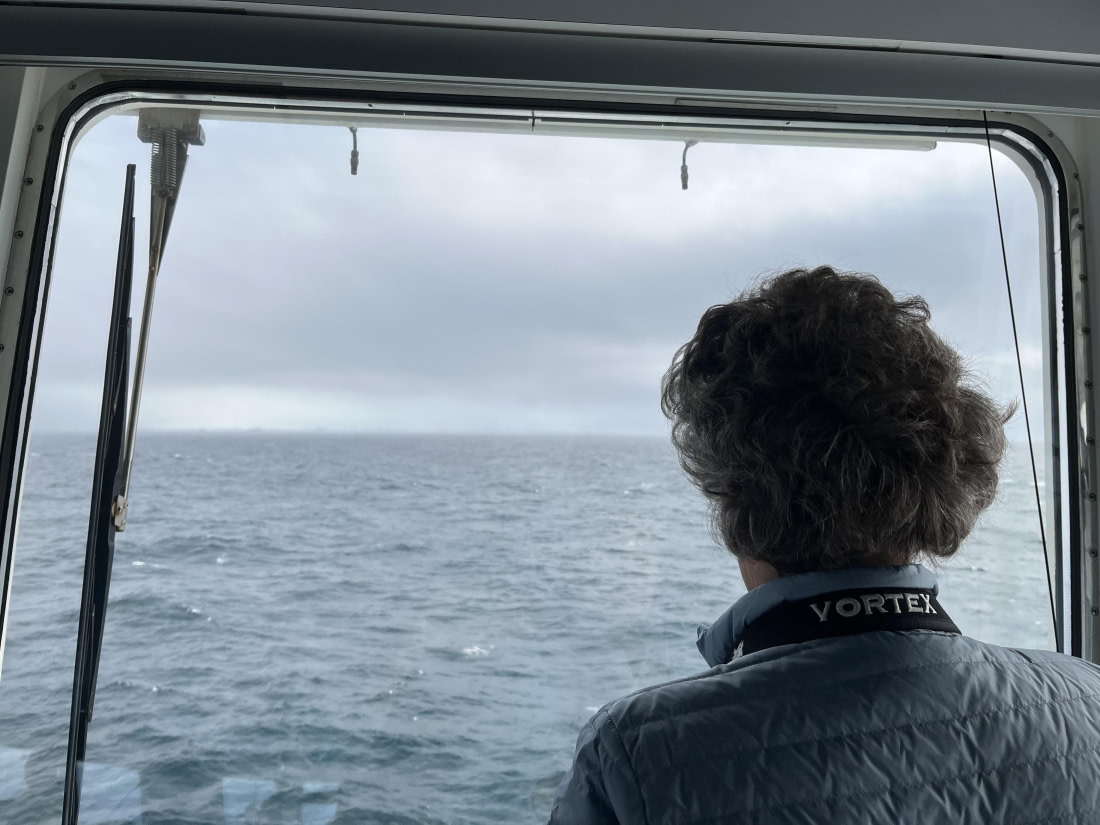
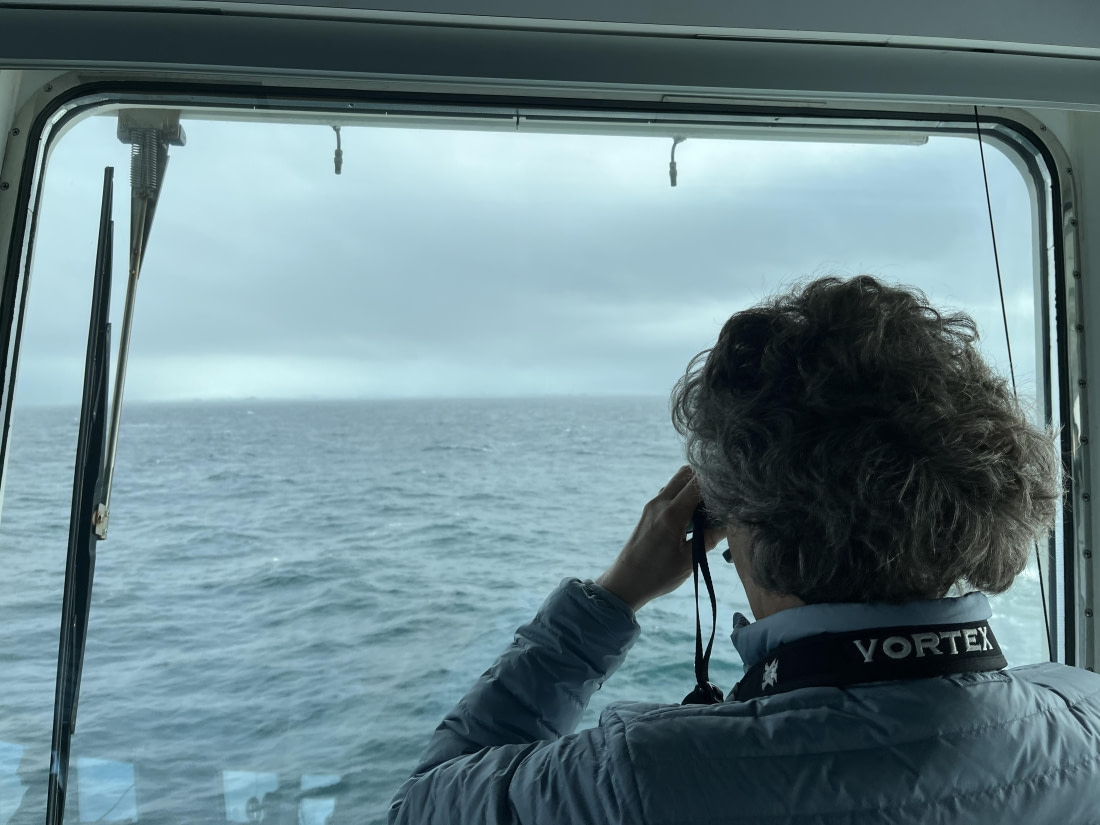
After lunch, excitement grew on deck and on the bridge as Hondius approached Shag Rocks. Guests gathered outside with binoculars as the afternoon turned into an exceptional wildlife- watching experience. Whales were sighted repeatedly around the ship, surfacing and blowing in the nutrient-rich waters. Calls quickly spread across the decks as people moved from rail to rail, watching these giants of the Southern Ocean appear again and again against the open seascape. It was a striking welcome to South Georgia and a powerful reminder of the richness of these waters.

Following our passage past Shag Rocks, attention turned to expedition preparation. The mandatory South Georgia biosecurity checks began shortly afterward, with guests called deck by deck to the observation lounge. Outerwear, boots, bags, life jackets, and equipment were carefully inspected to ensure everything was completely clean and ready for landing. These measures are essential to protect South Georgia’s fragile ecosystems from introduced species.

In the late afternoon, Tiphanie invited everyone to the observation lounge for an Introduction to South Georgia. Her lecture brought together wildlife, history, and conservation, building excitement for the days ahead and highlighting why this remote island is such an important and special place.

Dinner was served at 19:00, and MV Hondius continued her approach through the evening sun kissed skies as we sailed South East, and the sun set on the horizon behind us. One of the most spectacular closes to our days at sea. With South Georgia now in sight, today felt like a transition from open ocean to island life, marked by learning, preparation, and an introduction to the whales of the Southern Ocean.

Day 7: Salisbury Plains

Salisbury Plains
Datum: 03.02.2026
Positie: 53°48.1’S / 38°07.7’W
Wind: S5
Weer: Overcast
Luchttemperatuur: +3

An early wake-up call at 06:45 signaled a full and exciting day ahead as MV Hondius lay offshore at Salisbury Plain, one of South Georgia’s most iconic and wildlife-rich landing sites. After breakfast in the dining room, guests prepared for a full day of exploration, with activities carefully rotated to allow everyone to experience this remarkable place.

In the morning, one group of guests was invited ashore for a landing at Salisbury Plain, while the other set out on a zodiac cruise along the coastline. At the same time, the snorkelling team prepared for their morning outing, meeting at the dry suit area before heading out to explore the cold, nutrient-rich waters with one plan and one plan only. Penguins.

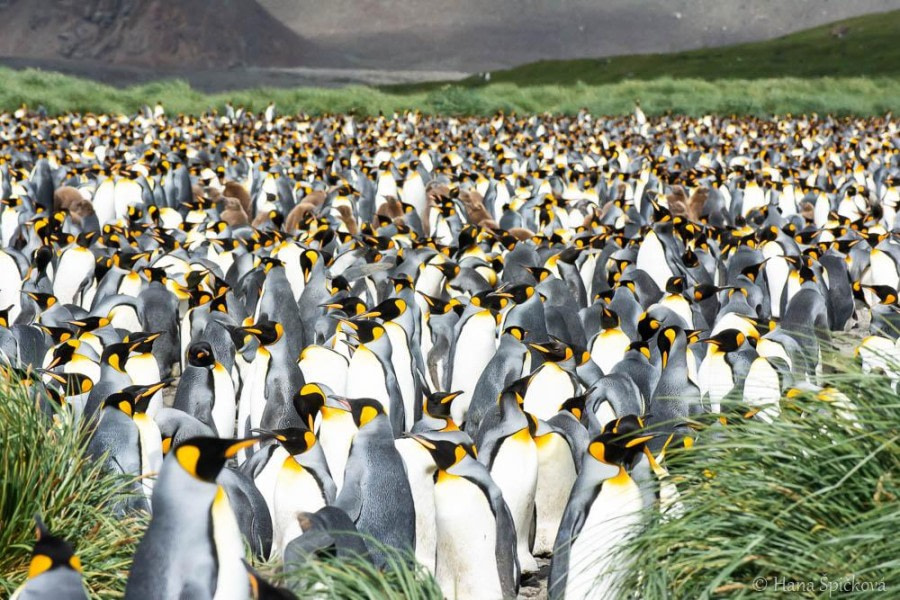
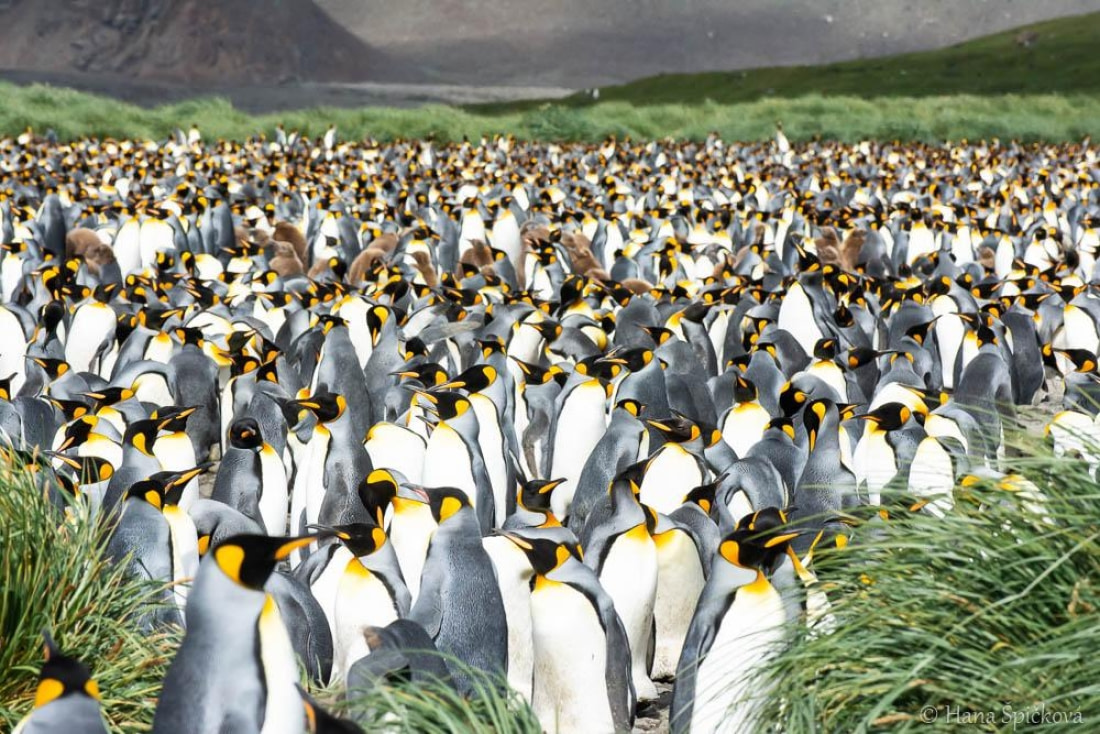
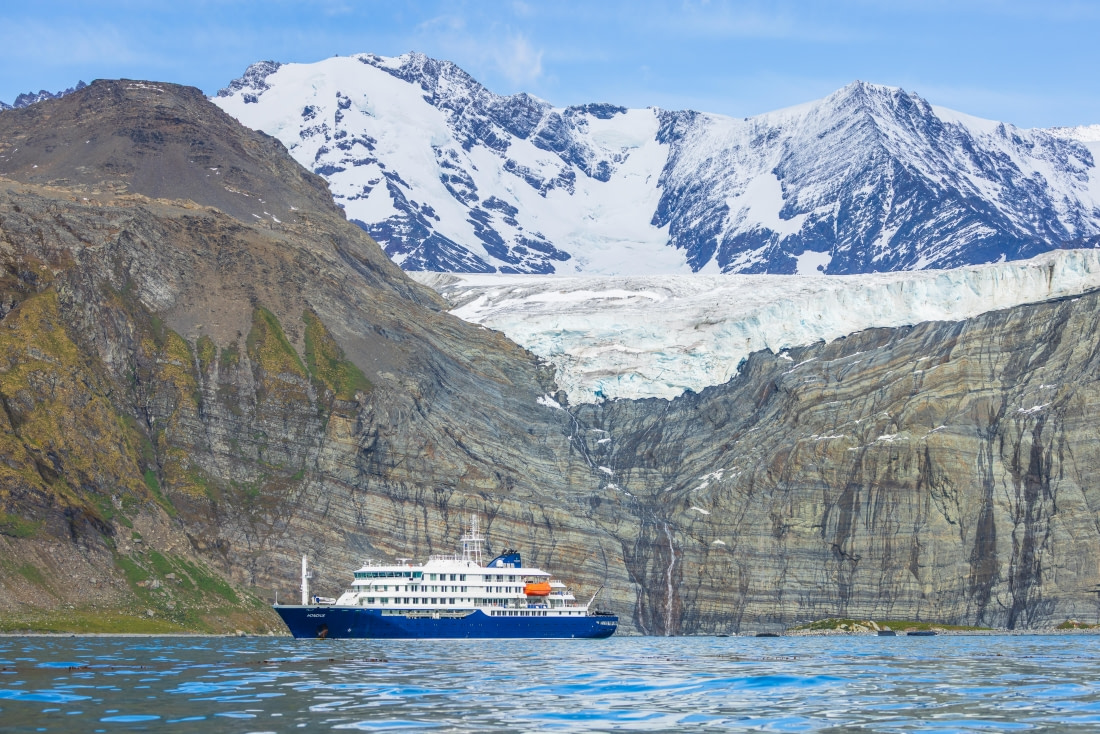
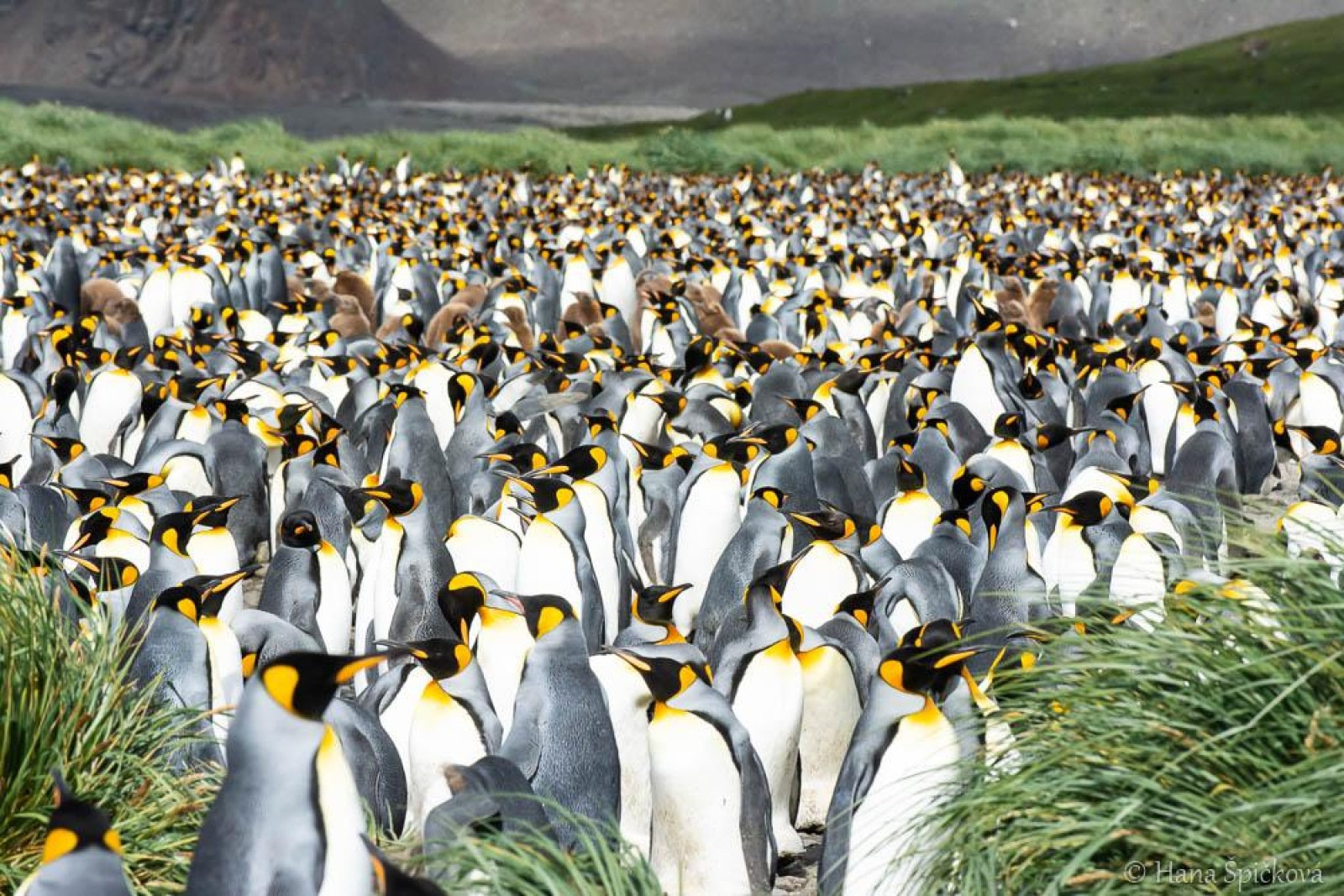
Those who landed were immediately immersed in one of the most extraordinary wildlife spectacles of the expedition. A vast colony of King penguin stretched across the coastal plain, with thousands of adults standing shoulder to shoulder and large, fluffy chicks gathered nearby, patiently awaiting their next feed. The sound, movement, and sheer density of life were overwhelming, offering a powerful introduction to the ecological richness of South Georgia.

Meanwhile, zodiac cruisers enjoyed a different perspective of Salisbury Plain, observing the colony from the water and navigating along the shoreline where seals rested on the beaches. The scale of the site was striking from every angle, with penguins, seals, and dramatic glaciated mountains filling the view.

After lunch aboard Hondius, the groups swapped activities. Those who had cruised in the morning went ashore to experience the colony up close, while the morning landing group took to the zodiacs to explore the coastline. In the afternoon, additional one-time snorkellers also entered the water, enjoying an incredible session among king penguins and playful fur seals, making the most of the rare opportunity to witness South Georgia’s wildlife both above and below the surface.

As the day drew to a close, guests returned to the ship buzzing with stories and photos from every angle of Salisbury Plain. Today was a true South Georgia highlight, immersive, energetic, and unforgettable, showcasing the raw abundance of life that makes this island so special.

Day 8: Ocean Harbour & St.Andrews Bay

Ocean Harbour & St.Andrews Bay
Datum: 04.02.2026
Positie: 54°07.6’S / 36°32.8’W
Wind: NW5
Weer: Overcast
Luchttemperatuur: +3

The day began early with a zodiac cruise through Ocean Harbour, the stillness of the morning broken only by the calls of fur seals resounding across the water. Once an active whaling station between 1909 and 1920, Ocean Harbour was smaller than many of South Georgia’s other industrial sites, yet it carries a heavy sense of history. Rusting remnants of machinery and scattered structures tell the story of an intense but relatively brief chapter in the island’s past.

Just offshore lies the wreck of the *Bayard*, a steel barque that met its fate here in 1911. Time and tide have reduced her to a skeletal outline, but the wreck remains a striking reminder of the dangers faced by early sailors in these remote waters. Nearby is South Georgia’s oldest grave, a quiet and poignant landmark that underscores the isolation and hardship of life at the edge of the Southern Ocean.

Ocean Harbour also marks the site where reindeer were first introduced to South Georgia in 1911. Brought by whalers as a food source, the animals would go on to reshape local vegetation until their successful removal between 2013 and 2015, with the last two reindeer eliminated in 2017. Today, the landscape is slowly recovering, offering renewed habitat for native species.

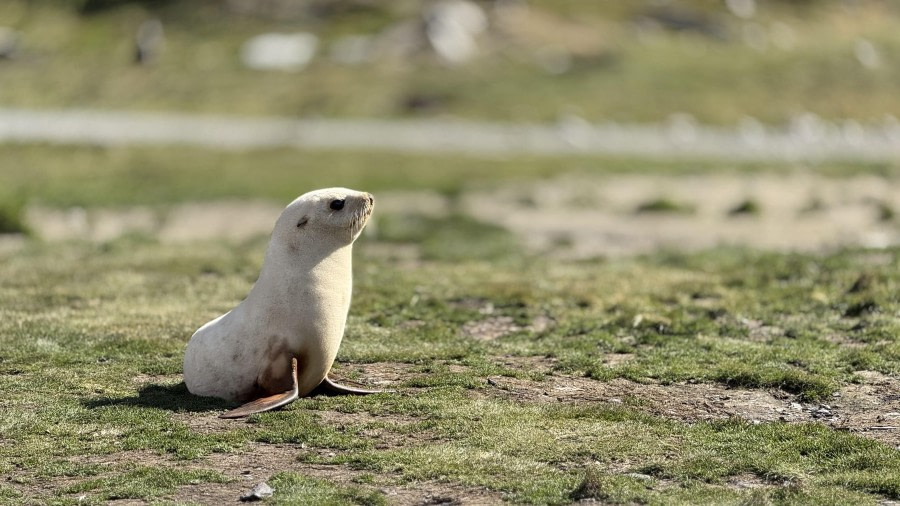
Wildlife sightings were abundant. The endemic South Georgia Pipit flitted among the tussock grass, a conservation success story following the eradication of invasive predators. Elephant seals lounged along the shore, sharing the beach with abundant Antarctic Fur Seals including several blond pups whose pale coats contrasted starkly against regular black coated pups. Yellow-billed Pintails foraged and paddled calmly in the shallows, unfazed by the passing zodiacs.

Following lunch back onboard and acting on a tip from another cruise ship we sailed north along the coast of South Georgia to the Cumberland Bay area, a large congregation of Humpback Whales had been reported and guests were treated to several close encounters alongside the ship, a single Southern Right Whale put in a brief, but close encounter adding to the sense that South Georgia’s waters are once again thriving after decades of exploitation.

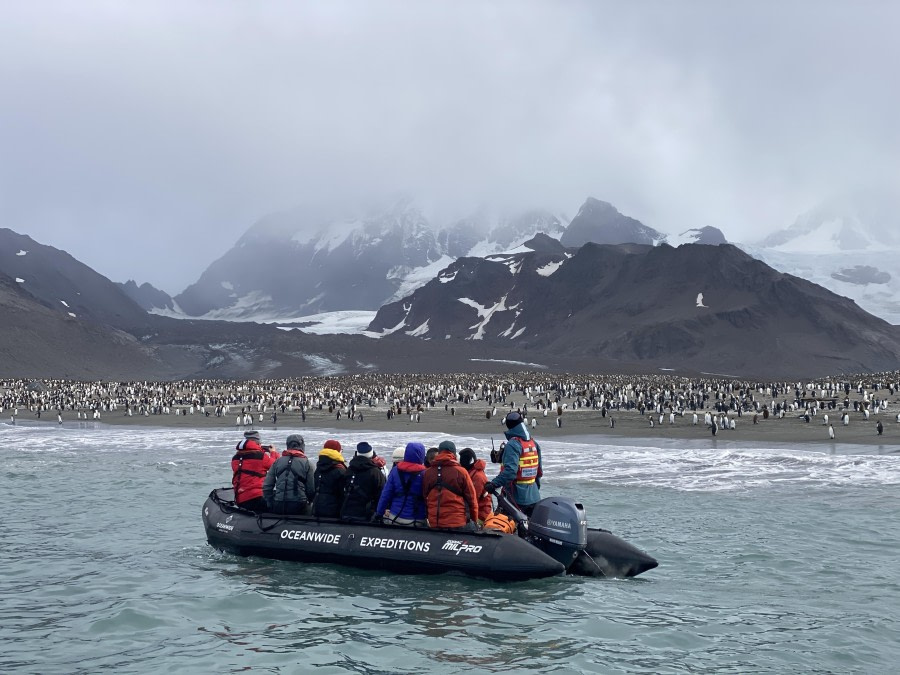
In the late afternoon, a brief but welcome weather window opened, allowing for a zodiac cruise into St Andrew’s Bay. The reward was immediate and overwhelming. The vast king penguin colony stretched across the beach and into the distance, tens of thousands of birds creating a constant low roar of sound and motion. Among them were elephant seals of all ages, including a young male already showing the early development of his proboscis. The beach was also alive with activity from numerous young fur seals, their boundless energy contrasting with the languid sprawl of the larger seals.

As the day drew to a close, attention turned to plans for tomorrow. With South Georgia’s weather always unpredictable, the itinerary remains flexible, guided by conditions and opportunity. Whatever lies ahead, the day’s experiences reinforced the island’s unique blend of raw wildlife, deep history, and powerful sense of place—an environment that leaves a lasting impression on all who visit.

Day 9: Grytviken & Leith Harbour

Grytviken & Leith Harbour
Datum: 05.02.2026
Positie: 54°14.0’S / 36°34.7’W
Wind: W7
Weer: Sunny
Luchttemperatuur: +5

Our day started with a landing at Grytviken, the oldest whaling town on South Georgia. Even though the wind was strong, the captain managed to bring Hondius safely into the sheltered bay. Because of the weather, the South Georgia Heritage Trust team could not come on board to give their usual talk, but we met them later on land instead. The government inspectors also did not check our boots this time — something we would have easily passed thanks to everyone’s excellent biosecurity efforts. That evening, our “100% score” was rewarded with a glass of prosecco or juice after dinner.

At Grytviken, everyone is allowed to go ashore at the same time, so after a short zodiac ride we were free to explore the remains of the old whaling station. Rusty fuel tanks, heavy machinery, abandoned buildings, stranded whaling boats and scattered whale bones told a powerful story of the suffering these animals once endured here. During the height of the whaling era, whales could be hunted directly in this bay. Across South Georgia, over 175 thousand blue, fin, humpback, sperm, minke and southern right whales were killed in land-based stations like this. We visited the museum and joined a guided tour led by the South Georgia Heritage Trust.

It was uplifting to see fur seals now reclaiming the land among the rusting remains. Young fur seals played in the glacial meltwater, swimming and tumbling in the current. Southern elephant seals rested near the graveyard, where Sir Ernest Shackleton lies buried among whalers and explorers. Here, Michael and Jodi shared a traditional toast with a whisky to “The Boss.”

After lunch, we relocated to Leith Harbour. As we already knew the history of whaling and the old station here is unsafe to visit due to collapse risks and asbestos, we focused on stretching our legs. The short hikers enjoyed beautiful views of the bay, folded rock formations, and many fur seals resting on the beach and in the tussac grass. Those who walked a bit farther had great views of the rusting station remains and encountered gentoo penguins along the way.

Around 60 of us joined the long hike, covering about five kilometres through rough and rarely visited valley terrain. Along the way, Enric explained the folded rock formations we passed. We reached a scenic viewpoint overlooking the bay, took photos atop a huge boulder, and returned via gentoo penguin colonies. Seeing these penguins — so familiar from Antarctica — walking through green grass was surprising and delightful. They were moulting, and their unusual hairstyles provided plenty of smiles.

A delicious dinner was the perfect end to another memorable day.

Day 10: Gold Harbour & Cooper Bay

Gold Harbour & Cooper Bay
Datum: 06.02.2026
Positie: 54°23.0’ S, 36°00.6’W
Wind: N2
Weer: Overcast
Luchttemperatuur: +3

What an unforgettable way to conclude our four-day journey through the "Serengeti of the South." Today, we bid a wet and wild farewell to South Georgia, and it was a day that truly showcased the raw, unfiltered power of nature.

We began our day at Gold Harbour, greeted by a moody, misty landscape and a gentle drizzle. Despite the swell, our expedition team navigated us safely to the long, sweeping beach. The sight was nothing short of breathtaking: thousands of King penguins stretched out before us, while the spectacular Bertrab glacier peeked through the low-hanging clouds from high above.

Following the path marked by red poles, we immersed ourselves in a world of wildlife. We wove our way past dense clusters of King and Gentoo penguins, while massive elephant seals and feisty fur seals guarded the shoreline. We witnessed the full spectrum of life in the sub-Antarctic: from the comedic waddle of the penguins to the brutal reality of the wild, as we watched a giant petrel claim a Gentoo right before our eyes.

Perhaps the most astonishing moment for the birders among us was the sighting of a Great Grebe —a bird that, incredibly, has never been reported on South Georgia before! As the rain intensified, we swapped our shore walk for a Zodiac cruise, observing shags on the rocks and the icy lagoon at the glacier's foreland. Getting back onto the Hondius proved to be a bit of an adventure itself, as the swell made for a "tricky" but safe re-embarkation.

By 15:15, we were back in the Zodiacs for our final South Georgia activity at Cooper Bay. The rain was coming down in earnest now, and the swell at the shell door had grown considerably. But the rewards were worth every drop of water!

We were treated to the rare sight of four penguin species in one area: Macaronis, Kings, Gentoos, and even Chinstraps. Seeing the golden-crested Macaronis against the rugged rocks was the perfect "grand finale." By the time we headed back to the ship, the swell had reached a challenging peak. It took focus and teamwork to get everyone back on board, but we did it!

The hotel team knew exactly what we needed. As we stepped off the Zodiacs, wet and shivering, we were greeted by a hot chocolate station—complete with generous helpings of rum and cream! By 17:00, we were all tucked away, warming up and drying out our gear.

We gathered for our final South Georgia recap at 19:00 before a celebratory dinner. Now, the bow of the Hondius is pointed south. We are officially on our way to Antarctica! We had a full day at sea tomorrow to reflect on these memories before we made our first stop at the South Orkneys.

Day 11: At sea heading southwest

At sea heading southwest
Datum: 07.02.2026
Positie: 55°49.7’S, 37°12.4’W
Wind: S7
Weer: Rain
Luchttemperatuur: 0

Today we have our first sea day after South Georgia and to reward us for our dedication to expedition over the last few days our expedition leader Marcel did not wake us this morning. We had a very relaxed breakfast as the ship gently rolled from an oncoming swell.

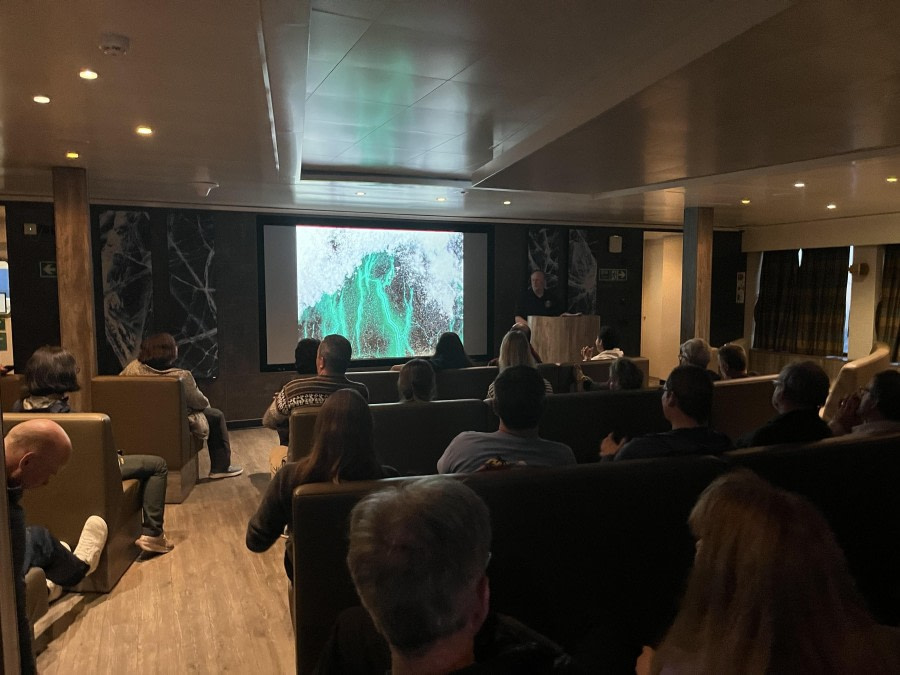
Today we would have several wonderful presentations to attend should we feel inclined. The program started off with Jodi and her telling of the story of Shackleton’s Endurance expedition. A bracing tale of strength and determination against endless adversity. We enjoyed connecting our experiences in South Georgia to the story. After a break next up to present was the “ice man” Jakub with his presentation “Ice of Antarctica”. His presentation was very eye opening to the importance of Antarctic ice and how it is affected by our changing world.

Then before we knew it, it was time for lunch, the swell was subsiding nicely and we all filed down to the dining room for a delicious meal prepared by the galley team. After lunch there was an opportunity for a few of us that had missed part one of the Shackleton movie to view it in the lecture room. Then for the final presentation of the day we had Jade with her presentation “A year in the life of a Southern Right Whale” which gave her a glimpse into the life of the amazing Southern Right whale we saw a few days ago in South Georgia.

After the presentation we had a little time to digest everything we had just learnt. Before we knew it was time for recap. We enjoyed the team’s short presentations and Marcel’s plans before heading down to the dinner. We enjoyed another wonderful meal prepared by the galley team but that was not the end of the day.

Once again, we were called up to the lounge to take part in a charity auction for the South Georgia Heritage Trust. The bar was open for happy hour and the drinks were flowing. Our auctioneers were expedition team members Sasha and Jade. Twenty special South Georgia related items and donated experiences from the Hondius crew and staff were up for grabs including a bottle of Shackleton whisky signed by the expedition leader of the ship who discovered the endurance, the ships flag signed by the entire Hondius crew and a bedtime story by Sasha. Bidding was ferocious and our auctioneers stirred the crowd as each item found its new home. It was a wonderful evening overall and when the final bid was accepted for the evening the total sat at £3410 for the South Georgia Heritage Trust. A fantastic figure for a very worthy cause. After an entertaining evening it was time to head to bed as tomorrow we have big plans in the South Orkney Islands!

Day 12: Signy Island & South Orkneys

Signy Island & South Orkneys
Datum: 08.02.2026
Positie: 60°20.8 S, 43°44.8 W
Wind: SSW4
Weer: Overcast
Luchttemperatuur: -5

It was a crisp -4° C this morning as we loaded into the zodiacs for a cruise through some of the bays of Signy Island. Though there is a research base belonging to the British Antarctic Survey here, since Covid we have not been able to visit any bases, which kept our focus on the wildlife and scenery. Chinstrap penguins regarded us with curious looks as they stood on ice floes, apparently trying to figure out what these weird beings on giant black floating things were. A few also peeked out from their nests high up a cliff. We were left wondering: why do they climb so high? How do they climb so high on such little legs? Is it worth it?
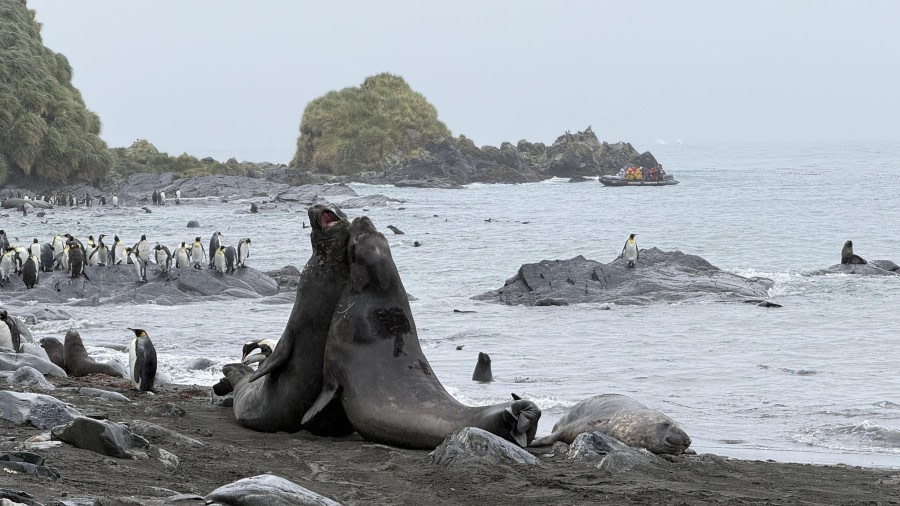
This was our first taste of cruising through close ice, and the icebergs, though mostly small, were intriguing. Debates were vigorous about whether some of the pieces were icebergs or sea ice; those debates remain unsettled. We made our way through the ice to a small beach where we were able to disembark the zodiacs, two boats at a time, for a bit of time on shore. Here we saw more of the large male fur seals than we have yet seen on this trip, plus quite a few elephant seals. The difference in the activity levels of the two species is dramatic. The fur seals are bundles of energy, while the elephant seals make us happy if they so much as raise their heads. And if they spar with each other… Well! That might be a highlight of the day.

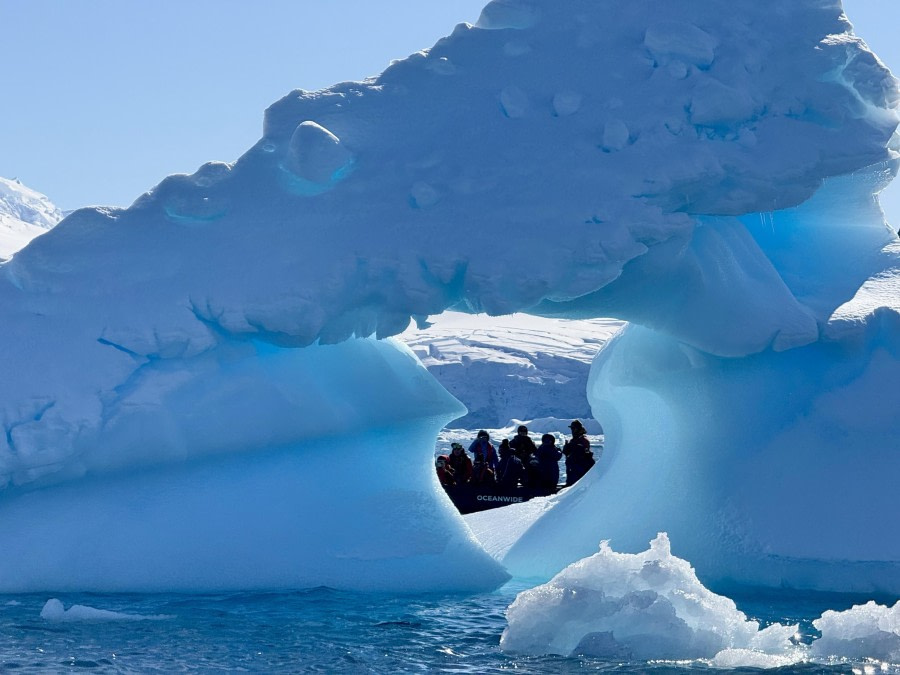
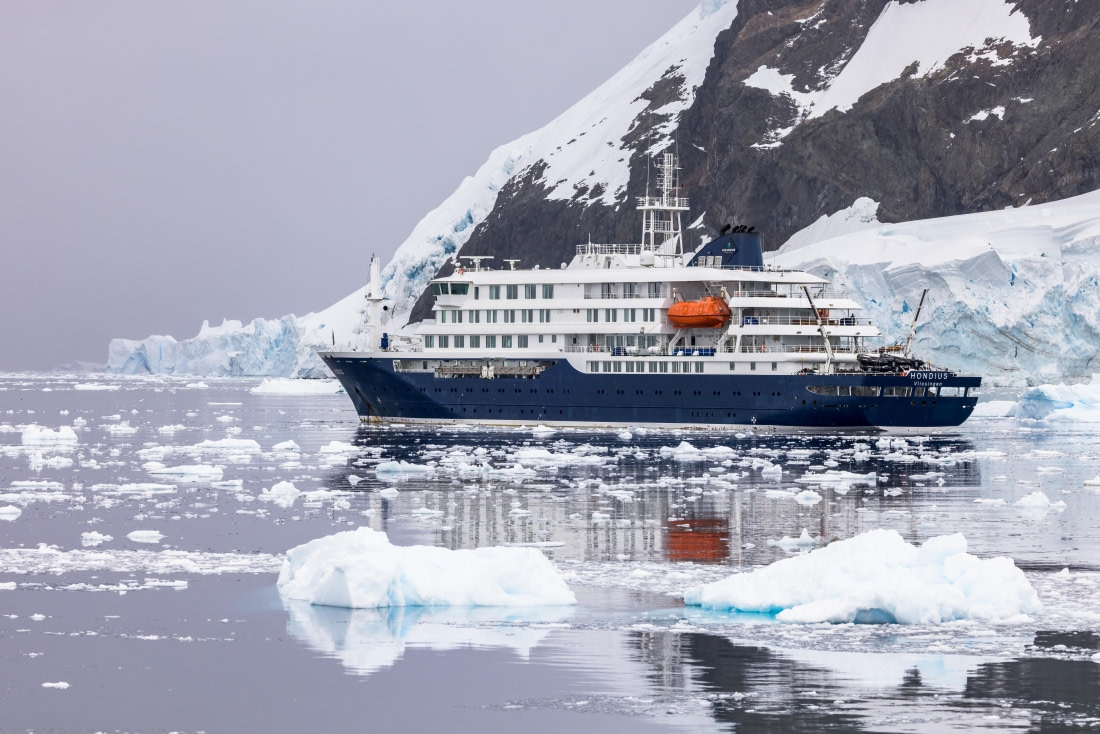
Most of us were happy to get back aboard the Hondius to warm up a bit; this was a good reminder that we will need to dress for the cold on future outings. We are no longer in the (relatively) warm sub-Antarctic; good gloves and hats are requirements. As we sailed away from the island, we were treated to a demonstration of master sailing as Captain Ernesto deftly wove through the many icebergs that dotted our path. He even got us close to a truly fascinating berg that boasted many hues of blue ice, seemingly carved into the shape of a horse’s head. Nature is truly an artist.

Mark had just begun his lecture on Penguin Adaptations and his time working with the birds on South Georgia when a call came over the radio: “Orcas.” All of us scrambled to windows or went outside, where roughly twenty orcas were hunting. At first we could not tell what they were hunting, only that they were hunting. A very large male was prominent in the pod, which included smaller males, females, and even a few youngsters. Wait -- was that another whale in front of them? Suddenly all of the orcas began porpoising more or less in place, even the small ones. What were they doing? Another whale’s head appeared vertically above the surface, and all became clear. The orcas were hunting a juvenile fin whale, and the porpoising was them drowning the whale. The young orcas were learning how to do it, so that they could provide for their pod in the future. It was both gruesome and magical, an event that occurs frequently enough, but is nonetheless rare to see. We mourned the fin whale, yet felt very lucky to have witnessed the hunt. The cycles of nature often leave us conflicted in such ways.

Many dozens of birds surrounded this event, hoping to get pieces of the kill. Represented in the mix were at least two black-browed albatrosses and a wandering albatross, along with many kelp gulls and pintados. Adult and juvenile southern giant petrels showed up in great numbers, including about half a dozen of the white morphs. As we sailed away, our last views were of a number of the petrels fighting each other for access to a piece of the fin whale’s throat pleats that was floating on the surface.

Eventually Mark was able to return to his lecture, though our focus was a little less sharp than it had been at the beginning. We all had orcas on the brain, and would for a while to come.

After we had all settled back down a bit, the evening finished with a screening of the second part of the Shackleton movie. It had been quite an interesting day.

Day 13: Day at sea

Day at sea
Datum: 09.02.2026
Positie: 60°09.7 S, 049°20.6 W
Wind: W5
Weer: Snow
Luchttemperatuur: 0

Having departed the South Orkney Islands the previous day, MV Hondius spent today making steady progress south-westward towards the Antarctic continent. The sea greeted us in a relatively gentle mood, a welcome change in these often-boisterous waters. A low swell rolled beneath the hull, but overall conditions were calm and comfortable, allowing guests to move easily about the ship and spend extended time on deck enjoying the scenery and wildlife.

The morning began with patches of mist drifting across the ocean’s surface, lending a soft, ethereal quality to the seascape. Visibility fluctuated as the veil of fog shifted around us, occasionally obscuring the horizon before thinning again. By late morning the mist gradually lifted and brightened, revealing clearer skies and a broad expanse of Southern Ocean stretching in every direction. The improving light created excellent viewing conditions for seabirds, and many guests gathered on the outer decks with binoculars and cameras in hand.

Birdlife proved to be one of the day’s highlights. Two elegant Light-mantled Albatrosses were particularly well appreciated as they arced gracefully around the vessel, their pale mantles and dark wings striking against the steely sea. Their effortless gliding, barely touching the wind, captivated all who watched. Several Black-browed Albatrosses accompanied the ship as well, confidently wheeling close to the stern. A Grey-headed Albatross offered more distant but rewarding views, while small Black-bellied Storm Petrels fluttered low over the waves, pattering lightly on the surface as they foraged. In addition to the avian companions overhead, a few groups of Chinstrap Penguins porpoised through the water nearby, their sleek black-and-white forms briefly airborne before slipping back beneath the surface. Their presence was a cheerful reminder of the wildlife richness awaiting us further south.

The day’s lecture programme began mid-morning. Michael opened with a sobering and thought-provoking presentation on the history of whaling in the Southern Ocean, tracing the industry’s devastating impact on whale populations and the ecosystems that depend upon them. He also addressed the modern krill fishery, encouraging reflection on how contemporary practices continue to shape Antarctic marine systems. The session sparked many conversations among guests afterward.

Following Michael, Jakub—fondly known as “the Iceman”—concluded his two-part lecture series on Antarctic ice. Building on his earlier talk, he explored glaciers, ice caps, and the immense ice shelves that fringe the continent, explaining their formation, dynamics, and global significance. His clear explanations helped illuminate the powerful natural forces that have sculpted the Antarctic landscape over millennia. After lunch, Enric introduced guests to the geology of Antarctica, unravelling the deep-time story written in the continent’s rocks. His engaging talk was followed by a lively and interactive workshop, encouraging participants to apply what they had learned. Later in the afternoon, Luce presented the second part of her marine life series, focusing on everything that swims in Antarctic waters—from fish and squid to the larger predators that depend on them—complementing her earlier lecture on planktonic life. In the evening, guests gathered in the lecture room for Part Two of the Shackleton film, a fitting conclusion to a day spent travelling through waters steeped in polar history. As Hondius continued her steady course south-westward, anticipation grew for our approaching arrival in Antarctica.

Day 14: Mikkelsen Harbour & Punta Sucia

Mikkelsen Harbour & Punta Sucia
Datum: 10.02.2026
Positie: 63°01.9 S, 058°50.10 W
Wind: E4
Weer: Snow
Luchttemperatuur: -4

The day began quietly, with the ship easing toward its first landing on the Antarctic Peninsula at Mikkelsen Harbour. Overnight snow dusted the decks, and the morning unfolded under an overcast, slightly misty sky that gave the landscape a soft, muted feel. Southern Fulmars and Pintado Petrels traced effortless arcs behind the ship, keeping faithful company as it pushed south, while a Humpback Whale surfaced nearby, a calm reminder of the life thriving in these cold waters.

As the mist thinned, the sun began to break through just as Trinity Island emerged from the grey—an almost theatrical reveal that drew everyone outside. The morning program split between a landing and a lecture, with Yvonne’s talk, *Eyes in Antarctic Wildlife*, sharpening everyone’s awareness for what they were about to experience ashore.

At Mikkelsen Harbour, the historic Argentine hut stood as a weathered marker of the recent human presence, while the remains of the wooden boat on the shore amongst the whale bones marked a much earlier chapter in an otherwise wild place. Nearby, a bustling gentoo penguin colony stole the scene: moulting adults shuffled around awkwardly, while fluffy chicks lingered close by. Weddell Seals rested on the snow, seemingly unbothered by visitors, while Antarctic Fur Seals added a touch of unpredictable energy to the shoreline. Even lunch offered no pause in the day’s surprises. From the dining room windows, Orcas were spotted slicing through the water, turning an ordinary meal into an another unforgettable moment.

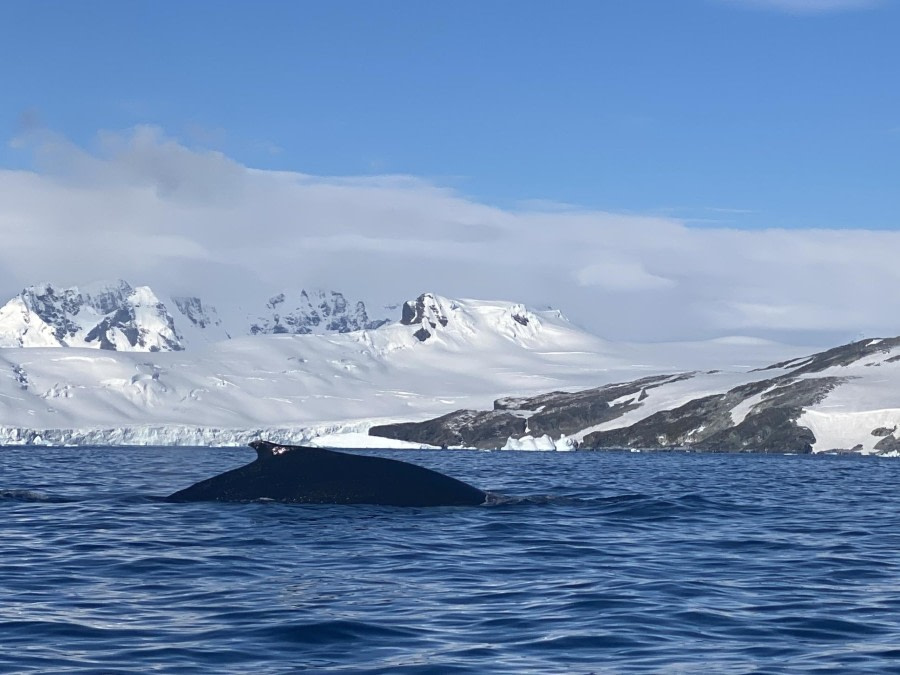
The afternoon brought a change of pace at Punta Sucia. Under clear skies and sunshine, a zodiac cruise revealed more of the peninsula’s drama. Everyone managed excellent views of Humpback Whales, their massive bodies rolling just beneath the surface. A lucky few also caught sight of Leopard Seals hauled out resting on ice, their sleek forms perfectly at home in the frozen seascape.

As evening settled in, the day saved one final spectacle. At the end of dinner, a large group of feeding humpback whales appeared alongside the ship. Lunge feeding and deep dives unfolded in sequence, flukes lifting high before slipping back into the sea as the vessel sailed onward toward its next destination.

The day concluded, as always, with plans for tomorrow—spoken with quiet excitement, knowing that in Antarctica, each new day has a way of outdoing.

Day 15: Yalour Island & Pleneau Island

Yalour Island & Pleneau Island
Datum: 11.02.2026
Positie: 64°42.0 S, 062°58.8 W
Wind: E2
Weer: Partially Cloudy
Luchttemperatuur: -4

Once again we were awoken by our expedition Leader Marcel calling us to action on our second day in Antarctica. This morning we woke up at our most southern point of the voyage at 65̊ S overlooking the Yalour Islands. Here we would have an opportunity to see Adelie penguins! Our final penguin species of the trip.

First, we had a wonderful breakfast prepared by the galley team. Then it was time to get dressed up to go outside. Once again, the weather gods are on our side, and the small islands were bathed in sunshine. This morning, we would be split into three groups with all groups getting a zodiac cruise and a landing. For those cruising first we circumnavigated some of the huge icebergs grounded on the shoreline. Amongst they ice we were lucky to find whales, leopard seals and Adelie penguins. After the cruise we had a chance to get ashore for an hour and enjoy the penguins. The Adelie penguins were very busy taking care of their now huge chicks that were on the cusp of fledging. The chicks were very demanding but for many of them its now time for them to go to sea for the first time. Some still had some of their downy feathers stuck to their heads where they couldn’t reach giving them funny hair styles. It was a great morning! All too soon it was time to load up the zodiacs and get back to the ship for lunch.

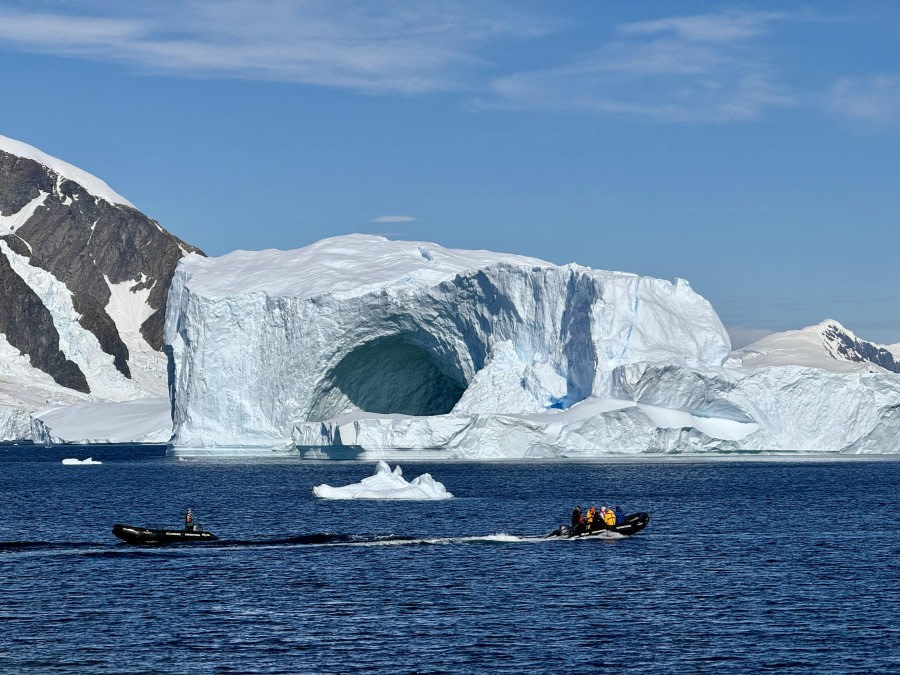
Whilst we enjoyed fajita day in the dining room, the ship repositioned to an area called Pleneau Island. There was a huge iceberg graveyard in the area full of towering tabular icebergs. Here we would have a three-hour zodiac cruise to enjoy the area, which appeared to be full of seals as well. So, we loaded up in our zodiacs once more and headed out to the explore the island and the surrounding icebergs. The ice was incredible and we found Leopard seals, Crabeater seals and Weddell seals in amongst the ice. The weather was fantastic. Bright sunshine and blue skies highlighted our zodiac cruise as we tried to get lost amongst the icebergs. All too soon our time came to an end it and we had to head back to the ship. We had big plans for the evening.

It is BBQ time! The galley team had been busy preparing a delicious BBQ dinner out on the back decks. The ship would be parked in the famous Lemaire Channel where we could dine and enjoy the incredible vistas surrounding us. After dinner we broke out onto the dance floor and danced the night away in one of the most beautiful places on earth. Another wonderful day in Antarctica complete we went to bed ready for our last full operational day tomorrow.

Day 16: Danco Island & Neko Harbour

Danco Island & Neko Harbour
Datum: 12.02.2026
Positie: 51°30.3 S, 061°06.9 W
Wind: SSW8
Weer: Partially cloudy
Luchttemperatuur: 0

Today we woke up to another day under beautiful sunshine. The team keeps mentioning how lucky we’ve been with the weather—and they’re right. It’s hard to believe we are in Antarctica.

After a delicious breakfast, we hopped into our gear for a full day of expedition. Danco Island was our morning destination. Some of us embarked on a Zodiac cruise, while others went ashore. Surprisingly, the beach was free of snow, and the gentoos welcomed us from the very beginning, gathering around the Zodiacs as we approached.

The team had marked a path along the beach leading to the remains of Base O, an old research hut. From there, we continued to the edge of the penguin colony, where we could clearly see their “highway” stretching up and down the steep, snow-covered slope to the colony at the top of Danco Island. Some of us spotted snowy sheathbill chicks hidden among the rocks. During the Zodiac cruise, a few lucky guests also saw a Minke whale and a sleeping Leopard seal.

At the end of the morning, we gathered on the beach for the craziest Adventure of the trip : THE Polar Plunge. About 40 of us jumped into the glacial waters of Antarctica for this unforgettable experience, cheered on by the rest of the passengers. It’s a memory we will carry forever.

After a good lunch,and for some, a warm shower, we arrived at Neko Harbour for our continental landing.

Stepping onto the continent felt different from any other landing so far. The steep climb to the colony and viewpoint was a welcomed leg stretch, appreciated by all. The view over the impressive calving glacier at Neko Harbour was simply stunning. We even had the chance to take a photo with the Antarctic flag, making some of us proud holders of the “7 continents” title.

During the Zodiac cruise, and from shore as well, some of us were lucky enough to witness a breaching Humpback whale, an incredible sight, especially so close to us. The hotel team had prepared a surprise on the water: a warm glass of cider served as we cruised along. Cider with that view, what a perfect afternoon. Another beautiful day ended here in Antarctica. With hearts and minds full of memories, we sail into the sunset, ready for our final day of activities tomorrow.

Day 17: Astrolabe Island

Astrolabe Island
Datum: 13.02.2026
Positie: 63°18.5 S, 058°49.5 W
Wind: SSW2
Weer: Sunny
Luchttemperatuur: +8

Our final morning on the White Continent greeted us as if Antarctica itself didn’t want to let us go: radiant sunshine, deep blue skies, and a gentle breeze that barely ruffled the water’s surface. Our objective for the day was Astrolabe Island, the final jewel of our itinerary before turning our bow north toward Ushuaia.

After intense days navigating more southerly latitudes, we allowed ourselves the luxury of a restful morning before reaching the island. The galley team took advantage of these extra hours to surprise us with a fantastic brunch—the perfect fuel for our final day of exploration in Bransfield Strait. By 11:00 AM, the imposing silhouette of Astrolabe rose before us. This volcanic island serves as a direct testament to the tectonic opening of the Bransfield Strait.

Formed by relatively "young" volcanism—with much of the seafloor spreading and associated activity occurring within the last 2-3 million years—this rugged landscape was sculpted by the same subterranean forces that continue to shape the region today.

Although the expedition team made several attempts to approach the craggy, rocky coastline, safety is always our North Star. After evaluating the conditions, we decided to pivot from a shore landing to a full Zodiac cruise around the island.

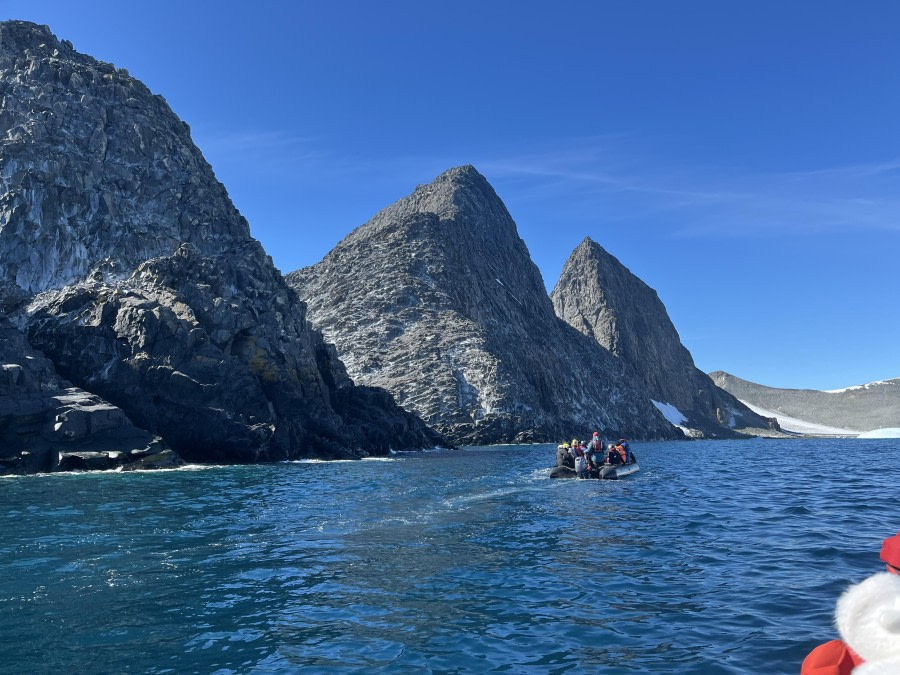
Sometimes, a change of plans hides the best memories. By spending more time cruising among the colonies of Chinstrap penguins, fur seals, and Imperial cormorants (Blue-eyed shags), nature granted us a final masterpiece. To the southeast of the island, a massive concentration of krill attracted dozens of Humpback whales. One after another, their flukes and blows escorted us through a sun-drenched morning—a moment we will hold close to our hearts as the perfect "broche de oro" to our Antarctic journey.

At 3:00 PM, we returned to the ship to officially begin our northbound transit. The afternoon continued to feed our curiosity with a presentation by Tiphanie, who helped us identify and better understand the behaviors of the various seal species we’ve encountered throughout the peninsula.

To close the day, we gathered for our final recap and a shared dinner, toasting to the incredible experiences we’ve lived. Now, we prepare to cross the legendary Drake Passage which, according to the forecasts, awaits us as a true "Drake Lake."

Day 18: Day at sea

Day at sea
Datum: 14.02.2026
Positie: 60°30.1 S, 062°05.3 W
Wind: NW5
Weer: Overcast
Luchttemperatuur: +4

Heading north, bound for Ushuaia. The much-feared Drake Passage is treating us with unexpected courtesy. Swells of just over two meters (about 7 feet) gently rock the Hondius—our floating home for these past three weeks—as we slowly distance ourselves from the ice.

Following a nice breakfast, we gathered to immerse ourselves in the world of Humpback whales guided by Pierre. With the passion of someone who has dedicated his life to observation and research, Pierre broke down their most fascinating characteristics and behaviors. His personal stories as a global researcher transported us back to those magical moments we shared with these 40-ton giants during our journey.

After a short break, Jakub took the stage with a presentation grounded in scientific reality: “The Beginning of the End?” We explored the evolution of our planet's ice sheets and glaciers in the face of the current climate scenario. It was a nuanced session that invited deep reflection while offering practical solutions and a sense of hope regarding the challenges facing these vulnerable regions of the world.

Following lunch and some well-deserved downtime, a symbolic milestone arrived at 3:30 PM: the return of the muck boots. Parting with the piece of equipment we’ve used most over these weeks inevitably marks the closing of our adventure on the ground.

The afternoon continued with Hana, who revealed the secrets of the deep in her talk: “How to Observe the Ocean Below the Antarctic Ice Shelf.” We learned about the technology and ingenuity required to study what happens beneath the ice shelves—a hidden world vital to the planet's equilibrium.

To close the day, after our recap and dinner, we were captivated by Michael’s photography exhibition: “Fragile Elements.” This showcase, part of his Bachelor of Arts project, is the result of years of professional guiding in the Antarctic. His images capture the ephemeral essence and vulnerable beauty of the continent we are now leaving behind.

Tomorrow will be our final night on board. It’s time to recharge and process everything we’ve experienced.

Day 19: At sea approaching South America

At sea approaching South America
Datum: 15.02.2026
Positie: 56°22.3 S, 066°06.6 W
Wind: NNW7
Weer: Cloudy
Luchttemperatuur: +7

There was something indulgent about having no wake-up call this morning. The gentle rolling of Hondius was reminder enough that we were nearing South America, the Drake Passage giving us a final farewell. “One hand for the ship,” we reminded each other as we made our way carefully to breakfast on Deck 4, where the familiar comfort of the buffet felt almost nostalgic on our last full day aboard.

After settling our accounts at reception, we gathered in the Observation Lounge for Jodi’s lecture, The Race to the Pole. She transported us back to the Heroic Age of Antarctic Exploration, when Roald Amundsen and Robert Falcon Scott competed to be first to reach the South Pole in 1911. Amundsen’s meticulous planning, use of skis, and dog teams gave him the edge, while Scott’s tragic return journey became one of the most poignant stories in polar history. The Antarctic, once a blank spot on maps, suddenly felt more alive knowing the human determination etched into its ice.

Later, Pierre offered a glimpse into future possibilities, presenting other remote destinations and voyages. From Arctic archipelagos rich with polar bears to deep south -Antarctic trips teeming with Emperor penguins, it was inspiring—and tempting.

In the afternoon, we watched the documentary Endurance, recounting the remarkable 2022 discovery of Ernest Shackleton’s ship beneath the Weddell Sea. Resting upright nearly 3,000 meters deep, preserved by icy waters, the wreck was found using advanced underwater drones—proof that exploration continues even today.

Evening brought Captain’s cocktails, disembarkation briefings, and Sasha’s beautiful slideshow, each image stirring laughter and quiet reflection. By the farewell dinner, the ship felt less like a vessel and more like a shared home—one shaped by wind, waves, and extraordinary stories at the edge of the world.

Day 20: Disembarkation day in Ushuaia

Disembarkation day in Ushuaia
Datum: 16.02.2026
Positie: 54°58.0 S, 068°18.1 W
Wind: VAR
Weer: Cloudy
Luchttemperatuur: +9

Our final morning arrived quietly as the ship eased back into Ushuaia, the first light settling gently over the harbour. Even before breakfast, the corridors were lined with luggage placed neatly outside cabin doors — a simple but certain sign that our voyage was drawing to a close.

Breakfast felt especially warm and unhurried, filled with easy conversation as we shared favourite moments and reflected on all we had experienced. Stories of wildlife encounters, landings on remote shores, and the crossing of the mighty Drake Passage flowed easily between tables.

Soon after, we made our way ashore, where our bags were arranged along the pier for collection. Farewells drifted through the mild air as fellow travellers exchanged hugs, handshakes, and heartfelt thanks to the staff who had guided us so expertly throughout our time in Antarctica, South Georgia, and the Falkland Islands.

With one last glance back at the ship that had carried us safely through ice-filled channels and unforgettable southern landscapes, we stepped into the mild yet windswept morning, carrying with us memories that would long outlast the journey itself.

Total distance sailed on our voyage: 3711.3 NM (6873km) Furthest South: 64°42.0 S, 062°58.8 W

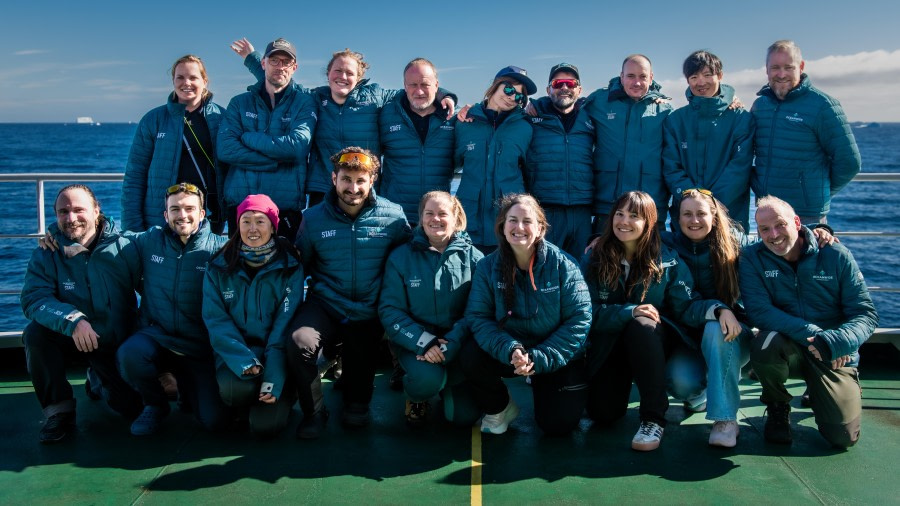
On behalf of Oceanwide Expeditions, Captain Ernesto Barría Vargas, Expedition Leader Marcel Paul, Hotel Manager Albert Don and all the crew and staff of M/V Hondius, it has been a pleasure travelling with you!

Details

Reiscode: HDS28-26
Reisdatum: 28 jan. - 16 feb., 2026
Duur: 19 nachten
Schip: m/v Hondius
Inscheping: Ushuaia
Ontscheping: Ushuaia

Op deze reis geweest?

Aan boord van m/v Hondius

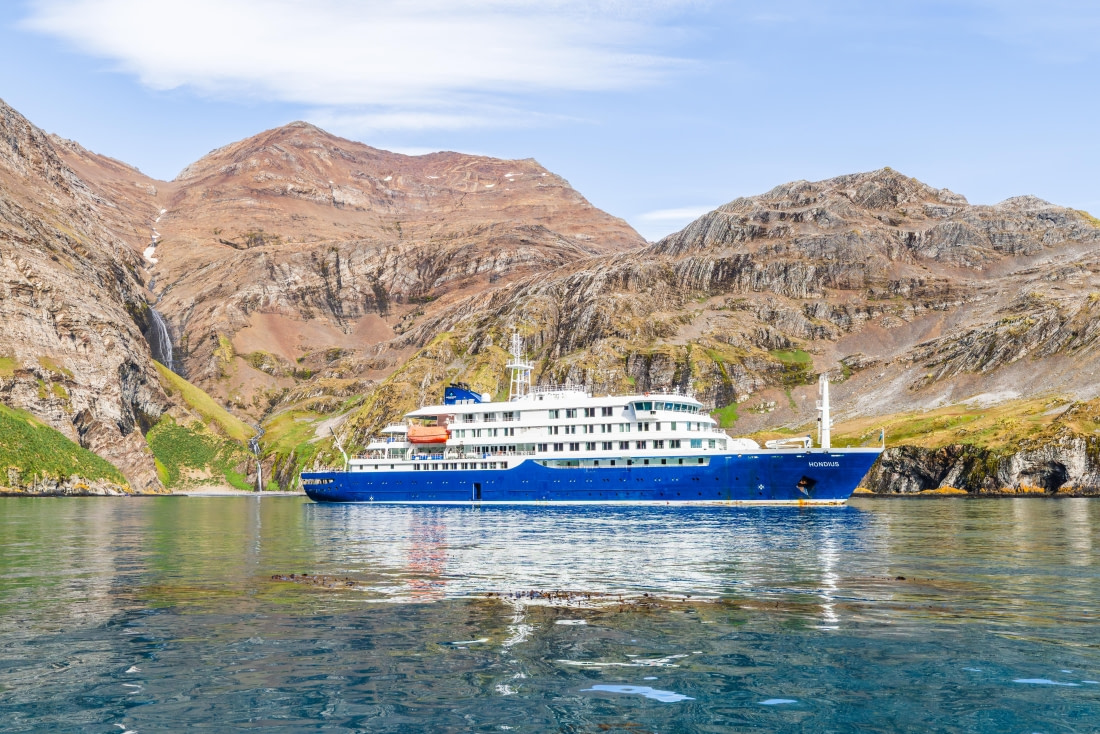
Hondius is 's werelds eerste geregistreerde Polar Class 6 schip en is van onder tot boven gebouwd voor expeditie cruises.

Meer over de m/v Hondius »
Loading